 SocietyGazette.com Society Gazette News

Related Articles



When the Law Catches Up: Doris Ogala’s N30m Bail Comes With Hard Lessons for Social Media Creators
From social media rants to Kirikiri… emotions don’t rule the courtroom
 For social media users who mistake online influence for immunity from the law, the case of Nollywood actress and African Action Congress (AAC) governorship candidate, Doris Ogala, may yet prove to be a costly lesson.
Freedom of speech and expression is a fundamental right, but it does not confer a licence to defame, harass, stalk or publish statements capable of running afoul of the law.
Ogala’s ongoing legal battle has brought that reality into sharp focus, after her online activities allegedly triggered complaints that eventually landed her before the Federal High Court in Lagos and, for days, in custody at the Kirikiri Female Correctional Centre.
The case also underscores a basic principle of the courtroom: emotions, social media popularity and the support of online followers do not determine the outcome of a criminal proceeding. Evidence does.
The prosecution, through the Director of Public Prosecutions (DPP), lawyer Tolu Mokulu, brought cyberstalking and defamation-related charges against Ogala before Justice Akintayo Aluko.
The charges followed petitions linked to statements allegedly made by Ogala concerning Dr. Chris Okafor and other public figures.
What may have started as social media exchanges and public accusations eventually moved beyond the internet and into the courtroom, where the consequences became considerably more serious.
During an earlier proceeding, Ogala reportedly offered an unreserved apology from the witness box after the court expressed displeasure over her conduct.
Her counsel, Marshall Abubakar, subsequently pleaded with the court for favourable bail conditions.
On Friday, November 6, 2026, Justice Aluko finally ruled on the bail application, granting Ogala bail in the sum of N30 million, but with conditions designed to ensure that her release does not become another avenue for conduct capable of interfering with the proceedings.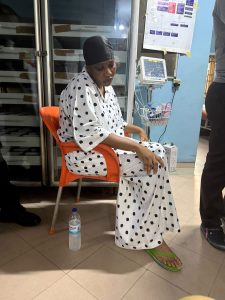
Under the terms of the bail:
- Bail: N30 million.
- Sureties: Two sureties are required. One must be a Grade Level 14 civil servant, while the other must be either a property owner on Lagos Island, a prominent political party leader or a recognised member of the clergy.
- Social media: Ogala is barred from making unwarranted or intimidating publications online while the case is pending.
- Conduct: She is required to maintain good behaviour.
The conditions are a reminder that bail is not an acquittal. It is a temporary release pending the determination of the case.
For social media personalities, bloggers and content creators, Ogala’s experience also carries a broader warning: the internet may make it easy to publish, but it does not make the publisher untouchable.
A post can be made in seconds, a video can go viral in minutes and thousands of followers can amplify a claim almost instantly. But when such publications become the subject of criminal or civil proceedings, the person behind the account may be required to answer for them personally.
Followers may cheer. Supporters may trend hashtags. Online sympathisers may defend their favourite personality.
But none of them will stand in the accused person’s place when the matter gets to court.
The trial has been adjourned until March 25, 2027, when Ogala is expected to continue facing the charges.
Until the court determines the matter, the allegations against her remain allegations, and she is entitled to the presumption of innocence.
But one lesson is already clear: social media is not a courtroom, popularity is not evidence, and emotions do not rule the courtroom.