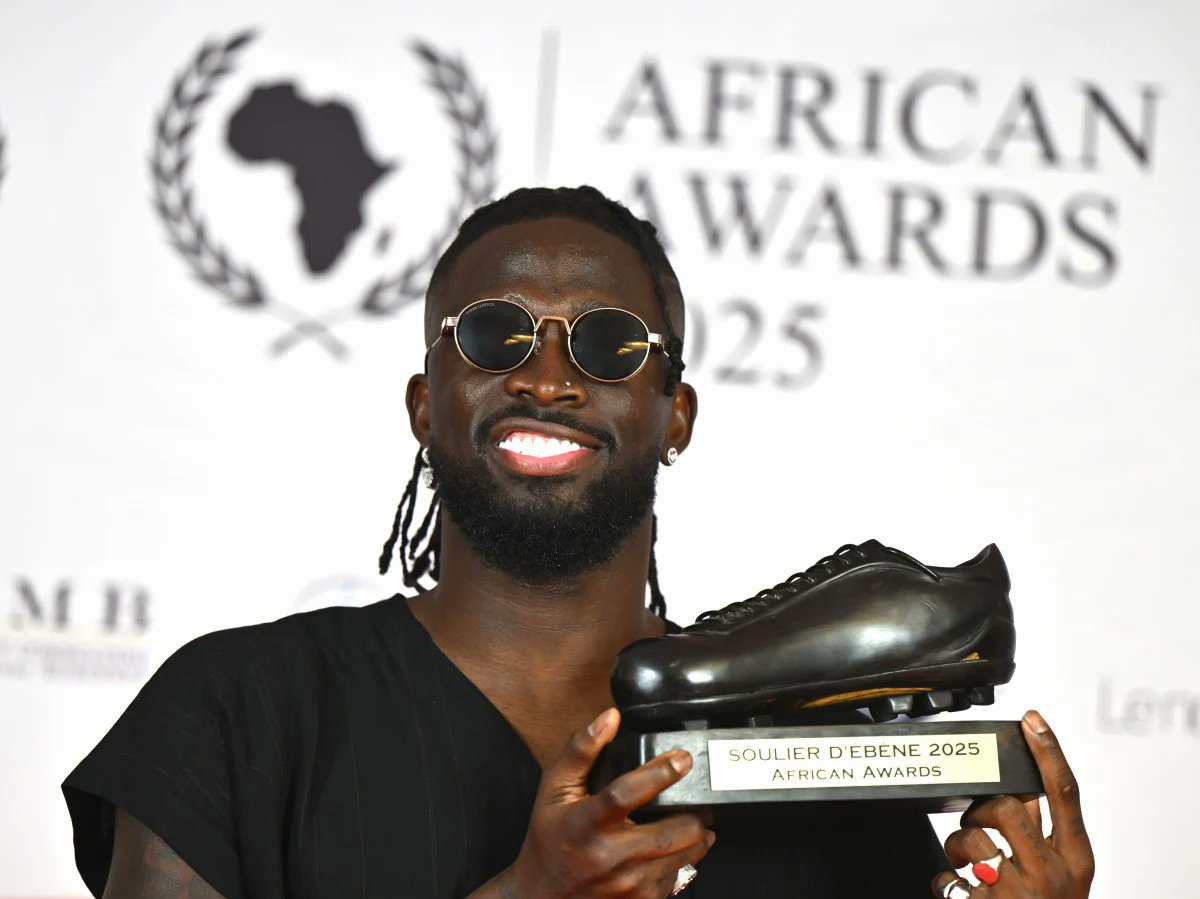
Super Eagles striker and KRC Genk player, Tolu Arokodare, has won the 2024/25 Ebony Shoe Award in Belgium.
Arokdare claimed the award meant for the best African player in the European country for this campaign on Monday.
The 24-year-old has scored 20 goals in the Belgian Jupiler Pro League and is the second leading goalscorer in the competition.
He helped Genk finish top of the pile in the regular 2024/2025 season, but their campaign suffered a setback in the championship play-offs.
Arokodare became the seventh Nigerian player to win the award. The latest since Paul Onuachu won the prize in 2021.
He won the prestigious award ahead of Noah Sidiki of Union St.Gilloise, Genk teammate Zakaria El Ouahdi, Union Saint-Gillloise star Promise David and compatriot Raphael Onyedika.
Daniel Amokachi, Victor Ikpeba, Godwin Opara and Celestine Babayaro are other Nigerians who have won the award.
Arokodare was born in Festac Town in Lagos. He made his debut for the Super Eagles in 2025.
He came on for Victor Osimhen in the 2026 World Cup qualification match against Rwanda.
A few days later, he played his second game for the team in a 1-1 draw against Zimbabwe in the same qualification campaign.
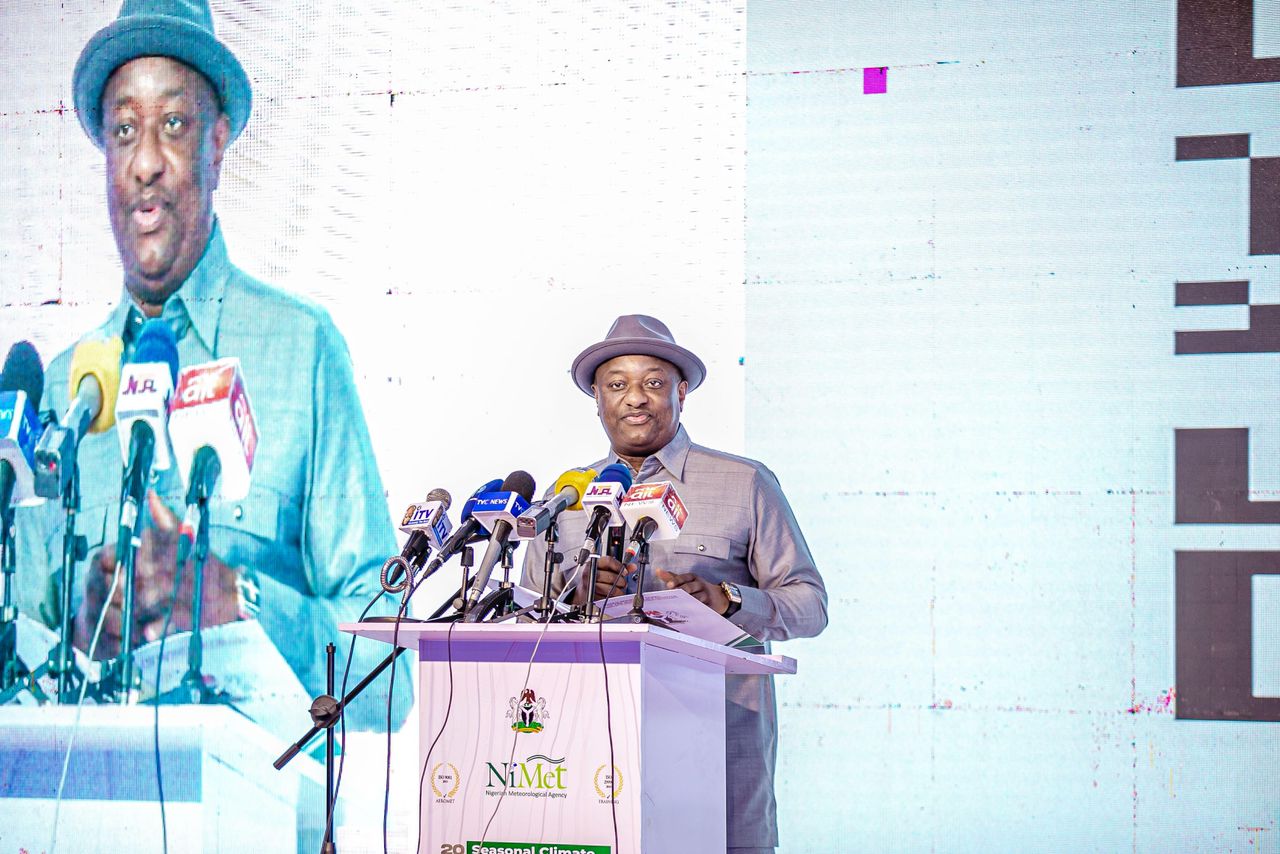
The Minister of Aviation and Aerospace Development, Festus Keyamo, has unveiled a new insurance policy to transform Nigeria’s aviation sector, with the revised regulations specifically designed to ease aircraft financing and support the growth of local airline operators.
The minister announced this in a signed statement by the spokesperson to the ministry, Odutayo Oluseyi, on Monday.
The statement reads, “While flagging off the new era of insurance regulation, the Minister said the revised insurance regulations are expected to boost the aviation sector, improve Irrevocable Deregistration and Export Request Authorisation, allow local operators to cede up to 90 per cent of risk to international markets under certain conditions and it is in line with the Cape Town Convention which gears towards acquisition and financing of aircraft.”
“We are proud of the progress made in enhancing the aviation ecosystem in Nigeria, our focus is on investor-friendliness, empowering the local operators, ensure compliance with international standards, and drive growth and development in the aviation industry,” Keyamo stated.
The Commissioner for Insurance and NAICOM CEO, Olusegun Omosehin, said the commission has fully embraced the initiative.
“The Commission did not only agree to pilot the process but to take ownership of the process,” he said, noting that the policy will enhance Nigeria’s GDP and promote the stability of the aviation insurance market.
Omosehin emphasised the benefits of the new regulation, saying that “The leasing of aircraft will give the airline operators the needed advantage required in procuring more aircraft which will ultimately be to the advantage of Nigerians and other stakeholders.” He added that it would “go a long way to reduce the cost of air ticket in Nigeria, give comfort to Nigeria Airline Operators and restore confidence among foreign investors.”
The Director-General of the Presidential Enabling Business Environment Council, Zahrah Audu, assured Nigerians of the government’s resolve to implement business-friendly policies.
She urged airline operators to improve customer service and minimize flight delays and cancellations.
The Chairman of the Airline Operators of Nigeria, Professor Obiora Okonkwo, expressed the association’s support for the new policy.
“The AON is excited seeing the new insurance policy coming to bear. This will strengthen the aviation sector, retain more money among the operators, and provide general services to Nigerians,” he said.
He further acknowledged the sector’s improved performance under the current administration.
“The aviation sector under President Bola Ahmed Tinubu generates more income for the country than before,” he said.
He, therefore, called on all stakeholders to support the government’s efforts in resolving industry challenges.
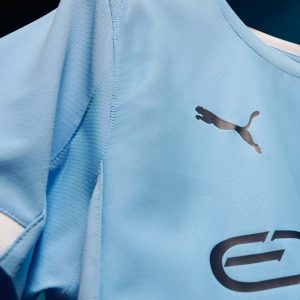
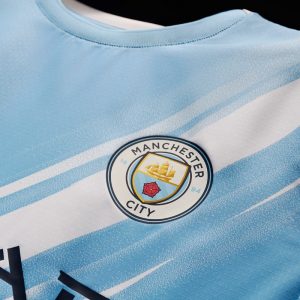
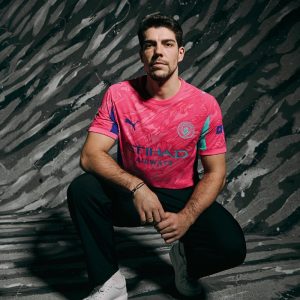
Manchester City have unveiled their official home kit for the 2025/26 football season in collaboration with Puma.
The club, in a brief statement on Tuesday, announced the release of the new strip, which features a distinctive sash design on the traditional sky blue shirt.
“Bring the sash home. Introducing the 25/26 Man City x @pumafootball Home Kit. Out now,” the statement read.
A promotional image released by the club features several players modelling the new design, highlighting the kit’s modern aesthetic while retaining elements of City’s classic identity.
The shirt, emblazoned with the club’s crest and principal sponsor Etihad Airways, continues the partnership between Manchester City and global sportswear brand Puma.
The Lagos State Government has launched a N14.815 billion Green Bond, aimed at financing climate-resilient infrastructure and advancing key sectors such as health, environment, and housing.
The announcement was made by the Commissioner for Finance, Mr. Abayomi Oluyomi, during the 2025 ministerial press rriefing at the Bagauda Kaltho Press Centre, Alausa, Ikeja, where he outlined the ministry’s scorecard over the past year.
He said, “This Green Bond is a landmark achievement for Lagos State. It reflects our dedication to financing sustainable projects that directly impact lives while maintaining fiscal responsibility.
“It is also important to note that Lagos has never defaulted on its debt obligations—a record we intend to maintain.”
He revealed that the bond has been formally certified by the Climate Bond Initiative, a global standard for green investment, signalling Lagos State’s alignment with international environmental benchmarks.
The commissioner noted that the proceeds would be strategically deployed to support impactful projects in the health, environment, and housing sectors—areas he described as “critical to the sustainable urban development of Africa’s fastest-growing megacity.”
In reviewing other strides made by the ministry, Oluyomi disclosed that several administrative and financial reforms had been successfully implemented, including the digitisation of service provider registration, enhanced payroll and security verification, and the deployment of technology-driven tracking systems for revenue and expenditure.
“The strategic use of technology in our financial processes is helping us optimise spending and ensure that every naira is accounted for.
“This is critical in a mega-city like Lagos, where the demand for infrastructure and public services is growing rapidly,” he said.
Looking forward, Oluyomi detailed key initiatives scheduled for the second half of 2025, including the establishment of the Lagos State Sovereign Wealth Fund, the Lagos Economic Summit Group, and the rollout of revenue courts to drive tax compliance and boost internally generated revenue.
He also disclosed that the government is converting idle state assets into liquid financial instruments through securitisation.
“This strategic move is designed to unlock capital for infrastructure development while increasing the productive value of public assets,” he added.
Despite global economic pressures, Oluyomi noted that Lagos had experienced a marked improvement in its Gross Domestic Product (GDP), a feat he attributed to sound fiscal management and strategic planning.
He closed his address with an appeal to citizens.
Oluyomi said, “Our ability to meet our development goals is directly tied to the support we get from the people.
“Regular tax payment ensures continuity and sustainability of our ambitious infrastructure projects.”
The Lagos State Government has postponed the 2025 edition of the Public Service Examinations earlier scheduled for Tuesday, May 13, citing the need to safeguard the integrity of the process.
“The decision was taken to ensure the integrity of the Examination process and guarantee a fair experience for all candidates,” said Mr. Adebayo Orunsolu, Director of the Lagos State Examinations Board, in a statement released Monday evening.
A copy of this was also posted on the state government’s X account on Monday evening.
According to Orunsolu, the examinations will now hold on “Friday, May 23, 2025,” with a new date for specific papers to be announced soon via official channels.
He advised candidates to remain ready and regularly check the Board’s portal — https://examsboard.lagosstate.gov.ng — for real-time updates.
“Candidates are reminded to retain their registration details and print their examination slips before the announcement of the new dates,” he added.
Expressing appreciation for the patience and cooperation of stakeholders, Orunsolu assured that the Board remains “committed to conducting credible, transparent, and efficient Public Service Examinations.”
This development comes just a day before the earlier exam date, prompting candidates to extend their preparation window amid heightened expectations across the state’s civil service structure.
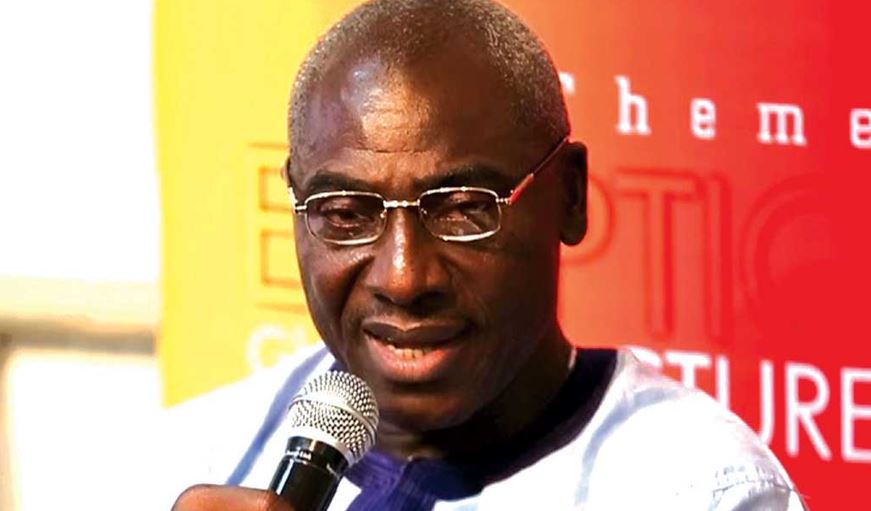
The Executive Director of the International Press Centre, Mr. Lanre Arogundade, has urged journalists to navigate the new media landscape with caution and courage.
Arogundade made this call on Monday at the public lecture held in honour of the 60th birthday celebration of Professor of Journalism, Tunde Akanni and Dr Omolade Sanni of the Faculty of Communication and Media Studies at the Lagos State University.
In March, the Governing Council of the Lagos State University approved the elevation of Akanni to the position of full professor of Journalism and Development Communication, while Sanni is a senior lecturer in the faculty.
On his paper presentation, Arogundade, who was recently removed from the Department of State Services’ watchlist after about 40 years, argued that Artificial Intelligence has disrupted the media landscape and presented journalists with new challenges.
He said, “AI comes with the good, the bad and the ugly. Know this and use it wisely. Whatever you do, never forget the tenets of journalism. This year’s World Press Freedom Day focuses on Reporting in the Brave New World. You have to be brave to report in our new world today.
“Our own recommendation from the International Press Centre is that perhaps we now need a national AI that expressly provides for the protection of journalists and press freedom. AI is here to stay, and my concluding words are ‘shine your eyes.’”
He asserted, “We have seen situations where AI is being weaponised against the media, which means that AI can be the tool that disables press freedom. You would agree with me that it’s hard to conceptualise journalism today in the context of AI without doing so in relation to its own pervasive difference, or let’s say, seeming pervasive difference.
“Like I said, for some, this difference is positively disruptive, and for others, it could be negative. Part of the argument, really, is that the Internet technologies and the social media components are already disruptive enough.
“Both, particularly in this age, which is being increasingly defined by information disorder; we’re all talking about misinformation, disinformation, and so on. “And people, citizens, even ordinary citizens, are now getting used to the idea that there’s something like AI.
“So we should not think that the knowledge of AI is an exclusive enclave of those of us in academia or the media. This is a problem that you may get to a stage where, when you come on the news, citizens may begin to wonder whether they should believe what they have seen or not.”
In his opening remarks, the Dean of the faculty, Professor Jide Jimoh, paid tribute to Akanni and Sanni and their impact on the faculty.
The dean said, “I’m very happy for him (Akanni). I’m happy that he is still in this faculty. I’m happy he’s now a professor. Because he came in as an assistant lecturer, a mister and now a professor, so it’s a great day to celebrate him.
“Dr Sanni, always smiling. She’s at peace with everybody. She will do her job diligently and, most importantly, quietly with compassion. The students love her because whenever you need something from her, whenever you need her to solve a problem, she will always oblige you.”
Commenting on the paper delivered by Arogundade, a former dean of the faculty, Professor Rotimi Olatunji, echoed similar sentiments and called for caution in the use of AI by journalists.
He warned journalists about the ability of AI to hallucinate, which could lead to misinformation if not checked.
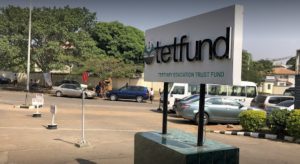
The Tertiary Education Trust Fund has warned that beneficiary institutions that fail to meet performance benchmarks or mismanage allocated funds risk being delisted from its support programmes.
Executive Secretary of TETFund, Sonny Echono, gave the warning at a one-day strategic engagement with heads of institutions, bursars, and heads of procurement of the Fund’s beneficiary institutions in Abuja on Monday.
Echono said the policy was not meant to punish, but rather to safeguard the credibility and impact of TETFund interventions.
“Let me be clear, institutions that consistently fail to access, utilise or retire funds appropriately, or that fall short of enrollment and academic performance thresholds, risk being delisted as TETFund beneficiary institutions,” the executive secretary said.
He also disclosed the intention of the Fund to ensure that its resources are directed towards institutions that are committed to high standards of governance, transparency, and accountability.
According to Echono, the strategic engagement was targeted at addressing recurring challenges in Nigeria’s tertiary education sector, improve project execution, and enhance the quality of education.
A key focus, he said, was the Academic Staff Training and Development intervention.
He said due to rising costs and incidents of scholars absconding, the foreign component of the TETFund Scholarship for Academic Staff was suspended as of January 1, 2025 with emphasis now shifted to cost-effective, locally driven training.
Echono further said this year’s intervention budget prioritises consolidation, sustainability, and the completion of abandoned projects.
“This engagement is not merely a meeting but a strategic convergence. It is designed to address recurring issues of concern, streamline project implementation and enhance the overall quality of tertiary education delivery in our nation.
“As we move forward, let us approach today’s discussions with openness, collaboration, and a shared vision to elevate our institutions and the students we serve. “Together, we can strengthen accountability, drive innovation, and ensure that the legacy of TETFund remains impactful, equitable and enduring for generations to come,” he added.
Dr. Joshua Atah, who represented the Executive Secretary of the National Universities Commission, Professor Abdullahi Ribadu, emphasised the importance of the meeting for evaluating the implementation and impact of Trust Fund-supported projects in higher education institutions.
The NUC also appreciated the Fund’s role in improving infrastructure, research, staff development, and academic quality, stating that without its support, public education would struggle to survive.
Ribadu acknowledged the adaptability of the Fund’s policies such as suspending international scholarships to reallocate resources more effectively.
He urged institutions to be more responsive and ensure that interventions were relevant and efficiently executed.
He encouraged judicious and timely use of funds and called for open and constructive dialogue during the engagement.
“This calls for greater responsiveness also on the part of the institutions. This responsiveness also includes the areas of the design and implementation of these interventions to ensure that they remain relevant, impactful, and aligned with the future of education in Nigeria.
“It’s also important that we judiciously utilise these resources, and not just judicious utilisation but also in a timely manner so that we don’t lose the fund,” he said.
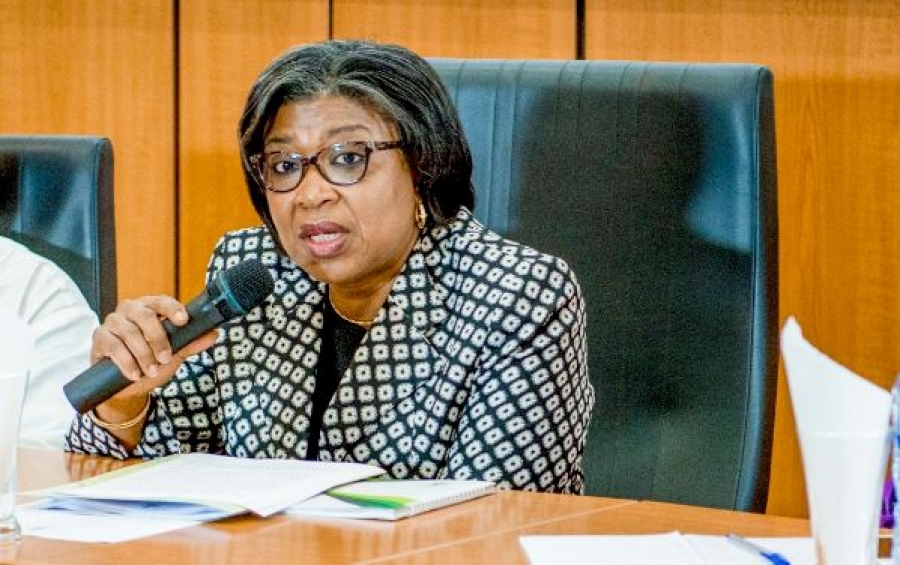
The Debt Management Office on Monday held an investor meeting in Abuja for the issuance of the N300 billion Series Seven Sovereign Sukuk.
Director-General of the DMO, Patience Oniha, said the Sukuk had since its debut in 2017 become a preferred instrument for non-interest investors in the capital market.
Oniha noted that the growing acceptance of Sukuk affirms one of DMO’s core mandates—developing the domestic capital market while raising funds for the Federal Government.
She said a total of N1.09 trillion had been raised through Sovereign Sukuk between 2017 and 2023, with the funds supporting infrastructure development.
“For the seventh series, the plan is to raise N300 billion to further finance capital projects,” Oniha said.
She recalled that the first Sukuk was issued in September 2017 after an extensive marketing effort, with the N100 billion offer receiving a total subscription of N105.878 billion.
“With this amount, more than 4,100 km of roads and nine bridges across the six geo-political zones in Nigeria and the Federal Capital Territory (FCT) have either been constructed or rehabilitated,” she said.
Oniha highlighted the benefits of the projects, including reduced travel time, improved road safety, job creation, better access to markets for rural farmers, and improved access to education and healthcare services.
“In addition to those benefits, other reasons for the sustained issuance are the fact that the Sukuk is project-tied, promotes financial inclusion and contributes to the development of the domestic financial market,” she added.
She noted that past Sukuk issuances had received strong investor interest. “Investors get fulfillment of contributing to infrastructure development, and also get a return in terms of income which is paid every six months,” she said.
Oniha stated that financial advisers play a key role in the issuance process, including structuring the Sukuk, managing the offering, and facilitating investor participation.
Attahiru Machido, representing Buraq Capital Limited, financial advisers to the transaction, said the initiative aims to bridge the country’s infrastructure gap.
“The roads must remain usable throughout the lifespan of the Sukuk,” he said.
Olalade Agboola of Greenwich Merchant Bank, a mandated Issuing House, said the Sukuk carries a rental rate of 19.75 percent, with a seven-year tenor. She said the rental would be paid bi-annually, while the principal would be paid at maturity.
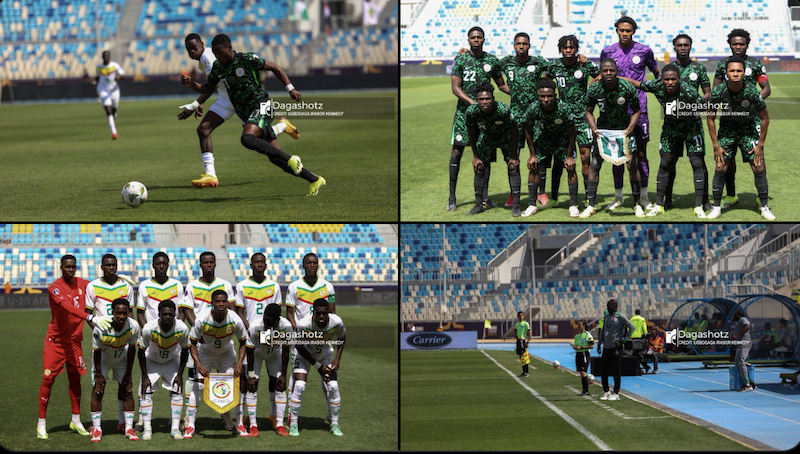
Nigeria’s U-20 national team, the Flying Eagles, have secured a place in the semifinals of the Africa Cup of Nations U-20 tournament and qualified for the FIFA U-20 World Cup after a dramatic penalty shootout victory over Senegal.
The tightly contested knockout stage encounter ended goalless after regular and extra time, with both teams unable to find the back of the net.
Ultimately, it was Nigeria who triumphed 3–1 in the penalty shootout.
The match, held in the knockout stage of the continental youth championship, saw the two sides locked in a stalemate throughout regulation and extra time.
Despite numerous attempts from both sides, neither team could break the deadlock, leading to a penalty decider.
Nigeria converted three of their spot-kicks, while Senegal managed only one, allowing the Flying Eagles to clinch the win and progress to the last four of the competition.
The result not only sends Nigeria into the semifinals of the U-20 AFCON but also confirms their place in the upcoming FIFA U-20 World Cup.
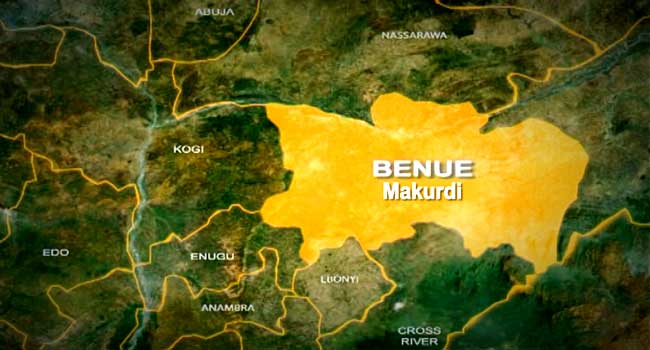
The Chairman of Gwer West Local Government Area in Benue State, Victor Ormin, has announced a daily restriction on movement into and out of the council area from 6.30pm.
Speaking to our correspondent by phone on Monday, Ormin explained that the decision was a precautionary measure to curb the continued loss of lives and ensure residents’ safety.
“Due to escalating insecurity in Gwer West LGA territory, I have directed that people coming into Gwer West LGA and those going out to other places are to do so within the stipulated time of 6:30pm,” he said.
The chairman disclosed that two people were killed Monday morning along the Makurdi–Naka Road by suspected armed herders. “For instance, today, two people were killed along Makurdi/Naka road and their motorcycle was burnt down,” he added.
According to Ormin, the local government has witnessed daily killings, leaving many communities in fear.
“Some people passed through our territory without knowing there is problem, but now we have come out publicly and warned them,” he said. “But if they insist, let it not be that we did not give warning.”
Gwer West LGA borders several other local councils including Gwer East, Makurdi, Otukpo, and Agatu, and also serves as a critical communication link between Makurdi and Ankpa in Kogi State, as well as the Makurdi/Otukpo/Enugu federal highway.
He emphasized that the restriction is temporary and will be reassessed as the security situation improves.
Gwer West has long been a hotspot for violence, suffering some of the worst attacks by suspected Fulani herdsmen over the past decade.
All 15 council wards have been affected, with many communities deserted and now reportedly occupied by armed herders, he noted.