The Nigeria Police Force has released a comprehensive nine-step guide to help motorists seamlessly register and apply for a tinted glass permit through its official portal.
According to the instructions, applicants are required to visit the Police Specialised Services Automation Project portal at www.possap.gov.ng and sign up using their National Identification Number, Bank Verification Number (BVN), or Tax Identification Number.
After filling out the registration form with accurate personal information, users must create an account and verify it using a code sent to their email.
Once verified, they can log in using their email and password to proceed with the application.
Applicants must then select the “Tinted Glass Permit” service, input their vehicle details, and upload all necessary supporting documents.
After confirming the correctness of all submitted information, they are expected to make the required payment.
The final stage of the process involves scheduling a vehicle inspection and biometric capture at a selected Nigeria Police Force Intelligence Department location to complete the application.
This streamlined digital approach is part of the police’s commitment to enhancing transparency, efficiency, and ease of access to its services for the public.
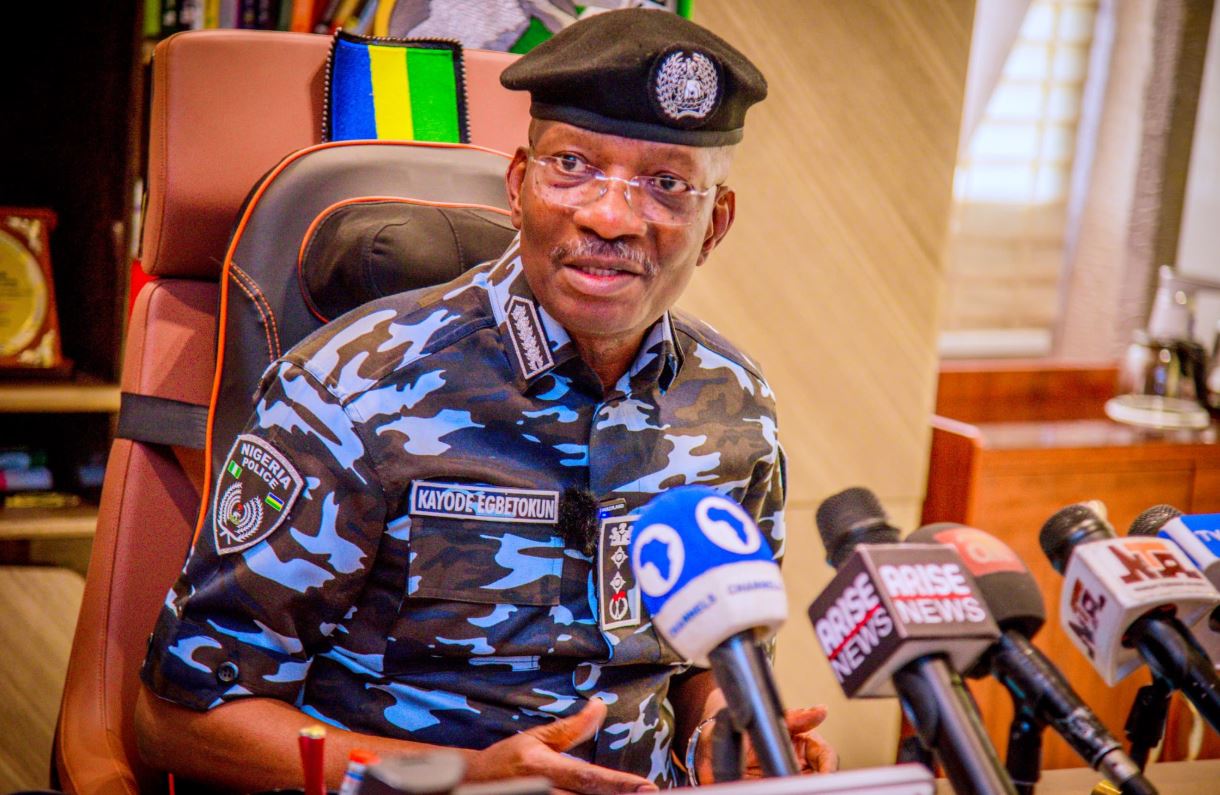
PUNCH Online reports that following a directive from the Inspector-General of Police, Kayode Egbetokun, the Nigeria Police Force resumed the issuance of tinted glass permits across the country.
The development was announced in a statement released on Wednesday by the Force Public Relations Officer, Olumuyiwa Adejobi.
According to the Force spokesperson, the move comes in response to rising concerns and complaints from the public over the harassment of vehicle owners by law enforcement agents for using factory-fitted tinted windows.
In a move aimed at creating a coherent national framework for Nigeria’s renewable energy sector, the House of Representatives Committee on Renewable Energy has announced plans to host a first-of-its-kind legislative conference focused on green energy policies and regulations.
The two-day event, scheduled for May 5 and 6, 2025, will be held in Lagos and is organised in collaboration with the United Nations Development Programme.
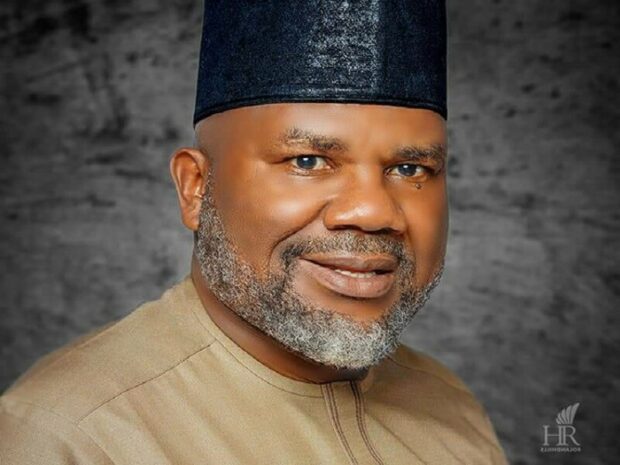
Speaking during a press briefing at the National Assembly in Abuja on Wednesday, the Committee Chairman and member representing Ogbaru Federal Constituency of Anambra State, Afam Ogene, said the conference would bring together lawmakers, regulators, international partners, and private sector leaders to align on the country’s legislative direction in the energy transition.
“This conference aims at bringing together key stakeholders and industry players to discuss renewable energy legislations, energy transition, renewable energy financing, investment opportunities and related matters, towards developing a national legislative framework on renewable energy,” Ogene said.
He noted that recent changes in Nigeria’s constitutional and legal frameworks have created momentum that now requires legislative harmonisation across federal and state levels.
“Recent legislative reforms around the energy sector in Nigeria highlight this growing momentum, thus necessitating the convocation of the 1st Edition of the Legislative Conference on Renewable Energy in Nigeria,” he said.
Key among these reforms is the Fifth Alteration Bill 2022 (No.33), which has become law and now empowers states to legislate on electricity generation, transmission, and distribution within areas covered by the national grid—an authority that was previously restricted to off-grid systems.
Ogene also pointed to the Electricity Act 2023, signed into law in February 2024, as a transformative piece of legislation. “The Act permits states to issue licenses for all electricity activities (generation, transmission and distribution), encompassing lawmaking, regulation, and policy development across the entire power sector value chain,” he explained.
He added that the upcoming National Integrated Electricity Policy, 2025, provides states with a clearer path to develop their local electricity markets, with renewables—particularly solar-powered off-grid systems—playing a major role in reaching underserved populations.
The objectives of the conference include fostering dialogue among federal and state lawmakers, experts, and stakeholders; removing regulatory bottlenecks; and producing an actionable legislative roadmap with targeted reforms and investment incentives.
“The promotion of dialogue among legislators, experts, and stakeholders on critical legislative priorities, regulatory frameworks, and global best practices to accelerate renewable energy adoption in Nigeria,” he said, is a major priority of the gathering.
Other goals include “a coordinated platform for federal and state lawmakers to harmonise policies, address regulatory bottlenecks, and align efforts in advancing Nigeria’s renewable energy transition,” and “an action-oriented roadmap, by producing a clear, time-bound legislative action plan with prioritised reforms, investment incentives, and accountability mechanisms to drive renewable energy growth and grid modernisation.”
The conference will also have a global outlook, with representatives from the International Parliamentary Union and lawmakers from South Africa, Ghana, and Gambia scheduled to participate.
“We also confirmed participation from three African parliaments—South Africa, Ghana, and Gambia—showcasing the House Committee on Renewable Energy’s impact,” Ogene added.
Expected outcomes from the conference include a slate of policy and legislative reform proposals, increased clarity around investment guidelines for private and public actors, and enhanced collaboration between federal and state energy lawmakers.
Meanwhile, Ogene confirmed that the committee’s probe into past renewable energy investments, which was launched weeks ago, would resume when the National Assembly reconvenes next week.
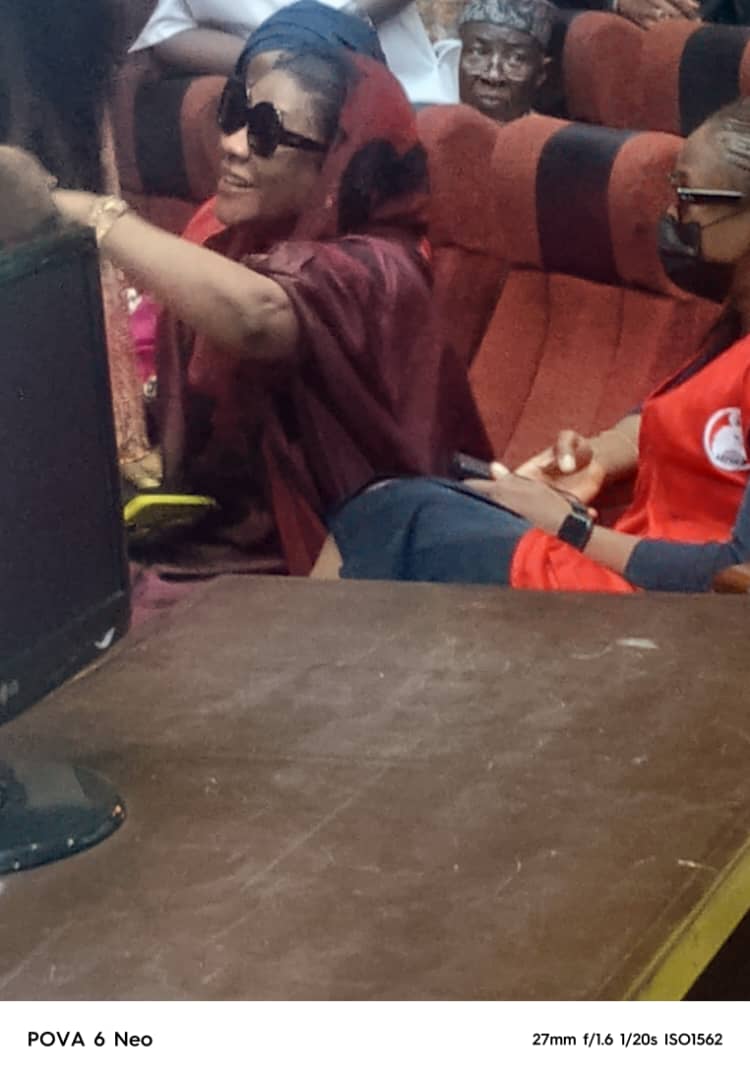
The Federal High Court in Abuja on Wednesday ordered the Economic and Financial Crimes Commission to within 24hrs release socialite and business woman, Aisha Achimugu.
Justice Inyang Ekwo in a short ruling also added that parties in the suit especially the EFCC are to report to the court to give report on compliance to the order of court on May 2, 2025.
Recall that Justice Ekwo had on Monday, ordered Achimugu to submit herself to the Economic and Financial Crimes Commission in connection with an on going investigation bordering on Money laundering and other offences.
Justice Ekwo, also held that following her appearance at the EFCC office, the antigraft agency is to return with her and make an appearance before the court on Wednesday April 30, for report.
Meanwhile, the EFCC arrested Achimugu at about 5am on Tuesday at the Nnamdi Azikiwe International Airport.
The EFCC is investigating Achimugu on a case involving conspiracy, obtaining money by false pretence, money laundering, corruption, and possession of properties reasonably suspected to have been unlawfully obtained.
While she was previously arrested and questioned by the EFCC, she was released on administrative bail by the commission.
However, EFCC alleged that she jumped bail and declared Achimugu wanted.
The EFCC in a press statement urged the public to provide information about Achimugu’s whereabouts, “The public is hereby notified that AISHA SULAIMAN ACHIMUGU is wanted by the Economic and Financial Crimes Commission in an alleged case of criminal conspiracy and money laundering,” the statement read.
The EFCC in its affidavit to show cause, averred that on February 12, 2024, when Achimugu was previously arrested, in their office with her lawyer, Darlington Ozurumba, she wrote a statement.
The commission said in the statement, that she explained some of the huge funds which passed through her corporate bank accounts.
It said that Achimugu admitted the sum of N8, 710, 000, 000.00. (eight billion, seven hundred and ten million naira) was paid by her partners as an investment fund into the purchase and payment of a signature bonus for the acquisition of oil bloc on Nov. 8, 2022.
It said further investigation however revealed that Achimugu, through her company, Ocean Gate Engineering Oli and Gas Limited, acquired two oil blocs, namely Shallow Water -PPL 3007 and Deep Offshore-PPL 302-DO for the total sum of $25, 300, 000 (twenty-five million, three hundred thousand dollars) through majorly cash payments made to the Bureau De Change (BDC) operators who in turn made payments to Federal Government via corporate accounts.
The commission alleged that the ultimate sources of the said sum of $25,300,000 used in the acquisition of the oil blocs were not linked to her lawful earnings or income or any business partner.
“That the acquisition of the Oil Blocks was marred by corrupt practices, as bribes were paid to the officials of the Nigerian Upstream Petroleum Regulatory Commission in the process.
“That none of the Oil Blocks assigned/allocated to Ocean Gate Engineering Oil and Gas Limited by the Nigerian Upstream Petroleum Commission has commenced exploration/production from inception to date,” the EFCC said.
The anti-graft agency averred that following the decision of the court in suit No. FHC/ABJ/CS/451/2024, which dismissed Achimugu’s suit, the commission, in continuation of its investigation, sent letters to some agencies of government, including FIRS, CBN, etc.
It said further investigation revealed that Achimugu operates a total of 136 bank accounts across ten different banks, both in her personal and corporate names.
Displeased with the wanted declaration, Achimugu filed a fundamental rights enforcement suit against the EFCC, the Nigeria Police Force, Independent Corrupt Practices and Other Related Offences Commission, State Security Service, the Nigeria Security and Civil Defence Corps and the Nigerian Immigration Service to stop her planned arrest.
Achimugu in an exparte motion marked FHC/ABJ/CS/626/2025, among others, sought an order of interim injunction restraining the respondents from threatening or harassing her with arrest, detention and invasion of her “properties or threatening to impede her fundamental right to freedom of movement, liberty, privacy and properties”.
Giving ten grounds why her application should be granted, Achimugu said on March 28, the EFCC declared her wanted.
She said that her declaration as ‘wanted’ was unwarranted, unjustifiable, devoid of probable cause, and calculated to discredit, humiliate, and subject her to public opprobrium, thereby causing irreparable harm to her reputation, personal dignity, and professional standing.
While Achimugu’s rights enforcement suit was scheduled to be heard on April 11, her lawyer Kehinde Ogunwumiju informed the court that the respondents had failed to respond or appear, despite being served with the court’s order.
Justice Inyang Ekwo expressed a desire to hear from the respondents and adjourned the matter to Alril 28, 2025, directing that a hearing notice be served on the respondents.
The judge emphasised that the respondents are given one final opportunity to appear and show cause why Achimugu’s reliefs should not be granted.
At the resumed sitting on Wednesday, Ogunwujimi, informed Justice Ekwo that his client (Achimugu), filed an affidavit of facts before the court in the morning.
In a short ruling Justice Ekwo held saying, “The third respondent (EFCC), has granted the applicant bail. Now the court being faced with that will now allow the third respondent to conclude the issue of granting the applicant bail. I am reminded to make this order.
“The Third respondent is hereby ordered to foster the release of the applicant with 24hrs of this order.
“I also make an order that parties especially the third respondent (EFCC) responds back to this court in compliance of the order on 2nd may 2025”.
The matter was also adjourned to same day for hearing of the processes filed.
Popular Nigerian TikTok star, Habeeb Hamzat Adelaja, also known as Peller, has shared how the burden of being his family’s breadwinner at just 19 is affecting his mental health.
In a live session with actress Sandra Benede, the young star opened up about his struggles, saying he is tired of the pressure and doesn’t enjoy going home anymore. Peller said that even though he is not yet 20, he already has big responsibilities that make him feel like he’s the parent in the family, even though he has an older brother.
“If not that they would start looking for me, I would have just gone to America to stay there and go offline. I’ve been wanting to do it for a while now,” he said during the emotional live session.
A 36-year-old Nigerian national, Okezie Ogbata, has been sentenced to 97 months jail term in the United States for his role in a $6 million transnational inheritance fraud scheme.
The United States Department of Justice disclosed this in a statement released on Monday.
Ogbata was found to be a member of a group of fraudsters that sent personalised letters to elderly people across the United States for several years.
The scheme defrauded over 400 individuals, mostly elderly or vulnerable, resulting in losses of more than $6 million.
The letters falsely claimed that the sender was a representative of a bank in Spain and that the recipient was entitled to receive a multimillion-dollar inheritance left for the recipient by a family member who had died overseas years before.
Ogbata pleaded guilty to the charges and admitted to defrauding over $6m from more than 400 victims.
According to court documents, Ogbata and his co-conspirators deceived victims by insisting that, before receiving their supposed inheritance, they were required to pay various fees, such as delivery charges, taxes, and other costs, to avoid government scrutiny.
“Ogbata and his co-conspirators collected money sent in response to the fraudulent letters through a complex web of U.S.-based former victims, whom the defendants convinced to receive and forward funds to them or their associates.
“Victims who sent money never received any purported inheritance funds,” the statement read.
The statement quoted acting Assistant Attorney General Yaakov Roth of the Justice Department’s Civil Division, as describing the case as a testament to the critical role of international collaboration in tackling transnational crime.
“I want to thank our U.S. law enforcement partners, as well as those who assisted across the globe, including the Portuguese Judicial Police and Public Prosecution Service of Portugal, for their outstanding contributions to this case,” Roth said.
Also, the U.S. Attorney Hayden Byrne for the Southern District of Florida emphasised the determination of American authorities to pursue fraudsters globally.
“The long arm of the American justice system has no limits when it comes to reaching fraudsters who prey on our nation’s most vulnerable populations, including the elderly.
“We will not allow transnational criminals to steal money from the public we serve,” Byrne said.
Acting Postal Inspector in Charge Steven Hodges of the U.S. Postal Inspection Service Miami Division echoed the sentiment, “The USPIS has a long history of protecting American citizens from these types of schemes and bringing those responsible to justice.
“Today’s sentencing is a testament to the dedicated partnership between the Department of Justice’s Consumer Protection Branch, HSI, and USPIS.”
Special Agent in Charge Francisco Burrola of Homeland Security Investigations Arizona condemned the exploitation of the elderly.
“It’s inconceivable to imagine any human being robbing from those who’ve spent a lifetime working and building a life and then are duped out of it all,” he said. “Together with our law enforcement partners, we will not tolerate this kind of behaviour; we will bring justice to those who have wronged and stolen from so many people.”
Ogbata’s sentencing comes just days after the Federal Bureau of Investigation announced the arrest of 22 Nigerian nationals in connection with a series of sextortion schemes, highlighting ongoing efforts to combat cyber-enabled fraud targeting U.S. citizens.
The Lagos State Police Command has arrested eight individuals in connection with a series of cult-related killings within the Yaba College of Technology and its surrounding areas.
The arrests were made on April 29, 2025, following an intelligence-led operation.
According to a statement released by the command’s Public Relations Officer, SP Benjamin Hundeyin, the tactical operatives involved in the operation successfully apprehended the suspects, who are believed to be linked to violent cult activities in the area.
The statement partly read, “Tactical operatives of the Lagos State Police Command have arrested eight suspects involved in several cult-related killings within Yaba College of Technology and its environs in an intelligence-led operation, which took place on April 29, 2025.
The Beretta pistol, four 9mm ammunition, one cartridge, two battle axes, and two cutlasses recovered.
The Beretta pistol, four 9mm ammunition, one cartridge, two battle axes, and two cutlasses recovered.
“The arrested suspects are: Adeyemo Abdulsamad ‘m’ aged 24, aka Cloud, Afeez Enitan ‘m’ aged 28, Ayomide Daniel ‘m’ aged 30, Olamilekan Adeagbo ‘m’ aged 26 aka Skinny, Mayor Samson ‘m’ aged 28, Basit Ishola ‘m’ aged 20, Quadri Sikiru ‘m’ aged 26, and Mariam Salihu ‘F’ aged 23.”
During the operation, police recovered several weapons from the suspects, including one Beretta pistol, four 9mm ammunition, one cartridge, two battle axes, and two cutlasses.
Hundeyin revealed that an investigation is ongoing to uncover the full extent of their involvement in cult activities and related crimes.
“During the operation, the following exhibits were recovered from the suspects: one Beretta pistol, four 9mm ammunition, one cartridge, two battle axes, and two cutlasses. Investigation is still in progress to unravel the full extent of the suspects’ involvement in cult-related activities.”
However, the command has assured the public that the arrested suspects will face the full consequences of the law.
“Members of the public are assured that the suspects will be made to face the full wrath of the law,” the statement added.
The Commissioner of Police, Lagos State Command, CP Olohundare Jimoh, praised the swift response and excellent execution of the operation by the Command’s tactical teams and Eko Strike Force.
He urged members of the public to remain vigilant and report any suspicious activities to the police to ensure prompt action.
The statement added, “The Commissioner of Police, Lagos State Command, CP Olohundare Jimoh, while commending the swift response and excellent work of the Command’s tactical teams and Eko Strike Force, who carried out the operation, urges the public to remain vigilant and report any suspicious activity to the police for appropriate action.”
Jimoh further reiterated the commitment of the Lagos Police Command to ensuring the safety and security of all residents and visitors in the state.
“He equally assures the public that the Command will continue to work tirelessly to ensure the safety and security of all residents and visitors to Lagos State,” the statement concluded.
The National Agency for Food and Drug Administration and Control has launched innovative mobile technologies aimed at combating counterfeit drugs in Nigeria’s North-East region.
PUNCH Online reports that at a two-day sensitisation workshop in Gombe, stakeholders from various healthcare sectors were introduced to the “Scan 2 Verify” and “Green Book App” tools designed to authenticate medicines and ensure public safety.
Speaking on Wednesday, NAFDAC’s Director-General, Professor Mojisola Adeyeye, who was represented by the Director of Post-Marketing Surveillance, Bitrus Fraden, reassured participants that all drugs registered by NAFDAC are safe and available only through legitimate outlets.
Adeyeye further explained that the Green Book App serves as a digital registry listing certified medicines approved by the agency.
“Users can quickly verify a drug’s authenticity, with any product not listed being deemed counterfeit,” Adeyeye said.
The workshop, which targeted key stakeholders, including pharmaceutical vendors, medical doctors, and healthcare professionals, harped on the need to adopt the technologies to ensure only genuine medicines reach consumers.
Participants such as patent medicine dealers and shop owners praised NAFDAC for the timely initiative.
Yakubu Yusuf and Hauwa Musa, participants at the workshop, described the training as a significant step toward resolving the challenges of counterfeit drugs.
NAFDAC also emphasised its ongoing efforts to shut down counterfeit drug markets in Lagos, Onitsha, and other parts of the country, reaffirming its commitment to public health and safety.
The agency highlighted the importance of public awareness in the fight against fake drugs, urging individuals to verify medicines before use and make informed health choices.
A data and AI expert, Abel Aboh, has urged the Nigerian government to embed artificial intelligence education into school curricula from the nursery level upwards, warning that the country risks falling behind global standards if it fails to act swiftly.
Speaking during an interview with Channels Television on Wednesday, Aboh, a Data Manager, AI leader, and board member at The Data Lab in Scotland, emphasized the importance of preparing young Nigerians to not just consume AI technologies, but to build and innovate with them.
“We need to start from the early years. When we talk about early years careers, we’re talking about people that are from nursery school. It’s crazy to say that, but countries like China are already starting from nursery and primary school,” he said.
Aboh argued that introducing AI and digital skills early in life is no longer optional but essential.
He stressed that schools without internet or computer access are no longer viable in today’s world, and Nigeria must catch up.
“Imagine a school without internet or without using computers. It’s not possible. We’ve got to embed artificial intelligence as part of the curriculum. This is not about an optional thing. This is a compulsory thing that needs to happen,” he said.
He pointed out that while efforts like the reported training of three million Nigerians in tech skills are commendable, the scope remains limited compared to the nation’s population and youthful demographic.
“You mentioned a number about 3 million, that’s a good number. But in my projection, we need to be targeting 10 million young Nigerian youths at the moment, not just 3 million,” Aboh said.
He called for AI integration across Nigeria’s roughly 200 universities and colleges, including secondary and primary schools.
“These institutions need to be using artificial intelligence as part of their curriculum; not just coding or data science, but how to develop and create those tools as well.”
Addressing concerns about the urgency of tech education amid widespread poverty and hunger, Aboh argued that AI could play a crucial role in addressing economic challenges by creating jobs and unlocking innovation.
“When someone is hungry, what the person needs is food. And food does not fall from the sky, you’ve got to create it. People are hungry because they’re not economically active. Artificial intelligence will help you earn money, create things you can sell, and feed yourself,” he said.
He stressed that Nigeria can no longer rely solely on traditional methods to address societal challenges.
“We can’t just go into the farms and keep farming every day. It’s not possible. We’ve got to apply artificial intelligence to everything we do.”
On government action, Aboh revealed that Nigeria’s national AI strategy remains in draft form, urging policymakers to formalize it and act quickly.
“We’ve got the national AI strategy, unfortunately, the strategy is under draft and that’s sitting in the shed. That’s not good enough. We need to move that from a draft to an active policy,” he said.
He also highlighted the importance of fast-tracking the Digital Economy Bill, which is still awaiting passage into law.
“Government needs to set the trajectory and the policy, and then the public sector needs to galvanize quite quickly,” he added.
Justice Olusola Adetujoye of the Oyo State High Court sitting in Ibadan has convicted and sentenced Olaniyan Amos to 63 years in jail for multiple investment fraud.
Amos was convicted alongside his firm, Detorrid Heritage Investment Limited, on Monday.
They were prosecuted on 30-count charges by the Economic and Financial Crimes Commission, Ibadan Zonal Directorate, bordering on obtaining by false pretences, an offence contrary to Section 1(1) (a) and punishable under Section 1(3) of the Advance Fee Fraud and Other Fraud Related Offences Act 2006.
This was contained in a statement by the Head of Media and Publicity, Dele Oyewale in Ibadan, the Oyo state capital, on Tuesday.
Count 21 of the charge reads, “That you Olaniyan Gbenga Amos and Detorrid Heritage Investment Limited on or about 18th of June, 2020, at Ibadan, within the jurisdiction of this Honourable Court, with intent to defraud obtained the sum of N995, 000.00 from Bada Titilope, when you falsely represented to him that the money is meant for registration and investment with Crime Alert Security Network with a promise of 30% return on investment in six weeks (30 working days), which representations you knew to be false and thereby committed an offence of obtaining money under false pretence contrary to Section 1(1) (a) and punishable under Section 1(3) of the Advance Fee Fraud and Other Fraud Related Offences Act 2006.”
Another charge reads, “That you Olaniyan Gbenga Amos and Detorrid Heritage Investment Limited on or about 29th of January, 2020, at Ibadan, within the jurisdiction of this Honourable Court, with intent to defraud obtained the sum of N920, 000.00 from Onifade Isaac Olawale, when you falsely represented to him that the money is meant for registration and investment with Crime Alert Security Network with a promise of 30% return on Investment in six weeks (30 working days), which representations you knew to be false and thereby committed an offence of Obtaining Money under false pretence contrary to Section 1(1) (a) and punishable under Section 1(3) of the Advance Fee Fraud and Other Fraud Related Offences Act 2006.”
The defendant pleaded not guilty to the charges when they were read to him.
Upon his plea, the EFCC Counsel, Sanusi Galadanchi, opened the case on February 17, 2022 and called eight witnesses, tendered several exhibits marked “Exhibits A to H” and closed the case on January 24, 2023.
At the end of the prosecution’s case, the defendant filed a “no case submission” but was thrown out as the defendant was ordered by the court to enter his defence.
Subsequently, the defendant opened and closed its case on October 17th, 2024, where the first defendant testified for himself and on behalf of the 2nd defendant as a lone witness.
The court, after the presentation of the defendants’ case, adopted the final written addresses of both parties as judgment was reserved till April 28th, 2025.
At the resumption of the trial on Monday, April 28, 2025, Justice Adetujoye convicted and sentenced Amos to seven years imprisonment on each count of 6, 16, 17, 18, 19, 21, 22, 23 and 24 but discharged and acquitted the defendant on 21 counts.
The court also ordered that the sentence should run concurrently and the convict must restitute the victims.
Amos was convicted and sentenced to seventy-five years imprisonment by Justice Bayo Taiwo of the Oyo State High Court, Ibadan, for a similar offence on December 14, 2023.
The convict has two other ongoing trials before the Federal High Courts in Ibadan, Oyo State.
Another journey by the convict to the Correctional Centre began when he was arrested and arraigned before Justice Olusola Adetujoye on December 14, 2021, by the EFCC.
He swindled several individuals under the pretext of investment ventures that led to the loss of money to the tune of over N1 billion by investors.
The Chairman of the Peoples Democratic Party in Kaduna State, Chief Edward Masha, says the party is on course to reclaim power in the state, citing increasing dissatisfaction with the ruling All Progressives Congress and growing public support for the PDP’s alternative vision.
Masha, in a statement on Wednesday, said since assuming leadership of the party six months ago, his administration has prioritised reconciliation, party cohesion, and grassroots engagement.
He said ongoing consultations with critical stakeholders have helped to reposition the PDP as a viable opposition force and a beacon of hope for citizens.
According to him, the party has recorded significant progress despite challenges.
Masha also acknowledged the wave of defections that saw some elected officials and stakeholders defect to the APC but said the PDP remains resolute and united.
He noted that efforts led by Shuaibu Miqati, the chairman of the Reconciliation Committee, has sparked a healing process among aggrieved members, with many embracing the reconciliation.
“We are focused on consolidating our hold on the National Assembly seats, defending our three senatorial positions, and expanding our representation at both the state and federal levels,” he said.
He criticised the APC-led administration of Governor Uba Sani, describing the government’s “Sustain Agenda” as an extension of “painful policies” that have worsened the living conditions of citizens.
“There is widespread insecurity across local government areas such as Kauru, Kaura, Zangon-Kataf, Kajuru, Lere, and Birnin Gwari due to the state government’s failure to complement federal security efforts
“Meanwhile, workers are on strike, hospitals are struggling, and rural infrastructure remains neglected,” Masha stated.
He accused the government of wasteful spending and alleged that funds were being channelled into flamboyant events for projects that were either abandoned or never initiated.
In contrast, he said the PDP lawmakers have been providing boreholes, classrooms, laboratories, healthcare facilities, farming inputs, scholarships, and other empowerment programmes to cushion the hardship faced by the masses.
On the party’s legal battle over the local government councils, Masha said the PDP is pushing to sack all 23 the chairmen and 255 councillors in the state and restore democratic governance through the courts.
“There’s no debate that our people desire change, and the PDP is committed to ushering in a new dawn. We will continue to expose the government’s inadequacies and provide credible alternatives,” he said.
He expressed optimism that the PDP would build on its 2023 performance and reclaim the governorship seat in 2027.
“Any attempt by the APC to rig the next election will be strongly resisted, stressing the party is prepared to defend the people’s mandate with courage and commitment,” he added.
Masha urged party members and citizens to remain united and hopeful, assuring them that the PDP is ready to lead the charge for the redemption of Kaduna State.