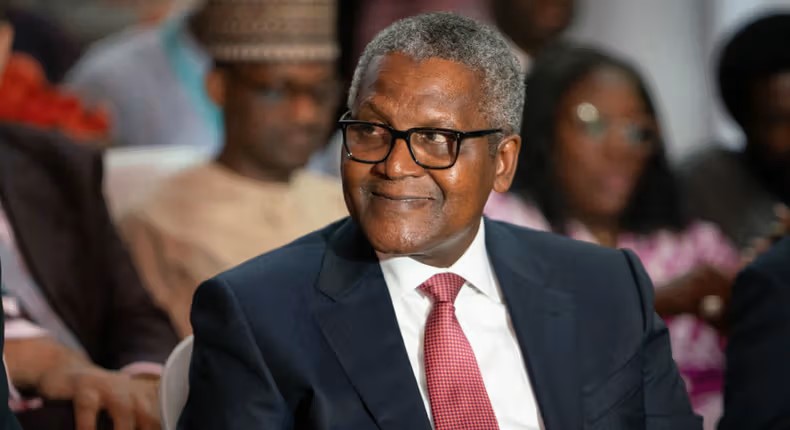
Times names Dangote among top 100 world philanthropists


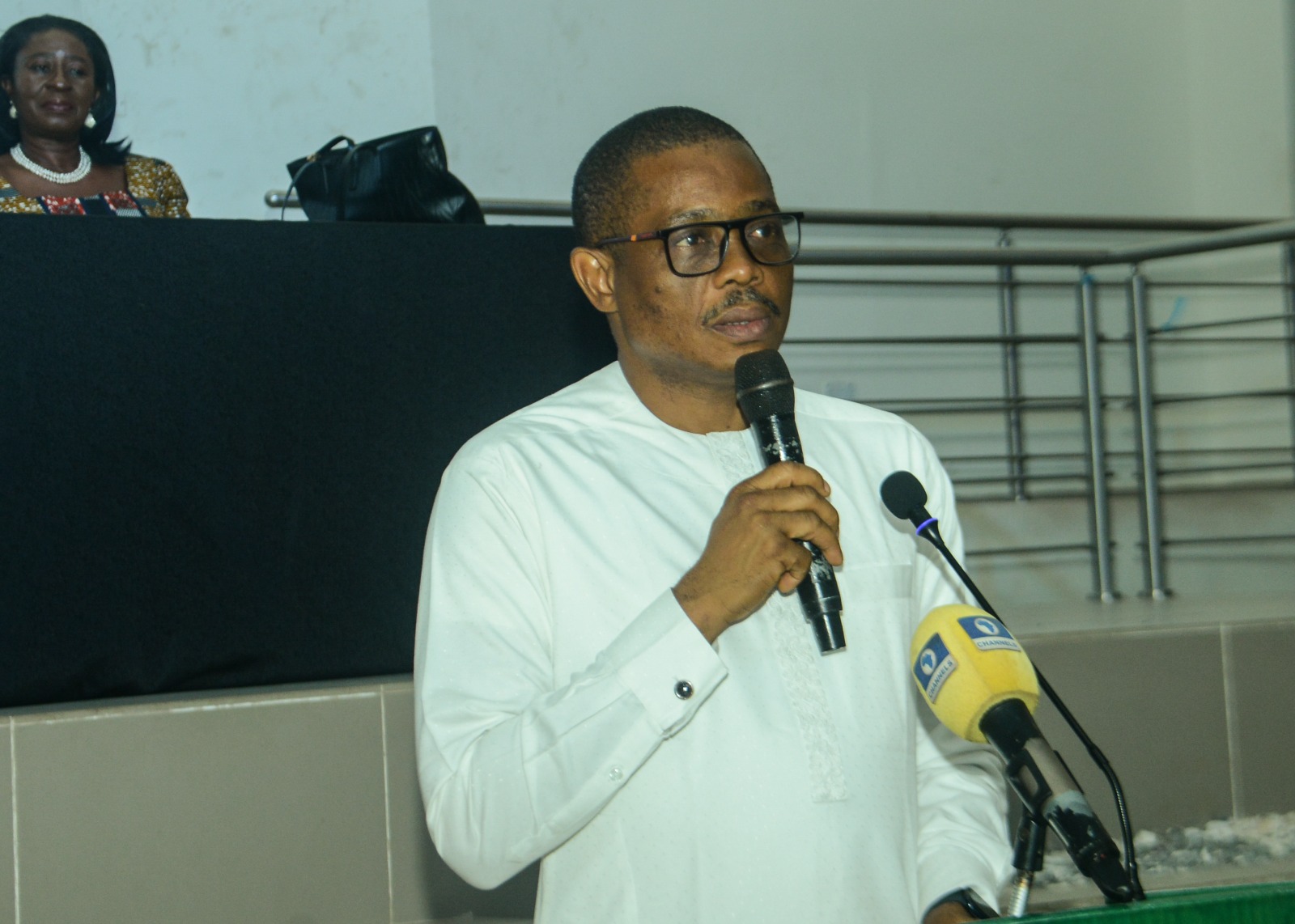
The Chairman of the Aliko Dangote Foundation and President/Chief Executive of Dangote Industries Limited, Aliko Dangote, has been named in the inaugural 2025 TIME100 Philanthropy list, which recognises the 100 most influential leaders shaping the future of philanthropy across the world.


A statement by the Dangote Group on Tuesday said the businessman is the only Nigerian on the list.


The list, published by TIME Magazine on Tuesday, features Aliko Dangote, whose Foundation spends an average of $35m a year on programmes across Africa, alongside other global figures in charitable work, such as Michael Bloomberg, Oprah Winfrey, Warren Buffett, and Melinda Gates, all of whom were recognised as Titans.


“A total of 100 influential individuals from 28 countries have been honoured for their philanthropic efforts in four categories: Titans, Leaders, Trailblazers, and Innovators, with Dangote emerging as one of the 23 Titans.


“TIME highlighted Dangote’s remarkable rise to wealth, having built a fortune of $23.9bn through ventures in cement, agriculture, and oil refining in Nigeria. However, his philanthropic efforts are equally noteworthy.


“In 2014, he endowed the Aliko Dangote Foundation with $1.25bn, with the aim of giving back to the continent that played such a key role in his success. The foundation spends an average of $35m each year on various initiatives across Nigeria and Africa,” the statement said.


Dangote stated that “investing in nutrition, health, education, and economic empowerment is our contribution to setting Africans up for success.”

It was added that among the foundation’s ongoing efforts is a $100m multi-year initiative to combat severe childhood malnutrition.


“Furthermore, an earlier vaccine programme in Nigeria, developed in partnership with the Bill and Melinda Gates Foundation and others, contributed to the World Health Organisation’s 2020 declaration that polio had been eradicated from Africa, Nigeria being the most populous country in Africa and the last country to eradicate the disease.


“Education is another area where Dangote is making a significant impact. He recently announced a $10m donation to the Aliko Dangote University of Science and Technology, based in Kano State. The conglomerate has provided a wealth of infrastructural support to the country’s tertiary institutions.


“In 2019, the Federal Government revealed that the N1.2bn hostel donated by the Aliko Dangote Foundation to Ahmadu Bello University, Zaria, was the largest donation ever made by an individual to a university in Nigeria’s history at that time.


“As a member of The Global Business Coalition for Education, the Aliko Dangote Foundation has also focused on early childhood education. Through the Mu Shuka Iri (Let’s Plant a Seed) programme, local women – affectionately known as ‘Aunties’ – are trained in Montessori-style education to become community educators in Kano,” it was added.


The billionaire businessman further remarked, “We need to create the next generation of African leaders.


“My mother instilled in me the ethos of giving back, which inspired my philanthropy 30 years ago. I trust my three daughters will continue this legacy, just as they will continue to grow our business and impact. I want to be known not just as Africa’s richest person but also as its biggest philanthropist.”

Workers protest withheld salaries, pensions in Abuja


Members of the Trade Union Congress and the Petroleum and Natural Gas Senior Staff Association of Nigeria, on Tuesday, staged a protest at the Federal Ministry of Finance, demanding the immediate release of withheld pension, salary arrears, and other emoluments owed to staff of the Nigerian Nuclear Regulatory Authority.


The protesters, dressed in red T-shirts and carrying placards, blocked the entrance to the ministry, preventing vehicles from entering or exiting the premises and forcing many civil servants to return home.


Speaking during the protest, TUC Secretary General, Nuhu Toro, explained that the Ministry of Finance had withheld the Internally Generated Revenue of the NNRA, from which pensions and salaries are paid.


“We are here because of withheld IGR accrued to the NNRA, and we are finding it difficult to reconcile why,” Toro said. “Their contemporaries in the same sector have been paid. It is from this IGR that pensioners of the NNRA are paid, and from which workers earn their salaries and allowances. So, if the IGR is withheld, they will not be paid.”


Toro also lamented the impact of inflation and the rising cost of living on the N70,000 minimum wage.


“If salaries are not paid as and when due, you can imagine the suffering workers are subjected to. The value of the minimum wage has already been eroded by inflation and the high cost of living.”

He, however, acknowledged a step forward in the negotiations, disclosing that the Minister of Finance had granted approval for the release of funds.


“The Honourable Minister of Finance has graciously granted approval today,” he said. “The Permanent Secretary has assured us that the approval will translate into naira and kobo in our pockets within a very reasonable time. This protest will be suspended, not called off, until Wednesday, May 21, 2024.”


Addressing the protesters, Permanent Secretary, Special Duties, Raymond Omachi, confirmed that the payment process had begun.


“I have heard your grievances, and I have reached out to the Minister of Finance and the Coordinating Minister of the Economy. They have given me the go-ahead to ensure your demands are met. We are working on it, and within the next 48 hours, you will receive your payments,” Omachi said.


He thanked the workers for their patience and cooperation, adding, “Your voice has been heard, and we will not disappoint you.”


Police foil kidnap attempt, rescue five in Katsina


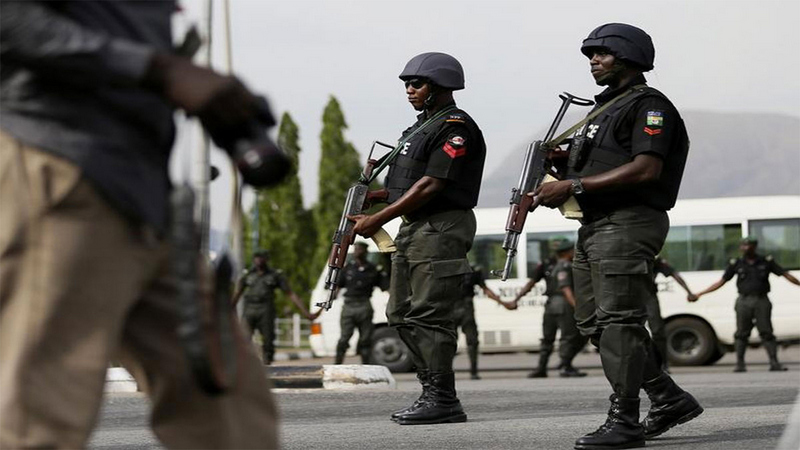
Katsina State Police Public Relations Officer DSP Abubakar Sadiq says the command has foiled a kidnap attempt and rescued five victims in the Faskari Local Government Area of the state.


He made this known to newsmen on Tuesday in Katsina.


He said, ”On May 19, 2025, at about 21:37 hours, a distress call was received at Faskari Divisional Police Headquarters regarding an attempted kidnapping by some suspected armed bandits at Unguwar Basau along the Funtua-Gusau Road, Faskari LGA, Katsina State.


“The suspected armed bandits attacked two motor vehicles: a Hummer bus (Reg. No. T0510 KN) and a white Mendez truck (Reg. No. LFA 508 YR).

“Upon receipt of the report, APC patrol team promptly responded to the scene, engaging the bandits in a gun battle where the assailants were overpowered due to superior tactics and firepower, as all five kidnapped victims, including two drivers and three passengers, were successfully rescued.


“Four victims sustained injuries and were immediately rushed to Sheme PHC for immediate medical attention, and they are responding to treatment.


“The Commissioner of Police, Katsina State Command, CP Bello Shehu commends the operatives for their bravery and swift response as he charges them to sustain efforts in the fight against banditry in the state.


“Investigation is ongoing, and further developments will be communicated accordingly,” he stated.

T.B. Joshua’s wife donates food, commissions borehole in S’African community


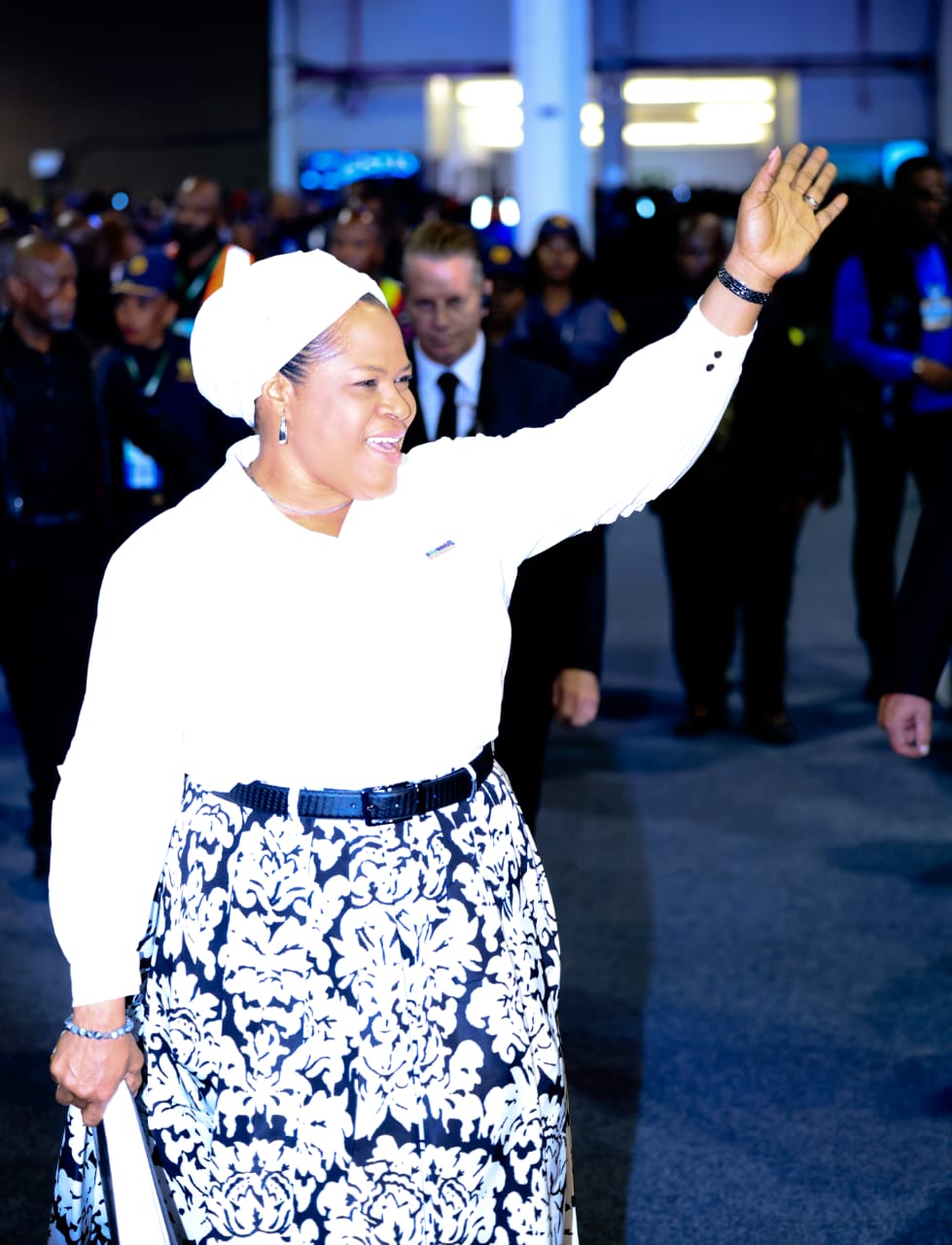
Wife of the late Prophet T.B. Joshua, Pastor Evelyn Joshua, on Monday, donated food items, educational materials, and a cash gift of R100,000 to residents of Madibe in Mafikeng, South Africa.


She also commissioned a portable water borehole for the community during a humanitarian outreach led by The Synagogue, Church of All Nations, in partnership with the Emmanuel TV Team.


According to a statement by the church, the outreach, held in the Ngaka Modiri Molema District of North West Province, drew widespread applause from residents who gathered to receive various relief items, including beddings and household supplies.


The statement read, “Residents received food items, educational materials for children, essential provisions, and beddings. In addition, a cash donation of R100,000 was presented by Pastor Joshua to support the community’s welfare. She encouraged the people with words of hope, assuring them of God’s unwavering love and provision.”


The visit was marked by vibrant cultural performances from a local dance group, who expressed their gratitude for the gesture and acknowledged Pastor Joshua as a channel through whom the community had “experienced renewed hope.”

According to the statement, the outreach was in line with SCOAN’s ongoing commitment to charity and social impact.


The event came days after a major SCOAN spiritual revival programme at the Johannesburg Expo Centre, which featured testimonies of healing and restoration.


The statement highlighted some of the healing which took place during the revival programme, “Among those who shared their stories was Andrew Makodi, who discarded his body brace after receiving healing from osteoarthritis. Rebecca Mathoda, who travelled from Limpopo, spoke of her relief from chronic shoulder pain caused by persistent muscle spasms.


“Mr. and Mrs. Jeyi recounted their emotional journey to healing from Polycystic Ovarian Syndrome, a condition that had affected their hopes for a complete family life.”


According to SCOAN, the initiative is part of it’s global efforts to extend compassion, following the legacy of Prophet T.B. Joshua, whose ministry was known for blending faith with humanitarian outreach.

Conference League final: Chelsea’s Maresca fumes over Betis fixture change advantage


Chelsea boss Enzo Maresca is “not happy” that Real Betis have been given an extra 48 hours to prepare for the UEFA Conference League final.


Maresca was frustrated to discover Betis have changed their last match of the La Liga season from Sunday to Friday.


Chelsea have to wait until Sunday for their Premier League finale at Nottingham Forest.


With Chelsea facing Betis in the Conference League final in Wroclaw on Wednesday, Maresca believes the Spanish side have been given an unfair advantage.


The Italian’s concern is exacerbated because Chelsea need to beat Forest to ensure they qualify for next season’s Champions League by finishing in the Premier League’s top five.


Fourth-placed Chelsea are one point ahead of seventh-placed Forest and sit above fifth-placed Aston Villa on goal difference.


In contrast to Chelsea’s do-or-die clash, Betis have nothing to play for when they face Valencia, with Manuel Pellegrini’s team already certain to finish sixth.


“I’m not happy, one hundred per cent. You cannot allow a team 48 hours more than the other team when you play a European final,” Maresca told reporters on Tuesday.


Asked whether Chelsea should be allowed to play Forest on Friday, he said: “Or Betis play Sunday, like us.”


Despite Maresca’s complaints, UEFA have limited jurisdiction over the scheduling of domestic fixtures.


The Premier League has a long-standing policy that all 10 final-day games kick off simultaneously on a Sunday afternoon.


La Liga has no such tradition and Betis’ game is the only one of the final round of games brought forward to Friday.

“I don’t know if it’s from La Liga, from the Premier League or from UEFA,” Maresca said.


“If I ask you is it normal to play a final where a team has 48 hours more than the other team? It’s not normal. It’s not something correct.

Asked whether UEFA needed to apply clearer rules, he replied: “Absolutely yes.”


The final showdown in Poland pits Maresca against former Manchester City manager Pellegrini, who he describes as his “professional dad”.


The Betis boss managed Maresca during his time as a player at Malaga before employing him as an assistant when he was in charge at West Ham between 2018 and 2019.


Maresca revealed he sought the advice of Pellegrini before he accepted the Chelsea job last June.


“I spent four years with Manuel,” said Maresca. “He’s a reference for me because of his career and especially because in terms a human being, he is a top person.


“I define him like a professional dad because many times when I’ve needed to take a big decision, we are in contact.


“I spoke with Manuel yesterday. We are so close.”


Maresca confirmed that goalkeeper Filip Jorgensen would start the final instead of the error-prone Robert Sanchez as he has played throughout the entire European season.


“Filip is going to play the final because he played all the competition so it would be unfair not to play in the final,” he said.


AFP

2026: Osun PDP women back Adeleke’s reelection bid


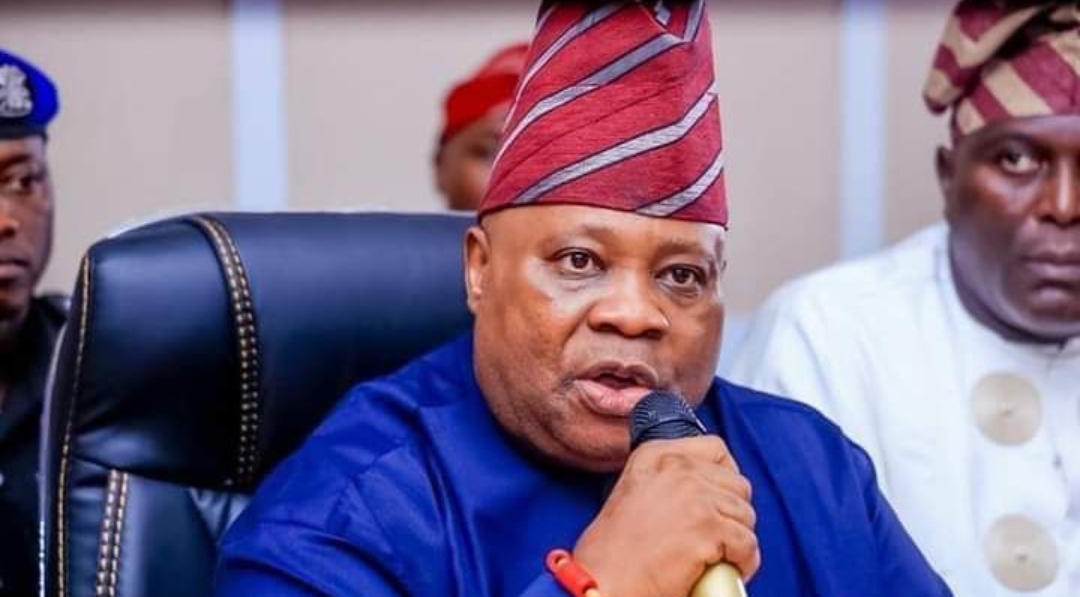
People’s Democratic Party Women Leaders in the 10 local government areas in Osun West Senatorial District have pledged their support for Osun State Governor Ademola Adeleke as the race for the 2026 governorship poll gathers momentum.


Rising from their meeting held in Iwo on Tuesday, the Osun PDP Women Leader, Alice Otunla, who spoke on behalf of the group, expressed readiness of the women’s arm of the party to work for Adeleke’s re-election.


Otunla, who declared that Adeleke had paid adequate attention to issues affecting women and children in the state, said the governor should be encouraged to continue his developmental achievements across the state beyond his current tenure of office.


She added, “The endorsement is a reflection of the collective will of Osun West women. Governor Adeleke’s exemplary performance in governance, inclusive leadership, and steadfast commitment to women’s empowerment should be rewarded with another term of office.

“Under Governor Adeleke’s leadership, we have witnessed remarkable strides in infrastructure, economic development, healthcare, education, agriculture, and human capital development. We stand solidly behind him as our sole candidate for 2026.”


In his remarks, Osun West PDP Senatorial Chairman Adesoye Oyetunde lauded the unity and strategic mobilisation efforts of the women, emphasising their crucial role in past electoral successes and the party’s future prospects.


Also speaking at the event, the State Commissioner for Women Affairs, Ayo Fadeyi-Awolowo, emphasised the need for sustained campaign and empowerment initiatives to broaden the party’s reach.


“We know God is on our side and believe 2026 is already won, but we must not be complacent. Our goal is to empower more women and expand our base ahead of the next elections,” Fadeyi-Awolowo said.

Experts outline path to viable state electricity markets


Energy sector leaders have been discussing how Nigerian states can develop commercially viable electricity markets, following the reforms introduced by the 2023 Electricity Act.


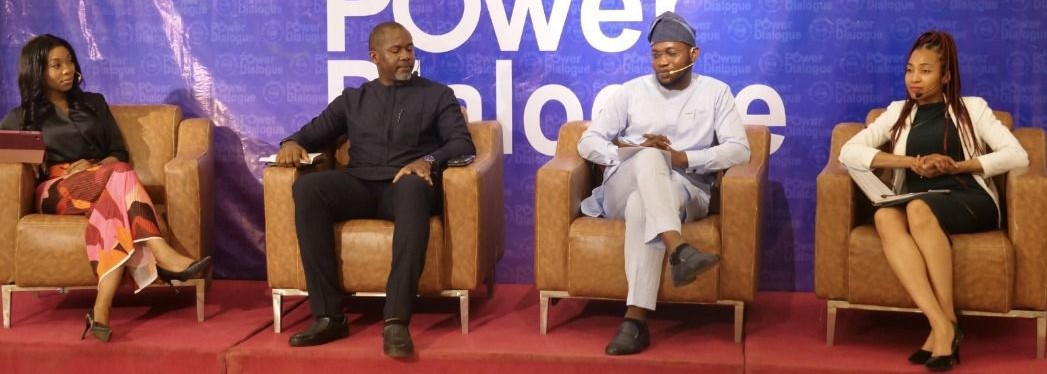
The experts convened in Abuja for Nextier’s 105th Power Dialogue, hosted by The Electricity Hub and titled “State Electricity Markets: Unlocking Commercial Viability,” which was moderated by Osefan Anegbe, a lawyer and energy consultant.


The power dialogue featured a panel of experts, including the Vice-Chairman and Commissioner for Market Competition and Rates at the Nigerian Electricity Regulatory Commission, Dr. Musiliu Oseni; Chairman and CEO of the Enugu Electricity Regulatory Commission, Chijioke Okonkwo; and Ujunwa Ojemeni, Senior Policy Advisor for Energy Transition and Technical Assistance Delivery at E3G.


In a statement issued on Tuesday, Oseni noted that Nigeria’s power sector reform began in 2003, distinct from the regulatory regime initiated by NERC in 2005.

These efforts culminated in the 2013 reform, where major segments of the power value chain were handed over to private investors.


He highlighted the significance of the March 2023 constitutional amendment under President Muhammadu Buhari and the subsequent signing of the new Electricity Act by President Bola Tinubu, which now empowers states to regulate electricity within their jurisdictions.


He emphasised that this devolution grants states advantages such as regulatory oversight, consumer complaint resolution, and decentralised tariff review processes.


He, however, noted that these reforms are not prerequisites for state-level investments, citing examples like Ibom Power, owned by Akwa Ibom State, which existed before the amendments.


Oseni explained that NERC is working to transfer its regulatory learnings, including successes and mistakes, to state regulators to support their development.


NERC has held three engagements with state regulators this year alone.


States are also adopting existing NERC regulations, such as embedded generation and mini-grid frameworks, to suit their local contexts.


He pointed out that while the 2023 Electricity Act allows franchising arrangements between distribution companies and private investors, state regulators can now oversee these agreements to ensure high-quality power supply.


Speaking on subsidies, the NERC vice-chairperson stated that while they are essential for supporting vulnerable customers, “the most sustainable subsidies are those driven by market mechanisms, not government funding.”


On his part, Chijioke Okonkwo lauded the constitutional amendment and 2023 Electricity Act, which offer states a real opportunity to take control of their energy futures and address their energy needs. He reiterated Enugu State’s commitment to the reforms.

He noted that, historically, investments by state and local governments, communities, and progressive actors were transferred to distribution companies, limiting states’ ability to operate actively in the sector.

The current reforms, however, allow states to create enabling environments and facilitate competitive electricity markets.


Okonkwo outlined Enugu State’s vision to decentralise power generation and open opportunities for new players, particularly in medium-voltage distribution and last-mile infrastructure.


As outlined in its policy document, Enugu state aims to move from an inherited capacity of approximately 70MW in 2023 to 700MW. To achieve this, the state has simplified its licensing processes and tariff model, enabling developers to project returns on investment over a 20-year licensing period.


He explained that, “Enugu’s electricity law established a regulatory commission and an electrification agency.


“The latter served as the state’s investment arm, providing funding guarantees, land access, and right-of-way support for developers.”


Furthermore, Okonkwo revealed that the government is leveraging 260 ongoing smart code projects across the state’s wards as anchor loads to electrify remote communities, including the 113 communities in the state that remain unserved or underserved.


In her remarks, Ujunwa Ojemeni reinforced that electricity is foundational to national development, describing the decentralisation of electricity regulation as a transformative opportunity for states to craft their solutions.


Speaking on strategies for unlocking financial stability, she emphasised that “commercial viability must balance consumer affordability and profitability for producers and distributors.”


Ojemeni identified key constraints to maintaining a stable market, including tariffs, technical losses, collection inefficiencies, currency risks, and regulatory instability. To create a viable electricity market, she urged states to ensure regulatory independence, data-driven decision-making, and clear accountability mechanisms.


She shared models that have catalysed decentralised investment, including clear risk allocation, community ownership, and innovative financial mechanisms.


She recommended public-private partnerships, dedicated state electricity agencies, and result-based financing models where grants are disbursed based on verified performance.


She also highlighted the importance of consistent regulatory frameworks that survive political transitions and build investor confidence. She advocated for streamlined permitting processes, ideally through a one-stop shop, to help investors understand demand clusters, project processes, and investment opportunities.


Also, Osefan Anegbe explained that the electricity market operates as a platform where electricity is bought and sold between generators and retail distributors, serving end-users.

She added that, “Nigeria now has the potential for 37 state-level electricity markets, one for each of the 36 states and the FCT, alongside the Federal market. As of January 2025, 10 states have received regulatory transfer orders from NERC, and four have already completed the transition.”

Police arrest suspect in shootout during Anambra festival


The Anambra State Police Command has arrested one suspect in Awka, the state capital, after an exchange of gunfire with security operatives, amidst the kicking off of the annual ‘Imoka cultural festival’ in the city.


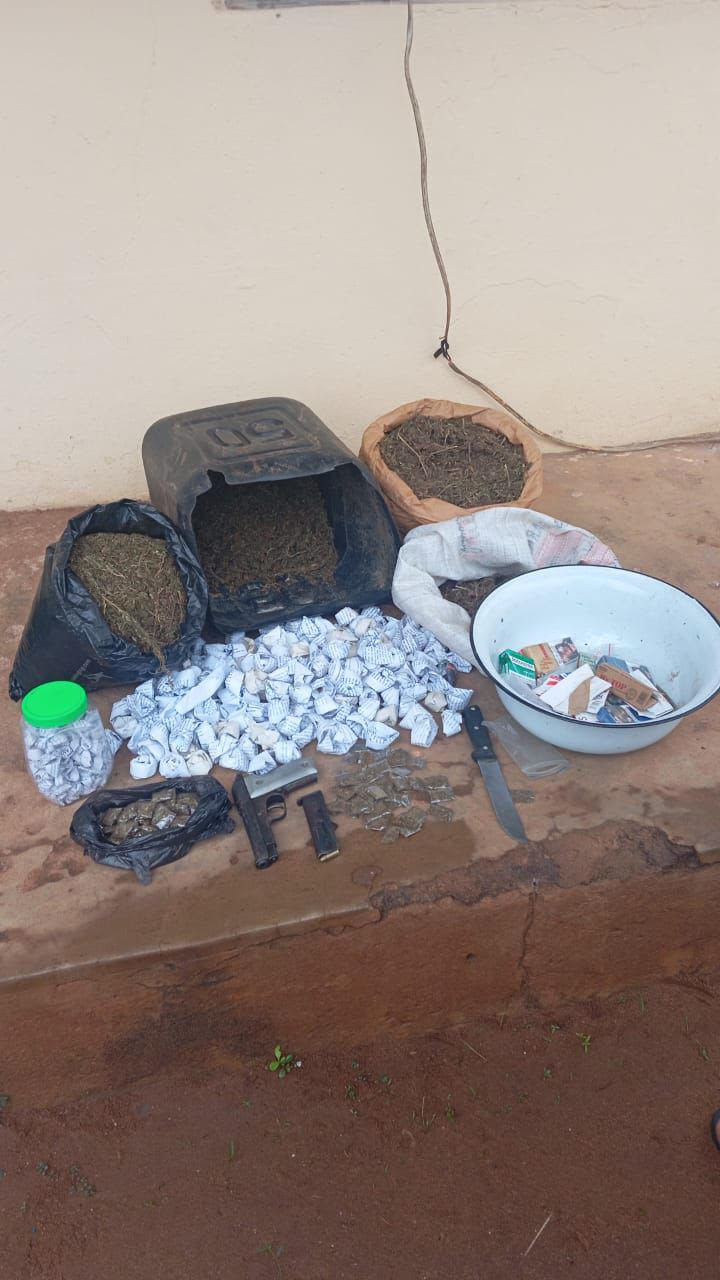
In a press statement released on Tuesday, the spokesman for the state Police command, SP Tochukwu Ikenga, said the police also recovered one locally made Berreta pistol, one live ammunition and other incriminating items from the suspect.


Ikenga added that during the gunfire, a police officer sustained a gunshot injury and was taken to the hospital where he is currently responding to treatment.


He said operatives from the Rapid Response Squad of the state police command carried out the operation aimed at dislodging criminal elements suspected to be using the cover of the festival to perpetrate crimes and disrupt public peace.


According to him, the police intensified a raid and discreet operations on some identified black spots in Awka and environs, late on Monday, after intelligence gathering indicated that some miscreants were engaging in criminalities under the guise of celebrating the Imoka festival.

He said, “The Anambra State Police Command, acting on information received overtime on how miscreants, under the guise of celebrating the Imoka festival, engaged in criminal activities, become unruly, and make life unbearable for the good people of the State, especially residents and indigene of Awka, have intensified raid and discreet operations on some identified black spots in Awka and its environs.


“This is aimed at ensuring a crime-free celebration of the festival. Given the above, police operatives attached to the Rapid Respond Squad, Awka sector, in the late evening of May 19, 2025, arrested one Nasiru Samaila ‘M’ aged 25 years.


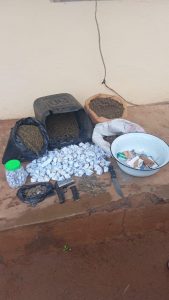
“They have also recovered one locally made Beretta pistol, one live ammunition, one knife, a large quantity of substance suspected to be hard drugs, in Awka. The suspect, in a bid to escape, started shooting indiscriminately but was subdued by the Police team that fired him on his right leg.


“Unfortunately, one of the police operatives sustained a gunshot injury and has been taken to the hospital where he is currently responding to treatment. The Anambra State Police Command remains committed to enforcing the law and ensuring public safety. Further developments shall be communicated accordingly.”

Compulsory voting bill illegal, draconian – NBA


The Nigerian Bar Association has condemned the proposed compulsory voting bill under consideration by the House of Representatives, describing it as unconstitutional and draconian.


In a statement signed by its President, Afam Osigwe (SAN), on Tuesday, the NBA emphasised that citizens cannot be punished for choosing to abstain from voting.


PUNCH Online reports that the House of Representatives recently passed for the second reading, a bill seeking to amend the Electoral Act 2022 to make voting compulsory for all eligible Nigerians of voting age.


The bill, first introduced in February and sponsored by the Speaker of the House, Tajudeen Abbas, was presented last week by co-sponsor, Daniel Asama, for a second reading.


The proposed legislation includes a provision for a maximum penalty of six months’ imprisonment or a fine of up to ₦100,000 for Nigerians of voting age who fail to vote during elections.


According to the bill’s sponsors, the penalties aim to address persistently low voter turnout, which they claim undermines democratic institutions.


Asama argued that mandatory voting could reduce the influence of vote buying, electoral apathy, and voter inducement.


He also pointed to global precedents, noting that countries such as Australia, Belgium, and Brazil have adopted mandatory voting with positive outcomes in political participation and public accountability.


However, the NBA rejected the bill, describing it as a violation of civil liberties and democratic principles.


In its statement, the NBA asserted that the bill is inconsistent with the 1999 Constitution.


“Section 39(1) of the Constitution guarantees every citizen the right to freedom of expression, which includes the right to remain silent, dissent, and abstain.


“In a democracy, voting is a civil liberty, not a legal obligation. Compelling citizens to vote through coercive measures infringes on their fundamental rights,” the statement read.

The NBA further cited Section 40 of the Constitution, which guarantees the right to freedom of association, including the right not to associate, stressing that, “Compelling individuals to vote, regardless of their faith in the electoral process or the choices available, violates their personal convictions and political freedoms”.


The association criticised the bill for attempting to criminalise non-participation in an electoral process plagued by voter apathy, mistrust, insecurity, and systemic flaws.

It urged the government to address the causes of low voter turnout, such as electoral violence and vote buying, instead of imposing punitive measures.

“Democracy thrives on consent, participation, and trust, not coercion.


“Forcing citizens to vote under threat of imprisonment undermines the essence of free and fair elections,” the NBA stated.


The association warned that passing the bill would set a dangerous constitutional precedent, allowing the government to punish citizens for non-participation in its processes.


“This would pave the way for further erosions of civil liberties under the guise of electoral reform,” it cautioned.


The NBA called on the National Assembly to immediately halt any legislative processes advancing the bill.


It stressed that Nigeria’s democracy requires trust, transparency, accountability, and inclusive reforms—not coercion.


The statement also urged the government and political actors to focus on restoring the integrity of the electoral system, ensuring security on election days, guaranteeing the independence of electoral bodies, and conducting robust voter education to inspire confidence in democratic participation.


“No citizen should be compelled to vote under threat of prosecution.


“The NBA will resist any attempt to enforce such draconian provisions and will challenge any law that seeks to weaponise civic participation against the people,” the NBA vowed.

Rimi and I turned down Kyari’s N160m bribe to make him Obasanjo’s VP — Lamido


Former National Secretary of the defunct Social Democratic Party and former Governor of Jigawa State, Sule Lamido, has revealed that he and the late former Governor of Kano State, Abubakar Rimi, rejected a N160 million bribe from late Abba Kyari intended to secure their support for Olusegun Obasanjo’s vice presidential slot.


In an excerpt from his autobiography, ‘Being True to Myself’, launched on May 13, Sule Lamido shared that those considered for the vice presidential slot included Jibril Aminu, former Central Bank Governor, Adamu Ciroma, and Abubakar Rimi.


The former governor said Kyari, who later served as Chief of Staff to former President Muhammadu Buhari, came to them with a N160 million bank draft.


In Chapter 9, titled ‘Abdulsalami’s Transition and Formation of the PDP,’ Lamido recounted that Kyari left quietly and embarrassed after they refused to accept the money.

He stated, “The young man greeted me in the traditional respectful salutation for elders, Ranka ya dade (May you live long), Sule! He then continued, gesturing to his companion, who extended his hand for a handshake, saying: ‘This is Abba Kyari, my companion. He wants to be allowed to serve as the running mate to Obasanjo on the PDP platform. He has brought a bank draft for the sum of N160 million as a contribution to the party, to meet the campaign expenses.’


“Rimi and I were stunned. We couldn’t believe what we just heard. We were both in shock as we stared at the two men, who also stared back at us with a straight face. ‘What?’ I reacted. ‘I beg your pardon. Are you coming here with money to buy us? So, you are giving us N160 million for Kyari, whom we have never met before, to be allowed to be the running mate to Obasanjo, as the Vice President of Nigeria?’


“My eyes were red with anger. ‘You aren’t serious, are you? You idiot!’ They went away, sheepishly.


“The young man had brought Kyari to meet us because he thought Rimi and I were very crucial in the selection process. It was quite incredible that Abba Kyari, at that time, could offer so much money to buy the position of vice president!”

Exit mobile version