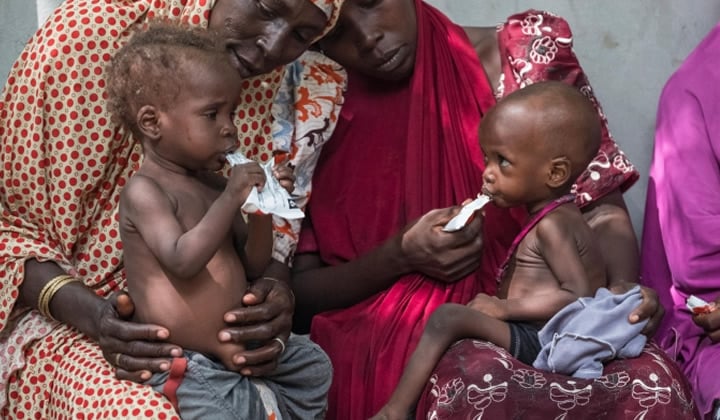
As Nigeria joins the rest of the world to mark World Mental Health Day, international medical organisation, Doctors Without Borders/Médecins Sans Frontières has drawn attention to the hidden mental health impact of child malnutrition across northern Nigeria, calling for an integrated approach that treats both body and mind.
According to MSF, the burden of malnutrition in the region has reached alarming levels. In 2024 alone, over 300,000 malnourished children were treated in the organisation’s facilities across Zamfara, Kano, Katsina, Kebbi, Bauchi, Borno, and Sokoto states — a 25 per cent increase from the previous year.
Beyond the visible physical toll, MSF says malnutrition leaves deep psychological scars on children and their caregivers.
“Malnutrition doesn’t just affect the child physically,” explained Kauna Hope Bako, MSF’s Mental Health Supervisor in Bauchi.
“It has psychological, emotional, and behavioural implications”, he added.
Bako noted that malnourished children often become irritable, withdrawn, or unresponsive, struggling to meet developmental milestones such as walking and talking.
“The child feels detached, sad that he cannot play like others. He’s in pain—not just from hunger, but from the infections that come with it,” she added.
The link between malnutrition and mental health, according to MSF, is two-way. Emotional neglect, stress, or abuse can contribute to malnutrition, while poor nutrition can, in turn, worsen psychological distress. “They’re two sides of the same coin,” Bako said.
To tackle this, MSF has introduced mental health support in its 12 inpatient and over 30 outpatient feeding centres across northern Nigeria. Each centre features a playroom where daily mental health sessions are held for children and their caregivers. These include psycho-stimulation therapy, stress management training, support groups, recreational sessions, and individual counselling.
Recognising that caregivers also bear a heavy emotional burden, Bako said:
“If the mother is not able to manage her own stress, it may unconsciously spill over to the child. That’s why we also care for caregivers.”
MSF has also begun training all its medical staff—doctors, nurses, and support workers—in psychological first aid and effective communication.
“Communication is sometimes treatment,” Bako observed. “When the mother feels listened to, and the child feels safe, healing has already begun.”
Between January and June 2025, MSF admitted 32,940 severely malnourished children to inpatient centres and 136,255 to outpatient centres in northern Nigeria. During the same period, its teams conducted 30,880 mental health sessions.
In Bauchi alone, over 113,000 children and caregivers have received psychological support since 2024.
Bako said the integrated approach has shown encouraging results, including faster recovery and stronger emotional resilience among families.
She said, “It’s not just about treating the disease.
“It’s about restoring hope, dignity, and the bond that helps families heal.”
As MSF marks World Mental Health Day 2025, the organisation reaffirmed its commitment to providing holistic care to vulnerable families in crisis-affected regions.
“Every child deserves not just to survive, but to thrive—body and mind,” MSF stated.
The Lagos State Government has begun activities to mark the 2025 World Food Day with a call for stronger partnerships to promote food security and sustainable agriculture in the state.
The Commissioner for Agriculture and Food Systems, Abisola Olusanya, made the call during a news conference at Alausa, Ikeja, on Tuesday.
According to the World Food Programme, 30.6 million Nigerians are facing acute food insecurity, as 37% live below the poverty line nationwide.
Olusanya said that this year’s theme, “Hand in Hand for Better Foods and a Better Future,” highlighted the need for collaboration among governments, private sector players and development partners.
She also highlighted the need for communities to collaborate in building resilient food systems.
She said that Lagos, despite its small land size, had continued to face the challenge of feeding a population of over 22 million people, making innovation and partnerships vital for sustainable food production.
“Feeding our people requires innovative strategies, bold investments and strong partnerships.
“We are implementing our five-year Agricultural and Food Systems Roadmap to achieve 40 per cent food self-sufficiency by 2025,” she said.
The commissioner noted that the World Food Day celebration served as a reminder of the need for collective action to end hunger and malnutrition.
She listed activities lined up for the 2025 celebration to include a road walk sensitisation on Wednesday, October 8; the Lagos Agric. Scholars Quiz Competition on October 14, and the Grand Finale and Farmers’ Fair on October 16.
Olusanya commended the ministry’s partners, including British American Tobacco Nigeria Foundation, Origin Tech Group, Zenith Bank, Tropical General Investments Group, Olam Nigeria and Providus Bank, for their continued support.
She officially flagged off the celebration and urged residents to join the ministry in creating awareness about sustainable food production.
“World Food Day is not just a celebration; it is a call to action. Together, we can build a food-secure Lagos and ensure a better future for all,” she said.
Celebrated annually on October 16, World Food Day serves as a global platform to spotlight collective actions and progress in building sustainable food systems.
Public health experts have raised concerns over the increasing health risks posed by mould exposure in homes, warning that vulnerable groups such as children, the elderly, and people with pre-existing respiratory or immune conditions are most at risk of serious complications.
The experts identified common sources of mould in homes to include leaking roofs, soaked walls, damp basements, poorly ventilated bathrooms and kitchens, as well as carpets, upholstery, and insulation materials that retain moisture.
They noted that mould often appears as coloured patches on wet surfaces, especially in areas where there is poor air circulation.
Speaking to PUNCH Healthwise, the physicians warned that ignoring mould exposure not only compromises indoor air quality but also has long-term consequences for respiratory health, especially in vulnerable populations already burdened by other health challenges.
The experts noted that it is essential for residents to become more aware of the risks associated with mould and take proactive steps to ensure safe and healthy living environments.
A public health expert at the University of Ilorin, Kwara State, Professor Tanimola Akande, warned that mould, a type of fungus that thrives in humid, damp, and poorly ventilated environments, poses a significant threat to public health, particularly in water-damaged buildings and homes with poor construction.
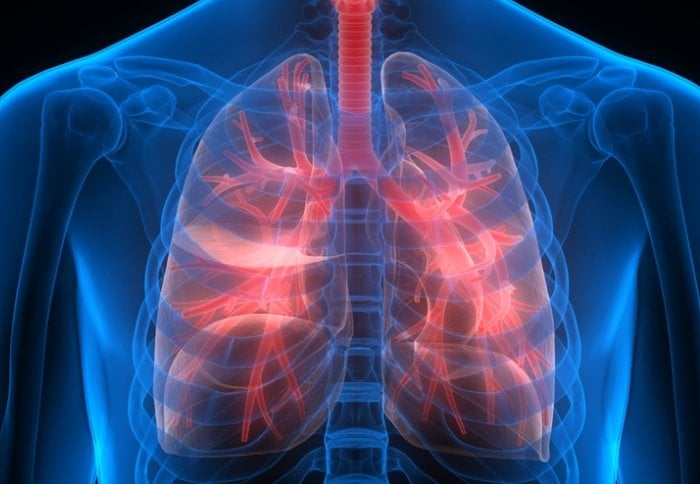
According to him, mould releases spores into the air that, when inhaled, can trigger allergies and respiratory issues, including sneezing, catarrh, wheezing, and asthmatic attacks.
“Mould is a fungal growth that appears on various surfaces, particularly in places with persistent humidity, warmth, and moisture. It releases spores into the air, which people inhale without realising the health implications.
“Children, the elderly, and people with low immunity or pre-existing respiratory conditions like asthma are most at risk. Their systems react more severely to airborne spores,” he warned.
Akande, who is also a former National Chairman of the Association of Public Health Physicians of Nigeria, pointed out that mould exposure often goes unnoticed until people start showing recurring symptoms.
He said, “People may treat catarrh or persistent coughs without knowing that the trigger is inside their own homes.”
The professor described common breeding grounds for mould in homes as damp walls, water-damaged areas from leaking roofs, poorly ventilated rooms, and moisture-retaining corners such as kitchens, bathrooms, and household stores.
He added that mould appears as patches of different colours and textures, which may grow unnoticed on ceilings, walls, under sinks, and behind furniture.
“Mould thrives in environments with little or no ventilation. Any place in the house that is constantly damp and warm provides the perfect condition for mould to grow and spread.
“Many people don’t recognise mould for what it is. By the time they start cleaning it with ordinary water, they may be disturbing spores into the air and inhaling them directly,” Akande said.
On the long-term health consequences, the professor said that prolonged exposure can lead to frequent respiratory infections, worsening asthma attacks, and allergic flare-ups.
He stated, “Over time, exposure to mould doesn’t just cause minor irritation; it can complicate chronic respiratory diseases, especially in people with compromised immunity.”
Akande urged Nigerians to invest in preventive measures by controlling the humidity level in their homes.
He noted that the spores responsible for mould are lightweight and airborne, which makes them easily inhaled, especially in enclosed spaces.
“Humidity above 60 per cent is risky. Anything above 70 per cent creates a perfect storm for mould to grow rapidly, especially when organic materials are present.
“If the indoor humidity is maintained below 60 per cent and proper ventilation is ensured, the risk is significantly reduced,” he advised.
To combat mould growth, the don recommended fixing leaking plumbing, improving ventilation, and ensuring that wet areas are promptly dried.
He also encouraged homeowners to seek professional help if mould patches persist or begin to spread across large areas.
“You must take moisture seriously. A leaking pipe or roof may seem minor, but it can lead to major health risks.
“Clearing out mould, especially when it’s extensive, isn’t a DIY matter. Get professional advice or services to safely remove it,” he added.
Also speaking, a Senior Registrar in Community Medicine and Primary Care at the Federal Medical Centre, Abeokuta, Ogun State, Dr. Solomon Olorunfemi, described mould exposure as a serious but under-discussed public health issue in households.
He stressed that the health effects are not just respiratory.
He explained, “Mould exposure happens when people come into contact with mould spores either through the air, through touch, or by eating contaminated food. The danger lies in how easily these spores are inhaled.
“Yes, coughing and wheezing are common, but we also see symptoms like itchy eyes, skin rashes, and sinus infections. These reactions are particularly intense in children and the elderly.”
According to the physician, individuals with chronic conditions such as asthma, chronic obstructive pulmonary disease, or bronchitis may experience frequent flare-ups when exposed to mould.
He explained that mould often grows in hidden corners of the house.
He added, “In immunocompromised individuals, mould exposure can lead to opportunistic infections, which can be life-threatening if not promptly managed.
“Bathrooms, basements, around leaking windows and pipes — these are hotspots for mould growth because of their high moisture content.”
He noted that materials like carpets, upholstery, and insulation that trap moisture are particularly dangerous if left unchecked.
“Once these items get wet and stay damp, they become breeding grounds for mould,” he said.
The public health expert also noted that mould-related symptoms can often be misdiagnosed as general allergies or infections.
“One way to differentiate is by observing if the symptoms improve when the individual leaves the mould-infested environment.
“Chronic asthma, persistent allergic rhinitis, and recurrent respiratory infections are possible if the mould problem is not addressed,” he said.
To prevent mould, Olorunfemi recommended practical measures such as improving ventilation, using dehumidifiers, and fixing leaks immediately.
He advised homeowners to maintain indoor humidity levels between 30 to 50 per cent.
“You don’t need high-end equipment. Something as simple as an exhaust fan in your bathroom can make a big difference.
“Once humidity goes above 60 per cent, the risk of mold grows exponentially,” he warned.
He urged Nigerians to take mould seriously and act immediately when signs are noticed.
He stressed, “If you see dark patches on your wall or ceiling, don’t ignore them. Act fast,” he said.
“When the mould covers large areas or causes persistent health symptoms, bringing in professionals is not optional — it is necessary for your health.”
The Kano State Government has expanded hypertension prevention and treatment services to 208 Primary Health Care facilities across the state, strengthening community access to lifesaving health care.
The development was announced in a statement by the Public Relations Officer of the State Ministry of Health, Nabilusi Abubakar K/Na’isa, issued on Saturday.
According to the statement, the initiative builds on the National Hypertension Control Initiative, implemented with technical support from Resolve to Save Lives and Project HOPE.
The scheme, which began as a pilot in 52 PHC facilities, has now been scaled up to 208 centres across all 44 Local Government Areas of the state. The move marks a major stride in the state’s efforts to tackle non-communicable diseases, particularly hypertension — one of the leading causes of heart disease, stroke, and kidney failure in Nigeria.
The project includes routine blood pressure checks, treatment initiation, and regular follow-up care.
The Commissioner for Health, Dr. Abubakar Yusuf, said the expansion demonstrates the government’s commitment to building a stronger and more accessible health system.
“Our goal is to ensure that every resident, no matter where they live, can access quality hypertension care within their community,” he said.
“This scale-up is about saving lives, reducing hospital admissions, and preventing premature deaths from preventable conditions like hypertension.”
Yusuf commended health workers participating in the initiative for their dedication and urged them to sustain their efforts toward improving public health outcomes.
He added that the government was committed to strengthening disease prevention and management across all levels of care.
Children who are fed only one meal a day due to economic hardship are at risk of malnutrition, weakened immunity, poor brain development, stunted growth, and low academic performance, paediatricians have warned.
They noted that poor feeding could also affect children’s mood, behaviour, and concentration, ultimately impacting their academic performance.
The child experts stressed that while adults may sometimes cope with a single balanced meal daily, the same cannot be said for children whose bodies and brains are still developing and therefore need multiple meals and snacks rich in nutrients.
They urged parents and caregivers to ensure children are fed with the age-appropriate nutrients and food quantity.
PUNCH Healthwise earlier reported the inability of parents to feed their children the age-appropriate, nutritious food and quantity, leading to fear of the rise in undernourished children.
The surge in meal skipping and reduced food frequency is linked to households adopting extreme coping strategies to stretch scarce resources.
PUNCH Healthwise also reported that the economic situation, which has led to rising food prices and stagnant incomes, has forced them to skip meals or reduce the number of meals per day.
Nutritionists have also warned of the increasing rate of children going to school on empty stomachs due to the inability of parents to provide enough meals.
Consequently, the Paediatric Association of Nigeria has stated that over 11 million children in Nigeria are suffering from food poverty, while over two million are already classified as malnourished.
Commenting on the matter, a professor of Paediatrics at the Usmanu Danfodiyo University, Sokoto State, Ben Onankpa, explained that while adults may survive on one balanced meal daily, children require more frequent nutrition to support growth and brain development.
He mentioned that when children eat just once a day, the likelihood of severe malnutrition increases significantly, noting that malnutrition in early life causes physical stunting, also known as linear growth failure.
“A child who eats once daily has the possibility of severe malnutrition. This leads to poor growth and poor learning in school. Severe malnutrition early in life affects the child’s potential in ways that remain visible, even into adulthood,” he said.
The paediatrician explained that the effects of early-life malnutrition have been linked to increased risks of health conditions later in life, such as diabetes and poor immunity.
“Even if a malnourished child grows up to become successful, the effects will still be there. Severe malnutrition in infancy can cause lasting consequences such as small stature and poor health,” Onankpa said.
The paediatrician urged parents to ensure their children regularly eat more than one balanced and nutritious meal every day.
“The key is a balanced diet and consistency. In the first six months of life, feeding should be on demand, between eight and 12 times a day. Between six and 12 months, additional meals such as snacks should be given two to three times daily,” he advised.
Onankpa also stressed that as children grow older, they should be transitioned into regular and structured meal patterns.
“From around one year, children should have the three main meals, breakfast, lunch, and dinner, together with healthy snacks,” he explained.
A paediatrician, Dr Olufemi Akodu, emphasised that children need proper nutrition for growth and development, noting that eating one meal a day can lead to malnutrition and deficiencies, fatigue, low energy, and poor concentration.
He noted that such children face weakened immunity, poor cognitive development, declining school performance, and a higher likelihood of health complications.
On the recommended feeding pattern for children, the paediatrician explained that the number of meals depends on the child’s age, activity level, and health needs.
“For infants aged 0 to 12 months, feeding should be 3–4 main meals and 2–3 snacks, spaced out every 2–3 hours. Toddlers between 1 and 2 years should eat three main meals and 2–3 snacks daily, with a focus on nutrient–dense foods. Preschoolers aged 3–5 years require three meals and 1–2 snacks with an emphasis on whole grains, fruits, vegetables, lean proteins, and healthy fats,” he stated.
“School-age children between 6 and 12 years need three main meals and 1–2 snacks, with a balanced diet that includes a variety of food groups, while teenagers, 13 years plus, require three meals and 1–2 snacks, with a focus on nutrient-dense foods to support growth and development,” Akodu added.
The paediatrician advised parents to play an active role in ensuring that children eat the right number of meals daily by creating a structured meal routine and encouraging healthy eating habits at home.
He urged parents to “lead by example: show kids healthy eating habits by modelling balanced meals and snacks. Create a positive mealtime environment: Make mealtime enjoyable, relaxed, and free from distractions. Offer a variety of foods: Expose kids to different food groups, flavours, and textures. Establish a routine: Encourage regular meal and snack times. Involve kids in meal planning: Let them help with grocery shopping or meal prep.”
To encourage adequate nutrition, Akodu advised parents to “make healthy options accessible: Keep fruits, veggies, whole grains, and lean proteins readily available. Limit unhealthy snacks: Restrict sugary drinks, fast food, and processed snacks. Be patient and consistent: It can take time for kids to develop healthy eating habits. Offer choices: Allow kids to choose between healthy options, promoting autonomy. Monitor portion sizes: Ensure kids are eating appropriate amounts.”
The doctor urged parents to make mealtime interactive by engaging kids in conversations and encouraging socialisation.
“Avoid forcing food: Don’t force kids to eat specific foods, as this can create negative associations. Be mindful of hunger and fullness cues: Encourage kids to listen to their bodies,” Akodu asserted.
The Minister of State for Health and Social Welfare, Dr Iziaq Salako, has directed key federal research institutions to support a groundbreaking study into a potential plant-based cure for brain cancer.
As reported by NTA on Saturday, the directive mandates key institutions, namely the National Institute for Pharmaceutical Research and Development, the Nigerian Institute of Medical Research, and the National Institute for Cancer Research and Treatment, to prioritise and allocate resources towards the project.
The move follows the discovery of a molecule extracted from a plant in North-Western Nigeria that has shown the ability to eliminate brain cancer cell lines within 48 hours at specific dosages, particularly targeting glioblastoma multiforme, one of the deadliest forms of brain cancer.
Dr Salako pledged government support for the initiative and announced the establishment of a committee to accelerate development in the pharmaceutical sector.
“We are committed to providing the necessary resources and policy support to ensure that this research reaches its full potential, from laboratory studies to clinical trials,” he said.
The research institutions have also expressed their commitment to collaborate on training, development, and clinical studies, noting that the discovery could represent a major milestone in Nigeria’s biomedical research landscape and pave the way for a locally derived treatment for brain cancer.
Medical experts, on July 25, 2025, said Nigeria is facing a growing cancer crisis, warning that reported cases are expected to rise as access to diagnostic tools and improved surveillance systems continue to reveal the country’s true cancer burden.
They said the expected surge in cancer cases will not only be due to better detection, but also rising exposure to risk factors such as unhealthy diets, tobacco use, excessive alcohol consumption, physical inactivity, and late presentation at health facilities, among others.
The National Agency for Food and Drug Administration and Control on Thursday destroyed fake, expired, substandard, and falsified drugs and products valued at N15bn in Ibadan, Oyo State.
This was announced by the Director-General of the agency, Prof Mojisola Adeyeye, during the destruction in Ibadan, the state capital.
Represented by NAFDAC’s Director of Investigation and Enforcement, Martins Iluyomade, Adeyeye said the agency remained resolutely committed to ensuring that foods, drugs, cosmetics, medical devices, chemicals, packaged water, and drinks were safe, wholesome, and effective for human consumption.
“There is no doubt that drugs are a critical aspect of NAFDAC’s mandate, and the agency has established strict guidelines governing the licensing, sale, and distribution of drug products.
“The products we destroyed today (Thursday) include expired, counterfeit, uncontrolled, unregistered, and banned drugs such as Analgin, Cocodamol, codeine cough syrup, tramadol, oxytocin, and various types of vaccines.
“The estimated street value of these products being destroyed today (Thursday) stands at N15bn only.”
She stated that the destruction of those products would eliminate the risk of their re-entry into the Nigerian market.
The DG appreciated the support of the police, Nigerian Army, Department of State Services, NDLEA, Nigeria Security and Civil Defence Corps, and the Pharmaceutical Council of Nigeria, among others.
She, therefore, urged stakeholders to educate their families and wards about the dangers of patronising quacks and unauthorised medicine dealers.
S.K. Tijani, who spoke on behalf of the Controller General of the Nigerian Customs Service, Bashir Adeniyi, stated that there was synergy between Customs and NAFDAC in the fight against fake, expired, substandard, and unwholesome drugs and products nationwide.
He said all stakeholders must play their part in ensuring that the nation is free from criminal activities.
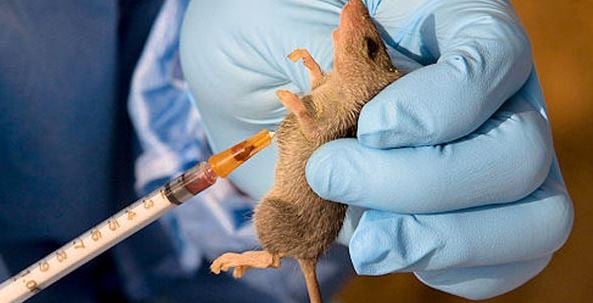
The Nigeria Centre for Disease Control and Prevention reported on Thursday that Nigeria has recorded 166 deaths from Lassa fever from January 1 to September 14, 2025.
The Case Fatality Rate now stands at 18.5 per cent, higher than the 16.9 per cent recorded during the same period in 2024.
As of epidemiological Week 37, Nigeria has reported a total of 7,673 suspected cases and 895 confirmed cases across 21 states and 106 Local Government Areas.
According to the World Health Organisation, Lassa fever is an acute viral illness caused by the Lassa virus.
It is known to be endemic in Benin, Ghana, Guinea, Liberia, Mali, Nigeria, and Sierra Leone, but probably exists in other West African countries.
The global health body said the Lassa virus is primarily transmitted to humans via contact with food or household items contaminated with rodent urine or faeces, and person-to-person transmission can also occur, particularly in health care settings lacking adequate infection prevention and control measures.
According to the NCDC, “In week 37, the number of new confirmed cases decreased from 13 in week 36 of 2025 to 11. These were reported in Ondo, Bauchi, Kogi, and Anambra States.
“Cumulatively, as at week 37, 2025, 166 deaths have been reported with a Case Fatality Rate (CFR) of 18.5 per cent, which is higher than the CFR for the same period in 2024 (16.9 per cent).
“In total for 2025, 21 States have recorded at least one confirmed case across 106 Local Government Areas.”
A significant majority of 90 per cent of confirmed cases were reported from five states: Ondo (33 per cent), Bauchi (23 per cent), Edo (18 per cent), Taraba (13 per cent), and Ebonyi (3 per cent). The remaining 10 per cent came from 16 other states.
“The predominant age group affected is 21–30 years (Range: 1 to 96 years, Median Age: 30 years). The male-to-female ratio for confirmed cases is 1:0.8,” the report added.
The report noted that no new healthcare worker was affected in the reporting week, and the number of suspected and confirmed cases decreased compared to the same period in 2024.
The NCDC’s multi-partner, multi-sectoral Technical Working Group continues to coordinate response activities.
The agency said the National Lassa Fever Technical Working Group continues to coordinate response activities at all levels.
The Delta State Government has dismissed several health workers found guilty of extorting money from pregnant women and children under five, despite the state’s free healthcare policy for these groups. Others were demoted for related offences.
The State Commissioner for Health, Dr Joseph Onojaeme, disclosed this on Saturday during the flag-off of the Maternal and Neonatal Mortality Reduction Innovation and Initiatives Project Action Plan at Ashaka, in Ndokwa East Local Government Area.
He said the ministry had intensified monitoring of hospitals to ensure that funds released for maternal and child healthcare were properly utilised.
“Health workers in the state have done well, but in every twelve, there is a Judas. We have received reports of some collecting money from pregnant women and children under five for drugs, while still forwarding the bills to the government for payment,” Onojaeme stated.
The commissioner stressed that the state covers the medical expenses of all pregnant women until delivery, as well as free treatment for children under five.
“We have demoted some of these fraudulent workers and sacked many within this short period. With continuous monitoring and the support of mothers, these practices will reduce,” he added.
Onojaeme urged residents to report any health worker demanding payment for maternal or child care, noting that the phone number of the Executive Assistant to the Governor on Health Monitoring would be made public for such reports.
He also revealed that the state’s maternal mortality rate had dropped from over 200 to less than 120 per 100,000 live births, expressing optimism that the MAMII Project would further reduce the figures.
The representative of the Coordinating Minister of Health and Social Welfare, Dr John Ovuoraye, reaffirmed the Federal Government’s commitment to supporting states in lowering maternal and neonatal deaths.
He disclosed that 172 local government areas across 33 states had been identified as high-risk zones, including five in Delta, Ndokwa East, Ughelli North, Aniocha North, Udu, and Sapele.
Ovuoraye noted that the MAMII Project, supported by President Bola Tinubu, is being implemented in collaboration with USAID, WHO, UNICEF, the Bill and Melinda Gates Foundation, the World Bank, and several European partners.
The highlight of the event was the presentation of the MAMII plaque to Delta State and the inauguration of a task force to ensure effective implementation of the project’s action plan.
On September 1, PUNCH Online reported that Human rights lawyer, Femi Falana (SAN), had called on the federal and state governments to extend free medical services to indigent pregnant women across the country, stressing that this is the most effective way to reduce maternal and infant mortality in the country.
The Nigeria Centre for Disease Control and Prevention has confirmed that two recent suspected cases of viral hemorrhagic fever in Abuja have tested negative for both Ebola Virus Disease and Marburg Virus.
The NCDC, in a public health advisory issued on Friday and signed by its Director General, Dr Jide Idris, noted that further tests are ongoing for other hemorrhagic fevers, including Lassa fever and dengue fever.
The advisory comes amid public concern and speculation following reports of suspected viral hemorrhagic fever cases in Abuja.
Ebola virus disease, formerly known as Ebola Hemorrhagic Fever, is a severe, often deadly disease caused by the Ebola virus, with a fatality rate of 25–90 per cent.
The NCDC said people become infected with Ebola either through contact with infected live or dead animals (usually following butchering, cooking, or eating) or through contact with the body fluids of infected humans.
Most cases are caused by human-to-human transmission, which occurs when blood, bodily fluids, or secretions (stool, urine, semen) of infected people enter a person’s body through broken skin or mucous membranes.
Ebola symptoms vary, but commonly experienced symptoms include the sudden onset of fever, intense weakness, muscle pain, headache, and sore throat, especially at the beginning of the disease.
“The NCDC wishes to inform the public that two recent suspected cases of viral hemorrhagic fever in Abuja both tested negative for Ebola and Marburg viruses. We are currently testing samples for other viral hemorrhagic fevers like Lassa fever and dengue fever,” the advisory partly read.
The most recent case involved a traveller who, after returning to Nigeria from Kigali, responsibly presented himself immediately to a hospital in Abuja when he felt unwell.
“His decision to report early, combined with the vigilance of the attending clinician and hospital team, ensured that our public health system was promptly activated and that the risk to the public was minimised.
“This responsible action is highly commendable and a good practice all Nigerians are urged to emulate; when you feel unwell, especially after travel, seek care early. Doing so protects you, your family, and your community.
“We deeply commend the clinicians and staff at the Nisa Premier Hospital, Abuja, whose high index of suspicion and immediate reporting triggered a rapid, coordinated response. We also recognise the FCT Epidemiology and Rapid Response Teams, the Port Health Services, the National Reference Laboratory, airline and immigration partners, and other stakeholders whose swift collaboration with NCDC demonstrates the strength of Nigeria’s preparedness system. Together, their actions exemplify how vigilance and teamwork prevent potential public-health emergencies,” the agency stated.
The agency assured Nigerians that it has activated anticipatory measures nationwide following recent Ebola outbreaks in other countries.
It said the measures include heightened surveillance at ports of entry, alerting isolation facilities, and prepositioning infection-prevention supplies.
“We are currently collating and analysing all the relevant data and information to improve our response. As part of its mandate to safeguard the health of the nation, the NCDC has already conducted a Dynamic Risk Assessment following recent reports of Ebola viral disease in other countries, and anticipatory measures are being implemented nationwide.
“We have activated multidisciplinary collaboration with federal and state health authorities, strengthened surveillance at points of entry, placed isolation/treatment facilities on alert, and prepositioned critical infection-prevention and related case management supplies.
“The NCDC national reference laboratories remain on standby to provide rapid testing, and public-health teams are ready to conduct contact tracing if needed. Beyond these immediate steps, NCDC is also working with states and partners to strengthen readiness across all 36 states and the FCT.
“This includes upgrading isolation facilities, reinforcing IPC training for healthcare workers, conducting simulation exercises, and ensuring a clear pathway for access to medical countermeasures such as vaccines and therapeutics if ever required,” it added.
It urged states to strengthen surveillance and keep isolation centres ready, while healthcare workers, especially in private hospitals, must stay vigilant, follow strict infection-prevention measures, and promptly report unusual cases through official channels.
Nigerians were also advised to practice good hygiene, avoid risky animal contact, seek care immediately if symptoms arise after travel, and rely only on official updates from NCDC.
It said suspected cases can be reported through the NCDC’s 24/7 Connect Centre via toll-free number 6232, WhatsApp at +234 708 711 0839, SMS at +234 809 955 5577, or email at info@ncdc.gov.ng
According to the World Health Organisation, 48 confirmed and probable Ebola cases have been reported, and 31 people have died in the Democratic Republic of Congo.