Tying of legs after snakebite wrong, fuelling amputations, deaths – Experts

Tying of legs after snakebite wrong, fuelling amputations, deaths – Experts


Health experts have cautioned Nigerians against the practice of tying the legs of victims of snakebite with a cloth to stop the movement of the snake venom.

According to the experts, the practice and other crude management of snakebite are fuelling avoidable mortality and morbidity.

The call by the medical experts is coming after the Federal Government called for renewed vigour among stakeholders in snakebite management

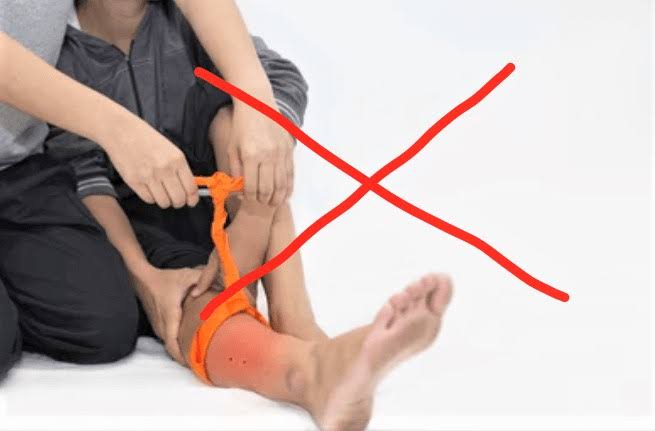
One major harmful practice of snakebite management that should be discouraged, according to the experts, is the tying of the leg of victims after snakebite.

They stressed that the practice is fuelling cases of limb amputation.

According to them, victims of snakebite should rather immediately call for help and ensure they are taken to good health facilities for appropriate treatment.

Speaking in an exclusive interview with PUNCH HealthWise, a Consultant Orthopaedic and Trauma Surgeon at the National Orthopaedic Hospital, Igbobi, Lagos, Dr. Bright Igbinoba, said there are things that were done in the past when a person was bitten by a snake that are being discouraged nowadays.

Igbinoba said it is also important to quickly rush a person bitten by a snake to the hospital to avoid orthopaedic effects that could lead to complications and amputation of the limb.

The orthopaedic surgeon explained, “The first thing that should not be done after a person is bitten by a snake is tying something tight around the limb.

“Normally, once a person is bitten by a snake, the limb is swollen. So, as you tie it, it becomes more swollen and blood will not flow into the limb and the limb will die. And once the limb is dead, it will need an amputation.

“Before, if a person has a snake bite, they will ask him or her to tear a piece of clothing and tie the leg. Tying that piece of clothing on the leg has been found to increase the risk of amputation.

“Again, the practice of cutting the bite mark of a snake with a razor blade should be discouraged. It has been found to introduce infection.

“Also, the practice of sucking the venom by mouth is also discouraged. It doesn’t really help because the venom can enter the mouth of the person trying to suck it.

“The use of cold compress is also discouraged.”

Igbinoba noted that snakebite might not lead to death or amputation if people get help on time and seek appropriate treatment.

According to the World Health Organisation, snakebite is a neglected public health issue in many tropical and subtropical countries.

The United Nations health agency says about 5.4 million snakebites occur each year, resulting in 1.8 to 2.7 million cases of envenoming (poisoning from snakebite).

“There are between 81, 410 and 137, 880 deaths and around three times as many amputations and other permanent disabilities each year,” WHO says.

Recalled that the Minister of State for Health, Dr.OlorunnimbeMamora, had recently said Nigeria records an average of 15,000 to 20,000 cases of snakebites every year.

Quoting a recent survey, Mamora said snakebites in the country occurred at 479 cases per 100,000 people.

The minister had said, “Nigeria records an average of 15,000 to 20,000 cases of snakebite every year, with about 2,000 people killed and between 1,700 and 2,000 people whose legs or arms are amputated to save their lives after snakebite.

“States with the most cases of snakebite in the country are Gombe, Plateau, Adamawa, Bauchi, Borno, Nasarawa, Enugu, Kogi, Kebbi, Oyo, Benue and Taraba.”

He called for renewed vigour to ensure strong partnerships among member states, development partners, donors and other stakeholders for snakebite management.

Giving insight into snake venoms and their complications, Igbinoba said, “We have the ones that destroy the blood and are very toxic to the blood. Those ones are called the haemotoxins venom or snakebite.

“Snakes with this type of venom, once they bite a person, their venom enters the bloodstream and starts destroying the blood. And the person will start bleeding from the snakebite and can bleed into the internal organs and die from there.

“Then you have the neurotoxic venom. The ones take over the nerves of the body and weaken the person and the person cannot move again.

“The venom will completely take over the person’s nervous system. The last type of venom is necrotizing fasciitis. Now, what do snakes do when they bite an animal or prey, the venoms contain enzymes and so as they inject it into a person’s body, the body starts digesting.

“That digestion, what it does is to kill the cells. And that is what causes the limb to start getting rotten.

“It causes it to have a big wound and swell,” he explained.

The physician advised that people should avoid drugs not prescribed by experts when they are bitten by a snake.

“People should immediately call for help once they are bitten by a snake.

The person should be quickly rushed to the hospital.

“The person should try and know the type of snake so that we will be able to know the type of venom that the snake has.

“It is also important to note the time of the bite so that we can plan and know the speed at which to attend to the patient”, the surgeon counselled.

WHO further says most of the deaths from snakebite occur in Africa, Asia and Latin America.

“In Asia, up to 2 million people are envenomed by snakes each year, while in Africa there are an estimated 435 000 to 580 000 snakebites annually that need treatment.

“Bites by venomous snakes can cause acute medical emergencies involving severe paralysis that may prevent breathing, cause bleeding disorders that can lead to fatal haemorrhage, cause irreversible kidney failure and severe local tissue destruction that can cause permanent disability and limb amputation,” WHO added.

 

20 dead, 322 infected as Cholera outbreak hits Bauchi


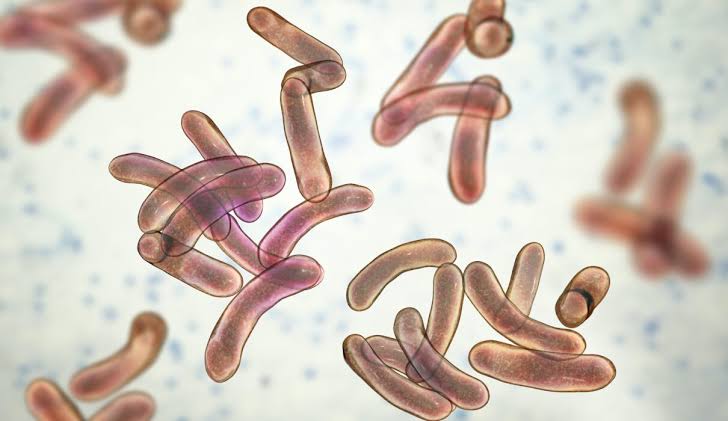
At least 20 people have died while 322 have been infected with cholera following the outbreak of the disease in Bauchi state.

State commissioner of health Dr Aliyu Maigoro disclosed this Tuesday while briefing newsmen on the epidemic at the ministry of health headquarters Bauchi.

Maigoro explained that nine of the people who died hailed from Bauchi local government, four in Misau, three in Ningi, three in Toro and one person in Giade local governments.

He said the ministry through the state primary health care development agency responded immediately having been notified of the disease to avoid its spread to other communities in the state.

Maigoro added that other response actions so far conducted by the ministry to tackle the disease include establishment of the state public health emergency operation centre and isolation centres in all general hospitals of the affected local government areas.

“Four cholera treatment units have been activated in Bauchi metropolis in Abubakar Tafawa Balewa University Teaching Hospital (ATBUTH), urban maternity and primary health centre Kandahar.

“Drugs and consumables have been provided to all the isolation sites in the state. Doctors, nurses and paramedics have been mobilized to provide care to the victims,” he said.

The commissioner also noted that chlorination of wells and decontamination of households would be done in the affected local government areas.


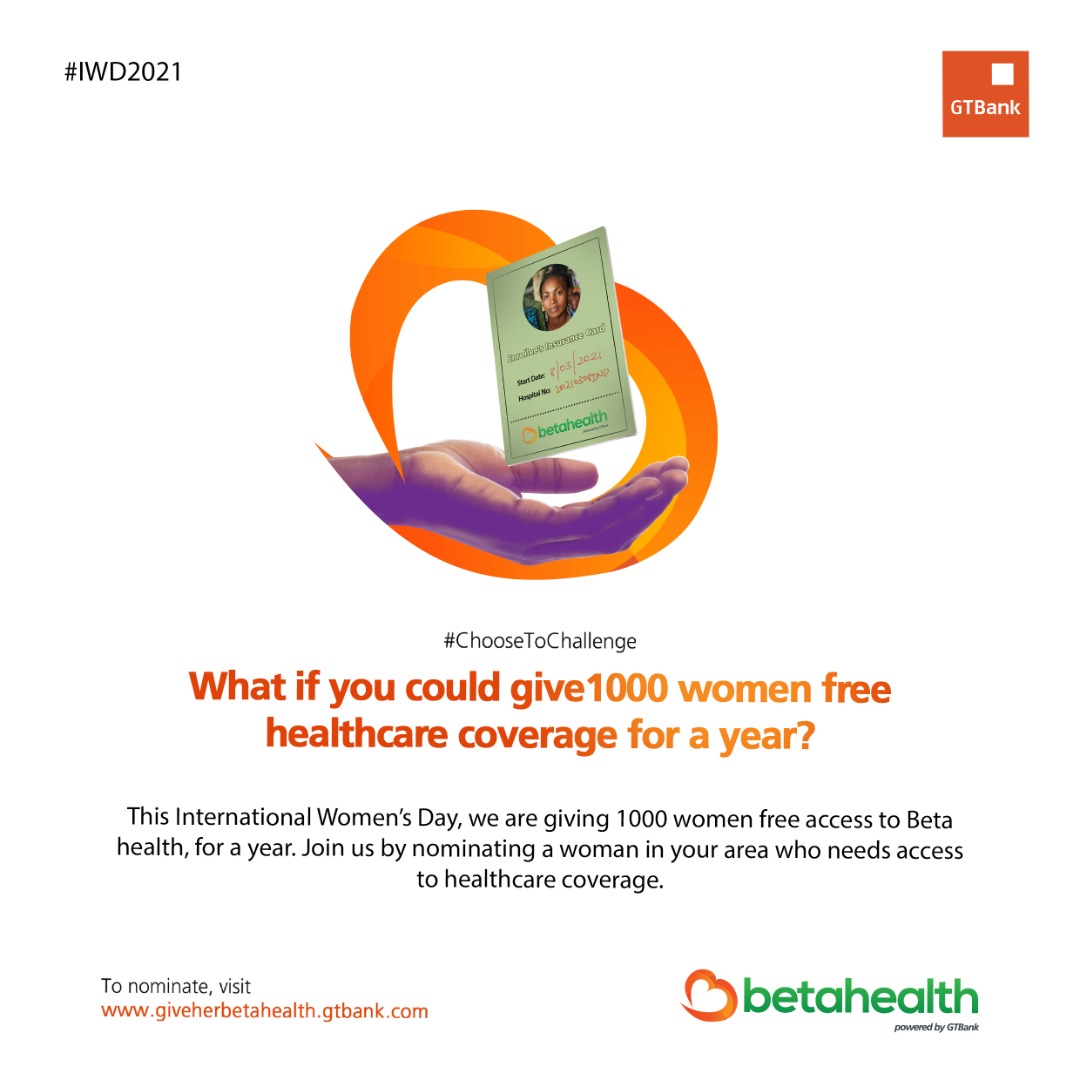
#GiveHerBetaHealth: GTBank Champions Access to Health Insurance for Women on International Women’s Day.

As the 2021 International Women’s Day (IWD21) calls on people and organisations to #choosetochallenge for a better world for women, Guaranty Trust Bank plc (GTBank) has launched an initiative, tagged #GiveHerBetaHealth, to draw attention to the need for universal essential healthcare coverage, especially for women in the informal sector. Through the initiative, the leading African financial institution is providing 1000 self-employed women with BetaHealth for a year, at no cost.


Launched in 2020, BetaHealth is a low-cost healthcare package that provides coverage for essential health services such as malaria treatments, pre and postnatal care, accidents and medical emergencies as well as life insurance, all at a subscription fee of N500 per month. Offered through more than 1000 hospitals and pharmacies nationwide, BetaHealth also provides a telemedicine service that allows the user to speak with a Doctor over the phone anytime, anywhere.


With the #GiveHerBetaHealth campaign, the Bank is calling on the general public to nominate 1000 women who will be given free BetaHealth coverage for a year. To nominate a woman, visit

giveherbetahealth.gtbank.com.


#GiveHerBetaHealth is the latest in a long line of GTBank initiatives that reflects the Bank’s commitment to extending access to critical services for everyone, irrespective of their social or economic background. The campaign focuses on empowering self-employed women in the informal sector, many of who have limited or no access to financial services and health insurance. With this campaign, the Bank is putting a spotlight on the need for universal access to essential healthcare services that is affordable for every working Nigerian, and accessible across the country.


BetaHealth is available for everyone. To buy BetaHealth for yourself or someone else, simply dial *737*52*500*50# from your mobile phone.

HMO Firm Teams Up With PreDiagnosis to Push Telehealth

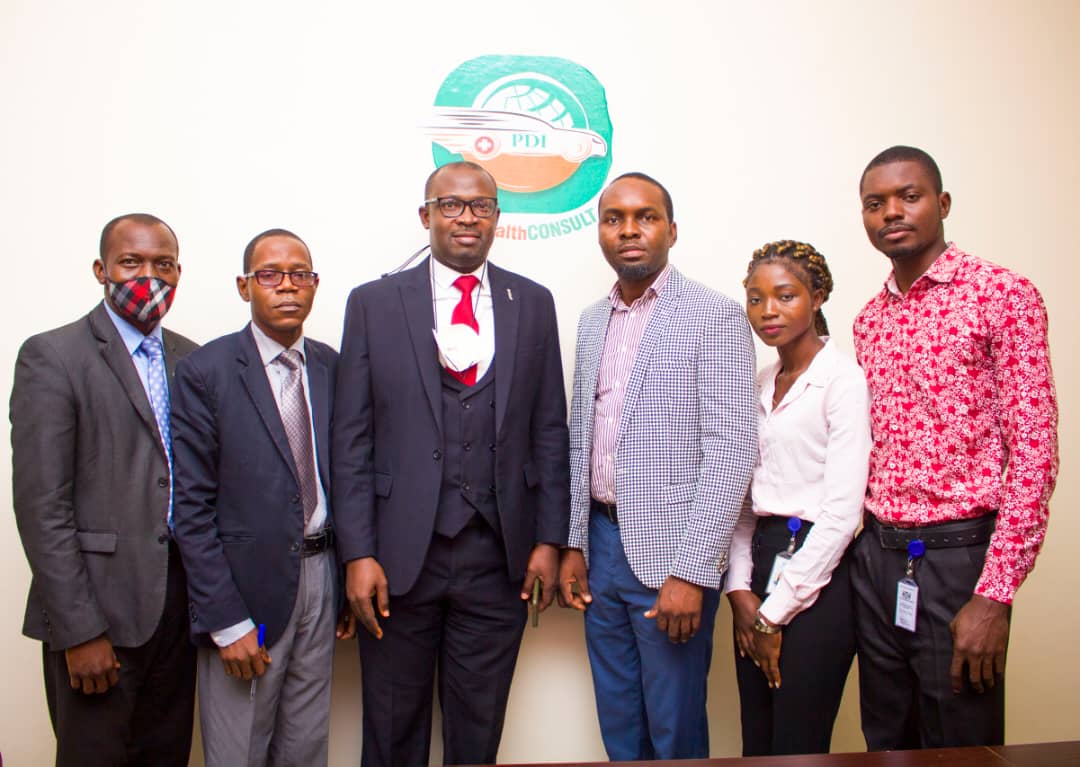
L-R: Business Development Officer, PreDiagnosis International PDI, Mr. Abraham Kalu, Financial Manager PDI, Mr. Olaoye Samson, Project Officer for PDI, Dr. Folarin Olasogba; Executive Director Medicard Nigeria, Mr. Ezekiel Ezeagwu, and Medicard Nigeria Administrative Officers, Miss Ameh Blessing, Mr. Fagbemi Sodiq during a partnership agreement meeting at the PDI’s office in Lagos.

PreDiagnosis International, Nigeria’s leading grassroots telehealth service provider, has announced a partnership agreement with lifestyle-cum- Health Management Organisation, Medicard Nigeria, to further drive the spread of adoption of its innovative telehealth platform among the poor and vulnerable in the country.

Medicard Health Management is a Global Lifestyle HMO Company with a presence in Philippines, Canada, and Nigeria.

Speaking during the agreement signing ceremony at the PDI Office in Lagos, Project Officer for PreDiagnosis Telehealth Consult, Dr. Folarin Olasogba, described the partnership as another demonstration of PDI’s commitment to the goal of ensuring at least 20 million Nigerians have access to viable healthcare delivery through its telehealth platform on or before the year 2030. This, according to him, is in line with the PDI Reach, Rescue and Fortify (RRF) Mission of delivering affordable healthcare to at least 2 million Nigerians on an annual basis.

He further noted that PDI, by the partnership, was commencing another phase of its hybrid service offering through which it would be able to offer cheap extended medical package to a large pool of Nigerians whether or not they are covered by HMOs.

On his part, Executive Director of Medicard Nigeria, Ezekiel Ezeagwu, said the partnership with PDI would go a long way in aiding Medicard’sintention of helping to deliver affordable healthcare to every household in Nigeria.

According to him, “With the Medicard Lifestyle Card, subscribers can do a whole lot of things to enjoy a robust lifestyle, and as part of our plans to improve the quality of medical offerings of Medicard Nigeria to our subscribers, we have been working on including the integration of telemedicine in our card services and we believe this long term mutually beneficial partnership with PDI is a right move in this direction”

“With an innovative partner like PDI joining force with Medicard Health Management, we are now able to provide healthcare opportunity for our subscribers to enjoy from the comfort of their homes or wherever they are, without having to face the stress of physically visiting the hospital. Secondly, as partners in progress, we can jointly create huge advocacy for the entrenchment of telehealth medicine all over the country because, as at today, most Nigerians who really need telehealth are yet to embrace it”, he further stated.

CAN CHAIRMAN COMMENDS PDI’S GRASSROOTS TELEHEALTHCARE INITIATIVE

L-R: Chairman, Kano State Chapter of the Christian Association of Nigeria (CAN), Reverend Samuel Adeyemo; Managing Director, PreDiagnosis International, Dr. John Iguve and Regional Manager, North, PreDiagnosis International, Yusuf Salihu during a courtesy visit by PDI officials to the CAN leadership at the CAN Secretariat, Kano

The Kano State Chairman of the Christian Association of Nigeria, Reverend Samuel Adeyemo, has called on philanthropic organisations and governments at all levels in the country to intensify efforts towards providing cheap and practical solutions to the continued inability of poor and vulnerable grassroots dwellers to access basic healthcare to meet common health challenges.

Reverend Adeyemo who is also the General Overseer of the Believers World Baptist Fellowship in Kano made the appeal during a visit by officials of the PreDiagnosis International to the leadership of the Kano State CAN Chapter last week Monday.
While lauding the extension of PreDiagnosis International’s grassroots telehealthcare initiative coverage to Kano State, the CAN leader noted that lack of compassionate interventions by people of means as well as poverty and ignorance among the citizens have worsened the standard of living among grassroots communities across the country.
“The suffering brought to majority of the citizens by lack of access to basic healthcare is really huge. The CAN Leadership in this State is therefore excited by this initiative of PreDiagnosis International to help the masses get basic access to healthcare. This is because access to qualified doctors from the comfort of wherever one can use technology is something every citizen needs in order for many health challenges to be resolved at an early stage”, he stated.
Earlier in his remarks, the Leader of the PDI team, Dr. John Iguve, explained that the coming of the company to Kano and adjoining states in the Northern part of the country was a step further in PDI’s commitment to making affordable healthcare services available at the doorstep of the people especially the poor and the vulnerable across Nigeria.
According to him, PDI’s operational focus was based on the determination to meet the target of delivering efficient and affordable modern healthcare to at least 20 million poor and vulnerable Nigerians between 2020 and 2030.
Dr. Iguve appealed to the CAN Leadership and other cadres of leadership across the State to help in spreading the news among the citizens in order for the benefits of the Initiative to be fully enjoyed by the people.
“We are happy to announce that we are moving a step further in our campaign to make affordable healthcare services available at the doorstep of the people, especially the poor and the vulnerable across Nigeria. We need the community leaders at all levels to help us spread the news among our people so that everyone can benefit.
“As a semi-philanthropic hybrid health service company, PDI is determined, through our bouquet of technology-based and mass-market targeted medical services, to be at the forefront of meaningful efforts to ensure public healthcare delivery to the poor and vulnerable. Our decision to come and establish strong presence in the Northern part of the country and Kano in particular is aimed at further opening up the frontiers to reach, rescue and fortify many more Nigerians through our modern day Ark of telemedicine in the country,” he disclosed.

PDI Takes Telehealth To Grassroots Northern Communities

Pre Diagnosis International has commenced a programme of spreading its service base to various parts of the country in the bid to push for greater adoption of innovative telehealth among the country’s vulnerable and underserved communities. The company announced the first of such tactical moves for the North Central and North Western parts of the country in a recent disclosure that the PDI 24/7 Doctors’ Hotline and the PDI Telehealth App have been remodeled to serve the needs of the Northern people in the Hausa language.

According to a media statement signed by the Managing Director of PDI, Dr. John Iguve, the company’s foray into Kano, Jigawa, Kaduna, and Abuja is in furtherance of PDI’s determination to meet the target of delivering efficient and affordable modern healthcare to 20 million poor and vulnerable Nigerians between 2020 and 2030.

Dr. Iguve explained that the four cities were selected for the pilot scheme of the PDI 20-2030 Reach, Rescue, and Fortify project in the North after the successes recorded in the South West area over the last two years. He said plans to extend the reach to every nook and corner of the Northern region were already afoot.

“We are happy to announce that we are moving a step further in our campaign to make affordable healthcare services available at the doorstep of the people especially the poor and the vulnerable across Nigeria. Our recent decision to establish strong presence in the Northern part of the country is aimed at helping more Nigerians to enjoy access to basic affordable telehealth. As a semi-philanthropic hybrid health service company, PDI is determined to lead in the efforts to ensure public health care delivery to the poor and vulnerable through our bouquet of mass-market targeted medical services”, he explained.


PreDiagnosis Partners American University For Better Grassroots Healthcare

Nigeria’s leading grassroots telemedicine platform, PreDiagnosis International, has announced its partnership with the Project ECHO Institute of the University of New Mexico, USA for knowledge sharing and transfer on chronic and complex diseases with medical professionals in the country.
According to Dr. Folarin Olasogba, the Chief Project Officer of PDI Telehealth Consult which is the arm of PDI driving the collaboration, the innovative tele-mentoring programme codenamed ‘Project ECHO’ is designed to create virtual communities of learners by bringing together healthcare providers from all over Nigeria and subject matter experts from different parts of the world using video conference technology, brief lecture presentations, and case-based learning to foster an “all learn, all teach” approach.

He said the Project ECHO which stands for Extension for Community Healthcare Outcomes is a collaborative model of medical education and care management programme designed to empower local clinicians including consultants, doctors, nurses and technicians to deliver better care and treatment of chronic, common and complex diseases, especially in remote and underserved locations.

He added that PDI as the Nigerian Official Replication Partner with the Project ECHO Institute of the University of New Mexico is undertaking the project to assist the country develop the capacity to safely and effectively treat chronic, common, and complex diseases in rural and underserved areas across Nigeria and to monitor outcomes of this treatment while leveraging the resources of the PDI Telehealth Consult platform.

In his words, “The project is not only designed to use innovative technology to bridge the gap between urban and rural healthcare specialists and providers in the country; it is to help health services providers to better undertake co-management of patients’ treatments, thereby fostering knowledge depth and technical competencies, in addition to reducing professional isolation”.

Dr. Olasogba further explained that by encouraging collaboration and communication between rural and urban healthcare providers and specialists, the Project will help health professionals in the country to become more highly skilled in the treatment of diverse chronic and complex diseases, thus creating a center of excellence in many remote communities.

“Under the PDI-Project ECHO collaboration, healthcare providers in rural and underserved areas of Nigeria will be able to treat their patients with a remote team of specialists in the fields of oncology, cardiology, endocrinology, psychiatry, infectious diseases, pharmacy and substance abuse/addiction, among others. Through this Initiative, PDI Telehealth Consult is trying to lead in the race to build a viable and sustainable national Clinical Knowledge Platform that combines authoritative contents and shared experiences drawn from the expertise available in the Nigerian healthcare community and across the world so that physicians, medical students and other healthcare workers will be able to tap into Nigeria’s largest, most powerful Continuous Professional Development (CPD) network to resolve challenging questions at the point of care for mostly lower-income patients of different diseases,” he submitted.

Pre Diagnosis Decries Increasing Fatalities From Growing Cases Of Self Medication Among Nigerians

A telehealth service provider, Pre Diagnosis International, has submitted that most of the deaths being recorded in the country lately might have been due to the negative effects of growing self-medication among citizens as a fallout of inability to access proper clinical care due to the COVID-19 pandemic.
This was a major highlight of a position paper issued by the organisation recently on how public healthcare administrators can curtail the impact of COVID-19 on health delivery nationwide.
The paper noted that more Nigerians, especially those in the lower socio-economic strata, have been finding it hard to access quality and efficient healthcare due to financial constraint and ignorance. Consequently, more cases of self-medication leading to growing abuse of anti-malarial drugs, analgesics and anti-biotics have continued to trigger underlying health conditions, thereby causing avoidable fatalities.
“For a country that has for long been reeling under the various negative impacts of an underfunded health sector, Nigeria’s public health delivery system has been seriously dislocated by the COVID-19 pandemic. Health sector regulatory authorities cannot afford to watch the tide of frightening mortality and morbidity in the sector continue, especially among the poor and vulnerable citizens”, the paper stated.
PDI said as its contribution to energizing a national drive to revamp public health delivery, it has introduced a grassroots-targeted telehealth App as a modest initiative that could prove landmark in the nation’s quest to maximize the scarce health resources at her disposal in the delivery of health services to the populace.
The App initiative, the company observed, would help to reduce self-medication and its dangers as the focus is mainly to help poor and vulnerable Nigerians in, especially, rural and semi urban hard-to-reach parts of the country to access quality clinical services from their phones.
 “Ours is a semi-philanthropic, charity-driven, hybrid telehealth brand with a mission to create technology-based solutions that would help Nigeria perfect different layers of health services delivery model that can transmit effective and efficient medical services to the most vulnerable in the society, to achieve the best health outcomes, such that location and socio-economic status will not be a barrier to accessing quality healthcare services in any part of the country. We are pursuing this objective under our organisation’s charity-styled Reach, Rescue and Fortify mantra aimed at delivering healthcare to two million vulnerable Nigerians annually.
“The PDI App is an interactive mobile application that gives users immediate access to highly trained and experienced full time PDI doctors who can assist them access quality healthcare from home, office, on a business trip or vacation. With just a meagre annual subscription, the user can also obtain and store latest blood pressure reading, heart health vitals, blood sugar information, as well as other vital statistics required to comprehensively evaluate the state of their health status.
And all these and other benefits are accessible at the payment of just the annual subscription and no other payment”, it explained.

TB Joshua COVID-19 Healing: World Health Organization States Readiness on Faith and Science Collaboration

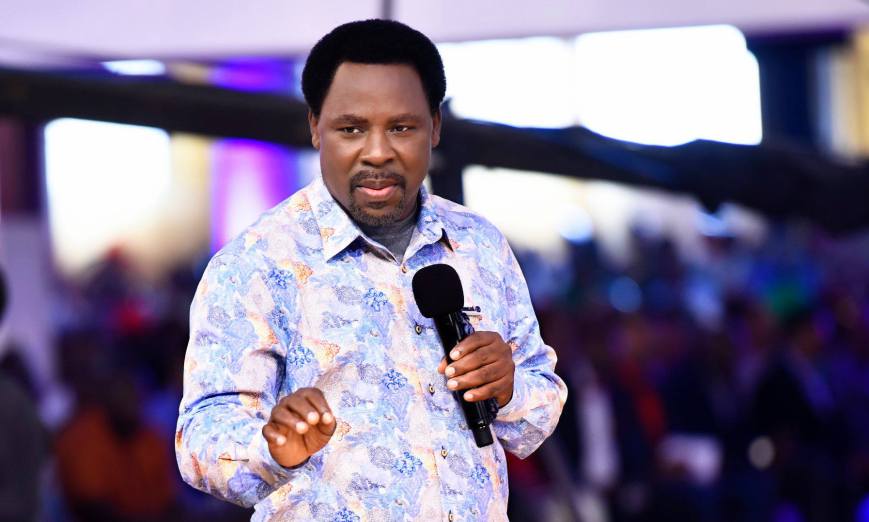
The World Health Organization (WHO) has spoken out after a video surfaced this week of a medical doctor who testified to receiving healing from COVID-19 after receiving prayers from Nigerian Pastor TB Joshua.

During an interactive press briefing organized on Wednesday 1st July 2020, a panel of top WHO officials was questioned on the miracle by Cameroonian journalist Simon Ateba of Today News Africa.

“On Monday, a very popular pastor in Nigeria, T.B Joshua, released a video of a medical doctor in Cameroon who was said to have been cured of the virus through prayer,” Ateba stated, asking the panellists for their reaction.

In the video he referenced, Dr Kameni Pierre – a gynecologist and obstetrician – receives prayer after affirming he was positive to coronavirus during an ‘Interactive Prayer Session’ organised by Emmanuel TV.

After ‘vomiting out’ the disease during prayer, the medical doctor held up his medical report days later confirming he was diagnosed negative to COVID-19.

In response, Dr Michael Ryan, the Executive Director of WHO Health Emergencies Programme, affirmed the readiness of WHO to collaborate with bodies like The SCOAN to advance the cause of the war against the deadly virus.

“Certainly, spiritual leadership is very important in times like this,” Ryan stated, praising the role of faith-based organisations in providing accurate information to communities.

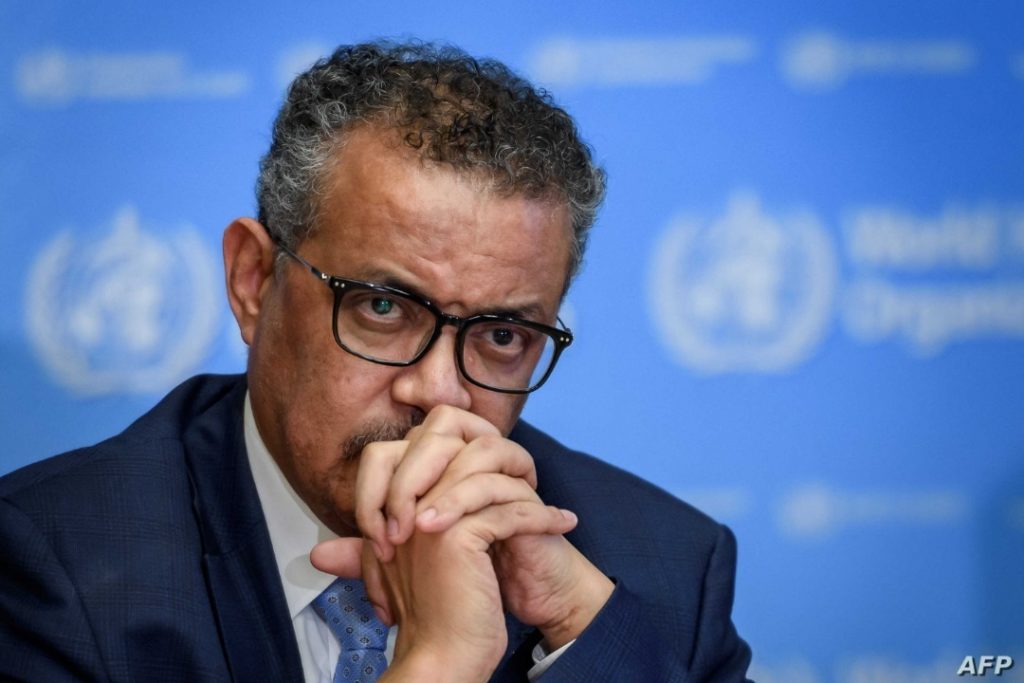
Speaking further, the WHO Director General, Dr. Tedros Ghebreyesus added that faith and science should “go together”.

“We know many religious leaders who would really advise their followers to follow their faith and at the same time use science. The two do not contradict; they go together… We will call on all religious leaders to be in this fight and save lives,” he stated.

Ghebreyesus had earlier echoed TB Joshua’s prophecy where he declared 2020 “the year of humility” in which “God would humble us with our challenges”.

“If this virus is teaching us anything, it is humility,” the former Ethiopian Minister of Health asserted.

Emmanuel TV’s popular YouTube videos, many of which show similar case of miraculous healing through prayer, have accumulated over six hundred million views.

VIDEO:


W.H.O. DG Confirms Prophet T.B. Joshua’s Prophesy on COVID-19

Dr Tedros Ghebreysus

The Director General of the World Health Organisation, Dr Tedros Ghebreysus, has declared the coronavirus outbreak is “time for humility”, echoing the 2020 prophecy of Nigerian cleric TB Joshua.

On Monday 18th May 2020, Ghebreyesus, whilst addressing world leaders who had gathered for the first virtual session of the World Health Assembly amidst the COVID-19 pandemic, announced, “If this virus is teaching us anything, it’s humility. Time for humility.”

The former Ethiopian Minister of Health conceded, “For all the economic, military and technological might of nations, we have been humbled by this very small microbe.”

The Director General’s assertion corroborates with the prophetic declaration made by the founder of Emmanuel TV, Prophet T.B. Joshua at the beginning of 2020, weeks before news of this novel coronavirus infection began to spread.

Speaking through Emmanuel TV on January 5, 2020, Joshua said, “This year will be a year of HUMILITY. This year, the Lord will humble us with our challenges. Challenges can be affliction… To humble us with these is for those things to destroy us or expose us. Let us move closer to God”.

In the same prophecy, the Nigerian cleric warned of serious economic backlash worldwide and spoke of a sickness surfacing which leaders initially tried to cover.

In his address, Ghebreyesus equally spoke of the dire toll COVID-19 has taken both in terms of life and livelihoods.

Prophet T.B. Joshua

“Lives and livelihoods have been lost or upended. Hundreds of millions of people have lost their jobs. Fear and uncertainty abound. The global economy is headed for its sharpest contraction since the Great Depression,” he stated.

“The pandemic has brought out the best – and worst – of humanity: Fortitude and fear; solidarity and suspicion; rapport and recrimination. This contagion exposes the fault lines, inequalities, injustices and contradictions of our modern world. It has highlighted our strengths, and our vulnerabilities,” he further detailed.

Ghebreyesus then welcomed the call for an independent probe into the response to the pandemic saying learning was important.

In related news, the British Physician and former Director at the World Health Organisation, Prof Karol Sikora, said there is a “real chance that the virus will burn out naturally before any vaccine is developed.

Sikora, who spoke via Twitter, added that statistics showed the virus was “petering out by itself.”

This also correlates with TB Joshua’s declaration about COVID-19 from its onset. On April 20th 2020, he declared via Facebook: “Thank God that nature is fighting back; nature is eliminating it in its own way. It is getting to its peak and is coming down. Naturally, it will go the way it came.”

SOURCES:
– https://www.who.int/dg/speeches/detail/who-director-general-s-opening-remarks-at-the-world-health-assembly
– https://www.facebook.com/story.php?story_fbid=568637387119509&id=565225540184937
– https://www.youtube.com/watch?v=k6aJLBVG96c

Exit mobile version