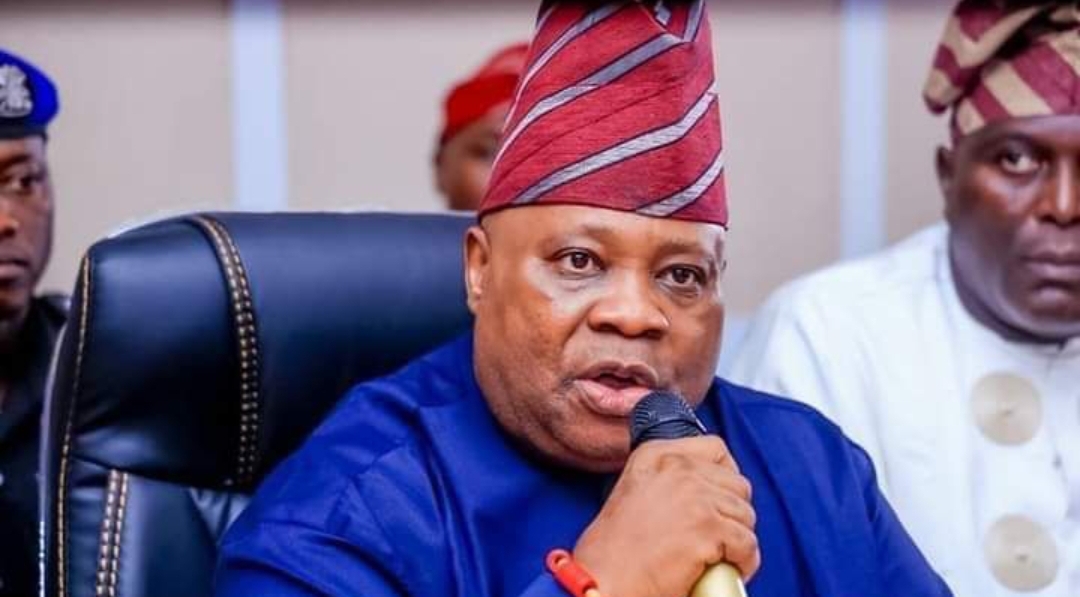
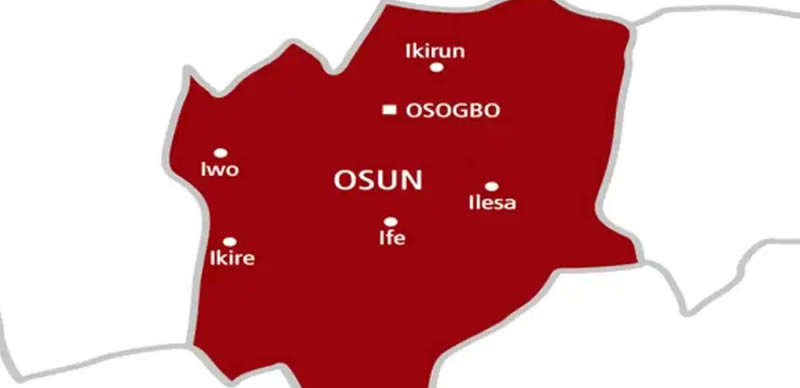
The Spokesman for Osun State Governor, Olawale Rasheed, has stated that his principal will not join the African Democratic Congress or align with any interest within the party ahead of the 2026 state elections in the state.
A statement signed by Rasheed obtained in Osogbo on Friday said he was responding to media publications and enquiries regarding Adeleke’s next political move.
Rasheed subsequently declared that Adeleke remains in the Peoples Democratic Party, stating that the incumbent Osun governor would win the next governorship poll in the state with a wide margin on the party’s platform.
“Our attention has been drawn to news reports and media enquiries about the imminent defection of Governor Ademola Adeleke to the ADC or alignment with ADC bigwigs ahead of the 2026 governorship race. There is no truth in those publications and speculations.
“First of all, we, the PDP Osun, have already adopted and endorsed President Bola Tinubu for the 2027 presidential election, so there is no alliance with ADC.
“Secondly, Governor Adeleke has no alliance with anyone in ADC. He remains in PDP, will run in PDP, and needs no alliance with ADC to win with a wide margin in 2026,” Rasheed said.
He added that the Osun electorate has been supporting Adeleke due to his impressive performance since he came to office.
The statement further read, “That good work is still ongoing and Osun people are committed to sustaining the delivery of good governance by re-electing Governor Adeleke in 2026.”
He urged PDP members to forge ahead and strengthen the party structures across all levels to prepare for next year’s poll.
The leadership of Odo-Otin Local Government Traditional Council, comprising royal fathers of communities in the council areas on Friday said it has intervened in the face-off involving the Alasi of Asi, Oba Isaac Oyewale and the Speaker of Osun State House of Assembly, Adewale Egbedun.
This was disclosed by the President of the LGA Traditional Council, Oba Abioye Oyebode, while speaking with journalists in his palace in Okuku, Osun State.
Oba Abioye, who is the Olokuku of Okuku, said the Council had directed him and Oloyan of Oyan, and Oba Kilani Adekeye to meet Oba Oyewale to get further details of what transpired between Alasi and Egbedun.
A voice note had surfaced on social media on Thursday where Egbedun accused Oba Oyewale of giving support to hoodlums who attacked him in Okuku, threatening to move against the monarch.
After the voice note had gone viral, some residents of Asi, predominantly youths held a peaceful protest in the community, accusing Oba Oyewale of witch-hunting Egbedun, who hails from the town.
Oba Oyewale, however, refused to react to text messages sent to him for reaction and his line could not be reached as our correspondent made efforts to reach him for reaction to the allegations against him.
Speaking further on the measures to resolve the disagreement, Oba Oyebode “We had a meeting in my palace here yesterday (Thursday) and after the meeting, some royal fathers that attended mentioned the rift between Alasi of Asi, Oba Oyewale and the Speaker of the House of Assembly, Hon Adewale Egbedun.
“The royal fathers that were with me here for the meeting include, Oloyan of Oyan, Atapara of Iyeku and Alagbeye of Agbeye. All the monarchs present disclosed what they heard regarding Alasi.
“But concerning the Speaker, they could not find any fault with him. We all resolved that by 4pm today, Friday, we should invite Alasi to explain what transpired between him and Egbedun. The meeting directed me and Oloyan to carry out the investigation. I am expecting Alasi and Oloyan by 4pm today.
“Egbedun as a representative of Odo Local Government in government has the support of all of us. He is serving his people and us traditional rulers. He has facilitated projects in communities across our council area. He organised empowerment for the people as well. But I am not privy to what happened between him and the Alasi of Asi. The matter is not a serious issue but we will meet Alasi and discuss with him today.”
He however assured that the disagreement would be resolved, and sought the cooperation of all the parties involved.
Commenting in a similar vein, the Oloyan of Oyan, Oba Adekeye said that immediately his attention was drawn to the rift, he spoke separately to Egbedun and Alasi.
Oba Adekeye said after his intervention, Egbedun assured him of total cooperation, noting that the disagreement would be resolved.
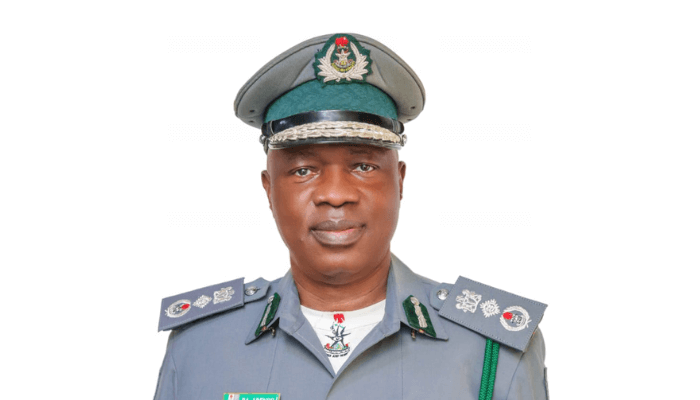
The Nigeria Customs Service has announced December 31, 2025, as the deadline for the migration from the current Fast Track Scheme to the globally recognised Authorised Economic Operator Programme.
Announcing this in a statement on Friday, the National Public Relations Officer of the service, Abdullahi Maiwada, stressed that the move is in furtherance of its commitment to align Nigeria’s trade facilitation procedures with international best practices.
Maiwada explained that the strategic move is grounded in the World Customs Organisation’s SAFE Framework of Standards and backed by Sections 108 to 111 of the Nigeria Customs Service Act, 2023.
According to Maiwada, the AEO Programme is a structured initiative that offers trusted traders who meet specified compliance, financial, and security criteria a certain level of priority treatment in customs processes, including pre-arrival clearance, minimal inspection, expedited release, and possible mutual recognition with other customs administrations.
The NCS spokesperson reiterated that the scheme is also designed to build trust, ensure cargo integrity, and enhance the predictability and transparency of Nigeria’s import-export operations.
“Consequently, the current Fast Track Scheme will be officially decommissioned effective December 31, 2025. All beneficiaries currently enrolled in the Fast Track Scheme are mandated to initiate their migration to the AEO Compliance Programme by submitting their applications through the dedicated portal. Only companies approved under the AEO Programme will continue to enjoy trade facilitation privileges previously accorded under the Fast Track scheme,” he stated.
He highlighted that as part of the rollout and stakeholder education process, the NCS will be hosting a stakeholders’ engagement forum.
“This forum will bring together importers, exporters, terminal operators, logistics providers, and licensed customs agents for a sensitisation program on the objectives, benefits, eligibility requirements, and application procedures for the AEO Programme. Participants will also have the opportunity to interact with NCS officers overseeing the AEO implementation process,” Maiwada added.
He encouraged all eligible operators to embrace this transition and participate actively in the programme to sustain their competitive advantage while contributing to a more secure, transparent, and efficient trade environment in Nigeria.
“While the service continues to prioritise compliance-driven facilitation, secure trade practices, and the modernisation of customs procedures in line with global trends, it remains committed to improving Nigeria’s ranking on the global trade index, securing supply chains, and fostering a transparent and efficient cargo clearance ecosystem that benefits both government and legitimate businesses,” he said.
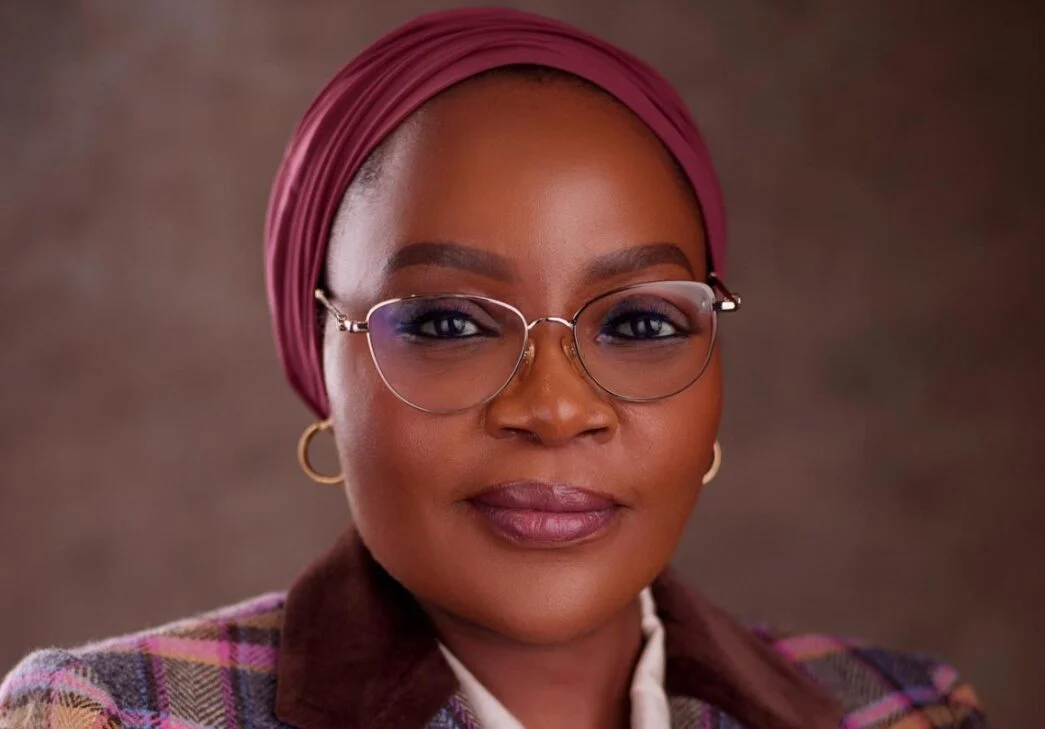
The Executive Secretary of the Universal Basic Education Commission, Dr. Aisha Garba, has declared that Nigeria’s education sector is facing a “crisis of great magnitude,” requiring the concerted efforts of all stakeholders to ensure quality basic education for children.
Speaking at a stakeholders’ meeting co-hosted by the Nigeria Governors’ Forum and UBEC in Abuja, Garba highlighted the dual challenges of the country’s massive out-of-school population—recently estimated by UNESCO at 20 million—and the growing learning crisis, where children enrolled in schools fail to acquire basic literacy and numeracy skills.
According to a statement on Friday, the meeting brought together top education policymakers from all 36 states alongside technical experts and development partners from the World Bank, European Union, and UNICEF.
In her opening address, Garba warned that the future of millions of children and the nation’s overall development were at risk, emphasising the urgent need for synergy among stakeholders.
As part of efforts to address the crisis, she unveiled the HOPE-EDU programme, a major government initiative developed in partnership with international donors.
“Through the HOPE-EDU programme, a $552 million partnership between the Federal Government of Nigeria, the World Bank, and the Global Partnership for Education, we are responding with the urgency this crisis demands.
“This bold, strategic, and multisectoral initiative is designed to address foundational learning gaps and reduce the number of out-of-school children through coordinated, state-led action”, she announced.
Speaking further, she said, “Our country is facing an education crisis of great magnitude. Millions of Nigerian children remain out of school, while many of those enrolled are not acquiring the foundational literacy and numeracy skills essential for lifelong success.
“These gaps are not just academic—they represent lost opportunities, widened inequality, and weakened national development. The time has come to change this narrative.”
Garba noted that the aim of the meeting was to move beyond dialogue and develop concrete, evidence-based strategies to rescue a generation of learners.
The workshop served as a platform for state officials to review existing policies and explore the potential for scaling up successful interventions, including the use of educational technology.
The Minister of State for Education, Prof. Suwaiba Ahmed, reaffirmed the Federal Government’s commitment to transforming the education sector.
She emphasised that President Bola Tinubu’s Renewed Hope Agenda is already guiding policy actions across relevant ministries and agencies.
Roundtable sessions at the dialogue featured robust discussions, with state commissioners and SUBEB chairpersons directly engaging with development partners to identify persistent challenges and explore new solutions.
Organisers expressed hope that the meeting would spark the creation of a permanent support hub, giving education officials continuous access to data-driven strategies and successful models to drive and sustain reform.
Stakeholders at the event agreed that the dialogue marked more than just another meeting—it was a crucial turning point in efforts to reclaim the promise of education in Nigeria.
President John Mahama of Ghana has assured Nigeria of the safety of its nationals residing in Ghana, stating that there is no place for xenophobia in the country.
Mahama also reaffirmed Ghana’s commitment to the Economic Community of West African States protocols, especially those concerning the free movement of persons and goods within the region.
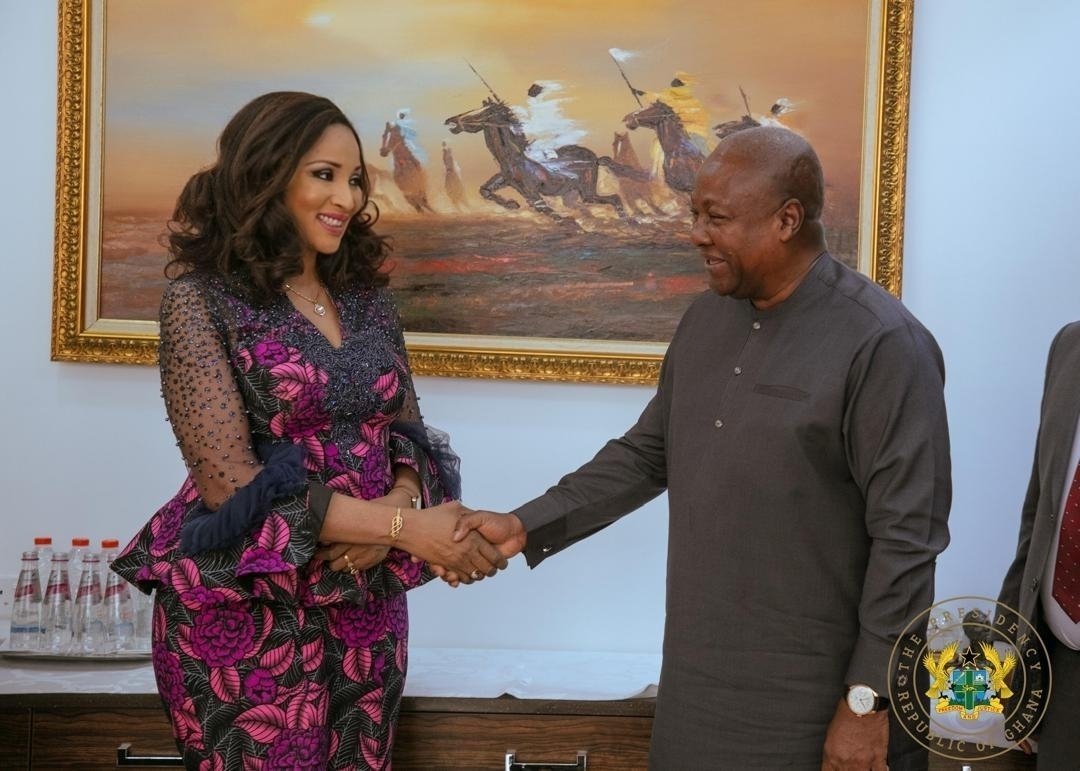
A statement on Friday by the Special Assistant on Communication and New Media to the Minister of State for Foreign Affairs, Magnus Eze, said the Ghanaian president gave the assurance on Thursday while receiving President Bola Tinubu’s special envoy, led by Minister of State for Foreign Affairs, Ambassador Bianca Odumegwu-Ojukwu, at the Presidential Palace in Accra.
“Tell President Tinubu not to lose sleep over the recent protests. Nigeria and Ghana are brothers with a shared history, and we won’t allow anything to come between us,” the statement titled, “Mahama to Tinubu: No room for xenophobia in Ghana,” quoted Mahama as saying.
He attributed the tension to the recirculation of a video recorded over a decade ago by a Nigerian residing in Ghana, saying the incident was promptly managed.
The Ghanaian president promised to protect the lives, properties, and businesses of Nigerians in Ghana.
“The recirculation of an old video made by a Nigerian residing in Ghana over 10 years ago actually generated tension, but gladly, the situation was swiftly managed.
“The protesters were not more than 50. I assure the envoy of the safety and protection of the lives, properties and businesses of Nigeria and Nigerians in Ghana, ” he stated.
Earlier, Odumegwu-Ojukwu said the visit was to douse tension following the circulation of the video that triggered concerns back in Nigeria.
“Every Nigerian back home is apprehensive about the safety of Nigerian nationals in Ghana. We are here to reaffirm the safety of our citizens and to seek ways to strengthen bilateral ties,” she said.
The minister also disclosed plans to facilitate the establishment of a permanent Nigeria-Ghana Joint Commission, which she said would help address youth migration driven by high unemployment rates.
She added that she would be meeting with the Nigerian community in Ghana to encourage them to obey local laws and conduct themselves as good ambassadors of their country.
Former Deputy Governor of Ekiti State and ex-Senate Minority Leader, Senator Biodun Olujimi, has said that the political strategy and rhetoric used by Labour Party presidential candidate, Peter Obi, during the 2023 general election will not be effective in 2027.
Speaking on Channels Television’s Politics Today on Thursday, Olujimi dismissed the possibility of Obi mounting a serious challenge to President Bola Tinubu’s re-election bid.
“The rhetoric of the last election will not work again, except he comes with another gimmick. And you see, this (Tinubu) is a politician, a man who knows the terrain well,” she said.
Olujimi also took a swipe at former Ekiti State Governor, Ayodele Fayose, accusing him of destroying the Peoples Democratic Party in the state through what she described as autocratic leadership.
“Ayo Fayose killed the PDP in Ekiti. He alienated those who built the party, imposed candidates against popular will, and created factions that led to our repeated failures at the polls,” she said.
She noted that Fayose’s style of leadership alienated key stakeholders and sparked internal crises that weakened the party’s structure and performance in elections.
According to her, efforts by party loyalists to reconcile and rebuild the PDP in Ekiti were repeatedly undermined by Fayose’s “high-handedness and divisive politics,” making unity within the party nearly impossible.
“The PDP had a real opportunity to remain strong in Ekiti, but the selfish ambitions of one individual destroyed that chance,” she lamented.
Olujimi, who recently stepped aside from the party, added that the PDP’s failure to conduct transparent internal processes further contributed to the defection of loyal members and the erosion of public confidence in the party.
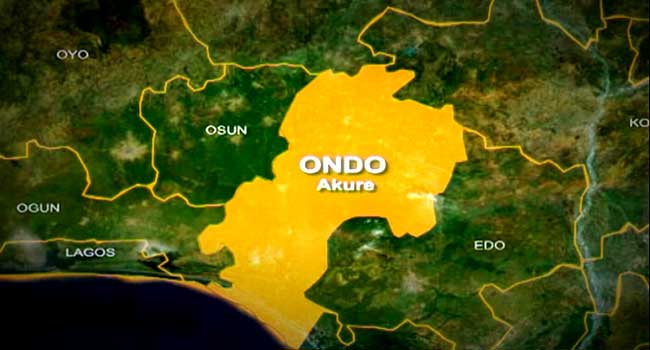
Seven farmers who were kidnapped last Saturday while working on their farmland in Itaogbolu, Akure North Local Government Area of Ondo State, have regained their freedom.
The victims were released on Wednesday night after spending five days in captivity, a relative of one of the abductees told the News Agency of Nigeria on Friday.
The relative, who spoke on condition of anonymity, said, “I’m happy to tell you that the kidnappers released all seven farmers on Wednesday night. They are back with their families.
“I want to let you know that when the kidnappers demanded ransom, which was N100 million initially before it was reduced to N20 million, we were only able to raise N5 million.
“They were released in Ikere-Ekiti, Ekiti, on Wednesday night after collecting the N5 million and food items.
“The victims are now in the hospital for medical attention.”
Efforts by NAN to speak with the state Commander of Amotekun Corps, Mr Adetunji Adeleye, were unsuccessful as calls to his cell phone were not answered.
When contacted, the Police Public Relations Officer in the state, DSP Olushola Ayanlade, simply said, “I’m not aware of their release.”
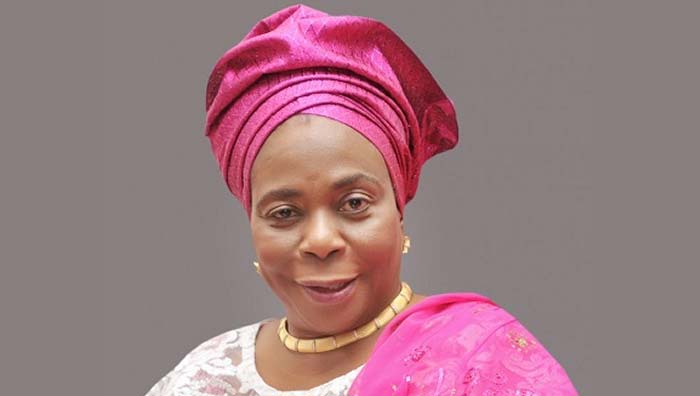
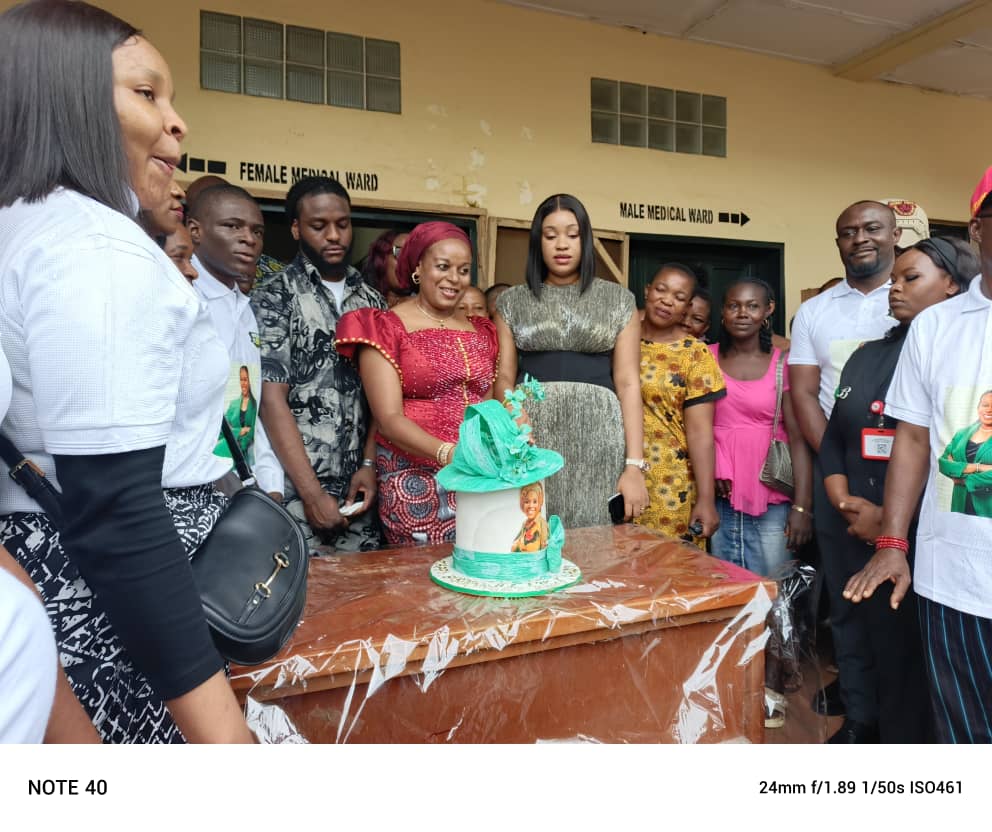
The First Lady of Anambra State, Dr Nonye Soludo, has visited various hospitals across the state as part of a medical outreach and intervention, marking her 55th birthday.
During the exercise, which took her to Chukwuemeka Odumegwu Ojukwu University Teaching Hospital, Awka, Nnamdi Azikiwe University Teaching Hospital, Nnewi and the newly-built General Hospital, Okpoko, on Thursday, many patients received cash gifts to offset their medical bills and other sundry expenses.
While some others benefited from free surgical interventions and received free eye care services, free medical treatment and screening for hypertension, diabetes, malaria and respiratory tract infection were performed for the patients at the facilities on the bill of the governor’s wife.
At the various facilities, Soludo, who is also the founder of the “Healthy Living with Nonye Soludo initiative”, was seen interacting passionately with patients, singing praises to God, offering them prayers and words of advice, while also presenting some amount of cash to support them.
In an interview with journalists after the exercise in Okpoko, she said celebrating her birthday with the needy by visiting hospitals and the less-privileged homes is a practice she has cultivated long before she married.
She said, “Rather than celebrate my birthday with parties, I celebrate it with the needy by visiting the hospitals and less-privileged homes to celebrate to cater to their needs. This is a long-term tradition I have been practising long before I got married.
“Even during my single years, I celebrated with orphans, the sick, and the poor. I have never really been a person for parties. If you see me organising a birthday gathering, it is usually a low-key one with my family or close friends. Celebrating with the less privileged has always been a part of me.
“Every year, I spend my birthday with the sick, the motherless and the vulnerable. It is my way of reflecting on the true meaning of human existence, showing love, giving hope, and putting smiles on people’s faces.
“Bringing happiness to others is my greatest joy. My happiest moments are when I see people smile. That is all I need to feel fulfilled. With what I have done today, I consider my birthday celebration complete; whatever comes after is just extra.”
The first lady also encouraged other well-meaning people to cultivate the habit of touching lives in their own way while commending the medical team of the hospitals visited for their dedication to duty.
“Making people smile doesn’t cost much; sometimes all it takes is your presence and attention. Even helping an old woman find a place to sleep is an act of love. I am impressed by how neat the hospitals are. May the Almighty God bless and continue to strengthen the doctors and nurses here for their hard work,” she added.
During a get-together held at the Light House, Awka, later in the evening, Anambra State Governor, Prof. Chukwuma Soludo, expressed gratitude to everyone who contributed to the day’s activities, adding that a birthday is not just about celebrating a person; it is a moment of charity and reflection.
Soludo described his wife as “the machine, the engine”, who powers the house, while thanking her for all she is doing.
“For me, I have scheduled today, and the birthday celebrant told me that what she wants to do is to visit hospitals to take care of patients and the needy. These surgeries were done, the hospital bills were paid, and the resources were put together by public-spirited individuals.
“This is the kind of charity that runs something from within. The day I knew that I was very blessed was the day I won her heart. Thank you for loving me. Since we got married, every year we celebrate our anniversary.”
“Whatever we have been able to accomplish in life, she is the machine, the engine, that powers the house. Don’t be deceived by her soft spoken words because behind that, is a woman of steel, a woman of character and my children and I are lucky to have a mother like her.
“I lost my mother when I was eight, but in her, I found a mother, a lover. While I celebrate her, I celebrate her values, and that is the key to what she did today,” the governor added.
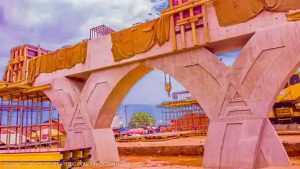
The Federal Government has begun reconstruction of the collapsed Keffi Flyover in Nasarawa State, while accelerating major roadworks across the country.
Minister of Works, Mr Dave Umahi, disclosed this after Thursday’s Federal Executive Council meeting chaired by President Bola Tinubu.
Umahi described the July 4 collapse as “very unfortunate” and confirmed a settlement with the families of the three persons who lost their lives.
“We lost three lives there. We have settled with the families. They are not pressing charges. Reconstruction has commenced,” the minister stated.
He said one carriageway has been closed for urgent repairs, following structural assessments to prevent further hazards.
The Keffi Flyover is a critical link between Abuja, Nasarawa and other parts of Nigeria’s north-central region.
Umahi added that the FEC has approved funding and reviews for several key road and bridge projects nationwide.
He noted that 360 road rehabilitation projects were completed in 2023, and inspections are ongoing across all zones.
To enhance transparency, state engineering chambers will now help monitor federal road projects in their respective domains.
The minister listed several strategic projects, many exceeding ₦10 billion, that have either begun or received significant funding.
They include: Abuja Road Lot 1: 118 km at ₦275bn (30 per cent disbursed and completed); and Lot 2: 164 km at ₦502bn (₦150bn released for six sections).
Other priority projects are: Enugu–Onitsha Road: 72 km at ₦150bn (₦45bn released); Abuja–Kano Road: ₦220bn (30 per cent disbursed); and Bauchi–Jigawa Sections: Fully funded.
Also included is the Nembe–Brass Road: ₦156bn, with 30 per cent of funds already released.
The near-complete Port Harcourt–Bodo–Bonny Road spans 35 km and costs ₦200bn.
Further projects: Benin–Ifon–Akure Road: 108.4 km (30 per cent disbursed); Akure–Ado-Ekiti Road: 256 km at ₦761bn (30 per cent released).
Newly approved and revised projects include: Biu–Numa Road (Borno/Adamawa): Revised to ₦61.76bn from ₦15.4bn.
Maraba–Keffi Road (Nasarawa): Dualisation of 43.6 km at ₦76bn. Ikorodu–Sagamu Road (Lagos): ₦11.42bn variation approved for completion.
Also, Kashamu–Amshi–Guru–Gurus Road (Yobe): ₦23.4bn for binder courses and a new vehicle bridge.
Sokoto–Badagry Superhighway: Kebbi Section: 258 km x2 at ₦1.92tn; Sokoto Section: 120 km x2 at ₦912bn.
Further approvals include: Afe Babalola University Access Road (Ekiti): 14.4 km revised to ₦9.32bn due to funding gaps.
Trans-Saharan Highway (Oyo–Benue border): Extended from 180 km to 231.64 km. Revised cost: ₦445.8bn due to soil failures and realignment.
Lagos–Calabar Coastal Highway (Sections 4A and 4B in Ogun and Ondo): 80.35 km x2 at ₦1.65tn, including 6-metre swamp excavation.
Umahi pledged to publish a comprehensive list of all ongoing and approved projects in the coming weeks.
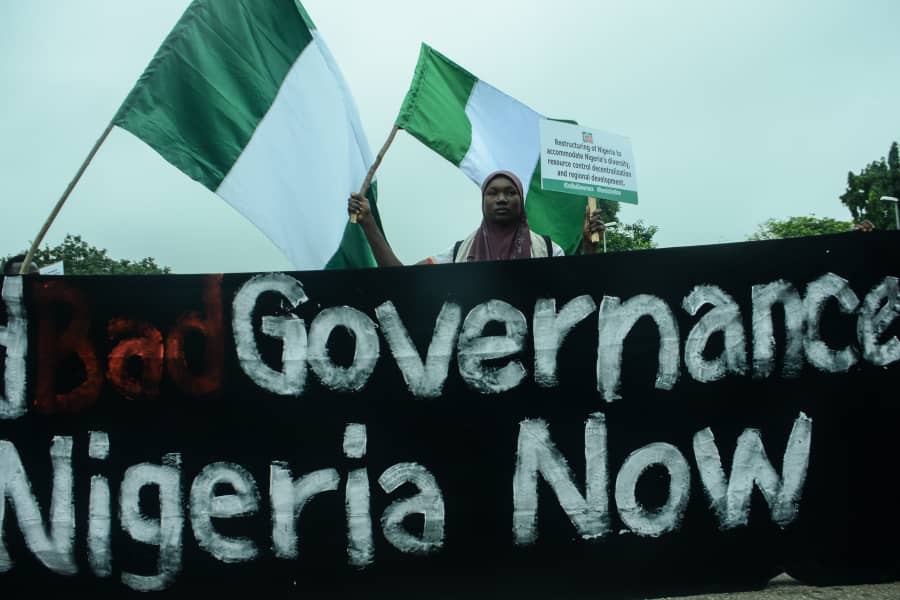
Amnesty International says that one year after the Nigerian police used lethal force and carried out mass arbitrary arrests of peaceful #EndBadGovernance protesters, the authorities have failed to ensure justice for victims and survivors.
The organisation made this disclosure in a statement posted on its website and social media handles on Friday.
It could be recalled that the #EndBadGovernance protests began on August 1, 2024, and lasted for 10 days, ending on August 10, 2024.
The protests were sparked by widespread discontent among Nigerians over various economic and governance issues, driven by economic hardship, fueled by skyrocketing inflation and high food prices, as well as the hike in the price of fuel in the country.
The protests, which saw widespread participation across major cities, turned violent in some areas due to clashes with security forces, resulting in fatalities and arrests.
According to the Amnesty International’s investigation, the Nigerian police killed at least 24 people between August 1-10, 2024, in Kano, Jigawa, Katsina, Borno, Niger, and Kaduna states.
Several protesters were also said to have been convicted, allegedly based on bogus charges, while trials continue in Abuja, Kano, Jigawa, Katsina, and Kaduna states.
“The Nigerian authorities are yet to take appropriate and effective measures to respect, protect, promote and fulfil the rights to freedom of expression and peaceful assembly,” said the Director of Amnesty International Nigeria, Isa Sanusi, in the statement.
The statement added, “Amnesty International found that the police fired live ammunition at close range, often at the head or torso, suggesting that officers were shooting to kill.
“Two survivors suffered injuries after being shot by police in the arm and legs, while others were suffocated by the indiscriminate use of tear gas.”
It also said “some protesters were tortured and punished with starvation while in detention, leading to the collapse of minors facing trial before the Federal High Court Abuja on November 1, 2024.
“The Nigerian authorities pressed on with all charges brought against #EndBadGovernance protesters despite overwhelming evidence that they did not break any law.”
Accordingly, the statement quoted that, “In Maiduguri, Borno State, several #EndBadGovernance protesters were convicted and sentenced to community service, caning, or imprisonment after a sham trial on bogus charges. The charges included forming a group named ‘Zanga Zanga’ Group and agreeing to take up arms against the government.”
In Abuja, Amnesty stated that several #EndBadGovernance protesters continue to face sham trials in a Federal High Court.
The charges against them include levying war against the state, inciting to mutiny, and destabilising Nigeria.
The organisation condemned what it described as “the Nigerian government’s violent crackdown on #EndBadGovernance protests, seeing it as a clear demonstration of the government’s utter disregard for human rights.”
Therefore, the organisation called for accountability and justice for the victims and survivors of the protests, adding that “the Nigerian government has failed to hold the police accountable for the horrific attacks on #EndBadGovernance protesters. Failing to hold the police accountable will only encourage the security forces to continue using firearms as a tactical tool for managing demonstrations.”
The organisation also emphasised that “the #EndBadGovernance protests were a call for better governance and accountability in Nigeria. The government’s response to the protests has been widely criticised, with many calling for an end to police brutality and impunity.”
“One year after the protests, the victims and survivors are still waiting for justice. The Nigerian government must take immediate action to address the human rights abuses and ensure that those responsible are held accountable,” the statement revealed.
It further stated, “The international community must also take a stand and call on the Nigerian government to respect and protect human rights. The use of lethal force and arbitrary arrests is unacceptable and must be condemned,” adding that “the Nigerian government must prioritise the safety and well-being of its citizens and ensure that the security forces are held accountable for their actions.
“The #EndBadGovernance protests may be over, but the fight for justice and accountability continues. The Nigerian government must be held accountable for its actions, and those responsible for human rights abuses must be brought to justice.”