Adron Homes Boss, Aare Adetola Mourns Olubadan, Commiserates With Family and Ibadanland
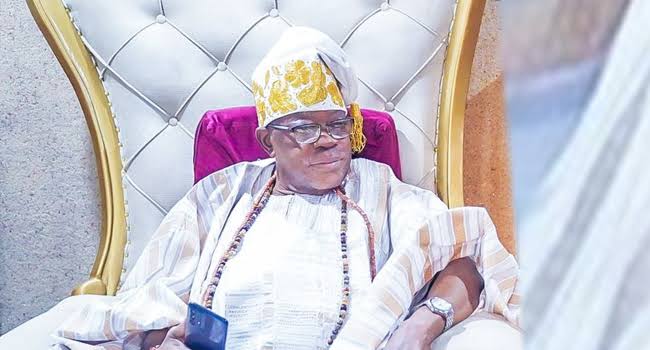
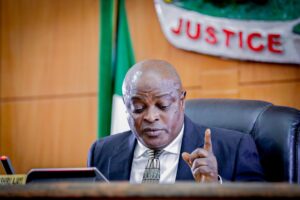
The Chairman and Chief Executive Officer of Adron Homes and Properties, Aare Adetola Emmanuel-King, has described the death of Olubadan, HIM Senator Oba Lekan Balogun Ali, Okunmade II, as a monumental loss to Yoruba Land, Ibadan Land and the traditional institution.
Aare Adetola who is also the Aare Apesinola of Ibadan land has commiserated with a deceased family who joined his ancestors after two years of ascending the throne of his forefathers.
Aare Adetola described Oba Balogun as an embodiment of peace and a rallying point for all Ibadan indigenes. His cosmopolitan nature and his exposure have helped place Ibadan on a high pedestal.
A condolence statement by Aare Adetola reads; “The death of the Olubadan of Ibadanland, HIM Oba Lekan Balogun Ali, Okunmade II is a monumental loss to us, Ibadan Land and the traditional institution most especially in Yoruba Land. As a former lawmaker and scholar, he served Ibadan diligently and treated everyone who crossed his path with fairness. He is a pan-Nigerian who sees everyone as one entity and never discriminates. We have lost a big fish in the river and it will take time for us to see someone of his nature. He is a refined gentleman, very articulate with an embodiment of knowledge and understanding of the culture and tradition of Ibadan. He wore his royalty on his chest like a badge of honour. We will miss him dearly. I pray Almighty God will forgive his shortcomings and grant him Aljana Firdaus. Once again, my condolences to Ibadanland”
REDTV Premieres Season 2 of ‘When Are We Getting Married?’, Underscoring Support for African Creative Industry
REDTV, United Bank for Africa‘s Lifestyle and Entertainment channel, proudly announces the highly-anticipated launch of the second season of its hit show – ‘When are we getting married’.
The captivating series, renowned for its unique blend of romance, humour, and real-life relationship dynamics, promises its teeming viewers an even more engaging and thrilling experience in its latest series.
With top hits such as Unintentional, Mighty, The Men’s Club Season 1-3, and other popular shows like Our Best Friend’s Wedding, Inspector K, Assistant Madams, RedHot Topics, Hotel Boutique and a host of other entertaining content, award-winning lifestyle channel REDTV, is keen on developing and nurturing talent across the continent.
Executive Producer, REDTV, Bola Atta, who emphasised the channel’s passion to groom creativity and youth empowerment, expressed her excitement about the new season, adding, “We are thrilled to bring back ‘When are we getting married?’ for its second season. The show has resonated with audiences, and we are committed to delivering even more compelling content that explores the intricacies of love and relationships. This season is packed with surprises, laughter, and heartfelt moments that viewers won’t want to miss.”
Speaking on the bank’s continuous support to entertainment and the lifestyle channel, UBA’s Group Head, Marketing and Corporate Communication, Alero Ladipo, maintained that the bank is committed to nurturing creative endeavours that resonate with its diverse audience while entertaining its viewers and customers.
She said, “REDTV has consistently demonstrated its ability to deliver compelling lifestyle content, and our ongoing collaboration reflects UBA’s dedication to fostering innovation and entertainment. We are indeed excited about the positive impact our support has on the channel’s growth, and we look forward to more exciting projects that captivate audiences across the globe.”
As REDTV continues to push the boundaries of entertainment, ‘When are we getting married?’ stands out as a must-watch series for anyone seeking quality content that reflects the vibrancy of modern relationships.
Viewers can Tune in to REDTV on YouTube for a delightful journey into the world of love, laughter, and endless entertainment.
REDTV is a fast-paced lifestyle channel that puts Africa on the global stage. Proudly powered by UBA, the network aims to entertain and inform through rich and engaging content that feature the very best of Africa focused on fashion, news, music, sports, drama, travel and much more. The channel collaborates with the most talented visionaries and creative minds who dare to believe in a New Africa, putting together content that reflects its vision
ACCESS HOLDINGS PLC ANNOUNCES THE RETURN OF MR. AIGBOJE AIG-IMOUKHUEDE, CFR (PIONEER ACCESS BANK GROUP MANAGING DIRECTOR/CEO) AS HOLDCO CHAIRMAN AFTER 10 YEARS
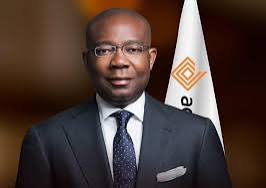
Access Holdings Plc (‘the Holdco’), is pleased to announce the return of Mr. Aigboje Aig-Imoukhuede, CFR as its Non-Executive Chairman. Mr. Aig-Imoukhuede, CFR replaces Mr. Abubakar Jimoh, the erstwhile Chairman of the HoldCo who remains on the Board as an Independent Non-Executive Director.
This visionary and accomplished leader is bringing an outstanding record of accomplishments, wealth of expertise and leadership to guide the Group into a new era of success.
In response to the untimely passing of the immediate past Group Chief Executive Officer of Access Holdings, Dr. Herbert Wigwe, CFR and following extensive consultations with key stakeholders, the Holdco Board unanimously decided to invite Mr. Aig-Imoukhuede to the helm of governance.
With an illustrious career spanning several decades in the banking and finance sector, Mr. Aig-Imoukhuede has proven to be an exceptional and influential leader, having admirably laid a solid foundation for Access Bank’s success as Group Chief Executive Officer between 2002 and 2013 ably supported by his partner and deputy, the late Dr. Herbert Wigwe, CFR who later succeeded him.
Under Mr. Aig-Imoukhuede’s leadership, Access Bank experienced remarkable growth and established itself as a trusted financial institution within the community. The Bank transformed from a minor player into one of Nigeria’s top 5 banks with presence in 9 other African countries and the United Kingdom. Under his stewardship, Access Bank grew its customer base from ten thousand to over six million with more than 5,000 employees and an asset base of USD $12 billion, achieving numerous milestones and becoming a globally recognized name. His strategic vision, innovative thinking, and deep market insight were instrumental to shaping the Bank’s success.
Following his retirement as the Bank’s CEO in December 2013, Mr. Aig-Imoukhuede cofounded the Tengen Family Office Limited which oversees a significant portfolio of investments and businesses in banking, finance, insurance, technology, real estate, and energy. Through the Aig-Imoukhuede Foundation, he is focused on building Nigeria’s next generation of government leaders, helping transform public sector effectiveness, and improving access to quality primary health care.
The decision to bring back Mr. Aig-Imoukhuede as the Group’s Non-Executive Chairman reflects the Board’s commitment to our core values and determination to build upon the strong foundation, he jointly established with Dr. Wigwe. With his return, Access Holdings aims to leverage his extensive experience, industry knowledge, and exceptional leadership skills to consolidate on the growth and accomplishments recorded under Dr. Wigwe’s leadership.
In his new role as Non-Executive Chairman, Mr. Aig-Imoukhuede will collaborate with the Board of Directors to oversee strategy and provide guidance to the executive management team. His return is not only a testament to his unwavering dedication to Access Group but also a clear demonstration of the Board’s confidence in his ability to lead the Group to new heights.
Speaking about his return, Mr. Abubakar Jimoh past Chairman, Access Holdings expressed his excitement, stating:
“Mr. Aig-Imoukhuede’s appointment to the Board and subsequent election as Chairman is a landmark development for Access Holdings. All our board members are excited about our future’’.
Commenting on his appointment, Mr. Aig-Imoukhuede, said:
“I am thrilled to be back in active service to the Access Group ecosystem. I am confident that working with our directors, our exceptional team of executives and our best-in-class banking and finance professionals, we will deliver outstanding value to our esteemed stakeholders. I am determined that our shared vision which Dr. Wigwe gave everything for, will be realized”.
The entire Access Group family, including employees, customers, and stakeholders, eagerly anticipates Mr. Aig-Imoukhuede’s return and looks forward to a promising future under his leadership. With his expertise, passion, and commitment, the Access Group is poised to embark on a new chapter of impact and sustainable success.
Kidnappings: Employ More Neighborhood Watch Officers, Lagos Assembly Tells Sanwo-Olu
– sympathizes with affected states, families of victims
– commends Remi Tinubu for advocating capital punishment for kidnappers
With incidents of kidnapping spreading across some states of the federation, the Lagos State House of Assembly has called on Governor Babajide Sanwo-Olu to increase the personnel in the Lagos Neighbourhood Safety Corps (LNSC) to effectively assist other security agencies.
The House also commended President Bola Ahmed Tinubu for his favourable disposition to the issue of state police just as it praised the First Lady, Senator Oluremi Tinubu, for raising a voice and advocating for capital punishments as a deterrent.
The issue which was discussed under ‘Matter of Urgent Public Importance’ followed the recent kidnapping of about 280 children in Kaduna, the about 102 kidnapped in Borno and 15 kidnapped in Sokoto recently.
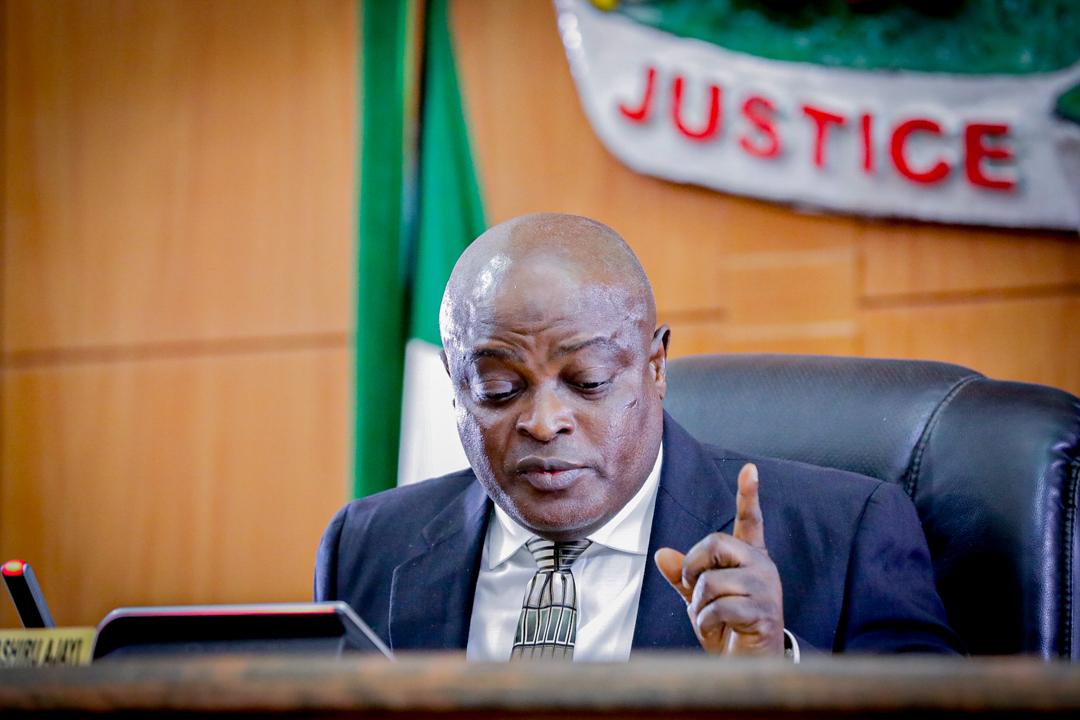
Noting that the case of the Chibok girls was yet to abate, Rt. Hon. Mudashiru Obasa, said it was very important for every Nigerian to rise up and speak against kidnapping just as he sympathised with affected states and families of victims.
Dr. Obasa said it was painful that while parents struggle to send their children to school to seek knowledge, “evil people in the name of kidnappers are hell-bent on destroying the future of the children
“It is very important for all of us to rise up and find a lasting solution. Security is very essential in every given society and if we fail to protect lives, then what do we have as responsibility?
“We must commend our First Lady for being bold and coming out and even talking about capital punishment.”
The Speaker commended the military for its effort, but said more can be done even if it means relocating to areas where these attacks are frequent.
He recalled the situation that necessitated the enactment of the anti-kidnapping law of Lagos State some years ago urging the National Assembly to review existing laws relating to kidnapping and expedite action on state police.
The Deputy Majority Leader of the House, Hon. Adedamola Richard Kasunmu, said it is necessary at this time to call on governors and speakers of states to act regarding related legislation.
In their contributions, Hon. Tobun Abiodun and Nureni Akinsanya commended the Speaker for raising the issue while noting that Lagos is gradually experiencing cases of kidnappings.
Their colleague, Hon. Sa’ad Olumoh, suggested the establishment of special courts to try alleged kidnappers and speed up trial processes while Hon. Abiodun Orekoya urged the military to employ technology in their surveillance.
Meanwhile, Speaker Obasa has congratulated Muslims in Nigeria as the Ramadan commences.
Dr. Obasa urged those who have to share with those in need. He urged Muslims to pray for peace and the country while encouraging Nigerians to show love to one another irrespective of religious beliefs.
Adron Homes Empowers Women and Advocates for Gender Equality on International Women’s Day 2024
In a grand and impactful celebration of International Women’s Day 2024, Adron Homes went above and beyond to champion the cause of women’s empowerment and advocate for gender equality. The day was marked by a series of events aimed at uplifting women and addressing pressing societal issues.
One of the highlights of the day was the comprehensive training sessions conducted for both Adron Homes’ staff and members of the general public. These sessions, designed to enhance skills and knowledge, served as a platform for fostering inclusivity and empowering individuals from all walks of life.
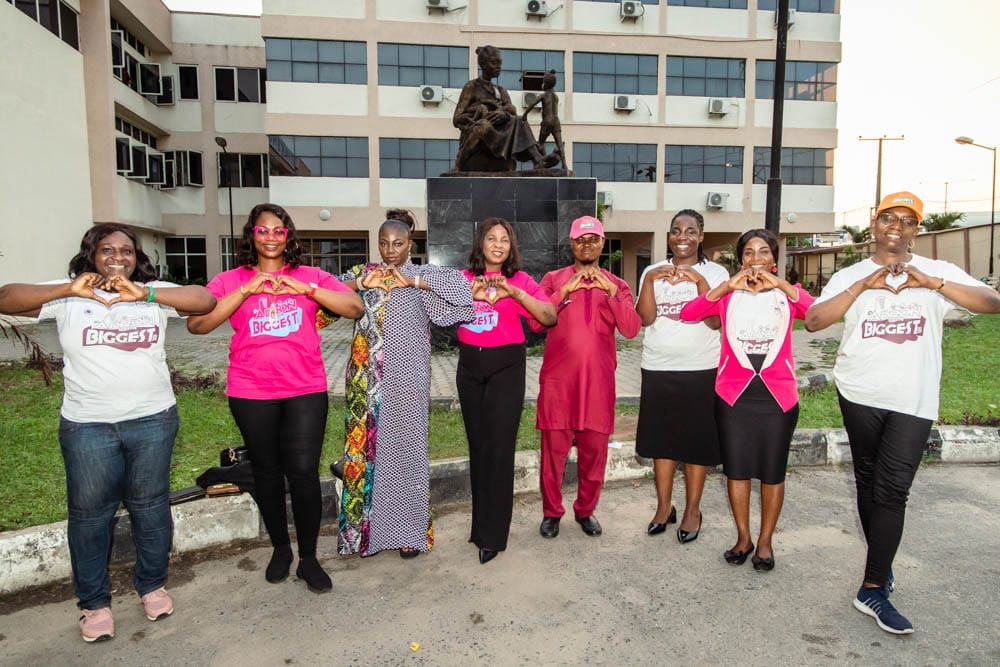
A highlight of the day was the heartwarming visit to Anike House, Lagos State University Teaching Hospital (LASUTH), where the team from Adron Homes took proactive steps to alleviate the burdens of patients, especially women, by settling their hospital bills. Representing the Vice Chairman of Adron Homes, Olori Aderonke Emmanuelking, was Mrs. Ajobo Adenike, the Managing Director of Adron Homes (Southern Nigeria), who led the delegation with grace and compassion.
Accompanying Mrs. Adenike were key figures from Adron Homes, including Mrs. Aminat Olaniyan-Haastrup, the Director of Customer Service, and Mrs. Ihouma Azuru, the Director General of Sales and Marketing (Southern Nigeria), along with other esteemed directors. Their presence underscored the company’s commitment to women’s empowerment and social responsibility.
The visit also served as a poignant reminder of the importance of accelerating efforts towards gender equality. In line with the global theme of the day, Adron Homes reiterated the crucial role that women play in building nations, cities, communities, and homes. The company emphasized the need for their inclusion and investment, recognizing that empowering women is not only a moral imperative but also a catalyst for societal progress.
In commemorating International Women’s Day 2024, Adron Homes showcased not only its dedication to empowering women but also its firm belief in the transformative power of collective action. As trailblazers in the real estate industry, Adron Homes continues to inspire positive change and shape a more equitable future for generations to come. Happy International Women’s Day
Nigeria Economy will become better under Tinubu but… – Prophet Tim Igbalajobi
Prophets are like portals that give information about future occurrence in the present. Though there are many making rounds in Nigeria that have turned prophecy into business, however, one thing about the good ones is their consistency even when their vision seems not to conform with happenings in present time.
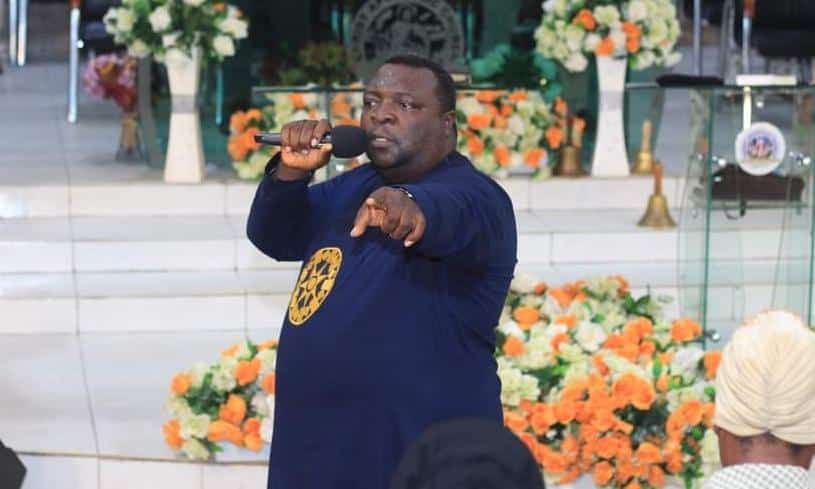
One of such Prophets is Prophet Timothy Olatubosun Igbalajobi, the presiding Pastor of Christ Apostolic Church (CAC) Palace of Light and Salvation, in Lagos.
The young but anointing filled man of God has been consistent about his God given visions about Nigeria. During the crossover service from the 2022 to 2023, the Prophet was one of those who foresaw the emergence of President Bola Ahmed Tinubu as Nigerian president and during the program he said Tinubu is the ordained president of Nigeria. In the service, he also stated that the first years of his reign will be very tough and that things will only become easy that those who had thought they escaped Nigeria through the japa slang would return to enjoy the new goodness of Nigeria.
This was also repeated during the 2023/24 crossover service as the Man of God whose services are a mixture of English and Yoruba languages declared that 2024 will be tougher and harder than 2023. He explained that if care is not taking, a bag of cement will go for 10k (it has gone even more less than 2 months into the year) in the market and that things will however become better after the second year thereby further reinforcing the initial prophesy.
The 2022-2023 Crossover Service
The prophesy starts at 5 mins 25 seconds
Prophet Igbalajobi has also been saying it that the government of President Bola Ahmed Tinubu will favor a lot of youths and that he saw the president serving the two terms of eight years. This was however modified in the 2024 prophecy and it was like a warning to the president, who was advised to be watchful of who handles his clothing and that it is only through these that his designed 8 years reign can be truncated.
Adron Homes Delivers: Testimony of a Satisfied Customer
At Adron Homes and Properties, we are proud to say that success is not just a word but a process that leads to results. We strongly believe that there are no shortcuts to success, and that’s why we put in various efforts in the process leading to our success story becoming a glory for everyone to see. For over a decade, Adron Homes has consistently been on top of its game as the leading real estate company whose story resonates with everyone.
Our success story is a testimony to our reliability, accountability, truthfulness, resilience, doggedness, and result-oriented approach. These are the qualities that have enabled us to build cities and make the dreams of many come true. We have made landlords and homeowners in the last few years, and that’s why we have won the hearts of many, and our story is spreading like wildfire for our consistency over the years.
At Adron Homes, we are confident in our ability to deliver on our promises. We go the extra mile to fulfill anything we promise our clients, regardless of the issues we face. We are willing to do the unthinkable and unimaginable, even at times running at a loss just to bring about the best for our customers. We didn’t become bigger, stronger, and better overnight; it’s a process of painstakingly building a global brand that knows the rudiments of real estate and adheres to global best practices. We are proud to say that many success stories have us as a major player because we nurture dreams and make them a reality. While many imposters and pseudo-real estate companies have tried hard to copy and forge our style, they have fallen off by the roadside like smoke whose fire has been extinguished.
With our ingenuity and consistency, we have been able to stand out and contribute to the success of many who have transited from tenants to homeowners. Our unwavering commitment to standard and a reliable brand is reflected in the story and testimony of Mr. and Mrs. Akinola, one of our tenants at the Down Town Park and Gardens. They expressed their freedom and comfort in investing their money with us, and they never regretted doing so. They were treated like kings and queens, as one of our tenets is that all customers are kings and must be treated with respect, dignity, and dainty.
Mr. Akinola also noted our unwavering support during the inspection of the building phase and how we paid rapt attention to every detail, from the foundation to the smallest details. They commended us for not being dubious, and for being an integral part of their sojourn to becoming homeowners. At Adron Homes, we owe our success story to the support and cooperation of our staff and numerous loyal customers. We cherish being part of their success story, and we encourage them to be a part of the reason why Adron will continue to soar higher. Adron Homes is the biggest and strongest indeed, and we are confident in our ability to maintain our position as the leading real estate company in the industry.
Invest in Yourself, Have a Business Structure, Female Entrepreneurs advise SMEs at UBA Business Series
Successful female business entrepreneurs, have advised Small and Medium Scale Enterprises (SMEs) operators and would-be business owners to focus on meeting specific needs and self-development to create a path towards building prosperous brands in the short and long-term.
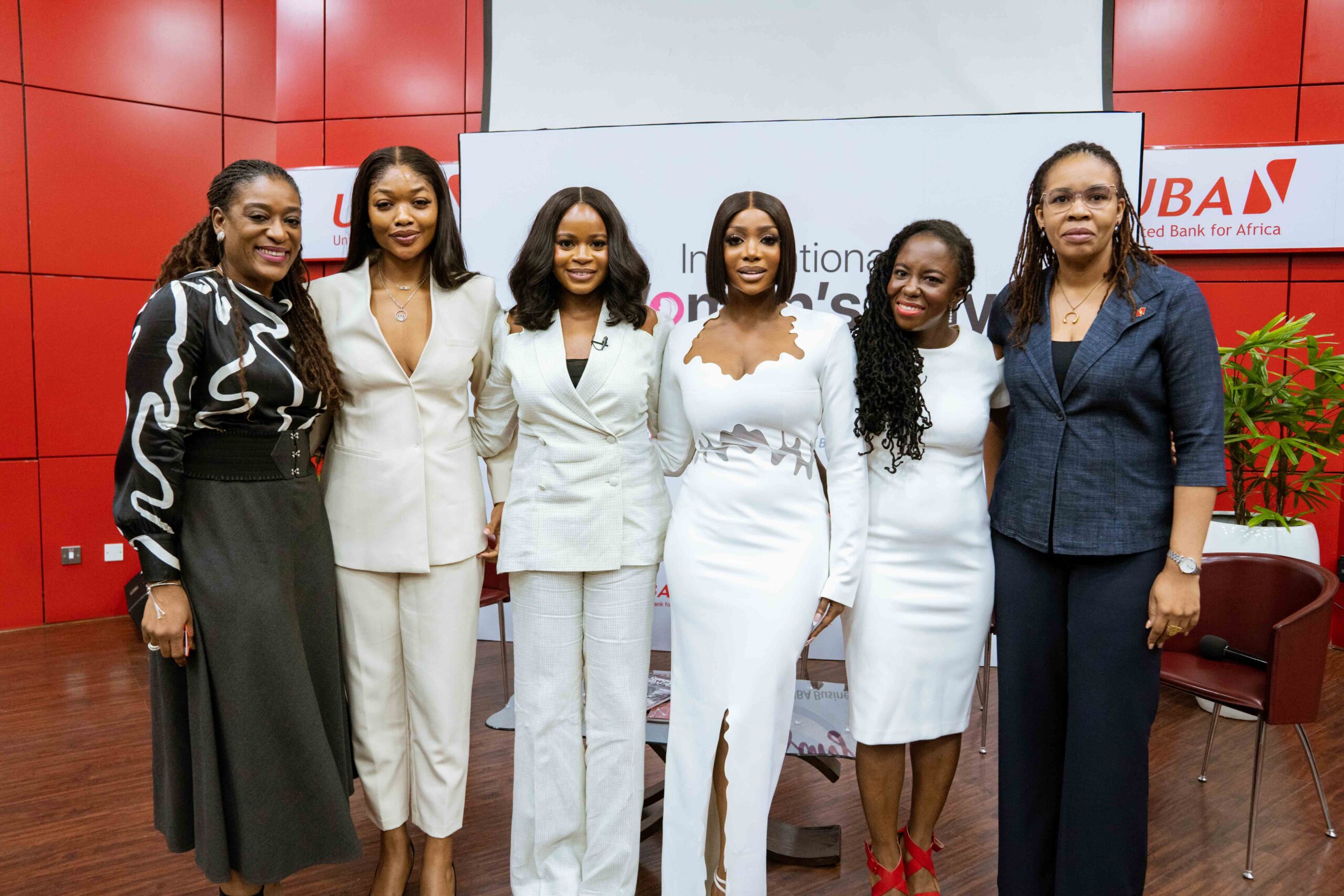
Speaking during the Women’s Day edition of the United Bank for Africa (UBA) Business Series hybrid event at the bank’s Head office in Lagos on Thursday, the entrepreneurs emphasised the need for SMEs to invest in themselves and have a proper working business structure as tips that will help build and grow their businesses.
The co-founder and CEO of Good Hair Ltd, Chioma Ikokwu; Founder of African Naturalistas, Atilola Moronfolu; Founder of Hello Perfect, a leading skin aesthetics and laser clinic in Nigeria, Onyeka Michael-Ugwu and Actress/Founder and Chief Executive Officer, NOUA Skin, a luxury boutique skin studio based in Lagos, Oshuwa Tunde-Imoyo, were panellists at the special women’s edition of this quarter’s UBA Business series who spoke on the theme: Herstory.
Chioma who emphasised the need for meaningful partnerships and collaborations in business said, “It is important to start by solving a problem, you have to separate your lifestyle from your business and ensure that you are intentional about what you put out there. Also, get straight to the point about what you are offering your customers, no need beating about the bush,” she stated.
Buttressing Chioma’s point, Onyeka told business owners and would-be entrepreneurs to surround themselves with the right people as these are the people that will help tend to the growth of the business. “I always tell people, build a team that can give their best to your business. When you treat your team right, they will put their all into growing your business,” she said.
Atilola who was all about the advantage of a proper business structure to one’s business, said, “Get your structure right, you need to have a standard operating procedure that works whether you are physically present or not. Also, it is very important to separate your personal finances from your business finances, that way, your business learns to thrive on its own,” she explained.
On her part, Oshuwa spoke about education and investing in one’self, as she added that business owners need to hone their skills, and should not be afraid to ask for help when they need it. “I agree with Atilola and Onyeka about collaborations and I also subscribe to learning new things by investing in educating yourself, this will translate into better business decisions,” she said.
UBA’s Group Head, Marketing and Corporate Communications, Alero Ladipo, who commended the panellists for taking time off their busy schedules to share their knowledge, said UBA organises these business series frequently as they go a long way towards equipping customers, especially the women with the strategies to help build successful businesses.
“We believe that SMEs, especially those run by the females, are the engine of growth in any economy, and so, at UBA, we invest in educating our customers and Small business owners on tips that will help them run successful businesses that can impact the world,” Ladipo said.
United Bank for Africa is one of the largest employers in the financial sector on the African continent, with 25,000 employees’ group wide and serving over 35 million customers globally. Operating in 20 African countries and in the United Kingdom, the United States of America, France and the United Arab Emirates, UBA provides retail, commercial and institutional banking services, leading financial inclusion and implementing cutting edge technology.
Heirs Energies: Powering Nigeria’s Economy with Domestic Gas Supply
· Sole Gas Supplier to Geometric Power Plant
Heirs Energies, Africa’s leading integrated energy company, has announced a further expansion of its gas supply business, supplying the recently commissioned 188 MW power plant operated by Geometric Power Limited, located in Aba, Abia State.
Heirs Energies is a leading provider of gas to the Nigerian National Grid, and already supplies TransAfam Power Limited, with a capacity of 966MW, and First Independent Power Limited (FIPL), with a capacity of 541MW. Heirs Energies also supplies gas to local distribution companies, gas-based industries, and other industrial customers.
Founded in 2021, Heirs Energies operates OML17 and related infrastructure, with a mission to ensuring that Nigerian businesses and consumers derive direct and ongoing benefit from the country’s natural resources. All gas produced from OML 17 is supplied to the domestic gas industry.
Heirs Energies is pioneering a new era in Nigeria’s energy sector. With the operation of OML17 and its associated assets, the company has been pivotal in ensuring a reliable and sustainable gas supply, directly contributing to the nation’s industrial and economic growth. Heirs
Energies’ gas supplies to these critical power plants not only reinforce its major role in Nigeria’s energy sector, but also underscore its strategic vision in developing operational synergies throughout the energy value chain.
Creating a Nigerian champion in domestic gas supply represents a further example of Heirs Holdings role as a long-term strategic investor in the Nigerian energy sector, with interests in the recently listed Transcorp Power Limited, TransAfam, and Abuja Electricity Distribution Plc, and as an operator of oil-producing assets more than 50,000 barrels of oil equivalent per day (boe/d). With a unique vision of ensuring Africa’s natural resources serve Africa’s interests, the Heirs Group is driven by founder Tony Elumelu’s Africapitalism philosophy of ensuring businesses deliver both economic and social benefits to stakeholders.
Osa Igiehon, CEO of Heirs Energies, praised the company’s growing impact: “Our ability to supply these three major power plants demonstrates Heirs Energies’ dedication to lighting up Nigeria and supporting our country’s journey towards economic and social prosperity. We are not just participants in the energy sector; we are facilitators of growth and development, driven by a mission to ensure that Nigeria’s natural resources benefit its people.”
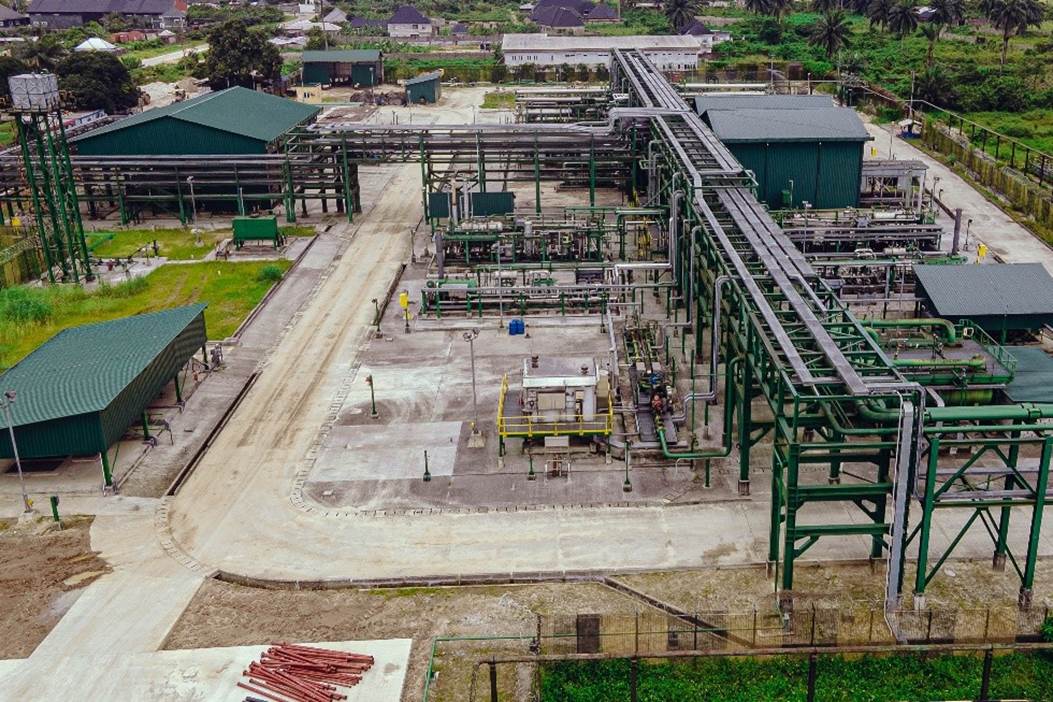
Heirs Energies’ gas plant in Agbada, Rivers State, produces over 80 MMSCFD (million standard cubic feet per day) of gas. 100 percent of this gas output is channelled into the domestic market to meet local demands, supporting Nigeria’s energy needs and exemplifying Heirs Energies’ commitment to powering thousands of homes, schools, hospitals, and industries, reinforcing its role in catalysing Nigeria’s industrialisation.
Heirs Energies Limited (formerly HeirsHoldings Oil & Gas Limited) is Africa’s largest indigenous-owned integrated energy company, committed to meeting Africa’s unique energy needs whilst aligning with global sustainability goals. With a strong focus on innovation, environmental responsibility, and community development, Heirs Energies leads the evolving energy landscape and contributes to a more prosperous Africa.
For more information about Heirs Energies and our projects, please visit www.heirsenergies.com.
Transcorp Power Lists on the Nigerian Exchange; Gains 10% First Day of Trading
l-r: Acting CEO, Nigerian Exchange(NGx) Limited, Jude Chiemeka; Managing Director/CEO, Transcorp Power Plc, Engr. Peter Ikenga; Group Chairman, Transcorp Plc, Mr. Tony Elumelu; Chairman, Nigerian Exchange Group, Dr. Umaru Kwairanga; Non-Executive Director, Transcorp Power Plc, Peter Hertog; Chairman, Transcorp Power Plc, Mr. Emmanuel Nnorom; Chief Financial Officer, Transcorp Plc, Evans Okpogoro; Non-Executive Director, Transcorp Power Plc, Risqua Muhammed;, during the Facts Behind the Listing and Closing Gong Ceremony of Transcorp Power Plc to commemorate the Listing by Introduction of 7,500,000,000 Ordinary Shares of 50 kobo each at N240.00 per share on Nigerian Exchange Limited today in Lagos.
Transcorp Power Plc, a power subsidiary of Transnational Corporation Plc (Transcorp Group), has listed its shares via introduction on the Main Board of the Nigerian Exchange (NGX), adding more than N1.8 trillion to the market capitalization of NGX and further boosting liquidity in the Nigerian capital market. The listing was celebrated on the 4th of March 2024, with a Closing Gong ceremony and a “Facts Behind the Listing” presentation.
Transcorp Power gained 10% on the first day of trading, to close at N264 per share, up from the listing price of N240 per share.
The listing of Transcorp Power is further evidence of the execution of Transcorp Group’s integrated power strategy, ensuring Nigeria’s natural resources are harnessed for the development of the Nigerian economy and so delivering on the Group’s mission of “Improving Lives and Transforming Africa”.
The listing which comes on the 10th anniversary of Transcorp Power’s founding, demonstrates the Company’s strong corporate governance, operational excellence, and value creation for stakeholders. This track record was earlier recognised in May 2023, when the Company became the first successor Power Generating Company in Nigeria to receive its post-privatization discharge from the National Council on Privatisation, having met and surpassed the key performance indicators set out by the Bureau of Public Enterprises (BPE).
Transcorp Power operates the Ughelli Power Plant in Delta State, with an installed capacity of 972MW. At the time of acquisition, the plant had an available capacity of 160MW. Transcorp Power invested and increased the available capacity to 680.83MW (a 227% increase) within 4 years of acquisition, surpassing the 5-year target of 670MW set by the Bureau of Public Enterprises. Transcorp Power Plc is a member of the West African Power Pool and a participant in the ECOWAS Regional Electricity Market. Today, Transcorp Power supplies electricity to the ECOWAS Regional Market.
Peter Ikenga, Transcorp Power’s Managing Director/CEO stated, “This is a testament to our unwavering dedication to powering Nigeria’s growth.
l-r: CEO, Vetiva Capital, Chuka Eseka; Non-Executive Director, Nigerian Exchange Group, Mr. Nonso Okpala; President/GCEO, Transnational Corporation(Transcorp) Plc, Dr. Owen Omogiafo; Acting CEO, Nigerian Exchange(NGx) Limited, Jude Chiemeka; Managing Director/CEO, Transcorp Power Plc, Engr. Peter Ikenga; Group Chairman, Transcorp Plc, Mr. Tony Elumelu; Chairman, Nigerian Exchange Group, Dr. Umaru Kwairanga; Non-Executive Director, Transcorp Power Plc, Peter Hertog; Chairman, Transcorp Power Plc, Mr. Emmanuel Nnorom; Chief Financial Officer, Transcorp Plc, Evans Okpogoro; Non-Executive Director, Transcorp Power Plc, Risqua Muhammed; Head, Broker Dealer Regulation, Nigerian Exchange Group, Olufemi Shobanjo; Non-Executive Director, Transcorp Group, Mrs Foluke Adulrasak, during the Facts Behind the Listing and Closing Gong Ceremony of Transcorp Power Plc to commemorate the Listing by Introduction of 7,500,000,000 Ordinary Shares of 50 kobo each at N240.00 per share on Nigerian Exchange Limited today in Lagos.
We embark on this new chapter with a sense of purpose, innovation, and a commitment to continue to deliver sustainable energy solutions in Nigeria and beyond.”
He highlighted the commitment of the Transcorp Power team and his excitement about the opportunities ahead, as the Company continues to drive excellence in the power sector.
“To our shareholders and partners, thank you for being part of our journey to illuminate Nigeria’s future,” Peter Ikenga added.
Transcorp Group Chairman, Tony Elumelu stated that the listing marks a historic moment for Transcorp Power Plc. “This milestone reflects Transcorp’s commitment to catalysing economic growth and prosperity. We invest in strategic sectors within the economy, transform, expand businesses, and consciously seek ways to share value. Our track record is evident with Transcorp Hotels Plc and now Transcorp Power Plc. We are focused on improving access to electricity for all, creating lasting value for our shareholders and contributing to our nation’s development.”
Transcorp Power Plc is an electricity generating subsidiary of Transnational Corporation Plc (Transcorp Group), one of Africa’s leading, listed companies, with strategic investments in the power, hospitality, and energy sectors. Transcorp Power is committed to creating value and driving economic growth, by improving lives through access to electricity and transforming Africa.