Nigeria Strengthens Monitoring and Quarantine Measures Amid HMPV Outbreak in China

Nigeria Strengthens Monitoring and Quarantine Measures Amid HMPV Outbreak in China

The Nigerian government has ramped up surveillance measures for passengers arriving from China due to the ongoing surge of the Human Metapneumovirus (HMPV), which has led to overcrowded hospitals and emergency measures across Chinese provinces. This proactive stance highlights Nigeria’s preparedness to prevent the spread of the virus following its rapid rise in cases in northern China, particularly among children.

What is HMPV and Why is It a Concern?

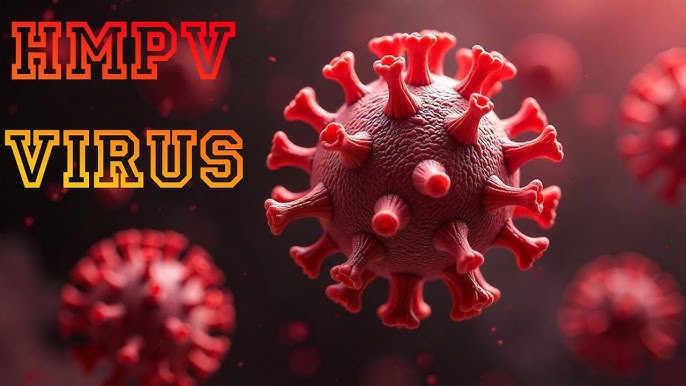
HMPV, a seasonal respiratory virus, is responsible for causing cold-like symptoms such as coughing, nasal congestion, and fever. However, its sudden increase in cases during this winter season in China has raised global alarm. The virus spreads through respiratory droplets when an infected person coughs or sneezes, and it can also survive on contaminated surfaces.

China has reported a notable spike in HMPV cases, particularly affecting children under 14 years old in the northern regions. This surge has led to concerns about a potential health crisis, with social media posts showing overcrowded hospitals. In response, the Chinese government has adopted measures including mask mandates, social distancing, and disinfection efforts in public spaces.

Global Response: Monitoring HMPV Spread

Countries surrounding China, including Cambodia, Taiwan, and Hong Kong, have heightened their monitoring of HMPV cases, although no widespread outbreaks have been reported. The U.S. Centers for Disease Control and Prevention (CDC) has identified that HMPV poses a higher risk for young children, older adults, and immunocompromised individuals, potentially causing severe respiratory diseases like bronchitis or pneumonia.

Despite the rise in cases, Chinese officials have downplayed the situation, attributing the increase to the usual winter surge of respiratory infections. Beijing also launched a pilot program to track and manage cases of pneumonia of unknown origin.

Nigeria’s Preventive Measures Against HMPV

In response to the rising threat, Nigeria has implemented emergency measures, including surveillance at points of entry and quarantine for passengers arriving from China. Dr. John Oladejo of the Nigeria Centre for Disease Control (NCDC) confirmed that the government would take necessary actions to monitor and control the potential spread of HMPV.

The World Health Organization (WHO) continues to monitor the situation closely, advising travelers to avoid contact with sick individuals and to stay home when unwell. WHO has recommended that people in affected regions follow health protocols like regular handwashing, wearing masks, and seeking medical care when necessary.

HMPV vs. COVID-19: Key Differences

Although both HMPV and COVID-19 are respiratory illnesses, there are significant differences. HMPV is a milder illness, often compared to a common cold or flu, while COVID-19, caused by the SARS-CoV-2 virus, can result in severe complications and long-term effects. HMPV is seasonal, peaking during winter months, and typically causes less severe outcomes than COVID-19.

Why Surveillance is Crucial

Experts emphasize the importance of continuous surveillance, especially with the HMPV outbreak potentially linked to a new variant. Dr. Moses Adewumi, a virologist from the University College Hospital, Ibadan, stressed that ongoing surveillance is crucial to detect and mitigate the spread of such viruses early. He explained that while HMPV isn’t new, the current surge could be tied to a new variant, which is why heightened monitoring and precautionary measures are essential.

Government Response: Screening and Quarantine

Professor Oladipo Kolawole from Adeleke University supports the government’s decision to activate surveillance measures and quarantine procedures. He noted that screening at entry points and the quarantine of inbound passengers from affected regions would help limit the virus’s spread. Early detection is critical to managing outbreaks effectively, and surveillance efforts are essential to ensure public health safety.

The Nigerian government’s approach mirrors that of other countries like Hong Kong and Cambodia, which have reported a few cases of HMPV but are not experiencing widespread outbreaks. Taiwan’s Centers for Disease Control has also warned that the virus poses higher risks for vulnerable populations such as children, the elderly, and those with weakened immune systems.

WHO’s Guidelines and International Travel

The WHO has not recommended specific measures for travelers to China, but advises against non-essential travel when experiencing respiratory symptoms. Travelers are encouraged to seek medical attention and share their travel history if they develop symptoms during or after travel.

HMPV in Africa: A New Threat?

HMPV, first detected in Pakistan in 2001, has caused several outbreaks in Asia but has not yet been reported in Africa. Nigerian health authorities are taking precautions to prevent its introduction into the country, as experts suggest the virus may already be circulating in some form.

Medical professionals agree that active surveillance measures are necessary to protect public health. Dr. Adewumi emphasized that surveillance should be an ongoing process, not just a response to specific outbreaks.

Conclusion

The Nigerian government’s swift response to the HMPV outbreak by implementing quarantine and surveillance measures underscores the importance of preparedness in managing potential health threats. By increasing monitoring of travelers from regions experiencing outbreaks, Nigeria aims to prevent the virus from spreading while ensuring the safety and well-being of its citizens.

As the global community continues to track the virus’s spread, early intervention remains key to controlling HMPV outbreaks and safeguarding public health

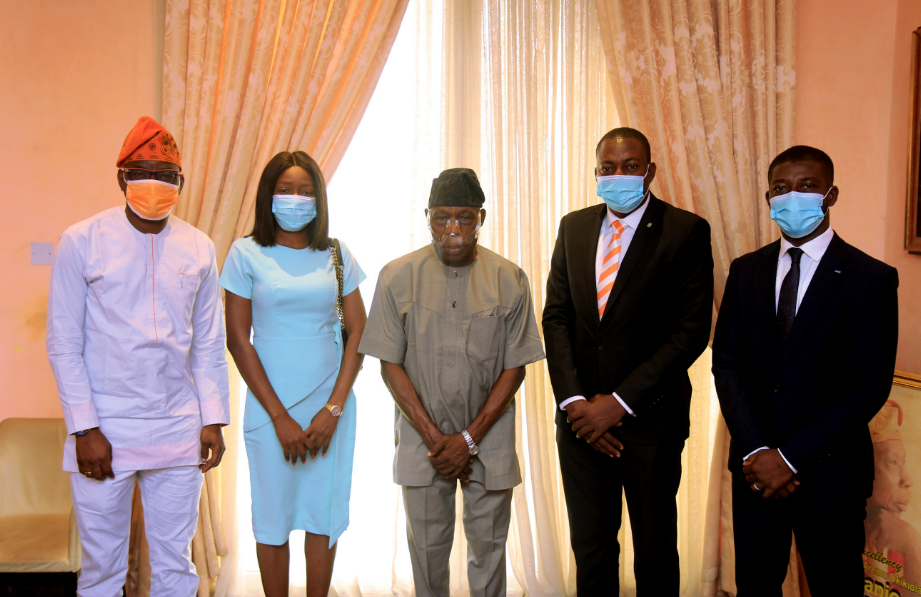
JCI Gives me Hope For a Greater Continent of Africa’ – Obasanjo

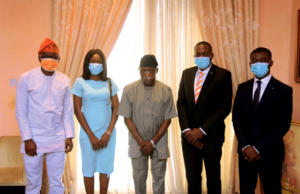
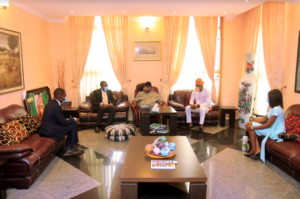
JCI Advisor for Africa and Middle East, JCI Senator Jide Adeyemi; Chairperson, Conference Organising Committee, JCIN Amb. Oluwatoyin Atanda; Former President, Federal Republic of Nigeria, Chief Olusegun Obasanjo; National President, JCI Nigeria, JCIN Amb. Abiola Olorunnisola and Chairman, Africa and Middle East Development Council, JCI Senator Rasheed Adeniyi at the Africa and The Middle East National Presidents meeting held on Saturday.

Former President of Nigeria, Olusegun Obasanjo has expressed delight, saying Junior Chamber International has reinstated his hope for a greater continent of Africa.

Obasanjo made this known at the Africa and The Middle East National Presidents virtual meeting held on Saturday.

The former President pointed that with the quality of young people in the organisation, he is more hopeful about the development of the continent of Africa through their impacting programs.

He however, urged the participants at the meeting to embrace change, saying it is the only thing that is permanent in the life of human beings and institutions, adding that nobody should be afraid of change.

According to Obasanjo, education and understanding the world we live in are major ways to foster positive changes around the world as people need to realize for that change is imminent.

“You must prepare yourself educationally for the world that is changing. Your education must be far and wide enough to prepare you for the changing world. I am not talking about classroom education alone, I am talking about education you get in all facets of life”, he pointed.

He added that people don’t appreciate the community they live in, let alone the nation and region they live.

“We must mentally and psychologically prepare for the world we live in. When we talk about change, some change will be gradual; some will come like Tsunami or storm. Whether it is political, technology, social or other sort of changes, we must be very prepared for it”, he said.

Obasanjo commended the determination of JCI’s members in their effort to make the world a better place to live, urging them not to forget their coming together which is stronger than their individual capacity.

The former president also called the presidents at the meeting to further identify problems at their different nations and find ways to solve them.

“African and Middle East are faced with the problem of insecurity; your responsibility as youths and members of JCI is to ensure peace in those regions of the world. There are a lot that we can do to bring out some of these solutions in your regions”

On the issue of the pandemic, he said there must be ways to do something in every corner of the world,  Tough time does not last forever, tough people overcome tough time”, he urged.

“From my experience with JCI over the years, I believe that the members all around the world have a lot to offer to everybody in all over the world.” he said.

In his words, the National President of JCI Nigeria, Abiola Olorunnisola appreciated the former president for his fatherly wisdom and the advice he has offered to the national presidents of the organisations in different countries of Africa and the Middle East.

Olorunnisola promised that all the advice given by the former president will be adhered to and will help the organisation in making future plans in driving development changes in both Africa and the Middle East.

Nigeria now Second Most Corrupt in West Africa – TI

Nigeria has dropped to 149 on Transparency International’s 2020 Corruption Perception Index, the worst ranking received by Africa’s largest country in recent time. Nigeria also scored 25 out of a possible 100 points.

In the last TI rating in 2019, Nigeria was ranked 146th out of the 180 countries surveyed, scoring 26 points out of a possible 100. On a scale of zero to 100 in TI’s rating, zero means “Highly Corrupt,” while 100 stands for “Very Clean”.

This means that Nigeria is two steps worse off than she was in 2018 when she scored 27 points to place 144th out of 180 countries. The summation is simply that corruption in the country has worsened.

According to the latest ranking, Nigeria is now the second most corrupt country in West Africa with Guinea-Bissau the only country more corrupt than Nigeria in the sub-region.

In Africa, only 12 countries are perceived to be more corrupt than Nigeria. They are Zimbabwe, Chad, Eritrea, Burundi, Congo, Guinea Bissau, Democratic Republic of Congo, Libya, Equatorial Guinea, Sudan, Somalia and South Sudan. Both Somalia and South Sudan were ranked as the most corrupt nations on earth.

The least corrupt countries in the world are Denmark, New Zealand, Finland, Singapore, Sweden Switzerland, Norway, The Netherlands, Germany and Luxembourg.

The United Kingdom, Canada and Hong Kong were all ranked at 11 while the United States received one of its lowest ever rankings at 25.

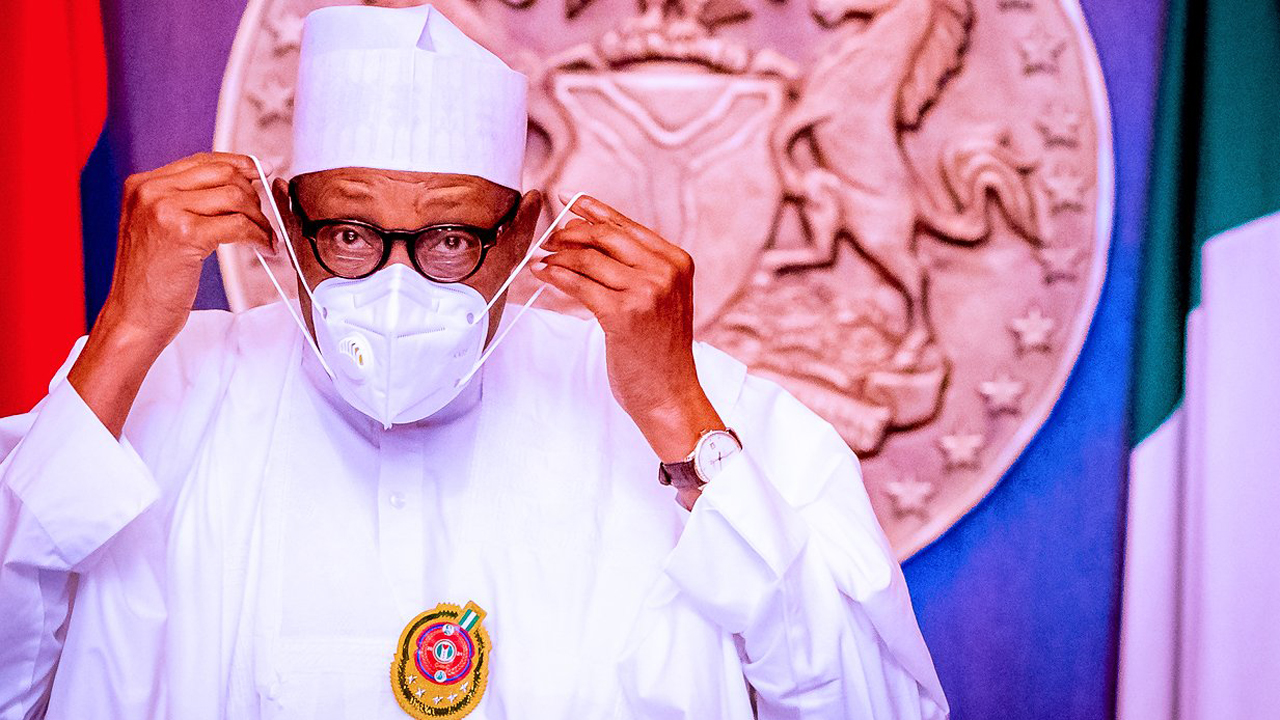
Nigerian President, Major General Muhammadu Buhari (retd.), came into power with the promise of curbing corruption which has been plaguing Nigeria for decades.

However, Nigeria’s ranking on the corruption perception index has continued to drop in the last four years.

On Wednesday, Nobel Laureate, Prof. Wole Soyinka, said the President’s anti-corruption war had lost steam, adding that the rate of convictions was very low.

The President had in July removed the acting Chairman of the Economic and Financial Crimes Commission, Ibrahim Magu, amid allegations of corruption. Magu was the face of Buhari’s anti-graft war.

Transparency International said the interruptions caused by the COVID-19 pandemic gave room for corruption to thrive in countries with weak systems.

It said even countries like The Netherlands which are highly ranked as upright, failed to reveal details of contracts awarded to persons supplying COVID-19 equipment.

TI said former American President, Donald Trump, failed to properly oversight COVID-19 spending.

The report read, “Finally, the unique challenges wrought by the COVID-19 pandemic have tested high-scoring countries’ commitment to transparency and integrity in their own public sectors as never before.

“When the Organised Crime and Corruption Reporting Project created a database of how public money was spent on Personal Protective Equipment at the onset of the COVID-19 pandemic, in several countries they found a black box. Belgium (76/100), Denmark, the Netherlands and Norway did not publish details of contracts awarded, even withholding information on prices and the names of companies in some cases.

“In the US, the previous administration’s challenges to oversight of the unprecedented COVID-19 relief package raised serious anti-corruption concerns and marked a significant retreat from longstanding democratic norms promoting accountable government.

“Now, as we look hopefully ahead to 2021 as a year of widespread vaccinations and treatments, it is vital that there is transparency and accountability in how governments, especially in wealthy nations, acquire and distribute life-saving resources.”

NNPC: Refineries shut for 15 straight months cost Nigeria N152.08bn

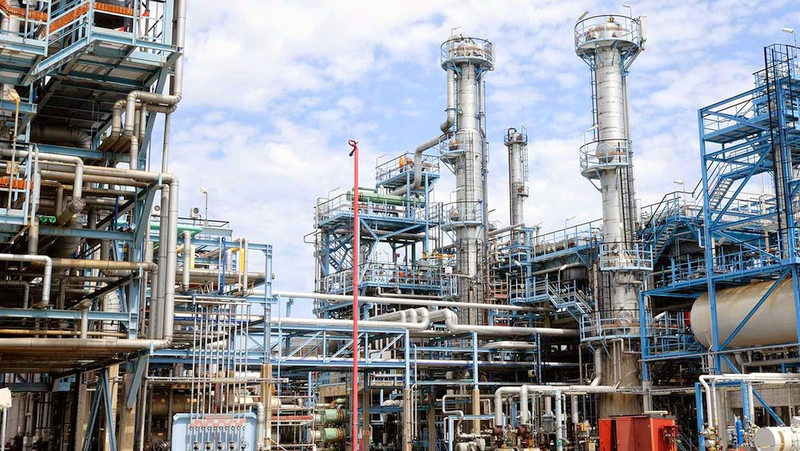
The nation’s refineries lost a total of N152.08bn in 15 consecutive months of being idle, the latest data from the Nigerian National Petroleum Corporation have shown.

Analysis of data collated from NNPC monthly reports revealed that all the refineries did not refine crude oil from July 2019 to September 2020.

The refineries, which are located in Port Harcourt, Kaduna and Warri, have a combined installed capacity of 445,000 barrels per day but have continued to operate far below the installed capacity.

The country relies largely on importation of refined petroleum products as its refineries have remained in a state of disrepair for many years despite several reported repairs.

In 2019, Kaduna Refining and Petrochemical Company only processed crude in one month, June; Port Harcourt Refining Company in two months (February and March); and Warri Refining and Petrochemical Company in four months (January, February, March and May).

The Kaduna refinery incurred an operating deficit of N57.99bn from July 2019 to September 2020, according to the NNPC data.

Port Harcourt refinery lost N48.99bn in the period under review while the Warri refinery lost N45.10bn.

The NNPC said in its latest monthly report that the declining operational performance of the refineries ‘is attributable to ongoing revamping of the refineries, which is expected to further enhance capacity utilization once completed’.

The Group Managing Director, NNPC, Mallam Mele Kyari, has reiterated its plan to revamp the refineries and end fuel importation by 2023.

Bloomberg reported on January 15 that a year after shutting down all of its dilapidated refineries to figure out how to fix them, Nigeria still could not say how much it would cost to do the work or where the money would come from.

According to the report, the NNPC said it had finished the appraisal of its largest facility, but hadn’t completed the process at two others.

The international news agency quoted refining experts as saying that the extended halt meant the plants were at risk of rotting away and unlikely to restart on time.

It noted that the NNPC had totally shut all three plants down by January 2020 to do a comprehensive appraisal, and set the ambitious target of having them all back up and running at 90 per cent of capacity by 2023.

The NNPC spokesman, Dr Kennie Obateru, was quoted as saying that the appraisal of the 210,000-bpd Port Harcourt refinery had been completed and the NNPC had called for bids for the necessary repairs.

“It is when we close the bids, everything is analysed and presented that we will know how much we need,” he said.

He said the diagnosis was underway at the 125,000bpd Warri facility and should be complete before the end of the year, adding that after that, the study of the 110,000bpd Kaduna plant would commence.


Bill Gates is paying off Nigeria’s $76 million Polio debt

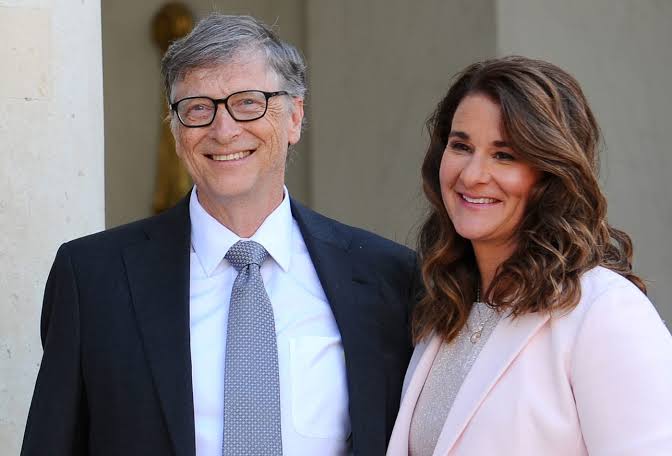
Bill and Melinda Gates

Billionaire philanthropists Bill and Melinda Gates will pay off $76 million of Nigeria’s debt through their namesake foundation. The payments, which will be made over the course of 20 years, are due to begin this year.

In 2014, Nigeria borrowed the money from Japan to fund its fight against the preventable disease, Quartz reports. The Bill & Melinda Gates Foundation has “agreed to repay the loan after Nigeria met the condition of achieving more than 80% vaccination coverage in at least one round each year in very high risk areas across 80% of the country’s local government areas,” according to Quartz.

No new cases of polio were reported in the country in 2017. That’s a drastic change from 2012, when Nigeria had over half of all polio cases worldwide, according to the publication.

In a recent blog post, Gates acknowledges the significant strides made towards wiping out the disease globally — 30 years ago, there were 350,000 cases of polio per year worldwide, while last year, that number dropped to just 21.

“The heroes who have made this progress possible are the millions of vaccinators who have gone door to door to immunize more than 2.5 billion children. Thanks to their work, 16 million people who would have been paralyzed are walking today,” Gates writes.

Polio is “a crippling and potentially deadly infectious disease,” which, after invading the nervous system, can cause paralysis. Among those paralyzed, two to 10 percent die.

The Gates Foundation spent $3 billion in 2017 to help stop the spread of the disease, and names polio eradication one of its “top priorities.” The foundation says it has supported the Global Polio Eradication Initiative’s efforts to wipe out the disease by contributing technical and financial resources to accelerate targeted vaccination campaigns, community mobilization and routine immunizations.

“Progress in fighting polio might be one of the world’s best-kept secrets in global health,” Gates previously acknowledged in the foundation’s 2017 annual letter. “If things stay stable in the conflicted areas, humanity could see its last case of polio this year.”

In 1988, the virus was present in over 125 countries, paralyzing about 1,000 children per day. Since then, cases of polio have decreased by over 99 percent.

The Gates’ donation is not out of character; in 2017, they gave $4.6 billion to their namesake organization. In addition to its work with polio, the foundation has also spent $1 billion in an effort to send over 20,000 kids to college and has committed millions more toward fighting Alzheimer’s and providing resources to women in developing countries.

Thanks in part to his massive philanthropic efforts, Gates is no longer the richest person in the world, a title that he had held for much of the last decade. Jeff Bezos is currently the richest person, with a net worth of more than $108 billion, according to Forbes. Gates is currently worth $92 billion.

However, Bloomberg notes that Gates would have a net worth of $150 billion if he had not been so generous. While Bezos is not known for being particularly philanthropic as billionaires go, in January he announced a $33 million donation toward TheDream.Us, an organization that provides scholarships to undocumented immigrants brought to the U.S. as children, known as “dreamers.”

Gates also founded The Giving Pledge with Warren Buffett. Its billionaire signers have promised to give away at least half of their wealth.

“We have been blessed with good fortune beyond our wildest expectations, and we are profoundly grateful,” Bill and Melinda wrote in their Giving Pledge letter, CNBC Make It previously reported. “But just as these gifts are great, so we feel a great responsibility to use them well.”

Exit mobile version