Veteran highlife musician, Bright Chimezie, has called on Africans to prioritise developing their own countries instead of constantly seeking opportunities abroad.
Speaking on the recent episode of The Honest Bunch Podcast, Chimezie reflected on Africa’s misplaced dependence on the West, lamenting that many young people still believe success lies outside the continent.
“We Africans must find a way. Our problem is here. We are helping those people over there,” he said.
The music icon, known for his fusion of traditional rhythms and social commentary, criticised the mindset that portrays foreign countries as lands of greater opportunity.
“We always feel that the grass is greener outside. The grass is not greener there. I don’t travel small — in fact, you walk. No more opportunities there.
“This is one Africa where you can come, develop this, develop there. If you go there, it is salary, they will pay you salary. And you have to start from washing toilets,” Chimezie said.
The veteran performer also blamed colonial influence for shaping Africa’s economic and psychological dependence on the West.
“I blame the white man for it, I’m sorry to say it. Because of the pattern they used to package Africa. When the white people came, the kind of asset affected our psyche, seriously,” he noted.
Chimezie said colonial conditioning still influences how Africans perceive success and education, adding that if Africans studied science and innovation with the same passion they devote to religion, the continent would progress faster.
“The way we read Bible here, if we read biology books and mathematics like that, Africa for don move,” he added.
Bright Chimezie, fondly called Ziggima Sound King, remains one of Nigeria’s most influential highlife musicians, known for using his music to advocate cultural pride, discipline, and self-reliance.
The Nigerian Union of Teachers, Kwara State chapter, has called on the state government to urgently address outstanding welfare issues affecting public school teachers in the state.
Speaking at the 2025 World Teachers’ Day celebration held on Sunday at the union’s main conference hall, Asa Dam Road, Ilorin, the State Chairman, Yusuf Agboola, warned that the future of education in the state would remain uncertain if teachers were not properly motivated and supported.
Agboola commended the state government for the regular payment of salaries, the financial backing of the 2023 and 2024 promotions of TESCOM teachers, and the recruitment of over 3,000 teachers across basic and senior secondary schools.
He, however, lamented that critical welfare matters remained unattended to.
According to him, “The 27.5 per cent Teachers Specific Allowance for TRCN-certified teachers and 21 per cent for non-TRCN-certified teachers have not been implemented in Kwara.
“The government has also not keyed into the 65/40 years national harmonised retirement age for teachers, and rural allowances for those teaching in remote areas remain outstanding.”
The NUT chairman stressed that teachers could only give their best if equipped and respected.
“The children in our classrooms today are the leaders of tomorrow,” he said. “But for us to deliver optimally, we must be motivated and supported. Education is not a one-man show; it requires a system and a united teaching force.”
Agboola further urged teachers to embrace collaboration and mentorship to reposition the profession. “Let us recommit ourselves to unity within the teaching profession, foster mentorship between senior and junior teachers and create platforms for peer learning and innovation,” he added.
In his goodwill message, the NUT National President, Comrade Audu Titus Amba, represented by Comrade Dayo Ajala, called on governments to adequately fund public education and invest in teachers.
“Without deliberate investment in teachers, the future of education is at risk,” Amba said. “Governments must increase budgetary allocation to education and create a conducive learning atmosphere to ensure quality outcomes.”
He saluted the resilience of teachers in Kwara, commending their sacrifices despite challenges.
“Comrades, I commend your courage, resilience and patriotism in discharging your duties. Be assured that your success is our priority. We will continue to demand that teachers are accorded their rightful status and pride of place in society,” he added.
Amba also stressed that teachers must be empowered beyond classroom instruction.
“The role of teachers has evolved beyond just delivering lessons. Teachers must be empowered to collaborate, innovate and influence education policies. The future of our nation is in their hands, and how we treat them today will determine our tomorrow,” he said.
Reacting, the Kwara State Commissioner for Education and Human Capital Development, Dr Lawal Olohungbebe, represented by the UNESCO desk officer at the Odedeji Taye, said the government was already working to ensure teachers’ welfare was fully protected.
According to him, “The administration of Governor AbdulRahman AbdulRazaq places education and teachers’ welfare at the centre of its policies. We have taken bold steps in regular salary payments, recruitment of thousands of teachers, and promotions across the sector.
“The government is studying the issues raised by NUT, including allowances and retirement age. I want to assure our teachers that these matters are not being ignored. Our goal is to build a motivated workforce that will deliver the quality education Kwara deserves.”
Olohungbebe added that the government would continue to engage with the union to find practical solutions that benefit both teachers and the education system.
The event, themed “Recasting Teaching as a Collaborative Profession: Together for Teachers; Together for Tomorrow”, featured a lecture delivered by Professor Lanre Olukunmi Olaitan, Dean, Faculty of Education, University of Ilorin.
Lagos State Commissioner for the Environment and Water Resources, Tokunbo Wahab, has dismissed reports that the Ministry demanded payments from property owners to stop the demolition of houses at Oral Estate, Ikota.
The commissioner was reacting to a viral video wherein a woman was heard saying Wahab and other officials from the ministry had agreed to stop the demolition after requesting ₦1 billion and later settled for N700 million.
She said, “Thank God for today. We have peace of mind. We’re not hearing an excavator tearing people’s houses down, people crying. The Commissioner, Ministry of Environment came and we had an agreement that my estate is going to pay N1 billion for shit piling, It ended in N700 million for shit piling. My estate is trying to gather the money and give them this month.”
However, in a statement posted to his official social media accounts on Sunday, the commissioner said neither he nor any official from the ministry requested or received money, “whether ₦1 billion, ₦700 million, or a single kobo.”
He described the video as a deliberate attempt to blackmail the government and a dangerous distraction from efforts to prevent flooding and protect Lagos residents.
He said, “My attention has been drawn to a circulating video containing false and malicious allegations that the Ministry demanded money from property owners to pause the ongoing removal of structures on drainage setbacks at Oral Estate, Ikota.
“I must state categorically that these claims are entirely false and a deliberate attempt to blackmail the government.
“Neither I nor any official from the Ministry of the Environment and Water Resources has ever requested nor received any payment, whether ₦1 billion, ₦700 million, or a single kobo, from any property owner.”
Wahab explained that “the operation to clear the Right of Way and Setbacks to different channels, and canals of illegal obstructions is a public safety imperative, and it has not been paused for any form of negotiation or payment. Our work continues.
“This propaganda is a dangerous distraction from our critical mission to prevent flooding and protect the majority of Lagosians.”
He added that the ministry takes the defamatory allegations “with the utmost seriousness” and will pursue the matter through the courts.
“We shall be pursuing this matter legally, and the individual behind these claims will be required to provide proof to the appropriate authorities,” the commissioner said.
The denial comes amid visible enforcement action in parts of Ikota and neighbouring estates, where government teams have removed structures found within river setbacks and drainage corridors, actions Wahab said are necessary to prevent recurrent seasonal flooding.
The state ministry of environment has warned residents against entertaining intermediaries or paying money to forestall statutory enforcement.
Public health experts have raised concerns over the increasing health risks posed by mould exposure in homes, warning that vulnerable groups such as children, the elderly, and people with pre-existing respiratory or immune conditions are most at risk of serious complications.
The experts identified common sources of mould in homes to include leaking roofs, soaked walls, damp basements, poorly ventilated bathrooms and kitchens, as well as carpets, upholstery, and insulation materials that retain moisture.
They noted that mould often appears as coloured patches on wet surfaces, especially in areas where there is poor air circulation.
Speaking to PUNCH Healthwise, the physicians warned that ignoring mould exposure not only compromises indoor air quality but also has long-term consequences for respiratory health, especially in vulnerable populations already burdened by other health challenges.
The experts noted that it is essential for residents to become more aware of the risks associated with mould and take proactive steps to ensure safe and healthy living environments.
A public health expert at the University of Ilorin, Kwara State, Professor Tanimola Akande, warned that mould, a type of fungus that thrives in humid, damp, and poorly ventilated environments, poses a significant threat to public health, particularly in water-damaged buildings and homes with poor construction.
According to him, mould releases spores into the air that, when inhaled, can trigger allergies and respiratory issues, including sneezing, catarrh, wheezing, and asthmatic attacks.
“Mould is a fungal growth that appears on various surfaces, particularly in places with persistent humidity, warmth, and moisture. It releases spores into the air, which people inhale without realising the health implications.
“Children, the elderly, and people with low immunity or pre-existing respiratory conditions like asthma are most at risk. Their systems react more severely to airborne spores,” he warned.
Akande, who is also a former National Chairman of the Association of Public Health Physicians of Nigeria, pointed out that mould exposure often goes unnoticed until people start showing recurring symptoms.
He said, “People may treat catarrh or persistent coughs without knowing that the trigger is inside their own homes.”
The professor described common breeding grounds for mould in homes as damp walls, water-damaged areas from leaking roofs, poorly ventilated rooms, and moisture-retaining corners such as kitchens, bathrooms, and household stores.
He added that mould appears as patches of different colours and textures, which may grow unnoticed on ceilings, walls, under sinks, and behind furniture.
“Mould thrives in environments with little or no ventilation. Any place in the house that is constantly damp and warm provides the perfect condition for mould to grow and spread.
“Many people don’t recognise mould for what it is. By the time they start cleaning it with ordinary water, they may be disturbing spores into the air and inhaling them directly,” Akande said.
On the long-term health consequences, the professor said that prolonged exposure can lead to frequent respiratory infections, worsening asthma attacks, and allergic flare-ups.
He stated, “Over time, exposure to mould doesn’t just cause minor irritation; it can complicate chronic respiratory diseases, especially in people with compromised immunity.”
Akande urged Nigerians to invest in preventive measures by controlling the humidity level in their homes.
He noted that the spores responsible for mould are lightweight and airborne, which makes them easily inhaled, especially in enclosed spaces.
“Humidity above 60 per cent is risky. Anything above 70 per cent creates a perfect storm for mould to grow rapidly, especially when organic materials are present.
“If the indoor humidity is maintained below 60 per cent and proper ventilation is ensured, the risk is significantly reduced,” he advised.
To combat mould growth, the don recommended fixing leaking plumbing, improving ventilation, and ensuring that wet areas are promptly dried.
He also encouraged homeowners to seek professional help if mould patches persist or begin to spread across large areas.
“You must take moisture seriously. A leaking pipe or roof may seem minor, but it can lead to major health risks.
“Clearing out mould, especially when it’s extensive, isn’t a DIY matter. Get professional advice or services to safely remove it,” he added.
Also speaking, a Senior Registrar in Community Medicine and Primary Care at the Federal Medical Centre, Abeokuta, Ogun State, Dr. Solomon Olorunfemi, described mould exposure as a serious but under-discussed public health issue in households.
He stressed that the health effects are not just respiratory.
He explained, “Mould exposure happens when people come into contact with mould spores either through the air, through touch, or by eating contaminated food. The danger lies in how easily these spores are inhaled.
“Yes, coughing and wheezing are common, but we also see symptoms like itchy eyes, skin rashes, and sinus infections. These reactions are particularly intense in children and the elderly.”
According to the physician, individuals with chronic conditions such as asthma, chronic obstructive pulmonary disease, or bronchitis may experience frequent flare-ups when exposed to mould.
He explained that mould often grows in hidden corners of the house.
He added, “In immunocompromised individuals, mould exposure can lead to opportunistic infections, which can be life-threatening if not promptly managed.
“Bathrooms, basements, around leaking windows and pipes — these are hotspots for mould growth because of their high moisture content.”
He noted that materials like carpets, upholstery, and insulation that trap moisture are particularly dangerous if left unchecked.
“Once these items get wet and stay damp, they become breeding grounds for mould,” he said.
The public health expert also noted that mould-related symptoms can often be misdiagnosed as general allergies or infections.
“One way to differentiate is by observing if the symptoms improve when the individual leaves the mould-infested environment.
“Chronic asthma, persistent allergic rhinitis, and recurrent respiratory infections are possible if the mould problem is not addressed,” he said.
To prevent mould, Olorunfemi recommended practical measures such as improving ventilation, using dehumidifiers, and fixing leaks immediately.
He advised homeowners to maintain indoor humidity levels between 30 to 50 per cent.
“You don’t need high-end equipment. Something as simple as an exhaust fan in your bathroom can make a big difference.
“Once humidity goes above 60 per cent, the risk of mold grows exponentially,” he warned.
He urged Nigerians to take mould seriously and act immediately when signs are noticed.
He stressed, “If you see dark patches on your wall or ceiling, don’t ignore them. Act fast,” he said.
“When the mould covers large areas or causes persistent health symptoms, bringing in professionals is not optional — it is necessary for your health.”
A former Big Brother Naija housemate, Ayomide Iwasokun, aka Mide, has opened up about how she deals with public perception and the perception that comes with being in the spotlight.
Speaking with Sunday Scoop, the reality star admitted that though she tries not to dwell on people’s comments, she cannot completely ignore them. She said, “I feel like everybody thinks about people’s opinion of them to an extent, but it depends on how much you let it affect you. People’s opinions always get to me because, at the end of the day, I know myself. I know what is real or not. It can be your opinion, and I might listen to you, but at the end of the day, I don’t care.”
On why some fans perceive her as being mean, Mide explained that it largely stems from her facial expressions rather than her personality.
“I feel like this started when everyone came into the house and I was just so tired after all the processes. Also, I have a resting b**ch face, but genuinely, I don’t have a mean bone in my body. I can react when I’m angry, but that’s where it ends,” she noted.
When asked about her close bond with fellow housemate, Bright Morgan, and the controversy stirred by his ex-partner’s online claims about his sexuality, Mide said she had no interest in the drama.
“I am trying to stay away from a lot of negative things. I don’t care about it,” she stated.
Speaking on her expectations, Mide added, “I didn’t go in with too many expectations because I didn’t want to be restricted. But coming out to see all the love I’ve received, I feel like it was an amazing experience. I’m okay with how things turned out.”
The Kano State Government has expanded hypertension prevention and treatment services to 208 Primary Health Care facilities across the state, strengthening community access to lifesaving health care.
The development was announced in a statement by the Public Relations Officer of the State Ministry of Health, Nabilusi Abubakar K/Na’isa, issued on Saturday.
According to the statement, the initiative builds on the National Hypertension Control Initiative, implemented with technical support from Resolve to Save Lives and Project HOPE.
The scheme, which began as a pilot in 52 PHC facilities, has now been scaled up to 208 centres across all 44 Local Government Areas of the state. The move marks a major stride in the state’s efforts to tackle non-communicable diseases, particularly hypertension — one of the leading causes of heart disease, stroke, and kidney failure in Nigeria.
The project includes routine blood pressure checks, treatment initiation, and regular follow-up care.
The Commissioner for Health, Dr. Abubakar Yusuf, said the expansion demonstrates the government’s commitment to building a stronger and more accessible health system.
“Our goal is to ensure that every resident, no matter where they live, can access quality hypertension care within their community,” he said.
“This scale-up is about saving lives, reducing hospital admissions, and preventing premature deaths from preventable conditions like hypertension.”
Yusuf commended health workers participating in the initiative for their dedication and urged them to sustain their efforts toward improving public health outcomes.
He added that the government was committed to strengthening disease prevention and management across all levels of care.
Children who are fed only one meal a day due to economic hardship are at risk of malnutrition, weakened immunity, poor brain development, stunted growth, and low academic performance, paediatricians have warned.
They noted that poor feeding could also affect children’s mood, behaviour, and concentration, ultimately impacting their academic performance.
The child experts stressed that while adults may sometimes cope with a single balanced meal daily, the same cannot be said for children whose bodies and brains are still developing and therefore need multiple meals and snacks rich in nutrients.
They urged parents and caregivers to ensure children are fed with the age-appropriate nutrients and food quantity.
PUNCH Healthwise earlier reported the inability of parents to feed their children the age-appropriate, nutritious food and quantity, leading to fear of the rise in undernourished children.
The surge in meal skipping and reduced food frequency is linked to households adopting extreme coping strategies to stretch scarce resources.
PUNCH Healthwise also reported that the economic situation, which has led to rising food prices and stagnant incomes, has forced them to skip meals or reduce the number of meals per day.
Nutritionists have also warned of the increasing rate of children going to school on empty stomachs due to the inability of parents to provide enough meals.
Consequently, the Paediatric Association of Nigeria has stated that over 11 million children in Nigeria are suffering from food poverty, while over two million are already classified as malnourished.
Commenting on the matter, a professor of Paediatrics at the Usmanu Danfodiyo University, Sokoto State, Ben Onankpa, explained that while adults may survive on one balanced meal daily, children require more frequent nutrition to support growth and brain development.
He mentioned that when children eat just once a day, the likelihood of severe malnutrition increases significantly, noting that malnutrition in early life causes physical stunting, also known as linear growth failure.
“A child who eats once daily has the possibility of severe malnutrition. This leads to poor growth and poor learning in school. Severe malnutrition early in life affects the child’s potential in ways that remain visible, even into adulthood,” he said.
The paediatrician explained that the effects of early-life malnutrition have been linked to increased risks of health conditions later in life, such as diabetes and poor immunity.
“Even if a malnourished child grows up to become successful, the effects will still be there. Severe malnutrition in infancy can cause lasting consequences such as small stature and poor health,” Onankpa said.
The paediatrician urged parents to ensure their children regularly eat more than one balanced and nutritious meal every day.
“The key is a balanced diet and consistency. In the first six months of life, feeding should be on demand, between eight and 12 times a day. Between six and 12 months, additional meals such as snacks should be given two to three times daily,” he advised.
Onankpa also stressed that as children grow older, they should be transitioned into regular and structured meal patterns.
“From around one year, children should have the three main meals, breakfast, lunch, and dinner, together with healthy snacks,” he explained.
A paediatrician, Dr Olufemi Akodu, emphasised that children need proper nutrition for growth and development, noting that eating one meal a day can lead to malnutrition and deficiencies, fatigue, low energy, and poor concentration.
He noted that such children face weakened immunity, poor cognitive development, declining school performance, and a higher likelihood of health complications.
On the recommended feeding pattern for children, the paediatrician explained that the number of meals depends on the child’s age, activity level, and health needs.
“For infants aged 0 to 12 months, feeding should be 3–4 main meals and 2–3 snacks, spaced out every 2–3 hours. Toddlers between 1 and 2 years should eat three main meals and 2–3 snacks daily, with a focus on nutrient–dense foods. Preschoolers aged 3–5 years require three meals and 1–2 snacks with an emphasis on whole grains, fruits, vegetables, lean proteins, and healthy fats,” he stated.
“School-age children between 6 and 12 years need three main meals and 1–2 snacks, with a balanced diet that includes a variety of food groups, while teenagers, 13 years plus, require three meals and 1–2 snacks, with a focus on nutrient-dense foods to support growth and development,” Akodu added.
The paediatrician advised parents to play an active role in ensuring that children eat the right number of meals daily by creating a structured meal routine and encouraging healthy eating habits at home.
He urged parents to “lead by example: show kids healthy eating habits by modelling balanced meals and snacks. Create a positive mealtime environment: Make mealtime enjoyable, relaxed, and free from distractions. Offer a variety of foods: Expose kids to different food groups, flavours, and textures. Establish a routine: Encourage regular meal and snack times. Involve kids in meal planning: Let them help with grocery shopping or meal prep.”
To encourage adequate nutrition, Akodu advised parents to “make healthy options accessible: Keep fruits, veggies, whole grains, and lean proteins readily available. Limit unhealthy snacks: Restrict sugary drinks, fast food, and processed snacks. Be patient and consistent: It can take time for kids to develop healthy eating habits. Offer choices: Allow kids to choose between healthy options, promoting autonomy. Monitor portion sizes: Ensure kids are eating appropriate amounts.”
The doctor urged parents to make mealtime interactive by engaging kids in conversations and encouraging socialisation.
“Avoid forcing food: Don’t force kids to eat specific foods, as this can create negative associations. Be mindful of hunger and fullness cues: Encourage kids to listen to their bodies,” Akodu asserted.
A section of the First Bank building located on Library Avenue in Umuahia, the Abia State capital, has collapsed.
The incident, which occurred on Saturday afternoon sent panic across the busy commercial area that houses several financial institutions, offices and shops.
As of the time of this report, details about possible casualties or the extent of damage remain sketchy, but emergency responders and security operatives are said to have arrived at the scene to assess the situation and ensure public safety.
An eyewitnesses described the collapse as sudden, noting that parts of the building gave way during off working hours, forcing nearby traders and passersby to flee the area.
The bank authorities are yet to issue an official statement on the incident.
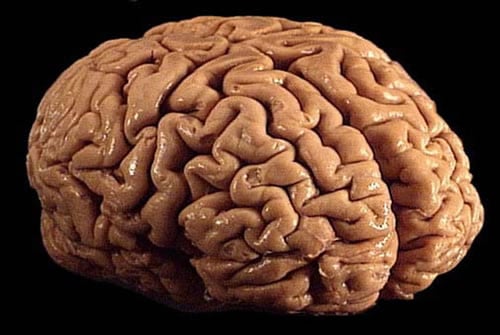
The Minister of State for Health and Social Welfare, Dr Iziaq Salako, has directed key federal research institutions to support a groundbreaking study into a potential plant-based cure for brain cancer.
As reported by NTA on Saturday, the directive mandates key institutions, namely the National Institute for Pharmaceutical Research and Development, the Nigerian Institute of Medical Research, and the National Institute for Cancer Research and Treatment, to prioritise and allocate resources towards the project.
The move follows the discovery of a molecule extracted from a plant in North-Western Nigeria that has shown the ability to eliminate brain cancer cell lines within 48 hours at specific dosages, particularly targeting glioblastoma multiforme, one of the deadliest forms of brain cancer.
Dr Salako pledged government support for the initiative and announced the establishment of a committee to accelerate development in the pharmaceutical sector.
“We are committed to providing the necessary resources and policy support to ensure that this research reaches its full potential, from laboratory studies to clinical trials,” he said.
The research institutions have also expressed their commitment to collaborate on training, development, and clinical studies, noting that the discovery could represent a major milestone in Nigeria’s biomedical research landscape and pave the way for a locally derived treatment for brain cancer.
Medical experts, on July 25, 2025, said Nigeria is facing a growing cancer crisis, warning that reported cases are expected to rise as access to diagnostic tools and improved surveillance systems continue to reveal the country’s true cancer burden.
They said the expected surge in cancer cases will not only be due to better detection, but also rising exposure to risk factors such as unhealthy diets, tobacco use, excessive alcohol consumption, physical inactivity, and late presentation at health facilities, among others.
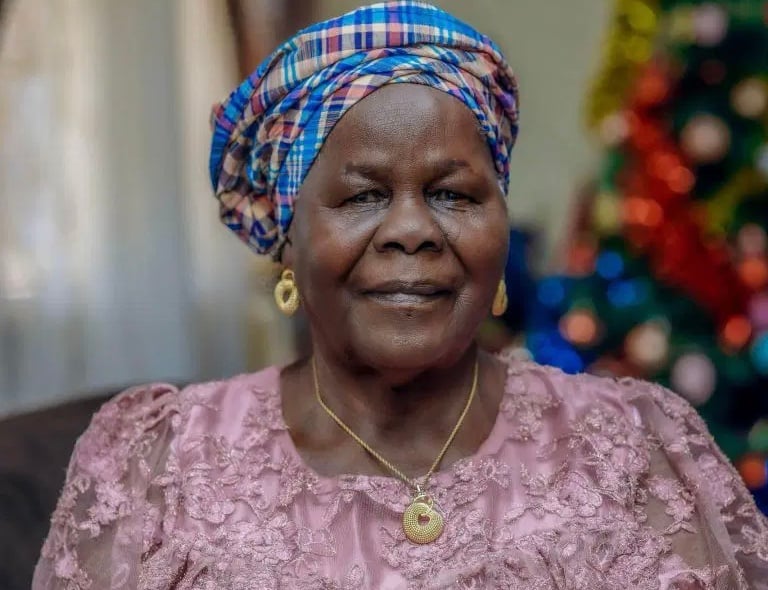
President Bola Ahmed Tinubu, Governor Caleb Manasseh Mutfwang, and the Senate President Godswill Akpabio on Saturday joined numerous dignitaries to pay their last respects to Mama Lydia Yilwatda Goshwe, mother of the All Progressives Congress National Chairman, Prof. Nentawe Yilwatda, at her funeral service held at the Church of Christ in Nations headquarters in Jos, the Plateau state capital.
Yilwatda’s mother died on Sunday morning, in August 2025, at the Jos University Teaching Hospital, aged 83.
President Tinubu, in his remarks, described the late Mama Lydia as “a mother of the community, a mother of the state, and a humanitarian.”
He recalled his past interactions with the Yilwatda family, noting his meetings with Ambassador Goshwe during the Social Democratic Party days.
Tinubu praised the APC National chairman as “a man of character and intellect” and commended the large turnout of governors, public officials, and dignitaries as a testament to the high regard for both the APC National Chairman and his mother.
“Let this day be one of joy and thanksgiving, even in mourning. The prayer of every mother is that her child succeeds—and you will. God will grant your prayers. Live a dedicated life, serve humanity, and remain faithful to God Almighty.”, Tinubu said.
The President further emphasized values of unity, contentment, and productive leadership, stating, “Hate is not an option for us. Love is what we must continue to preach—love for one another.”
Tinubu also highlighted his belief in religious freedom, saying, “We may differ in faith, but we pray to the same Almighty God, to whom we are all answerable.”
Governor Mutfwang expressed gratitude for President Tinubu’s presence, stating, “Your esteemed presence means so much to the immediate Yilwatda family and to the people of Plateau State in general.”
He thanked the President for his support in addressing insecurity in Plateau State, noting improvements in security conditions.
Mutfwang also appreciated Tinubu for appointing Prof. Yilwatda as APC National Chairman, likening it to an honor for Plateau State, reminiscent of former leaders like Chief Solomon Daushep Lar.
“While we are grateful for the honour of your presence at this solemn occasion, we also look forward to welcoming you again soon, Mr. President. We would be delighted if you could visit Plateau State again in the near future to see for yourself the extent to which we have keyed into your Renewed Hope Agenda with the resources available to us”, Mutfwang said
On his part, Senate President Akpabio praised COCIN’s contributions to the North Central region through schools, clinics, and health centers.
He referenced Prof. Yilwatda’s tribute to his mother, describing her as “a perfect portrait of the virtuous African woman, a true matriarch” who instilled values of humanity, diligence, compassion, and faith. Akpabio commended President Tinubu as “a unifier” who bridges faiths, regions, and political divides, evident from the diverse attendance at the funeral.
In his speech, APC National Chairman Prof. Nentawe Yilwatda expressed gratitude to God for extending his mother’s life beyond initial medical predictions by 47 years.
He portrayed his mother as a resilient and determined woman who worked tirelessly, selling akara and pap, running a shop, and managing market sales despite her health challenges.
Yilwatda highlighted her mother’s selflessness, noting she handed over her earnings to his father, who then distributed them as if they were his own.
“To His Excellency and all dignitaries, thank you for giving me a shoulder to cry on,” Prof. Yilwatda said.
He humorously declared himself President Tinubu’s “first son,” jokingly displacing the Governor of Niger State, who had earlier offered himself as the President’s son, asserting his veto power as APC Chairman to “collect his party card” if he doesn’t submit.
Our Correspondent reports that the remains of late Mama Lydia were later conveyed to the Kanke community, Kanke Local Government Area, for internment.