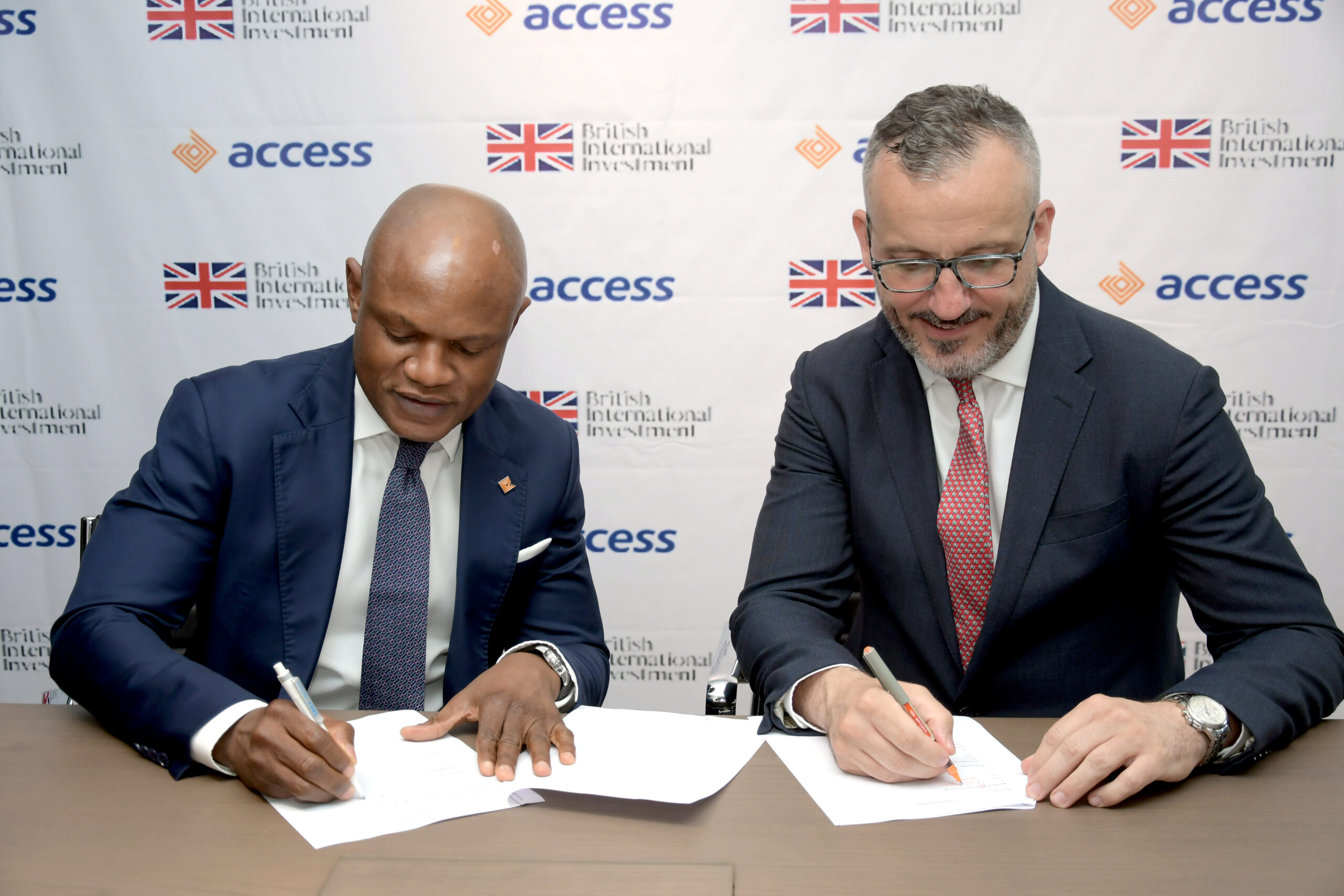
British International Investment partners with Access Bank Plc to extend US$60 million trade finance facility across five African countries
Loan facility will help to ensure availability of key commodities across import-dependent economies and critical inputs for manufacturing goods, medicine, commodities, construction, food and agriculture.
Programme aims to stimulate African trade volumes by US$90 million and will contribute to SDGs 8 and 9.
BII’s second commitment to one of Nigeria’s leading multinational banks.
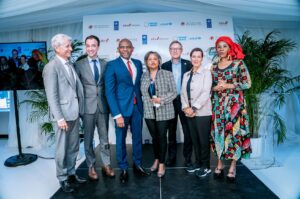
British International Investment (BII), the UK’s Development Finance Institution (DFI) and impact investor, has announced a $60 million trade finance facility for Access Bank Plc in Nigeria and five of its pan-African subsidiaries. This will strengthen import and export capabilities amongst local businesses and plug the foreign currency supply gap. The programme supports Access Bank’s strategy to enable continental trade and deepens BII’s commitment to bolstering financing environments in fragile economies. BII estimates the loan programme will stimulate African trade volumes by US$90 million.
The agreement reinforces BII’s ongoing relationship with Nigeria’s largest commercial bank by assets and facilitates the provision of systemic liquidity during a period characterised by a challenging macroeconomic environment. Higher inflation and rising cost of capital have placed downward pressure on currency performance, both domestically and in the programme’s target markets of the Democratic Republic of Congo, Mozambique, Rwanda, Sierra Leone, and Zambia. Intervention at this critical juncture underlines the key role of BII, and development finance institutions in general, in extending countercyclical support to build economic resilience.
Between 80% and 90% of world trade is estimated to rely on the availability of trade credit, according to the World Trade Organization. Prior to the COVID-19 pandemic, that financing gap stood at US$82 billion in Africa, and it is increasing. Recognising the positive ripple effects of robust trade flows on economies and livelihoods, Access Bank is aiming to provide 15% of trade finance across Africa, by growing the trade books of its subsidiaries.
Currency instability in Nigeria can hinder the wider proliferation of dollar denominated trade loans across African markets, constraining countries’ ability to capitalise on opportunities opening up under the African Continental Free Trade Agreement. By specifically targeting import dependent economies – many of which will mark the first engagement with BII’s Trade programme – the improved availability of US dollar denominated trade loans will ensure availability of key commodities and manufacturing inputs for the production and export of goods. The key outcome will be improving livelihoods and preserving jobs for the employees of importers and exporters with limited access to foreign exchange trade loans.
With the loans channelled into companies in construction, manufacturing and FMCG, the programme will directly contribute to the UN Sustainable Development Goals 8 (Decent work and economic growth) and 9 (Industry, innovation and infrastructure).
Simultaneously, the facility will improve inclusion. Qualifying under the 2X Challenge, aimed at strengthening female participation and leadership in business, Access Bank will ensure the allocation of loans is designed deliberately to advance its gender commitments. In addition, the facility will contribute to BII’s BOLD programme, dedicated to enhancing the availability of finance at more affordable rates to Black, African-owned businesses.
Seyi Kumapayi, Executive Director, African Subsidiaries at Access Bank, remarked: “Access Bank is on a purposeful mission to scale intra-African trade and position the continent as a viable market for global trade. Hence, we are thrilled about the tremendous potential that this trade finance facility with the BII affords us across our pan-African subsidiaries. This strategic collaboration not only strengthens our import and export capabilities but also expands our resources to support local industries – especially women-owned businesses – and ultimately drive economic growth. By stimulating trade volumes, we will be playing a key role in fostering long-term economic resilience for the continent, while increasing its attractiveness for increased foreign investments.”
Admir Imami, Director and Head of Trade and Supply Chain Finance at BII, noted: “Access Bank is a long-standing partner of BII’s and our new partnership is a significant step closer to narrowing the trade finance gap in Africa, particularly in countries such as the DRC and Rwanda.
Access to finance in fragile states is hugely constrained, often these countries are buffeted by macroeconomic events far beyond their control. BII and Access Bank share a conviction that building the resilience of these businesses by ensuring affordable access to foreign exchange is vital to keep intra-African trade moving and support the growth of inclusive economies.”
Benson Adenuga, Head of Office & Coverage Director for Nigeria, BII said: “Our latest commitment to Access Bank reiterates our assurance to this leading multinational institution and to Nigeria. It comes at a time when Nigeria’s fragile economic situation needs additional funding, particularly from counter cyclical investors like development finance institutions. Our funding will help bolster the economy and ensure the availability of staple goods, medicines and food across Africa.”
CSW: Ecobank Celebrates Customers, Reiterates Excellent Service Delivery
Ecobank Nigeria has felicitated its customers in commemoration of this year’s Customer Service Week (CSW). The Customer Service Week is an international celebration of the importance of customer service and of the people who serve and support customers daily. It is celebrated annually during the first full week of October. This year’s celebration with the theme ‘Team Service’ holds from October 2nd to 6th.
Speaking during the commencement of events, Adetola Oshomah, Head of Customer Experience at Ecobank Nigeria, said the week is not just a celebration of the bank’s commitment to service excellence, but a celebration of customers for choosing Ecobank as their preferred financial partner and their contributions to the bank’s successes. She thanked the customers for trusting the bank and also for their continual use of the bank’s products and services across all touchpoints.
“ You are the reason we are constantly investing in our technology and equipping our staff with the requisite skills and resources to provide you with the relevant solutions you need. For us at Ecobank, customer service is a lifestyle centered around exceptional experiences. Our aim is to create unforgettable and positive moments for our customers. We are renewing our commitment to becoming the best in the business and we are cultivating the passion of delivering exceptional experiences. In this ever-changing world, we understand that customers’ needs evolve, that’s why we continuously endeavor to improve and innovate, listening attentively to customer insights which have helped us to develop innovative products and services that cater to your goals.” She stated.
Only recently Ecobank Nigeria commenced the remodeling of its branches across the country, this effort has seen the bank turning its existing banking halls into modern smart banking arenas designed to offer a cozy experience to customers and other stakeholders of the bank who visit the branches. This was a deliberate and strategic decision by the bank to ensure that customers transact seamlessly in an environment where they are happy to come to everyday whilst providing the best banking experience for them. The remodeled branches are equipped with fully functional digital service points, new ATMs, solar power for uninterrupted 24/7 electricity and other facilities for an enhanced customer experience.
Ecobank Nigeria Limited is an affiliate of the Ecobank Group, the leading pan-African banking group. The bank offers a comprehensive suite of financial services and solutions to its Consumer, Commercial, Corporate and Investment Banking clients at over 200 branches and 60,000 Xpress Point agency locations in Nigeria.
Canada is known for its top-notch educational institutions that offer international students affordable tuition rates compared to other top study destinations. Many universities in Canada provide high-quality education at reasonable prices, making it a great choice for students from around the world. Despite the relatively low tuition fees at Canadian universities, many students still seek scholarships to alleviate living expenses and other associated costs. There is a financial burden that accompanies studying abroad, regardless, making scholarships in Canada essential for numerous international students too.
Understanding the various aspects of scholarships in Canada is crucial for international students to budget effectively and make informed decisions. With comprehensive insights into the cost aspect, students can plan their finances efficiently and ensure a smoother educational journey in the country. This knowledge also empowers them to optimise opportunities and make the most of their experience of studying in Canada.
Types of Scholarships in Canada for Nigerian Students
Canada offers a diverse range of scholarship opportunities for both domestic and international students. These scholarships cater to different academic levels and fields of study, reflecting Canada’s commitment to fostering educational excellence. By exploring these opportunities, students can find financial support tailored to their unique needs and aspirations. Scholarships in Canada come in various shapes and sizes. They can be broadly categorised into:
Government-Funded Scholarships: The Canadian government funds scholarships that promote international education ties. These scholarships often cover a significant portion of tuition and living expenses.
Non-Government Funded Scholarships: Private organisations, institutions, or NGOs in Canada offer scholarships aiming to support international education.
University-Funded Scholarships: Individual universities in Canada offer scholarships to attract and retain top international talent.
Course-Specific Scholarships: Scholarships are available for specific courses or faculties.
Merit-Based Scholarships: Academic performance, extracurricular involvement, and other personal achievements all determine one’s eligibility for merit-based scholarships.
Need-Based Scholarships: There exist scholarships for students who have financial needs as well
Which Are the Popular Scholarships to Study in Canada for Nigerian Students?
Canada has a multitude of scholarships tailored for Nigerian students. Through these scholarships, Canada extends a warm welcome to Nigerian students. These scholarships highlight the strong educational bond between the two nations and aim to ease the financial burden on Nigerian students. By tapping into these opportunities, Nigerian scholars can pursue their academic dreams in Canada with greater ease.
Vanier Canada Graduate Scholarships: Honouring Georges Vanier, Canada’s initial French-speaking Governor General, the Vanier Canada Graduate Scholarships initiative aids Canadian universities in drawing top doctoral candidates. These scholarships offer $50,000 annually for a span of three years throughout one’s doctoral pursuits. Factors such as academic prowess, research capabilities, and both proven and potential leadership skills help determine one’s eligibility.
Canadian Commonwealth Scholarship Program: The Canadian Commonwealth Scholarship Program awards $10,000 to outstanding students from Commonwealth nations pursuing master’s or doctoral degrees. This scholarship assists with transportation, living costs, and other expenses associated with studying in Canada.
Pierre Elliott Trudeau Foundation Doctoral Scholarships: This leadership program, spanning three years, trains Engaged Leaders, providing exceptional doctoral candidates with what it takes to turn their ideas into impactful actions for their communities. Every year, select scholars benefit from leadership training in Brave Spaces, along with substantial financial support for their studies in Canada.
Government-Funded Scholarships in Canada for International Students
Government-funded Scholarships in Canada actively support international students in their pursuit of higher education. These scholarships demonstrate Canada’s commitment to fostering global academic collaboration. They provide financial assistance, easing the burden of tuition and living expenses for international scholars. Through such initiatives, Canada strengthens its reputation as a top destination for international study.
Name of the scholarship
Eligibility
Average scholarship amount (in CAD)
Vanier Canada Graduate Scholarships
Academic achievement
Research aptitude
Leadership skills
Up to $50,000
Banting Postdoctoral Fellowships
For national and international postdoctoral applicants
$70,000
Canadian Commonwealth Scholarships
For master’s degree and doctoral candidates
Varies by the specific scholarship
Canadian University Scholarships for Nigerian Students
Canadian universities actively offer scholarships for Nigerian students and other eligible foreign nationals to support their educational aspirations. These scholarships, tailored to promote diversity and academic excellence, ease the financial burdens of studying in Canada. With a commitment to fostering global talent, Canadian institutions create opportunities for bright minds worldwide to achieve their academic goals.
University Name
Scholarship Name
Eligibility
Scholarship Amount (in CAD)
The University of the Fraser Valley
International Excellence Entrance Scholarship
GPA and CGPA requirements
Apply to a degree program at UFV.
Up to $20,000
Royal Roads University
The Allan Cahoon Scholarship
Academic excellence
Leadership potential
$1,500
Western University (Ontario)
Western International Admission Scholarship
Academic merit
Up to $25,000
The University of Regina
International Entrance Scholarship
Be an undergraduate degree applicant.
An admissions average of 85% or more
$3,000
Brock University
Brock Scholarships
Academic merit
For a first-time undergraduate program participant
Tuition, residence fees, or both
University of Saskatchewan
University of Saskatchewan International Excellence Awards
Academic achievement
Be an undergraduate applicant.
Up to $10,000
Ontario Tech University
Scholarships for international students
Academic achievement and personal excellence
Varies from one scholarship to another
Undergraduate Scholarships to Study in Canada for Nigerian Students
Canadian institutions provide a plethora of undergraduate scholarships to cater to diverse academic talents and backgrounds. These financial aids aim to ease the transition for international students embarking on their higher education journey in Canada. Recognising potential and academic merit, these scholarships ensure that deserving students get the support they need to excel in their undergraduate studies.
Lester B. Pearson International Scholarship: The University of Toronto’s Lester B. Pearson International Scholarships offer exceptional international students a chance to study at a top global university in a highly diverse city. This scholarship aims to honour students who excel academically, show remarkable creativity, and stand out as leaders in their schools. It particularly values the positive influence a student brings to their school and community, plus their potential global contributions.
International Entrance Scholarship at the University of Regina: Every international student who applies for an undergraduate program at the University of Regina stands a chance to receive a scholarship. The university offers the scholarship as a $3,000 credit towards housing or tuition. The scholarship requires an admissions average of 85% at the least.
University of Saskatchewan International Excellence Awards: The University of Saskatchewan considers non-Canadian students who gain direct admission and pay differential tuition for a scholarship. Academic achievement determines whether one is eligible for it or not.
Master’s Scholarships to Study in Canada for Nigerian Students
Master’s degree scholarships in Canada provide international students with the financial support to further their academic pursuits in a diverse range of fields. These scholarships recognise their academic excellence and potential contributions to their respective disciplines. With a focus on fostering global talent, Canadian institutions offer these scholarships to ease the financial journey of postgraduate students, helping them achieve their dreams in the heart of Canada’s vibrant educational landscape.
Ontario Trillium Scholarship: A provincial program, the Ontario Trillium Scholarship initiative aims to draw the best international prospects to study at Ontario-based universities for PhD qualifications. The institutions that participate in the program include the University of Guelph.
International Student Emergency Bursary at York University: Unlike usual scholarships in Canada, York University offers a scholarship program that covers expenses that emerge from unforeseen situations, like a phishing scam, to name one. The scholarship is also available to those who fit the criteria and pursue graduate degrees at the university.
International Graduate Student Entrance Scholarships at the University of Manitoba: The university provides the International Graduate Student Entrance Scholarship for newcomers at the graduate level. They acknowledge the academic excellence of global graduate students and offer the same value as the international student differential tuition fee at the university.
MBA Scholarships to Study in Canada for Nigerian Students
MBA programs in Canada attract talents from around the globe with a range of scholarship opportunities. These scholarships in Canada aim to financially support international students based on their academic achievements, leadership potential, and professional experiences. Many Canadian institutions prioritise diversifying their MBA cohorts, using these financial incentives to appeal to top candidates worldwide. For aspiring business leaders, these scholarships provide a viable path to gaining world-class education while minimising costs.
Queen’s University Smith School of Business Scholarships: This school provides numerous financial grant options, including scholarships, to international MBA candidates. Take its General Entrance Scholarships, for instance. The school’s MBA Scholarship Committee uses aspects of academic merit to determine who deserves General Entrance Scholarships.
Schulich MBA Entrance Scholarships: At York University, Schulich offers several entrance scholarships for international MBA students based on academic excellence and leadership qualities. The university’s graduates and friends make generous contributions to help deserving candidates finance their studies in Canada.
HEC Montréal MBA Scholarships: HEC Montréal provides several scholarships for Nigerian students to study abroad, along with those for other eligible foreign nationals. Its MBA scholarships include options based on academic achievement and leadership potential.
PhD Scholarships in Canada for Nigerian Students
Canada proudly offers a myriad of scholarships for international PhD candidates that showcase its commitment to advanced research and academic excellence. These funding opportunities aim to support students in their quest to contribute to global knowledge and innovation. Through such opportunities, Canada not only attracts brilliant minds but also fosters a diverse and rich academic environment, propelling its reputation as a leading destination for doctoral studies.
Vanier Canada Graduate Scholarships: Serving as a hat-tip to Georges Vanier, the first French-speaking Governor General of the country, the Vanier Canada Graduate Scholarships scheme helps Canadian universities lure top doctoral prospects. These scholarships provide $50,000 per year for up to three years to facilitate one’s doctoral pursuits. Academic prowess, proven and prospective leadership skills, and research capabilities all help determine one’s eligibility for these scholarships.
Pierre Elliott Trudeau Foundation Doctoral Scholarships: The three-year leadership initiative trains engaged international leaders, presenting exceptional doctoral aspirants with the skills that help them transform their ideas into impactful deeds. Every year, specific scholars qualify for leadership training in Brave Spaces, besides considerable financial assistance in their studies in Canada.
Canadian Commonwealth Scholarship Program: This program makes $10,000 available to outstanding students hailing from Commonwealth countries who pursue master’s degrees as well. It offers assistance for transportation, living expenses, and other expenses that relate to studying in Canada
Eligibility Requirements for Scholarships in Canada for Nigerian Students
Are you a determined Nigerian student eyeing affordable education in Canada? If so, you may want to qualify for a Canadian scholarship. Here’s what you’ll usually need for it:
Criteria
Details
Nationality
A confirmed Nigerian citizenship and valid passport.
Academic Excellence
A track record with at least a Second-Class Upper or its equivalent.
Field of Study
Some scholarships are field-specific. Stay aligned with your major.
English/French Proficiency
Compulsory IELTS or TOEFL scores, or their French counterparts.
Financial Assessment
Several scholarships are need-based; your financial situation might matter.
Endorsements
Robust letters of recommendation from mentors or professionals.
How to Apply for Scholarships to Study in Canada for Nigerian Students?
Applying for scholarships to study in Canada involves a systematic process that is specific to each student’s academic and extracurricular achievements. It pays to follow certain steps while applying for Canadian scholarships for foreign students, including those from Nigeria. Engaging with study abroad consultants and accessing online resources further streamline this application journey, ensuring students maximise their scholarship opportunities in Canada.
Research: Kick off your scholarship hunt well in advance, allowing ample time to thoroughly explore the vast array of opportunities in Canada. Delve into the specifics, understanding the nuances of each scholarship, to pinpoint the options that align perfectly with your qualifications and aspirations.
Prepare Documents: Solid preparation is the cornerstone of a successful application. Begin by gathering all pertinent academic records, ensuring that transcripts reflect your most recent accomplishments. Secure compelling reference letters from educators or professionals familiar with your work.
Apply: Navigate the application process with precision. Whether you are applying for a university scholarship on your own or through a study-abroad agent, ensure that every detail is accurate. Double-check application components for completeness and adhere to all instructions.
Fees: Keep in mind that while many scholarship applications are free, others charge modest fees. Ensure you are aware of any such charges in advance, and make provisions for timely payments, as missing a payment could jeopardise your application. Always verify the legitimacy of fees, avoiding any platforms that seem suspicious.
Tips to Increase Your Chances of Getting Accepted for Canada Scholarships for Nigerian Students
Boosting your chances for a scholarship involves more than just meeting the basic requirements. Consider the following tips to streamline your application for scholarships in Canada:
Tailor Your Application: Understand the specific requirements of each scholarship and tailor your application accordingly. Highlight experiences, achievements, and aspirations that resonate with the scholarship’s goals. A generic application can get lost in the crowd, so always customise it for maximum impact.
Engage in Extracurricular Activities: Participate in clubs, organisations, or volunteering activities related to your field of study or interests. Scholarship committees appreciate well-rounded candidates. Demonstrating your passion outside of the classroom not only showcases your commitment but also your leadership and teamwork skills.
Seek Strong Recommendations: Identify mentors, professors, or professionals who know your capabilities and can vouch for your dedication. A compelling recommendation letter can significantly amplify your application, offering a third-party perspective on your strengths and potential.
Proofread and Review: An application free from errors reflects your meticulousness and seriousness. Before submitting, review your documents multiple times and, if possible, get feedback from peers or mentors. This ensures clarity, coherence, and showcases your attention to detail.
To summarise, scholarships in Canada provide a remarkable platform for students to pursue their educational journey without financial constraints. The inclusive and innovative Canadian scholarship landscape empowers learners to excel and contribute meaningfully to society. By embracing these opportunities, students lay the foundation for a successful and fulfilling future.
FIRSTBANK SPONSORS THE AFRICA INTERNATIONAL TRADE EXHIBITION (A.I.T.E 2023), NEW YORK, PROMOTES FOREIGN DIRECT INVESTMENT IN THE CONTINENT
First Bank of Nigeria Limited, Nigeria’s premier and leading financial inclusion services provider, sponsored the Africa International Trade Exhibition (A.I.T.E 2023), held on 21 and 22 September 2023 at the Hilton Hotel Midtown, New York, U.S.A. The event was themed “the imperatives of global trade for African SMEs as a game changer for the continent’s future prosperity”.
Woven into the fabric of society, with the rich heritage of being the premier Bank in West Africa, FirstBank’s sponsorship of the event reiterated its commitment to being the bank of first choice and financial gateway in supporting businesses to boost the growth and socio-economic development of the continent in today’s fast-evolving business landscape.
Notable personalities and dignitaries at the event include Dr. Doris Uzoka-Anite, Minister of Industry Trade and Investment and representative of Senator Bola Tinubu (GCFR), President and Commander in Chief of the Armed Forces, Federal Republic of Nigeria; Mr Festus Keyamo, SAN, Minister of Aviation and Aerospace Development of Nigeria; Dr Mariya Mahmoud, Minister of State Federal Capital Territory; His Excellency, Adeyinka Asekun, Nigeria’s High Commissioner to Canada; Hon Abike Dabiri, Chairman/CEO, Nigerians in Diaspora Commission; Ambassa Bolaji Akintemi, Director, Economic, Trade and Investment, Ministry of Foreign Affairs, Nigeria; Mr Olukayode Pitan, Managing Director, Bank of Industry; Mrs Kanayo Awani, Executive Vice President, Intra-African Trade, African Export-Import Bank (Afreximbank); Dr. Adesola Adeduntan, Chief Executive Officer, FirstBank Group; Mr Oluwatosin Adewuyi, Executive Director, Corporate Banking, FirstBank and Mr Ini Ebong, Executive Director, Treasury and International Banking, FirstBank.
Tunde MacAlabi, Visioner of the African International Trade Exhibition project said “The AITE project is conceived to assist African SMEs to gain greater penetration in the North American market that has huge potentials.
The African American population in the US is 30 million strong, spending close to 1.2 trillion dollars as consumers.
The popularity of our afrobeat music, the ground that it is gaining in North America and the globe is remarkable. With this idea, pushing authentic African made products into the market to rise on the wave of the popularity of our music can diversify the sources of foreign exchange income that we accurately need in Nigeria and Africa.
Our effort is a complementary private sector driven initiative to help bridge the commercial gap to increase the commercial engagement between Nigeria, Africa and the USA.
Speaking at the event, Dr. Adesola Adeduntan, CEO of FirstBank Group said: “I am particularly delighted that this year’s theme beams the spotlight on a sector that can be referred to as the bedrock of Africa’s economic prosperity. Africa’s SME sector is also a good representation of the unyielding and resilient spirit of the African people in the face of many daunting challenges.”
With a vision to become “Africa’s Bank of First Choice”, FirstBank’s commitment to the development and economic transformation of the African continent is unwavering and we will continue to make the required investments to actualize this goal. I make bold to say that, in FirstBank, Africa has a dependable ally.
Indeed, it is the turn of Africa to rise, and FirstBank is strategically positioned to provide the required financial services support to the SME sector that will catalyze the next phase of Africa’s growth and development,” he concluded.
Representing Prof. Benedict Okey Oramah, President & Chairman, African Export-Import Bank (Afreximbank),Mrs Kanayo Awani, Executive Vice President, Intra-African Trade, African Export-Import Bank (Afreximbank) said “I am grateful to the African International Trade Exhibition (AITE) for the kind opportunity to participate in this event. I congratulate AITE for building this unique platform to rally global investments and policy support towards the attainment of the goals of the African Continental Free Trade Agreements. These activities of AITE are significant complements to Afreximbank’s trade facilitation agenda. We are therefore pleased to be associated with AITE and its activities.
We must continue to leverage the platforms created by the Bank and AITE to forge partnerships, share ideas and contribute to the growth and development of African SMEs to ensure that their potentials as the driving force for the transformation of the continent. As l like to say, the opportunity is now, and it has a shelf life.
BREAKING: Lagos Tribunal dismisses PDP, LP’s petition against APC, Sanwo-Olu
The Lagos Governorship Election Petitions Tribunal, on Monday, dismissed the petitions brought by Gbadebo Rhodes-Vivour and the Labour Party, and Olajide Adediran, also known as Jandor of the People’s Democratic Party, challenging the victory of Babajide Sanwo-Olu in the March 18 governorship election.
Meanwhile, the Tribunal also dismissed the preliminary objection of the All Progressives Congress, APC, which asked it to dismiss PDP’s petition.
The Tribunal dismissed the preliminary objection because the petitioner did not comply with provisions of the Electoral Act about payment of security as to cost.
The Independent National Electoral Commission, INEC, had declared Sanwo-Olu of APC winner of the March 18 governorship election.
Sanwo-Olu polled 762,134 votes to beat Rhodes-Vivour, who scored 312,329 votes. Jide Adediran (Jandor) of the PDP came a distant third, polling 62,449 votes.
Today, Monday, shortly after the announcement of appearances by all lawyers and parties in the case, the Chairman of the tribunal, Justice Arum Ashom announced that the court will first deliver judgment in the case of the PDP and its candidate before giving its judgment in the petition of the governorship candidate of LP, Rhodes-Vivour.
Justice Ashom also yielded the floor to his brother-judge, Justice Mikail Abdullahi, to read the judgment on behalf of the panel.
The third judge on the panel is Justice Igho Braimoh. In its judgment on Jandor’s petition, the tribunal first dwelt on the preliminary objections filed by the parties.
The first objection taken was whether the 3rd respondent, the Deputy Governor of Lagos, Obafemi Hamzat, is a separate and distinct candidate from the 2nd respondent, Babajide SanwoOlu-Olu.
The tribunal was also asked to determine whether the deputy governor could be listed as a respondent in the petition.
The Tribunal noted that this issue had been decided in a number of cases and went on to hold that a deputy governor and governor are not separate candidates and they are not required to pay separate security deposit.
In the second objection, the tribunal was asked to decide whether a person who lost an election could be joined as a respondent in an election petition.
Jandor had joined the candidate of the Labour Party, Rhodes-Vivour as a respondent in his petition.
Citing a list of decided cases, the tribunal agreed that a petition is contemplated to be filed between the winner and the loser of an election and not between two persons who lost.
The tribunal, therefore, upheld the preliminary objection and subsequently struck out the name of the 5th respondent, Rhodes-Vivour from the petition filed by Jandor.
The tribunal also expunged from its records all exhibits tendered in evidence by Rhodes-Vivour in the petition filed by Jandor.
The tribunal went on to hold that Rhodes-Vivour cannot subsequently go on to challenge any part of the judgment of the Jandor’s petition or else he becomes a meddlesome interloper.
In a similar vein, the Tribunal held that the 6th respondent, Labour Party, ought not to have made a respondent in Jandor and the PDP’s petition.
The name of the party was subsequently struck out for being improperly joined. All evidence and exhibits concerning the party was also expunged from the tribunal’s records.
The Tribunal, however, disagreed with the objections made by the APC and its candidate that the misjoinder of the LP and its candidate was a ground for striking out the petition.
The tribunal held: “That the 5th and 6th respondents ought not have been made respondents to the petition cannot rob the tribunal of the jurisdiction to hear the parties.
“The question of a misjoinder cannot lead to a striking out of the petition as the proper order to make is to strike out the names of the parties.
“Already, the name of the 5th respondent has been struck out and the 6th respondent, who has been found to be improperly joined, is also ordered to be struck out.”
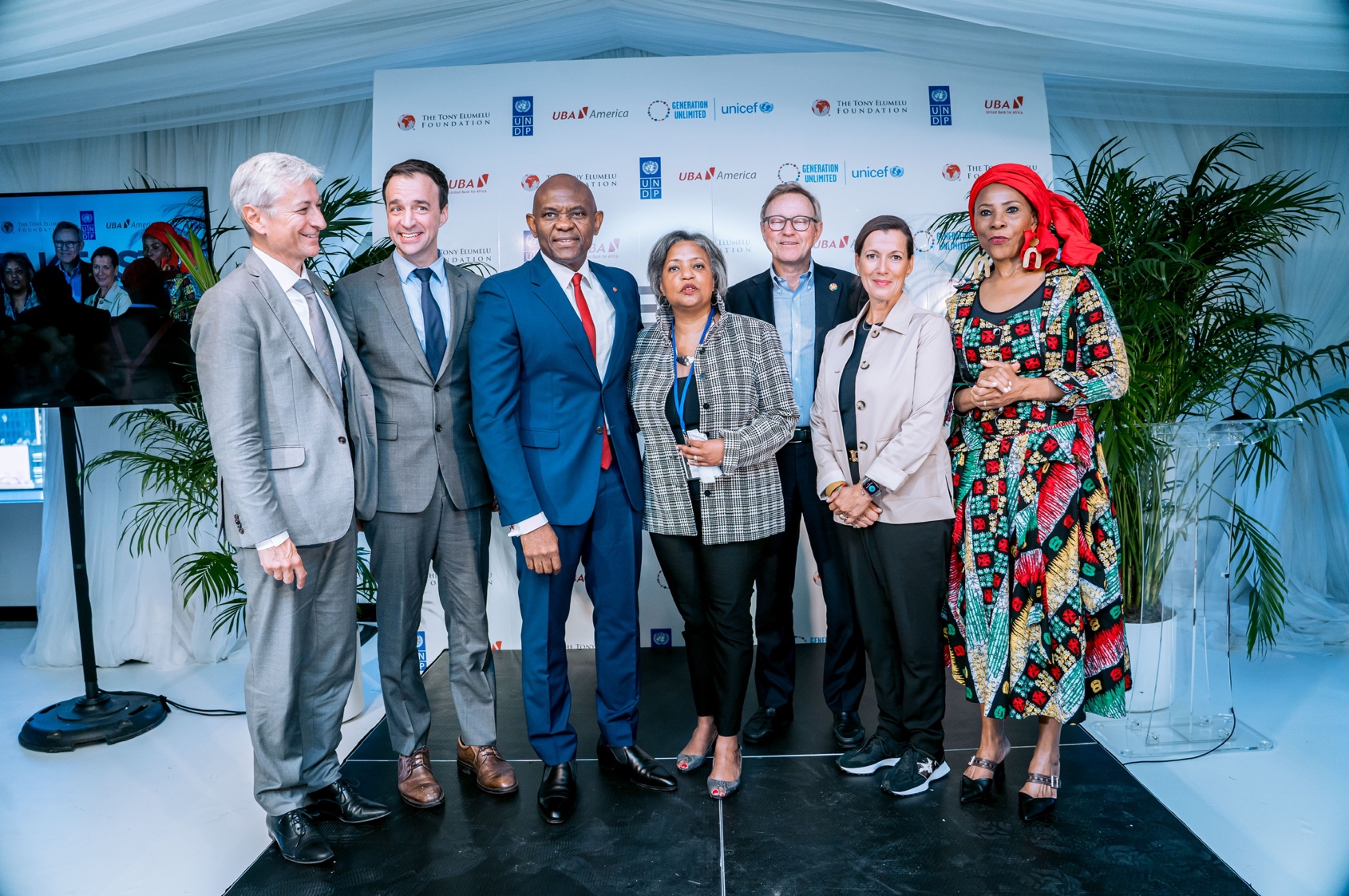
UBA Group Chairman, Tony O. Elumelu, Applauded by Distinguished Leaders for Youth Empowerment in Africa
A gathering of prominent global leaders, including Nigeria’s President Asiwaju Bola Ahmed Tinubu, Lagos State Governor Babajide Sanwo-Olu, representatives from the United Nations Development Programme (UNDP), the United Nations Children’s Fund (UNICEF), as well as numerous leaders from the public and private sectors, came together to commend the exceptional contributions of Tony Elumelu, Founder of the Tony Elumelu Foundation (TEF), to youth development and entrepreneurship in Africa.
These distinguished leaders expressed their admiration for Tony Elumelu, who also serves as the Chairman of United Bank for Africa (UBA) Plc, recognizing his unwavering commitment to youth empowerment, his advocacy for entrepreneurship, and his dedication to the growth of Small and Medium Scale Enterprises (SMEs) across the continent.
These accolades were bestowed upon Tony Elumelu during the TEF-UNDP Breakfast Roundtable meeting, held on the sidelines of the ongoing 78th United Nations General Assembly (UNGA) in New York.
This gathering also served as the platform for the launch of the Tony Elumelu Foundation (TEF) Impact Report titled “The Tony Elumelu Foundation Entrepreneurship Programme: A Decade of Impact.”
President Bola Tinubu, represented by the Honourable Minister of Industry, Trade and Investment, Doris Uzoka-Anite, urged other capable Africans to follow in the footsteps of Tony Elumelu by investing in youth empowerment. She stressed the importance of ensuring that the continent becomes self-reliant and no longer depends on foreign donors, highlighting Tony Elumelu’s role in driving investments, supporting SMEs, and promoting youth entrepreneurship and start-ups.
Sanwo-Olu, in agreement with the minister, recognized Tony Elumelu’s efforts in empowering and building the youth. He noted that these efforts align perfectly with Lagos state’s initiatives for economic empowerment and poverty reduction.
Ahunna Eziakonwa, UNDP’s Assistant Secretary-General and Director of the Regional Bureau for Africa, expressed her immense inspiration by Tony Elumelu’s vision for African youth. She emphasized the shared passion between UNDP and Tony Elumelu in promoting human development and providing opportunities for individuals to shape their destinies.
Eziakonwa explained the reason behind UNDP’s continued partnership with TEF, highlighting the potential impact of having ten individuals like Tony Elumelu each investing $100 million in young people over the next decade. She stressed the tremendous success achieved on the continent with limited investment and envisioned the continent’s unstoppable potential if such efforts were multiplied.
She assured participants of UNDP’s continued excitement about partnering with TEF and the intention to elevate this partnership to new heights, emphasizing their commitment to this cause.
The meeting provided a platform for global leaders to engage in discussions on critical global issues. Among the participants were the Representative of the President of Rwanda, Paul Kagame, the Chief Executive Officer of Generation Unlimited, UNICEF Kevin Frey, and many others. They all concurred that Tony Elumelu’s achievements and his passion for youth empowerment deserved unequivocal recognition.
In his presentation, Tony Elumelu commended all partners, including UNICEF, UNDP, and UBA, acknowledging UBA’s significant support. He reminded the audience of the inception of TEF seed capital funding, emphasizing its roots in his vision to effect change in Africa using African solutions.
Tony Elumelu articulated the collective goal: “to see young entrepreneurs in Africa build sustainable businesses for themselves and generate viable green jobs, so that our young ones are not left behind in the inevitable green economy that the world will transition to.”
He passionately called for increased collaboration to prioritize young Africans, foster economic activities, and alleviate poverty. He emphasized the importance of the beacon lit by TEF and the need for it to shine even brighter with the support and collaboration of everyone. He stressed the urgency of providing economic support to young Africans, addressing the impact of climate change, and ending the migration and hardships faced by the continent’s youth.
Temporary time-outs can last from 1 to 7 days, while longer breaks require contacting the support team. Betico Casino brings a fresh experience to online gaming with its global reach, crypto-friendly banking and diverse entertainment options. YouTube has had unprecedented social impact, influencing popular culture, internet trends, and creating multimillionaire celebrities. Betico Casino offers flexibility with a crypto-first approach and the use of fiat.
The replay value is also increased with the continuous missions, rakebacks, and VIP rewards. Not only do we offer clarity on technical aspects, but we also emphasize security and fairness. Betico Casino is fully licensed and regulated, guaranteeing a trustworthy gaming environment. Our commitment extends to providing excellent customer support around the clock, ensuring you’re never alone on your gaming journey. Discuss anything related to Betico Casino with other players, share your opinion, or get answers to your questions.
Activity on slots, live tables and crypto transactions contributes toward progress in the program.
Engage with professional dealers and fellow players through a dynamic interface, creating the perfect blend between online convenience and physical casino excitement.
Cryptocurrency transactions typically process instantly or within a few hours, while traditional methods like bank transfers and credit cards may take between 1 to 3 business days.
No deposit bonuses are a fantastic way to try a casino without any financial commitment.
An initiative we launched with the goal to create a global self-exclusion system, which will allow vulnerable players to block their access to all online gambling opportunities.
Betico Casino’s tiered loyalty program provides various perks including free spins, cashback offers, and exclusive bonuses.
Benefits That Set Live Casino Apart
It stands out among others because of the huge game library, quick crypto withdrawals, and high cashback offers. Although the 3-day betting requirement may not be favorable to occasional users, the absence of the maximum win limit makes the bonus worthwhile to professional bettors. Our expert casino reviews are built on variety of data we collect about each casino, including information about supported languages and customer support. Languages and customer support options available at Betico Casino are displayed in the table below.
Company information and licenses of Betico Casino
Our secure transactions ensure fast and hassle-free deposits and withdrawals. Our FAQ section serves as a quick reference guide to help you understand the mechanics behind our platform. An initiative we launched with the goal to create a global self-exclusion system, which will allow vulnerable players to block their access to all online gambling opportunities. Online casino sites offer bonuses to attract and retain players, as an incentive to register an account with them and begin playing. There are currently 4 bonuses from Betico Casino in our database, and all offers are listed in the ‘Bonuses’ section. To test the helpfulness of customer support of this casino, we have contacted the casino’s representatives and considered their responses.
With its Curaçao license, Betico still meets global regulatory requirements and offers security through SSL encryption, strict verification policies and responsible gambling tools. More automated controls like deposit caps or time reminders would enhance this section further. The Betico’s Welcome Bonus is characterized by its variability and magnitude.
How do I create an account at Betico Casino?
Search filters help narrow down titles by developer, popularity or A-Z.
All in all, the support is stable and quick, but it could use phone support.
Take a look at the explanation of factors that we consider when calculating the Safety Index rating of Betico Casino.
The inclusion of a casino in blacklists, such as our Casino Guru blacklist, could suggest misconduct against customers.
Only players 18+ and located in a country where online gambling isn’t prohibited by local law will be permitted to access this casino.
The reviews submitted by users are available in the ‘User reviews’ segment of this page.
Bonuses specifically for table games like blackjack, poker, and roulette provide match bonuses or cashback options.
We consider the casino’s size and player complaints in relation to each other, as bigger casinos tend to receive more complaints due to their higher number of players. In our Betico Casino review, we extensively examined and analyzed the Terms and Conditions of Betico Casino. We noticed some rules or clauses, which were unfair, however, we do consider the T&Cs to be mostly fair. An unfair or predatory rule could potentially be leveraged to deny the players their rightful winnings, however, our findings for this casino were minor. Messages receive prompt responses and users can leave an email address for follow-up if needed. Betico Casino offers live chat support 24/7, and the agents know English, Portuguese, Russian, Hungarian, and Czech, among others.
Benefits for UK Players
Navigating is easy to do, although we would prefer more advanced filters, such as volatility or theme. Withdrawal times at Betico Betico Casino Casino vary depending on your chosen method. Cryptocurrency transactions typically process instantly or within a few hours, while traditional methods like bank transfers and credit cards may take between 1 to 3 business days. Some casino software providers like Netent, MG and Play’N GO have for different reasons restrictions on where their games can be offered. Also some regions are under restriction due to governmental regulation.
Relying on the collected data, we compute an overall user satisfaction score that varies from Terrible to Excellent. Every time we review an online casino, we go through the Terms and Conditions of each casino in detail and examine how fair they are. All of that, together with other factors considered in our review, has resulted in Betico Casino having a Safety Index of 8.1, which is a High value. This casino is a recommendable option for most players who are in search of an online casino that is committed to fairness. The sophisticated technology behind Betico Casino’s live platform offers high-definition streaming, enabling crisp visuals and lag-free interaction. Engage directly with dealers through intuitive live chat features while watching each card dealt and wheel spun in real-time.
We haven’t found any complaints directly about this casino, but we have one complaint about a related casino in our database. You can find more information about the complaint and black points in the ‘Safety Index explained’ part of this review. To our knowledge, Betico Casino is absent from any significant casino blacklists.
Playables
Players have the option of making deposits with Visa, Mastercard, SEPA transfers, internet bank, or more than 50 cryptocurrencies, including USDT and USDC. Its minimum deposit is as low as 1 USDT, and it is therefore affordable to all. Certain deposit methods like MuchBetter, prepaid cards, or cryptocurrencies might also come with additional bonuses.
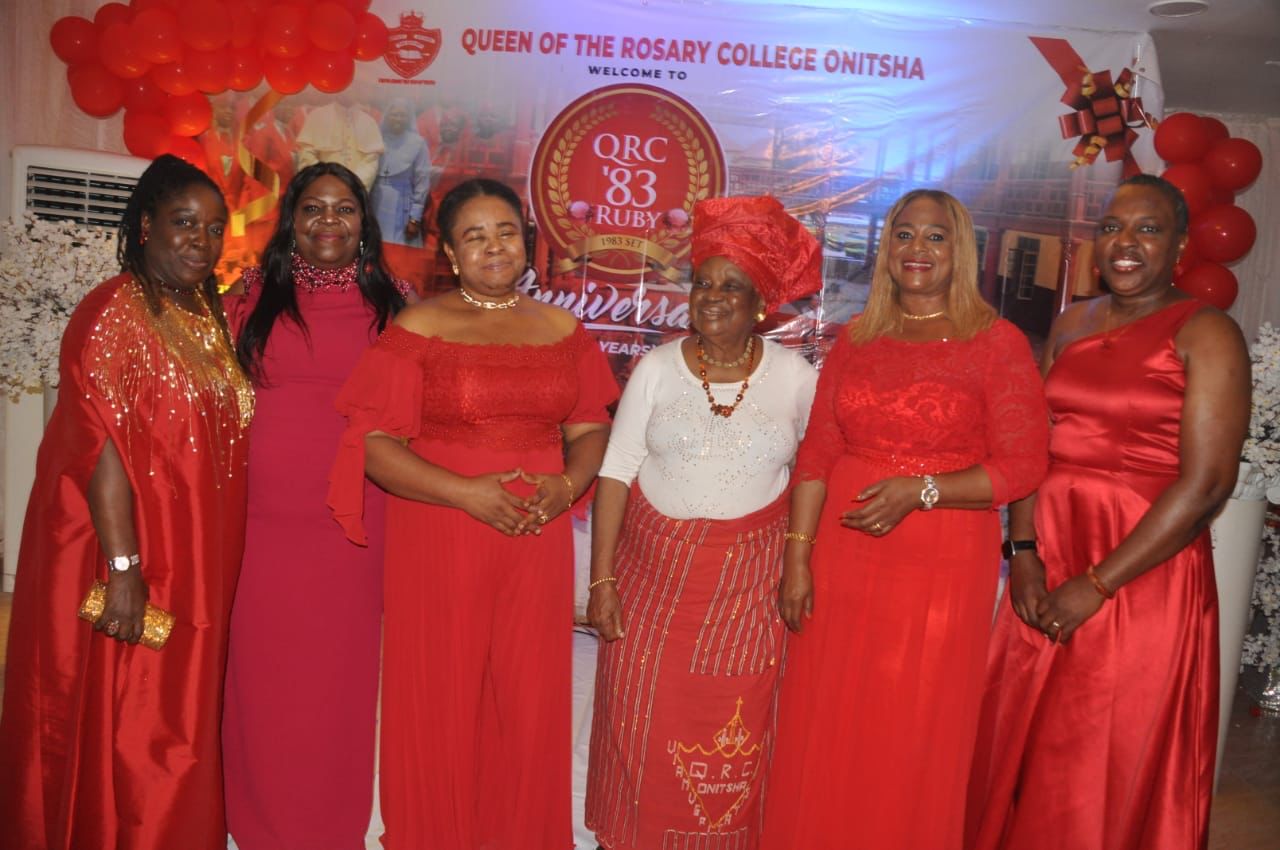
Queen of Rosary College (QRC) Class of 1983 commemorates Ruby Reunion and Anniversary… emphasizing the importance of excellence in education
The Alumni of Queen of The Rosary College Onitsha, QRC Class of 1983 recently celebrated 40 years of graduating from college, highlighting and stressing that the importance of quality education in life.
Speaking during the Reunion event which held at Dees Hotel in Ajao Estate, Lagos, President of QRC 83 set, Professor Ogochukwu Ifeka, said the anniversary celebration was organised to underscore the education and values inculcated on them as young girls in the school some 40 years ago. Ifeka who is a lecturer at Chukwu Emeka Odumegwu Ojukwu University, Anambra State, said the gala night was the highlight of the 3-day activities which included a charity donation to an orphanage home in Lagos.”Also as part of giving back we are paying WAEC fees for indigent students whilst we also help uplift each other when any of us is in need” she stated.
The Global Secretary of Queen of the Rosary College, Lady Chizor Malize, said QRC Alumni body is working with the school and government to rebuild the school. “The Alumni are doing well in helping to foster quality education and modelling students of excellence, to become excellent future leaders. Chizor Malize, who is the Managing Director/Chief Executive Officer of Financial Institutions Training Centre (FITC) also stated that the Alumni Association which consists of all graduating students from the school over the last decades, dating back to 1952 has been consistent in contributing to the school.
“We built science laboratories, dormitories, renovated the auditorium and and done quite a lot. We are delighted because each time we go to the government they support us, so whatever it is that we bring, they add to it to support the school”. She said the school has continued to excel winning awards in science, technology, and debates all over the country, including the United States of America, and Dubai. We are arguably the best all-girls school in the east of Niger,” she said.
One key highlight of the event was the presence of 80-year-old Mrs Caroline Anienwelu who passed out from the college in 1962. Going back memory lane, Mrs Anienwelu said “I was in QRC from 1958 to 1962. The school, which is renowned for its outstanding uniform colour, red and white is a symbol of elegance, beautified in education. When I finished my WAEC, I had to continue in QRC. I had to continue for two more years to do my post-secondary level. So in 1964, I had my Cambridge A levels in QRC, and I was the senior prefect”
Queen of the Rosary College, Onitsha was founded in 1942 by His Grace, Most Rev. Dr. Charles Heerey, C.S.S.P, of blessed memory, the then Archbishop of Onitsha. The college has produced many professionals in all spheres of life. Some of the founding members of the QRC Class of 83 are, Past President, Ngozi Anyabolu, Past Vice President, Chinese Viola Udeze and Mrs Ifeoma Aigbe.
HACKAHOLICS DIGITAL SUMMIT 2023: WEMA BANK LAUNCHES AFRICA’S LARGEST GATHERING OF INNOVATORS, DISRUPTORS, REGULATORS, POLICYMAKERS, INVESTORS & CUSTOMERS IN THE DIGITAL SPACE
Wema Bank, Nigeria’s most innovative bank and pioneer of Africa’s first fully digital bank, ALAT, has announced the launch of the Hackaholics Digital Summit 2023, Africa’s largest gathering of innovators, disruptors, regulators, policymakers, investors & customers in the digital space.
This groundbreaking summit will serve as a hub for sharing cutting-edge insights, trends, and best practices in the tech industry towards the positive transformation of technology and innovation not just in Nigeria but across the African continent.
In 2019, Wema Bank introduced Hackaholics, a dedicated initiative targeting youth and startups. Its mission is to provide a stage for entrepreneurs and innovators with transformative, tech-driven concepts to bring their ideas to fruition and refine their skills. The 4th edition of Hackaholics, launched in April 2023, involved several months-long journey to top Nigerian universities to identify and nurture talented students with creative ideas. These students were afforded the opportunity to collaborate, enhance their skills, and actualize their unique concepts through technology. The Hackaholics Digital Summit will host both the grand finale of Hackaholics 4.0 and the inaugural edition of the digital summit.
The Hackaholics Digital Summit 2023 is scheduled for October 6, 2023, in Lagos, Nigeria, under the theme “Re-Imagine: Disrupting the Ecosystem for Scale.” This multifaceted event commences with the launch of the Hackaholics Digital Summit and concludes with the exciting grand finale of Hackaholics 4.0. During this grand event, the standout teams from the competition will showcase their innovations, contending for the prestigious titles of Hackaholics 4.0 winners.
Notably, the winning team will receive a grant of N10,000,000 worth of prizes, the first runner-up N7,000,000 worth of prizes, the second runner-up N5,000,000 worth of prizes, while a special N3,000,000 grant is reserved exclusively for a female-led team. Additionally, a N15,000,000 grant will be allocated to University STEM endowment.
The Digital Summit will further encompass an array of simultaneous master classes, providing attendees with the opportunity to witness the emergence of Africa’s technological future while gaining invaluable insights from renowned experts. These masterclasses will delve into topics such as “The Future of Financial Services,” “Venture Capital and Funding Viable Innovation for Scale,” and “Strategic Technology for Impact & Societal Change: Transforming Today & Tomorrow’s World.”
Attendance to this prestigious event is by invitation only; however, interested customers and technology enthusiasts can secure a spot at the Wema Bank Hackaholics Digital Summit 2023 by registering at https://hackaholics.wemabank.com/digital-summit.
Don’t miss the chance to be part of this exceptional gathering, charting the course for the future of technology in Africa.