OPERATION SAFE HAVEN COMMENDED FOR UNITING DIVERSE GROUPS FROM PLATEAU, BAUCHI AND KADUNA STATES
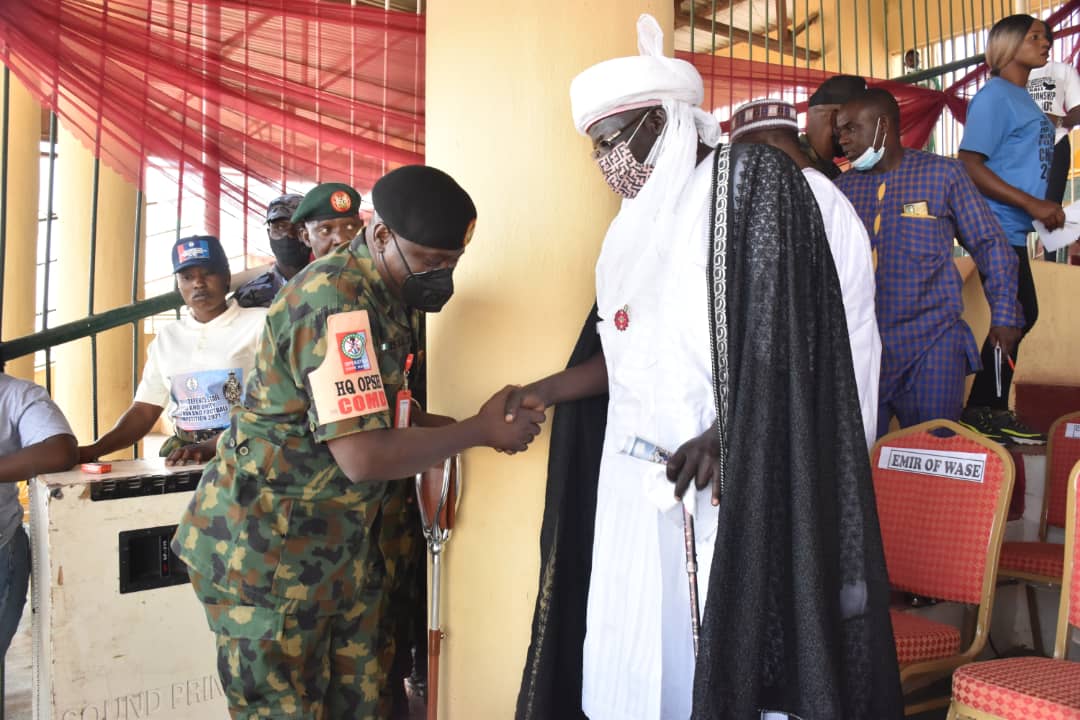
The Executive Governor of Plateau State, Rt Hon Simon Bako Lalong has commended Operation SAFE HAVEN for uniting youths of diverse backgrounds in its area of operation. The governor gave the commendation today 8 January 2022 during the Grand Finale of the Chief of Defence Staff Peace and Unity Marathon and Football Competition organized by Operation SAFE HAVEN in Jos.
Represented by the Secretary to the Government of Plateau State, Prof Danladi Attu, Governor Lalong noted that bringing the youths together from 24 local government areas of Plateau, Bauchi and Kaduna states is a novel idea towards promoting unity, friendship and teamwork. He maintained that the competition was an indication that sporting activities could be used to unite the youths and take them out of crime.
Governor Lalong further lauded the pragmatic approach of Operation SAFE HAVEN in deploying non-kinetic means to solving communal crises in its area of operation. He urged the participants to be agents of peace in their respective domains in order to consolidate on the efforts of the security agencies in securing citizens’ lives and property.
In their separate goodwill messages, the Governors of Kaduna and Bauchi states represented by the Commissioner (Administration) Kafanchan Municipal, Hon Phoebe Sukai Yayi and Special Adviser to Bauchi State Governor on Security, Brigadier General MJ Yake (Rtd) said the competition was capable of fostering unity and bringing permanent peace to the nation if emulated by both private and public institutions.
They commended Operation SAFE HAVEN for its commitment to national security and congratulated the youths for participating in the competition. They also urged the participants to consider a career in sports which could bring glory to the country.
Earlier in his welcome address, the Commander Operation SAFE HAVEN, Major General Ibrahim Ali, called on all peace loving citizens to unite against the enemies of peace in the society. He urged the youths to distance themselves from activities that will destroy their future, noting that exposing bad eggs in the society is the surest way to achieving peace. He further assured that the competition would enhance robust civil/military relations of the command.
While encouraging the athletes to make good use of the opportunity provided by the competition to discover and develop their potentials towards becoming better persons in the society, General Ali called on community and religious leaders to champion the course of peace in their various domains.
Also Speaking during the event, His Royal Highness the Mbra Ngwe, Rtd Rev Ronku Aka , the paramount ruler of Irigwe kingdom and the Ardo of Gashish, Ardo Idris were optimistic that the event has proved that peace has come to stay. They called on the youths to maximally support security agencies and never to harbour criminals in their communities.
Highlight of the event were presentation of trophies, medals and cash prizes to the champions, second, third and fourth positions of the football tournament as well as winners of the boys and girls categories of the marathon competition. Consolation prizes were also presented to physically challenged, oldest and youngest competitors of the tournament.
You are please requested to disseminate this information through your medium. Thank you for the usual cooperation.
ISHAKU TAKWA
Major
Military Information Officer OPSH
8 January 2022
OP Hadin Kai: Troops Inflict Casualty On Boko Haram/Iswap Terrorists, Destroy Illegal Market
Troops of 5 Brigade, Sector 3 Joint Task Force (JTF), North East Operation HADIN KAI, while consolidating on their dogged push to deplete Boko Haram(BH) and Islamic State West Africa Province Terrorists (ISWAP) in Borno State, recorded a decisive victory against the terrorists in Damask on Friday 7 January 2022.
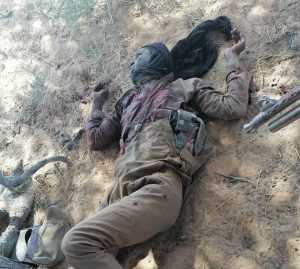
The gallant troops, while conducting clearance operations, code named Operation DOMINANCE I, came in contact with the terrorists at an illegal market operated by the terrorists in Gallo Malawari Village. In the fierce encounter, three BH/ISWAP terrorists were neutralized, while others, bowing to superior firepower retreated in disarray.
Troops recovered one AK 47 Rifle, a truck, two Motorcycles, four empty magazines and rounds of 7.62mm ammunition amongst others.
A statement by the Director, Army Public Relations, Bri. Gen. Onyema Nwachukwu has statement at the weekend
The Nigerian Defence Academy (NDA) will conduct its final outdoor Field Training Exercise for Army Cadets of Short Service Course 47, nicknamed Exercise CAMP HIGHLAND, in Plateau and Kaduna States, respectively, from 8 – 29 January 2022.
The Exercise is designed to test the cadets leadership skills, physical fitness, as well as command and control abilities, among other military competencies. The Exercise is an important military training activity used in ascertaining the preparedness of the Army cadets for commissioning as Officers into the Nigerian Armed Forces. Phases of the Exercise that would take place in Plateau State include Map Reading Exercise at Heipang and Adventure Training at the Citizenship and Leadership Training Centre, Shere Hills, Jos, from 8 – 14 January 2022. Furthermore, Tactical Drills and Battle Inoculation Drills would take place in Kachia general area from 14 – 29 January 2022.
Consequently, communities living around Heipang and Shere Hills, Jos in Plateau State would observe mass movement of military personnel, vehicles and equipment in the general area from 8-15 January 2022. Similarly, residents of KATUL CROSSING – FADAN KAMANTA axis in ZAGON KATAF Local Government Area of Kaduna State will observe same tactical drills involving firing /simulation of small arms and artillery fire from 15 -19 January 2022. Residents in the general areas mentioned above are therefore advised not to panic but to go about their normal daily routine activities without fear. They are to however advised to report any breach of security to the nearest authorities. Furthermore, Battle Inoculation, which would involve live firing of small arms, amour and artillery weapons will be conducted from 20 – 29 January 2022 within the Military Exercise Area near Nigerian Army Base Camp, Kachia. Therefore, locals around ANINKWA, INSAME and neighboring communities are advised to stay away from the live firing area during the period of the exercise. On our part, all necessary safety measures and arrangements have been put in place to ensure safety in the exercise areas.
We wish to appeal for cooperation from the local communities directly affected by the Exercise and Nigerians as a whole as we train future military leaders for our Armed Forces. You are please requested to use your medium to enlighten the general public, particularly the inhabitants of the aforementioned areas. While thanking you for your usual cooperation, please accept the esteemed regards of the Commandant, Nigerian Defence Academy.
BASHIR MUHAMMED JAJIRA
Major
Academy Public Relations Officer
7 January 2022
Press Release: Defence HQ Reel Out Achievements of Nigeria’s Military
1.Good morning and happy New Year Gentlemen of the Press. I am glad to welcome you back from the Christmas and New Year as we continue in our fortnight briefings on the operations of the Armed Forces of Nigeria in this New Year 2022. In the last year, the DDMO worked hard to meet its mandate of managing and disseminating credible information on our military operations from the theatres of operation across the Country. This was made possible by the joint efforts of the Defence Headquarters as well as the various Service Headquarters and of course, you gentlemen of the press, with your full cooperation and support as well as the entire media community. As we continue with our business of keeping the general public abreast with our operational activities, we deem it necessary to jog memories on our achievements through the unrelenting and committed efforts of the Nigerian military and other security agencies in tackling the security challenges across the Country in the past year. This would give a better perspective of the cumulative achievements resulting from our operational engagements in the various theatres. Against this backdrop, the briefing today will cover a cumulative summary of our achievements between 20 May 2021 and 6 January 2022; from when we started our fortnight briefings.
2.Within the timeframe in focus, own troops conducted series of land, maritime and air operations in the various theatres, involving both kinetic and non-kinetic activities across the Country in major and subsidiary operations. Our gallant troops in the frontlines executed these operations with utmost zest that resulted in the incapacitation of terrorists’ fighting capability and neutralization of scores of terrorists, bandits and other criminal elements, including high profile ones, who were either neutralized in action or arrested. Furthermore, large numbers of terrorists have continued to surrender due to troops’ overwhelming superior combat power and intelligence activities. Also, troops rescued kidnapped civilians as well as repelled and forestalled criminal elements’ attacks on civilians and troops. Troops also recovered caches of arms and ammunition, equipment, vehicles and large numbers of livestock within the period. In the maritime environment, our ever resilient and dogged troops’ operations disrupted activities of economic saboteurs and smugglers, immobilized illegal refining sites and arrested perpetrators as well as recovered tons of petroleum products, arms, ammunition, vehicles, boats and other equipment used for illegal bunkering activities. Besides, troops engaged in various non-kinetic activities as strategies for addressing security challenges in different theatres.
OPERATION HADIN KAI
3.Within the period under review, own troops operational activities in Operation HADIN KAI theatre resulted in the neutralization of 950 terrorists including their high profile Commanders and Amirs. Also, a total of 79 terrorists were arrested and 113 kidnapped civilians were rescued by the troops of Operation HADIN KAI within the period. In the same vein, a total of 195 assorted arms including AK-47 rifles, GPMGs, PKT guns and locally fabricated guns were recovered from terrorist elements in the course of the operations. In addition, a total of 2,385 rounds of different calibres of ammunition and 253 rustled livestock were recovered, while a total of 14 gun trucks of the terrorists were destroyed in the course of the operations, while 16 gun trucks were captured by own troops within the period. Furthermore, a total of 24,059 terrorists and their families comprising 5,326 adult males, 7,550 adult females and 11,183 children have so far surrendered to own troops in the North East. All surrendered elements have been properly profiled and handed over to appropriate authorities for necessary actions.
OPERATION HADARIN DAJI
4.In Operation HADARIN DAJI, the operational efforts of our gallant troops yielded appreciable results between 20 May 2021 and 6 January 2022. A total of 537 armed bandits and other criminal elements were neutralized in action by own troops, while 374 criminal elements including armed bandits and their collaborators as well as armed herdsman and robbers were arrested. Furthermore, 227 assorted arms, including AK-47 rifles, PKT machine guns and GPMGs as well as 4,443 rounds of different calibres of ammunition and 3,250 rustled livestock among other items and vehicles were recovered within the period. Similarly, a total of 238 motorcycles and 118 extra rifle magazines were recovered, while 452 kidnapped civilians were rescued by own troops in the course of the operations. This is in addition to several other feats recorded during air offensives executed on bandits’ enclaves by the Air Component. Recent among prominent air offensives were concurrent air strikes executed on bandits’ enclaves at Gusami Forest and West Tsamre village in Birnin Magaji LGA of Zamfara State, which led to the neutralization of scores of armed bandits. The feats were recorded in the early hours of 3 January 2022 on the heels of credible intelligence, which revealed the locations of 2 key bandits’ leaders, the notorious Alhaji Auta and Kachalla Ruga. Consequently, a force package of NAF platforms were dispatched to takeout the enclaves, which resulted in the neutralization of the leaders as well as their cohorts. In addition, several other armed bandits fleeing from the hit of the air strikes, were killed during follow up strikes. No fewer than 100 armed bandits were neutralized in the encounter.
OPERATION SAFE HAVEN
5.Troops of Operation SAFE HAVEN within the period recorded attendant successes in their kinetic operations within the North Central Zone. Some of the operations led to the arrest of a total of 1,771 criminal elements including armed bandits, armed herdsmen and livestock rustlers; while 109 armed bandits and other criminal elements were neutralized in action. Also, in the course of the operations, a total of 75 kidnapped civilians were rescued, while 1,306 livestock, 108 assorted arms including AK-47 rifles and locally produced guns as well as 493 rounds of different calibres of ammunition among other items were recovered in the course of the operations. Moreover, troops carried out various non-kinetic activities in different locations of the theatre to contain security challenges in its area of responsibility. Some of these include; organized peace and security meetings with critical security stakeholders to discuss and proffer actionable solutions to security concerns as well as organized sporting activities for youths, in other to dissuade them from criminal activities, with consolation prizes.
OPERATION WHIRL STROKE
6.Between 20 May 2021 and 6 January 2022, troops of Operation WHIRL STROKE operational activities cumulatively resulted in the neutralization of a total of 168 criminal elements, while 127 of them, including migrant armed bandits were arrested. Also, 118 different types of arms and 381 different calibres of ammunitions as well as 391 livestock were recovered, while 33 kidnapped civilians were rescued within the period under review. In addition, Operation WHIRL STROKE within the period, held peace and security meetings with community and youth leaders as well as other security agencies and other critical stakeholders as non-kinetic means of tackling insecurity challenges in the its area of responsibility. These meetings were geared towards finding lasting solutions to the security challenges in the North Central Zone.
OPERATION THUNDER STRKE/WHIRL PUNCH
7.Within the Operation THUNDER STRKE/WHIRL PUNCH theatre, own troops in the period under review, engaged in various kinetic operations which cumulatively resulted in the neutralization of 44 and arrest of 46 criminal elements. Troops operations also led to the recovery of 59 assorted arms, 12 extra AK-47 rifles magazines, 113 rounds of 7.62mm ammunition and 16 motorcycles among other items in the course of the operations. Additionally, a total of 14 kidnapped civilians were rescued and reunited with their families within the period under review.
OPERATION DELTA SAFE
8.In Operation DELTA SAFE, troops of the Armed Forces of Nigeria working in conjunction with other Security Agencies recorded remarkable results in their efforts against economic sabotage and other sundry crimes in the South-South Zone. Within the period under review, troops discovered and immobilized a cumulative total of 145 illegal refining sites, 209 ovens, 122 cooking pots/boilers, 161 cooling systems, 224 reservoirs, 160 large dugout pits and 367 storage tanks in the Niger Delta Region. Consequently, a total of Twelve million, eight hundred and fourty-six thousand, three hundred (12,846,300) litres of illegally refined Automotive Gas Oil as well as 29,237 barrels and six million, four hundred and nighty-one thousand (6,491,000) litres of stolen crude oil were recovered within the period. Similarly, a total of Three million, nine hundred and sixty-nine thousand (3,969,000) litres of Dual Purpose Kerosene; Ten million, two hundred thousand, five hundred (10,200,500) litres of illegally refined Premium Motor Spirit were recovered by troops of Operation DELTA SAFE. Additionally, troops recovered 33 assorted arms; 5,268 rounds of different calibres of ammunition and 21 AK-47 rifle magazines, while 3,110 bags of 50kg foreign parboiled smuggled rice, 662 pieces of galvanized pipes, 32 tanker trucks and 119 wooden boats used for illegal oil bunkering activities were impounded and handled appropriately in the course of the operations. Also, a total of 41 kidnapped victims were rescued, while 77 criminal elements associated with pipeline vandalism, piracy, illegal oil bunkering and armed robbery were arrested within the period. All the arrested criminals and recovered items have been handed over to relevant security agencies for further action.
OPERATION AWATSE
9.The troops of Operation AWATSE in the fight against pipeline vandals and economic saboteurs in the South-West Zone successfully forestalled criminal activities within the period under review. In the course of the operations, troops impounded a total of 1,458,600 litres of illegally refined Premium Motor Spirit; 9,345 barrels of stolen crude oil and 355,000 litres illegally refined Automotive Gas Oil. Additionally, troops recovered a total of 1,594 rounds of ammunition and 14 assorted rifles. Also, within the period, a total of 15 illegal refining sites were immobilized, while 12 boats and 13 trucks engaged in illegal activities were arrested. In the same vein, within the period 15 kidnapped civilians were rescued, while 28 criminal elements were arrested.
10.In summary, the Armed Forces of Nigeria from 20 May 2021 to 6 January 2022 neutralized 1,910 criminal elements including terrorists, armed bandits and robbers as well as kidnappers across the Country. This is in addition to scores of other terrorists and armed bandits killed during air strikes within the period. Troops also rescued a total of 729 kidnapped victims across the Country. Furthermore, within the period in focus, troops made a cumulative total recoveries of thirteen million, two hundred and one thousand, three hundred (13,201,300) litres of illegally refined Automotive Gas Oil and three million, nine hundred and sixty-nine thousand (3,969,000) litres of Dual Purpose Kerosene. Also, 38,582 barrels and six million, four hundred and ninety-one thousand (6,491,000) litres of stolen crude oil as well as eleven million, six hundred and fifty-nine thousand, five hundred (11,659,500) litres of illegally refined Premium Motor Spirit were recovered and handed appropriately. Additionally, a total of 912 criminal elements were arrested, while large cache of arms and ammunition as well as livestock among other items of economic and security concerns were recovered by the troops during the period.
11.Gleaning from the available information as I have just presented, there is no gain saying that our operational performance for the year 2021 shows our commitment to ensure peace is restored in the Country. It shows the synergy between the Nigerian military and other Security Agencies is succeeding in tackling the security challenges facing the Country. We will continue to sustain the offensive and will not relent until peace is restored to every troubled zone in Nigeria. The general public is also assured of our commitment to protect lives and properties as well as our economic assets anywhere, with renewed vigour this year.
12.The High Command of the Nigerian Military continues to thank the general public and members of the press for their support and further solicit everyone’s cooperation towards providing credible and timely information that will facilitate proactive engagements in our operations. The Military High Command also commends all the gallant troops of the Armed Forces and personnel of other security agencies involved in various operations across the Country for their resilience, doggedness and commitment. Troops are further encouraged to remain resolute and decisive in securing the Country. Once again I thank you members of the press for your understanding and support for our course.
BENARD ONYEUKO
Major General
Acting Director
6 January 2022Defence Media Operations
7
Down College Sylvester Oromoni CP Odumosu Gives Full Details Of Investigation
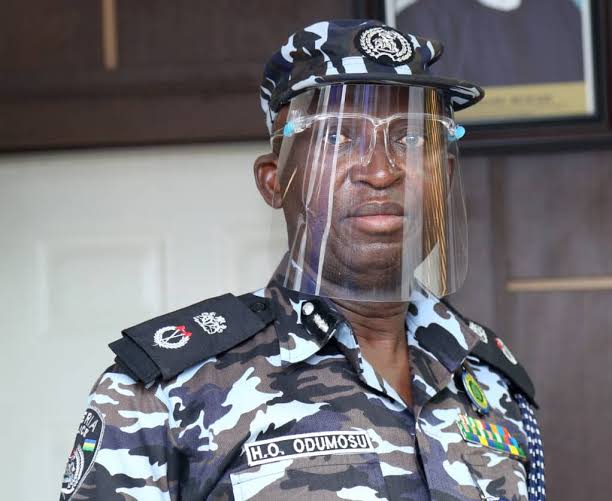
There is no evidence to establish that 12-year-old Sylvester Oromoni Jnr was tortured, bullied or forcefully positioned, the Lagos State Commissioner of Police, Hakeem Odumosu stated this at a press conference on Friday while giving update on the investigation into the cause of the death of the late student of the Dowen College.
While speaking to pressmen at the state command, which National Association of Online Security Reporters, NAOSRE was represented, Odumosu denied any form cover-up that alleged by Sylvester Oromoni’s parent and members of the public.
According to the CP, eight suspects were arrested which included three House Masters of the College and five students who were said to have mentioned by Sylvester before his death.
The suspects were;
1. Valentine Igbokwe ‘m’ aged 45
2. Ahmed Bariyu ‘m’ aged 52
3. Adesanya Olusegun ‘m’ aged 42
4. Ansel Temile ‘m’ aged 14
5. Michael Kashamu ‘m’ aged 15
6. Kenneth Inyang ‘m’ aged 15
7. Favour Benjamin ‘m’ aged 16
8. Edward Begue ‘m’ aged 16
The commissioner confirmed that the Police Force obtained a remand warrant at the Yaba Magistrate Court to enable the Police detain the suspects for 21 days and all parties were interviewed by him. Meanwhile, it was confirmed that the student’s suspects were granted bail before the expiration of the 21 days and house masters after the expiration of 21 days.
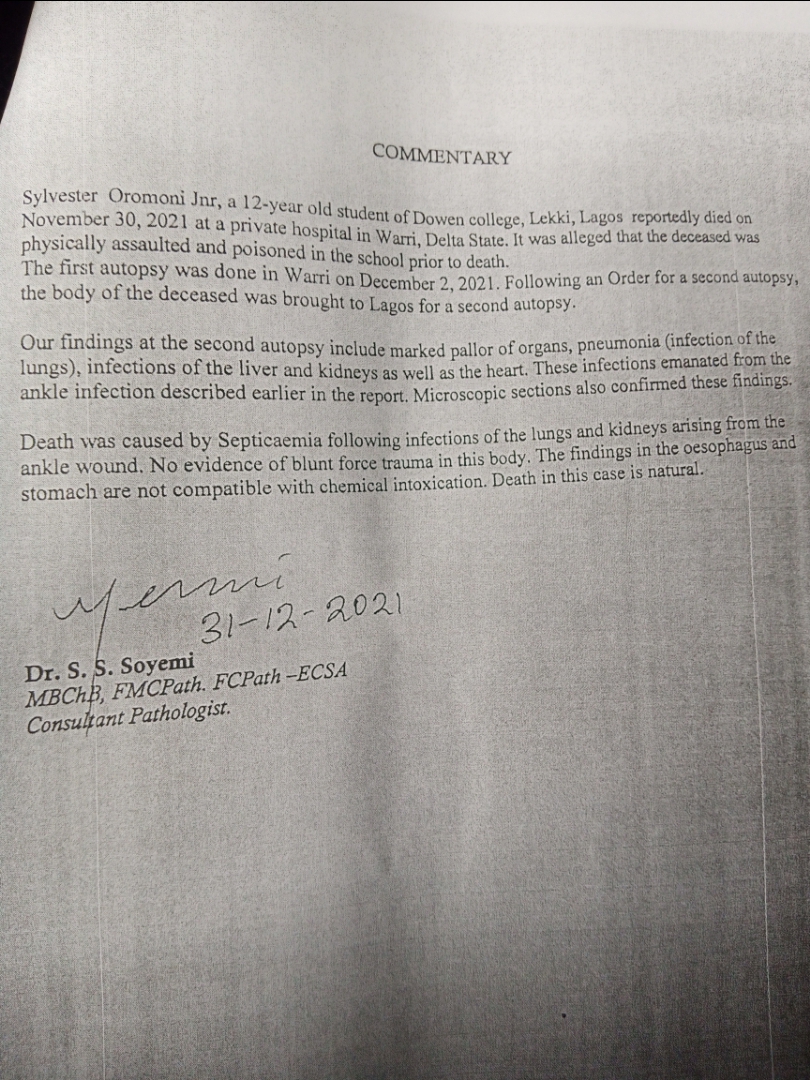
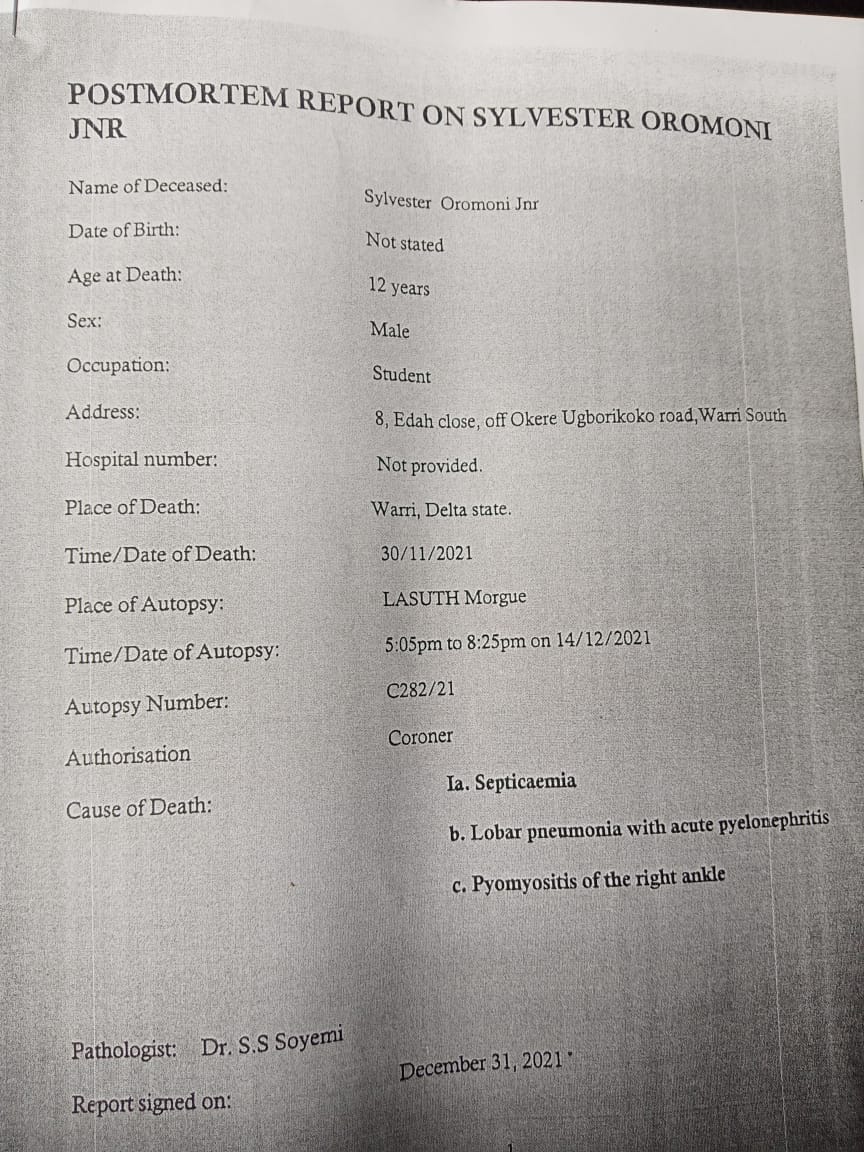
Further, the CP said it was agreed unanimously that another autopsy should be carried out after a post mortem examination was carried out earlier by a Consultant Pathologist, Dr Clement Vhriterhire which attributed the cause of the death to ‘acute bacteria pneumonia due to severe sepsis’. The second autopsy carried out in the presence of all parties representatives attributed the cause of death to ‘septicaemia, lobar pneumonia with acute pyelonephritis and pyomyositis of the right ankle’.
Conclusively, Odumosu reaffirms that the final results of the post mortem and toxicology examination conducted both at Warri and Lagos agreed that the Sylvester Oromoni died a natural death.
In the same vein, the Lagos State Police Command frowns at the protest conducted by a group called Ijaw Youth Council, Lagos led by Comrade Henry Oyobola.
The protest which was said to have happened in front Bowen College for hours witnessed masquerades with placards. According the CP, the act caused panic within the community and was able to come down with the help of men of the Police command.
He warned those threatening to go to any length to protest the outcome of the investigations to go the legal way or be ready to face the full wrath of the law.
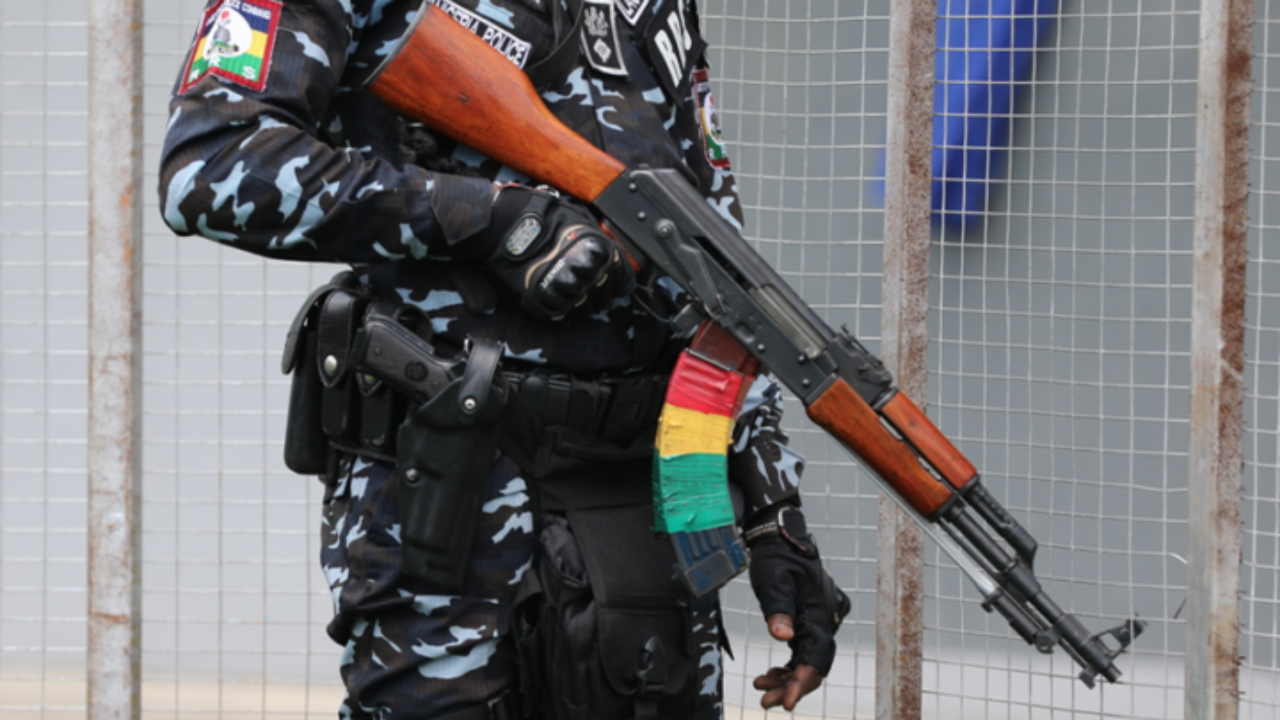
Police has Misplaced over 88,000 AK-47 Rifles – Report
The Office of Nigeria’s Auditor General of the federation reported that over 88 thousand AK-47 rifles have been unaccounted for as of December 2018.
This was disclosed by Nigeria’s Auditor General, Adolphus Aghughu in its weapons review of police armouries, according to Reuters.
This comes at a period of rising criminal activities by violent non-state actors acquiring weapons.
The report stated that multiple weapons were missing and unaccounted for under the Nigerian Police which covered a period till December 2019.
They stated that the “total number of lost firearms as reported as of December 2018 stood at 178,459 pieces,” adding that “out of this number, 88,078 were AK-47 rifles.”
They also warned that there is a serious risk of the weapons ending up in the wrong hands.
The report is set to be presented before the National House of Assembly where the Police is expected to appear to explain themselves.
Recall Nairametrics reported last year that President Muhammadu Buhari approved the establishment of a National Centre for the Control of Small Arms and Light Weapons (NCCSALW), which is part of the ongoing restructuring of Nigeria’s security architecture to address rising threats and strengthen the regional mechanism for the control, prevention and regulation of Small Arms and Light Weapons.
Meanwhile, Socioeconomic research firm, SBM Intel reported earlier this year that the proliferation of small arms and light weapons has driven the rise in violence in Nigeria. This violence has led to mass displacement and has resulted in Nigeria having several internally displaced people that rival countries that are officially at war.
WEARING OF MILITARY UNIFORM BY UNAUTHORISED PERSONS AND POLITICIANS FOR ELECTIONEERING CAMPAIGN POSTERS IS ILLEGAL
The Defence Headquarters (DHQ) has noticed with dismay that some politicians have formed the habit of wearing military uniforms and accoutrements for electioneering campaign posters.
The campaign posters of some Governors, dressed in military camouflage uniforms, are displayed in noticeable areas in their respective states. This is manifestly illegal and an abuse of the privilege of allowing civilians wear military uniforms during military training exercises.
It is necessary to restate that the Armed Forces of Nigeria, as a professional institution, remains apolitical and, as such, would not want to be dragged into any form of political bias. Accordingly, it is important to advise politicians and others to desist from the use of military uniforms and accoutrements for political events and other engagements henceforth. Please note, anyone found culpable in this regard would be liable to prosecution
This was contained in a statement signed by his SA Media and Publicity, Honourable Ibrahim Dahiru Danfulani, dated January 5, 2022.
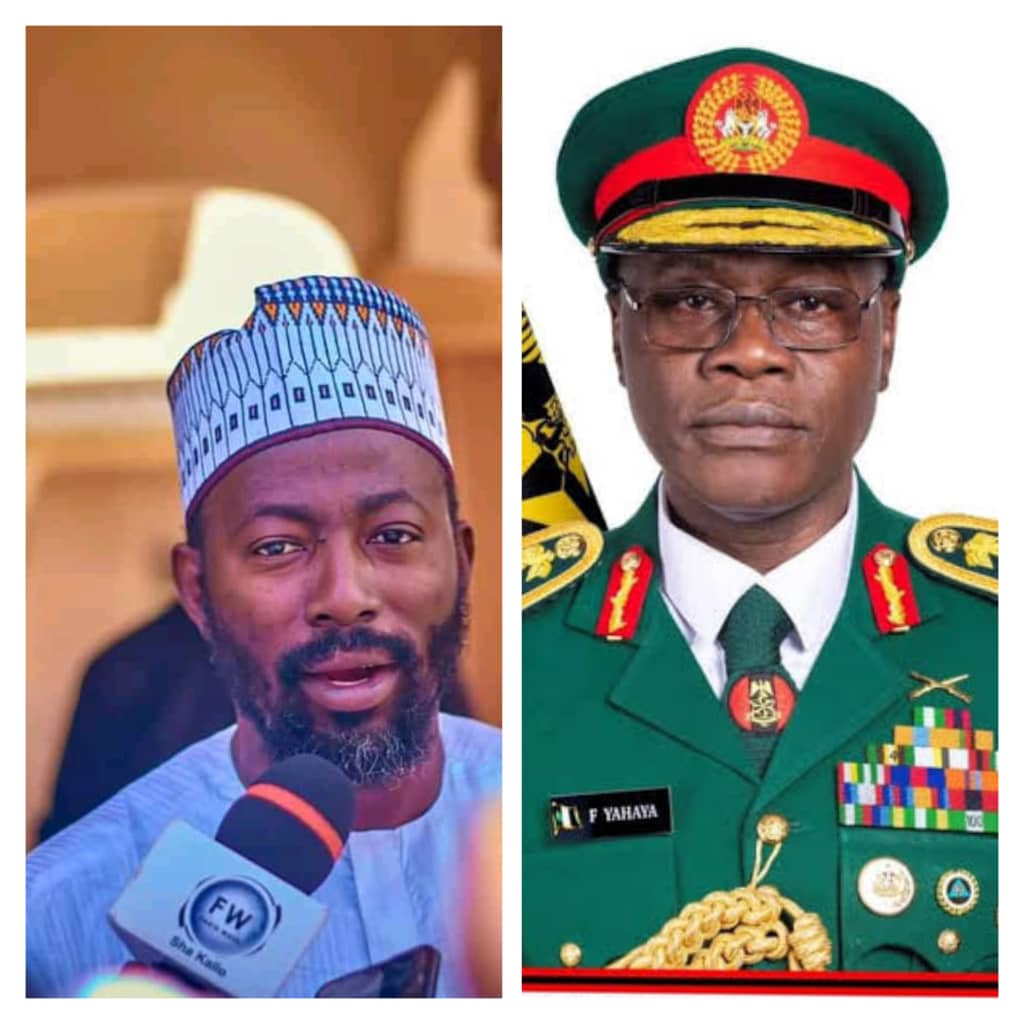
“I heartily felicitate with the Chief of Army Staff (COAS), Lieutenant General Faruk Yahaya as he marks another milestone on the occasion of his 56th birthday,” it said
Zailani said just like wine, the older the better, he is optimistic that the new age comes with more wisdom and experience to help Nigerian Army succumb the various security challenges bedeviling the country.
“I am optimistic that he will consolidate on the successes achieved since he was appointed by the Commander-in-Chief of the Armed Forces,” he said.
It would be recalled that the COAS, General Yahaya was born on January 5, 1966 in Bodinga Local Government Area, Sokoto State.
He is a Lieutenant General of the Nigerian Army and the 22nd Chief of Army Staff of Nigeria, appointed by President Muhammadu Buhari on May 27, 2021.
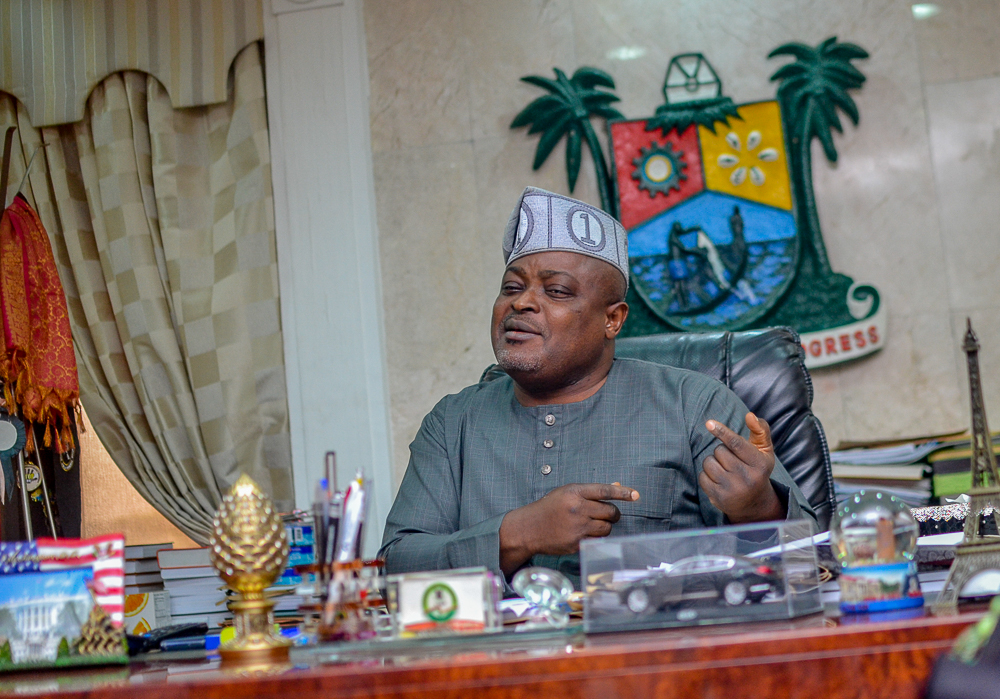
The late Adediran served as a member of the House representing Surulere Constituency 1 between 1999 and 2003.
In a tribute by his media office, Dr. Obasa expressed sadness at the former lawmaker’s demise saying the late Adediran died at a time her legislative and political experiences were still very important to Lagos and Nigeria.
Obasa described Adediran as a passionate woman who wanted the best for her society adding that to achieve this, she played major roles in the Fourth Assembly of Lagos State.
“Hon. Adetoun Adediran is leaving behind fond memories of her roles as a lawmaker in the emergence of a more modern Lagos.
“As a principal officer at the House, she was passionate and active making sure her voice was heard among her colleagues who were mostly men.
“It was this same passion for service that got her the position of Women Leader of the All Progressives Congress (APC) in Lagos. She also later became the Chairman of the Lagos State Building and Investment Company.
“We mourn her demise as it came at a time her experience and wisdom were still desired for the progress of our state. We mourn because death has snatched one of our finest politicians.
“While I pray that God grant her a peaceful rest, I also pray that He strengthen those she left behind and give them the fortitude to bear this huge loss,” Obasa said.
ADEDUNTAN: FIRSTBANK IS RESILIENT, STABLE AND BUILT FOR THE LONG HAUL
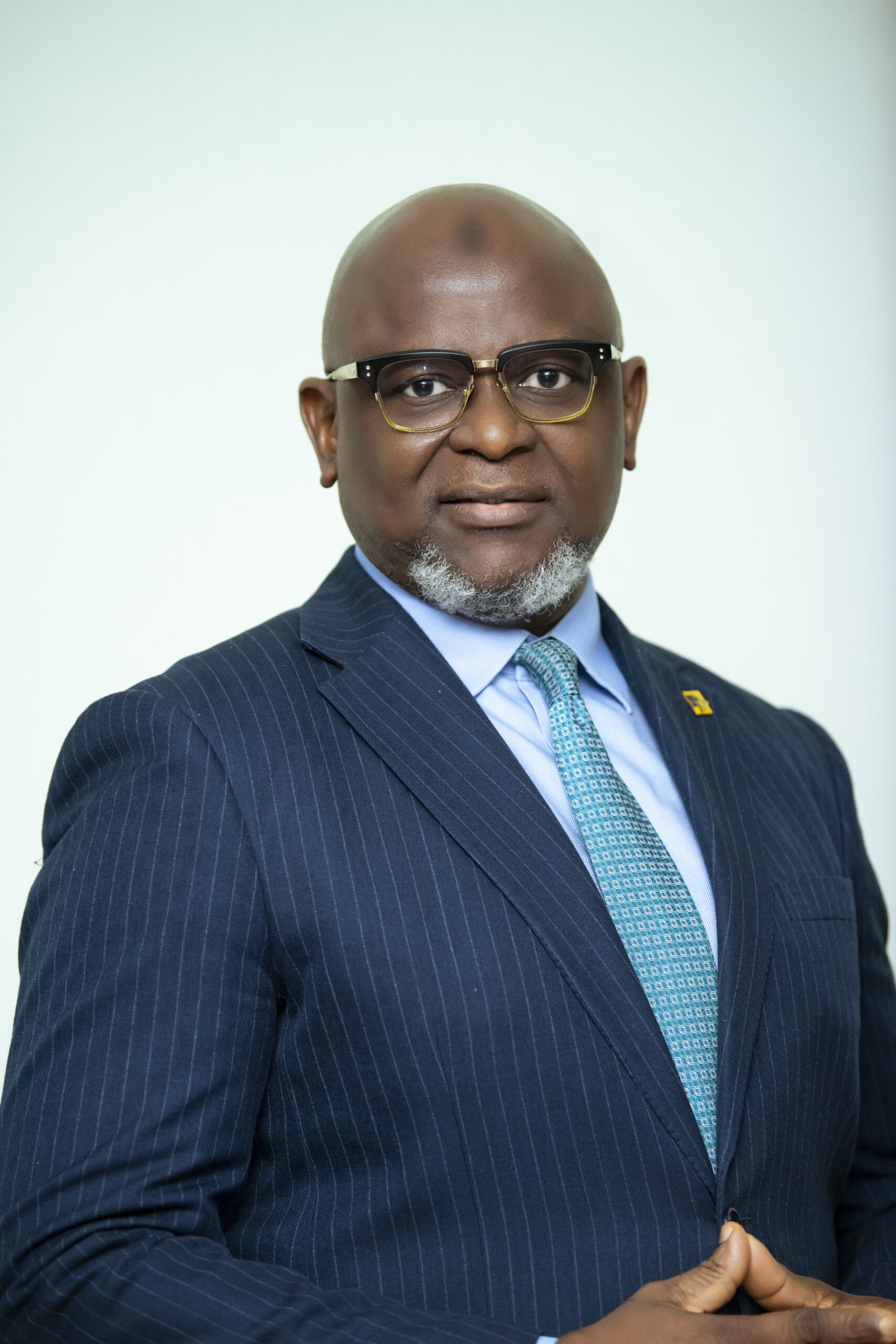
The Managing Director/Chief Executive Officer of First Bank Nigeria Limited, Dr. Adesola Adeduntan, last year saw his tenure extended as part of efforts to ensure the stability of the financial institution. In this interview with THISDAY, he speaks about the intervention of the Central Bank of Nigeria, the future of the bank, trends that shaped the economy in 2021, his expectations for 2022 and other pertinent banking sector issues. Excerpts… What is the level of the Central Bank of Nigeria’s involvement in First Bank?
The central bank’s involvement in FirstBank is essentially about playing the role of the regulator. CBN’s intervention has been in the best interest of the bank’s stakeholders and its performance; aimed at restoring confidence in the bank as well as to reassure the depositors, creditors and other stakeholders of the bank of its commitment to ensuring the stability of the financial system.
Your third quarter results saw a decline in some of the key indicators such as gross earnings, profit before tax and profit after tax, what was responsible for this?
The Commercial Banking reported a resilient performance resulting in a Profit before Tax of N44.3billion for the nine months period ended September 30, 2021. This result was delivered in a sustained low yield environment, which continues to compress margins as the macro-economic environment remained challenging amidst the negative impacts of the COVID-19 pandemic.
FirstBank’s focus on putting the customers first continues to be a driving force as we keep supporting our customers in meeting their business needs. The evidence of this support is reflected in the 24.1% y-t-d growth in the loan book, underpinned by solid risk management practices and from which sustainable good quality earnings are being delivered as asset quality remains firmly under control. Furthermore, in our concerted efforts at sustaining our dominance in financial inclusion and digital banking, we continue to record growths in our agent banking business, supporting the 17.5 per cent growth in non-interest income.
We remain determined to continue strengthening our capabilities across our footprints, as we are confident that our investment in technology and the strong balance sheet, which the Group has built over the last six years, will provide the solid platform for more impressive results into the future.
The CBN recently introduced the eNaira, what has been the acceptance rate by FirstBank’s customers, and do you think this will positively impact your bank?
The Central Bank of Nigeria (CBN) as the regulator of the banking industry continues to lead and drive development in the industry. In the banking industry, digital currency is the future and the CBN is staying ahead of the curve in Africa with the introduction of the eNaira given the several benefits associated with the digital currency, such as safety, speed, and convenience. A review of the events over the course of the past few years has shown that digitalisation in its different forms has been net positive for the financial services industry.
The eNaira is no different; the digitalisation of the naira expands upon Nigeria’s already advanced payment ecosystem; the roadmap for the eNaira over the next couple of months will reveal some exciting use cases that will further grow the ecosystem and encourage even more interaction with this new form of currency. Currently we have a whole segment of digitally curious customers who have started interacting with the eNaira, and as the eNaira ecosystem grows and acceptance increases as a store and exchange of value, so will those numbers.
FirstBank’s channels currently account for about 17 per cent of the total reported eNaira transaction volume. The bank is dependably dynamic and continues to be at the vanguard of innovation in the banking industry. Overall, I am confident that the eNaira will positively impact the bank as our customers continue to transact through the bank’s channels, supporting the digital economy drive. The number of customers will increase as the eNaira will enable the sign-on of excluded people in the financial system, thereby supporting the financial inclusion drive of the CBN. The eNaira will reduce the cost of processing cash for the bank, thereby making it a cheaper, reliable and faster way of exchange and the bank will have access to customers across the continents, simplifying and facilitating cross border payments and trade.
What’s opinion about the CBN’s FX and what long-term impacts will it have on the exchange rate and has your bank been able to meet the demands of customer?
The main objectives of exchange rate policy in Nigeria are to preserve the value of the domestic currency, maintain a favorable external reserves position and ensure external balance without compromising the need for internal balance and the overall goal of macroeconomic stability. The new CBN’s foreign exchange (FX) policy is geared towards harmonising the FX rates across the various markets and increasing the availability of FX to those who genuinely need it and not for those who are speculators or those who deliberately try to distort the market. The current FX policy of the CBN has recorded some successes in improving the availability of FX for transactions and curbing the incessant decline of the naira exchange rate in the parallel markets.
The current policy is expected to strengthen the naira exchange rate, however, there are several other factors that are critical to the movement of the exchange rate, predominantly oil prices and capital inflows. If these factors continue to trend positively, then we can expect a relative stability of naira relative to other international currencies. I believe the long-term impact will be the relative stability of the naira, as the CBN continues to meet all legitimate needs, increasing the confidence of the people and sending the right signaling effect to foreign investors. Typically, FirstBank engages the regulators, providing all the necessary foreign exchange bid documentations and following defined processes to ensure that our customers’ bids are successful, and we get as much allocation as possible for all our needy customers.
How prepared do you think banks are for Basel III?
The Basel III accord was developed by the Basel Committee on Banking Supervision (BCBS) and is built upon the frameworks of the existing Basel II accord, with the aim of strengthening regulation, supervision, and risk management within the banking industry, globally. Due to the impact of the 2008 global financial crisis on banks, it became imperative for the current frameworks under Basel II to be revised to improve the ability of banks to handle shocks from financial stress and to strengthen their transparency and disclosure. The Central Bank of Nigeria (CBN) on September 2, 2021, issued a circular to all banks in Nigeria titled Basel III Implementation by all Deposit Money Banks.
The circular aims to inform all banks of the issuance of guidelines for the implementation of the Basel III standard which is a voluntary global regulatory framework that addresses banks’ capital adequacy, stress testing, and market liquidity risk.
Basel III standard will prevent banks from taking excessive risks that can negatively impact the players and the economy. Implementation of Basel III will have significant implications for capital requirement – there will be a higher minimum CAR requirement for players in the industry. However, the apex bank has engaged and defined a road map to ensure that operators in the banking industry meet and surpass the higher capital requirements. The Basel III will be implemented in phases and banks have developed their capital plan to ensure they meet and surpass the higher capital and liquidity requirements for the Basel III implementation. Many banks have revamped their operational and credit risk infrastructure to mitigate operational and credit risk losses. The effect is already being seen in the general decline in the industry’s non-performing loan portfolio. The successful implementation of the Basel III frameworks would be beneficial to the banking industry and the economy at large.
Do you think it would spur more mergers and acquisitions in year 2022?
The Basel III standard implementation by the Central Bank of Nigeria is aimed at decreasing the risk of the financial services sector. The main aim of Basel III is to improve financial stability – the standard is set to increase the soundness of Nigeria’s financial services sector and the confidence of the people in the financial system. The implementation is expected to impact banks’ capital adequacy by raising liquidity and lowering bank leverage. Analysts believe that the implementation of Basel III would increase the capital requirement of Systemic Important Banks (SIB) in Nigeria to 17 per cent from 15 per cent but, most banks in Nigeria are well-capitalised and are expected to increase capital buffer that can be drawn upon in periods of stress.
However, despite being well-capitalised, the implementation of Basel III would reduce the capital headroom of operators and banks would have to resort to various strategies to strengthen their capital positions to drive credit and business growth. These strategies may include mergers and acquisitions (M&A) as Basel III policy implementation takes effect to strengthen their capital positions as the policy requires higher capital requirements/enhanced capital cushions. Nonetheless, I believe Nigerian banks are well-positioned to withstand regulatory headwinds whilst driving growth.
How would you assess your bank’s performance through the pandemic?
The Covid-19 pandemic disrupted several sectors of the economy, the banking industry was one of the most impacted given the critical role that banks play in the economy and across all sectors. However, FirstBank navigated the pandemic crisis successfully and recorded the best financial performance since 2015 in the 2020 financial year. FirstBank delivered a strong performance both on the financial and non-financial front underpinned by resiliency, digital innovation and customer centricity. On financial performance, despite the pandemic, the bank recorded significant growth in its revenue base, profitability and asset. Revenue and Profitability Performance: In the context of the pandemic, FirstBank Group delivered strong financial results, generating gross revenue of N539 billion for the year ended 31 December 2020. The Group’s non-interest income grew impressively by 24 per cent between 2019 and 2020, closing at N154.5 billion for the year ending 31 December 2020.
The non-interest income growth was propelled by transactional and eBusiness income and credit related fees. In 2020, FirstBank Group delivered its most profitable year since 2015. The Group’s profit before tax increased from N70.8 billion for the year ended 31 December 2019 to N73.6 billion for the year ended 31 December 2020, resulting in a year-on-year profitability growth of 4 percent between 2019 and 2020. Strong Asset Growth and Stable Funding Base: FirstBank Group experienced solid total asset growth of 25.5 per cent to N7.4 trillion as at December 31st, 2020 (2019: N5.9 trillion). The Group continues to maintain a strong liquidity and capital position driven by its high volume of customer deposits held in low-cost current and savings accounts, which amounted to over 75 percent of the Bank’s customer deposit base as at 31 December 2020.
Renewed emphasis by the Group in improving the service performance level in the retail segment, expanding digital touchpoints and repurposing of its branch network have resulted in 20.5 per cent increase in deposits to N4.7 trillion as at December 31st, 2020 (2019: N3.9 trillion); a reflection of our strong franchise value which has come to be associated with safety, stability and innovation. Through the bank’s extensive physical footprint and expanding agent banking network and digital banking capabilities, the Group continues to reach an increasing number of customers, which drives customer deposits in low-cost current and savings accounts that serve as an important funding base. On non-financial performance, the bank’s non-financial performance across disruptive innovation and customer focus lens has been impressive. Some of the milestones achieved during the pandemic was us launching the pioneer FastTrack ATM in Africa offering customers a touchless solution for ATM transactions and enabling customers to pre-order cash on ATMs via the bank’s USSD or mobile banking platforms.
We unveiled FirstBank’s Virtual Payment Card, a digital representation of the naira-denominated plastic debit card, launched the Firstmonie Agent Credit, a digital lending solution designed to provide bridge finance to help our Agents solve liquidity challenges, leveraged technology to promote digital account opening process through the Digital Sales Executive App, ATMs, Firstmonie Agents, *894# USSD banking, FirstMobile and Company website. Also, we upgraded the Bank’s mobile banking application, FirstMobile, with new and improved features to promote a convenient and secured mobile banking experience for customers, rolled out FirstBank Digital Innovation Lab’s proprietary developed Mobile Banking App for our wholly owned subsidiary FBNBank Senegal, Increased customer account base (including wallets) to over 30 million.
Maintained the dominant digital bank rating in Nigeria with over 20 per cent market share of electronic banking transaction volumes, about 16 million users on our digital banking platforms (USSD *894#, FirstMobile and FirstOnline) and over 11 million card users. Expanded the Agent Banking network to over 86,500[1] agents across 772 out of 774 local governments in Nigeria and paid out over N18 billion as commissions to Firstmonie
Agents.Reinforced the Bank’s financial inclusion drive with the disbursement of over N22 billion and N35 billion in loans through FirstAdvance and Agent Credit digital platforms, respectively. Provided free e-learning solutions in partnership with Roducate, IBM and the Lagos State Government, thereby helping to reduce the negative impact of school closure following the COVID-19 pandemic on students in Lagos State. Additionally, the bank, in partnership with Junior Achievement, positively impacted over one million students through its financial literacy, entrepreneurship and career counselling programs and Improved customer ranking in the Wholesale Banking segment by four places in 2020.
What are your expectations and forecast for the economy in 2022?
Globally and in Nigeria, economic recovery was strong in 2021 following improved vaccination exercise, and support from monetary and fiscal authorities for demand. However, I believe 2022 will witness slower pace in economic growth over lingering health crisis (the fourth wave of the covid-19 pandemic with the omicron variant) and rising price levels globally. Also, the boost from base effects and reopening of the economy will decline in 2022. Locally I expect economic growth to improve slightly; however, the following trends are expected in 2022 are disinflationary trend to continue in 2022 but inflation would still bite harder although potential PMS subsidy removal is the most consequential known factor that could push inflation to its worst-case estimates in 2022. Higher taxes may take the center stage as the federal government explores all options to cover for burgeoning budget deficit. Potential improvement in fiscal metrics given the bullish sentiment in the international oil market and savings potential from the PMS subsidy removal.
Capital importation may improve as foreign portfolio investments, diaspora remittances and other sources of inflow witness gradual growth following global economic recovery and increased employment for Nigerians in diaspora. Monetary policy measures may normalise in 2022 with the Central Bank of Nigeria maintaining an accommodative stand. Economic growth in 2022 is projected to be with the range of 2.7 per cent and three per cent. However, the key activities to look out for in 2022 include electioneering, the penultimate year before the next general elections, increase in taxes, buoyant oil market, PMS subsidy removal, and exchange rate policy of the CBN.
With the recent push to increase lending by CBN, don’t you think this would impact or drive up your bank’s NPLs?
The Central Bank of Nigeria had in recent times taken some tough decisions to address the challenges affecting the growth of the real sector and the Nigerian economy. This includes ensuring that banks comply with the minimum 65 per cent loan to deposit ratio (LDR). This increased lending by CBN has proved potent in filling the financing gap as credit to private sector has indeed risen to an appreciable level.
Although there is a concern that this push to increase lending by CBN would drive up bank’s non-performing loans (NPLs), a report by the National Bureau of Statistics (NBS) noted that despite the increase in LDR there is an inverse proportionate reduction in non-performing loans. FirstBank has achieved great strides in reducing its NPL from double-digit in 2016 to single digit in 2021 which attest to the fact that the bank is strong and resilient.
I am happy to note that the recent drive to increase lending will not affect the bank’s NPLs negatively as the bank has instituted a robust and automated operational and credit risk management processes and infrastructure. FirstBank has in the recent years built an enduring risk culture and governance system, strengthened the risk infrastructure through specialised training, digitalisation credit processes and imbibe disciplined and active portfolio management approach thereby ensuring strict regulatory compliance. FirstBank will continue to support CBN’s lending initiative to achieving strong economic growth and diversification as the bank is well positioned to maintain good asset quality and profitable credit portfolio.
With the emergence of PSBs and telcos granted licences, how much would that deepen financial inclusion and do you see this competing with banks’ agency banking?
The introduction of Payment Service Banks (PSBs) is another step taken by the CBN in line with its goal of promoting financial inclusion and enhancing access to financial services for the unbanked, underbanked, and underserved segments of the population across all parts of the country.
The entrance of the PSBs will certainly deepen financial inclusion. It will impact the financial services landscape to the extent that the Telcos will be able to leverage their extensive infrastructure to offer last mile delivery of financial solutions to those currently unbanked. Today, we have 70 million Nigerians that have been issued the National Identity Number.
About 20 per cent of this number are currently unbanked, and they can more easily be reached. The expected impact will ride on the back of synergy and collaborations across the industry. And this is what we are already seeing. For us at FirstBank, the development is not a threat, we see it more as an opportunity. You will agree that for an institution like ours that has been around and flourishing for over 127 years, our ability to read and effectively respond to market trends has been well proven. What we have done with our agent banking is to build a platform that could be leveraged to enrich customer offerings in diverse ways. We do not just possess spread, we possess depth. So, leveraging technology and open API, we are poised to work with the PSBs to deliver value to the banking public and citizenry.
Still on agency banking, can you give us an update on the expansion of your bank’s agency banking and the impact it had especially during the lockdown?
FirstBank’s agent banking, Firstmonie, has witnessed continuous growth since its launch. The Firstmonie agent network operates in 772 of the 774 local government areas in Nigeria and is the largest bank-led network in Nigeria, and indeed Sub-Saharan Africa, with over 150,000 agents including over 22,000 women agents, enabling the Bank to drive gender inclusive growth within rural communities. The Firstmonie network has processed over N17 trillion ($39.3 billion) in over 817 million transactions between 2018 and December 2021. The Firstmonie initiative has been a very formidable vehicle for job creation and economic development in several communities across the country, as over 150,000 direct jobs and 450,000 indirect jobs have been created, with an agent earning an average monthly commission/income of N85,000. Over 1.5 million individuals have been economically impacted through the jobs created via the FirstBank’s Firstmonie agent banking proposition. Significant percentage of Firstmonie’s agents are in the rural areas, contributing significantly to the development of the rural economy in Nigeria.
Overall, FirstBank is supporting the social-economic development of Nigeria in a profitable way. During the peak of the lockdown, the Firstmonie network provided an alternative channel for the Bank’s customers to conduct transactions and meet their basic financial service needs, serving as quasi-physical touchpoint for the bank’s customers. This resulted in the Firstmonie network processing over N6.6 trillion worth of transactions during the period We are not resting on our oars and the growth in 2021 is equally impressive; as at Q3 2021, we had processed more value of transactions than we did in the whole of 2020. The outlook for 2022 and beyond is also quite exciting. We will continue to focus on impacting the lives of the communities we serve and deepening the services we offer through collaborations with partners, the regulatory authorities, other industry players, and our customers.
Your tenure as CEO was last year renewed, can you speak on your achievements and milestones thus far?
I was appointed Chief Executive Officer/Managing Director of this iconic institution – FirstBank of Nigeria Limited in January 2016. The board and management team embarked on a transformation journey with deliberate and focused extraordinary actions to rescue and gradually rebuild the bank. Fast forward, the rebuild effort of the last five-plus years has translated to significant outcomes across key indicators of business momentum and growth. Some of the achievements and milestones include: Grew the bank’s average assets to N8.2 trillion as at Q3, 2021 from N3.9 trillion as at December 2015, increased Group deposits base to N5.1 trillion in Q3, 2021 from N2.9 trillion as at December 2015.
FirstBank grew the Bank’s profit before tax to N52.7 billion in Q3, 2021 from N10.2 billion as at December 2015, reduced the Bank’s NPL ratio from double-digit in 2016 to single digit in 2021 (vintage NPL is <1%). Reduced cost of risk to <2% as at Q3 2021 from double digit in 2016, transformed and repositioned international subsidiaries businesses for improved performance – all are returning positive profitability, upgraded the core banking platform (Finacle Future Ready – FFR) with improved processing capacity and availability + better integration agility. Built an industry leading digital banking (electronic banking) business. Made significant progress in transaction banking – controlling 26 per cent of industry corporate e-bills payment market share.
Also, during my tenure, the FastTrack ATM was Launched in Africa offering customers a touchless solution for ATM transactions and enabling customers to pre-order cash on ATMs via the Bank’s USSD or mobile banking platforms.Unveiled the FirstBank Virtual Payment Card, a digital representation of the naira-denominated plastic debit card. Launched the Firstmonie Agent Credit, a digital lending solution designed to provide bridge finance to help our Agents solve liquidity challenges.
Leveraged technology to promote digital account opening process through the ATMs, Firstmonie Agents, *894# USSD banking, FirstMobile and Company website.
Upgraded the Bank’s mobile banking application, FirstMobile, with new and improved features to promote a convenient and secured mobile banking experience for customers. Rolled out FirstBank Digital Innovation Lab’s proprietary developed Mobile Banking App LitApp. Others are increased customer account base (including wallets) to over 34 million. Maintained the dominant digital bank rating in Nigeria with over 20% market share of electronic banking transaction volumes, about 16 million users on our digital banking platforms (USSD *894#, FirstMobile and FirstOnline) and over 11 million card users.
Build a ubiquitous and robust Agent Banking network across 772 out of 774 local governments in Nigeria with over 150,000 agents. During my tenure, the Bank’s outstanding services have attracted numerous recognitions and awards. In 2021, FirstBank was named “Best Private Bank in Nigeria” and “Best Consumer Digital Bank in Nigeria” by Global Finance; “Most Innovative Banking Application – Nigeria, 2021” and “Best CSR Bank – Nigeria, 2021” by Global Banking and Finance Awards; “Most Innovative Banking Product 2021” by International Finance Awards; as well as “Treasury and Global Markets Brand of the Year 2021” and “Alternative Delivery Channel of the Year” by BusinessDay Banks and Other Financial Institutions (BAFI) Awards 2021.
For six consecutive years, FirstBank was named, “Most Valuable Bank Brand in Nigeria,” by the globally renowned The Banker Magazine of the Financial Times Group and “Best Retail Bank in Nigeria” eight times in a row by The Asian Banker Awards. We are grateful for accolades and achievements which attest to our exceptional commitment to promoting national, regional and global economic growth and development through constructive engagements with the public and private sectors of various economies, and our host communities across the globe.
What should your customers and shareholders expect from your bank in the near future?
The industry has changed and will continue to evolve at a faster pace with new innovative technologies, and the customers will continue to gravitate towards institutions that provide the best digital payments services that address their changing needs for convenience, speed and security.
FirstBank will remain at the cutting edge of innovation and technology in the industry. FirstBank has the right capabilities and competencies to lead and take advantage of the new developments in the digital payment space, and indeed, the banking industry. At FirstBank, we will continue focus on customer-led innovation as we put our customers first in everything we do.
We understand that although the needs of customers may remain the same, the channel of delivery remains dynamic, and we must stay ahead of the curve; Our stakeholders should expect to see a bank that is future-proof and ready to provide best-in-class products and services that will meet and surpass their needs.
FirstBank remains dependably dynamic and will ensure that the needs of all stakeholders are met to the customers, we will provide the best products and deliver exceptional customer experience, to the shareholders, capital appreciation and good dividend payout,to employees, competitive emolument and good career path, to regulators, voluntary compliance to all rules and regulations and to communities, we will be good corporate citizens and give back to the society where we operate.
Tell us about some of the impact of FirstBank on the communities where it operates?
At FirstBank, we are committed to nation-building and have been driving sustainable social, economic and environmental growth for over 127 years of our existence. Our community development initiatives are anchored on our strategic Education, Health and Welfare pillars. Our engagement in sustainable business practices is based on our promise of enhancing economic development and ensuring economic stability for the present and future generation. Our key programmes include Infrastructure Development programme; Endowment programme; Future First (Financial Literacy, Entrepreneurship and Career Counseling); E-Learning Initiative; SPARK (Start Performing Acts of Random Kindness) and CRS Week. I will highlight achievements for a few. First Bank Infrastructural Development programme is aimed at promoting infrastructure development under its identified areas of support.
This includes providing infrastructure facilities in schools, hospitals and environmental infrastructure projects. This is in recognition of the importance of these facilities in improving the quality of life. We have built over 16 infrastructure projects which include universities and secondary and primary schools and recently commissioned a Primary Health Centre in Ijedodo Community in partnership with Lagos State Government. The FutureFirst programme in partnership with Junior Achievement Nigeria has impacted Over 1,000,000 people across the regions of the country including Lagos, Port Harcourt and Abuja with knowledge of financial literacy and entrepreneurship.
Over 170,000 students have benefitted from the E-learning initiative thus far. This include 20,000 indigent students that have received free low-end devices preloaded with accredited content.
The Corporate Responsibility & Sustainability Week (CR&S) Week which started in 2017 is a dedicated week designed to offer opportunities for employees to give their time and resources to defined causes in line with the Bank’s CR&S strategic approach. The Week’s activities are an aspect of the Bank’s Employee Giving & Volunteering Programme, which was instituted with the aim of encouraging employees to give back to the community as well as inculcate in them the integral corporate culture of giving.
The main initiative implemented during this week is SPARK.
SPARK is a values-based initiative designed to raise consciousness that we can choose to be kind. SPARK which was introduced in the maiden edition of the Corporate Responsibility & Sustainability (CR&S) week in 2017 espouses reigniting our values which appear to be eroding fast. The initiative focuses on creating and reinforcing an attitude of going beyond just meeting the material needs of people who are unable to help themselves to showing compassion, empathy, affection.
In 2021, the lives impacted include 60 Beneficiary schools; over 18,000 secondary students’ participants in SPARK launch; 20,000 underprivileged including widows lives touched in 8 countries including United Kingdom, Ghana, DRC, Guinea, Sierra Lone, Senegal & Nigeria. We had partnerships with over 100 Charities / NGOs including LEAP Africa; International Women Society; UNGC; UN Women; Junior Achievement Nigeria.
In addition, SPARK Amplification has expanded and deepened staff involvement within our various host communities by integrating and institutionalizing acts of random kindness, which has seen 7 Directorates & Departments in the Bank implement various initiatives including empowering small businesses; infrastructure and books for schools, and providing household items for orphanages.
In 2021, staff contributions spent to implement SPARK amplification stands at N13,570,743.10 and a total of 9,706.5 volunteering hours.
When will the Elephant (FirstBank) stand ‘Gidigba’ again?
As I said earlier, the bank is consistently delivering a resilient performance within a challenging macro-economic environment amidst the negative impacts of the COVID-19 pandemic. I highlighted some key points as evidence in our commitment to and journey towards reclaiming our top position in the industry. These include firstly, our determined efforts at sustaining our dominance in financial inclusion and digital banking, reflecting growth in our agent banking business, supporting the 17.5 per cent growth in non-interest income. The second thing is our deliberate, planned and consistent efforts in putting the customer first as shown in the 24.1% y-t-d growth in the loan book, fortified by solid risk management practices and from which sustainable good quality earnings are being delivered as asset quality remains firmly under control.
And the confidence that our stakeholders including our customers repose in us is reflective in 10.3% y-t-d growth customers’ deposits. This is in addition to our constant investment in technology. We have always maintained that FirstBank is built to be resilient, stable and for the long-haul. And we remain committed to reinforcing our performance by the continued implementation of the Bank’s strategy, which is designed to deliver accelerated growth in profitability and overcome the possible challenges of the environment.