Wema Bank Announces the 7th Edition of Hackaholics
…Introduces 3 tracks, 7 Verticals, millions of naira in grant prizes
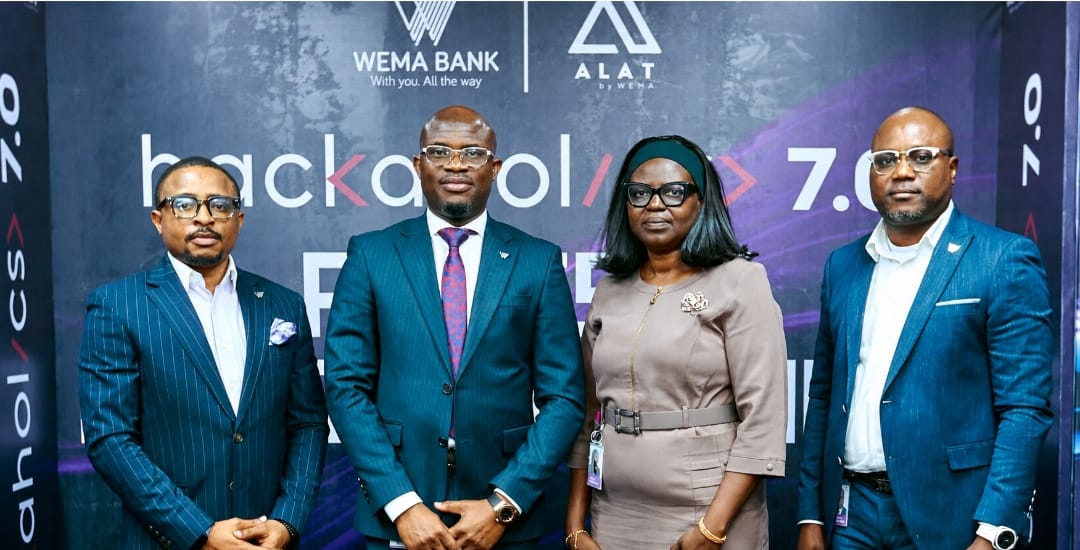
Wema Bank, Nigeria’s oldest indigenous national bank, most innovative and pioneer of Africa’s first fully digital bank, ALAT, has announced the 7th edition of its flagship innovation initiative, Hackaholics. The announcement was made at the official press conference which took place on July 1, 2026, at the Wema Bank Head Office in Lagos, Nigeria.
Launched in 2019, Hackaholics is Wema Bank’s youth and tech-focused initiative designed to serve as a platform for young Africans with creative, game changing, tech-driven ideas and products, to bring their ideas to life. Since its launch, Hackaholics has discovered thousands of groundbreaking solutions, supported over 10,000 startups, engaged 50,000 participants, developed over 100 solutions from scratch and disbursed $500,000,000 in grant prizes to dozens of winners whose remarkable solutions have earned a top spot in the past 6 editions. With the launch of Hackaholics 7.0, Wema Bank is set to execute the biggest Hackaholics edition yet.
Themed “Powering Possibilities”, Hackaholics 7.0 will kick off with an open call for applications, calling on all young Africans with creative tech-driven solutions across any of the 7 verticals: Financial Inclusion, Healthcare, Digital Transformation, Education, Sustainability, Social Impact and Future of Work. Each application is to be made via the portal at hackaholics.wemabank.com, under one of three tracks: The Startup Pitch Competition, Hackathon and the newly introduced Social Impact track. Following the application window, Hackaholics 7.0 will then proceed on a national tour which will touch 10 pitch centres across the six geopolitical zones of Nigeria. Each pitch centre will serve as a hub for innovators within the region to pitch their creative solutions and get the opportunity to secure the top spot in their pitch centre, and ultimately, proceed to the grand finale where the winners of Hackaholics 7.0 will be announced.
Speaking on the Bank’s inspiration behind Hackaholics’ exceptional seven-year journey, Wema Bank’s MD/CEO, Moruf Oseni, reiterated the Bank’s commitment to powering innovation, empowering youth and promoting economic growth in Africa. According to him, “At Wema Bank, we believe that institutions have a responsibility that extends beyond providing commercial services. We have a responsibility to create meaningful opportunities, provide the right resources, enable innovation to thrive, and support the ecosystems that will shape today’s youth as well as tomorrow’s economy. This sense of responsibility is what has driven the evolution of Hackaholics from inception till date. With Hackaholics, we have, and we are investing in the next generation of innovators, inspiring innovation that will impact lives, strengthening Nigeria’s innovation ecosystem and giving youth a platform to make meaningful use of their creativity; and the numbers continue to speak volumes”.
Declaring the application window open, Tajudeen Bakare, Wema Bank’s Divisional Executive, Business Support, added, “As we launch Hackaholics 7.0 today, we are opening up a new phase of opportunities for more Nigerian youth to challenge themselves, explore their creativity and become startup founders. I encourage every young Nigerian with a passion for innovation to leverage the opportunity that we have carefully curated through Hackaholics and get ahead of the curve in today’s dynamic work landscape. Together, we can continue to build an ecosystem where innovation flourishes, opportunities expand, and young people are empowered to create solutions that shape the future”.
Hackaholics 7.0 is free, and open to any Nigerian youth who has innovative ideas and solutions to pitch. Interested startups and innovators can apply at hackaholics.wemabank.com. All updates on the Hackaholics 7.0 journey will be made available on the Bank’s website @wemabank.com as well as its social media platforms @wemabank and @alat_ng.
Africa’s First Fully Digital Bank, ALAT By Wema Is Getting An Upgrade
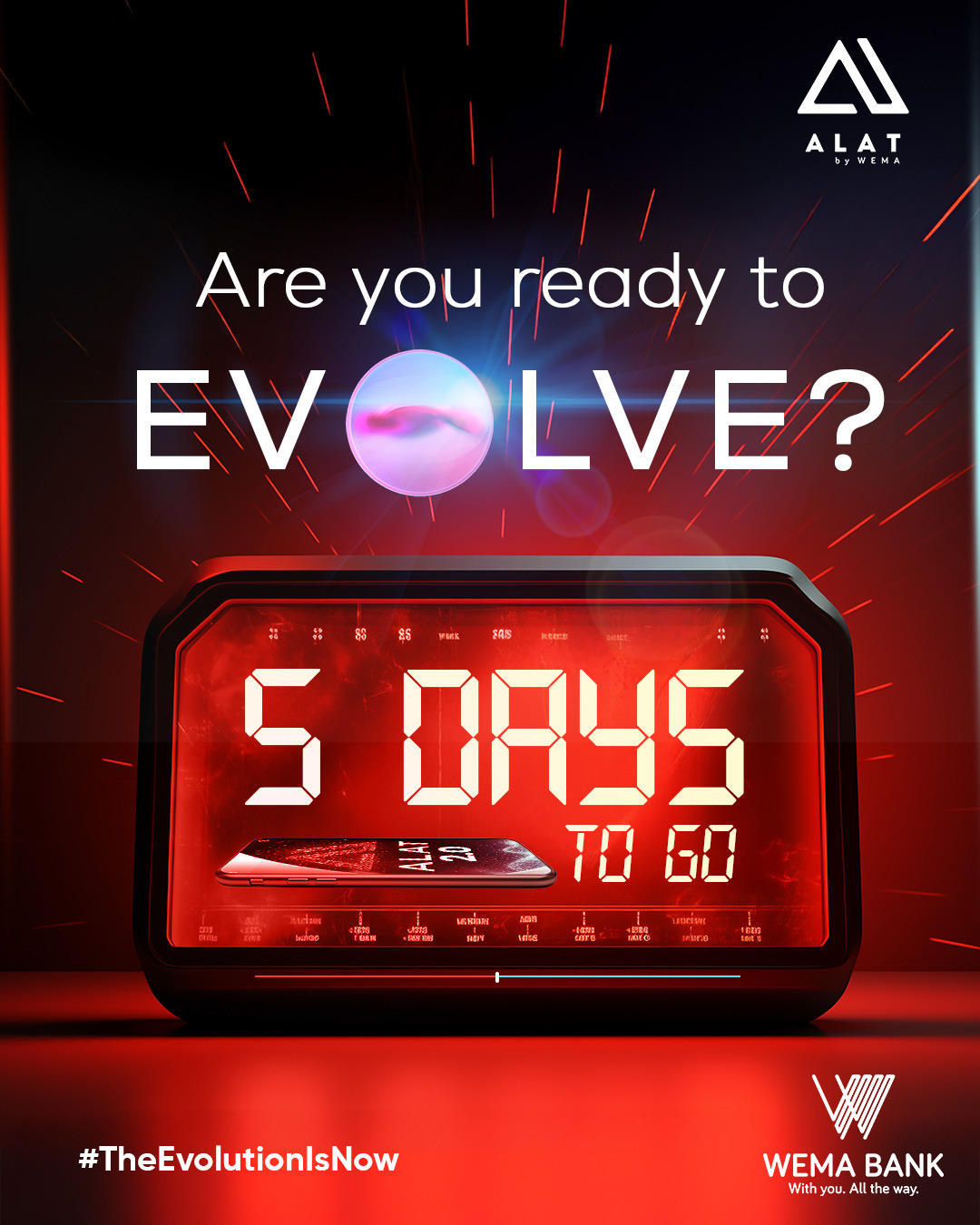
Wema Bank is once again redefining the future of banking with the upgraded version of ALAT scheduled to go live in January, 2026. Tagged ALAT: The Evolution, the upgraded version of ALAT will once again set the standard on the next chapter in the banking industry.
With ALAT: The Evolution, Wema Bank is pushing the envelope even further. It represents a thoughtful evolution of everything users already love about ALAT; redesigned to feel more intuitive, more responsive, and more personal. From faster interactions, to a smarter understanding of user behavior, to the introduction of SAW (Smart ALAT by Wema, an AI assistant on the ALAT App), the upgraded ALAT will show how far digital banking has come, and how much further it can go when innovation is intentional.
When ALAT by Wema first launched in 2017, it made history as Africa’s first fully digital bank, changing how millions of people viewed and experienced banking. With the upgraded version of ALAT, Wema Bank is again reaffirming its position as the most innovative Bank in the banking industry.
Wema Bank Unveils ₦120M Grand Prize Pool as 35 Teams Advance to Hackaholics 6.0 Finale
Wema Bank, Nigeria’s most innovative bank and pioneer of Africa’s first fully digital bank, ALAT, has announced a ₦120 million prize pool for the Hackaholics 6.0 Grand Finale. This announcement follows the emergence of 35 teams from regional pitch sessions that recorded 1,460 participants across seven cities in Nigeria.
Announcing the prize structure, MD/CEO Wema Bank, Moruf Oseni, disclosed that the ₦120 million will be awarded across several winning categories at the finale. The Ideathon prizes include ₦25 million for first place, ₦20 million for the first runner-up and ₦15 million for the second runner-up. In the Hackathon category, the first to fourth-place teams will receive ₦20 million, ₦15 million, ₦10 million and ₦5 million respectively. In addition, two women-led innovations, one from each vertical, will receive ₦5 million each in recognition of Wema Bank’s commitment to advancing female participation in technology and innovation.
According to Moruf Oseni, “Hackaholics continues to demonstrate the power of young people to shape the future of technology and nation-building. We believe strongly in the ideas, resilience, and ingenuity of the Nigerian youth, and our investment in this initiative is a clear testament of our commitment to giving them the resources, mentorship, and platform they need to transform their ideas into real-world solutions. As these finalists head to Lagos, we are confident that their innovations will create meaningful impact across industries and communities, and we are proud to be a champion for that transformation.”
The 35 finalist teams emerged from a regional pitch cycle that received over a thousand applications across eight pitch centres: Ahmadu Bello University (ABU Zaria), Federal University of Technology Akure (FUTA), Lagos State University (LASU), University of Uyo (UNIUYO), Babcock University, University of Ibadan (UI), Veritas University Abuja and Purple Academy Lagos. Each centre provided students with access to industry-led masterclasses, hands-on mentorship and structured pitch development sessions, culminating in highly competitive presentations before expert judges.
The finalists include 17 Ideathon teams, 12 Hackathon teams and six women-led teams, each tackling challenges across fraud detection, customer experience, onboarding, acquisition, credit management and other social impact areas. All teams will participate in a three-day pre-finale mentorship and shortlisting programme ahead of the Grand Finale in Lagos.
Finalists expressed excitement about advancing to the Lagos finale and the opportunities ahead. The team leader of Veritas’ Hackathon winner, Tensor, Medugu Wali, shared the reason they are participating in the competition. “We built ‘Wallet Padi’ because we believe it can genuinely improve how Nigerians manage their money. Advancing to the pre finale leg of Wema Bank Hackaholics is a big step toward bringing that vision to life, and we appreciate Wema Bank for creating this platform.”
Babcock’s Ideathon winner, Akobundu Gift, a participant who had earlier attempted the Hackaholics challenge in 2023 but didn’t win, expressed great enthusiasm at the prospect of moving on to the next stage. Extending his gratitude to Wema Bank, he reminisced on the journey of his Startup, ‘Chao’. According to him, “Chao started as a small campus food-delivery idea in 2023, and it has grown far beyond what we imagined. Reaching the Hackaholics finals again reflects how much we’ve evolved. We’re grateful to Wema Bank for the opportunity and excited to compete at the next stage.”
Ogunlana Tosin, founder of Eutopia.ai, the women-led project winner at Veritas University, also shared her joy after being announced winner at her Pitch Centre, adding “Not making it at Babcock was honestly painful, but we were determined to win so we took the feedback, refined our solution and returned to try again. Advancing beyond the preliminaries this time showed me what’s possible when we don’t give up. I’m truly grateful to Wema Bank for this opportunity and for continuing to champion women empowerment, helping women-led innovation to thrive, and supporting women through initiatives like SARA,” she said.
Since its inception in 2019, Hackaholics has grown into one of Nigeria’s most influential youth innovation platforms, attracting more than 12,000 applicants across 15 schools and disbursing over $300,000 in funding and support. Between 2023 and 2024 alone, ₦75 million was awarded to women-led teams. With the launch of the Hackaholics Accelerator and Collective Program earlier this year, Wema Bank now provides ongoing support to early-stage founders beyond the competition cycle.
The Hackaholics 6.0 Grand Finale will bring together industry leaders, policymakers, investors and technology experts in Lagos for live pitches, product showcases and the unveiling of Nigeria’s next generation of transformative founders. For more information, visit hackaholics.wemabank.com or follow Wema Bank’s digital platforms.
Wema Bank Empowers Tech Innovators at Akure, Zaria, Ibadan, and Lagos with Hackaholics 6.0
Wema Bank, Nigeria’s most innovative bank and pioneer of Africa’s first fully digital bank, ALAT, has continued to deepen its commitment to youth innovation and entrepreneurship with Hackaholics 6.0, its flagship campus ideathon. This year, the Hackaholics train has toured four Nigeria cities from the Federal University of Technology, Akure (FUTA) and Ahmadu Bello University (ABU), Zaria, to the University of Ibadan (UI) and Purple Academy, Lagos, bringing together some of the brightest young minds in Sub-Saharan Africa to create transformative solutions to real-world problems.
With over 3,000 entries submitted so far, at each location, hundreds of students and young entrepreneurs gathered to receive industry-led masterclasses, and develop ideas aimed at solving challenges in the ecosystem. For four days in each location, participants were immersed in the full Hackaholics experience, from ideation to mentorship to pitch readiness, culminating in high-energy final pitches where the best ideas emerged. In every location, three Ideathon winning teams; including one women-led group and two Hackathon teams walked away with invitations to compete at the Hackaholics 6.0 Grand Finale. These teams now stand a chance to scale their solutions with the backing of Wema Bank’s innovation ecosystem.
Speaking on the initiative, MD/CEO Wema Bank, Plc, Moruf Oseni, said, “Hackaholics has always been about more than technology. It is about empowering young people to think differently, create boldly, and contribute solutions that can move our industry and nation forward. The level of talent and creativity we have witnessed so far further reinforces why we continue to invest in this programme. The innovative ideas and solutions coming out of the participants have the power to shape the future of financial services and beyond, and we are excited to see them come to life.”
Since its launch in 2019, Hackaholics has grown into a cornerstone of youth engagement and innovation in Nigeria. With over 12,000 applicants from 15 schools, and a total of over $300,000 disbursed in funding, including ₦75 million awarded to women-led teams between 2023 and 2024, the program has consistently delivered on its mission to create a vibrant ecosystem where students, innovators, and early-stage founders can collaborate, learn, and grow while building long-term relationships with Wema Bank.
As the Hackaholics 6.0 train continues its journey to more cities before the Grand Finale, Wema Bank remains committed to empowering the next generation of Nigerian innovators. Students and young entrepreneurs are encouraged to visit https://hackaholics.wemabank.com/ for more information on how to participate and submit their entries.
Waves of Innovation: How First Bank turned Lagos into Africa’s Electric Playground By Kazeem Ugbodaga
The Lagos Lagoon glistened in shades of blue and gold as electric powerboats sliced through the water, cheered on by an ecstatic crowd that lined Victoria Island’s waterfront from Saturday, 3 October to Sunday, 5 October. For two unforgettable days, Lagos became Africa’s capital of clean energy, glamour, and innovation, all powered by First Bank of Nigeria, the sponsor of the continent’s first-ever E1 Lagos Grand Prix.
From the rhythmic sounds of Afrobeats echoing across the Marina to the sight of sleek, futuristic boats gliding silently on water, the E1 Lagos GP was more than a race, it was a celebration of Lagos’ vibrant spirit and Nigeria’s march towards sustainability.
President Bola Ahmed Tinubu, in a goodwill message, hailed the event as a bold statement of intent by Nigeria and Lagos, praising Governor Babajide Sanwo-Olu, First Bank, and other partners for delivering a world-class spectacle.
“The E1 Powerboat series combines world-class entertainment with clean energy innovation. This championship is not just a thrilling spectacle on water but a commitment to a greener and more sustainable future,” the president had said at the opening ceremony of the great event on Friday, 3 October.
He described Lagos as “a gateway to innovation, technology, and global sporting excellence,” affirming the nation’s readiness to lead Africa’s transition to clean energy.
Governor Babajide Sanwo-Olu, who led the regatta that opened the event, described the championship as a proud moment for Lagos and a reflection of its global potential.
“E1 Lagos GP is more than a race; it is a celebration of Lagos’ dynamism, the Spirit of Lagos,” the governor said, adding that “It shows our capacity to host world-class events and underscores our commitment to sustainability.”
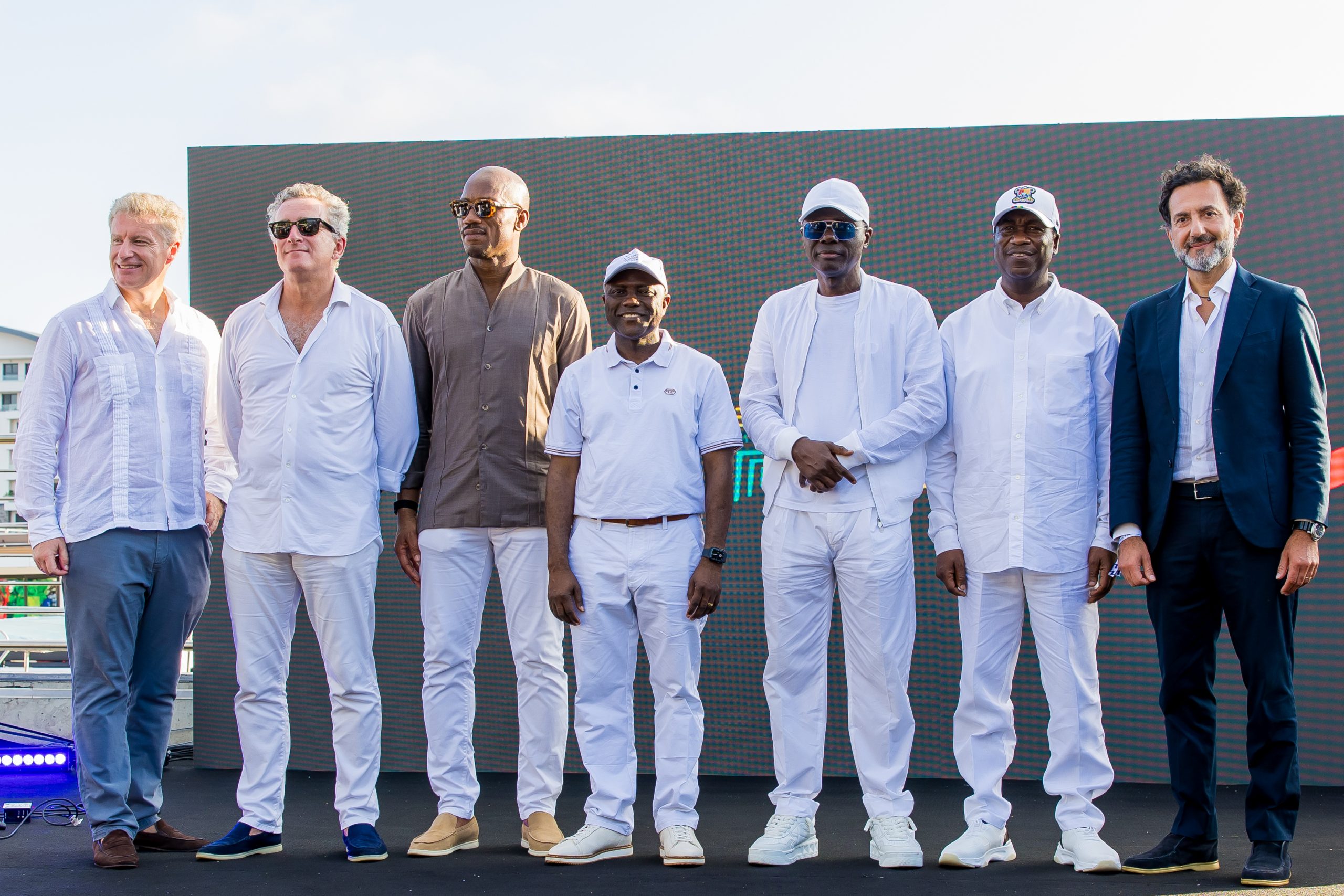
Crowds thronged the Lagos Lagoon and fan zones, having fun, snapping selfies, and soaking in the festive atmosphere. International sports icons, investors, and fans came from across the world, including former Chelsea and Ivory Coast football legend Didier Drogba, co-owner of Team Drogba Global Africa, who added a touch of celebrity magic to the weekend.
For First Bank of Nigeria, the event was not just about sports, it was about making history. Acting Group Head of Marketing and Corporate Communications, Olayinka Ijabiyi, said sponsoring the E1 Lagos GP reflected the bank’s heritage of innovation and renewal.
“Innovation, sustainability, excitement, speed, we are a heritage bank that has been around for 131 years, and for every one of those years, we have constantly renewed ourselves,” Ijabiyi said, saying that “When this opportunity came, who else could bring the first E1 GP to Nigeria but First Bank? We are proud to have presented Lagos and Nigeria to the world.”
At the First Bank Pavilion, visitors enjoyed interactive experiences, lifestyle engagements, and product showcases, while music, fashion, and food added a distinctly Lagos flavour. Families and young professionals mingled with entrepreneurs, all celebrating a fusion of technology, culture, and sustainability, hallmarks of the bank’s brand identity.
“This race is a net-zero emitter,” Ijabiyi added. “We are strong on sustaining the environment and supporting a cleaner, greener future. It’s innovation meeting responsibility.”
The E1 partnership also connects with the bank’s #FirstBankDecemberIssaVybe series, an annual celebration of entertainment and lifestyle that lights up Nigeria’s festive season. “December is the Vybe,” Ijabiyi teased. “This is just a taste of what’s to come-fun, fashion, food, and amazing experiences.”
The finale on Sunday was nothing short of electrifying as Team Brazil claimed victory, with pilots Timmy Hansen and Leva Millere-Hagin steering their electric boat to glory, beating Team Blue Rising and Team Drogba to the podium.
As the sun set over the Lagoon, the waterfront transformed into a sea of lights and cheers, a moment that captured the heart of Lagos: energetic, ambitious, and always ready to lead.
With its sponsorship of the E1 Lagos Grand Prix, First Bank once again proved that it is more than a financial institution, it is a lifestyle brand championing innovation, sustainability, and national pride.
In the words of Latoya Johnson, a Lagosian who attended the event: “I grew up knowing First Bank as the reliable one. Seeing them behind something this big makes me proud. They’re not just banking our money, they’re banking our future.”
From clean energy to cultural celebration, from racing boats to smiling faces, the E1 Lagos GP was a powerful reminder that when innovation meets tradition, the result is pure magic.
The National Biotechnology Research and Development Agency has assured Nigerians of the health safety of genetically modified organisms
The Director-General of NBRDA, Abdullahi Mustapha, disclosed this in a statement on Monday.
Mustapha gave the assurance against the backdrop of ongoing debates and conversations around GMOs, which he described as based on general misinformation.
According to Mustapha, the agency remains committed to bridging the gap of ignorance through evidence-based engagement, sensitisation, and research-driven advocacy.
Mustapha added that the agency’s core mandate is to promote and conduct innovative research in agriculture, health, industry, the environment, and other strategic sectors, based on a commitment to humanity.
“Our top priority is the well-being of Nigerians. We will never compromise public health or safety in the pursuit of innovation,” he said.
Mustapha said GMOs were globally recognised as safe for human health and the environment.
According to him, the approval of GMOs in Nigeria is subject to strict biosafety regulations by the National Biosafety Management Agency.
“It is important for Nigerians to know that GMOs are safe. Around the world, they have been researched for decades, regulated by rigorous international standards, and tested extensively.
“Here in Nigeria, no GMO product enters circulation without the full approval of the NBMA, which subjects every product to thorough risk assessments,” he said.
Mr Mustapha said that the NBRDA has intensified efforts to sensitise and engage stakeholders, including farmers, policymakers, scientists, youth, and civil society, about biotechnology.
He said that through training programmes, community outreach, open forums, and field demonstrations, the agency was rebuilding public confidence and countering misinformation with facts.
The Corporate Affairs Commission has said its newly deployed Artificial Intelligence-driven registration platform, the Intelligent Companies Registration Portal, now handles over 11,000 company registration and compliance cases daily.
According to the commission, the portal recently processed 8,000 name reservation requests in a single day.
It noted that this same task used to take at least two weeks to complete under the old manual process.
The commission clarified in response to complaints of poor service delivery and technical hitches on its newly launched Artificial Intelligence-powered registration portal.
A statement signed by the management of the Corporate Affairs Commission and sent to our correspondent on Sunday pleaded for patience in direct response to teething challenges and complaints from users, particularly legal practitioners and business owners, over alleged glitches and delays on the agency’s newly deployed online registration portal.
However, the commission dismissed claims
insinuating poor service delivery and falsely portraying it as a threat to the ease of doing business in Nigeria.
The statement said, “In accordance with provisions of the Data Protection Act,2023, the Commission in its newly deployed Intelligent Companies Registration Portal, introduced additional security checks to, amongst others, prevent users from surrendering their access to third parties or operating multiple suspicious accounts.
“The ICRP requires that for each transaction with the CAC, a One Time Passcode, OTP must be generated, and it goes straight to the email or phone number of the original account holder.
“The newly deployed ICRP is no doubt a cost-effective system for our valued customers, as they no longer lose money on checking availability.
“The innovation has ensured that customers only proceed to payment after securing the name.
“The ICRP has so far been speedily responding to applications as it now treats over 11,000 cases per day.
“Interestingly, as of Friday, 16th July, 2025, 8,000 Name Reservation requests were received and processed.
“This is no doubt a feat that hitherto requires a minimum of 2 weeks to complete.”
Defending the portal’s performance, the CAC said the system had “greatly improved service delivery” and noted that over 3,000 emails are now handled daily, a volume that necessitated its automation drive.
Although the Commission admitted the transition phase came with “some expected teething challenges,” it assured customers that feedback from stakeholders was being integrated.
“We are not unmindful of complaints, but we are fully committed to delivering better quality services.
“The portal will soon perform optimally as a true champion of service excellence,” it said.
On the issue of registration delays due to data verification, the CAC clarified that glitches from the National Identity Management Commission had prompted it to adopt alternative technology to verify users’ details, while also ensuring real-time payments through expanded gateway options.
“The Commission already forwarded a request for additional payment gateways, and it is receiving due attention,” it noted, adding that the ICRP integrates with trusted partners such as Remita for stamp duty and service payments.
To enhance data privacy and curb abuse, the CAC said its new portal complies with the Data Protection Act 2023, introducing stricter access controls including mandatory OTP authentication per transaction.
“This ensures users do not surrender access to third parties or operate suspicious accounts,” CAC said.
Reaffirming its stance on reform, the CAC described the AI portal as a “customer-centric innovation” built to align with global best practices and improve Nigeria’s ease of doing business rankings.
“Our goal remains simple: to emplace processes and frameworks that will stand the test of time in corporate service delivery,” the Commission stated.
Is MTN Nigeria Running a Data Empire or a Criminal Scheme?
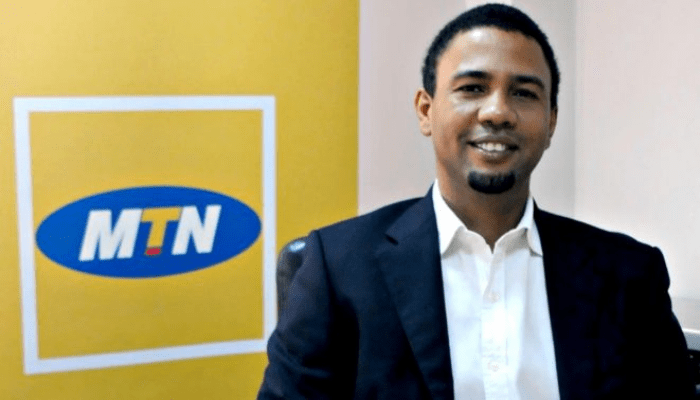
MTN CEO
President Bola Ahmed Tinubu’s effort to open up the digital economy is facing serious challenges, which are coming in the form of data exploitation. The move is having a negative telling effect on many, especially at a period when the economy is obviously struggling. It is obvious that data is the currency of participation in the government-planned digital economy drive.
It is therefore surprising that MTN Nigeria, a company that promises to be a partner in this revolutionary drive, has been engaging in underhand tactics to derail the growth of the country’s digital growth drive, as investigations have revealed it is manipulating usage metrics to inflate data consumption and extract more value from unsuspecting Nigerian users.
A growing body of evidence suggests that Africa’s largest mobile operator, valued at over ₦5.98 trillion as of May 2025, has been neck-deep in practices that amount to consumer fraud on a national scale, and at the center of the unfolding controversy is Mojisola Savage, a computer science student and aspiring AI engineer whose personal investigation is now exposing what she believes to be systemic manipulation by MTN.
Her journey began on May 1, 2025, when she purchased 165GB of data from MTN to support her studies in technology and machine learning. Surprisingly, the telecommunication company sent her a message within just seven days that the data was fully exhausted despite what she describes as minimal usage.
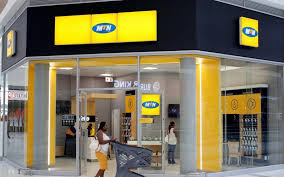
MTN Service Center
Systematic Testing on MTN Router That Uncovers MTN Discrepancies
Annoyed and determined, Mojisola Savage on May 9 repurchased 165GB of data, but this time, she decided to conduct a detailed test, monitoring her data usage through three independent sources available:
Actual usage logs from her Huawei 4G router,
Daily SMS usage summaries sent by MTN, and
Data balance readings from the official MTN mobile app.
Initial findings of her investigation revealed inconsistencies; SMS alerts were erratic, with missing updates, especially on May 10, when no update was sent, and, as anticipated, it was declared on May 16 that the data she purchased about seven (7) days earlier was depleted, even though her logs showed far less usage. The contradictions of the recorded data usage were so obvious and alarming; for example, on May 16, when MTN claimed her entire 165GB was used up, her router logs indicated only about 17GB had been consumed.
Date MTN SMS MTN App
May 9 22GB 22GB
May 10 (No SMS) 77.98GB
May 11 4GB 4GB
May 12 2GB 2GB
May 13 6.9GB 6.7GB
May 14 6.1GB 5.9GB
May 15 48GB 47GB
May 16 (No data) 17GB
The Confrontation
Believing she had gathered enough evidence to demonstrate a major fault in MTN’s system, Savage visited the MTN service center at Shoprite, Victoria Island, presenting full screenshots of her router logs, MTN SMS alerts, and app records.
But to her surprise, the MTN staff claimed that on May 10, the exact day no usage alert was sent, Apple Services alone had consumed 80GB of data. What the staff is saying is that despite the fact that she’s not using Apple TV or upgrading her Apple phones, her phone was said to have consumed a whopping 80 GB in a day, which incidentally was the day they skipped sending usage SMS.
This further confirmed her suspicion of a carefully orchestrated data fraud racket by the telecommunication company, as it seems more than just a billing error but a manufactured justification to cover up a much deeper problem.
MTN Service Center
In the course of seeking clarification on the initial discrepancies, Mojisola Savage later discovered another contradiction in the readings of the 3rd independent monitoring source while still at the MTN center: when her MTN-issued router dashboard showed zero, the MTN mobile app reported she still had 19 GB remaining, whereas the two (2) sources are both being operated by MTN, and the fact that they completely contradicted each other means there is indeed something fishy.
“Right there, I realized something was very wrong,” she said. “MTN’s claims didn’t just fail to add up; they actively canceled each other out.” She concluded.
A Controlled Experiment: The 200GB Test
Determined to remove any remaining doubt, Mojisola Savage takes her investigation a notch higher. While still at the MTN service center, she purchased 200GB of data and configured her Huawei MTN-issued router with precise internal bandwidth management rules:
Limit total usage to 50GB out of the 200GB.
Trigger a notification once 80% of that limit (40GB) was reached.
Automatically cut off internet access when 50GB was fully consumed.
This setup would ensure that no more than 50GB could possibly be used under any condition.
According to her, “This time, I wanted to monitor every byte directly from the device, isolated from any external interference, especially from MTN.”
But like the proverbial witch that cries a day before a death occurs, just five (5) days later, MTN once again claimed that the full 200GB had been consumed. Whereas, the router’s own dashboard reported a mere 12GB of actual usage, making it convincing that data usage fraud is actually being perpetrated by the telecommunication company.
Below is what the daily breakdown from data reading that MTN SMS and App showed:
Date MTN SMS MTN App
May 16 2GB 212MB
May 17 (No SMS) 47GB
May 18 28GB 28GB
May 19 (No SMS) 27GB
May 20 (No SMS) 112GB
“According to MTN, I used over 40GB per hour between 1am and 3am on May 20,” Savage said. “That’s impossible. What can one person possibly do to burn through 40GB in an hour? Stream? Maybe I was watching 100 8K movies simultaneously?” she queried.
Suspicious and frustrated, Savage did what any basic network engineer would do: she pulled the internal usage logs directly from the router.
What she found was damning, because as of the time of writing this article, the router shows just 28GB total usage, a far cry from MTN’s claim of 200GB consumed. And unlike MTN’s invisible systems, the router’s logs can be audited, verified, and tested.
To validate her findings, we reached out to a network infrastructure expert, a certified Cisco and Huawei systems engineer with 12 years of experience in enterprise-grade broadband networks, to give us an expert and independent opinion about contradictions, and he explained that the routers are reliable.
In his words, “If properly configured, routers with bandwidth controls are highly reliable. They don’t just track traffic; they enforce limits.” He explained further. “In a case where the router shows 28GB and the provider claims 200GB, I would trust the router, especially when there’s a hard cutoff configured. For MTN’s numbers to be right, either the router is lying or something more concerning is going on.” He concluded.
Mojisola Savage, when contacted about the expert’s opinion, also gave her view. “We all know that a router can be audited. But can MTN’s accounting be audited the same way?” Savage asked. “Because if the router is right and all signs point to that, then MTN has some serious explaining to do.”
MTN Head Office
A Pattern of Evasion and Silence
Since the discrepancies first emerged, Mojisola Savage has made multiple formal requests to MTN, asking for a detailed breakdown of her data usage, something that includes timestamps, application logs, IP addresses, and traffic volumes. Till the time of publishing this report, the telecommunication company has refused to provide any such report.
All efforts to get the side of MTN have also proved futile, as the company is maintaining total silence; even messages sent to their social media handles were left unattended. This, we believe, is with the hope that the discovered fraud will die with the silence, but rather Savage keeps pressing on, seeking answers on their continuous silence. In her statement, “Why won’t they release a breakdown?” she asks. “Because it would have to match the router’s bandwidth logs, and it won’t. That’s why they’re hiding behind silence.” She suggested.
In the process of her investigation, she had meticulously preserved every piece of evidence: SMS alerts, screenshots from the MTN app, daily usage reports, and router bandwidth logs directly from the admin interface. She even maintained a full timeline of her activity, down to the minute.
She further revealed that “Since this started, I haven’t touched the router. I’ve kept everything intact,” she said. “If MTN tries to challenge me, I have the facts. I can show exactly what happened.”
Despite repeated follow-ups, MTN’s only responses have been generic messages and contradictory claims, none of which address the specific evidence Mojisola Savage has documented. The silence, in her view, is no longer just frustrating; it is a confirmation of a misdeed by the company.
Fraud, Incompetence, or Both?
At the heart of this controversy lie two questions. Savage argues that
Either the Huawei router’s bandwidth tracking is severely flawed, which is improbable, given the device’s global reliability and its complete independence from MTN’s internal systems,
Or MTN is knowingly fabricating usage data, attributing inflated consumption to vague background processes like the “Apple Services” to justify premature data depletion.
The question is why MTN is not releasing the logs if they are sure they have nothing to hide. It is expected they will treat her case as an example by releasing the logs to counter the claim together with a powerful press statement to back it up and clear the image of the company, but instead, they were hiding behind silence to shrug off accountability.
Another point is taking into cognizance the fact that Huawei’s routers have been tested by governments, corporations, and telecom providers worldwide, and they were found to be dependable and hardly a candidate for arbitrary failure. Whereas in contrast, MTN has offered no third-party verifiable data, no access to internal traffic reports, and no plausible explanation for the discrepancies.
Thinking about the MTN staff’s explanation, a bemused Mojisola Savage quipped, “Apple Services? On a non-Apple network setup? That’s not just suspicious; it’s absurd,” she said. “This isn’t a glitch. It feels like a system that’s been optimized for silent overcharging.”
Not an Isolated Case
Savage’s story is far from unique. Across social platforms like X (formerly Twitter), thousands of Nigerians have reported eerily similar experiences: abrupt data exhaustion, conflicting usage reports between the MTN app and SMS notifications, and a deafening silence from MTN when pressed for explanations.
“I bought data on March 19. No usage. No refund. MTN is ripping Nigerians off,” wrote one user on June 2.
Others were more blunt, calling the telco’s operations “digital extortion,” and one even described it as “a Ponzi scheme with airtime.”
Even public figures aren’t exempt. Afrobeat musician Seun Kuti recently took to Instagram to complain about losing over 1 terabyte of data. While he was out of the country
Since beginning her investigation, Savage claims to have uncovered at least 10 friends and acquaintances with similar unexplained data losses often dismissed by MTN without accountability or remedy.
“This isn’t anecdotal anymore. It’s systemic,” she said.
Regulatory Inactions: Aiding or Ignoring?
What makes this situation even more troubling is the deafening silence from the very institutions meant to protect Nigerian consumers. The Nigerian Communications Commission (NCC), the nation’s telecom regulator, has yet to issue a single public statement, let alone demand accountability from the telecom company, despite a growing volume of complaints and evidence.
“How can millions of Nigerians complain, and the regulator say nothing? Either they’re complicit, or they’ve abandoned their role.” Savage retorted in anger.
Critics argue that the NCC’s failure to act is not just negligence; it’s enabling. Without routine audits of telecom data systems, independent verification of consumer usage, or mandatory public disclosures, mobile operators are effectively left to self-regulate.
And in an environment where transparency is optional, exploitation becomes inevitable.
The Case for a Forensic Audit
In light of mounting discrepancies and public outcry, Mojisola Savage, along with a growing number of Nigerians, is calling for a full forensic audit of MTN Nigeria’s data billing infrastructure. The demand is simple: transparency, accountability, and truth.
This audit, she insists, must be conducted independently, under the supervision of a coalition that includes digital rights organizations, consumer protection agencies, and certified cybersecurity experts.
At a minimum, such an investigation should:
* Cross-examine MTN’s claimed data usage with actual router-level bandwidth logs.
Identify and explain inconsistencies between SMS/app usage reports and real-world consumption.
Review the basis of so-called automatic consumption by background services like “Apple Services.”
* Determine whether discrepancies are due to technical faults or deliberate overbilling.
Every Nigerian deserves to know the truth. Is our data being stolen byte by byte, or are they truly unable to explain where it’s going? For a country with one of the world’s most vibrant digital populations that truly wants to open up the digital economy in line with the goals of the President, the answer has never mattered more.
Legacy at Risk
For decades, MTN has positioned itself as a cornerstone of Nigeria’s digital evolution, powering commerce, education, and innovation across the country. But this unfolding crisis raises a stark and uncomfortable question:
Can a company claim to be a driver of digital progress while facing credible allegations of digital exploitation?
For Mojisola Savage, the answer is unequivocal.
“If they can’t explain where my 530GB went,” she said, “then they’ve already lost something more important than data trust.”
As the evidence mounts and public pressure intensifies, MTN now stands at a crossroads: defend its integrity with transparency or watch its reputation unravel byte by byte.
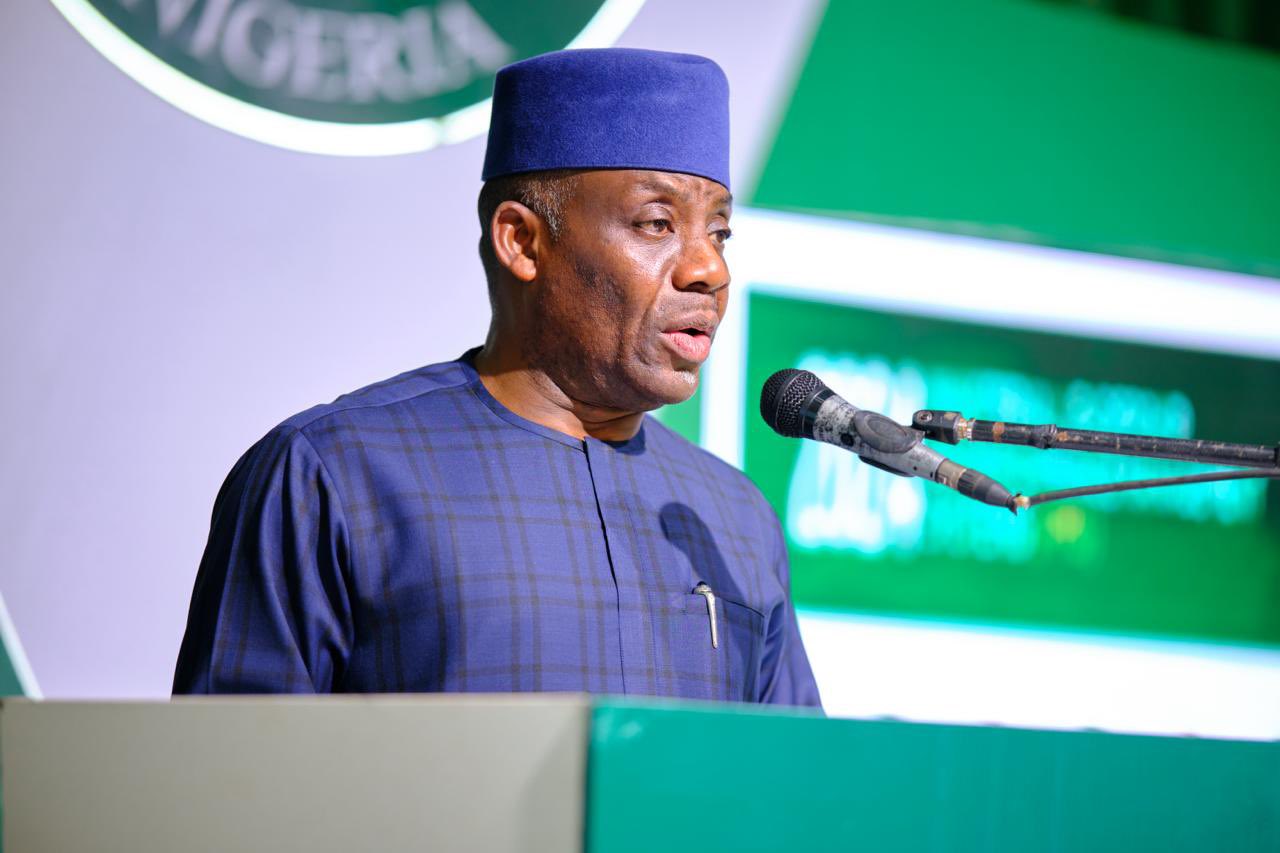
The Minister of Education, Dr. Tunji Alausa, has warned Federal Universities, Polytechnics and Colleges of Education across the country, declaring that any satellite campus established without prior approval through their respective regulatory agencies, the National Universities Commission, the National Board for Technical Education and the National Colleges of Education will face strict sanctions.
This directive was contained in a memo sighted by PUNCH Online on Wednesday, dated May 30, 2025 and addressed to the Executive Secretaries of these regulatory agencies, in which the minister expressed serious concern over the growing trend of unregulated and unjustified establishment of satellite campuses by Federal Universities, Polytechnics and Colleges of Education. The minister, “Many of these newly created Satellite campuses lack the necessary academic, strategic, and infrastructural backing to justify their existence.”
Alausa emphasised that the unapproved proliferation of satellite campuses undermines the integrity, quality, and sustainability of Nigeria’s tertiary education system.
“Rather than focusing on improving existing campuses, some Vice Chancellors, Rectors and Provosts are diverting limited resources to set up inadequately equipped new Satellite campuses, which is counterproductive and detrimental to educational standards,” the minister stated.
Alausa directed the three regulatory agencies, NUC, NBTE and NCCE, to “Formally inform all Federal Tertiary Institutions under their purview that henceforth, no satellite campus is to be established without the express approval of the Minister of Education through these regulatory agencies.”
He further stressed that “Failure to comply with this directive will not be treated lightly and will attract appropriate disciplinary measures.”
Startups and businesses across Africa have been invited to showcase their innovations at the upcoming Lagos Startup Expo, scheduled for June 18–19, 2025, at the Landmark Centre, Victoria Island, organisers disclosed in a statement on Tuesday.
With the theme ‘Connect, Invest and Innovate’, the Lagos Startup Expo 2025 promises to bring together the brightest minds, boldest startups, and most influential investors for two days of discovery, networking, and opportunity.
The organisers described the event as the premier platform for businesses, startups, entrepreneurs, investors, and tech enthusiasts to connect, collaborate, and showcase the very best of African innovation.
The previous edition of the expo drew over 3,000 attendees and nearly 100 startups, with stories of new partnerships, product launches, and business growth echoing long after the event.
This year, the momentum is even greater, with about 200 startups and businesses from different regions expected to take centre stage. Attendees will have a front-row seat to the latest breakthroughs in fintech, healthtech, agritech, logistics, artificial intelligence, and more.
Registered participants can expect a vibrant expo floor packed with live demos, product showcases, and real-time conversations with founders and industry professionals. The event’s open, interactive format is designed to encourage genuine exchanges and build relationships that matter.
For those seeking an elevated experience, VIP passes will unlock exclusive access to masterclasses led by seasoned experts, as well as intimate networking sessions with top founders and investors.
The statement also confirmed that registration is ongoing, with both regular and VIP passes available. Regular passes grant full access to the expo floor, networking opportunities, and all product showcases, while VIP passes offer an enhanced experience, including access to masterclasses and the investors’ lounge.
The organisers added that the Lagos Startup Expo is Africa’s biggest startup showcase, designed to spotlight innovation, foster connections, and accelerate growth across the continent’s growing startup ecosystem.