We refer to the Central Bank of Nigeria Limited (CBN) pronouncement on the reconstitution of the Board of Directors of First Bank of Nigeria Limited.
Further to the press conference held by the Governor of the Central Bank of Nigeria, Mr. Godwin Emefiele CON on Thursday, 29 April 2021, the Boards of FBN Holdings Plc and First Bank of Nigeria Limited were dissolved and reconstituted, pursuant to its power under Banks and Other Financial Institutions Act (BOFIA) 2020.
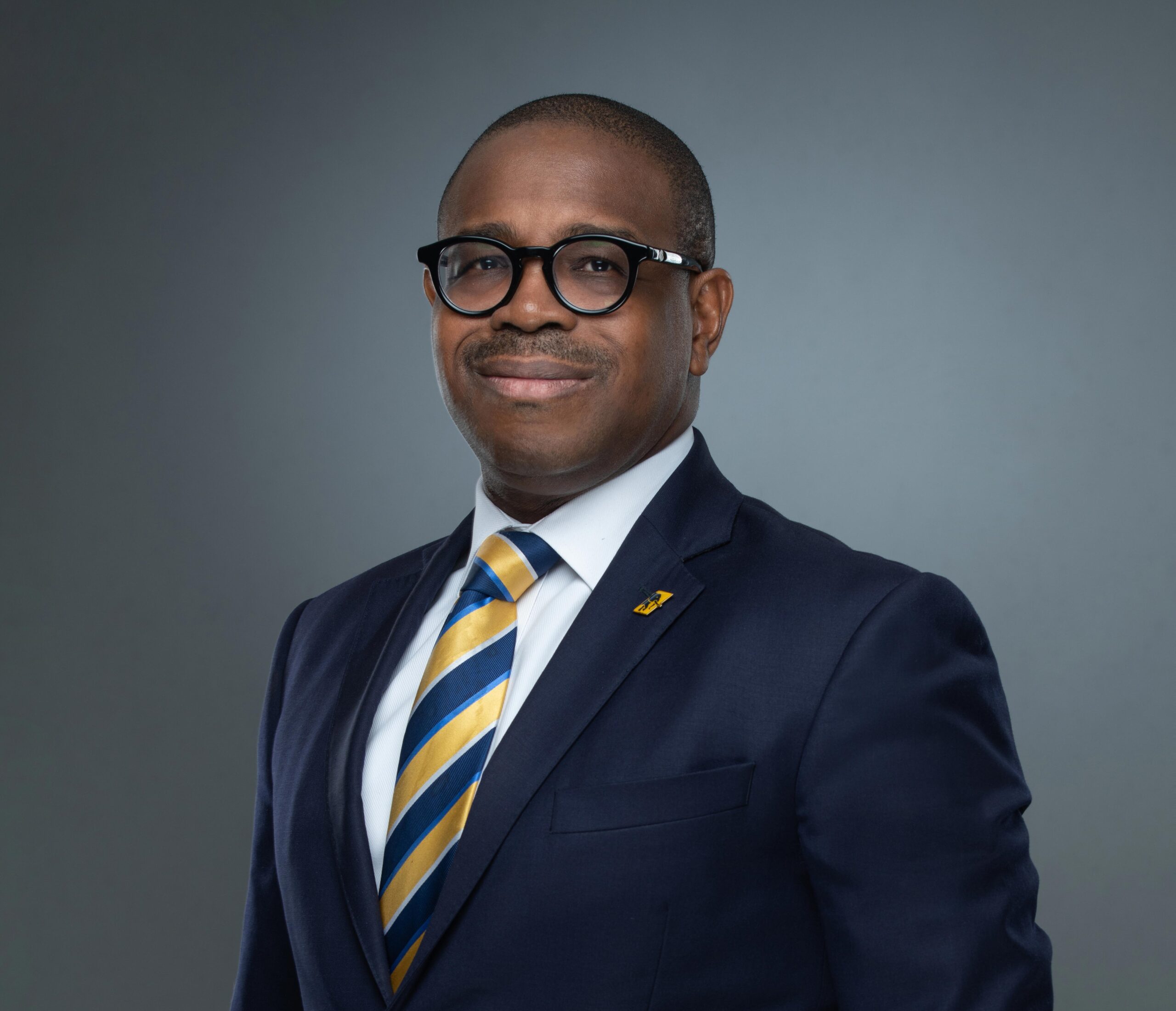
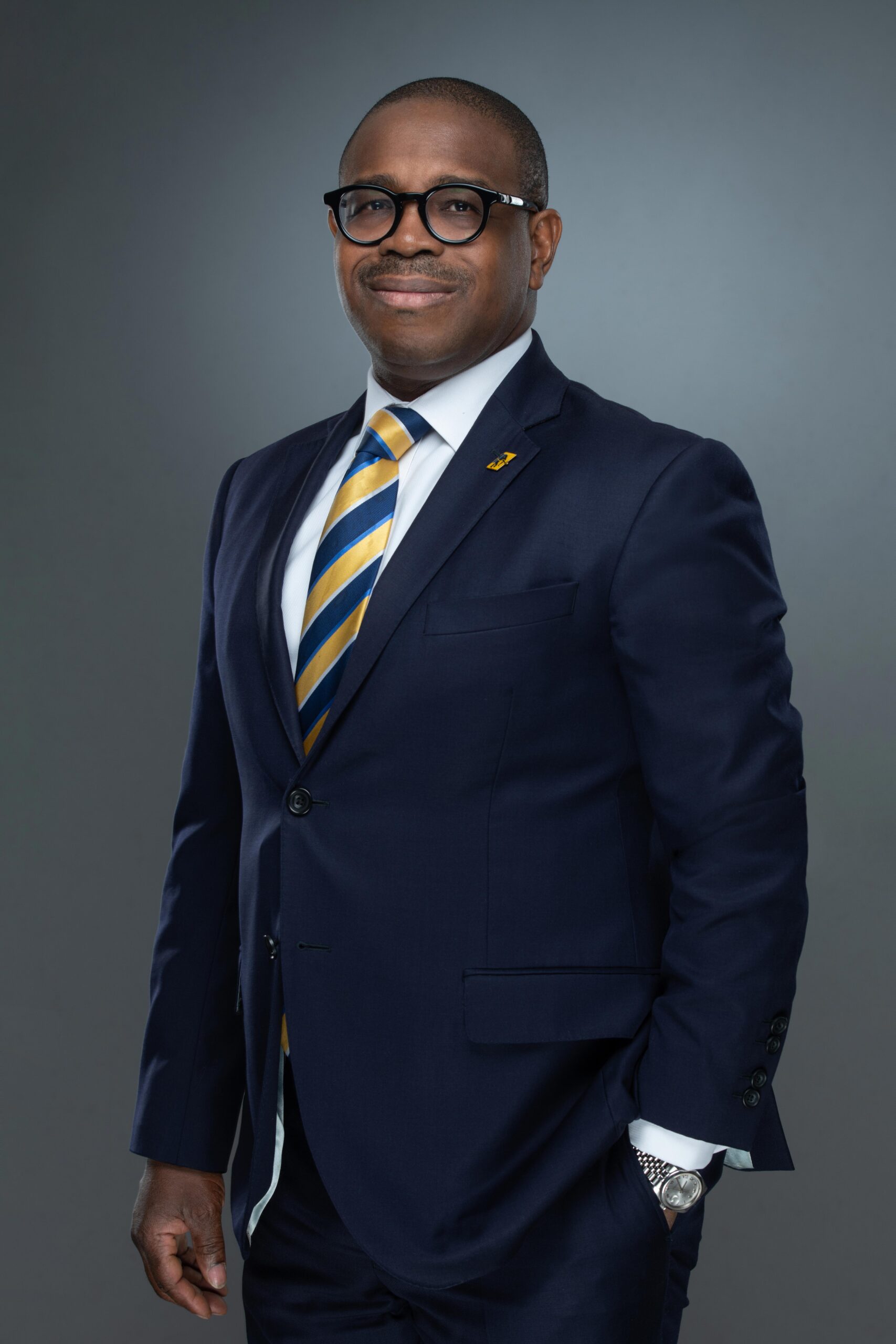
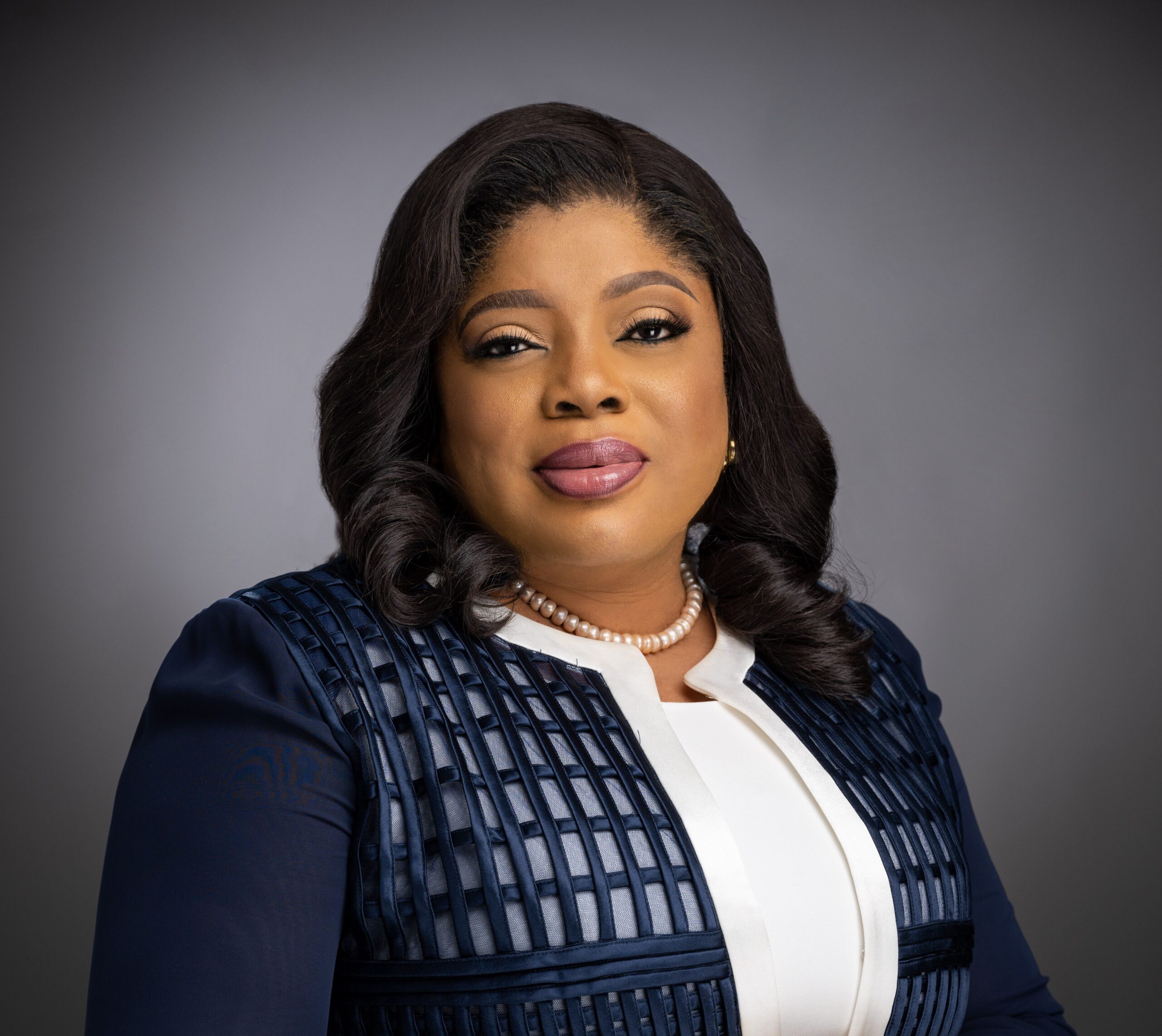
The Board of Directors of First Bank of Nigeria Limited is now comprised as follows:
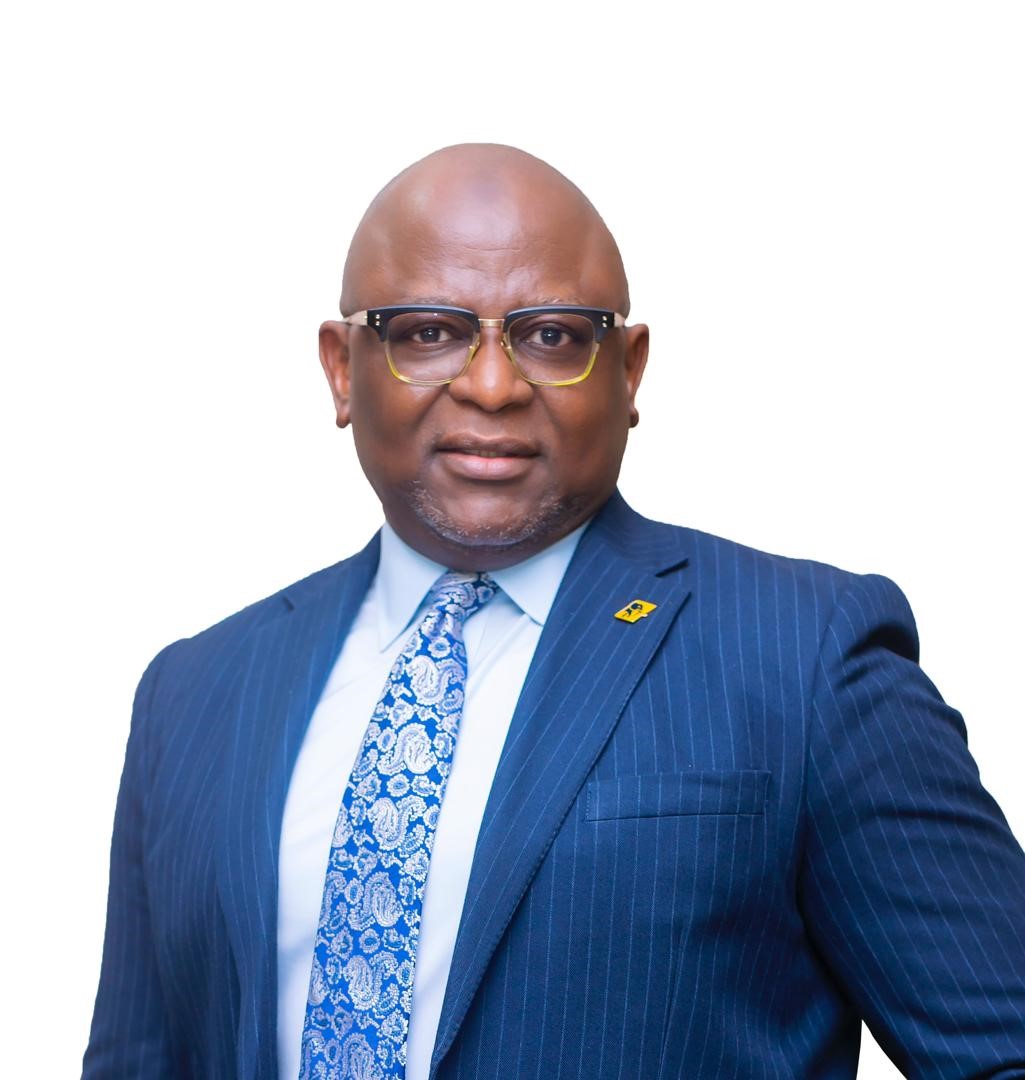
Dr. Adesola Adeduntan has since resumed work as CEO in line with the directives of the CBN.
We can confirm that the Bank is cooperating with the Central Bank of Nigeria and other regulators while the operations of the Bank are not hampered or hindered in any way and are in fact running smoothly.
We further wish to reassure the public, our esteemed customers and stakeholders in the words of the Governor of the Central Bank in concluding his press conference, “The CBN hereby reassures the depositors, creditors and other stakeholders of the bank of its commitment to ensuring the stability of the financial system. There is therefore no cause for panic amongst the banking public, given that the actions being taken are meant to strengthen the Bank and position it as a banking industry giant.”
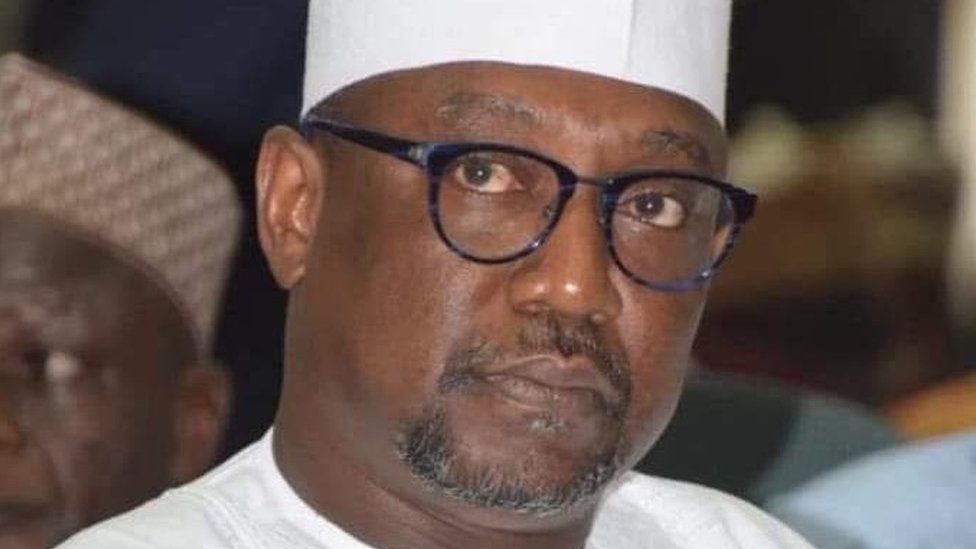
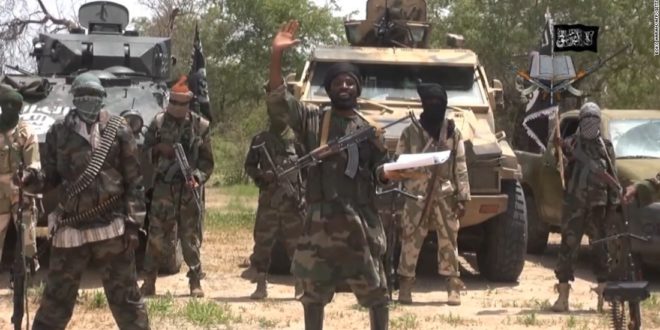
Following the confirmation of the presence of Boko Haram in Niger State by the Niger State Governor Abubakar Bello, it has been gathered that about 65 communities in Niger State have resorted to negotiating and signing a peace deal with the insurgent to avoid future raids.
This development came few days after the terror group displaced more than 5,000 villagers from their homes in some local government areas in the state.
Though the Nigerian Army said it was unaware of Boko Haram’s incursion into Niger State, Wasiu Abiodun, the police spokesperson in the state, said he could not dispute Bello’s claim about the influx of the terrorist group into the state.
He said, “The executive governor is the chief security officer of the state. Are you expecting the police to dispute or go against the pronouncement of the executive governor?”
Our correspondent gathered that communities in Gurmana, Manta, Bassa and Kukoki distrists in the Shiroro area of the state had negotiated with the terrorists for a peace deal after reaching an agreement to pay certain amount of money.
The communities were said to have also purchased at least six motorcycles worth N500,000 for the terrorists.
Yusuf Sani, the co-convener of Concerned Shiroro Youth, said, “This is what most of the communities are resorting to. By my records now, communities that have signed the peace deal with the terrorists are more than 40.
“While some communities have already sealed up deals for ceasefire with the terrorists and are currently reaping the benefits, others are on the verge of finalising theirs.”
Sani also said the communities had paid “not less than N20 million to sign the peace deal with the terrorists.”
President Muhammadu Buhari says he is disappointed he is receiving the blame for the recent attacks in Benue state.
Following a series of killings in the state by gunmen, Samuel Ortom, governor of Benue, had call for the urgent intervention of the federal government.
About 11 soldiers, who were on peace keeping task, were recently killed in the state.
Ortom had also asked the president to rise up and address the nation since he took an oath of office to secure and protect lives and property.
Garba Shehu, presidential spokerson, in a statement on Thursday, said Buhari is pained by the killings, but sad that the governor will blame the attacks on the president.
“He also states his disappointment and sadness to hear Samuel Ortom, the Governor of Benue State, make a litany of accusations against his person and his government following the recent unfortunate incidents in the state,” the statement reads.
“No responsible government takes pleasure in such events as the killing of the military and that of innocent citizens taking refuge in an Internally Displaced People’s camp.
“President Buhari is deeply pained by the terrible acts of violence happening not only in Benue State but also in other parts of the country and expects that the law enforcement agencies will go to every possible extent to catch the perpetrators of these heinous acts and bring them to justice.
“The lives of fellow citizens should not be desecrated by deploying them in political diatribe which unfortunately appeared to be the intent of the string of emotional attacks and blame laid at the doors of the President for those killings by Governor Ortom.
“President Buhari took an oath to defend the life and property of every citizen, a duty he takes seriously and is committed to ensuring.
“Those citizens, regardless of their affiliations, who either incite, sponsor or are proven to be abettors of these atrocities will face the law squarely and be answerable for their crimes against our fellow citizens and nation.”
He said while the president will continue to keep security agencies on their toes, there is a need for cooperation to promote peace.
He said Benue, under the Ortom administration, ought to cooperate with the federal government in the implementation of a number of national programmes to address the underlying issues affecting peace, progress and development.
Buhari, therefore, urged the governor to place the welfare of the people above all other interests.
Members of Boko Haram have taken over farmlands and farming activities in Geidam town, in the Geidam Local Government Area of Yobe State.
The insurgents, who displaced majority residents of the town, were also said to have taken to preaching jihadist sermons to the few remaining people, mostly aged men and women, while also giving cash to them.
Gambo Abdullahi, an indigene of Geidam residing in Damaturu, said the town was still being occupied by the insurgents, while the Nigerian army troops were restricted to the western area.
He said, “The Boko Haram fighters are still in Geidam, they are in charge of the town.
“Since they sent everyone out of the community, they have been preaching radical sermons to the old men and women that stayed behind. After the preaching, they give N20,000 to convince them to join them in the Jihad movement.
“They have also taken over the farms of locals. They are harvesting the villagers’ produce and also weeding out grasses as if they will be in the town or a long time.”
Another local source in Damaturu, Mohammed Saleh, said some of the few people that stayed back in the displaced community had fled by foot to a nearby Kalgeri community.
He said, “Their is no vehicular movement to Geidam town as every vehicle stops at Kalgeri, my parents left Geidam for Damaturu yesterday. They trekked several kilometers to Kalgeri where they boarded a car to Damaturu.”
Meanwhile the Chief of Army Staff, Lt. Gen. Ibrahim Attahiru, during a visit to the operational theatre of the Operation Lafiya Dole in Maiduguri on Thursday, said a cache of arms was stolen from the Nigerian Army base in Mainok by Boko Haram insurgents who attacked the base last Sunday.
He said the war would be won by the Nigerian Army because more arms would be supplied to end the counter insurgency fight.
“We have defeated the Boko Haram insurgents several times. If for one time they came and we lose some equipment, I can assure you we will overcome. The COAS assured.
The Ministry of Finance told the Senate Committee on Army on Thursday that the Federal Government spent N198.84bn to fight terrorism from 2019 till date.
The Permanent Secretary, Special Duties, in the finance ministry, Aliyu Shinkafi, said all the funds appropriated for the war against insurgency had been released to the military authorities.
The Permanent Secretary told the committee that N75bn was appropriated and released in 2019, adding that 7bn was released in 2019.
Shinkafi said N2.5bn was released in 2019 and tagged as ‘administration.’
The Permanent Secretary also told the senators that N75bn was appropriated in 2020 but that N74.99bn was released.
He said, “In the current year, N100bn was appropriated and we have released N19.4bn for the first quarter.
“Just yesterday (Wednesday), we released N19.95bn for the second quarter,” he added.
Ndume however, brought out a letter from the Chief of Defence Staff where he said the military authorities complained that they had shortfall of N50bn as far as releases from the Finance Ministry was concerned.
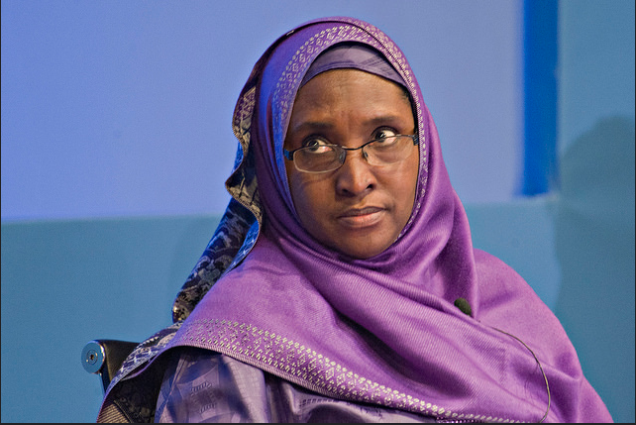
Ndume expressed dissatisfaction with the non appearance of the Minister at the meeting.
He therefore asked the committee’s secretariat to summon her, alongside the Director General of the Budget Office, Ben Akabueze; and the Chief of Army Staff, Maj. Gen. Ibrahim Attahiru for Tuesday.
Ndume said, “Honestly, we are not happy that the Minister of Finance is not here today despite the fact that she was duly invited and she knew the importance of the issue we invited her to discuss with us.
“We were blaming the military but the soldiers are claiming that they have no equipment, arms and ammunition to work with because there was no money to buy them.
“We have invited the minister now to explain why her ministry was not funding the operations of the Army and she is not here. This is not acceptable.”
The committee also asked the ministry officials to come back next Tuesday with details of the releases made from 2019.
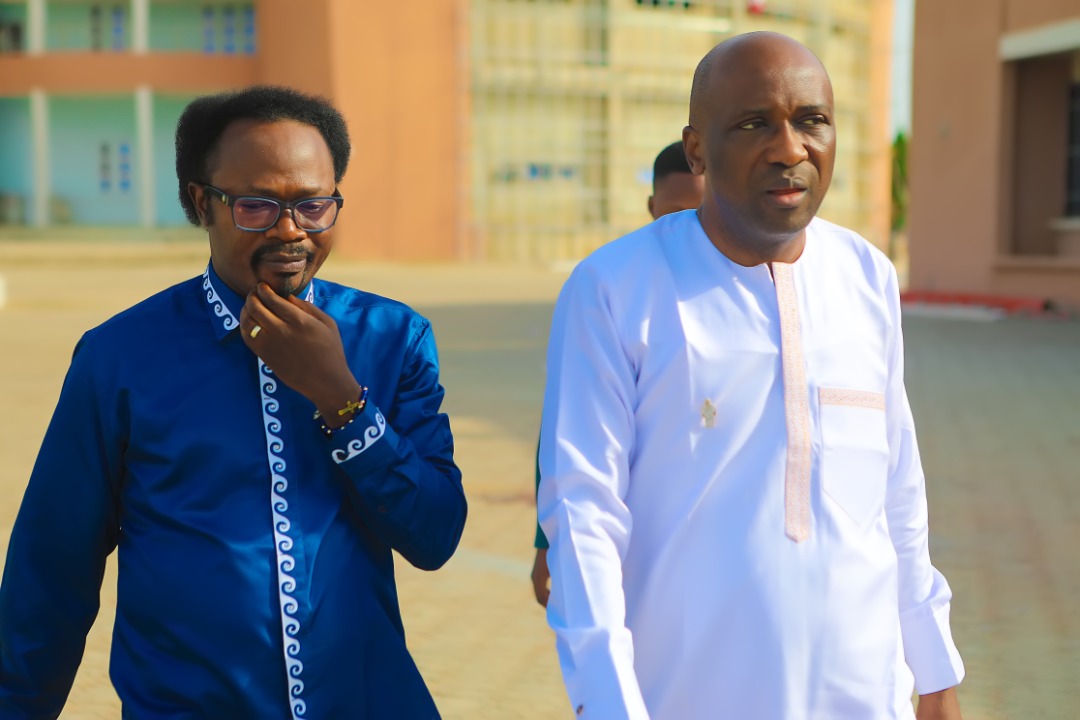
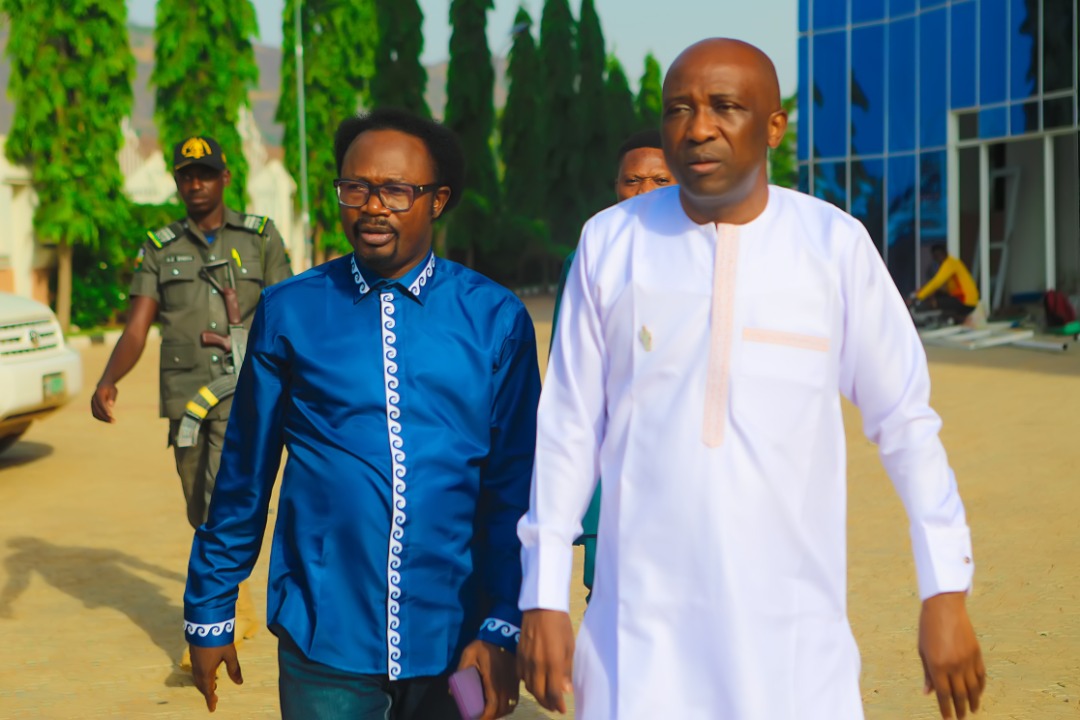
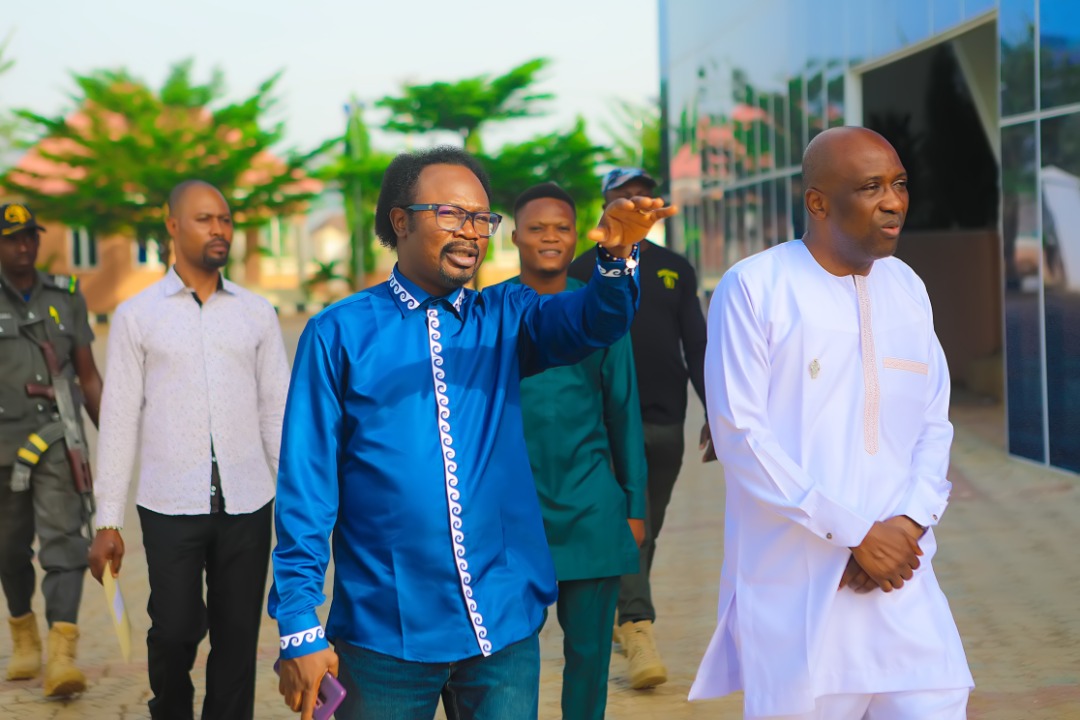
Popular Nigerian prophet, Primate Elijah Ayodele has paid a condolence visit to his friend in the ministry, Prophet Joshua Iginla, the General Overseer of Champions Royals Assembly, who lost his mother, Deaconess Moraimo Lasisi Iginla two weeks ago.
Primate Ayodele during this historic visit described the death of Dcns Moraimo Lasisi Iginla as a huge loss to the body of Christ as she was also a servant of God before she died. He defined her as a great woman of faith, a woman of valour, and a woman whom God has singled out among others to be called Blessed.
He urged his friend in the ministry, Prophet Joshua Iginla to continue with the Legacy his mother left behind as He has always done while encouraging him not to mourn like those without hope because she is definitely resting in the Bosom of Christ.
Also, Primate Ayodele expressed his Love for Prophet Joshua Iginla and his ministry, describing him as a friend and Brother in the ministry. Continuing, He mentioned that they share a border of the same local government from their state in Ekiti.
‘’When I heard about the death of Mama, I was pained because it is a huge loss to the body of Christ. It’s obvious she labored for the Kingdom of God before resting in the Lord’’
‘’I would describe her as a woman of faith, woman of substance, and a blessed woman among others. The bible made us to understand that ‘‘By their Fruit, we shall know them’’ and I can tell that You, My Brother (Prophet Joshua Iginla) as her son tells it all.’’
‘’I want to urge you to continue in the legacy she left behind as you have always done because that is the only way to keep her blessed memory alive’’
‘’As painful as it is, the word of God has made us understand that as Christians, we shouldn’t mourn like those without Hope concerning those who sleep in the Lord because certainly, they are resting in the bosom of the Lord’’
‘‘I am Glad she was a staunch follower of Christ till She rested, May her gentle soul rest in Peace, Amen’’
In his response, Prophet Joshua Iginla appreciated Primate Elijah Ayodele for taking time out to visit him on the death of his mother, describing it as a meeting he will always live to be grateful for.
Furthermore, The two spiritual giants spoke about the insecurity that has befallen Nigeria for many months without any hope of light at the tunnel. It is worthy of note that Primate Elijah Ayodele has always said the solution to Nigeria’s insecurity problem is God only. Therefore, they both agreed to embark on powerful prayers for Nigeria solely against insecurity as soon as possible.
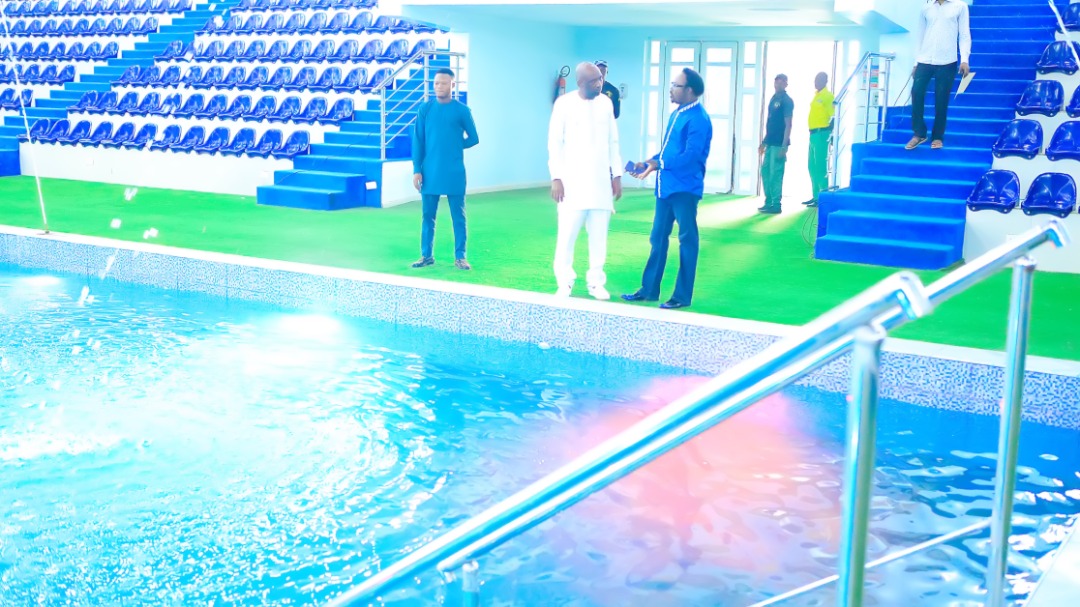
Also, after the meeting, Prophet Joshua Iginla took Primate Elijah Ayodele around his massive church building of 80,000 capacity, including the Pool Of Bethesda in his church.
He also mentioned that the 80,000 capacity building will be dedicated in May while asking for the Presence of Primate Ayodele for the church dedication
Raheem Akingbolu reviews the new FirstBank’s corporate website and reckons that it would go a long way in strengthening the ability of the bank’s patrons and other potential customers in addressing basic banking operations.
Outside the physical identity of any brand, the most accessible door into operations of a company in today’s market is perhaps the website. With digital technology taking the lead in today’s business environment, website has swiftly become the virtual meeting point for sellers and buyers.
As a result of the fact that website can make or mar companies, depending on its message and aesthetic look, companies are now evolving every day to communicate their ideals through their websites. Today, having a website and an online presence give brand promoter opportunity to market their products online.
For the management of First Bank of Nigeria Limited, the new website represents the trending posture of the brand. In line with today’s business environment, the bank has continued to evolve and reposition to strengthening its operational skills. Though ageing, the FirstBank brand is ever young at heart. Through the website, First Bank has been able to present less cumbersome operations and by extension woos potential members of the public to join the FirstBank’s family.
Specifically, the website appears to have demystified online banking. Among other unique features, it allows self-registration of online banking; it makes provision for loan facility and encourages multiple transfers at once.
In a way, handlers of the FirstBank brand show through the friendly site that they are not ready to waste their customers’ time. They are aware that people don’t visit their website because they are looking for somewhere to spend their extra time. The promoters are quite aware that their customers simply want to get to things quickly and that is why the messages on the website speak to the specifics. Technically but smoothly, each category of the products displayed also parades key issues without confusing customers with irrelevant details.
Though an upgrade of the old one, the current website plays up features that are streamlined to reinforce its role in delivering seamless banking and technology solutions to its customers across the world.
The website is configured with modern design and improved functionality that eases customer experience whilst carrying out various activities on the site, including electronic banking. Non-customers are also able to open an account, putting them at an edge in the industry as they establish a relationship with the bank that puts its customers first.
For instance, many analysts have commended the fact that the bank adopts a fresh, magazine-style look and feel for easy navigation in order to promote the access to essential information for its customers, FirstMonie agents, prospective agents and the public. Another beautiful thing about the site is that the upgrade also guides an average customer to make well-informed decisions about one’s personal, business and private financial needs.
There is no doubt the fact that the bank keys into the popular theory that responsive websites are now the rule for institutions, not the exception.
Recent experience in the market place has shown that offering a seamless and consistent user experience, responsive design, allows a single site to serve audiences on all devices and orientations. However, if a company’s analytics show that the percentage of mobile traffic to the company’s site is at least 10% and steadily growing, responsive design is a must for your redesign.
The new FirstBank website is built on a powerful content management system that meets all of the bank’s needs. Meanwhile, some of many basic considerations for institutions, which the new website has explored are; ease of use, features, security and responsive design support.
In financial website, content is more important than ever to a financial website, offering visitors useful information, tools and resources to make better decisions with their money. Again, First Bank explores this maximally.
The bank’s messaging is simple and consistent, and organised in a scannable format for users to digest and take action. Additionally, like all great sites, the site focuses content around visitor’s needs, offering solutions and varied content types.
Being the first impression that its customers gets, website designers often advise that site design should be visually consistent with everything else the audience sees – from customer’s branch to his statement inserts to his emails.
In a way, the design of the FirstBank website is unique, uncluttered and well-planned so it can keep up with the institution’s changes. Another beautiful thing is that the site’s imagery feel distinct and appeal directly to First Bank’s geographic footprint and specific demographics, successfully balancing branded photography and promotional graphics. Each element of the design has a clear strategic purpose, align with the FirstBank brand promise, and send the right message to the bank’s customers.
A senior officer at the Lagos State Police Command has confirmed to PUNCH Metro that a directive had been given for the release of Nollywood actor, Olanrewaju Omiyinka, aka Baba Ijesha, from custody.
The source said due to the ongoing strike by members of the Judicial Staff Union of Nigeria, courts had ceased from sitting and the suspect could not be detained indefinitely without trial.
The source, however, said investigation into the recent allegation against Omiyinka revealed that he did not defile the victim, adding that when she was questioned, the victim confirmed the same.
The senior police officer stated, “There was no case of defilement, people are just talking out of sentiment. They are not talking from the point of law. We interviewed all parties involved in the case for three hours today (Wednesday).
“The mother complained that her child was at the age of seven when she was defiled and the child pointed at Baba Ijesha. But the case was not reported until she was 14 years and under the law, the case has become statute-barred.
“Regarding this new case, the CCTV footage has been assessed and nowhere was it captured that Baba Ijesha defiled her. The footage only showed him touching the victim’s body but it never showed him having any sexual intercourse with the girl. The girl also confirmed the same thing.
“So, in law, it is a case of indecent assault and not sexual harassment, and it is open to bail. So, can we continue to keep him when the offence is subject to bail and when there is no court sitting? That is against his fundamental human rights and the police do not work on sentiments. Directives have been given out for his release on bail.”
Top Nigerian lender, Fidelity Bank Plc recorded a strong financial performance in the first quarter of 2021, posting appreciable growth in profits for the period ended 31 March 2021.
Details of the unaudited results, released at the Nigerian Stock Exchange (NSE) show that Profit before Tax (PBT) grew by 53.9% from N6.6bn in 2020 to N10.1bn for the corresponding period of March 31, 2021. Similarly, Net revenue in the period increased by 13.4% from N30.3bn in Q1 2020 to N34.4bn in 2021, just as the bank recorded growth in other performance indices.
Nneka Onyeali-Ikpe, MD/CEO of Fidelity Bank Plc commenting on the results, stated that:
“We commenced the year showing impressive double-digit growth in profitability and improved performance across key efficiency indices whilst ensuring our business model continued to deliver strong positive results in line with our guidance for the 2021 financial year.
Gross Earnings increased by 7.7% YoY to N55.1bn on account of 66.7% growth in non-interest revenue to N12.1bn from N7.2bn in Q1 2020. In absolute terms, the increase in NIR came from FX related income, digital banking income and account maintenance charge etc. as total customers’ induced transactions across all our service channels increased by 30.4% YoY and 17.1% QoQ.
Net Interest Margin remained unchanged at 6.3% compared to 2020FY as the drop in average funding cost offset the decline in average yields on earning assets. Average funding cost dropped to 2.5% from 3.6% in 2020FY due to a combination of improved deposit mix and a slight moderation in average borrowing cost. This led to 26.2% decline in total interest expenses, which translated to 17.1% increase in net interest income to N28.8bn despite a 4.3% increase in interest bearing liabilities. We refinanced our 7-Yr N30.0bn Tier II Bonds issued in 2015 at 16.48% p.a. with cheaper 10-Yr N41.2bn Tier II Bonds priced at 8.5% p.a., which led to a 61bpts drop in average borrowing cost to 4.5%.
Operating Expenses increased by N1.3bn (6.2%) to N23.0bn largely driven by N4.3bn growth in regulatory charges (NDIC & AMCON Charges). Excluding the increase in regulatory charges, total operating expenses would have dropped by 13.8% (6.1% QoQ) to N18.6bn from N21.6bn in Q1 2020 (Q4 2020: N19.8bn).
Total Deposits increased by 3.1% YTD to N1,751.3bn from N1,699.0bn in 2020FY, driven by 5.5% increase in low cost deposits (Demand: 6.2% | Savings: 4.1%). Foreign currency deposits increased by 15.7% YTD (N46.9bn) and now accounts for 19.7% of total deposits from 17.5% in 2020FY, as we harness the benefits of our renewed drive in Diaspora Banking as well as the recent CBN Naira-for-Dollar Incentive Scheme for diaspora remittances to Nigeria.
Retail Banking continued to deliver impressive results as savings deposits increased by 4.1% YTD to N441.6bn and we are on course to achieving the 9th consecutive year of double-digit growth in savings deposits. Savings deposits was responsible for 32.9% of the absolute growth in total deposits and now accounts for 25.2% of total deposits compared to 25.0% in 2020.
Net Loans and Advances increased by 7.6% YTD to N1,426.3bn from N1,326.1bn in 2020FY. However, the actual growth was 6.8% while the impact of the currency adjustment (2020FY: N400.3/$ – Q1 2021: N407.6/$) accounted for a 0.8% YTD growth in the loan book. Cost of risk came in at 0.4% and the NPL ratio dropped to 3.6% from 3.8% in 2020FY.
Other Regulatory Ratios remained above the required thresholds with liquidity ratio at 33.9% and capital adequacy ratio (CAR) at 18.4% from 18.2% in 2020FY.
We are committed to sustaining our growth trajectory and achieving the long-term strategic aspirations of the Bank as we look forward to delivering another set of good results in the next quarter”.
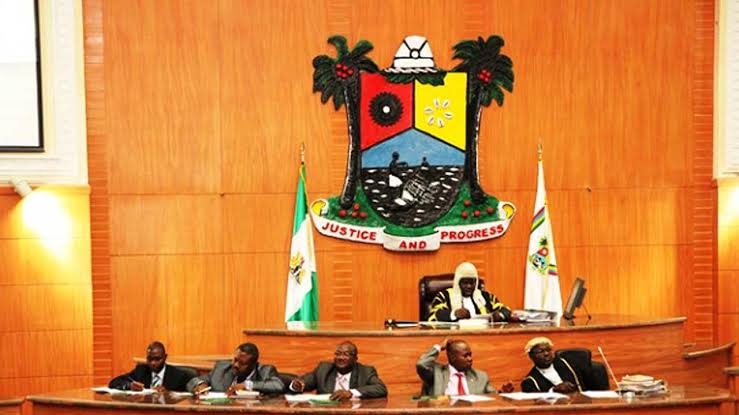
With the rising cases of insecurity in Nigeria, President Muhammadu Buhari must take some bold steps including proper rejigging of the country’s security architecture as well as a consideration for state police, members of the Lagos State House of Assembly have said.
The lawmakers made their positions known on Tuesday when the majority leader of the House, Hon. Sanai Agunbiade, raised the issue under ‘matter of urgent public importance’ at plenary.
They also urged the federal government to get assistance from international organisations if that could help curtail the increased violence, kidnappings and attacks on communities across the country.
Though, they commended the Lagos government for sustaining the security and peace in the state, they urged Governor Babajide Sanwo-Olu to provide Close Circuit Television (CCTV) across the state.
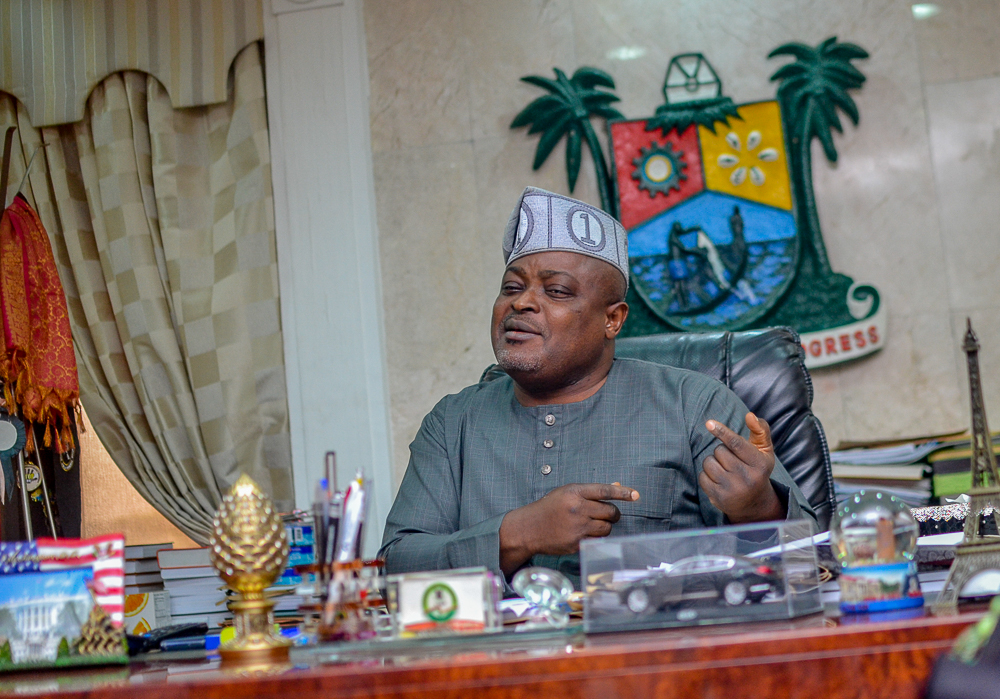
Speaker of the House, Rt. Hon. (Dr) Mudashiru Obasa, noted that there was an urgent need for President Buhari to address the security challenges facing the country with policies that should be friendly enough to attract foreign investments which would help create more employment for the youths of the country.
“We should start developing policies that have human face. The situation that the country’s youth are passing through should be of concern. We have men and women roaming the streets without jobs or anything to keep them going.
“We should do something substantial beyond giving out N10,000 to youths,” the Speaker said adding that the country must not be run in a way that would make any of its component part feel alienated as this would make the people feel like true stakeholders and reduce secessionist thoughts.
The Speaker said the challenge is huge and necessitates a further call for devolution of power.
Obasa commended the National Assembly for speaking out but added that talking alone would not solve the current situation.
He further suggested that the Lagos government should look at the commercial motorcycle operations in the state in view of recent violent clashes and the fact that some of the riders are foreigners whose identities are not known.
“We should increase the number of our security outfits in Lagos State. We should have CCTV around us to prevent what we don’t want in the state. We must be ahead of every situation in our state,” Speaker Obasa said.
Also speaking on the issue, the Deputy Speaker, Hon. Wasiu Eshinlokun-Sanni, said security challenge was multi-dimensional, adding that there was need for massive recruitment into the security agencies.
“We need security summits which should start from states and then national. We also need massive recruitments into our security agencies. This will reduce the number of people the hoodlums are recruiting and also provide employment for the youths.
“We can purchase arms and weapons from foreign countries and let them give us security intelligence reports,” he suggested.
Earlier, Hon. Agunbiade had lamented the recent rise in violence saying that no zone of the country was free.
“The level of insecurity and violence in our country is deepening. Road travels have become nightmarish, students and academic institutions have become target and are attacked with impunity. Even, our military formations are under attack. Villages and towns have been sacked. Community heads are being kidnapped unabated. It’s as if Nigeria is at war with itself.
“As a House, we have to condemn this rising level of insecurity in its entirety. We commiserate with all the states already affected by these attacks.
“We should call on President Mohammed Buhari, Commander in Chief, Federal Republic of Nigeria, to show more concern by overhauling the security apparatus in a manner that will bring us together as a nation,” he said.
Contributing, Hon. Rotimi Olowo (Somolu 1), said the county was in a troubled state. He added that Boko Haram insurgency has spread beyond Maiduguri where it started from.
According to Olowo, it would be difficult to attract foreign investors to the country with this high rate of insecurity. He suggested that the security architecture of the country should be rejigged without sentiments.
“Boko Haram started from Maiduguri and now they have moved to Kaure in Niger State. Several women were kidnapped in a place some kilometres from Abuja. It started in the north, it is now in the South East, South South and South West,” he lamented.
He also noted the violence that occurred in Lekki and Ojo areas of Lagos on Monday recalling that one of President Buhari’s promises was to tackle insecurity.
“Mr. President is experienced as a military man. We need to rejig our security infrastructure. Also, our neighbouring countries such as Niger, Chad and Cameroun are porous,” he said.
On his part, Hon. Lukman Olumoh( Ajeromi Ifelodun 1) lamented the proliferation of firearms into the country.
“Section 14 (B) of the constitution talks about security and welfare. We should look at the roles of West Africa and African Union in all of these.
“There is insecurity in Chad, Niger and other countries. I want to call on African Union, ECOWAS, United Nations to look into these,” he suggested.
Hon. Femi Saheed ( Kosofe 1) said that the country is in a precarious situation.
“There is crisis everywhere. I used to travel from Lagos to Kaduna by road as a student many years back and the people there welcomed me,” Saheed recalled adding that the situation is no longer the same.
Hon. Gbolahan Yishawu (Eti-Osa 2), on his part, said: “Insecurity is everywhere, North, South, West, East. No place is safe. LASU/Iyana-Iba and Lekki were boiling yesterday. The Nigeria police is overwhelmed; they have also become victims. Even the Nigerian Army cannot cope.
“The Federal Government of Nigeria must find new ways, we cannot continue like this. Security and welfare of the people are the primary duties of the government. We are trying in Lagos State, but we need to do more. We need to increase the manpower of LNSC, we must give them more equipment.
“The private sector should donate to our security trust fund. We must motivate the security officers. We need to improve our registration agency. We should also have CCTV in strategic places,” he said.
Hon. Rauf Age-Sulaimon (Amuwo-Odofin 2) said to address the security challenges, government must redefine the national interest. He added that there was need to increase police personnel.
“The national interest must be redefined. The government ought to secure lives and properties. The interest of the state and national interest must be paramount.
“If we have enough police and the security institutions are empowered, it would be better. Security is the most important subject in Nigeria now,” he said.