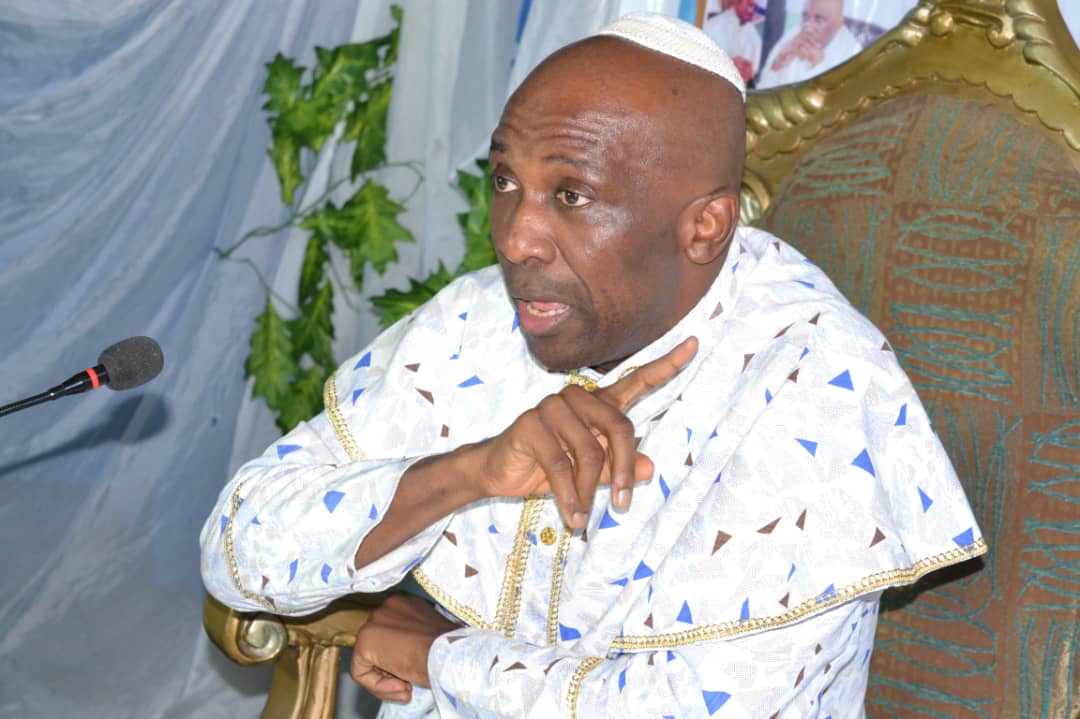
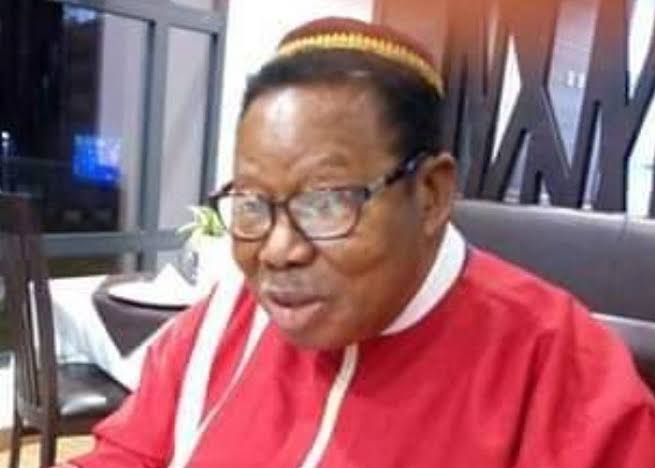
Popular Prophet and the leader of INRI Evangelical spiritual church, Primate Elijah Ayodele has made some clarifications about his 2021 Prophecy that talked about kidnap in Aso rock.
Primate Elijah Ayodele had on Tuesday, 22nd Of December 2020 released his prophecies for 2021 in the presence of several journalists from different part of the world.
In his prophecy about what is going to befall the presidential villa, Primate Ayodele made it known that He foresees kidnap in Aso rock, and that there will be some troubles in the Villa.
‘ASO VILLA
I foresee kidnappings in the Aso Rock. The Villa needs cleansing because there will be fights in the villa. I foresee that some important documents will leak out of the Villa. There will be Classified Official leakages from the Villa. Let’s pray not to lose anybody in the Villa. Aso Villa must be fortified against attacks. There will be speculations of attacks in the villa. Protests will be directed at the Aso Villa because protocols will be broken’
In His clarification, Primate Ayodele made it known that What He meant was that an official of the Presidential Villa will be kidnapped, not necessarily inside the Villa, but elsewhere.
‘On my Prophecy about Kidnap in the presidential villa, I didn’t say anyone will be kidnapped right inside the Villa, but an official of the Presidential Villa will be kidnapped, He or she could be kidnapped somewhere else, but not in the Villa, that is what I see’
Also, some online publications reported that the man of God prophesied that VP Yemi Osibanjo will be kidnapped in the Aso rock, Primate Ayodele has however debunked such, and described it as fake news.
‘I also understand that some online publications reported that I said our vice President, Yemi Osibanjo will be kidnapped in Aso rock, I never said something like that, I will always stand by my Prophecy because they were given to me by God, what I said About Aso Rock kidnap is that an official of the presidential villa will be kidnapped, not necessarily inside the Villa’
Primate Elijah Ayodele is known for his accuracy in prophecy, and the way at which his prophecies comes to pass. Just few days after he released his 2021 Prophecies, some of them have started coming to pass. They include attacks against the church by Boko Haram, Death of Nollywood actor, Fire in Abuja market, to mention a few.
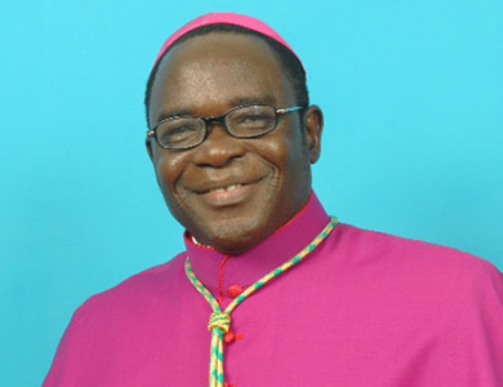
One of the most read news platform, The Street Journal – (thestreetjournal.org), an online newspaper delivering knowledge-driven journalism in the pursuit of Nigeria’s progress has named Reverend Father Mathew Hassan Kukah, the Bishop of the Roman Catholic Diocese of Sokoto as the Man of the Year 2020.
In an era where clergymen, with the exception of a few, are not afraid to speak the truth boldly, either to the political, religious or social circles, this fiery preacher, one who doesn’t mince words and says it as it is, without care about whose ox is gored, especially as it concerns President Muhammadu Buhari‘s APC-led administration, Kukah, has always said what many may be too afraid to say for fear of a backlash or a clampdown and with these qualities he was meritoriously picked by the editorial team of the newspaper.
To boot, Kukah had led the Christian body under the aegis of Catholic Bishop Conference of Nigeria in 2018, to visit Buhari in Aso Rock to tell him to his face about how fast his goodwill had depleted owing to the glaring failures of his administration precisely in the area of security, economy and freedom of expression. The Bishops had expressed their disappointment with the state of the nation and told the president that Nigerians were angry as a result of bad governance in the country.
When Kogi Governor, Yahaya Bello, attempted to ridicule the visit by saying some people were angry (in reference to the Bishops), the church’s coffers was depleting because people were no more getting stolen money to pay tithes, Kukah didn’t take the insult lightly and took Bello to the cleaners.
After being prodded to speak on the matter, he said, “This Bello is a character that nobody heard anything from until he suddenly, accidentally found himself in power. Frankly, people of his calibre do not deserve our response. It is also a measure of the kind of people who have strayed into power. It is a tragedy of what we call leadership now in Nigeria. People who have come with no antecedents; they just come out of the woodworks and occupy an office.”
Kukah has continued in this manner without derailing. In a letter to President Buhari in 2018, he pointed out that his administration had brought back ethnicity with a vengeance with Nigerians being so alienated from one another like never before.
“Before your eyes and in your hands, our country, our communities, our people are all in a state of stupor. The bogeyman of religion, region and ethnicity, which we thought we had overcome has come back with a vengeance. You are too distant from your people. There is a sad feeling that you do not share in the pain and suffering of your people,” the Bishop quoted in his letter to the President.
Bishop Kukah once compared Buhari’s administration to the dreaded terrorist group ravaging West African countries, Boko Haram and concluded there is no difference between the two. According to him, the Nigerian government is using different methods to achieve the same goal of Islamic dominance like Boko Haram. He said the only difference between the two is that Boko Haram makes use of a bomb to achieve their aims.
“They are using the levers of power to secure the supremacy of Islam, which then gives more weight to the idea that it can be achieved by violence. With the situation in Nigeria, it is hard to see the moral basis they have to defeat Boko Haram. They have created the conditions to make it possible for Boko Haram to behave the way they are behaving,” Kukah said.
At another time, Bishop Kukah described Buhari’s government as the most nepotistic narcissistic one in the history of Nigeria. He stated that the Buhari’s regime had been marked by supremacist and divisive policies that has pushed the country to the brink.
“This President has displayed the greatest degree of insensitivity in managing our country’s rich diversity. He has subordinated the larger interests of the country to the hegemonic interests of his co-religionists and clansmen and women. The impression created now is that to hold a key and strategic position in Nigeria today, it is more important to be a northern Muslim than a Nigerian.”
And only recently, in his 2020 Christmas Day message titled: ‘A nation in search of vindication’, Kukah did not spare Buhari. He said that if a non-northerner was occupying the office and does only a fraction of what Buhari has done, there would have been a coup.
He said, “This government owes the nation an explanation as to where it is headed as we seem to journey into darkness. The spilling of this blood must be related to a more sinister plot that is beyond our comprehension. Are we going to remain hogtied by these evil men or are they gradually becoming part of a larger plot to seal the fate of our country?
“President Buhari deliberately sacrificed the dreams of those who voted for him to what seemed like a programme to stratify and institutionalise northern hegemony by reducing others in public life to second class status. He has pursued this self-defeating and alienating policy at the expense of greater national cohesion.
“Every honest Nigerian knows that there is no way any non-Northern Muslim President could have done a fraction of what President Buhari has done by his nepotism and gotten away with it. There would have been a military coup a long time ago or we would have been at war. The President may have concluded that Christians will do nothing and will live with these actions.
“He may be right and we Christians cannot feel sorry that we have no pool of violence to draw from or threaten our country. However, God does not sleep. We can see from the inexplicable dilemma of his North.”
Naturally, his message drew the ire of a section of the country. While some of them accused the respected Bishop of stoking the fire of a coup, others accused him of beating the drumbeat of war. Still, others asked for his arrest as his speech was akin to being a treasonable offence and still yet, others asked him to either drop his cassock and join politics or just mind the business that pays him.
While there is no denying that certain messages from some quarters should be assessed based on the purpose it serves, there is no denying that Mathew Bishop Hassan Kukah’s messages always provide a critical analysis of the Nigerian situation while attempting the jerk the drivers of the nation back to reality. His messages which are true and fair aren’t expected to pander to Buhari’s ego but to lay bare the facts with the hope that things can be done better.
Having noticed a consistent pattern with the Bishop, there is obviously no stopping him and until the Buhari’s administration changes course for the good of the country, he will be back with more hard hitting speeches.
For this singular reason, Bishop Mathew Hassan Kukah has been selected to be The Street Journal Man of The Year 2020.
Following the recent editorial of The Financial Times of London in which the paper described Nigeria as a country plagued by terrorism, banditry and kidnapping, many Nigerians have unanimously taken exemption to the position of the paper saying it does not, in any way, capture the true state of security in Nigeria.
The UK-based newspaper, among other things, had posited that contrary to Nigeria’s government’s claim, Boko Haram remained an ever present threat and the country risks becoming a failed state.
But, in a swift reaction, Comrade Oladimeji Odeyemi, a Nigerian security analyst and a counter-terrorism expert, punctured the submission of the paper in its entirety, saying the London paper did not only erroneously rely on unverifiable internet figures but its editorial standpoint is fraught with terrible lies.
Odeyemi who spoke in an interview maintained that it is unfortunate that foreign media organizations have made themselves the face of the forces that seek to propagate falsehood on insurgents’ dominance of Nigeria’s security environment.
The Convener of the Coalition of Civil Society Groups Against Terrorism in Nigeria said: “Except we want to lie and deceive ourselves, is the north not better, especially North East than it was before 2015 when Boko Haram had over 14 local governments in its custody? I think Nigerians should ignore the poorly thought-out editorial as well as the groups who are gleefully hailing it. It was a wasted effort.”
He added that “With all due respect, I think there is a script being acted and some international media agencies have already been conscripted to play it out. Amazingly, they push out the scripts without any recourse to rules of engagement in the media which includes verification of all indices to be addressed to ensure credence of the report.
“From my little knowledge, I am aware that the editorial of any news medium is the heart of that media organisation because that is the position of that newspaper on the topic of consideration.
“If Financial Times could churn out such editorial as their position on this same Nigeria that we are currently living in, then there is much to be desired. Beyond that, I think the editorial veered off some of the key happenings in Nigeria and that has been the bane of many foreign media reports on the country, lately.
“The truth is that you can’t rely on resources from the internet to form either a news or editorial reportage.
“Yes, we still have pockets of security challenges, but the reality on ground is that the level of security in Nigeria has over time improved, especially in the North East and this is due to the pragmatic approach of President Muhammadu Buhari and his Service Chiefs.”
Comrade Oladimeji Odeyemi spoke further on the abducted Kankara school boys which generated drama in Katsina state. He said: “I think we must first of all thank God and commend President Buhari for providing the leadership that led to the rescue of the boys. However, I want to applaud the Nigerian Army over the release of the abducted students.
“The saying that success has many relatives is trite here but we must give honour to whom it is due. The Army showcased a high level of human rights compliance, professionalism and proactiveness in carrying out its responsibility of securing the lives of the abducted schoolboys.
“I really don’t want to get into the politics of the issue but the Nigerian Army was responsible for the release of the boys. The Nigerian Army was able to track the abductors with the boys, they were pinned down and surrounded,” he noted.
The security expert however, called on the international media and demanded an end to their media brutality against Nigeria.
He emphasized that the Nigerian military has accomplished much and investors are gaining maximally from the unprecedented national security achievements.
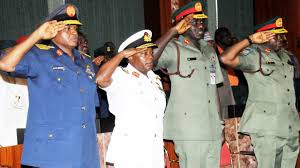
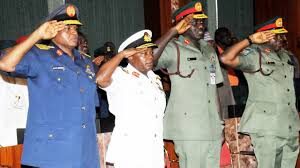
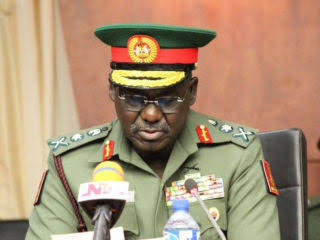
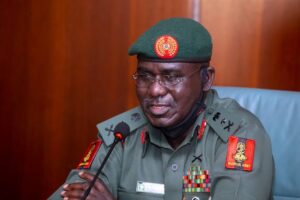
The Chief of Army Staff, Lt.-Gen. Tukur Buratai, says the Nigerian army will shame and disgrace the Boko Haram and Islamic States for West African Province (ISWAP) terrorists in 2021.
Buratai gave the assurance at a sit-out night to usher in the 2021 New Year at the TY Buratai Institute for War and Peace, Buratai in Biu Local Government Area of Borno.
He said the troops of Nigerian army had done a lot in the fight against insurgency in the North East and banditry in the North west in 2020, adding that they were committed to decisively deal with all forms of insecurity in the country.
Buratai urged the troops to dedicate themselves to the task of eradicating terrorism by maintaining the tempo in 2021 with more determination and action to end the insurgency in the country.
He also urged the troops to work with more discipline, commitment and courage, adding that the military had the responsibility to solve the nation’s problem of insecurity.
According to him, they must work extra hard to win the confidence of Nigerians. The nation trusted and believed in us to deal with the security challenges, – issues of insurgency, terrorism, kidnapping, banditry and other forms of insecurity. We must not fail, we should see it as a challenge and a task that must be done to resolve it once and for all”.
“I am very optimistic that 2021 will be different, totally different with remarkable difference from 2020.
“I want you to see it as a challenge and a task that must be done because we are the one that can do it because Nigerians believe in us and believe that we can do it.
“You should go into the year with full conviction that we can do better to address the insecurity in our country,” he said.
Buratai also promised that officers and men of Nigerian army would enjoy a lot welfare packages in 2021.
He commended President Muhammadu Buhari for his support and confidence in the Nigerian army during the preceding years.
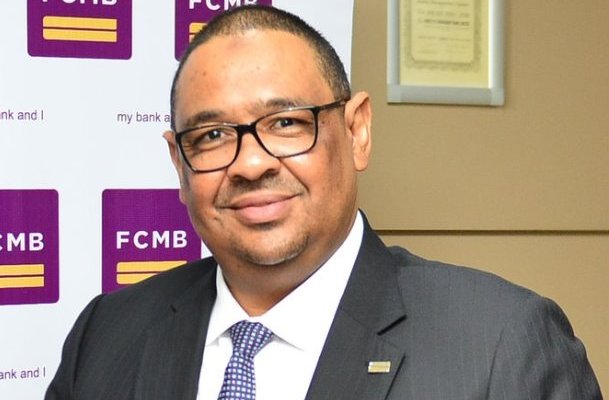
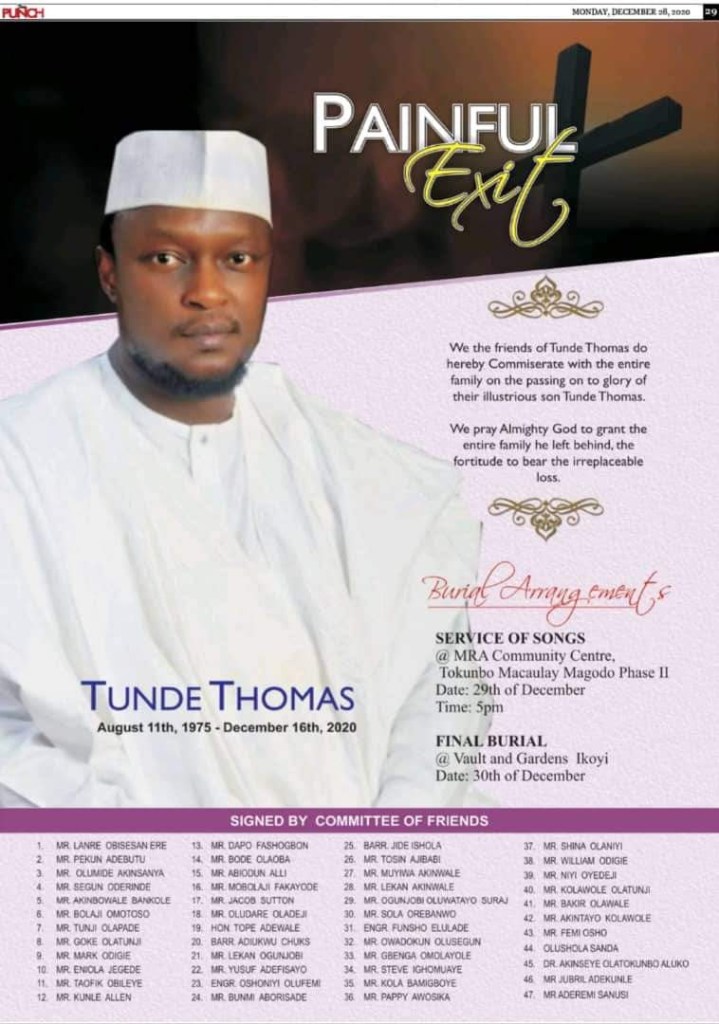
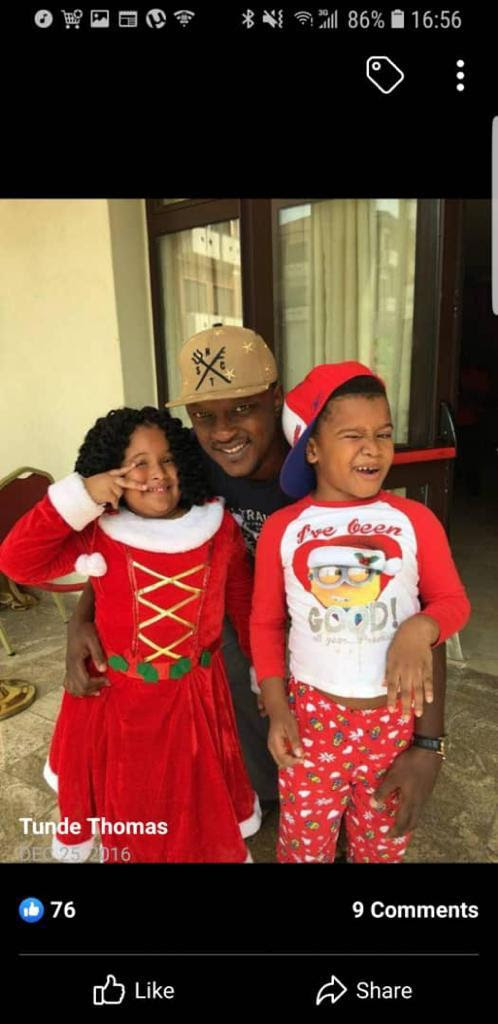
A group identified as ‘JUSTICE FOR TUNDE THOMAS’ group has launched a petition on change.org calling on the Central Bank of Nigeria (CBN) to sanction the managing director of First City Monument Bank (FCMB), Adam Nuru over what they described as indecent behaviour.
The group allege that the banker is responsible for the breakdown of Tunde Thomas’ marriage which eventually led to Tunde’s death a few days ago.
The story as posted on the website read, “Tunde Thomas died recently like about a week or two ago from depression. Apparently, kids from his marriage to Moyo Thomas belongs to his wife’s boss, Adam Nuru, the current MD of FCMB, with whom she was having an affair with.
Tunde and Ex-Wife Moyo
“Moyo Thomas left Tunde to go to America with the kids. When she got to America, she told him the children were not his. The shock of this revelation caused Tunde to suffer from stroke which he later recovered from,” the group said.
Continuing, the group said, “This is a case of gross misconduct based on ethical grounds and an unjustifiable economic oppression by the elites (Adam Nuru) against the less privileged in the society.
“The FCMB MD has been doing everything possible to sweep this case under the carpet. We implore the Central Bank of Nigeria as the apex regulator and the board of FCMB to investigate this for the integrity of the bank and Nigerian banking industry.
“This is a case too many. While this is not the full story, the minimum will be an investigation into this unethical conduct by the current MD of FCMB Bank Adam Nuru”
Close sources say Tunde eventually met someone else he was going to remarry but apparently didn’t recover from the issues surrounding his first marriage issues. So just about a week ago, after Tunde had just been made director for the MFB he works for, he got back from work and had cardiac arrest just two days to the introduction ceremony of his pregnant girlfriend.
Civil Society Groups have exonerated security agencies over insecurity even as the leadership call on President Buhari to sack Ministers, NSA and National Assembly Leadership. In this communiqué signed by Dr. Nwambu Gabriel, the Coalition emphasized that none of the heads of security including the Inspector General of Police and other military heads are the cause of insecurity bedeviling Nigeria
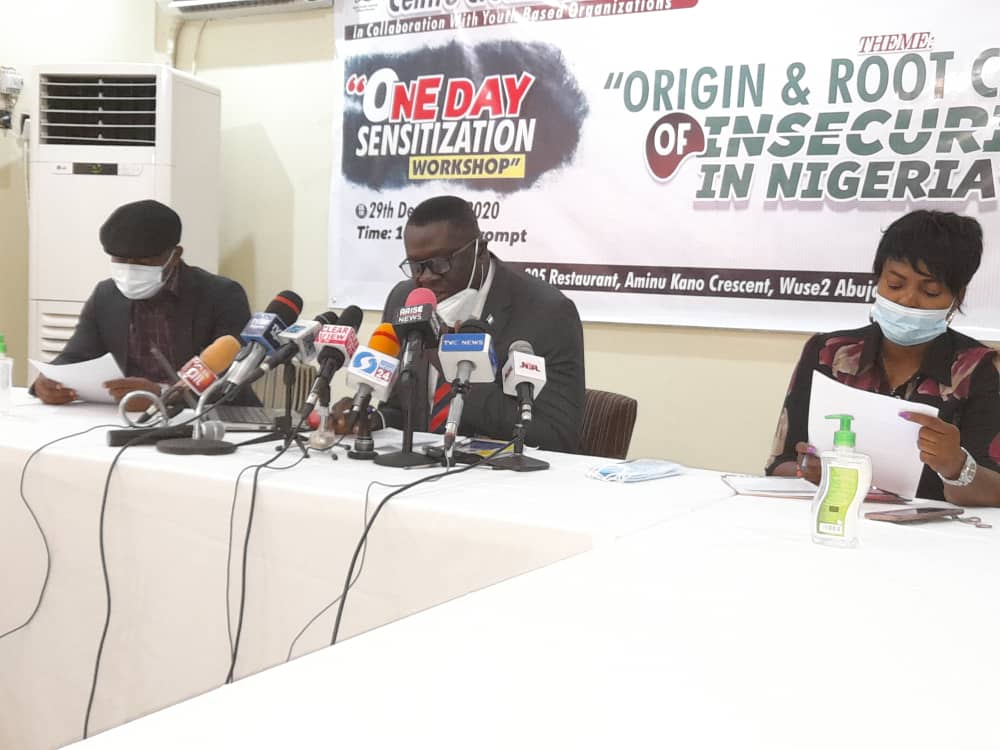
A coalition of 92 Youth Based Groups and Non Governmental Organizations under the auspices of Centre for Credible Leadership & Citizens Awareness has called on President Buhari to immediately sack all the current serving Ministers and replace them with his choice of younger, patriotic and competent citizens who are desirous to patriotically contribute their quota to nation building.
While addressing the media in Abuja on Tuesday 29th December, 2020, Dr. Nwambu Gabriel who spoke on behalf of the coalition said that Ministers are relaxing in Abuja dwelling on lofty ideas without being in touch with their constituents or at least create an avenue for regular engagement like periodic town hall meetings with their constituents where the genuine efforts of President Buhari would be made known to Nigerians on a one-on-one grass roots level.
The coalition also called on the Senate President, Senator Ahmed Lawan to immediately change the Principal Officers of the 9th Senate for a more result oriented legislations that would in turn impact positively on the yearnings and aspirations of all if not majority of Nigerians.
“The same call goes to the Speaker of the House of Representatives, Femi Gbajabiamila. We urge him to immediately relieve the current serving principal officers/leaders of the House and appoint more competent, God fearing representatives for effective, more impactful and result oriented legislations for peace, security and development of our country in line with the desire and tangible efforts of President Muhammadu Buhari, Dr. Nwambu Gabriel said.
Excerpt is the full text of the press briefing: We the above named Organization in collaboration with 92 youth based groups and Non Governmental Organizations (NGOs), having concluded a One Day Summit titled “Origin and Root Causes of Insecurity In Nigeria; The Way Forward”, resolves as follows to be solutions and panacea to mitigating and solving the myriad of insecurity situation in Nigeria.
The Boko Haram sect emanated from the sponsorship and funding of Nigerian Politicians from the North East region of the country for their own selfish ambition. This sect is now hydra- headed and has given birth to prolong local and international terrorism, banditry, marauders, rapists, killer headsmen, cattle rustling, kidnapping, etc., with its attendant heinous crimes such as gruesome murder, rape, and the general atmosphere of insecurity in Nigeria.
In the same vein, the Niger Delta militancy which has also bedeviled the nation with serious security challenges and the attendant availability of small and light arms within the region with its attendant consequences was also originally formed by politicians within the region for their own selfish political and economic interests.
Therefore, it is clearly evident that Politicians in Nigeria are the founders, root causes, financiers and pre- cursors of insecurity in Nigeria.
Accordingly, the Dishonourable Ministers are here in Abuja dwelling on lofty ideas without being in touch with their constituents or at least create an avenue for regular engagement like periodic town- hall meetings with their constituents where the genuine efforts of President Mohammadu Buhari would be made known to Nigerians on a one-on-one grass roots level. No doubt, President Buhari has done a lot in the areas of fighting corruption, agricultural transformation, railways, road networks and fighting terrorism and insecurity in Nigeria.
However, Ministers essentially are to act as deputies to the President and Commander- in- Chief by projecting the efforts of Mr President. But in Nigeria today, it is ironical that either most Ministers of the Federal Republic lack clear understanding of their functions or are completely ignorant of what to do while in office.
We discovered that there is a lacuna. This gap is caused by the ineptitude and look- worm of the said so called honourable Ministers. While Mr. President is busy toiling day and night without the commensurate support from almost all the Ministers and other political appointees including the SGF.
The inability of the NSA to effectively coordinate the security architecture of the country exposes a major weakness signifying the need for an urgent replacement of the sensitive position.
Some of these politicians and ex- Governors have now found the Senate of the Federal Republic as a shelter and resting place where they sit with practically nothing to contribute during plenary but rather indulge in unnecessary selfish political scheming, maneuvers and trading blames, heaping accusations on Mr President, and his security heads including the IGP and military chiefs.
Consequent to the above, for the peace, security and development of our country, we, as Nigerians and as a coalition, hereby, with utmost respect to President Buhari, urge the President and Commander- In- Chief to immediately sack all the current serving Ministers of the Federal Republic of Nigeria and replace them with his choice of younger, patriotic and competent citizens who are desirous to patriotically contribute their quota to nation building.
Again, we have also discovered the huge disconnect between members of the National Assembly and their so- called constituents. In the Senate, most of the principal officers dwell more on diversionary issues rather than embark on result oriented legislations targeting job creation for the youths and for peace, security and prosperity for Nigeria. If we may ask; how many times do some of these so called principal officers visit their constituents? Some only visit their constituents during elections times.
We, therefore, hereby, call on the Senate President, Senator Ahmed Lawan to immediately change the principal officers of the 9th Senate for a more result oriented legislations that would in turn impact positively on the yearnings and aspirations of all if not majority of Nigerians.
The same call goes to the Speaker of the House of Representatives, Femi Gbajabiamila. We urge him to immediately relieve the current serving principal officers/leaders of the House and appoint more competent, God fearing representatives for effective, more impactful and result oriented legislations for peace, security and development of our country in line with the desire and tangible efforts of President Muhammadu Buhari.
We also state categorically that none of the heads of security including the Inspector General of Police and other military heads are the cause of insecurity bedeviling Nigeria. The security, economic and political problems of our country are clearly caused by the so called political leaders which are the politicians especially those that have looted their states and now find a safe haven in the senate.
Let it be on record that in all fair minded judgement and assessment, Nigeria as a Nation, is very fortunate to have the current security chiefs at this trying moment of our country’s existence. With their experience, patriotism and commitment to duty, the nation is indeed lucky to have these officers at the helm of affairs irrespective of whatever anybody says.
Consequently, on the basis of our country’s corporate existence, peace and security, we, as a coalition, hereby soundly pass a vote of Confidence on the Heads of Security in Nigeria particularly the IGP and all the military chiefs for performing creditably well so far in the discharge of the onerous tasks of containing the myriad of security challenges confronting Nigeria.
The General Overseer and Founder of Rhema Deliverance Mission, Bishop Arthur Nwachukwu is dead. He was aged 79, throwing the entire Christian community, especially his ministry and the people of Anambra State into mourning.
The well revered Bishop died at the early hours of Monday 28th December, 2020 after a brief illness, according to information from his family.
He is the father of popular Lagos Prophet, Anene Nwachukwu who oversees Rhema Deliverance Mission, South West, while his elder brother, Prophet Chidozie oversees Abuja and northern wing of the fast growing ministry.
Bishop Arthur Nwachukwu lived a very fulfilled Christian life that affected all that came in contact with him positively.
The General Overseer who until his death presided over the ministry from his Umunya, Anambra State Headquarter of the church is survived by his wife and five sons who are prophets in different branches of the church
Nigeria’s talented music sensation, Umughare Aghogho Prosper popularly known as Holmes, who is fast establishing himself as one of the great artistes on the continent with his Afro-fusion genre of pleasant sound has continued to break fallow grounds in the entertainment industry, despite the challenges that hit the year 2020.
No stage performances, no gigs, no concerts, no doubt, the year 2020 came with a lot of hits for many people from various walks of life all around the world and, Nigeria’s entertainers are not left out from the heat of the covid-19 pandemic, #EndSARS protests, and the likes, but for Holmes, the heat became his ‘hits’ as this has affected his career in a positive way.
The talented singer’s focus and dedication to his music career saw him hit eight singles in a pandemic year, boasting of high profile collaborations with Ycee, Yung6ix, and multiple award-winning mega-superstar, Davido, and DJ Neptune, meanwhile, and he is nowhere near slowing down on dishing out his best in terms of good music and entertaining his millions of fans across the continent. His hard work has seen him deliver hit singles that are ruling the airwaves; Magician, Break It In January, Love, Sade, Finally, and several others.
A Native of Delta State, Warri, Holmes’ growing and amazing success story cannot be distant from the massive support from his record label, Addictive Music Worldwide and D’Luxe Management under the supervision of Franklin Amudo whose wealth of experience is contributing amazingly to Holmes’ transcendence into the top rank of Afrobeat musicians, not just in Nigerian, but Africa.
He is not just unique in his work rate, but also in his sound that stands him out among many, creating his own unique flavour of Afropop music. According to him, his music is mostly inspired by life generally with its challenges, especially drawing from the numerous number peculiar to Nigerians and then, ladies who would find several attractions in his music.
Holmes’ latest single, which featured one of the greatest DJs in Africa, DJ Neptune has been attracting massive positive reviews. The Amanpiano-inspired song which was released in November, on top digital platforms like iTunes and Boomplay, has been creating melodious fever and has continued to receive positive vibes from industry heads and fans. Finally was produced by P Loops and the video, filmed in a choice reserved factory in South Africa was shot by the Shelf director, Sesan Ogunro
The 28-year-old singer’s music career has continued to skyrocket since his debut single, “Magician” produced by Kel P, followed by his hit single and then the much talked about collaboration with the DMW records honcho himself, Davido, “Love” released early in the year.
If his past and present are anything to go by, Holmes is already stepping into 2021 on a very high note as his popularity and fame continue to grow immensely.
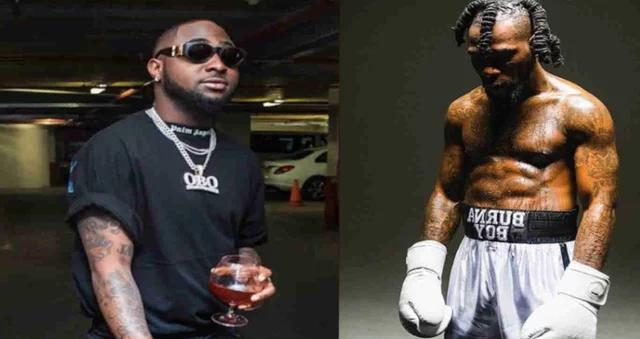
An eyewitness of a fight between Nigerian music superstars, Davido and Burna Boy, at a Ghanaian club on Monday, has said bouncers at the club ejected Burna Boy who stormed the club with six hefty men.
Earlier today, the news went round that there was a fight between Nigerian superstars, Davido and Burna Boy at a club, Twist Club and Lounge, in Ghana. In several videos that have since gone viral, Wizkid was also seen at the club drinking from a bottle seemingly unbothered by the rancour.
In an exclusive interview with The PUNCH, Steven Mingle, who is responsible for posting most of the videos about the brawl, said he was at Twist Club and Lounge, the venue where the fight occurred.
Mingle had posted clips of the fight on his Instagram handle, Ghhyper1.
He explained, “Davido was having fun with his guys; I was also there beside him taking some shots. The place got choked, so, I had to excuse myself and stayed by the door to get some fresh air.
“When I was standing by the door, I saw Burna Boy and at least six guys following him. One is a popular guy who spends in the club and the others are the muscular guys.
“When Burna Boy entered, he did not come to chill there because he just came to attack Davido. He just went straight to Davido.
“The club’s bouncers had approached them to ask where they were going but when he showed his face as Burna Boy, they allowed him.
“Davido spotted him and his look showed that he was wondering why he (Burna Boy) was coming to his table but he stood his ground. Just like boxing face-off, the next thing blows started flying; the girls and people inside Twist Lounge had to run; I also ran.”
The eyewitness further claimed that the security officers of the club immediately asked Burna Boy to leave the premises.
“The Twist bouncers forced Burna Boy and his guys out of the premises. Even when they were going, Burna Boy hit the club gate. Davido had to wait for about one hour thirty minutes before he moved out because of security reasons.”
Mingle further told The PUNCH that he has been with Davido and his crew since they landed in Ghana on Sunday to celebrate the song Davido and ace Ghanaian artiste, Stonebwoy, recorded together ― Activate.
When The PUNCH reached out to Burna Boy’s Public Relations team, it simply said, “Unfortunately we have not gotten any information yet because we are in Lagos and they are in Ghana. We have not spoken to anybody, so, we cannot really give any information on what transpired.”
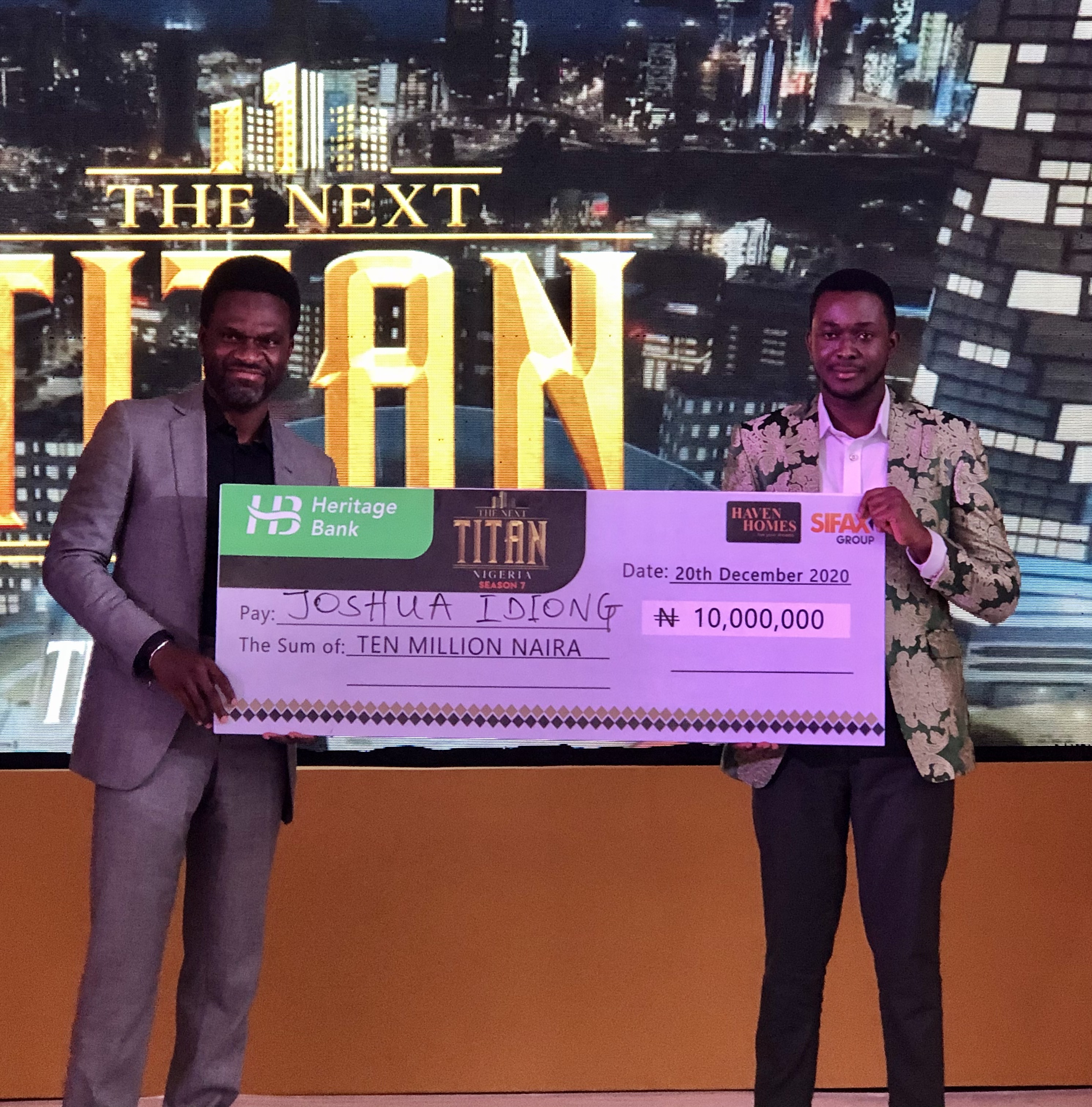
R-L: Fela Ibidapo, Divisional Head, Corporate Communications, Heritage Bank; Kyari Bukar, Lead Judge of The Next Titan; Lilian Olubi, Judge; Joshua Idiong, Winner, The Next Titan Season-7; Tonye Chris Parkes; Mide Kunle Akinlaja, Executive Producer, The Next Titan and Cole, Judge, Judge, Titan, during the presentation of N10million prize at the grand finale of The Next Titan Entrepreneurial Reality TV show Season-7, headline sponsored by Heritage Bank Plc, held in Lagos recently.
Heritage Bank Plc, Nigeria’s Most Innovative Banking Service provider, in its continued bid to support Micro, Small and Medium Enterprises (MSMEs), has again empowered the winner of The Next Titan Season-7 with whooping sum of N10million.
An entrepreneur, Joshua Joseph Idiong who is the CEO of Josult Oil Processing Company, a palm oil processing company in Akwa Ibom State emerged the winner of the Next Titan Season-7, themed: The Unstoppable.”
The graduate of Federal University of Technology Owerri with Bachelor Degree in Environmental Science emerged winner after competing with Ifeanyi Nkwonta, Chidinma Eriobu and Ifeoma Benjamin at the grand finale in Lagos.
Idiong’s entry on the show was amongst the 18, 000 entries, followed by online auditions before the top 16 moved into the Titan House for 10weeks to compete against top notch young entrepreneurs in real-life entrepreneurial tasks.
The programme paneled by technocrats with perfect blend of entrepreneurial requisite skills trained each participant on enriching, rigorous and intellectually learning journey to equip them with the fundamental competencies required of seasoned entrepreneurs.
The frontline Panel of Judges from different spectrum of entrepreneurial fields were Kyari Bukar Co-Founder/CEO Trans-Sahara Investment; Lilian Olubi, CEO, Primera Africa Securities Ltd; Chris Parkes, Chairman/CEO, CPMS Africa and Tonye Cole, Co-Founder, Sahara Group.
The winner, who highly commended the headline sponsor-Heritage Bank Plc for its continued supports to entrepreneurs and sponsorship of the Next Titan, said, “Heritage Bank is an amazing bank that has stood strong on this show. My love for Heritage Bank stems from the fact that this is my second time on this show but before I came in, I have learnt so much from the show.
“This means that Heritage Bank is truly affecting the lives and businesses of entrepreneurs positively, alongside the viewers. This is a bank that has differentiated itself from other banks in boosting the strength of SMES in Nigeria.”
Speaking at the grand finale, MD/CEO of the Bank, Ifie Sekibo stated that the programme easily aligns with the primary focus of the management of Heritage Bank to promote every laudable entrepreneurial idea meant to broaden economic horizon of the country for the benefit of citizens and other residents of Nigeria.
L-R: Fela Ibidapo, Divisional Head, Corporate Communications, Heritage Bank; Joshua Idiong, Winner, The Next Titan Season-7 and Mide Kunle Akinlaja, Executive Producer, The Next Titan presenting the 10million prize to the winner, at the grand finale of The Next Titan Entrepreneurial Reality TV show Season-7, headline sponsored by Heritage Bank Plc, held in Lagos recently
Sekibo who was represented by the Divisional Head, Corporate Communications, Fela Ibidapo further affirmed, “as a catalytic institution in the empowering of entrepreneurs in the micro, small and medium enterprises (MSME) sector, Heritage Bank has continued to make relentless efforts in this space to empower entrepreneurs in Nigeria through championing several empowerment schemes like the HB Innovation Lab Accelerator programme (HB-LAB), Ynspyre Account, Youth Innovative Entrepreneurship Development Programme (YIEDP), Centre for Values in Leadership (CVL) on Young Entrepreneurship Business Training Programme (YEBTP), Young Entrepreneurs and Students (YES) Grant and Nigerian Youth Professional Forum (NYPF), Big Brother Nigeria, Lagos Comic Con, amongst others.”
The Executive Producer of the entrepreneurial Reality Show, Mr. Mide Kunle-Akinlaja in his address explained that the project was created and designed as a deliberate attempt to provoke the spirit of entrepreneurship of young Nigerians, not only the contestants on the show, but other multitude of aspiring entrepreneurs who can watch the show on TV.
He said that the Season-7 was designed to search for business ideas that are immune to any pandemic, innovations that break boundaries and technologies that can survive any lockdown.
“It does not matter what your business idea is all about or its focus, but you must be able to prove that your business has what it takes in terms of ideas or technologies to survive any future pandemic or lockdown,” the Next Titan Producer stated.