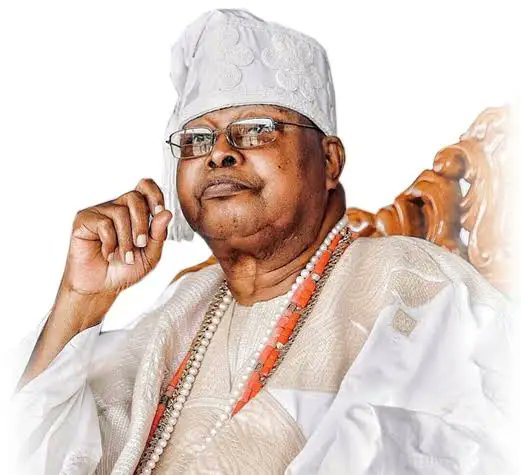
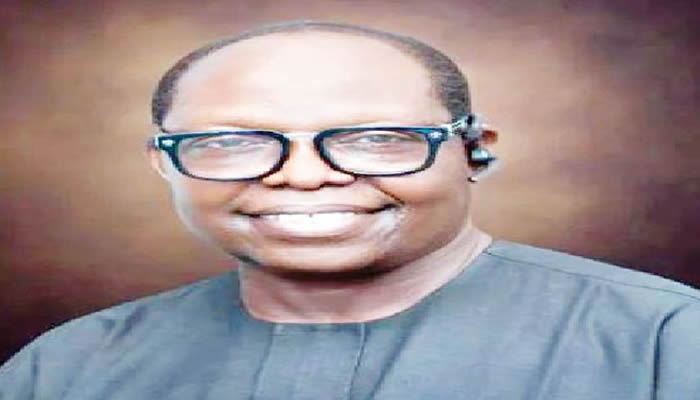
The Leader of the pan-Yoruba socio-political organisation, Chief Reuben Fasoranti, on Tuesday, described the late Awujale of Ijebuland, Oba Sikiru Adetona, as an exemplary monarch who made a significant positive impact during his 62-year reign.
He stated this in his tribute to the highly revered monarch, who joined his ancestors on Sunday, July 13, at the age of 91.
The National Publicity Secretary of the organisation, Jare Ajayi, in a statement in Ibadan, the Oyo State capital, quoted Afenifere leader as saying that the late monarch was one of the Obas in Yorubaland who exalt the position of royalty.
Fasoranti disclosed that right from the time the late monarch started his public service in the defunct Western Region, his conduct on his return from the United Kingdom where he studied Accountancy and all through his years on the throne, the late Awujale led a life that is worthy of emulation in terms of integrity, focus and dedication to serving the people.
“The then Prince Adetona was crowned as Awujale on April 5, 1960.
“He became a member of the Western Region House of Chiefs immediately thereafter.
“Records have it that he conducted himself well just as he did when he headed various bodies, including the Traditional Rulers Council in Ogun State.”
The Afenifere leader recalled the patriotic role played by the monarch, particularly in the imbroglio brought about by the annulment of the June 12, 1993, election.
“His reign was characterised by wisdom, dexterity, an enlightened and admirable leadership style, commitment to the Yoruba cause and the national interests,” he added.
Also commending the late Oba’s dedication to the culture and tradition of Yorubaland, the statement recalled that his reign brought Ojude-Oba celebration not only to the limelight but made it a cynosure of everyone, including the international community.
He, therefore, commiserated with the Ogun State Government, the people of Ijebuland, Yorubaland, and the royalty in Nigeria, of which late Adetona was a distinguished member and prayed for his soul to rest in perfect peace.
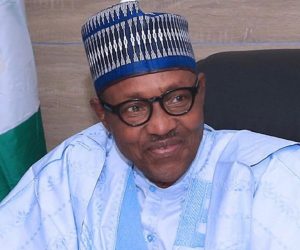
A former Special Adviser on Media and Publicity to ex-President Muhammadu Buhari, Femi Adesina, has said the former Nigerian leader may have not survived his health challenges if he had relied solely on Nigerian hospitals for treatment.
Adesina stated this on Tuesday during an interview on Channels Television ahead of the state funeral for the late ex-president.
Responding to criticisms over Buhari’s repeated medical trips to the United Kingdom while in office, Adesina defended the decision, saying it was a matter of survival.
“Buhari always had his medicals in London, even when he was not in the office. So it was not about the time he was president alone. He had always had it there,” Adesina explained.
According to him, the UK doctors had been managing Buhari’s health before his election in 2015 and were well acquainted with his medical history, making it unwise to change medical teams mid-treatment.
He argued that the decision to continue treatment abroad was based on professional expertise and the limitations of Nigeria’s healthcare system at the time.
“One has to be alive first to get certain things corrected or changed in the country. If Buhari had said he would do his medicals here as a show of patriotism or something, he could have long been dead because there may not be the expertise needed in the country,” he said.
Adesina added that Buhari’s survival and ability to lead the country were directly linked to the quality of care he received abroad.
He maintained that the former president’s choice of overseas treatment should be seen within the context of necessity rather than luxury or disregard for local healthcare.
“He needed to be alive to be able to lead the country to a point where we would have that expertise. So those who complained about his frequent medical trips abroad don’t know that the man needed to be alive first before you can make a change,” he stated.
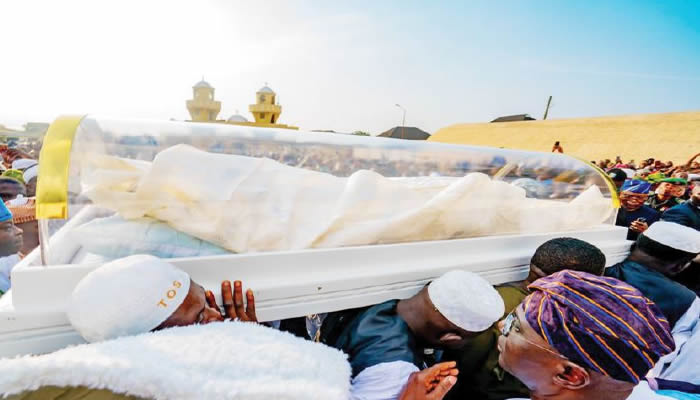
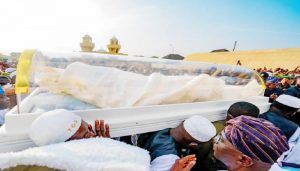
On Sunday, July 13, 2025, a chapter closed in Ijebu royalty, as 91-year-old Awujale and Paramount Ruler of Ijebu land, Oba Sikiru Adetona, passed on, after reigning for 65 years.
On Monday, the deceased monarch was buried according to Islamic injunction at his Igbeba GRA residence.
Oba Adetona, who ascended the throne on April 2, 1960, at barely 26 years of age, succeeded Oba Daniel Adesanya, Gbelegbuwa II.
He was from the Anikilaya family, one of the royal ruling houses in Ijebu Ode.
With his passage after a very successful reign and his interment on Monday, attention shifted to the Fusengbuwa ruling house, which is the next ruling house to produce the successor to the late Awujale.
It was gathered that many members of the ruling house eyeing the exalted throne have been making moves to enhance their visibility within their respective royal family.
The PUNCH gathered that the next ruling house, which is the Fusengbuwa, consists of four ruling houses: Jadiara, being the eldest followed by Fusengbuwa, Bubiade and then Tunwase.
The four royal families have the right to present candidates to contest for the Awujale’s throne as soon as the government gives the green light.
The royal families were said to have waited for this time to produce the next custodian of the Ijebu land cultural heritage.
Speaking with our correspondent on Monday after the burial of Oba Adetona, the Secretary of Tunwase ruling house and Under-Secretary of Fusengbuwa ruling house, Prince Kazeem Ahmed, confirmed that some members of the family were already warming up to start from where the late monarch left it off.
Prince Ahmed said that even before the demise of the Awujale, some members of the ruling family who had shown interest in the throne never hid their intentions.
“We have four royal houses and they are Jadiara, being the eldest followed by Fusengbuwa, Bubiade and then Tunwase.
“After the mourning of our highly revered king who has just been interred, this could be three months or more, people who have an interest in becoming the next Awujale from the four ruling houses of Fusengbuwa, Jadiara, Tunwase and Bubiade will begin to make known their intentions.
“We shall then take a look at those who have shown their intentions, check out their characters and influence in the community before we recommend them to the kingmakers.
“We have been seeing some of them showing interest before the demise of the king. Many people don’t want interregnum, so, left for me, I would suggest that maybe after we mourn the king for four months, then the floor can be declared open in preparation for the next king.
“We will have many people who will declare interest, but the family committee will prune and screen them down to a sizeable number of candidates to be presented to the kingmakers,” he said.
Another ranking chief from the palace, whose reaction was sought on the selection of the next Awujale, said it was too early to begin to talk about getting a replacement for the late monarch when the entire Ijebu land was still mourning the passage of the highly revered traditional ruler.
The palace chief who spoke anonymously to our correspondent, however, said the next Awujale would have the challenge of matching up to the exemplary leadership shown by Oba Adetona.
He added that he was sure that the system would not be allowed to throw up just anybody who would not consolidate on several developmental strides and efforts of the late monarch.
Pending the emergence of the new Awujale, the Ogbeni Oja of Ijebu land, Olorogun Sunny Kuku, is to hold forth as the reagent and temporary Awujale.
He would see to the day-to-day administration of Ijebu land and help coordinate and midwife the process of emergence of the next Awujale.
Senior eye care experts have cautioned Nigerians against the use of breast milk and cow urine as remedies for eye infections and diseases, warning that such practices could lead to serious complications, including blindness.
The ophthalmologists described the trend as unsafe, noting that applying unverified substances into the eyes introduces harmful bacteria, worsens infections, and delays access to proper treatment.
They stressed that breast milk, though nutritious for infants, is not sterile and is unsuitable for ocular use, while cow urine carries even greater risks due to its high microbial load.
A Chief Consultant Ophthalmologist, Dr. Festus Oshoba, said the use of such harmful remedies persists due to cultural myths and misinformation.
Oshoba made this known at the 26th Annual Faculty of Ophthalmology Lecture of the National Postgraduate Medical College of Nigeria, where stakeholders in Nigeria’s eye care sector gathered to deliberate on the challenges and solutions to achieving universal eye care in the country.
He described the practice as “force majeure” factors, adding that the usage of harmful substances often worsens avoidable conditions.
The eye expert urged individuals experiencing eye discomfort or infections to seek prompt medical attention from certified eye care providers.
“People should stop dangerous and unscientific eye care practices, such as the use of breast milk, cow urine, or the use of camphor in treating common eye ailments.
“People should protect their eyes from the sun’s harsh rays using sunshades or photochromatic lenses to prevent cataracts and other ocular damage,” he advised while speaking on the theme ‘Force Majeure, Masquerades and The Attainment of Universal Eye Care in Nigeria’.
He also warned against violence or corporal punishment involving the face, especially for children, noting that even a slap could cause internal bleeding and blindness.
Beyond physical safety, Oshoba stressed regular eye screening, adding that screening is key to early diagnosis and treatment of preventable and curable conditions.
“Use a calendar or chart at home to self-check your vision daily. The moment you can’t read what you used to see clearly, visit your doctor,” the ophthalmologist said.
Oshoba referenced cultural misconceptions and spiritual interpretations of blindness and eye diseases, such as attributing loss of vision to curses.
“Many of these cases are due to conditions like glaucoma, diabetes, or brain tumours, not spiritual attacks,” he explained.
He further advocated for increased computer vision care, especially for digital device users, and encouraged workers to get regular eye tests and corrective lenses to improve productivity.
Addressing a pressing systemic challenge, Oshoba lamented the acute shortage of trained ophthalmologists in Nigeria.
“We currently have just 454 ophthalmologists for over 220 million Nigerians. That’s grossly inadequate for universal eye care,” he said.
A Professor of Ophthalmology at University College Hospital Ibadan, Professor Charles Bekibele, raised concerns about Nigeria’s brain drain crisis, popularly dubbed the “Japa” syndrome.
According to him, the economic downturn is driving young doctors away, stalling training, and weakening the future of ophthalmic care in the country.
“Five years ago, we had 30 residents at the University College Hospital, Ibadan. Today, we barely have five. They finish and leave the country. Some don’t even apply anymore,” Bekibele, who is also the chairman at the Faculty of Ophthalmology, National Postgraduate Medical College of Nigeria, said.
He explained that the lack of modern training equipment, such as surgical simulators for cataract surgery, the most common cause of blindness in Nigeria, has hindered skill development.
“We currently have no simulator in Nigeria for cataract surgery. It’s like training a pilot without a flight simulator. You can imagine the risk,” he lamented.
The don, however, called on government and private stakeholders to invest in training tools and offer incentives that encourage young doctors to stay. “If Nigeria fixes its economy, I believe many of our professionals will return. But until then, we must invest in what we have.”
Meanwhile, the Chancellor of Ekiti State University, Dr. Olatunji Olowolafe, while reinforcing the need for innovation, announced a donation of $9,800 to acquire a surgical simulator.
This simulator, he said, would be vital in training future ophthalmologists and ensuring diagnostic excellence.
“It’s about globalising our training methods. With simulation labs, we can produce world-class ophthalmologists who are not only capable but confident before handling live surgeries. This will position Nigeria as a center of excellence in eye care and training,” Olowolafe said.
He expressed hope that with better infrastructure, Nigeria could attract medical tourism and reduce the emigration of healthcare professionals.
A new report by the World Health Organisation and the United Nations Children’s Fund has shown that 14.3 million children worldwide have never received a single dose of any vaccine.
The figure is four million more than the 2024 target needed to stay on track with Immunisation Agenda 2030 goals, and 1.4 million more than in 2019, the baseline year for measuring progress.
The report released on Tuesday noted that in 2024, 89 per cent of infants globally – about 115 million – received at least one dose of the diphtheria, tetanus and pertussis (DTP)-containing vaccine, and 85 per cent – roughly 109 million – completed all three doses, according to new national immunisation coverage data.
“Compared to 2023, around 171,000 more children received at least one vaccine, and one million more completed the full three-dose DTP series.
“While the gains are modest, they signal continued progress by countries working to protect children, even amid growing challenges.
“Still, nearly 20 million infants missed at least one dose of DTP-containing vaccine last year, including 14.3 million ‘zero-dose’ children who never received a single dose of any vaccine. That’s 4 million more than the 2024 target needed to stay on track with Immunisation Agenda 2030 goals, and 1.4 million more than in 2019, the baseline year for measuring progress,” the joint data stated.
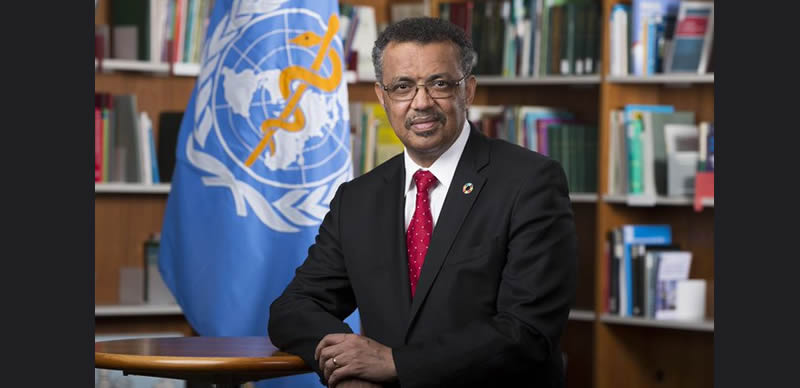
The WHO Director-General, Dr Tedros Ghebreyesus, said, “Vaccines save lives, allowing individuals, families, communities, economies and nations to flourish.
“It’s encouraging to see a continued increase in the number of children being vaccinated, although we still have a lot of work to do. Drastic cuts in aid, coupled with misinformation about the safety of vaccines, threaten to unwind decades of progress.
“WHO remains committed to working with our partners to support countries to develop local solutions and increase domestic investment to reach all children with the lifesaving power of vaccines.”
It noted that children often remain un- or under-vaccinated due to a combination of factors, such as limited access to immunisation services, disrupted supply, conflict and instability, or misinformation about vaccines.
“Data from 195 countries show that 131 countries have consistently reached at least 90 per cent of children with the first dose of DTP vaccine since 2019, but there has been no significant movement in expanding this group.
“Among the countries that reached less than 90% in 2019, only 17 managed to increase their coverage rates in the past five years. Meanwhile, in 47 countries, progress is stalling or worsening.
“This includes 22 countries that achieved and surpassed the 90% target in 2019 but have since declined.
“The data shows conflict and humanitarian crises can quickly erode vaccination progress. A quarter of the world’s infants live in just 26 countries affected by fragility, conflict, or humanitarian crises, yet they make up half of all unvaccinated children globally. Concerningly, in half of these countries, the number of unvaccinated children has expanded rapidly from 3.6 million in 2019 to 5.4 million in 2024, underscoring the need for humanitarian responses to include immunisation.
“Immunisation coverage in the 57 low-income countries supported by Gavi, the Vaccine Alliance, has improved in the past year, reducing the number of un- and under-vaccinated children by roughly 650,000. At the same time, signs of slippage are emerging in upper-middle- and high-income countries that have previously maintained at least 90 per cent coverage. Even small declines in immunisation coverage can dramatically raise the risk of disease outbreaks and place additional strain on already overstretched health systems,” it highlighted.
“The good news is that we have managed to reach more children with life-saving vaccines. But millions of children remain without protection against preventable diseases, and that should worry us all. We must act now with determination to overcome barriers like shrinking health budgets, fragile health systems, along with misinformation and access constraints because of conflicts. No child should die from a disease we know how to prevent”, said UNICEF Executive Director Catherine Russell.
Despite these challenges, countries – especially those supported by Gavi – continue to introduce and scale up vaccines, including against human papillomavirus (HPV), meningitis, pneumococcal disease, polio, and rotavirus.
For example, large national scale-ups of the HPV vaccine and revitalisation efforts in countries that have previously introduced the vaccine have boosted global coverage by four per cent in the past year. In 2024, 31 per cent of eligible adolescent girls globally received at least one dose of the HPV vaccine – most doses were administered in countries using a single-dose schedule. While far from the 90 per cent coverage target by 2030, it represents a substantial increase from the 17 per cent coverage in 2019.
“In 2024, lower-income countries protected more children than ever before, with coverage rates increasing across all Gavi-supported vaccines,” said Dr Sania Nishtar, CEO of Gavi, the Vaccine Alliance. “Yet population growth, fragility and conflict present major hurdles to achieving equity, leaving the most vulnerable children and communities at risk. Continued commitment from governments and partners will be critical to saving lives and protecting the world from infectious disease threats.”
The data revealed that coverage against measles also improved, with 84 per cent of children receiving the first dose and 76 per cent receiving the second dose, which shows a slight increase from the previous year.
“An estimated two million more children were reached in 2024, but the overall coverage rate is far below the 95 per cent needed in every community to prevent outbreaks.
“This results in more than 30 million children remaining under-protected against measles, leading to more large or disruptive outbreaks. In 2024, the number of countries experiencing large or disruptive measles outbreaks rose sharply to 60, nearly doubling from 33 in 2022.
“Although the community demand for childhood vaccination remains high and protection against more diseases is expanding, the latest estimates highlight a concerning trajectory. National and global funding shortfalls, growing instability worldwide, and rising vaccine misinformation threaten to further stall or even reverse progress, which would risk increases in severe disease and deaths from vaccine-preventable diseases,” it emphasised.
Meanwhile, the WHO and the UNICEF called on governments and relevant partners to close the funding gap for Gavi’s next strategic cycle (2026–2030) to protect millions of children in lower-income countries and global health security; strengthen immunization in conflict and fragile settings to reach more zero-dose children and prevent deadly disease outbreaks; and prioritize local-led strategies and domestic investment, embedding immunization firmly within primary healthcare systems to close equity gaps.
They also urged governments to counter misinformation and further increase vaccine uptake through evidence-based approaches, and invest in stronger data and disease surveillance systems to guide high-impact immunisation programmes.
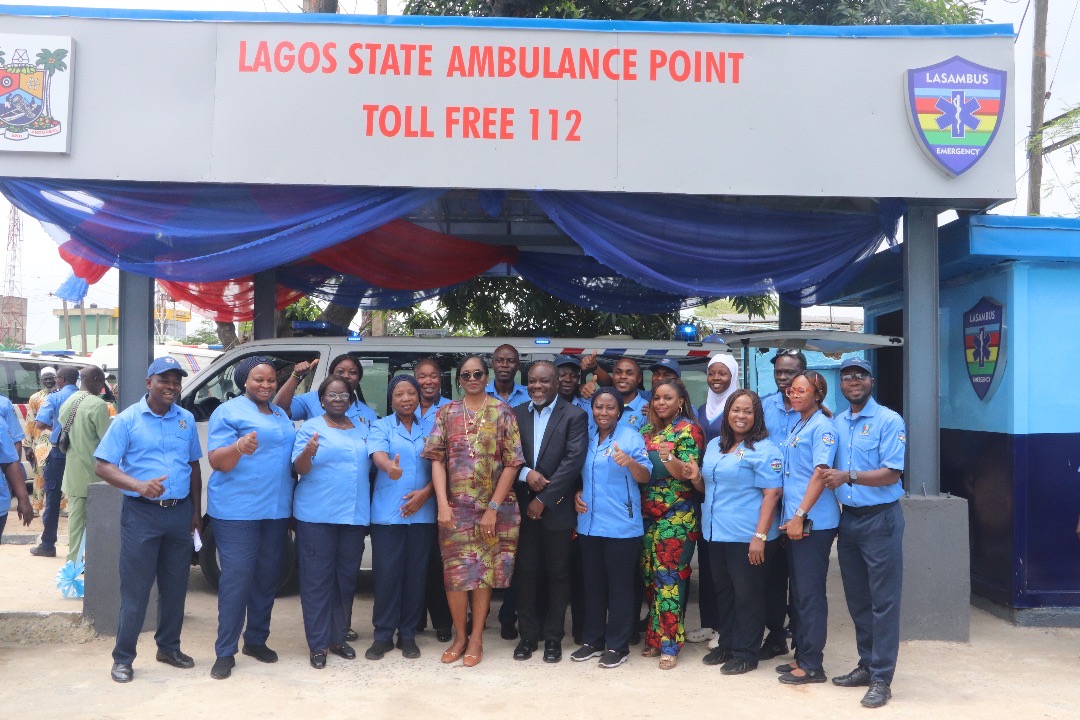
The Lagos State Government has boosted its emergency care by unveiling 10 new ambulance points.
This expansion aims to improve response times and strengthen the Lagos State Ambulance Service network across the state after some reports published by PUNCH Online.
The Special Adviser to the Governor on Health, Dr. Kemi Ogunyemi, announced the addition of ten embulalces on Saturday during the commissioning ceremony that took place at the LASAMBUS Point in Agege, one of the newly established locations.
This is contained in a statement shared on the Lagos Government website on Saturday.
The statement quoted Ogunyemi as saying, “The Lagos State Government today officially commissioned 10 new pre-fabricated ambulance points located at Agege, Agbowa, Masha (Surulere), Badagry, Mile 2, Epe, Shomolu, Igando, Iba, and Ibeju-Lekki areas of the State under the Lagos State Ambulance Service (LASAMBUS). The initiative, led by the Ministry of Health, is designed to improve pre-hospital care and emergency response times across communities.”
The event also had in attendance top government officials, including the Permanent Secretary, Lagos State Ministry of Health, Dr. Olusegun Ogboye, and representatives from the contractor, Hamibra Integrated Nigeria Ltd.
Ogunyemi, in her keynote address, described the initiative as a landmark step toward the realisation of the Babajide Sanwo-Olu administration’s THEMES Plus Agenda, particularly in delivering timely and quality emergency healthcare to Lagosians.
“These new ambulance points represent not just infrastructure, but hope and access to lifesaving care,” she said.
Ogunyemi noted that the structures were strategically located to ensure broader and faster emergency medical coverage.
She praised the collaborative spirit that brought the project to fruition, singling out the contractor, Mr. Sulaiman Hammed, for what she called “professional dedication beyond contractual obligations.”
She also acknowledged Mr. Moshood Akintayo, a beneficiary of LASAMBUS services, for voluntarily beautifying the Agege ambulance point with his resources.
Reaffirming the government’s commitment, she declared: “We are not just launching facilities today, we are reinforcing our promise to save lives, support frontline responders, and build a healthier, safer Lagos for all.”
In his welcome remarks, the Permanent Secretary, Ministry of Health, Ogboye, shared his deep personal passion for emergency services and highlighted LASAMBUS as a cause he has championed throughout his tenure. “This is not just another ribbon-cutting ceremony,” he said.
“It’s a signpost of progress, a culmination of years of planning and passionate work”, he added.
Ogboye explained that the 10 new points are part of a larger blueprint to upgrade and establish more strategically located points on the roads, ambulance bases in hospitals, forward-operating posts in local government areas, and trauma centres across Lagos.
He cited already functional trauma centres in Epe and Tollgate, and ongoing works at MCC Eti-Osa and proposed new centres in other locations.
“We’re building more than structures; we’re building systems. From infrastructure to communication upgrades, every piece fits into a larger vision of seamless, responsive emergency medical service delivery,” Ogboye stated, adding that plans are underway to expand beyond these 10 points.
He commended the LASAMBUS team for their dedication and resilience, noting that the addition of new points will naturally increase their workload.
“Even as we celebrate today, we acknowledge the increased demands on our responders. Your sacrifice doesn’t go unnoticed,” he assured.
Ogboye also recognised the valuable contributions of the community, citing Mr. Moshood Akintayo’s gesture as “the highest form of civic partnership any government agency could ask for.”
He urged others to emulate such community ownership of public assets.
The MD/CEO of Hamibra Integrated Nigeria Ltd, Mr. Sulaiman Hammed, presented a project brief, explaining the evolution of the prefabricated model from earlier versions that were vulnerable to environmental damage and unrest.
“This new model is fortified, mobile, and designed to stand for over 50 years,” he declared proudly.
He revealed that the structure includes an ambulance personnel station equipped with executive furniture, anti-burglar German steel panels, and hybrid plasma cooling for staff comfort, adding that the ambulance hangar is reinforced with top-grade steel and built to accommodate modern ambulances securely and effectively.
According to Hammed, the modular structures are not only transferable but also cost-effective in the long term.
He expressed gratitude to Governor Sanwo-Olu for supporting innovation and to the Special Adviser and Permanent Secretary for their leadership and trust in local contractors.
Representing LASAMBUS, Deputy Director of Nursing, Mrs. Rasheedat Saka, applauded the commissioning as a game-changer for pre-hospital care delivery.
“These new points drastically improve our comfort, readiness, and response times. So with this in place, we are ready to respond come sun or rain,” she noted.
Mrs. Saka appreciated the Ministry for responding to the needs of ambulance personnel, citing training and continuous capacity-building efforts as crucial elements that enable LASAMBUS responders to remain competent and effective in emergencies.
She reminded Lagosians of the availability of emergency toll-free numbers 767 and 112, urging citizens to call either number during emergencies to receive prompt assistance from trained LASAMBUS professionals.
A high point of the ceremony was the moving testimony by Mr. Moshood Akintayo, a direct beneficiary of LASAMBUS intervention.
He recalled how the service saved his life during an accident earlier this year. “They showed up fast, treated me on-site, and transported me to the hospital, all at no cost,” he shared emotionally.
In appreciation, Mr. Akintayo painted the perimeter wall around the newly constructed LASAMBUS Point in Agege. “This is my small way of giving back. LASAMBUS gave me a second chance at life,” he said, drawing warm applause from attendees.
“Today’s commissioning brings the total number of newly pre-fabricated LASAMBUS Points to 16, following six previously launched stations a year ago. With Governor Sanwo-Olu’s continued support, the State aims to extend the reach of these points to all local government areas.
“By reinforcing infrastructure, upskilling personnel, and engaging communities, the Lagos State Government has demonstrated a forward-thinking approach to emergency healthcare. The new LASAMBUS Points represent both immediate impact and long-term investment in public health resilience”, Akintayo added.
Meanwhile, On July 8, 2025, PUNCH Online repported that three young women involved in a serious road accident on Kingsway Road in Ikoyi, Lagos, early Tuesday morning and were reportedly sustained severe head injuries and faced a significant delay in ambulance response, forcing an eyewitness to transport them to the General Hospital, Lagos, in a private vehicle.
The incident sparked concern over the state of emergency services in Lagos, with an eyewitness lamenting the perceived decline in response times.
“Very sad!”, an eyewitness, Agboola Kotun, recounted the ordeal in a Facebook post with photos early on Tuesday.
Similarly, on December 4, 2022, PUNCH Online reported that the Lagos State government renovated an ambulance point on Bajulaiye Road in the Shomolu Local Government Area of the state, which had been abandoned for over five years.
The renovation came after a report by PUNCH HealthWise had revealed the poor state of the ambulance point.
The Federal Road Safety Corps has confirmed two persons dead and 10 injured in an auto crash that occurred along Ringim-Kano Road, in the Ringim Local Government Area of the state.
The FRSC Sector Commander, Mr. Umar Mas’ud, told newsmen in Dutse, the state capital, on Friday that the incident, which involved two Volkswagen cars, was caused by overspeeding and wrongful overtaking.
Mas’ud said that 13 persons were involved in the incident, which occurred at about 10:40 a.m. on Thursday.
The sector commander added that all 13 persons involved are from Bareda village in the Ikara Local Government Area of Kaduna State.
Mas’ud further stated that the Corps recovered N2.1 million belonging to one of the deceased victims and one survivor.
Mas’udu said the money had since been handed over to the victims’ relatives in the presence of the area’s Divisional Police Officer (DPO), ASP Abdullahi Ibrahim.
He commended the Corps’ Unit Command in charge of the area for their transparency and diligence in recovering and returning the money.
Mas’ud said, “It is my pleasure to inform the general public that our personnel were involved in a rescue operation in the Ringim area on Thursday, and during the exercise, the sum of N2,166,700 was recovered.
“After a thorough investigation with the support of the police in the area, all the money recovered was handed over to relatives of the victims.”
The sector commander was further reassured of the Corp’s commitment to integrity and its mandate to serve the public with compassion and transparency.
Mas’udu advised motorists to desist from overspeeding, wrongful overtaking, and other acts capable of causing road crashes under whatever circumstances.
The Nigerian Meteorological Agency has predicted thunderstorms and sunshine over the country from Friday to Sunday.
NiMet’s weather outlook released on Thursday in Abuja envisaged thunderstorms in the northern region on Friday.
It predicted light to moderate rains during the morning hours over parts of Taraba, Borno, Yobe, Jigawa and Bauchi States, while the remaining parts of the region would be sunny with patches of cloud.
According to it, thunderstorms with moderate rains are expected during the afternoon or evening hours
“In the central region, sunny skies with patches of cloud are expected over this region during the morning hours.
“While thunderstorms with moderate rains are anticipated over parts of the Federal Capital Territory, Nasarawa, Kogi, Kwara, Benue, Niger and Plateau states during the afternoon and evening,” it said.
The agency predicted cloudy skies over the southern region with prospects of morning light rains over parts of Rivers, Cross River and Akwa Ibom.
It anticipated moderate rains over most parts of the region later in the day.
NiMet predicted sunny skies in the northern region on Saturday with patches of clouds during the morning hours.
It envisaged isolated thunderstorms with light rains over parts of Adamawa, Taraba, Jigawa, Bauchi, Borno, Katsina, Zamfara, Yobe and Kaduna States.
According to it, thunderstorms with moderate rain are expected during the afternoon or evening hours over parts of Sokoto, Kebbi, Katsina, Kano, Borno, Bauchi, Adamawa, Taraba, Zamfara and Kaduna States..
“On the central region, early morning thunderstorms with light rains are anticipated over parts of Niger and Plateau states.
“Afternoon or evening thunderstorms with moderate to heavy rains are anticipated over parts of the Federal Capital Territory, Nasarawa, Kogi, Kwara, Benue, and Plateau states.
“Cloudy skies are expected over the southern region with chances of morning rain over parts of Abia, Ebonyi, Ogun, Ondo, Akwa Ibom, Cross River, Rivers and Bayelsa states,” it said.
It envisaged moderate to heavy rains over the region during the afternoon or evening periods.
NiMet predicted thunderstorms for Sunday in the northern region and envisaged moderate rains during the morning hours over parts of Taraba, Borno, Jigawa, Yobe, Kano, Katsina and Kaduna States.
It said that the remaining parts of the region would be sunny with patches of cloud.
He added that thunderstorms with moderate rains would be expected during the afternoon or evening hours over parts of Kebbi, Zamfara, Adamawa, Taraba, Kaduna, Borno and Yobe States.
According to it, cloudy skies are anticipated over the central region during the morning hours with chances of thunderstorms with moderate rains over parts of the Federal Capital Territory, Benue, Nasarawa, Kwara, Niger and Plateau States.
It envisaged light to moderate rains over parts of Benue, the Federal Capital Territory, Nasarawa and Plateau states later in the day.
NiMet anticipated morning rains over parts of Ondo, Edo, Ogun, Cross River, Bayelsa and Akwa Ibom during the morning hours in the southern region, with the rest of the day being cloudy.
It added that moderate to heavy rains would be expected over the southern region during the afternoon or evening periods.
It urged the public to take extra care as strong winds might precede the rains in areas where thunderstorms would likely occur.
“Ensure that loose objects are fastened to avoid collision.
“Driving under heavy rain should be avoided. Disconnect electrical appliances from electrical sockets.
“Stay away from tall trees to avoid impact from falling branches and broken trees,” it said.
It advised the airline operators to get airport-specific weather reports (flight documentation) from NiMet for effective planning in their operations.
The agency advised the public to stay informed through weather updates from NiMet by visiting its website.
The Senior Special Assistant to the President on Public Health, Uju Anwukah, on Wednesday said Nigeria currently ranks second on the global malnutrition index, making her the first in Africa.
The presidential aide’s remark was echoed by the Chairman of the House of Representatives Committee on Food and Nutrition, Mr Chike Okafor, who said malnutrition in Nigeria is costing the country about $1.5bn annually.
Anwukah spoke on strengthening nutrition coordination in Nigeria through the N-774 initiative at the ongoing national summit on nutrition and food security organised by the House Committee on Food and Nutrition.
According to her, Nigeria signed up for the N-774 initiative as a way of addressing malnutrition from the grassroots level, stressing that the initiative has been endorsed by the National Council on Food Security as well as the Nigerian Governors Forum.
According to Okafor, the cost of inaction on these parameters on Nigeria’s economy is aggregated to about 12.2% of the country’s Gross National Income, about $56bn, based on data from Nutrition International and the World Bank.
“Food insecurity has been aggravated by post-harvest loss, estimated at $2bn by the Food and Agriculture Organisation yearly.
“This colossal loss alone is more than the nutrition budget of the Ministries of Agriculture, Health, Education and Women Affairs put together.
“This continued loss is not only unacceptable, but unsustainable given the austere times in which we currently live.
“On the above premise, my committee is working with those in the 36 states of the federation to do things differently.
“First of all, we are undertaking strategic capacity-building sessions to have a better understanding of the root and dynamics of current nutrition and food security challenges in Nigeria. A wise man once said that once you are not informed, you are deformed.
“We are hoping that the capacity-building sessions are institutionalised in partnership with the National Institute of Democratic and Legislative Studies, with support from our ever-helpful development partners.
“This will put us in a better position to provide strategic oversight to all nutrition and food-related interventions and implementing partners, including but not limited to the United Nations family, the World Bank, International and National non-governmental organisations and of course, the government at Federal, State and Local Government levels.
“By so doing, we will not only have more money for nutrition, but also more nutrition for the available money,” he said.