Nigerian singer and songwriter, Tiwatope Savage, popularly known as Tiwa Savage, has revealed that her 2021 leaked sex tape was circulated as part of a bet, describing the experience as one of the most painful moments of her life. The Afrobeats star also disclosed that she has remained celibate for the past three years.
The revelation was made during an interview with The Breakfast Club, released on Tuesday, where she spoke candidly about how the scandal affected her personal life, career, and mental health.
Savage said she initially coped with humour and by channelling the pain into her songs, but admitted the episode cut deeper. “
When I talked about the sex tape … that’s how I was able to kind of like, try and get through it. But in hindsight, did I really deal with it? I don’t think so. I was hurt… I was a victim,” she said.
She revealed that while her boyfriend at the time claimed the tape was leaked accidentally, she later learned it had been circulated as part of a bet.
“He said he was trying to save it, and then he pressed send by accident… I later on found out that it was a bet with his friends,” she said.
The singer added that many assumed she staged the leak for attention.
“They thought I did it for PR. A lot of people thought, ‘oh, she’s not relevant anymore, and she’s doing this.’ And I’m like, guys, trust me, if I wanted to do that, I would have had better lighting,” she said.
Attempts to pursue the case also failed because of the emotional toll.
“We tried, actually. But yeah, we couldn’t. And me trying was just, it was just too traumatic for me to keep talking about it. I just wanted to move on from it,” she explained.
Tango Brook Technologies has launched the Tango Fuel Card, a digital fuel management system designed to give individuals and corporate customers greater transparency, control and rewards in managing fuel expenditure.
In a statement on Tuesday, the company said the Tango Fuel Card provides access to physical payment cards accepted at fuel stations nationwide, alongside tools, detailed reports, analytics and devices that help households and organisations track and optimise fuel use while curbing fraud.
The system, according to the company, can reduce fuel theft by up to 95 per cent, prevent leaks before they occur, set usage limits and prevent unauthorised spending. Customers can also access real-time transaction details, including exact volumes purchased per transaction, to enhance financial management.
Managing Director of Tango Brook Technologies, Obi Wemambu, said, “The Tango Fuel Card transforms fuel management by giving businesses and individuals real-time visibility into consumption, mileage and spending at both vehicle and driver levels. With PIN protection, customisable limits and nationwide acceptance, it offers unmatched flexibility, security and convenience. Enhanced with built-in rewards, Tango delivers savings while ensuring total control.”
Chief Operating Officer of the company, Dubem Okafor, added, “With the launch of the Tango Fuel Card, we’re introducing a smarter, more secure and rewarding way for people and businesses to manage their fuelling needs. This isn’t just about payments; it’s about giving customers transparency, convenience and value every time they power their journeys. At Tango Brook, we’re committed to building solutions that make everyday essentials simpler and more rewarding.”
According to the company, users can save up to 15 per cent on fuel costs while benefiting from loyalty schemes that provide up to an eight per cent bonus on fuel budgets. The card is also positioned as a data-driven decision-making tool for businesses, offering corporate spending controls that allow employers to set budgets for drivers and ensure accountability.
To access the service, customers are required to create an account, obtain an instant wallet, and request and activate their fuel card, after which they can fuel, track, and save.
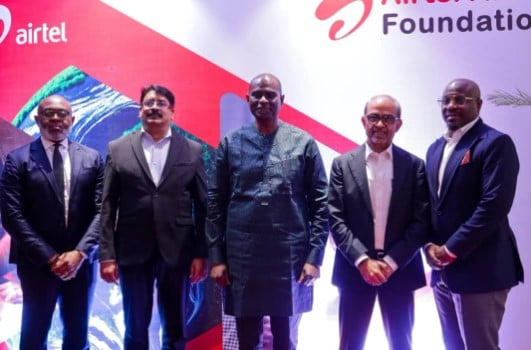
The Airtel Africa Foundation, in collaboration with UNICEF, has unveiled an ambitious plan to directly impact over 10 million lives across the continent by 2030 through education, digital inclusion, environmental sustainability, and financial literacy programmes.
The announcement was made on Tuesday at a press conference in Lagos State, where the foundation was formally launched.
In his opening address, Chief Executive Officer of Airtel Nigeria, Dinesh Balsingh, said the foundation was committed to improving Africa’s socio-economic landscape through education and digital empowerment.
“We gather today to officially present the Airtel Africa Foundation to the world. This foundation carries forward our tradition of social investment and multiplies its reach with a sharper focus, a stronger platform, and a groundbreaking vision.
“For the first time, the world will see in one frame the projects we are delivering across the continent. These initiatives are already catching light in classrooms, in hospitals, in rural communities, and in cities, where digital access determines the difference between stagnation and opportunity,” he said.
Balsingh explained that the foundation was equipping schools with devices, internet connectivity, and teacher training to prepare young Africans for self-reliance in the digital economy.
Also speaking at the event, Chief Executive Officer of Airtel Africa, Sunil Taldar, described the goal as both a business imperative and a guiding philosophy.
“We have visited over 1,200 schools, impacted more than one million students, and trained 17,000 teachers in digital education across our 14 markets. A very large portion of the foundation’s investment will go into Nigeria,” Taldar stated.
Since its inception in July 2024, the foundation has been active in Nigeria and 13 other African countries, bridging the digital divide, equipping young people with 21st-century skills, and promoting economic resilience.
Chairman of the Airtel Africa Foundation, Dr. Segun Ogunsanya, described the initiative as a catalyst for change and a lasting legacy.
“What makes you rich is not what you have, but what you give,” he said.
Ogunsanya highlighted the foundation’s focus on creating pathways to higher learning through zero-rated educational platforms, device donations, and school refurbishment projects.
“We’ve given IT materials to teachers, installed smart TVs in classrooms, and reconstructed six schools across Nigeria — one in each region. Our target is to reach 10 schools for a geo-balanced impact,” he said.
The foundation has also introduced the Airtel Africa Fellowship, which offers full undergraduate scholarships in technology and STEM fields, mentorship opportunities, internships, and exchange programmes to groom Africa’s next generation of innovators.
“Beyond building schools, we are supporting students who cannot afford school fees through scholarships, and we are working towards building a major tech hub in Nigeria. Currently, we are sponsoring two Nigerian students in a university in India, and I am pleased to announce that 100 additional scholarships will be awarded to Nigerians,” Ogunsanya revealed.
He added that Airtel employees are central to the mission, with more than 1,100 staff volunteering their expertise for mentorship, coaching, and community projects across Africa.
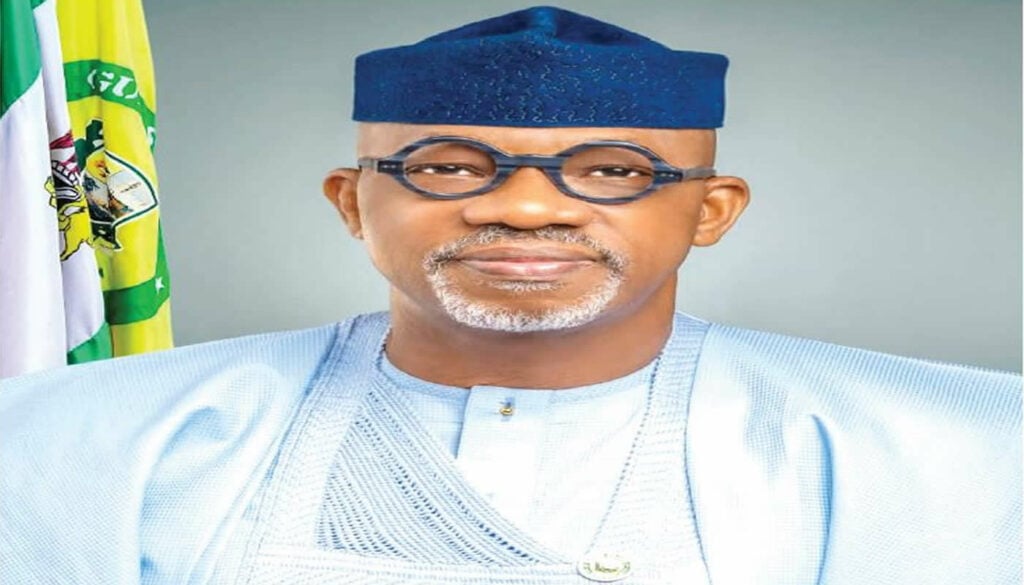
The Ogun State Governor, Dapo Abiodun, has said the fight against poverty and the pursuit of national development cannot be left to the government alone, stressing the need for collective responsibility by faith-based organisations, the private sector and individuals.
Abiodun made the call in Lagos on Tuesday while chairing the 12th Annual Public Lecture of The Foursquare Gospel Church Nigeria, themed “Poverty Alleviation, Economic Development and Stability of the Nigerian Economy,” held at The Marquee, Harbour Point, Victoria Island.
According to him, the complexity of governance makes it impossible for the government to carry the burden of development single-handedly.
“The burden of governance cannot be shouldered by government alone, and the church has effectively demonstrated this belief through its initiatives,” he said.
He commended Foursquare Gospel Church for going “beyond the pulpit” to provide social interventions through schools, hospitals, humanitarian outreaches and empowerment programmes that had impacted countless lives.
Abiodun added, “The problem of poverty requires economic stability which must be anchored on inclusive growth where opportunities are extended to all citizens, especially the vulnerable.
“Economic development and stability are two sides of the coin. Without stability, the economy is short-lived. Without development, poverty persists. As leaders, whether in the government, church or private sector, we must collaborate to break the cycle because poverty is not just an economic statistic, it is a human reality. We must care for the vulnerable.”
Earlier in his welcome address, the General Overseer of Foursquare Gospel Church Nigeria, Rev. Sam Aboyeji, said no nation could achieve development and stability without deliberately tackling poverty.
“Poverty is one of the greatest challenges confronting Nigerians today, and it can only be removed or minimised through a collective battle by government, faith-based organisations, committed parastatals, and individuals,” he said.
Aboyeji noted that with 70 years of continuous presence in Nigeria, the church considered it a “sacred duty” to contribute to national progress, hence its commitment to the annual lecture as a platform for intellectual discourse and policy engagement.
Delivering the lecture, Senior Fellow and Associate Professor at Lagos Business School, Dr Doyin Salami, lamented the volatility of the Nigerian economy, warning that the current 3.2 per cent growth rate was inadequate for poverty reduction.
According to him, Nigeria needed sustained growth of at least 6.5 per cent annually for a decade to achieve meaningful results.
“Recent data shows that increases in investment in Nigeria are not strong enough to stimulate growth. We must avoid the mistakes of the past and ensure that our investments are the kind that stimulate, support and drive development,” Salami said.
He recalled that Nigeria was ahead of China in poverty indices as far back as 1992, but by 1996 China had reversed its fortunes while Nigeria lagged behind.
He also warned that Nigeria’s reliance on services over industry was deepening its de-industrialisation and undermining prospects for sustainable growth.
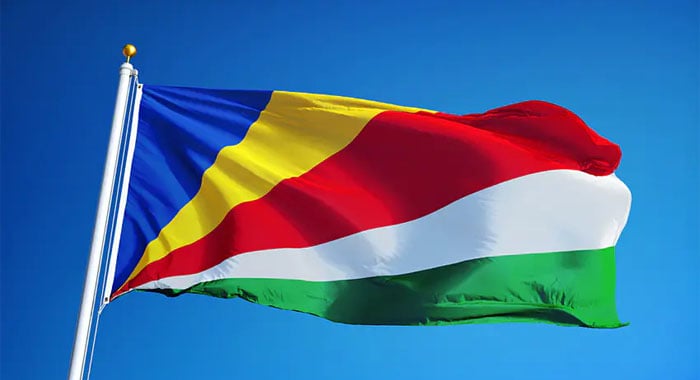
The Indian Ocean archipelago of the Seychelles boasts one of the highest standards of living in Africa, driven in part by high-end tourism and fishing, but the island nation is also plagued by drug use and trafficking.
It will hold presidential and legislative elections on September 25-27.
– 115 islands –
The 115 mostly uninhabited islands and islets that make up the Seychelles represent a total of 455 square kilometres (280 square miles), barely the size of the principality of Andorra.
But, spread across an area of more than 388,000 square kilometres, the islands and their surrounding waters make up a vast economic exclusive zone of more than one million square kilometres, twice the size of France.
The islands and their waters are a paradise of biodiversity, home to a rich variety of fauna and flora, and are an important nesting site for birds and turtles.
At the heart of the Indian Ocean, the archipelago occupies a strategic position between Madagascar, Africa, and India.
Three-quarters of its roughly 120,000 citizens live on the Mahe island, where the capital, Victoria, is located, according to 2024 World Bank data.
The archipelago is vulnerable to climate change, and is facing rising sea levels, the deterioration of the marine ecosystem — particularly its coral reefs — as well as landslides, flooding, and drought.
– Young democracy –
The islands were occupied in the 17th century by the French, and then in the 19th century by the British under their rule in nearby Mauritius.
The Seychelles became a colony in its own right in 1903 and achieved independence in 1976 under the presidency of James Mancham.
In 1977, a coup brought to power France-Albert Rene, who established a single-party state and survived multiple coup attempts.
The first multi-party elections took place in 1993 after a new constitution was adopted.
United Seychelles had provided every head of state until the 2020 election, which was won by opposition leader Wavel Ramkalawan.
Ramkalawan is seeking a second term against Patrick Herminie, of the United Seychelles party.
Herminie was charged in late 2023 with “witchcraft”, which he said was politically motivated, and the charges were later lifted.
– Tourism and fishing –
Known for its white beaches and high-end tourism, the Seychelles has Africa’s highest GDP per capita income, according to the World Bank.
However, its economy is vulnerable to price fluctuations for imported products, including food and petrol, which increase the cost of living.
The employment rate is low and while extreme poverty has been almost entirely eradicated, it faces issues such as drug use and trafficking, according to the World Bank.
– Heroin, the dark side of paradise –
Government figures show between 5,000 to 6,000 Seychellois consume heroin, data based on those on a methadone substitution programme.
Other estimates suggest up to 10,000 users, equivalent to roughly 10 percent of the population.
Critics say Ramkalawan has failed to fulfil campaign promises on fighting corruption and drug trafficking.
– ‘Coco bottom’ –
Synonymous with the Seychelles and commonly known as the sea coconut, or coco de mer, is the world’s largest seed — and is shaped like a woman’s bottom.
It became popular when tourism took off following independence.
Authorities limited trade in 1978, but the restrictions were ignored by nut poachers, and since 2011, it has been on the International Union for Conservation of Nature’s “red list”.
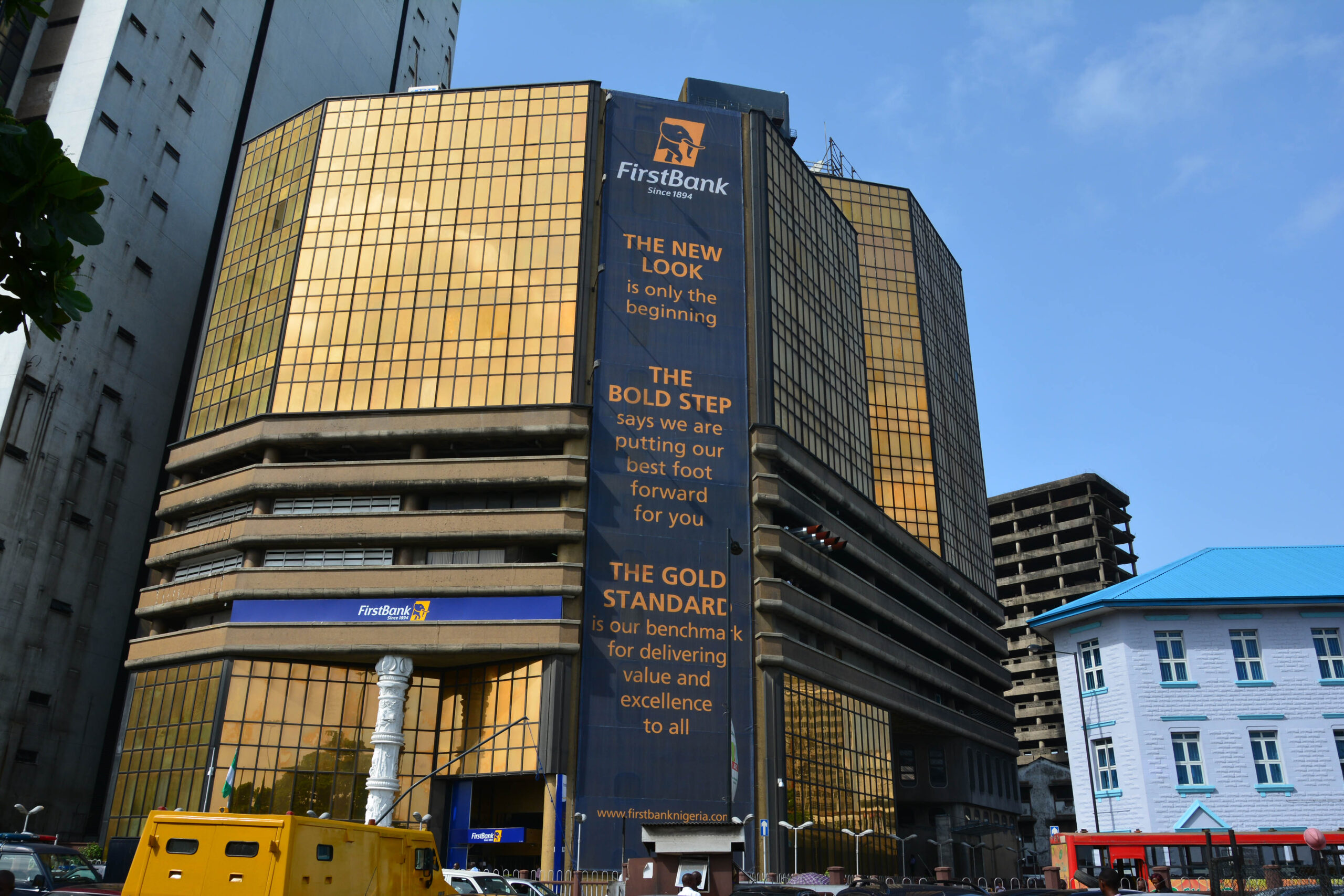
In line with its commitments of promoting sports and developmental initiatives at all levels, First Bank of Nigeria Limited is partnering the organizers of the first of its kind E1 Lagos GP an all-electric powerboat racing championship, set to hold between the 3rd and 5th of October 2025. Disclosing this at the E1 Lagos GP Stakeholder Immersion session in Lagos recently, Olayinka Ijabiyi, the Acting Group Head, Marketing and Corporate Communication of FirstBank, reaffirmed the Bank’s commitment to supporting initiatives that engender human development across the country while cementing legacies.
“Our involvement in the E1 Lagos GP is about driving legacy and enabling the passions and aspirations that unite Nigerians. We are a bank that has been in business for over 131 years and we recognize that sports drives us as a country, which is why through our First@Sportsinitiative, we continue to invest in platforms that inspire and elevate our people. We have been supporting legacy sport tournaments like the Georgian Polo Cup which we have hosted for 105 years, and the Lagos Amateur Open Golf Championship for 64 years now,” Ijabiyi said.
With the event slated for the start of the fourth quarter, FirstBank is aligning its partnership with the annual DecemberIssaVybe initiative, a campaign that celebrates the vibrant spirit of Nigerians during the festive season by curating unforgettable experiences that blend culture, entertainment and lifestyle. “FirstBank is deeply woven into the fabric of society and the lives of our customers. As presenting partner, we are creating meaningful touchpoints with customers and prospects, offering them a world-class experience of relaxation and celebration that captures the true essence of Lagos during the festive season,” he added.
Lagos State Commissioner for Information and Strategy, Gbenga Omotoso, who was also at the event, described the initiative as an event that will grow not just the sports but also showcase Lagos’s vibrant culture, dynamic people, and global relevance, while commending FirstBank for their support.
The teams owned by notable stars like Tom Brady, LeBron James, Didier Drogba, Will Smith, Marc Anthony, Steve Aoki, Rafael Nadal will compete in the Lagos leg before the 2025 season of the competition terminates in Miami in the United States.
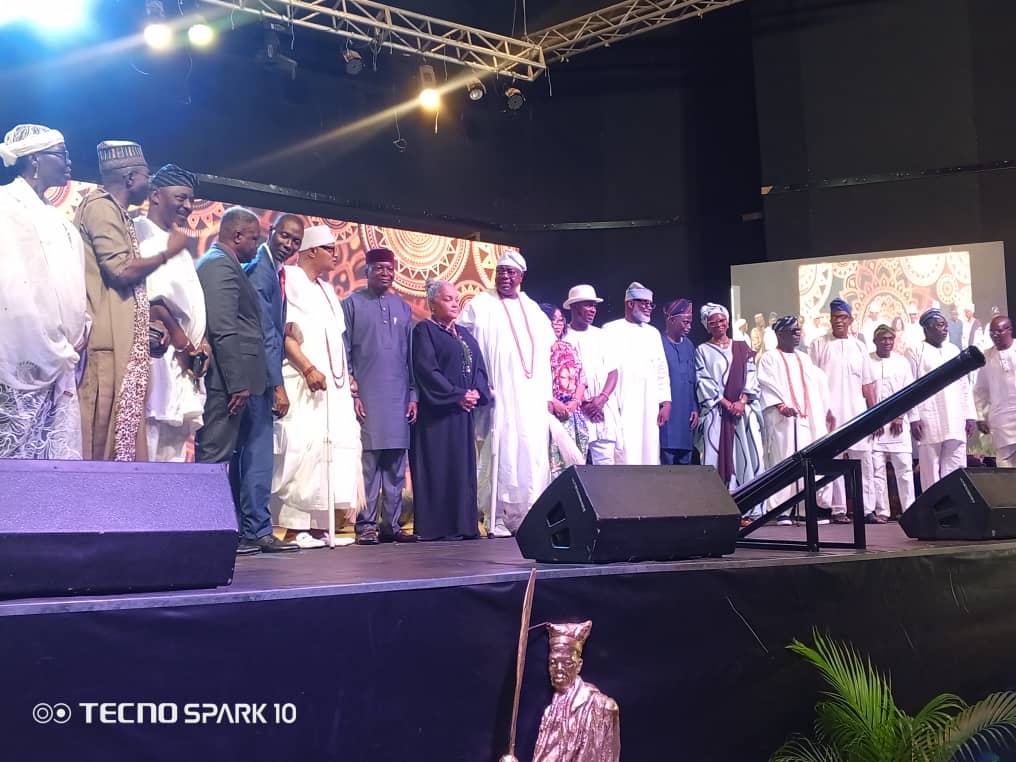
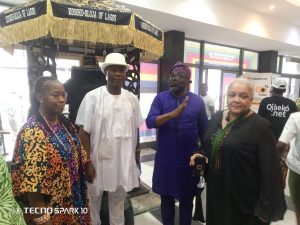
The historic Glover Memorial Hall on Lagos Island was steeped in history and reflection on Sunday, September 21, 2025, as scholars, cultural custodians, political leaders, and members of the Lagos royal family converged for the King Kosoko Memorial Lecture 2025. This year’s theme, “The Lagos Kingship: Its Territory, Culture, Traditions, and Its Districts Before 1852,” offered a panoramic exploration of Lagos’ precolonial society and the enduring legacies of its monarchs.
Delivering the welcome address, Prince Abiola Olojo-Kosoko, Chief Curator of the King Kosoko Memorial Museum, described the lecture as more than a scholarly gathering, but rather a moment to honor the resilience and vision of King Kosoko.
“Our story as Lagosians did not begin with colonial maps or modern skyscrapers it began with the wisdom, courage, and vision of our forebears, among whom King Kosoko stands tall,” he said.
Prince Olojo-Kosoko emphasized that King Kosoko embodied the spirit of a cosmopolitan Lagos whose influence extended beyond the island to Epe, Ikorodu, Badagry, and even into the debates of Britain’s parliament. He thanked the planning committee, sponsors, Lagos State Government, and the Royal Family of Lagos, urging participants to recommit themselves to preserving Lagos’ cultural heritage in an age of globalization.
The keynote lecture was delivered by Idris Aregbe, Special Adviser to the Lagos State Governor on Tourism, Arts & Culture. He described the Lagos Kingship as both sacred and political, structured around the Oba, a council of chiefs, and customary institutions that ensured governance, justice, and ritual authority.
Aregbe highlighted the district system that organized Lagos’ social and economic life before 1852:
District A: Maritime hub with shrines tied to tides and markets.
District B: Agricultural hinterland trading crops with port towns.
District C: Artisan and craft quarter where guilds set norms.
District D: Fortified district with plazas for assemblies and conflict resolution.
District E: Spiritual center housing shrines and ritual specialists.
These districts, he explained, were united by alliances, intermarriages, shared markets, and customary law, creating a governance model that combined independence with unity under the Oba.
He also celebrated Lagos’ cultural richness oriki (praise poetry), drumming ensembles, masquerades, sacred shrines, and festivals like Adamu-Orisa (Eyo), Egungun, and Gelede as the fabric of precolonial identity.
Adding historical depth, Prof. Habeeb Abiodun Sanni of Lagos State University traced the monarchy’s origins to Ashipa, a representative of the Oba of Benin, who laid the foundations of the Lagos throne.
His research underscored Lagos’ hybrid monarchy: a blend of Awori traditions and Benin imperial structures, producing a kingship that was both spiritual and political. Prof. Sanni recounted how rulers such as Akinsemoyin transformed Lagos into a major slave-trading hub, while Erelu Kuti played a decisive role in preserving dynastic continuity and embedding women into the political fabric of Lagos.
He noted that Lagos’ territory expanded beyond the island to Ikorodu, Ijede, Epe, and Badagry through diplomacy, exile settlements, and commercial networks making Lagos a regional power by the early 19th century.
In her captivating contribution, Aduke Gomez offered a wide-angle view of Lagos as a pepper farm turned warrior camp (Oko to Eko), which grew into a trading powerhouse.
She highlighted the strategic location of Lagos, with its lagoon and waterways linking the West African “Slave Coast” from Ghana to Bayelsa. Large war canoes, some carrying 100 people and mounted with guns, symbolized Lagos’ strength in trade and conflict.
Gomez revisited the succession disputes that defined Lagos politics whether primogeniture from father to son, lateral succession among brothers, or outright seizure by rivals. She noted how the rivalry between Kosoko and Akitoye led to the 1851 British bombardment and paved the way for annexation.
Importantly, she spotlighted the role of women in shaping kingship and trade:
Erelu Kuti, who safeguarded dynastic succession.
Madam Tinubu, whose entrepreneurial and political influence supported kings.
Opo Olu and other royal women, who defended Kosoko’s interests.
Gomez argued that the kings’ economic vision such as Akinsemoyin’s invitation to European traders and Kosoko’s engagement with Afro-Brazilian returnees laid the foundations for Lagos’ cosmopolitan identity as a global hub of trade, creativity, and migration.
The lectures collectively stressed that studying the Lagos kingship before 1852 is not merely an academic exercise but a strategic investment in heritage-led development.
Aregbe called for:
Curated heritage routes across former districts.
Community-led festivals that revive traditional ceremonies.
Expanded museums and digital archives to capture oral histories.
Training local artisans and guides to sustain cultural industries.
Prince Olojo-Kosoko and other speakers emphasized the need to balance cultural preservation with ethical tourism, ensuring that sacred spaces and community rights are respected while Lagos shares its authentic stories with the world.
The 2025 King Kosoko Memorial Lecture succeeded in weaving together history, culture, and policy, offering Lagosians a chance to reconnect with their roots while imagining a future shaped by heritage, creativity, and resilience.
From the Awori migrations and Benin influence, to the trade networks, succession disputes, and festivals that defined precolonial Lagos, the event underscored that Lagos was already a cosmopolitan kingdom before 1852.
As Aduke Gomez concluded, it was the “entrepreneurial interventions of the Lagos kings that transformed Lagos from a pepper farm to a megacity first the capital, now the economic and creative heartbeat of Nigeria.”
The resounding call was clear to honor the past, preserve the present, and shape a future where Lagos’ cultural heritage continues to inspire generations.
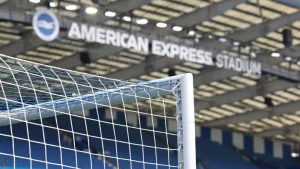
Brighton & Hove Albion Football club has stated that it stopped over £100,000 black market ticket sales in one match day.
According to BBC Sports on Tuesday, the club said it is taking a firm stand against ticket touting, using cutting-edge technology and a newly appointed investigations officer to stop inflated resale activity and protect loyal fans.
Brighton urged its fans to avoid buying tickets from third-party sellers and buy directly from the club or risk losing their money altogether.
“We have identified hundreds of unauthorised resale tickets today. Based on black market prices, that’s around £100,000 worth of transactions we have stopped from falling into the hands of touts,” the club’s first-ever Tickets Investigation Officer, Joseph Sells said.
During the club’s recent Premier League match against Tottenham Hotspur, Brighton blocked 285 tickets that were being resold illegally, with an estimated street value of £100,000.
“One striking example involved a family who unknowingly paid £6,000 for six tickets to see Manchester City only to be turned away at the gate.
“Stories like this underscore the growing risk fans face when buying from unofficial platforms.
“To identify touts, Brighton uses bespoke software that flags suspicious transactions, monitors resale sites, and applies a risk score to each purchase.
“The system is designed to detect red flags such as purchases made with prepaid cards issued in other countries or bulk buying attempts under fake names,” Sells said.
Sells added that fans caught with unauthorised tickets at the stadium are given a letter explaining the situation and advising them to contact their bank to report the purchase as fraud.
“Where possible, the club offers legitimate replacement seats from last-minute availability or hospitality allocations,” he stressed.
The wider Premier League is also moving to combat touting, with new rules requiring encrypted digital barcodes to make unauthorised resale harder.
The National Youth Service Corps has announced that the 2025 Batch ‘B’ Stream II Orientation Course will commence nationwide on Wednesday, September 24, 2025, across all orientation camps.
According to a a statement issued via its official Facebook page on Monday, the scheme said registration will run until midnight on Friday, September 26, while the swearing-in ceremony is scheduled for the same day.
It added that the three-week exercise will end with a closing ceremony on Tuesday, October 14, 2025.
However, the NYSC clarified that the orientation course in Kwara State will open later, beginning on Tuesday, September 30, and closing on Monday, October 20, 2025.
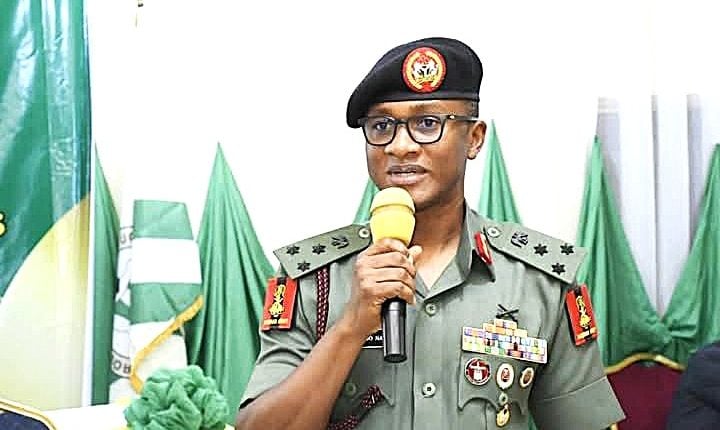
The statement said the Director-General of the NYSC, Brigadier-General Olakunle Nafiu, urged all Prospective Corps Members to report to the camps indicated in their call-up letters, stressing the need for compliance with all registration requirements. Foreign-trained graduates are expected to present their international passports and original copies of uploaded documents.
He warned PCMs against presenting fake documents, cautioning that offenders would be handed over to law enforcement agencies for prosecution. Graduates of monotechnics and polytechnics are specifically required to produce their National Diploma certificates as part of the registration process.
In the event of a lost call-up letter, the NYSC directed corps members who collected theirs from their institutions to obtain a police report and sworn affidavit before returning to their schools for further action. Those who printed theirs online can reprint copies.
Highlighting safety concerns, the scheme strongly advised PCMs against night journeys.
“Once it is 6:00pm, prospective corps members are enjoined to break their journeys and spend the night at military or police barracks, NYSC secretariats or corps lodges nearest to their disembarkation point,” the statement read.
The NYSC also advised corps members to only patronize government-approved motor parks and transportation companies to avoid falling prey to criminals.
The NYSC boss was quoted as saying, “Any prospective corps member who refuses to report for service or participates illegally in the scheme will be prosecuted, as stipulated by the NYSC Act.”
He added, “Married, pregnant, and nursing mothers posted outside their husbands’ states of residence may complete the orientation course in their states of domicile, provided they present evidence of marriage, their husbands’ identification, and proof of residence.
“For registration, all corps members must present their original call-up letters, statements of result or certificates, school identity cards, and certificates of medical fitness issued by government or military hospitals stamped by the Nigerian Medical Association. Medical and allied health graduates are also required to show proof of registration with their respective professional bodies.”
The NYSC boss concluded by saying, “We wish all prospective corps members safe travels to their various camps and a successful service year.”