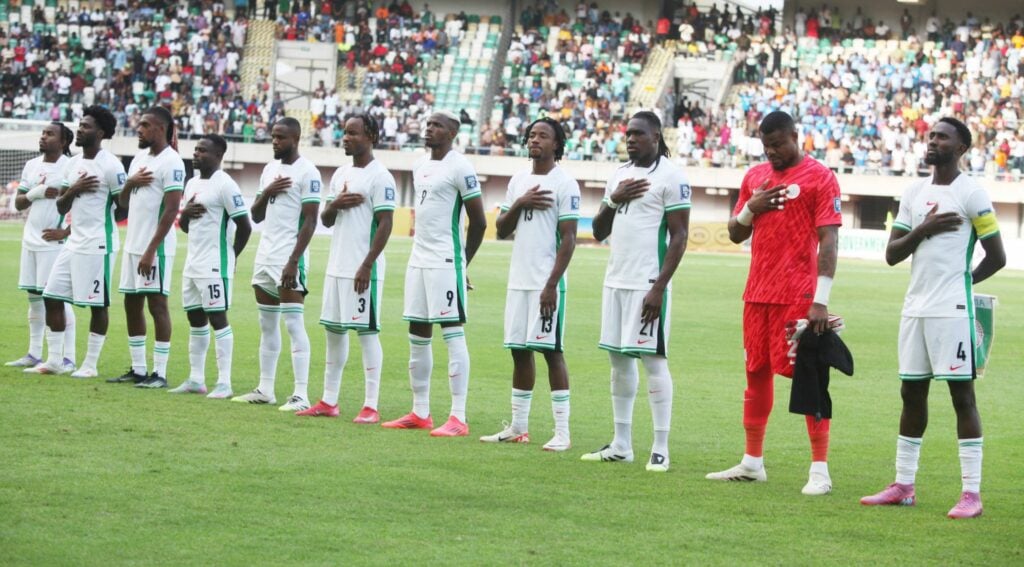
All eyes are on the New Peter Mokaba Stadium, South Africa, on Friday as the Super Eagles lock horns with the Crocodiles of Lesotho in what promises to be a last-chance match for Nigeria in the 2026 FIFA World Cup qualifiers.
The Super Eagles were almost certain to miss out on consecutive World Cup finals after their September 1-1 draw against South Africa’s Bafana Bafana.
However, they were handed a lifeline when South Africa were docked points for fielding an ineligible player, narrowing the gap at the top of Group C.
The ruling left Nigeria three points adrift of Benin and South Africa with two games remaining, reshaping the qualification race and keeping Nigeria’s hopes alive.
Decisive game for the Super Eagles
Nigeria cannot afford to lose either of their remaining two matches, starting with Friday’s fixture against Lesotho.
They must also hope South Africa slip up in their remaining games against Zimbabwe and Rwanda.
With several teams still mathematically capable of topping the group, a win in Polokwane is essential if the Super Eagles are to keep their campaign alive.
Group standings
Benin top the group with 14 points and a +4 goal difference, while South Africa are second on 14 points with a +2 goal difference. Nigeria sit third on 11 points and a +2 goal difference, followed by Rwanda on 11 points and a neutral goal difference.
Head-to-head
Since 2019, the sides have met three times: they have drawn once and Nigeria have won twice.
Lesotho held Nigeria to a 1-1 draw in the reverse fixture at the Godswill Akpabio Stadium, Uyo, on November 16, 2023, and will be looking to cause another upset in Polokwane.
Record so far
The Super Eagles’ World Cup qualifying campaign has been patchy. To date, they have recorded two wins, five draws and one defeat, while Lesotho have two wins, three draws and three losses.
Optimism, ready
Ahead of the crucial tie, head coach Éric Chelle and some Super Eagles stars have expressed optimism about their chances.
Speaking at a press conference in Polokwane on Thursday, Chelle said the team must begin the game aggressively and with full focus.
Chelle warned that football is unpredictable, considering factors such as weather, refereeing errors, and individual mistakes can influence outcomes.
But he insisted the squad’s attention must remain on securing three points.
Match details
Matchday nine will take place on Friday (today), October 10, at the New Peter Mokaba Stadium, Polokwane, with kick-off at 6:00 p.m. local time (5:00 p.m. Nigeria time).
Fans can watch on DStv’s SuperSport, SportyBet TV and AfroSport.
The Federal Capital Territory Police Command has revealed that the armed robbery gang responsible for the killing of ARISE News anchor, Somtochukwu Maduagwu, sourced their weapons from a supplier in the Niger Republic.
The Command’s spokesperson, SP Josephine Adeh, disclosed this in a statement on Friday while announcing the arrest of 12 suspects linked to the September 29, 2025, robbery and murder at Unique Apartments, Katampe Extension, Abuja, where Maduagwu and a security guard, Barnabas Danlami, lost their lives.
Adeh said preliminary investigations showed that the syndicate procured its firearms — including a locally fabricated AK-47 rifle, a pump-action gun, and a pistol — from an arms dealer operating across the Nigeria–Niger border.
“All the suspects are from Kaduna and Katsina States and have confessed to obtaining their weapons from a yet-to-be-identified supplier in the Niger Republic,” Adeh said.
The police listed the arrested suspects as Shamsudeen Hassan, Hassan Isah (22), Abubakar Alkamu (27), Sani Sirajo (20), Mashkur Jamilu (28), Suleiman Badamasi (21), Abdulsalam Saleh, Zaharadeen Muhammad (23), Musa Adamu (30), Sumayya Mohammed (27), Isah Abdulrahman (25), and Musa Umar (31).
Adeh said the suspects confessed to carrying out operations at Katampe 1, a hotel in Apo and Zuba, before the robbery that claimed the lives of Arise News anchor and the security guard.
“They have also confessed to participating in other armed robbery operations at Katampe 1, a hotel in Apo, and another in Zuba, all within the FCT, ” the statement added.
Adeh said further investigations confirmed that Hassan Shamsudeen fired the shot that killed the security guard during the attack.
“Further investigations confirmed that the fatal shot which claimed the life of the security guard, Mr. Barnabas Danlami, was fired by one of the suspects, Shamsudeen Hassan,” she said.
Explaining how the operation to apprehend the suspects was carried out, Adeh said the Commissioner of Police, Ajao Adewale, deployed a special investigation team led by DCP Aliyu Abubakar and assisted by ACP Victor Godfrey to track down and dismantle the network following the murder.
“Following the tragic incident, the Commissioner of Police, FCT Command, CP Ajao S. Adewale psc. mnips., established a Special Investigation Team led by the Deputy Commissioner of Police, State Criminal Investigation Department, DCP Aliyu Abubakar, and assisted by the Commander, Scorpion Squad, ACP Victor Godfrey, with a clear mandate to track down and dismantle the criminal network behind the attack. Leveraging digital reconstructive intelligence and conducting coordinated operations across the FCT, Nasarawa, and Kaduna States, the team successfully apprehended the suspects,” she said.
The police urged residents to remain alert and report suspicious movements through its emergency lines.
Nigeria has long struggled with the influx of illicit small arms and light weapons from neighbouring countries, especially Niger, Chad, and Cameroon.
In 2016, the United Nations raised concern over the widespread proliferation of illicit small arms and light weapons in Nigeria, estimating that about 350 million of the 500 million such weapons circulating in West Africa were concentrated within the country.
The figure is about 70 per cent of the regional total.
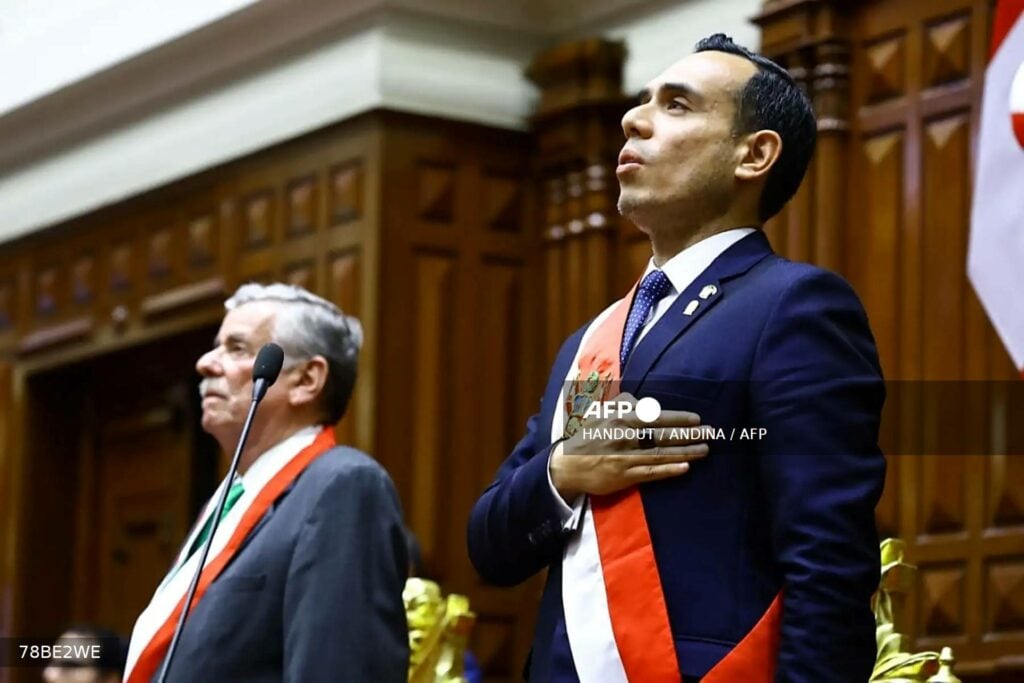
Lawmakers in Peru voted Friday to remove President Dina Boluarte, whose term has been marked by protests and accusations of failing to stem crime.
Boluarte refused to appear before Congress for an overnight hearing, after a majority of lawmakers, including some once loyal to her, voted to initiate impeachment proceedings.
They summoned Boluarte to appear before Congress at 11:30 pm (0430 GMT Friday), but she skipped the proceedings, which ended with 118 lawmakers voting for her impeachment.
“The president’s impeachment has been approved,” announced Congress leader Jose Jeri, who could take over as interim president until elections in April 2026.
Protests have marked Boluarte’s presidency, along with various scandals, investigations and a surge in gang violence.
She had already faced down multiple attempts to remove her from office.
The latest effort cited her “permanent moral incapacity” to carry out her duties since assuming office in December 2022.
Peru has had six presidents in about nine years.
Boluarte, who took office after her predecessor, Pedro Castillo, was impeached over a crackdown on protests that killed at least 50 people, had seen her approval rating plummet.
She is the subject of multiple probes, including one for her alleged failure to declare gifts of luxury jewels and watches, a scandal dubbed “Rolexgate.”
She also gave herself a large pay increase in July.
Anti-government protests have mounted in recent weeks after the government passed a law on September 5 requiring young people to contribute to private pension funds, despite job insecurity and an unofficial employment rate of more than 70 per cent.
Protests have also escalated over the past six months in the wake of a wave of extortion and murders by organised crime groups.
The Financial Reporting Council of Nigeria, the Securities and Exchange Commission, and other stakeholders have called for ethical governance at board levels as the nation faces multiple disruptions.
The call was made at the 20th anniversary corporate governance conference of the Society for Corporate Governance Nigeria on Thursday, themed ‘Strengthening Ethical Governance in a Disrupted World: Reflection on Governance’s Journey for a Sustainable Future.’
The SCGN conference marked two decades of promoting integrity, transparency, and responsible leadership. It provided a platform for regulators, board leaders, and governance professionals to explore practical strategies for building resilient, ethical, and future-ready institutions.
The Executive Secretary and Chief Executive Officer of the FRC, represented by the Coordinating Director, Directorates of Corporate Governance and Inspections & Monitoring, Titus Osawe, highlighted several emerging challenges threatening ethical governance in Nigeria.
He identified issues such as knowledge gaps, greenwashing, data manipulation, digital disruption, artificial intelligence, and digital assets. He stressed that organisations must demonstrate their commitment to ethics and integrity through strong ethical leadership and sound governance.
“Strengthening ethical governance is a collective responsibility. I call on all stakeholders, organisations, institutions, and individuals to prioritise ethics and integrity.
We must drive ethical governance intentionally by working together to build a more sustainable future for our country,” he said.
“We at the FRC are committed to promoting ethical governance. We will continue to set standards, provide guidance, monitor and enforce compliance, and where breaches occur, impose applicable sanctions. Together, we can create a culture of transparency, accountability, and integrity that benefits us all. We remain steadfast and resolute in strengthening ethical governance.”
In his remarks, the Director-General of the SEC, Dr. Emomotimi Agama, represented by the Head of the Lagos Zonal Office, John Briggs, underscored the urgency of addressing governance and sustainability challenges.
“The world is grappling with the interconnected challenges of climate change, social inequality, technological disruption, and evolving investor expectations,” he said.
“In this era of profound transformation, the principles of sound governance and transparent sustainability reporting have transcended mere compliance. They are now fundamental pillars of long-term value creation, competitive resilience, and sustainable national development. For emerging economies like Nigeria, this imperative carries particular weight. We face the dual challenge of stimulating economic growth and attracting investment while ensuring that such growth is inclusive, equitable, and responsible. Corporate governance provides the essential framework for meeting these challenges.”
Commending the SCGN for its role in promoting governance standards, Agama said, “Through its unwavering commitment to advocacy, capacity building, and research, the Society has consistently advanced awareness and best practices. Its focus on reviewing and highlighting governance and sustainability trends has provided an invaluable benchmark for boards, regulators, investors, and the public alike.
“This work has enriched national discourse, encouraged high standards, and prepared Nigerian businesses to engage confidently on the international stage. Therefore, this 20th anniversary is more than a milestone; it is a testament to the indispensable role institutions play in shaping a nation’s corporate character.”
He also called for the incorporation of good governance and sustainability principles into the “very DNA of institutions,” adding that transparency, accountability, and inclusiveness must not be treated as optional add-ons but as “fundamental, non-negotiable components” of doing business in Nigeria.
The keynote speaker, Dr Omobola Johnson, Board Chair of Guinness Nigeria Plc, emphasised that diversity on boards is key to achieving ethical governance.
“In a world without a rule book, no single demographic has a monopoly on the knowledge and expertise required for effective governance,” she said. “Diverse boards with different lived experiences bring richness and depth to discussions and decision-making. They also foster integrity and ethics by ensuring that boards are not monolithic but truly representative, essential for making ethically sound decisions that consider a broad range of stakeholders.”
She added, “Integrity and ethical governance go hand in hand. They are not merely top-down mandates but shared values that boards must champion. This requires a long-term view of enterprise success defined by broader metrics such as resilience, trust, and strategic clarity, all vital for navigating uncertainty in a constantly changing world.”
In his opening speech, the President of SCGN, Muhammed Ahmad, acknowledged the disruptive nature of today’s operating environment and the resulting need for stronger ethical grounding.
“In an environment that is highly challenging and disruptive, where AI is constantly reshaping our world, we must ask: what is the role of ethics? How can we ensure that ethical behaviour remains part of our DNA?” he asked.
“Ethics is not just about compliance or ticking boxes. It’s about living, acting, and relating with others based on the highest ethical standards. Governance, therefore, is about guiding our organisations to make the right choices, not taking shortcuts. The easy path is not always the right one. We must remain transparent, fair, and accountable to all stakeholders.”
One of SCGN’s founding directors, Professor Pat Utomi, brought a philosophical perspective to the discussions. Referencing economic historian Carlo Cipolla’s Five Laws of Human Stupidity, Utomi observed that “sometimes emotion overtakes reason,” and called for the development of conscience “so that we can always speak truth to power and help those who might otherwise be carried away.”
The conference also featured a panel discussion with prominent speakers, including the Chairman, Presidential Committee on Fiscal Policy and Tax Reforms, Mr. Taiwo Oyedele; CEO, LeadRight Consultant (South Africa), Ms. Kim Anderson; Director, NCGC, Mrs Yeside Kazeem; and Chairperson, Coronation Life Assurance Limited, Mrs Suzanne Iroche. The session was moderated by the Group Managing Director, Zedcrest Group, Mr. Adedayo Amzat.
Three new publications were launched at the event: Corporate Governance and Sustainability Reporting in Nigeria, Governance in Motion: 20 Years of Corporate Governance Influence and Impact, and the 28th edition of the Journal of Corporate Governance.
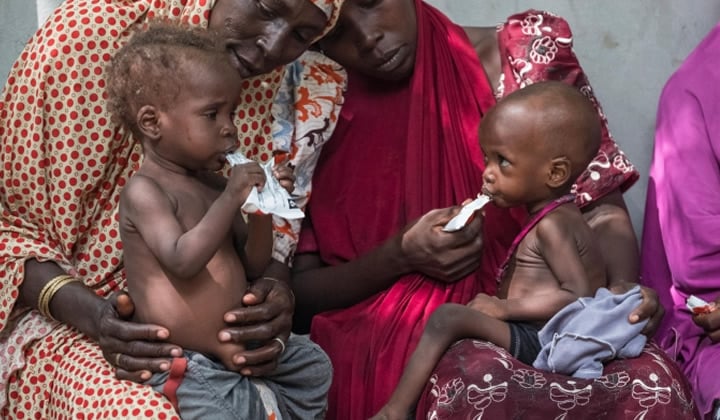
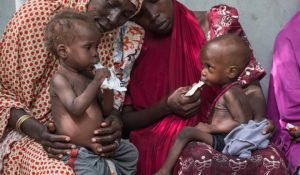
As Nigeria joins the rest of the world to mark World Mental Health Day, international medical organisation, Doctors Without Borders/Médecins Sans Frontières has drawn attention to the hidden mental health impact of child malnutrition across northern Nigeria, calling for an integrated approach that treats both body and mind.
According to MSF, the burden of malnutrition in the region has reached alarming levels. In 2024 alone, over 300,000 malnourished children were treated in the organisation’s facilities across Zamfara, Kano, Katsina, Kebbi, Bauchi, Borno, and Sokoto states — a 25 per cent increase from the previous year.
Beyond the visible physical toll, MSF says malnutrition leaves deep psychological scars on children and their caregivers.
“Malnutrition doesn’t just affect the child physically,” explained Kauna Hope Bako, MSF’s Mental Health Supervisor in Bauchi.
“It has psychological, emotional, and behavioural implications”, he added.
Bako noted that malnourished children often become irritable, withdrawn, or unresponsive, struggling to meet developmental milestones such as walking and talking.
“The child feels detached, sad that he cannot play like others. He’s in pain—not just from hunger, but from the infections that come with it,” she added.
The link between malnutrition and mental health, according to MSF, is two-way. Emotional neglect, stress, or abuse can contribute to malnutrition, while poor nutrition can, in turn, worsen psychological distress. “They’re two sides of the same coin,” Bako said.
To tackle this, MSF has introduced mental health support in its 12 inpatient and over 30 outpatient feeding centres across northern Nigeria. Each centre features a playroom where daily mental health sessions are held for children and their caregivers. These include psycho-stimulation therapy, stress management training, support groups, recreational sessions, and individual counselling.
Recognising that caregivers also bear a heavy emotional burden, Bako said:
“If the mother is not able to manage her own stress, it may unconsciously spill over to the child. That’s why we also care for caregivers.”
MSF has also begun training all its medical staff—doctors, nurses, and support workers—in psychological first aid and effective communication.
“Communication is sometimes treatment,” Bako observed. “When the mother feels listened to, and the child feels safe, healing has already begun.”
Between January and June 2025, MSF admitted 32,940 severely malnourished children to inpatient centres and 136,255 to outpatient centres in northern Nigeria. During the same period, its teams conducted 30,880 mental health sessions.
In Bauchi alone, over 113,000 children and caregivers have received psychological support since 2024.
Bako said the integrated approach has shown encouraging results, including faster recovery and stronger emotional resilience among families.
She said, “It’s not just about treating the disease.
“It’s about restoring hope, dignity, and the bond that helps families heal.”
As MSF marks World Mental Health Day 2025, the organisation reaffirmed its commitment to providing holistic care to vulnerable families in crisis-affected regions.
“Every child deserves not just to survive, but to thrive—body and mind,” MSF stated.
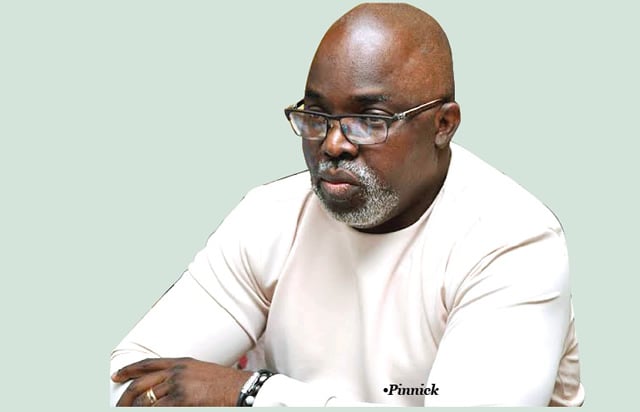
The Deputy Chair of the FIFA Men’s National Teams Competitions Committee, Amaju Pinnick, has described his appointment as a recognition of Nigeria’s growing influence in global sports governance.
In an interview with ARISE News on Thursday, Pinnick, a former President of the Nigeria Football Federation, expressed humility and pride at the opportunity to serve in one of FIFA’s most strategic committees.
“The importance of this is a recognition of Nigeria, as well as global sports. First, I’m saying that I’m humbled by the opportunity for me. The Committee for Competitions is the most important committee, because FIFA is all about competitions, organising competitions, which also includes the World Cup, the U-20 and the U-17, even up to the Club World Cup,” he said.
Explaining the committee’s mandate, Pinnick noted that it plays a central role in managing and supervising FIFA’s global tournaments and the participation of national teams.
“It’s a committee that has a responsibility. It has to be seen with national teams, with national team players, to be allowed to play in any of those competitions,” he stated.
Pinnick also highlighted the calibre of individuals serving alongside him, noting that the committee reflects the international breadth of football administration.
“A lot of people in the committee, even Danny Jordaan from South Africa, is a member of the committee. Danny Jordaan was chairman of the 2010 World Cup in South Africa. So, we are very, very happy,” he said.
He emphasised that FIFA appointments are based on merit, professionalism, and integrity rather than regional considerations.
“FIFA does not just select people. They don’t select based on nationality or regionalism, but also on standards, organisation, and administration,” Pinnick explained.
Expressing his sense of national pride, he added: “I’m humbled, and I’m glad to be here because once again, I’m in the Green White Flag in FIFA’s books.”
The former NFF boss further noted that other Nigerians are also serving in key FIFA committees, reflecting the country’s growing representation within global football structures.
“It’s not just about me. The incumbent president of the Nigeria Football Federation is also a member of the Interclub Committee. There’s a very seasoned journalist and former chairperson of the Women’s League, who is a member of the Communications Committee.
“Then, because I am a member of the Anti-Racism and Anti-Discrimination Committee, I was just declared to be a feminist. I returned to Congress. I was very proud to be a member of the Feminist Committee. So, we are happy that Nigeria is a global leader.”
On Nigeria’s domestic football development, Pinnick assured that he and relevant authorities were working closely to strengthen sports administration and performance.
“We are working. We are working with the National Sports Commission. We are working with the Federation. The National Sports Commission is like having sleepless nights on it. They are in alignment with me. You know, it’s not that we can do any magic, but whenever it’s possible, we definitely do,” he said.
PUNCH Online reports that Pinnick’s appointment, confirmed during the 74th FIFA Congress held in Bangkok, Thailand, underscores Nigeria’s growing prominence in international football administration.
The committee is responsible for overseeing FIFA’s national team competitions, including the FIFA World Cup, U-20 and U-17 tournaments, and the FIFA Club World Cup.
Pinnick’s elevation marks another milestone in his long-running involvement with global football governance.
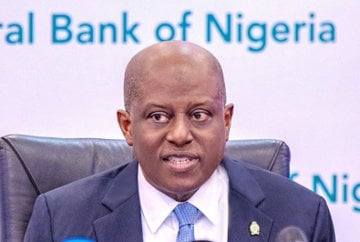
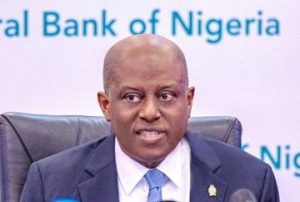
The Central Bank of Nigeria has reaffirmed its commitment to expanding financial inclusion and driving economic growth by promoting the adoption of alternative payment systems.
The apex bank expressed this commitment at a sensitisation exercise known as the ‘CBN Fair,’ held at the Dome Event Centre in Calabar on Thursday.
The event’s theme was “Promoting Alternative Payment Channels as Tools for Financial Inclusion, Growth and Accelerated Economic Development.”
The fair brought together manufacturers, traders, microfinance banks, commercial banks, merchant banks, students, artisans, members of the National Youth Service Corps, and other stakeholders.
Speaking at the event, an Assistant Director in the Corporate Communications Department, Uche Tobias, highlighted policies undertaken by the Olayemi Cardoso-led management since assuming office.
He noted that the Central Bank is championing technologies that empower individuals, boost productivity, and connect communities to the nation’s economic opportunities.
He said, “Under the leadership of Olayemi Cardoso, the management of the Bank remains firmly committed to fostering productivity, enhancing financial inclusion, and maintaining monetary and price stability. These efforts are already yielding positive results, as evidenced by the steady reduction in inflation and current stability in the foreign exchange market.
“Since assuming office, the Governor has spearheaded several key policies to strengthen the financial system. These include: exchange rate unification; the launch of the non-resident Bank Verification Number (BVN) to connect Nigerians abroad with home banking facilities; the BMatch System for forex trading; and the unveiling of the Nigeria Payments System Vision 2028 (PSV 2028) to accelerate digital transformation, broaden financial inclusion, and minimise downtime for faster and safer transactions,” he said.
He also noted the introduction of a 75 per cent Cash Reserve Ratio on non-Treasury Single Account public sector deposits, stressing that this policy aims to enhance liquidity management and mitigate potential inflationary pressures.
He explained that the sensitisation exercise was primarily to educate the public on how the bank’s policies enhance their lives and livelihoods and contribute to the growth and development of the Nigerian economy. He urged them to rely only on information disseminated through the verifiable official channels of the Central Bank of Nigeria.
“This engagement is primarily to sensitise members of the public on how the Bank’s policies enhance their lives and livelihoods and contribute to the growth and development of the Nigerian economy. We urge you to rely only on information disseminated through the verifiable official channels of the Central Bank of Nigeria,” he explained.
In his welcome address, the Calabar Branch Controller, Jibunoh Tolefe-Nwanneamaka, represented by the Head of Research, Jude Nwafor, stated that the fair was designed to promote financial inclusion by showcasing alternative payment channels and highlighting key reforms geared towards building a resilient and inclusive financial system.
According to him, the fair facilitates constructive dialogue between the Bank and the public, adding that it is a space where questions, concerns, and feedback are not only welcomed but valued, with the aim of building trust, enhancing consumer protection, and ensuring that every Nigerian feels empowered to participate in the financial ecosystem.
Cross River State Governor, Bassey Otu, represented by his Special Assistant on Agriculture, John Shiyam, commended the CBN for the initiative.
He noted that the Otu-led administration has prioritised agriculture as a strategy for rapid economic development to promote food security and the well-being of farmers in the state.
He concluded that the CBN Fair is beneficial for creating awareness of alternative payment systems.
“Cross River State is a very vast state with different topographical features, and most areas are remote. As I speak with you, not every local government in the state has a commercial bank.
“So it has been a very big challenge for farmers and even business people in such areas to access banking services. This initiative and this exercise are going to be very beneficial to people in such areas, to be aware of the alternative payment systems that they can leverage for their financial transactions,” he added.
The CBN, in a publication on its website, stated that it has long prioritised financial inclusion, ensuring that more Nigerians have access to banking and financial services. The CBN’s NFIS, first launched in 2012, created a framework for widening access, especially for underserved populations.
The apex bank explained that a challenge to financial inclusion in Nigeria persistently arises from low financial literacy, weak infrastructure, digital divide, and limited reach of formal banking services in rural and remote areas.
PUNCH Online reports that more recently, the CBN unveiled Payments System Vision 2028 (PSV 2028) to succeed PSV 2025, signalling its commitment to expanding, modernising, and securing Nigeria’s digital payments infrastructure.
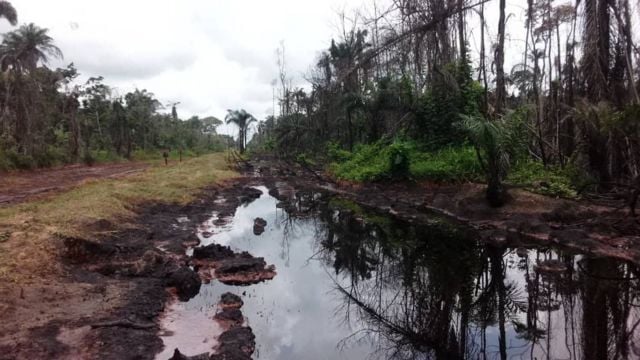
An oil spill from an 8-inch crude delivery pipeline at Oil Mining Lease 29 has polluted Nembe communities around the Santa Barbara River in Bayelsa.
The OML 29 asset is operated by Nembe Exploration and Production Company Limited, formerly Aiteo Eastern Exploration and Production Company Limited.
The News Agency of Nigeria reports that the leak at Tora area in Nembe occurred on October 1, discharging a yet to be ascertained volume of Crude stress into the Santa Barbara River and surrounding areas.
According to a letter to the operator of OML 29 by the legal counsel to the Opu Nembe Kingdom, signed by Mr Iniruo Wills, Managing Partner of Ntephe Smith and Wills, the spill has adversely impacted the people who depend on the Santa Barbara River.
The letter sighted by a NAN Correspondent was in response to an invitation to a Joint Investigation Visit to the spill site to ascertain the cause and volume of the spill.
The oil firm had confirmed the oil spill in a letter Ref: NEPCo/HSE-JIV/2025/04 dated October 5, which proposed a JIV for October 6.
The Nembe communities, in response to the letter, kicked against the October 6 date and opted for October 9.
“We remind you, as you are quite aware of already, that the Community requires and deserves decent notice to assemble a competent JIV team, some of whom usually come from Lagos, Port Harcourt and/or Yenagoa, in order to ensure due diligence and avoid or countervail the perennial practice of manipulating the JIV process and suppressing critical information.
“Please note that our clients demand a thorough and competent investigation of this spill, and adequate management (including swift post-spill assessment and remediation).
“Beyond this spill, for the records, we demand on behalf of our clients again for a top-level engagement (Company, Community Technical Team, and Regulators) for a lasting overall framework to put a stop to this unbearable and continual burden,” the letter read in part.
PUNCH Online had reported numerous oil spills in Bayelsa communities, such as in the Obololi community and the Ogboinbiri area, leading to environmental contamination, loss of livelihoods from fish farms and farmlands, and health concerns, including water scarcity and potential outbreaks.
These recurring incidents, often attributed to equipment failure on pipelines operated by companies like Oando and Shell, have resulted in resident frustration over inadequate cleanup, lack of relief, and the spread of pollution into streams, creeks, and farmlands.
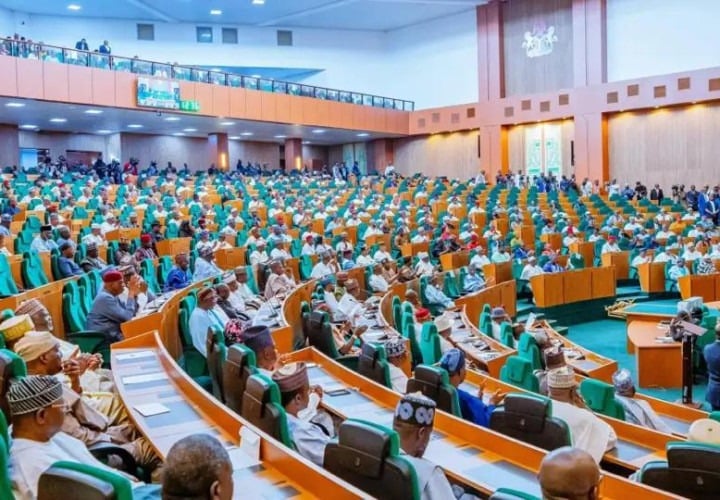
The House of Representatives on Thursday mandated its relevant committees to investigate the non-functionality of state-owned petroleum refineries in Port Harcourt, Warri, and Kaduna, despite the reported expenditure of about $18bn on their rehabilitation over the past two decades.
The resolution followed the consideration and adoption of a motion on notice moved by Lagos lawmaker, Oluwaseun Whinghan, during a plenary session presided over by the Deputy Speaker, Benjamin Kalu.
The Federal Government owns four petroleum refineries — two in Port Harcourt and one each in Warri and Kaduna.
Managed by the Nigerian National Petroleum Company Limited, the refineries have suffered perennial decline due to poor administration and vandalism — a situation that has left the country dependent on imported refined products.
Recently, billionaire businessman Aliko Dangote argued that the chances of the refineries returning to optimal operation were slim, even as the Group Chief Executive Officer of NNPCL, Bayo Ojulari, stated that selling off the national assets would not be ruled out.
Moving the motion, Whinghan, who represents the Badagry Federal Constituency of Lagos State, said the House was worried about the persistent non-functionality of Nigeria’s state-owned refineries in Port Harcourt, Warri, and Kaduna.
This, he noted, is despite over two decades of rehabilitation efforts and an estimated $18bn spent on turnaround maintenance, with no tangible results to show.
He said, “The House is worried over the recent public statements by Nigeria’s foremost industrialist, Aliko Dangote, and former President Olusegun Obasanjo, expressing doubts about the viability of these refineries and describing the multi-billion-dollar investments as futile, sparking widespread public concern and outrage over potential mismanagement.
“We recall that in 2007, during the administration of President Olusegun Obasanjo, Alhaji Dangote and other private investors acquired the refineries, but the succeeding administration of President Umaru Yar’Adua reversed the transaction, opting instead for rehabilitation using public funds — a decision that has yielded no significant operational improvement.
“The House is concerned that on Thursday, July 10, 2025, the Group Chief Executive Officer of NNPC Limited, Bayo Ojulari, in an interview published by The PUNCH, sought to distance the current administration from the monumental mismanagement of Nigeria’s state-owned refineries in Port Harcourt, Warri, and Kaduna.
“He confirmed their continued non-functionality despite significant investments estimated at $18bn and proposed the potential sale of these assets, thereby raising critical questions about fiscal responsibility, strategic asset management, and the long-term implications for Nigeria’s energy security and economic stability.”
According to the Lagos lawmaker, Nigerians are worried that despite consistent annual budgetary allocations over the years, “there is no verifiable evidence of substantial rehabilitation outcomes, representing a gross misuse of public funds and a betrayal of public trust.”
He added, “We are aware that Nigeria’s economic stability and energy security are inextricably linked to a functional and accountable downstream petroleum sector, particularly following the removal of the petrol subsidy by the current administration, which underscores the urgent need for operational refineries to mitigate economic hardship.
“We are convinced that a comprehensive, transparent, and time-bound investigation is essential to ascertain the current operational and structural status of the Port Harcourt, Warri, and Kaduna refineries; examine the utilisation of all allocated funds and the effectiveness of rehabilitation efforts; identify any infractions, mismanagement, or corrupt practices in the management of these assets; and propose actionable reforms to safeguard future public investments and ensure the sustainability of Nigeria’s oil and gas infrastructure.”
Following the adoption of the motion, the House urged its Committees on Petroleum Resources (Upstream, Downstream, and Midstream), Gas Resources, and Public Assets “to investigate funds appropriated and disbursed for the rehabilitation of the Port Harcourt, Warri, and Kaduna refineries between 2010 and 2024.”
The committees are to “ascertain the status of the refineries, examine how public funds were utilised, identify agencies responsible for infractions or mismanagement, and report within four weeks for further legislative action.”
The governorship candidate of the African Democratic Congress in Lagos State, Gbadebo Rhodes-Vivour, has petitioned the Lagos State Police Command over alleged intimidation and threats to life by the Chairman of the National Union of Road Transport Workers in the state, Mustapha Adekunle, popularly known as Sego.
The petition, dated October 8, 2025, and signed by human rights lawyer, Inibehe Effiong, was addressed to the Commissioner of Police, Lagos State Command. It accused Adekunle and other members of the union of issuing violent threats against political opponents ahead of the 2027 general elections.
According to the petition, a viral video recorded on September 25, 2025, allegedly showed Adekunle warning Lagos residents against supporting any political candidate opposed to President Bola Tinubu in the next election.
Sego is heard issuing menacing statements, in a mix of Yoruba and English, interpreted as threats against opposition and dissenters. The lawyers described these statements as “chilling” and capable of inciting violence or panic.
PUNCH Online reports that before the petition, Sego had publicly denied that he made any inciting remarks, stating that he also complied with a summons from the Department of State Services.
Sego also insisted that his comments were misconstrued and not intended to threaten anyone politically.
Effiong, writing on behalf of Rhodes-Vivour and the Lagos leadership of the ADC on Wednesday, described Adekunle’s remarks as “chilling” and capable of inciting violence, noting that the conduct amounted to “criminal intimidation and a threat to life.”
Rhodes-Vivour, who was the Labour Party’s governorship candidate in the 2023 election, is expected to contest again in 2027 under the ADC.
Reacting to the development in a post on his X page on Wednesday, Rhodes-Vivour said the petition was filed to put on record that his party had chosen lawful means to resist intimidation.
“Earlier today, the ADC submitted our petition to the police against Mustapha Adekunle of the NURTW. We did this for public record, so that in future it will not be said that we did not pursue civilised recourse to their aggression and intimidation,” he wrote.
He accused the All Progressives Congress-led administration in Lagos of using state-backed gangs to suppress opposition voices.
“For over twenty-four years, the President and his Lagos APC allies have controlled this state. After more than two decades in power, they have no credible record of achievement to run on.
“Violence is the last refuge of incompetence. We are the many and they are the few. In due course, Nigerians will demonstrate that we are not cowards,” he added.