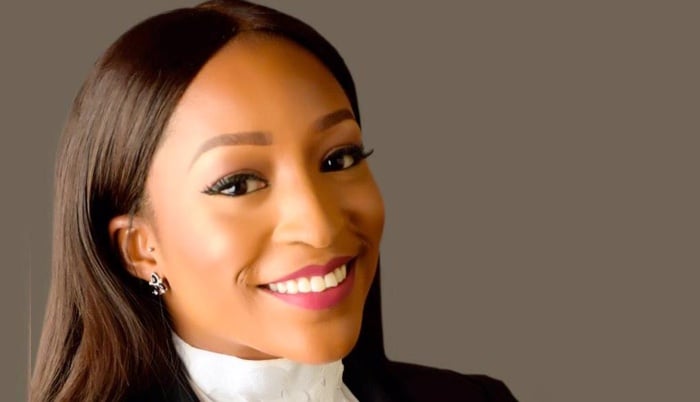

Arise TV anchor buried as Obi decries insecurity


Tears flowed freely on Saturday as the remains of the late Arise Television news anchor, Somtochukwu Maduagwu, popularly known as “Sommie,” were laid to rest in her hometown of Agulu, in the Anaocha Local Government Area of Anambra State.


Labour Party’s 2023 presidential candidate, Peter Obi, who attended the solemn ceremony alongside the deceased’s family members, friends, colleagues, and dignitaries, decried the insecurity plaguing the country.


Obi described Maduagwu’s death as heartbreaking and a painful reflection of the country’s worsening security situation.


Speaking after the Mass, Obi, who also hails from Agulu, said, “We cannot question God. When I heard of her death, I didn’t know that she was from Agulu even before I tweeted about it. Our coming here will help to console you, but we know that this loss is a huge one. It is the wish of God, and none of us can question Him. Please do remember her and her immediate family in your prayers.

“Before I left Birmingham yesterday, I told some people that I was rushing back to Nigeria for the burial of one of my daughters. I told them to remember to pray for her all the time as she will be buried today.”


Maduagwu, who was killed during an armed robbery attack at her residence in Abuja in September 2025, was buried around 1:30 p.m. after a funeral Mass at St. Theresa’s Catholic Church, Agulu.


Delivering a homily during the Mass, Rev. Fr. Peter Ezewuzie of St. Theresa’s Parish consoled the bereaved family and urged them to take solace in the belief that Maduagwu lived a meaningful and impactful life.


He said, “The Lord who created us knows the beginning from the end.

He is all-knowing, and some of you may be unhappy that a life has been cut short, but you won’t know if that is how God planned it.


“He (God) is an all-knowing Father, so I urge you to grieve less. God, who gave Christelle Somtoo Maduagwu to your family, loves her more than you do. The only thing you owe her is to continue to remember her in your prayers. She is in a better place today and will always remember us too.


“The maturity of life is the quality of life lived and not how long, and we can be sure that our sister lived a quality life. Let us strive to live our lives well. We are not here by chance; there is someone who brought us here and expects that we live good lives because no one knows when it will be their time.”


The deceased’s uncle, Obi Maduagwu, commended Arise News Channel for standing by the family since her passing.


He said, “We thank the management of Arise News. They have been with us right from the beginning. We thank all who journeyed all the way to be with us.”


The late journalist’s death in September sent shockwaves across Nigeria’s media community. Reports said the assailants invaded her Abuja home at night, and she was later confirmed dead at a nearby hospital.

Tributes have continued to pour in from colleagues, friends, and prominent Nigerians, who described her as intelligent, hardworking, and full of promise.


Saturday’s burial drew journalists, government officials, and members of the Agulu community, all of whom paid their last respects to a rising media star whose life was tragically cut short, leaving behind memories of brilliance, humility, and hope.

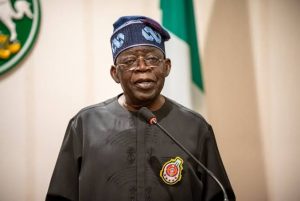
Tinubu returns to Abuja after counterterrorism talks in Rome


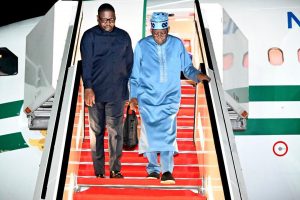
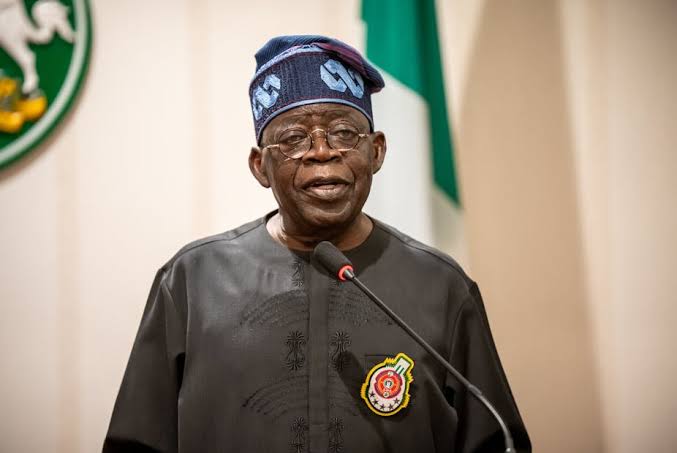
President Bola Tinubu has returned to Abuja after participating in the Aqaba Process Heads of State and Government-level Meeting held in Rome, Italy.


There, world leaders gathered to strengthen cooperation against terrorism and violent extremism.


Tinubu had departed Nigeria on October 12 for the meeting scheduled to start on the 14th.


According to a State House Press Release issued on Saturday by the President’s Special Adviser on Information and Strategy, Bayo Onanuga, the President’s trip to Rome reaffirmed Nigeria’s commitment to regional and global security partnerships.

“President Bola Tinubu returns to Abuja today after participating in the Aqaba Process Heads of State and Government-level Meeting in Rome, Italy,” the statement read.


The Aqaba Process, the release explained, is “a counter-terrorism initiative launched by His Majesty King Abdullah II of Jordan in 2015” and “co-chaired by the Hashemite Kingdom of Jordan and the Government of Italy.”


The Rome edition of the meeting focused on “strengthening regional and international collaboration in the fight against terrorism and violent extremism, with particular attention to West Africa.”


The high-level session took place on Wednesday, October 15, at the National Gallery of Modern and Contemporary Art in Rome, and drew participation from several global leaders including King Abdullah II of Jordan, Italian Prime Minister Giorgia Meloni, and the Presidents of Nigeria, Chad, Paraguay, Sierra Leone, and Togo.

Other dignitaries in attendance included Azouz Nasri, President of Algeria’s Upper House, as well as delegations from Côte d’Ivoire, Kazakhstan, Mauritania, Senegal, and Uzbekistan, alongside special envoys and security experts.


“The meeting was held behind closed doors,” the statement noted, underscoring the sensitivity of the discussions focused on global counterterrorism coordination.


Bilateral Engagements

On the sidelines of the summit, Tinubu held bilateral meetings with Italian Prime Minister Giorgia Meloni and U.S. President Donald Trump’s Senior Adviser on Arab and African Affairs, Massad Boulos, where security and economic cooperation reportedly topped discussions.


He also met with Cardinal Pietro Parolin, the Vatican’s Secretary of State, in a session that highlighted Nigeria’s commitment to religious tolerance and unity.


“President Tinubu also met with the Vatican’s Secretary of State, Cardinal Pietro Parolin, to discuss religious harmony in Nigeria.


“The meeting addressed the widespread disinformation campaigns that falsely portray the country as intolerant of religious diversity,” the release stated.

Since its inception in 2015, the Aqaba Process has convened 33 meetings across multiple levels — from Heads of State summits to technical expert sessions — built on “three core pillars: prevention, coordination, and closing operational gaps in counterterrorism efforts.”


The President’s participation in the Rome meeting, according to the release, aligns with his administration’s broader security diplomacy agenda and Nigeria’s active role in international peace and counterterrorism collaborations.

Trauma: Save accident victims before taking videos, Commissioner urges Lagosians


The Commissioner for Health, Lagos State, Prof. Akin Abayomi, has decried the many lives lost on Lagos roads due to delays caused by onlookers taking videos instead of assisting first responders.


Represented by the Director of Medical Services, Lagos Health Service Commission, Dr Olawale Adegbite, Abayomi spoke in Lagos at a Symposium for stakeholders to mark the 2025 World Trauma Day with the theme: “Reducing Needless Deaths on Our Roads: Everybody’s Responsibility.”


He urged Lagosians to respect ambulances and prioritise saving lives first before taking videos at the scene of accidents, saying that saving lives on the road was not just the government’s responsibility, but a collective moral and civic duty of every Lagosian.


“Every time we block an ambulance or ignore an emergency call, someone’s parent, spouse, or child could be dying. Trauma care begins with public responsibility,” he said.

He reiterated resolution of the state government to strengthen emergency preparedness and trauma response mechanisms to reduce preventable deaths on Lagos roads.


He said that most trauma cases on Lagos roads were not accidents but preventable incidents caused by human errors.


He stressed that the state’s emergency systems, especially pre-hospital care and ambulance services, have been instrumental in saving lives but require continuous improvement and public cooperation.


Highlighting Lagos’ ongoing investments in emergency medicine, Abayomi noted that most trauma cases brought in by the Lagos State Ambulance Service (LASAMBUS) recorded higher survival rates compared to those transported by bystanders.


“Proper pre-hospital intervention makes the difference between life and death.


“Continuous staff training and retention were critical to sustaining success in trauma management,” he said.


Earlier, in her opening remarks, the Special Adviser to the Governor on Health, Dr Kemi Ogunyemi, described trauma as one of the leading causes of preventable deaths and disabilities globally, particularly from road traffic crashes.


Represented by the Senior Special Assistant to the Governor on Health, Dr Oluwatoni Adeyemi, Ogunyemi noted that Lagos State has made significant progress under the leadership of Gov. Babajide Sanwo-Olu, citing improvements in ambulance coverage, response time, and coordination among first responders.


She said: “We recently launched ten emergency ambulance bikes to ensure faster access to victims in congested areas and also commissioned modular high-dependency units in Ifako and Mushin General Hospitals.


“These interventions are part of our drive to bring critical care closer to communities and reduce delays in life-saving interventions.”

She further emphasised that the theme of this year’s commemoration underscored the fact that reducing trauma-related deaths goes beyond government efforts.


“It requires everyone—drivers, pedestrians, health professionals, civil society, and the media—to play their roles in building a culture of prevention and prompt response,” she said.


In his remarks, the Permanent Secretary, Lagos State Ministry of Health, Dr Olusegun Ogboye, said the story of “Mr Andrew,” a trauma survivor treated at the Lagos State Accident and Emergency Centre (LASAEC), represented the essence of the symposium.


Ogboye recounted how coordinated emergency response and government-backed trauma care saved a man who was left comatose after a crash on the morning of his daughter’s wedding.

He stressed that pre-hospital care was a crucial but often neglected component of healthcare.


He revealed that the Lagos State Government was expanding trauma centers across the state, with new facilities being established in Epe, Eti-Osa, and Badagry corridors in partnership with private sector allies such as Custodian Allied Insurance and Access Bank.


He added that the state’s ambulance service had evolved into a world-class system with well-equipped vehicles serving as mobile intensive care units.


“There’s hardly any equipment you’ll find in advanced ambulance systems that our units don’t have – ventilators, defibrillators, and fully trained emergency technicians. Lagos has come a long way,” he said.


The Permanent Secretary also called for attitudinal change among motorists and the general public, especially in giving ambulances the right of way.


“You move aside for convoys and security vehicles, yet block ambulances carrying lives. That behavior must change. It could be your loved one in that ambulance,” he warned.


In his presentation titled “The Traumatic Story Being Rewritten,” the Medical Director, LASAEC, Dr Adeolu Arogundade, told the true story of Mr Andrew, who was hit by a car and left unconscious for months but survived through state-funded care.


Arogundade said the case epitomised the 41,000 trauma cases successfully treated at LASAEC in the last 15 years, with a commendable mortality rate of just 1.4 per cent .


He lauded the Lagos State Government for sustaining a policy that guarantees free emergency care for all trauma victims within the first 24 hours, emphasising that the policy’s funding—though sometimes delayed—remains vital to saving lives.


“Behind every statistic is a human story. Each percentage represents someone’s father, mother, or friend who lived because a system worked.

“Our success is proof that trauma care is everyone’s business; from road users to rescuers and administrators,” he said.


The Lagos State Sector Commander of the Federal Road Safety Corps (FRSC), Mr Kehinde Hamzat, underscored the grim reality that most crash-related deaths were avoidable.


Citing WHO data, Hamzat, also a Guest Speaker, said that Africa bore a disproportionate share of the 1.3 million global deaths from road traffic crashes yearly, with Lagos inclusive due to high vehicle density and weak road discipline.


Hamzat warned that unsafe behaviours such as speeding, drunk driving, and disregard for traffic laws remain major culprits, stressing that effective trauma management begins with prevention.


“No matter how advanced our hospitals become, if we don’t change road behaviour, we’ll keep losing lives needlessly.


“Our collective vigilance, compliance, and compassion are what will make our roads safer and our emergency systems more responsive,” he said.


As the symposium ended, participants resolved to deepen inter-agency collaboration, intensify public sensitization, and push for behavioural change campaigns across the state.


(NAN)

I regret buying it, Influencer GehGeh speaks on iPhone 17 drama


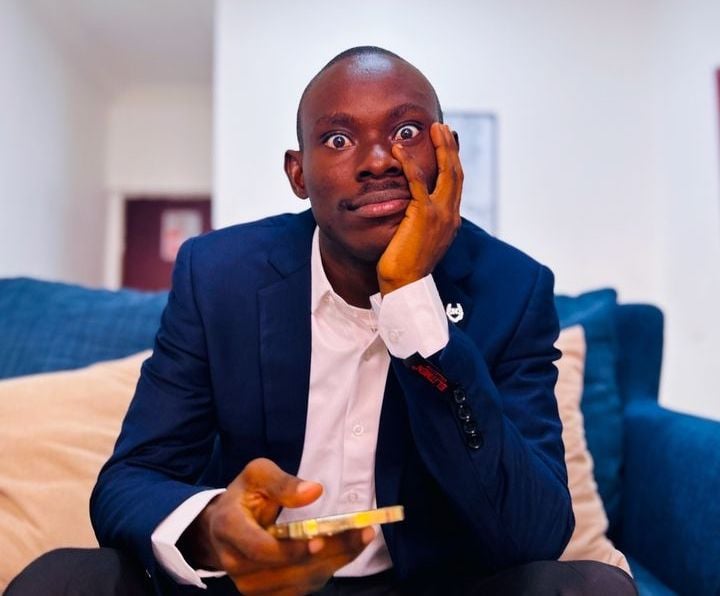
The ongoing controversy over the authenticity of the iPhone 17 Pro Max in Nigeria has taken a dramatic twist, after popular TikTok content creator GehGeh voiced deep regret over spending millions of naira on the device amid mounting confusion about which versions are genuine.

In a heartfelt video posted on TikTok on Saturday, the influencer opened up about his disappointment, saying he felt deceived by the conflicting narratives surrounding the phone’s originality.


“At this point in time, I don’t want to pretend again, I regret why I carry my millions go buy this phone. Every day I wake up, I cry, I weep deep inside me.”


GehGeh lamented that owners were now being forced to justify their purchases, as even experts could not clearly tell which iPhone 17s were authentic and which were rebranded older models.


“Now, you know the pain of buying something, you go come dey explain bro na the original be this one, because nobody knows the difference between the original one and the fake one.”


He explained that his decision to buy the phone had been driven by its perceived prestige.


“The reason why I buy this phone is because as you see am for my hand, you go know say bro — na millions dey him hand,” he said, adding that the name alone carried weight.


The influencer then compared his new purchase with his older device, admitting he preferred the comfort of his previous iPhone 16.


“But at this point, my brother, I regret buying the 17 Pro Max. The phone, it’s not even comfortable for hand,” he said, lifting his older iPhone 16. “See how it’s flexible for my hand, even with pouch. But see the television that I carry for hand.”


The iPhone 17 debate began trending on October 13, 2025, after businessman and tech investor Blord (Linus Williams Ifejika) shared a video unboxing what he described as a “modified iPhone 17 Pro” priced between ₦400,000 and ₦450,000.


The device, however, was later revealed to be a refurbished iPhone XR encased to look like Apple’s latest flagship, sparking confusion and outrage across social media.

Geh Geh went on to express his frustration that even after spending millions, there was still no concrete proof that his version was authentic.


“Because even this one, it’s not even enough evidence say okay, now the original one be this one,” he said. “I will carry millions of Naira go buy something. Now, I go dey explain to people, I go carry my money go buy material things.”


On X, users had a field day reacting to the saga, #edkel250 wrote, “You go buy iPhone 17 Pro Max for Nigeria and you go begin explain say nor be fake. Dem use that 17 Pro Max tire person.”


Another, #TheManAfricano, added, “Nigeria has to be the only country in the world selling these repackaged fake iPhone 17s. It really says a lot about us.”

The banter extended to Instagram, where users took turns to poke fun at the situation, #bestdeal_appliances joked, “This iPhone 17xr come be like Labubu everyday price dey reduce,” while #chef_ivyjones1 teased, “Before next week, the phone go be 2,500″


Another, #diamondjearny, quipped, “If I don’t walk into Apple Store, I don’t want.”


Others weighed in more seriously, calling it a lesson for Nigerian buyers chasing luxury trends. “People reject real prices because they want shortcuts,” one user wrote. “Then they complain online when the cheap version doesn’t match up.”


The official launch of the iPhone 17 series took place on September 9, 2025, when Apple unveiled the new lineup—iPhone 17, iPhone 17 Air, iPhone 17 Pro, and iPhone 17 Pro Max.


However, prices differ depending on the vendor. According to Apple, the official prices for the iPhone 17 series are as follows: iPhone 17 (base model) — $799 (approximately ₦1,210,485), iPhone 17 Air — $999, iPhone 17 Pro — $1,099 (around ₦1,664,385), iPhone 17 Pro Max — $1,199 (around ₦1,815,285)


Despite the online uproar, Apple Inc. has not issued any statement on the alleged presence of fake or “modified” iPhone 17 models in Nigeria. For now, the debate rages on — and many, like Geh Geh, are left wondering whether their million-naira gadgets are truly what they seem.

Huge crowd as body of revered Kenya politician Odinga heads home


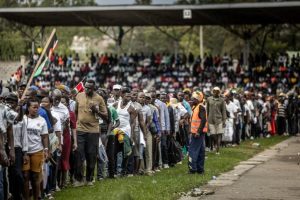
Vast crowds gathered in western Kenya on Saturday to see the body of a beloved politician, Raila Odinga, for the biggest day of mourning ceremonies that had already claimed at least five lives this week.


There were cries of “Baba” (father) and “We are orphans” from the tens of thousands of people packing the streets of Kisumu, the heartland of Odinga’s support, as his coffin arrived at the city stadium by helicopter.


Odinga, 80, died from a suspected heart attack in India on Wednesday, triggering a huge outpouring of grief across the country, but particularly in western Kenya where his Luo tribe are dominant.


Mourners barged through security barriers and clambered up the sides of the stadium and nearby structures to catch a glimpse of the coffin, AFP journalists saw.


“Without Baba, we are dead. We don’t have anywhere to go,” said Don Pelido, 20, a supporter pressed up against one barrier.


Emergency responders said they had taken more than 100 people out of the stadium, mostly due to fainting and dehydration.


But there was not the same chaos seen at earlier ceremonies in Nairobi, with authorities cancelling a planned procession in Kisumu to avoid the risk of stampedes.


On Thursday, security forces opened fire to disperse a surging crowd in a Nairobi stadium where Odinga was brought to lie in state, killing at least three people.


And on Friday, at the state funeral in another stadium, led by President William Ruto, a stampede of mourners killed at least two people and left dozens injured.


“It was much better than Nairobi. We were ready for it,” said Philip Nyaswa, a member of the emergency team in Kisumu.

– ‘Bad dream’ –


Arguably the most important political figure of his generation in Kenya, Odinga served as prime minister from 2008 to 2013 yet never succeeded in winning the presidency despite five attempts.


But he outlasted many rivals and is credited as a major player in returning Kenya to multi-party democracy in the 1990s and overseeing the widely praised constitution of 2010.


Odinga’s body was repatriated from India on Thursday.

After lying in state in Kisumu, the body was transferred to Bondo in nearby Siaya county, the family’s ancestral seat, for a private burial on Sunday.


Odinga’s death leaves a leadership vacuum in the opposition, with critics accusing him of failing to prepare a successor.


“We have not accepted that he is really gone. It is still a bad dream,” said shop owner Maureen Owesi, 39, in Kisumu.


Odinga’s pragmatic deals with rivals — including current president Ruto last year — cost him support among young voters who have staged mass protests in the last two years over poor governance and the economy.


It is unclear whether Odinga’s movement and the alliance with Ruto will survive his death, leaving Kenya on an uncertain path ahead of potentially volatile elections in 2027.


AFP

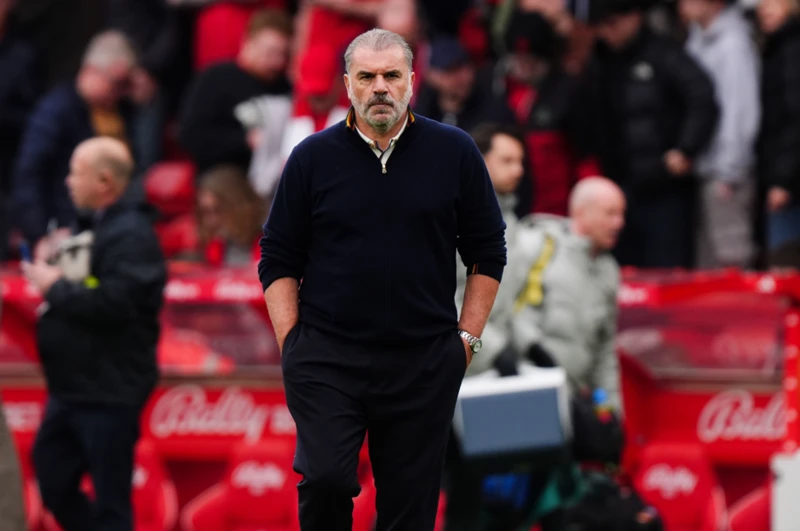
BREAKING: Nottingham Forest sack Postecoglou after eight-match winless run


Nottingham Forest have parted ways with manager Ange Postecoglou after a winless run of eight matches in charge.


The Greek coach’s time ended on Saturday afternoon after a 3-0 home defeat to Chelsea.


Postecoglou’s side failed to record a single victory — suffering six defeats and crashing out of the Carabao Cup after a dramatic 3-2 loss to Swansea City, despite leading 2-1 in stoppage time.

The team’s only points came from draws against Burnley in the Premier League and Real Betis in the Europa League.


Details later

EPL: Chelsea cruise to 3-0 win against Nottingham Forest


Nottingham Forest’s struggles in the Premier League continued on Saturday as they went down 3-0 at home to Chelsea, extending manager Ange Postecoglou’s winless run to eight matches.


Taiwo Awoniyi made his first start of the season. Forest started the game well and had a few chances, including one for Elliot Anderson, who was crowded out in the box after a Chelsea error.


Morgan Gibbs-White also missed a close-range volley, and Andrey Santos fired just wide after a neat ball from João Pedro.

Chelsea, missing key players like Cole Palmer and Moisés Caicedo, looked quiet in attack in the first half but came alive after half-time. Pedro Neto ran down the left and set up Josh Acheampong to score the opener. Three minutes later, Neto scored a free-kick to make it 2-0.


Forest’s defence continued to struggle, with Igor Jesus seeing a header from Callum Hudson-Odoi hit the bar and post. Reece James added a late third from a half-cleared corner. A late red card for Malo Gusto slightly spoiled the win for Chelsea.


The defeat leaves Forest under serious pressure. Owner Evangelos Marinakis had left his seat long before the final whistle, and Postecoglou’s future looks uncertain. Chelsea, meanwhile, has now won four of their last five visits to Forest, continuing their recent dominance over the Reds.

Tracking Tinubu’s five major economic pledges


As 2025 enters its final quarter, President Bola Tinubu’s administration faces mounting public expectations to deliver on major economic and social pledges that define its reform agenda.


From tackling inflation and boosting growth to driving infrastructure and food security, several commitments made over the past year have set clear benchmarks for performance.


Below are five of the most critical promises that Nigerians should be tracking closely in Q4 2025:


Reduce inflation to 15 per cent by the end of 2025

Tinubu first made this pledge on December 18, 2024, during the presentation of the ₦49.7 trillion 2025 Budget to the National Assembly.


He assured Nigerians that his administration would bring inflation down to around 15 per cent and stabilise the exchange rate.


The target, reaffirmed by the Finance Ministry in early 2025, aims to ease the cost-of-living crisis.


With inflation currently at 18 per cent, the administration has recorded modest progress, but the goal remains challenging. Tracking this promise requires close monitoring of monthly inflation figures from the National Bureau of Statistics and changes in the prices of essential goods such as food, transport, and fuel.

Achieve 7 per cent economic growth by 2027


On August 14, 2025, at a Federal Executive Meeting in Abuja, President Tinubu announced his administration’s goal of achieving at least 7 per cent annual economic growth by 2027. https://punchng.com/nigerias-economy-growing-consistently-due-to-tinubus-reforms-edun/ He said bold reforms, improved investment flows, and infrastructure expansion would drive the recovery.


The current GDP growth rate is 4.23 per cent. Tracking this will depend on quarterly GDP reports and foreign investment data over the next two years.

Boost local agricultural production for food security

The Federal Government declared a national emergency on food security on April 15, 2025, following renewed spikes in food prices.

According to the Federal Ministry of Information, there was a rollout of 2,000 tractors for mechanised farming, fertiliser distribution, and irrigation expansion in June. Tinubu said the move was aimed at reducing Nigeria’s heavy dependence on food imports and strengthening local production. The announcement followed an earlier declaration made in July 2023 when the administration first recognised food insecurity as a national crisis.

Accelerate major infrastructure projects nationwide


On June 6, 2025, President Bola Tinubu flagged off a series of major infrastructure projects across the country, including federal highways, bridges, and transport corridors. The initiative forms part of his administration’s broader plan to modernise Nigeria’s road network and enhance regional connectivity.


He reaffirmed this commitment on October 12, 2025, pledging equitable infrastructure development across all regions and promising that no part of the country would be left behind. According to The Guardian, the projects are aligned with the Federal Government’s drive to improve transportation links and stimulate economic growth.


Tracking this promise will involve monitoring the progress of key national projects such as the Lagos–Calabar Coastal Highway, the Sokoto–Badagry Superhighway, the Abuja–Kaduna–Kano Road, and ongoing rail expansion programmes.

Implement Comprehensive Tax and Revenue Reforms


On June 26, 2025, President Bola Tinubu signed into law four major tax reform bills — the Nigeria Tax Act 2025, Nigeria Tax Administration Act 2025, Nigeria Revenue Service (Establishment) Act 2025, and Joint Revenue Board (Establishment) Act 2025.


The reforms, earlier passed by the National Assembly between March and May 2025, are expected to raise Nigeria’s tax-to-GDP ratio, enhance fiscal transparency, and curb revenue leakages.


The laws will take effect from January 1, 2026. Tracking progress will involve monitoring quarterly federal revenue reports, budget performance data, and improvements in tax collection efficiency.

These five promises, made between December 2024 and October 2025, define the Federal Government’s reform agenda heading into Q4. They cover inflation, growth, food production, infrastructure, and fiscal reforms. They are areas that directly impact Nigerians’ livelihoods and the overall economy.

As 2025 winds down, the delivery of these promises will shape public confidence in the Tinubu administration’s ability to translate policy goals into tangible progress.

Ivory Coast tightens protest ban ahead of presidential vote


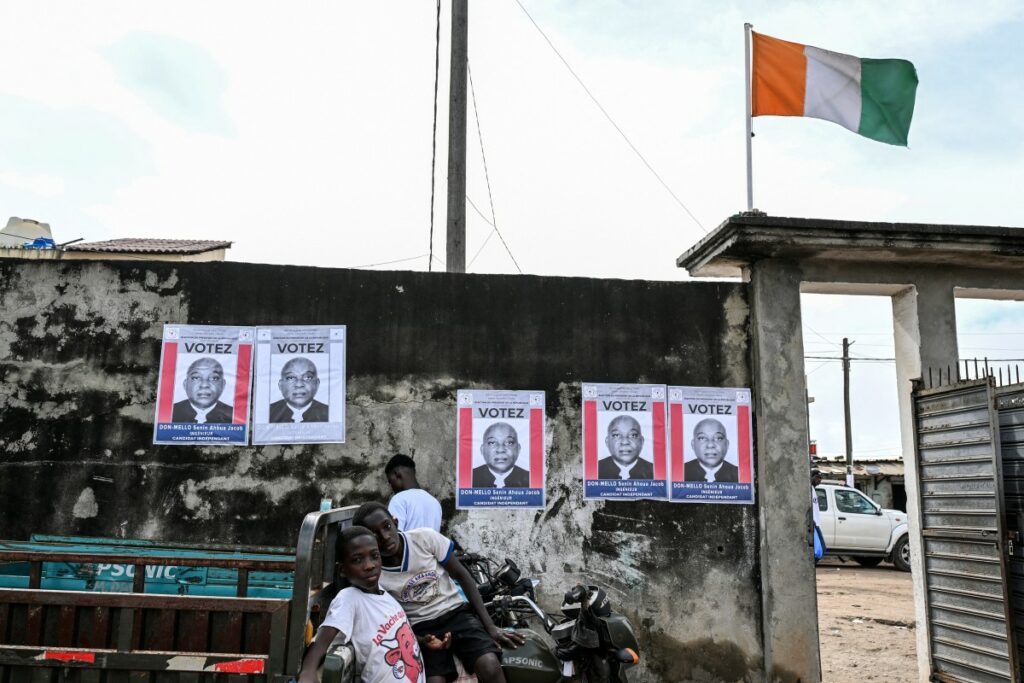
Ivory Coast authorities have imposed a sweeping two-month ban on political rallies and demonstrations just a week before a presidential election, in a move further restricting opposition activity.


The ban, announced late Friday by the interior and defence ministries, applies to all political parties and groups except the five candidates officially approved to contest the October 25 vote.


It comes amid rising tensions following the exclusion of opposition heavyweights Laurent Gbagbo and Tidjane Thiam from the race.


Hundreds of people rallied at protests in Abidjan last weekend, with security forces dispersing crowds. Sporadic unrest, including road and school blockades, has been reported in several regions.


Around 700 people have been arrested over the past week, according to public prosecutor Oumar Braman Kone, who said phone data revealed calls for attacks on public institutions which he described as “acts of terrorism”.

On Thursday, 26 protesters were sentenced to three years in prison for public order offences, and another 105 are due to stand trial next week.


The opposition coalition, which includes Gbagbo’s African Peoples’ Party — Ivory Coast (PPA-CI) and Thiam’s Democratic Party of Ivory Coast, has denounced President Alassane Ouattara’s bid for a fourth term.


Amnesty International urged authorities to stop “repressing” protests, but Justice Minister Sansan Kambile defended the crackdown, citing national security concerns.


Ouattara faces four challengers, including former minister Jean-Louis Billon and ex-first lady Simone Gbagbo.


AFP

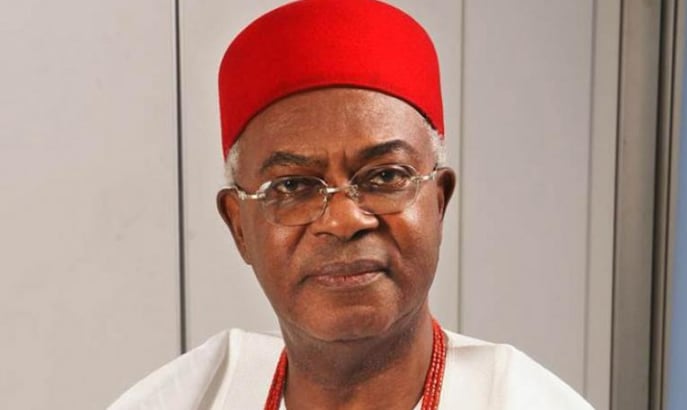
Obi of Onitsha: Politicians have abandoned governance for 2027 politics


The Obi of Onitsha, Igwe Nnaemeka Achebe, has expressed concern that political attention across the country has shifted towards the 2027 general elections while hunger, poverty, and insecurity continue to afflict millions of Nigerians.


Speaking during the 2025 Ofala Festival in Onitsha, Anambra State, on Friday, the monarch said the political class’ neglect of governance for early alliances ahead of the next elections was worsening the country’s economic and social challenges.


Achebe warned that abandoning governance in pursuit of political ambition could further deepen hardship and instability nationwide.


He lamented that ordinary Nigerians were bearing the brunt of the neglect as living costs continue to rise despite ongoing economic reforms.

The Igwe said, “The attention of the political class has become literally diverted to the 2027 general elections. New alliances are being forged as political fortunes rise and fall. There is a distinct impression that these efforts are largely for self-preservation and material benefit.


“Ordinary Nigerians are paying the price of neglect as hardship deepens nationwide despite ongoing economic reforms. Our poverty rate has risen from 40 per cent in 2018 to 46 per cent in 2023, translating to about 104 million Nigerians now classified as poor, according to the World Bank Development Report on Nigeria.


“The reality on the ground is dire. The unending violence in most parts of the country continues to affect the agricultural sector very seriously.”


While acknowledging that the Federal Government was implementing “laudable macroeconomic stabilisation measures,” Achebe urged authorities to ensure transparency and fairness in distributing palliatives to vulnerable citizens.


He advised that relief materials must reach the intended beneficiaries directly and not be derailed by corruption or bureaucracy.

Turning to the South-East, the monarch expressed concern over insecurity and its economic toll on the region, describing the recent conviction of Finland-based separatist agitator Simon Ekpa as a “potential turning point.”


Citing a report by SBM Intelligence titled Four Years of Disruption, Achebe said the South-East economy had lost about ₦7.6tn since 2021 due to insecurity and the sit-at-home disruptions.


“The scourge of violence and kidnapping in the South-East continues to mutate in different forms. We pray that the recent conviction in Finland of Simon Ekpa will contribute to a general reduction of violent crime in the region.


“This is the moment for deep reflection among Ndigbo. Nigeria and the world are leaving us behind due to the deliberate actions of a few purveyors of violence among us,” he added.


On the upcoming Anambra governorship election slated for November 8, Achebe called for peace, transparency, and voter participation, lamenting the low turnout in the ongoing voter registration exercise.

“In the first week of the INEC registration exercise, only 2,482 persons pre-registered online across four South-East states, excluding Anambra, compared to 848,359 in the South-West. This is alarming and demands urgent mobilisation by our leaders,” he said.


Despite the somber national mood, the 2025 Ofala Festival — the 24th edition — retained its cultural splendour, with dignitaries, traditional rulers, and visitors from within and outside the country in attendance.


Marking his 24th Ofala celebration since ascending the throne in 2002, Achebe urged Nigerians to remain resilient and united.


“Our theme last year was ‘Better. Stronger. Together.’ It was a call on our people to consolidate on our breakthroughs and galvanise for the challenges ahead. That message remains as relevant today as ever,” the monarch said.

Exit mobile version