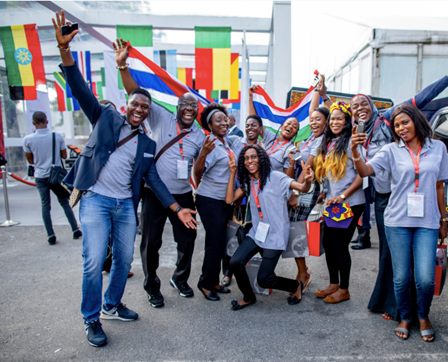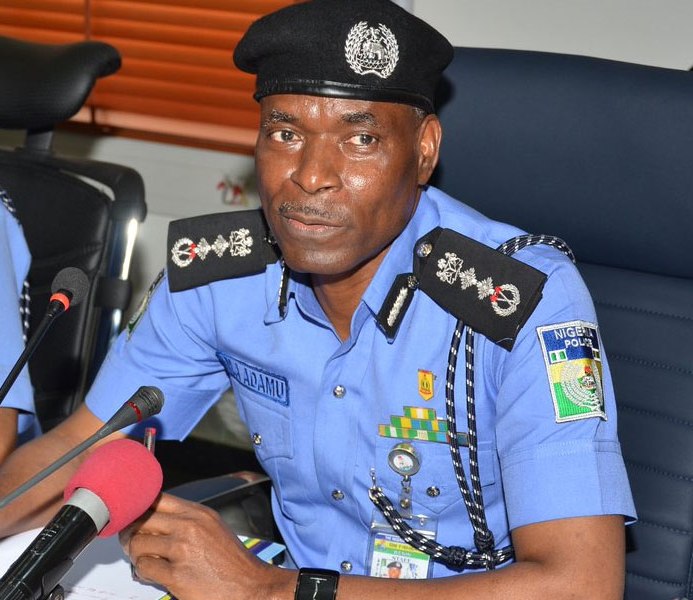
In a bid to support the nation’s economic drive, the Management of Heritage Bank Plc joined other Corporates and government agencies to brainstorm on the way forward for the African continent

In a bid to support the nation’s economic drive, the Management of Heritage Bank Plc joined other Corporates and government agencies to brainstorm on the way forward for the African continent

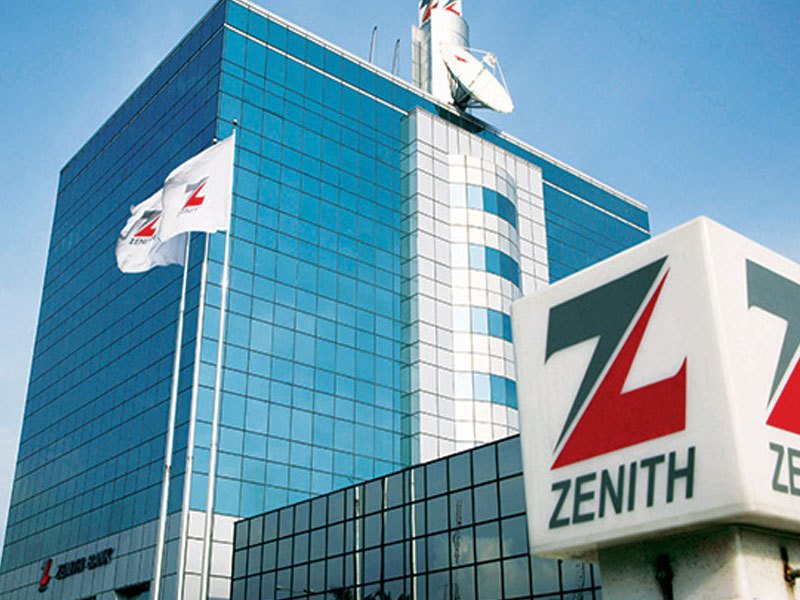
Zenith Bank Plc has announced its unaudited results for the period ended 30 September, 2019, with numbers that clearly demonstrates its market dominance and leadership.
From the unaudited account which was presented to the Nigerian Stock Exchange (NSE), gross earnings increased by 4% percent from N474,607 billion recorded in Q3 2018 to N491,268 billion in Q3 2019. Profit Before Tax (PBT) grew by 5% from N167,307 billion in Q3 2018 to a record N176,183 billion in Q3 2019. Also, profit after tax rose by 5% from N144,179 billion in Q3 2018 to N150,723 billion in Q3 2019.
Despite a challenging macro-economic backdrop, the Group recorded a significant growth in Non-Interest Income, expanding by 22% from N128.7 billion in Q3 2018 to N156.8 billion for the current period. Our platforms and channels have been the enablers of this growth, with fees from electronic products doubling to N35.3 billion from N17.6 billion in Q3 2018.
Our cost optimization strategies and aggressive retail banking drive are yielding the desired effects as cost-to-income ratio declined from 51.2% in Q3 2018 to 50.1% in Q3 2019 with Earnings Per Share (EPS) growing by 5% from N4.58 in Q3 2018 to N4.80 in Q3 2019.
Our retail and corporate banking franchises continued its momentum with customers’ deposits growing by 7% to N3.95 trillion from N3.69 trillion recorded as at December 2018, a reflection of increasing share of the industry’s deposits and customers’ confidence in the Zenith brand. These deposit acquisitions have directly contributed to our cost of funds improving from 3.3% in Q3 2018 to 2.95% as at Q3 2019.
We have continued to deploy capital to creating viable risk assets with gross loans and advances growing by 9% from N2.02 trillion as at December 2018 to N2.2 trillion as at Q3 2019 across both the retail and corporate segments. Our focus remains the search for bankable lending opportunities to ensure the attainment of the minimum regulatory loan-to-deposit ratio (LDR) of 65% by December 31, 2019 without compromising our prudence.
Our robust risk management framework has ensured that non-performing loans (NPL) ratio declined from 4.98% in December 2018 to 4.95% in the current period. Our commitment to maintaining a shock-proof balance sheet remains with liquidity and capital adequacy ratios at 63.8% and 23.8% respectively, both above regulatory thresholds.
In this final quarter of the year, we will sustain our competitiveness and share of market in the corporate segment and build upon our digital foundations to reinforce our retail banking initiatives.
As a testament to this superlative performance and in recognition of its track record of excellent performance, the bank was recently named as the Bank of the Year and the Best Bank in Retail Banking at the 2019 BusinessDay Banks’ and Other Financial Institutions Awards (BAFI Awards).
TRACE continues to innovate in entertainment with TRACE Live, the next edition of which will be headlined by the incomparable, Simi. Themed, ‘Simi: To Be Honest’, on October 25th, TRACE Live will take the audience through a journey of music, and candid opinions and truths from one of Africa’s biggest stars.
Always a night filled with rich music and cultural appreciation, TRACE Live celebrates the beauty of music by highlighting a blend of vocals, instruments, dancers, and an energetic audience. Previous performers include Flavour, Adekunle Gold, Falz, Tubaba, Wande Coal, Reekado Banks and Runtown.
Simi is a singer, songwriter, sound engineer, and producer who has constantly and passionately done the work of being true to herself and her fans. Beginning her career as a gospel musician, she released her debut album ‘Ogaju’ in 2008. In 2014 she released, ‘Restless’, an EP which earned her a record deal with X3M Music, where she went on to release three critically acclaimed works, one of which made it to number 5 on the Billboard World Chart. In doing so, she has gained fans worldwide. Currently, Simi is forging a new path. Having founded Studio Brat, she is fully independent and ready for her next chapter.
Simi, who is known as someone who uses her voice to fight for truth, will for the first time mix her performance with live and exclusive insights into her world. The combination of TRACE Live and Simi is sure to bring a show that will be talked about for months to come.
TRACE Live, Lagos’s largest live show series, is presented by TRACE in partnership with Cabal Entertainment and Bolanle Austin-Peters. The show is proudly sponsored by Lord’s Gin, Munch It, Pepsi and Tom Tom.
TRACE Live with SIMI will give the public a possibility to be part of a unique live experience with an opportunity to purchase tickets HERE or a chance to win tickets via our social media page HERE
As part of drive to contribute to the growth of economic drive, Heritage Bank Plc has continued to support The Next Titan Season-six; in ensuring that the entrepreneurial targets of the Nigerian youths are attained.
The Next Titan entrepreneurial reality TV show sponsored annually by the Heritage Bank Plc has unveiled the top 16 contenders for the season-6 of the competition.
The 16 lucky candidates were selected from among 50 contestants who made it to the Bootcamp after the auditions that saw thousands of Nigerian young entrepreneurs jostle for selection at the audition centres in Lagos, Port Harcourt, Enugu and Abuja.
The contest is out for the N7 million cash prize staked for grab by the chief sponsor, Heritage Bank, and a brand new Ford car donated by Coscharis Ford Motors.
The cash prize has been increased to N7million from N5million in the last five seasons.
Having emerged top 16 contenders, the entrepreneurs will proceed to the Next Titan House where they will be involved in a-10 week entrepreneurial and social service tasks including trainings and mentorship under the guidance and supervision of astute business leaders who serve as judges.
Speaking at the Premiere Night in Lagos on Sunday, where the top 16 were unveiled, the Regional Executive, Lagos and South West, Heritage Bank, Dimiri Dike, said the programme was one of the ways the bank drives social and economic change as a responsible corporate citizen.
Dike said: “On the economic level, you know that entrepreneurship drives employment, it drives social change, so we are really doing it for both social and economic change. And also, time it was in the past when a lot of people entered entrepreneurship without proper training. This platform, the Next Titan, offers you a very good beginning.
“Some of the advantages and benefits that entrepreneurs in the past never had are what these ones are enjoying. So this is an opportunity for them to be schooled and at least stand the fighting chance from the perspective of knowledge and experience of those that had gone before them to succeed”.
Advising the top 16 contenders, Dike said: “First, be yourself, you have to be humble. The fact that you made it to the top 16 doesn’t mean you are better than those who didn’t get here. It could have been just one thing or another. So, if you now go and be thinking that you have now arrived, that lack of humility could be your undoing.
“And more importantly, enjoy the experience because even after you have won; it is the memories of your journey to victory that will keep you going, long after you have become a successful entrepreneur”.
Giving insights into some changes in the programme, the Executive Producer, Next Titan, Mide-Kunle Akinlaja, said: “One, the prize has changed from N5million to N7million. Then two, we are improving in all areas, content-wise, trying to make the show more entertaining and at the same time not allowing the entertainment to water down the essence of the show, which is entrepreneurship. So, generally, we keep improving”.
The winner of the show will be announced in December at the Grand Finale in Lagos.
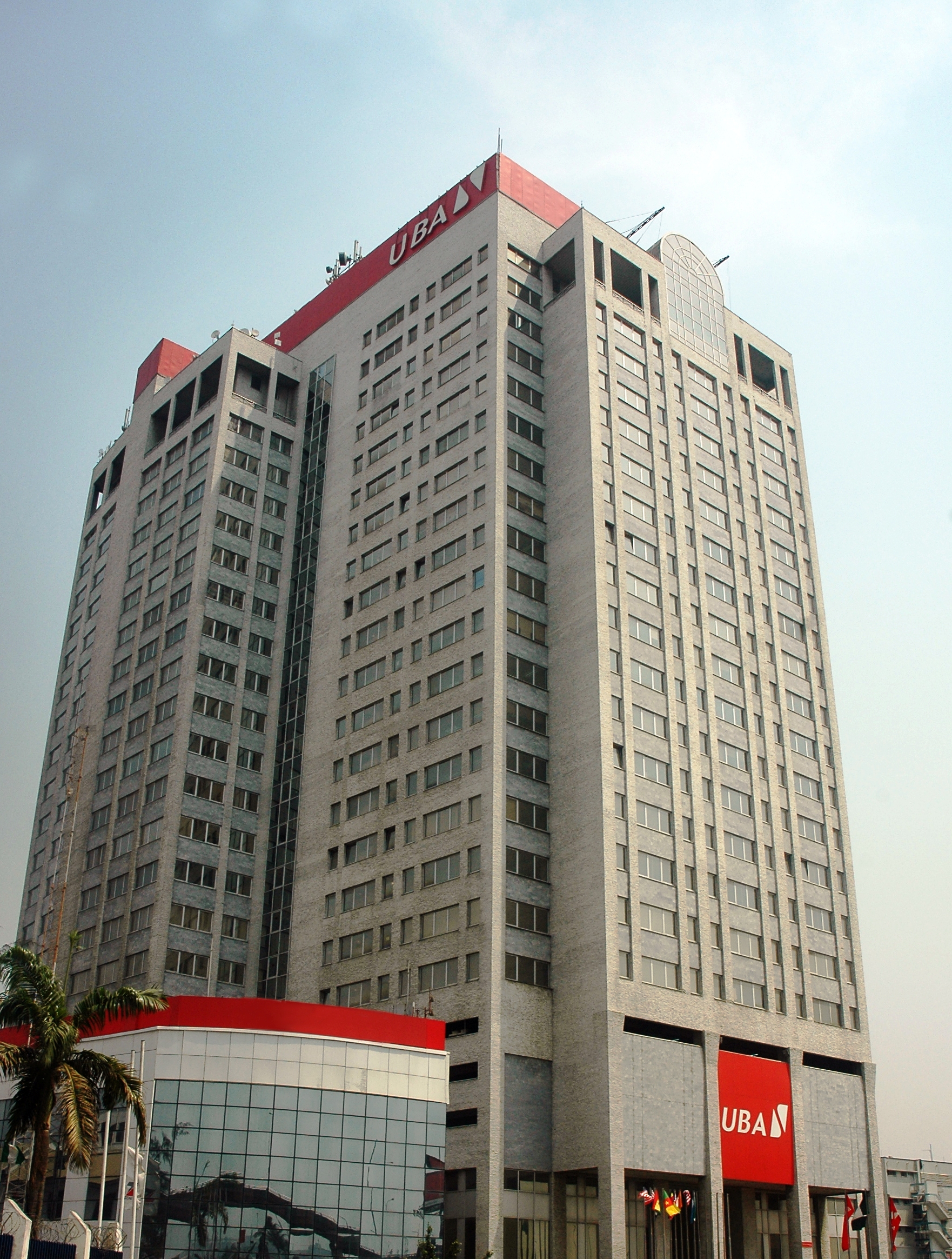
Speaking at the Youth Konnekt Forum in Cape Verde yesterday, African investor and philanthropist, Tony O. Elumelu, Founder of the Tony Elumelu Foundation (TEF) and Chairman, United Bank for Africa (UBA), charged entrepreneurs to embrace hard work, discipline and sacrifice on their entrepreneurial journey to success.
He addressed over young Cape Verdean entrepreneurs in a Forum themed “African Youth: Foresight and Opportunities”, where he shared nuggets from his wealth of experience as an entrepreneur with success stories investing in Africa.
He said: “Entrepreneurship is a long-term journey. There is no quick fix. You will make mistakes. You will have challenges. For you to succeed along this journey, you must be disciplined, make sacrifices and save today to achieve your goals.”
The audience included public sector leaders – the President of Cape Verde, H.E. Jorge Carlos de Almeida Fonseca OICVV and Prime Minister, H.E. José Ulisses de Pina Ceorreia e Silva, as well as development partners, United Nations Development Programme (UNDP). Mr. Elumelu addressed these stakeholders, emphasising the important role of the government in creating an enabling environment for small and medium scale enterprises to thrive while commending the Government of Cape Verde for the strong, deliberate reforms to boost entrepreneurship in Lusophone Africa. He stated that the future of the African continent is in the hands of the African youths and they must be empowered to achieve the ambition of a well-developed continent.
He said: “The Prime Minister spoke to me about the tax incentive they are putting in place. He spoke about out opening up the country for tourism, and air transportation, and the commitment to entrepreneurs, making sure that those interested in agriculture, ICT and other areas are supported to succeed. He spoke to me about creating the opportunity to meet with some of you and see how the Tony Elumelu Foundation can support some of you. This is what we expect from our African leaders: For them to know that the future of Africa is indeed in your hands,” Mr. Elumelu said.
In his keynote speech, the President of Cape Verde, H.E. Jorge Carlos de Almeida Fonseca OICVV, expressed gratitude to Tony Elumelu for pioneering the entrepreneurship movement across the African continent. He said: “Thank you to Tony Elumelu for what you are doing for young people in Africa especially young people in Cabo Verde”. The Prime Minister, H.E. José Ulisses de Pina Ceorreia e Silva, also commended Tony Elumelu and his Foundation’s commitment to empowering African entrepreneurs across the continent.
The entrepreneurship movement led by the Tony Elumelu Foundation has caught the attention of the African public sector and has rapidly become a defining blueprint for the accelerated development of the African economy. Its goal is to leverage the youth population to create jobs, revenue and eradicate poverty on the continent. Thus far, TEF has empowered 7,531 entrepreneurs across all 54 African countries (19 of whom are from Cape Verde), with plans to again open its application portal for the 6th cohort of its Entrepreneurship Programme on January 1, 2020.
Organised by the National Youth Ministry and the Government of Cape Verde, Youth Konnekt is one of the many plans the country has rolled out to further cement its plans to boost entrepreneurship across the region.
Waste Management is a lucrative business In Rivers State
How will you feel if your teacher throws a question at the class and someone he called before you gave out the answer you have in mind? Painnnn… you have to quickly think of another answer or simply rephrase what you have in mind.
There was a similar case at the ICT & Business Skills training in Port Harcourt, the two-day training organised by MTN Foundation had 500 participants comprising of business owners and ICT enthusiasts in attendance. After several sessions from Google Digital Skills Trainer, Destiny Takon and Assistant Manager, KPMG Technology Advisory, Tosin Okuselu, it was time for a brief task.
A mini competition was also organized to test business development capability of participants. They were divided into groups and asked to develop a business proposal and present their ideas after brainstorming for 15 minutes.
15 minutes later, they all had an interest in waste management and recycling and presented different tactics related to the same business plan, the hall was buzzing with laughter as to how all groups came about the same business idea.
Regardless, they were all winners! Not only did they go home with the knowledge of ICT and Business Skills, some outstanding guests left the conference hall with exciting gifts that will always remind them that MTN Nigeria cares. #MTNICTBizTrainingPH
In 1945 the United Nations with the objective of eliminating hunger and improving nutrition and standards of living by increasing agricultural productivity decided to form its oldest permanent specialized agency, Food and Agriculture Organization (FAO). So in commemorating the aim of the FAO October 16 was set aside in 1946 to celebrate World Food Day.
World Food Day is a day of action dedicated to tackling global hunger as people from around the world come together to declare their commitment to eradicate worldwide hunger from our lifetime.
This year, Nigeria join the rest of the world by celebrating World Food Day. Seyi and Layal Tinubu owned Noella Foundation decided to partner with Food Clique Support to promote national awareness for those who are suffering from hunger and most importantly for the need to eradicate Hunger across the country ensuring food security and nutritious diets for all.
The event which took the team to Kano Street in Ebute-Meta area see then treat 5,000 students and homeless children to sumptuous and nutritious meal, the event which was attended by Seyi Tinubu in company of his wife and Bolajoko Fadipe of the Food Clique featured prominently homemade food which they serve those who trooped out to witness this year’s celebration.
For many years, until the early 1980s, the Nigerian textile industry was the highest employer of labour, after the public sector. Sadly, the industry is in dire straits battling for survival in recent times.
Among the challenges that confronted the sector were policy inconsistency leading to closure of many textile companies occasioned by poor power supply, smuggling, poor access to finance and high operating cost, among others.
It is unarguable that the closure of many textile companies contributed to the rise in the country’s high unemployment rate, rising insecurity and other social vices.
It is against this backdrop that the Central Bank of Nigeria (CBN) Governor, Mr Godwin Emefiele, recently lamented the country’s descent from being a textile giant to a mediocre player in the world economy.
Emefiele said Nigeria used to be home to Africa’s largest textile industry in the 1970s and early 1980s with the employment of over 450,000 people.
“The textile industry at that time was the largest employer of labour in Nigeria after the public sector, contributing over 25 per cent of the workforce in the manufacturing sector.
“The industry was supported by the production of cotton by 600,000 local farmers across 30 of Nigeria’s 36 states.
“This sector supported the clothing needs of the Nigerian populace, as our markets were filled with locally produced textiles from companies such as the United Textiles in Kaduna, Supertex Limited, Afprint, Texlon, Enpee and Aswani Mills, among others.
“In addition, the cotton growing sector has gone dead, thereby depriving thousands of smallholder farmers the chance to earn a living.
Furthermore, a large proportion of our clothing materials today are imported from China and countries in Europe,” Emeifele stated.
It is against this background that First Bank of Nigeria Ltd, in line with its celebratory 125th anniversary , themed, “Woven into the Fabric of Society”, on Oct. 2 commemorated the country’s independence with a locally made textile attire.
Specifically, the bank set aside Oct. 2 to have all staff wear a locally made textile attire adorned in its 125 anniversary logo and over 18,000 staff across the bank and FBN Holdings participated.
The bank in a statement attributed the initiative to moves to celebrate the country’s 59th Independence anniversary and at the same time support the textile industry.
“The native attire fashion statement by FirstBank and the FBN Holdings Group is rooted in our trust in the diverse opportunities the textile industry provides.
“And indeed its contribution to national growth and development, vis-à-vis the job opportunities, youth and women empowerment, as well as the entrepreneurship driven influence its creates cannot be overemphasised.
“The bank is indeed honored to have been woven into the Fabric of Society in the last 125 years and is committed to keep promoting activities and opportunities that contribute to the growth of the textile industry.” it added.
Apart from the above intitative, FirstBank also provide access to market and provide opportunities for entrepreneurs in the Small Medium Scale Enterprise (SMEs) of the fashion industry with an initiative tagged Fashion Souk.
The bank partners with Eventful Nigeria Ltd with Fashion Souk, a platform that creates an opportunity for players in the fashion industry to exhibit and sell their wares to the thousands of event participants.
The bank also in a bid to ensure sustainability of the industry recently introduced fashion design loan specifically designed to offer financial support to the participants in the textile industry.
The bank’s fashion design loan with a single obligor limit of up to two million naira is targeted at tailors, dressmakers and traders in clothing accessories with no tangible collateral required.
To be eligible for the loan, applicants must have been in line of business for a minimum of three years.
Commenting on the development, Mr Moses Igbrude, Publicity Secretary, Independent Shareholders Association of Nigeria (ISAN), described the initiative as a wonderful concept.
“I hope those in the local textiles value chain will key into it and take advantage of this initiative.
“FirstBank should also ensure that the concept is properly communicated to the larger audience to ensure more patronage of locally made textile,” Igbrude said.
He noted that the Federal Government on its part should encourage institutions that are supporting our local industries by way tax incentives.
Also speaking, Mr Shehu Mikail, National President, Constance Shareholders Association of Nigeria, commended the bank’s support for local fabric and the textile industry.
Mikail said that the initiative would boost the morale of interested bodies who would like to venture into local fabric in promoting our culture to the world.
He said that the bank should focus on the fashion designers who would be ready to promote Nigerian mode of dressing to meet the world class in fashion design.
“This will help in promoting Made in Nigeria fabric and it will also encourage an interested investor to venture into textile industry business and this will tranform our economy,” Mikail stated. (NAN)
The Federal Government is considering introducing excise duties on carbonated drinks, according to the Minister of Finance, Budget and National Planning, Mrs Zainab Ahmed.
Ahmed gave the indication in an interview with newsmen on Thursday on the sidelines of the ongoing World Bank/IMF Annual Meetings in Washington DC, United States.
She said the idea was one of other areas, besides the proposed increase in VAT, that the government was looking at to broaden its revenue base.
The minister explained that the government was working hard to ensure efficiency in existing revenue streams while searching for new ones.
She said the government would consult with all stakeholders on the proposal in line with standard policy formulation process.
“Any tax that you are introducing will involve a lot of consultations and also amendments of some laws or introduction of new regulations,” she said.
Carbonated drinks include soft drink brands such as Coca Cola, Sprite and Fanta, while excise duty is a tax levied on locally produced goods.
Ahmed said her ministry was working with all the agencies to ensure that collaboration was strengthened in revenue generation.
“The government is trying to ensure that the work of the agencies are complementing each other as opposed to the past where everybody is working in silos.
“Efforts are ongoing to improve the monitoring performance of the revenue generating agencies, especially government-owned enterprises.
“We have now in place a rigorous monthly reconciliation of revenues and that is ensuring that the leakages are minimised.
“There is several cost cutting measures in the SRGI and a number of cost cutting measures initiatives such as innovation and automation as well as capacity building of our people,” she said.
The minister reiterated government’s resolve to sanction revenue generating agencies that fail to meet their targets.
“Mr President has said that targets will be set for ministers as well as heads of agencies and that when targets are met there will be recommendations and when there are not met there will be consequences.
“So, what was missing in the past was that there were no consequences, so if an agencies underperformed there is no consequences for doing do.
“But now there will be consequences and we will be pushing to make sure that we provide all the support that the agencies will require to enable them perform,” she said.
(NAN)
Lagos State Governor, Mr. Babajide Sanwo-Olu on Thursday, met with market leaders from Alaba, Trade Fair axis in Lagos West senatorial district. The consultative meeting, which was at the instance of the Governor and coordinated by the Managing Director Fidelity Bank, Mr. Nnamdi Okonkwo, lasted for about 90 minutes and it was centered around the State Government’s plans to improve security and upgrade infrastructure around the markets.
Speaking to newsmen after the meeting, Gov. Sanwo-Olu said the discussion was aimed at fostering collaboration with the traders and to carry them along in the plans of the Government. The Governor said he was pu satisfied with the conditions under which businesses were conducted in the markets, expressing disappointment over the state of roads and absence of relevant public facilities around markets. In fulfilling his campaign promises to the traders, Sanwo-Olu said his administration was prepared to change the condition by investing in infrastructure that would improve the quality of lives and commercial activities in the area.
He said: “We have just finished an interactive meeting with the leaders of various markets around Alaba, ASPAMDA, Trade Fair areas in Lagos West Senatorial District and the discussion was coordinated by our friend in the banking sector, Fidelity Bank. We all agreed that we all have roles to play to address infrastructure and other challenges around the markets. As a government, we are taking up the responsibility to design an all-inclusive model that will improve the economic wellbeing of people around the markets. Once we put infrastructure in place, not only would businesses flourish, employment will also be created.” Aside constructing network of roads surrounding the markets, the Governor said part of the Government’s long-term plans was also to complement the efforts with provision of amenities, including fire stations, clinics, general hospitals and security protections that would aid commercial activities in the markets.
Sanwo-Olu said the market leaders agreed to work with the Government on documenting all businesses in their respective jurisdictions, which would facilitate easy payment and collection of tax for developmental purposes.
The Governor said: “we had conversations around being socially responsible. So, we will see the traders living up to the expectations in terms of doing what they are meant to be doing to support government in the areas of their taxes, wages and levies. We also want to eliminate multiple taxations; any agency that is not meant to be around the market will be stopped.
“We also discussed security issues, and I assured that government would help to improve on the security of lives and properties in the area and the state in general. We will address the menace of Okada riders all around those markets. We will also ensure that the work that is going on around Lagos-Badagry Expressway is well coordinated, so that they can have some relief at various periods of the day, even when construction is going on.”
The Governor said the meeting would not be the last in his engagement with the market leaders, pointing out that Chairmen of local councils in which the traders operate would be invited to subsequent discussions before the start of regeneration work across the markets within the senatorial district.
Fidelity Bank’s Managing Director, Mr. Nnamdi Okonkwo, hailed Sanwo-Olu for partnering with the market leaders to drive the regeneration programme, saying the Governor understood the importance of engagement in leadership. According to him “Fidelity Bank was one of the first banks to open in the area and we understand their challenges from the extensive engagements we do have with them. We bank most of them and when there are issues we come together to interact and find solutions. This is exactly the approach that Gov. Sanwo-Olu is using today. The Governor has outlined a course of action and we also use our knowledge of their needs and working in collaboration with the government, to come up with a model that will work for all stakeholders. The traders are ready to take this collaboration to the end and make sure they have better market conditions so when they want to pay their taxes, they will pay them happily.”
President General of Alaba Amalgamated, Chief Fabian Ezeojika, said the discussion with the Governor and his Deputy was fruitful, promising to mobilise traders to respect the agreement made with the State Government.
Markets and dealers represented at the meeting included Alaba International Market, Auto Spare Parts and Machinery Dealers Association (ASPAMDA), BBA Trade Fair, Alaba Fancy and Furniture Dealers, and Electrical Dealers Association of Nigeria (EDAN), among others