COVID-19: FrieslandCampina WAMCO Donates N500million Intervention

FrieslandCampina WAMCO Nigeria PLC, makers of Peak and Three Crowns brands of milk, has donated the sum of N500million as a contribution towards Nigeria’s COVID-19 intervention fund organized by the Private Sector Coalition Against COVID-19 (CACOVID).

The donation, which is coming as part of FrieslandCampina WAMCO’s corporate social responsibility follows the company’s recent donation of N100million worth of Peak and Three
Crowns milk products to support over 100,000 families in low-end communities and vulnerable groups who are at risk of compromising their nutritional needs. This donation is in
line with its purpose of providing better nutrition.

Explaining the corporate gesture in Lagos April 16, the Chairman of the Board of Directors,FrieslandCampina WAMCO Nigeria PLC, Mr. Moyo Ajekigbe, said “The novel coronavirus
pandemic is a global disaster that has cost the world thousands of lives and threatens its economic well-being.

“At FrieslandCampina WAMCO, we believe that everyone must come together to make a difference. If we all join hands with government and credible associations to provide
substantial palliatives, critical medical supplies, and with the cooperation of every Nigerian through the adherence of precautionary measures, we will defeat the COVID-19. Hence our donation of products and funds” Ajekigbe said.

The Managing Director, FrieslandCampina WAMCO, Mr. Ben Langat further said, “As a company, we have made several donations to support meaningful initiatives in the fight
against the COVID-19 pandemic; this indeed represents the confidence and care we have for Nigeria. As we encourage Nigerians to unite to defeat the COVID-19 pandemic and reach for their peak again, FrieslandCampina WAMCO Nigeria 
will continue to take responsible actions that ensure we make nourishing dairy nutrition accessible for Nigerians.”

FrieslandCampina WAMCO Gets New App for Dairy Farmers

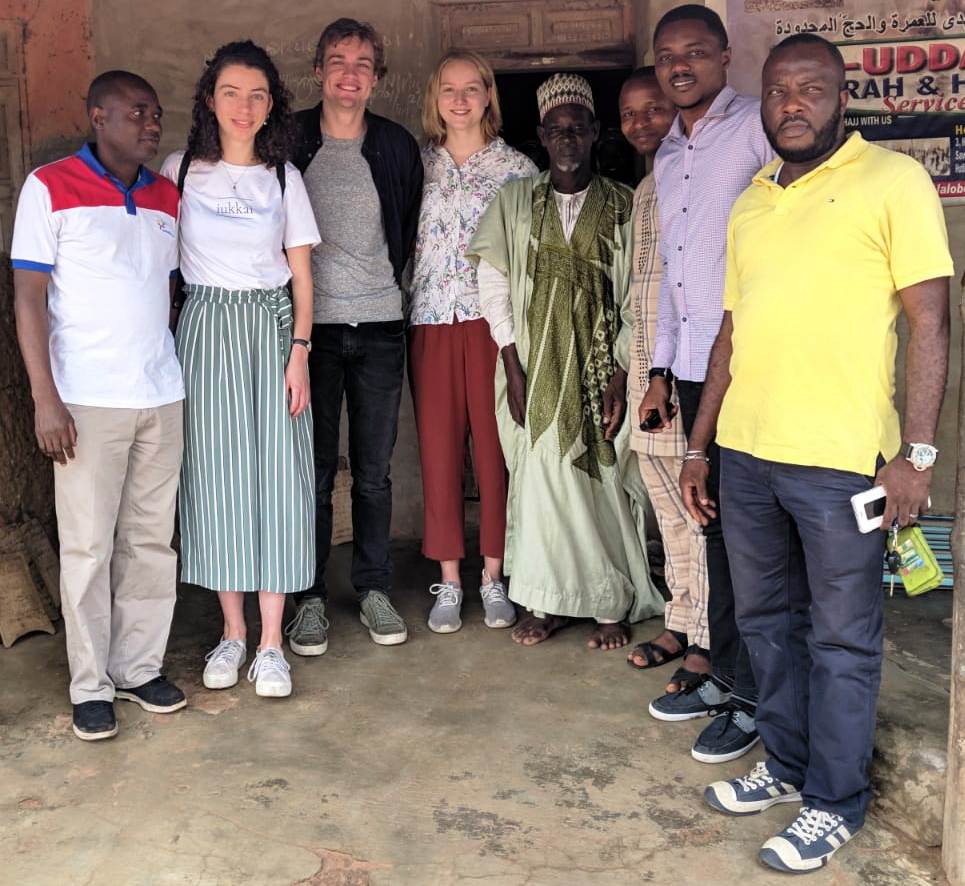
Two Nigerian entrepreneurs (former students of the University of Ibadan) and three research students from the Delft University of Technology, The Netherlands, have developed a mobile software application to help dairy farmers perform better.

Named the ‘mDairy App’ according to the company’s spokesperson and Executive Director, Corporate Affairs, Mrs. Ore Famurewa, the effort is being made in partnership with FrieslandCampina WAMCO.          

“The three students from the Delft University of Technology and the mDairy app co-founders are collaborating to support local dairy farmers at our different Dairy Development Programme (DDP) sites” Famurewa said.

The Dutch students are Margot Ridderikhoff, Jaap Dechering and Betsie Loeffen while the mDairy’s co-founders are Oyewale Abioye and Gbadegesin Alawode.

In 2017, FrieslandCampina WAMCO partnered with the Dutch-Nigerian Students Business Challenge, an initiative of the Dutch Foreign Affairs Ministry and sponsored by corporations mainly of Dutch origin. The initiative aims to address challenges in Nigeria’s health, energy and food sectors.

Having successfully completed and presented relevant business solutions, a new team of three students attached to FrieslandCampina WAMCO came to Nigeria recently to join Oyewale and Gbadegesin in order to deploy mDairy App, which DDP farmers can use with little or no challenge. 

To ensure that all farmers from various socioeconomic backgrounds are integrated, the team is also developing an interactive voice message service which would facilitate easy access.

“The mDairy app once deployed is designed to serve as one-stop-shop for DDP farmers’ information needs” Famurewa explained.

From left, Dairy Extension Manager, FrieslandCampina WAMCO, Dr. Adebayo Akinade; Students from Delft University, The Netherlands, Margot Ridderikhoff, Jaap Dechering and Betsie Loeffen; Baale, Fashola Community, Oyo State, Alhaji Tijani Abdulah; University of Ibadan students Oyewale Abioye and Gbadegesin Alawode; with DDP Administrative Manager, Henry Adaobor

FrieslandCampina WAMCO Leads Dairy Sector, Signs MoU on 10,000 hectares in Niger State

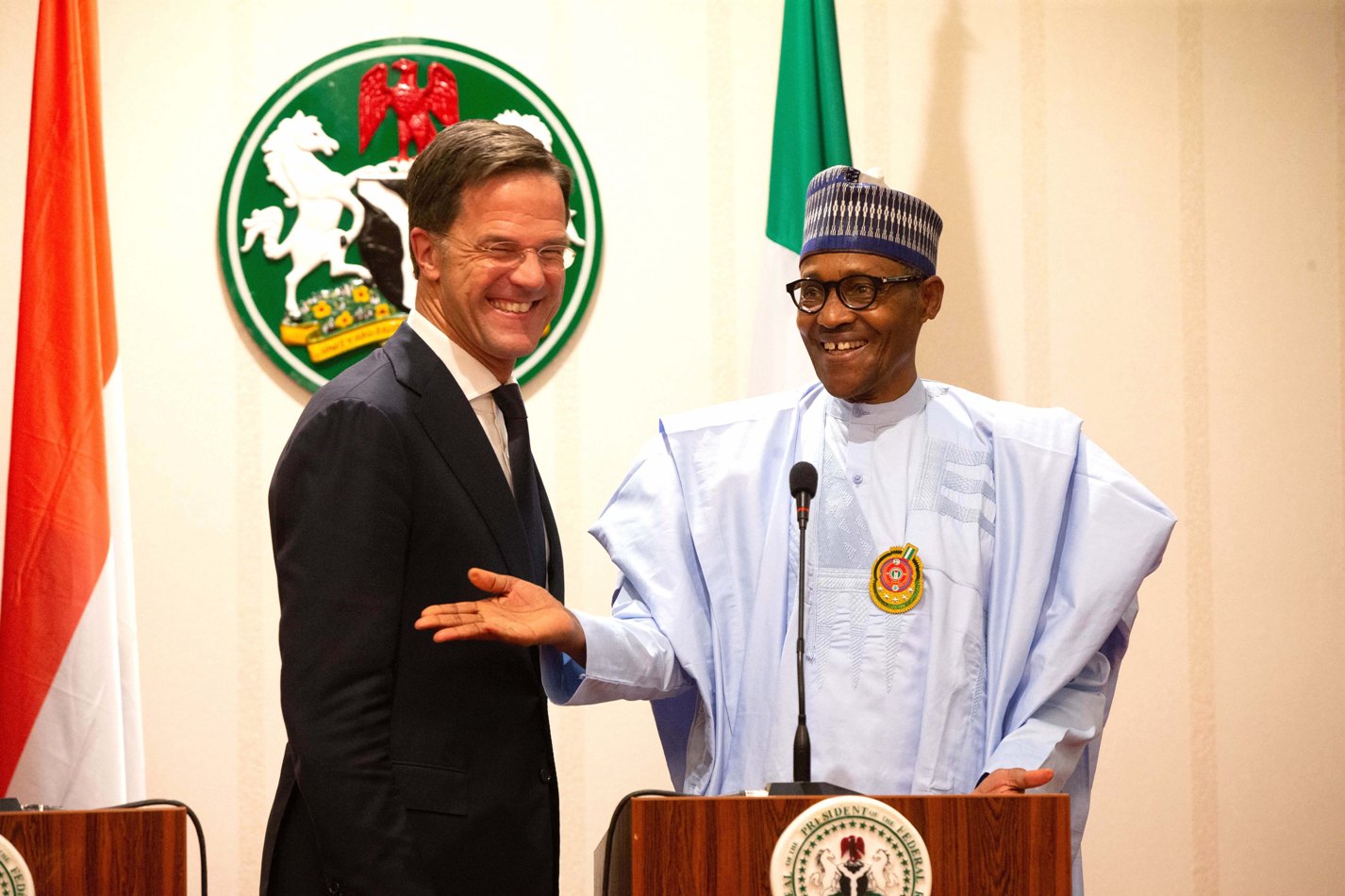
President Muhammadu Buhari and his Dutch counterpart, Prime Minister of The Netherlands, Mark Rutte, are happy with the public-private partnership between FrieslandCampina WAMCO Nigeria PLC, producer of dairy brands Peak and Three Crowns milk, and the Niger State government on the backward integration initiative ongoing on 10,000 Hectares of Land at the Bobi Grazing Reserve in the state under FrieslandCampina WAMCO’s Dairy Development Programme (DDP).

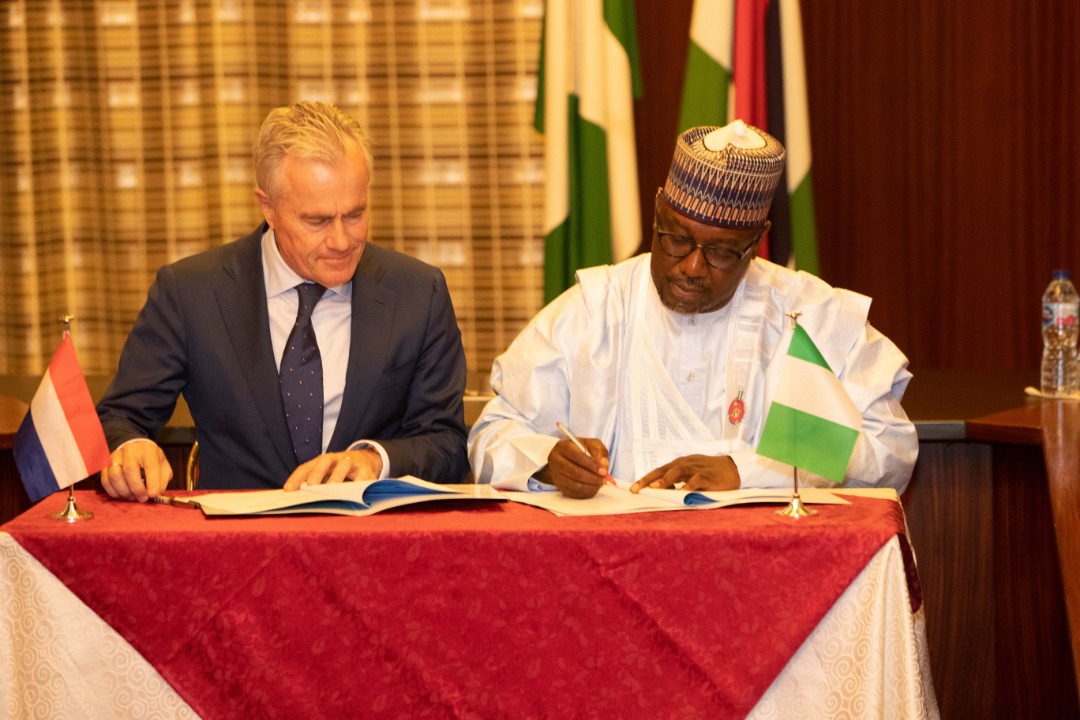
Both country leaders witnessed the signing of a Memorandum of Understanding (MoU) between the Governor of Niger State, His Excellency Abubakar Sani Bello, and the President, FrieslandCampina Consumer Dairy, Mr. Roel van Neerbos, at the Presidential Villa, Abuja on November 26, 2019. This is in line with the Government’s National Livestock Transformation Plan which seeks to grow livestock farming in Nigeria and transform the Dairy sector into an economic force that will yield the twin objectives of economic growth and people empowerment.

As the Federal Government’s preferred partner on dairy development and backward integration initiatives, FrieslandCampina WAMCO continues to lead DDP in Nigeria by expanding to more States. Currently the company has developed pasture on 1,000 of the 10,000 hectares of land assigned to it at the Bobi Grazing Reserve, and established key infrastructure including a Milk Collection Centre with a high capacity cooling tank and high quality milk testing equipment. Furthermore, the company has emerged the first to introduce hydroponics – a method of growing high-nutrient grass in harsh environments – a green house pasture development that would ensure year-round feed for cows. It has also provided solar-powered boreholes to support farmers with potable water and provide water for the cattle.

President Muhammadu Buhari and Prime Minister of The Netherlands, Mark Rutte, witnessed the signing of the MoU between FrieslandCampina WAMCO and Niger State today in Aso Rock, Abuja

The MOU between Niger State and FrieslandCampina WAMCO acknowledges the nine-year successes of the latter’s Dairy Development Programme (DDP) in Oyo, Ogun and Osun States respectively. It seeks its replication and expansion of local dairy production at the reserve, as well as train dairy cooperatives in Niger State on best global practices.

Leading sustainable dairy development in Nigeria

According to the company’s Executive Director, Corporate Affairs, Ore Famurewa: “The Dairy Development Programme (DDP) was officially launched by our company in August, 2010 in Kwara State. This climaxed with the signing of an MoU between the Federal Ministry of Agriculture and Rural Development and FrieslandCampina WAMCO Nigeria as its partner on Dairy Development in April, 2011 and was subsequently renewed in June, 2016.

“The DDP enables dairy farmers to run their businesses optimally with higher yields and better milk quality. This successful and unique model has benefitted over 7000 farmers including 950 women, a Milk Bulking Center (MBC), 6 Milk Collection Centers (MCC) and 20 Milk Collection Points (MCPs) across Oyo, Ogun and Osun states” explained Famurewa.

FrieslandCampina WAMCO with its DDP partners are collaborating to deepen the inclusive model for local sourcing of fresh milk in Nigeria. The Farmer2Farmer is an initiative which allows Certified Dutch dairy farmers share knowledge and technical knowhow with local dairy farmers through on the farm practical training bi-annually.

Specialized trainings are organized on feeding and watering of cattle, calf-rearing, artificial insemination for breed improvement, milking hygiene and practice, milking machine maintenance, hoof care, housing and barn design for local farmers and cooperatives in its over 90 DDP communities to improve milk collection.

The Dairy Development Programme is a sustainable business model that operates the smallholder system. Together with our partners, we empower young farmers and traditional pastoralists with modern animal husbandry methods and provide them a guaranteed market. Through the Dairy Development Programme, the company provides quality nutrition from Grass to Glass by breeding well cared-for cows which are the basis of good quality milk.

With strong alignment to FrieslandCampina WAMCO’s business strategy, the DDP drives local product innovation that provides support in reducing incidences of malnutrition.  As part of its achievement, the company recently invested 23million Euros into building an ultra-modern Ready To Drink (RTD) Factory in November 2019. With the commissioning of this factory, locally sourced milk will be used in the manufacturing of Peak Yoghurt.

FrieslandCampina has the ambition to improve the standard of living of dairy farmers in Nigeria where it operates its Dairy Development Programme which has proven highly successful; milk quality and safety and volumes have  increased considerably, thereby empowering dairy farmers and creating employment; women are also given the opportunity to participate in technical and entrepreneurial trainings, thus safeguarding food security and nutrition. 

FrieslandCampina will continue to lead the dairy space and maintain our position as the market leader as well as the trail-blazer of the Dairy Development Programme in Nigeria. We remain committed to supporting the Federal Government and lead dairy development in Nigeria.

According to Roel van Neerbos, President, FrieslandCampina Consumer Dairy, “This mission is an important step in strengthening our longstanding relationship with the Nigerian government. The collaboration aligns with our vision to provide better nutrition to the world with our Dairy Development Programme (DDP). FrieslandCampina enables the local dairy farmers, like in Nigeria, to run their businesses optimally and raise the quality and quantity of their dairy production via the DDP.”

The MoU between FrieslandCampina WAMCO Nigeria Plc and Niger State Government was made possible by the intervention and staunch support of the Central Bank of Nigeria; one of our core partners of the DDP in Nigeria.

President, FrieslandCampina Consumer Dairy, Mr. Roel van Neerbos, and Governor of Niger State, HE Abubakar Sani Bello at the signing of the MoU between the company and the state in the Presidential Villa, Abuja

The signing of the MoU was witnessed by the Central Bank Governor, Mr. Godwin Emefiele; Honorable Minister of Agriculture & Rural Development, Sabo Nanono; Ambassador of the Kingdom of The Netherlands, His Excellency Harry van Dijk; Consul General, Jan van Weijen; President Consumer Dairy, Royal FrieslandCampina The Netherlands, Mr. Roel van Neerbos; The Chairman, Board of Directors, FrieslandCampina WAMCO Nigeria PLC, Mr. Moyo Ajekigbe; Non-Executive Director, Engr. Mustapha Bello and Executive Director Corporate Affairs, Mrs. Ore Famurewa.

Heritage Bank identifies high prospects in Nigeria’s £4bn Gold market

Heritage Bank Plc, Nigeria’s most innovative banking service provider, disclosed that Nigeria’s Gold market is worth £4 billion Pounds with high prospects of profitability for all players in the subsector.

The MD/CEO, Ifie Sekibo, who stated this at the Nigeria-Canada Investment Summit, held in Abuja, yesterday also disclosed that the enormous potential of the industry was one of the reasons why Heritage Bank delved into the mining sector despite enormous risks.

According to him, the bank has Dukia Gold as its partner that would facilitate access to local miners and artisans to get value for their commodity at international market price after being registered with Dukia Gold.

Sekibo, who was represented by the Team Lead, Agric Finance and Export, Adelana Ogunjirin, explained that prior to now, local miners of Gold found it difficult to trade their commodities favourably but with the involvement of Dukia and its partner, Heritage Bank, a Quality-and-Quantity test will be conducted based on the arrangement they made with Dukia Gold and that will lead to additional value to the small holder miners. He explained that this will leverage the small miners the opportunity to also trade their commodities at international market price.

He further stated that a metric tonne of Gold is currently valued at $30million adding that it is worth investing in the industry, especially as gold is a kind of commodity that does not easily lose its value.

He said: “Mining sector is an area which has not been fully tapped in terms of the potentials around it, as there are quite a lot of opportunities around that sector. Recently we secured $1 billion funding line with our funding partner AfreximBank, which also is to support areas like solid minerals.

“Now with respect to this we have looked at the value chain of this space and we have looked at the opportunities that are there. A lot of fund providers have not really delved into this and it is because of the lack of understanding of the market.

“In terms of value, gold is an area where you can enhance the value. You hardly see Gold losing value and you see that in different exchanges you even trade those commodities.

“Looking at it in terms of trend, you see that gold is something that will appreciate definitely. So in terms of the profitability of this business, we have looked at it, the crunch, the numbers we see that is a space that the Bank will definitely earn a lot of income.”

He also expressed optimism that other banks would like to come into the Nigerian mining sector, but may be studying to understand the sector properly.

“Definitely other banks will come into the sector. For us we are leading, but the truth is they need to play in an area and space that they understand, as not everybody would be able to play in that space.

“Heritage Bank has already carved a niche for itself in agribusiness space, just like the Gold commodity, this would be exported. So, in terms of export proceeds too, there are opportunities to be explored. Generally, looking at the Nigerian outlook, on the long run, this will also enhance the country’s external reserves. There are multiplier effects of what we are doing today and that is why we are also moving in this direction,” the MD noted.

Also speaking, Managing Director, Nigeria Export-Import Bank, NEXIM, Abba Bello, revealed that the bank had gone into high level discussions with heavy equipment manufacturers and suppliers that would lease equipment to miners for exploration and processing, adding that this was expected to make the equipment accessible and affordable.

Bello said, “For equipment supplier or outright purchase of equipment, we have gone into discussions with Bluecare and now Mantrac for the supply of heavy equipment for gold processing or exploration on lease basis and, it is something that does not exist currently within the industry.

“Barrick Gold and Bullion Mart is something that happen in the mining world. You don’t have to own the equipment, but there are vendors who supply the equipment for explorers to hire.

“Discussions have gone very far with the equipment suppliers and very soon we will announce the programme.”

Meanwhile, the Country Manager, ITM, Nigeria, Habibah Waziri, raised concerns on human resources development that would sustain the sector.

Waziri also said there is need to formalize the sector and also invest in human capital in the sector for growth and development.

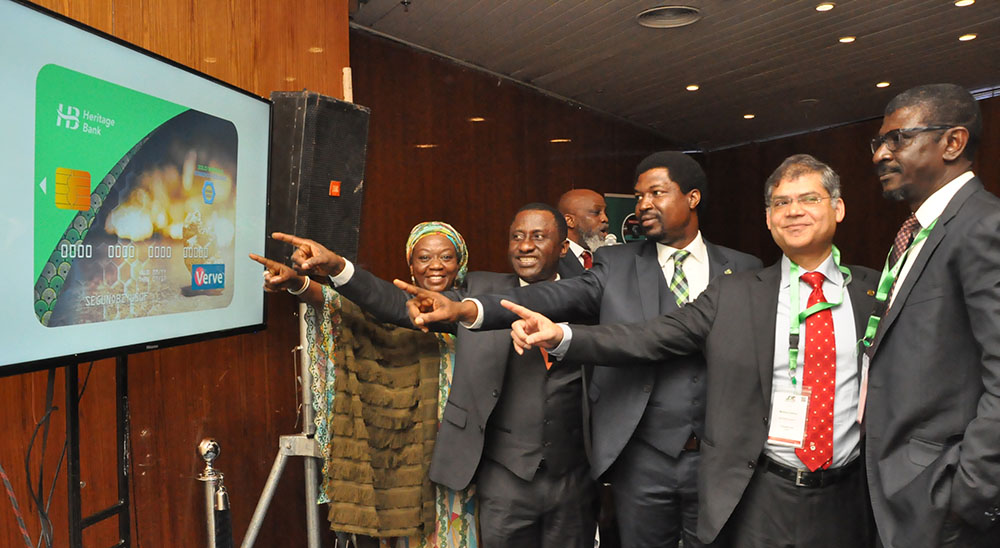
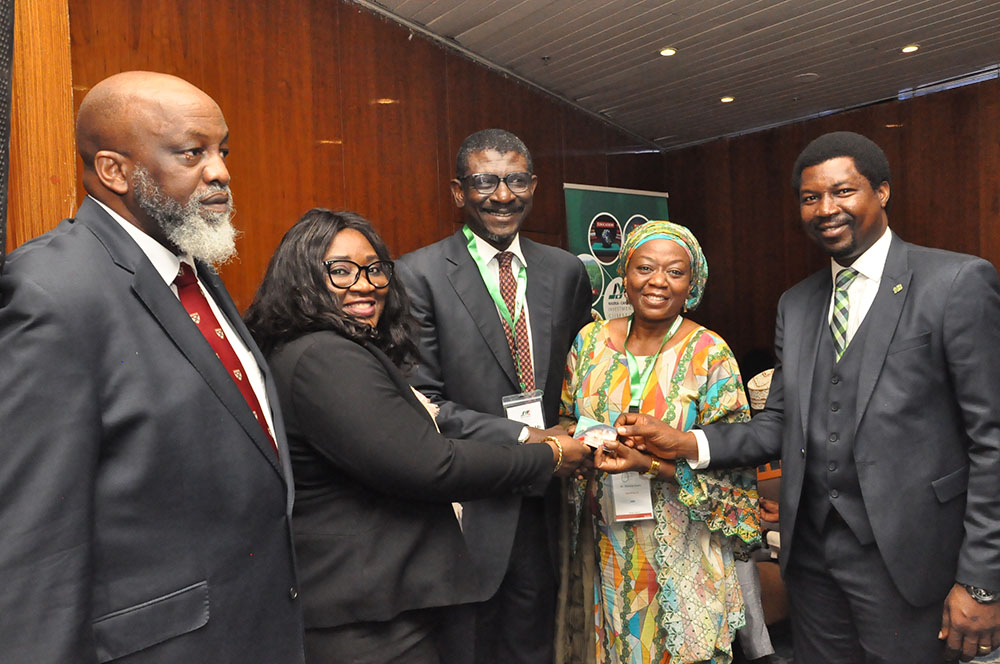
R-L: Team Lead, Agric Finance and Export Heritage Bank, Mr Adelana Ogunjirin; Dr. Hadiza Gado; Managing Director /Chief Executive of Nigeria Export -Import Bank (NEXIM ) Mr Abba Bello; Managing Director Dukia Gold, Bose Owolabi and Mr Tunde Fagbemi during NCIS Summit 2019 – Mining Master Class held at Transcorp Hotel Abuja
R-L: Managing Director /Chief Executive of Nigeria Export -Import Bank (NEXIM ) Mr Abba Bello; Chief Executive of Bullion Mart, Mr Moniruz Zaman; Team Lead, Agric Finance and Export Heritage Bank, Mr Adelana Ogunjirin; Minister of State for Mine and Steel Development, Dr. Uchechukwu Ogah and Dr. Hadiza Gado, during NCIS Summit 2019 – Mining Master Class held at Transcorp Hotel Abuja

PHOTOS: Buhari, Heritage Bank, Zamfara State, others hold discussion on boosting solid mineral development

In a bid to boost the nation’s economic growth, Heritage, Zamfara State Government and the Pan African Capital, at the just concluded Russian-African Summit in Sochi, Russia, held a meeting to brief President Muhammad  Buhari on the African Export Import Bank cooperation with Zamfara on solid minerals development put together by the two aforementioned financial institutions.

This is coming on the heels of the signing of $1bn Memorandum of Understanding (MoU) in the areas of mining, agriculture, water resources and others, between Afreximbank and Zamfara, which Heritage Bank is the banker to the project.

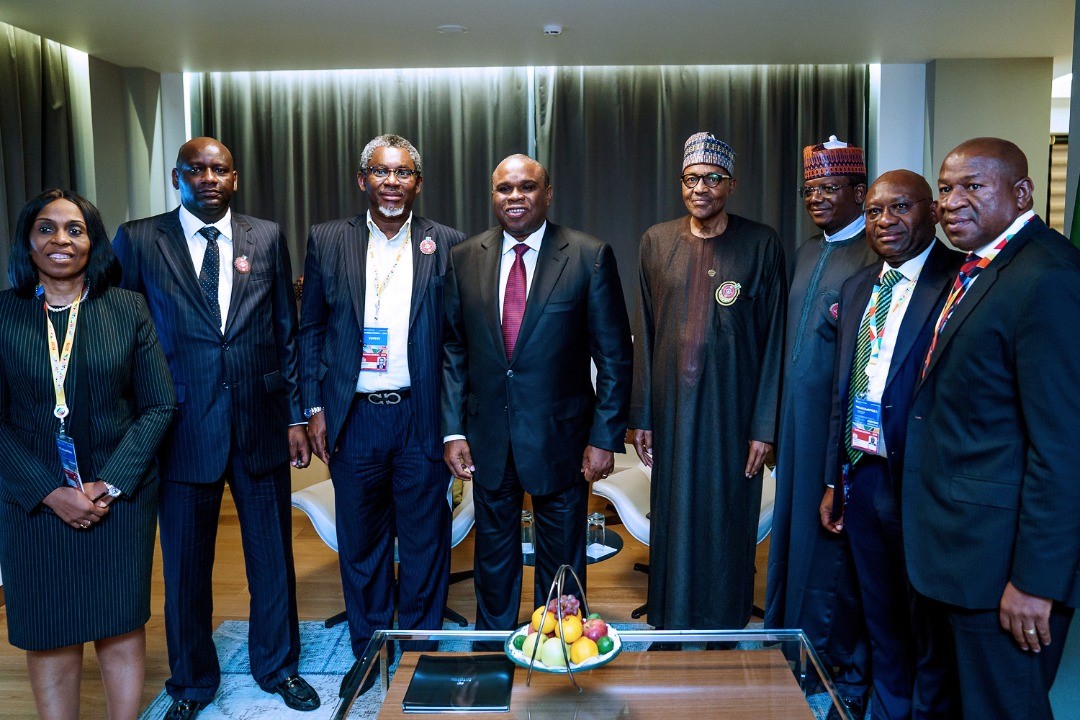
President Muhammadu Buhari (4th right) with Governor of Zamfara State, Bello Muhammad Matawalle (3rd right); Minister of Solid Minerals, Arc. Olamilekan Adegbite (3rd left); President/CEO AfreximBank, Prof. Benedict Oramah (4th left); MD/CEO Heritage Bank Plc, Dr Ifie Sekibo (2nd right); Managing Director, Intra-African Trade Initiative, AfreximBank, Mrs. Kanayo Awani (left); Zamfara State Official, Alhaji Bashir Hadejia (2nd left) and Managing Director, Pan African Capital, Mr. Chris Oshiafi, during a meeting to brief President Buhari on the Afreximbank cooperation with Zamfara State for Solid Mineral development put together by Heritage Bank and PAC, in Sochi, Russial, weekend.

FIRST BANK: TOWARDS REVIVING NIGERIA’S TEXTILE INDUSTRY

For many years, until the early 1980s, the Nigerian textile industry was the highest employer of labour, after the public sector. Sadly, the industry is in dire straits battling for survival in recent times.

Among the challenges that confronted the sector were policy inconsistency leading to closure of many textile companies occasioned by poor power supply, smuggling, poor access to finance and high operating cost, among others.

It is unarguable that the closure of many textile companies contributed to the rise in the country’s high unemployment rate, rising insecurity and other social vices.

It is against this backdrop that the Central Bank of Nigeria (CBN) Governor, Mr Godwin Emefiele, recently lamented the country’s descent from being a textile giant to a mediocre player in the world economy.

Emefiele said Nigeria used to be home to Africa’s largest textile industry in the 1970s and early 1980s with the employment of over 450,000 people.

“The textile industry at that time was the largest employer of labour in Nigeria after the public sector, contributing over 25 per cent of the workforce in the manufacturing sector.

“The industry was supported by the production of cotton by 600,000 local farmers across 30 of Nigeria’s 36 states.

“This sector supported the clothing needs of the Nigerian populace, as our markets were filled with locally produced textiles from companies such as the United Textiles in Kaduna, Supertex Limited, Afprint, Texlon, Enpee and Aswani Mills, among others.

“In addition, the cotton growing sector has gone dead, thereby depriving thousands of smallholder farmers the chance to earn a living.

Furthermore, a large proportion of our clothing materials today are imported from China and countries in Europe,” Emeifele stated.

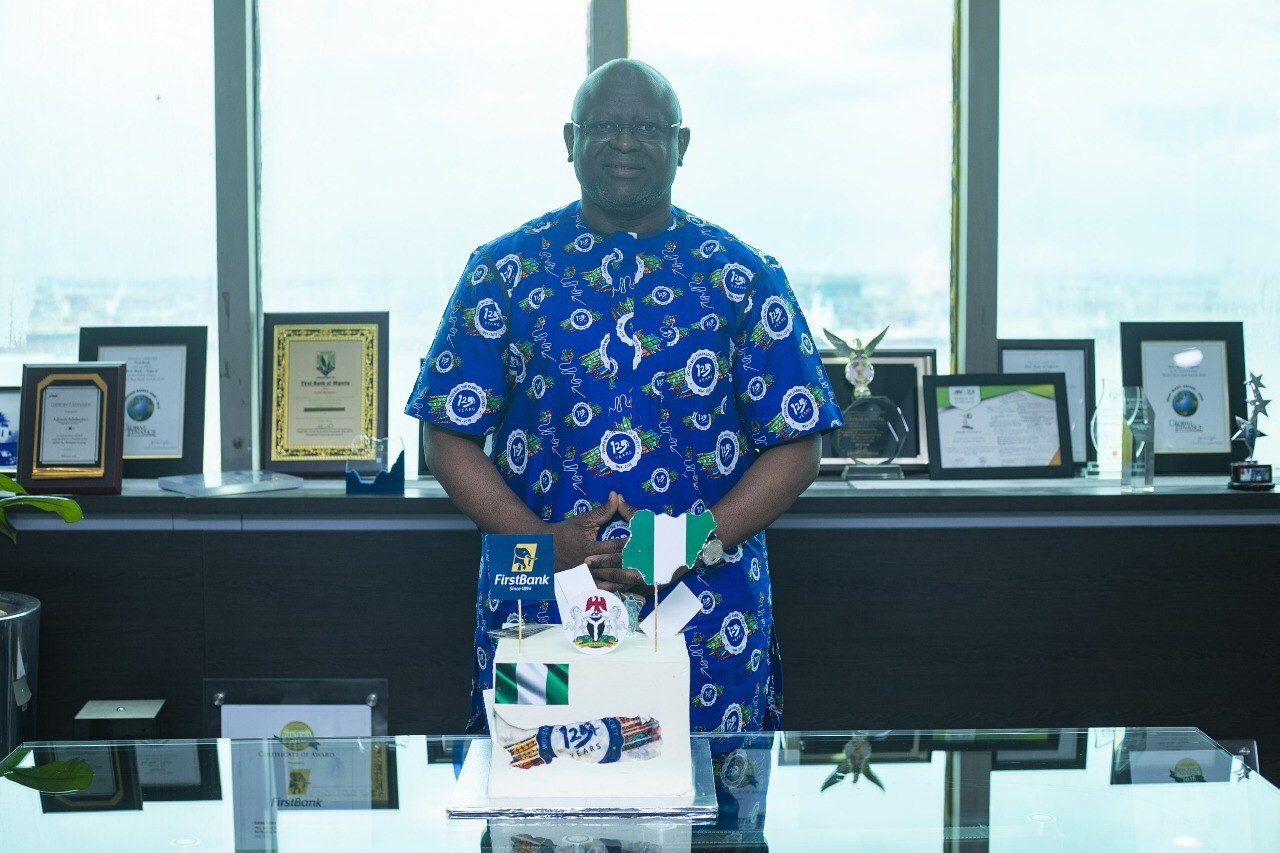
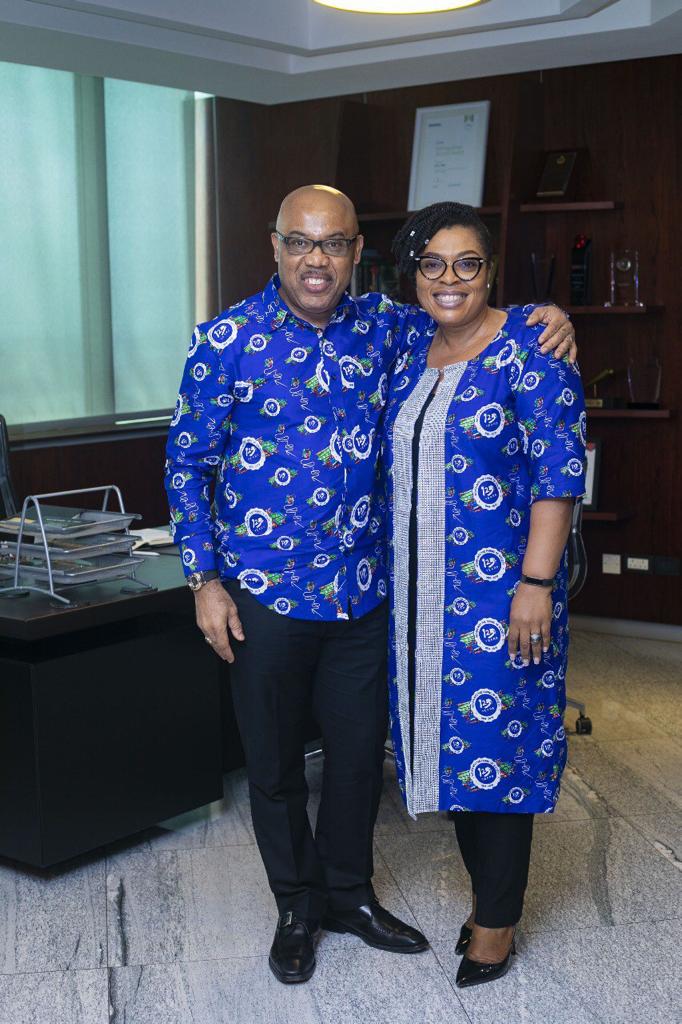
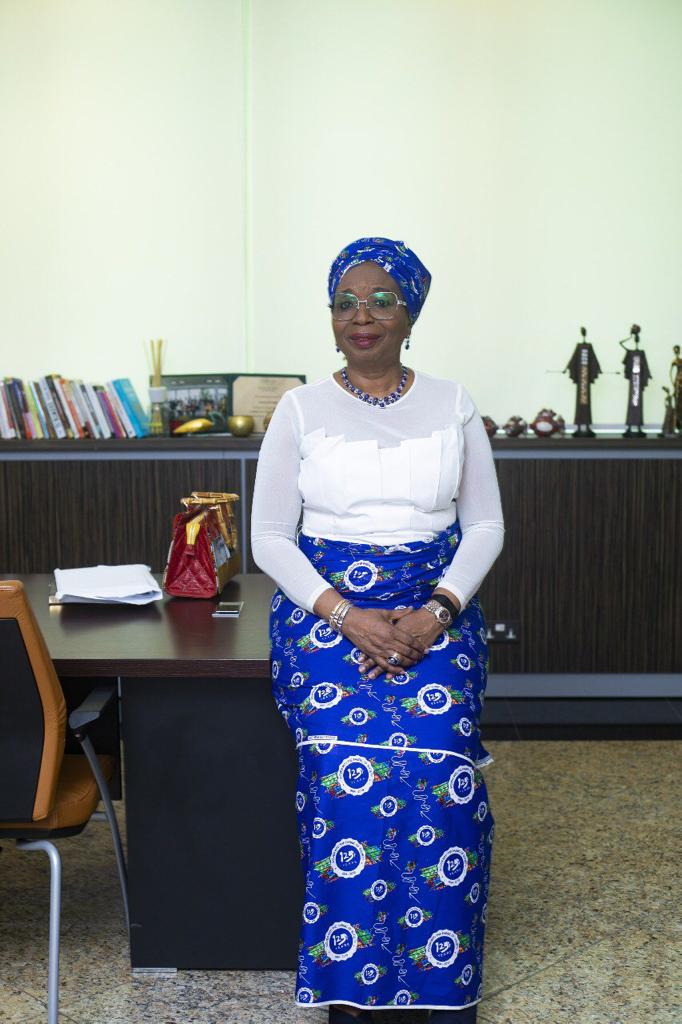
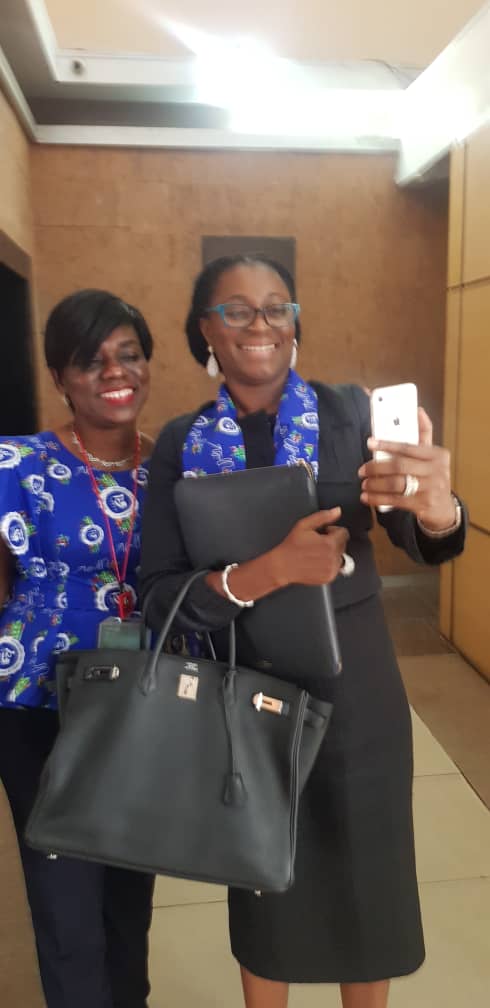
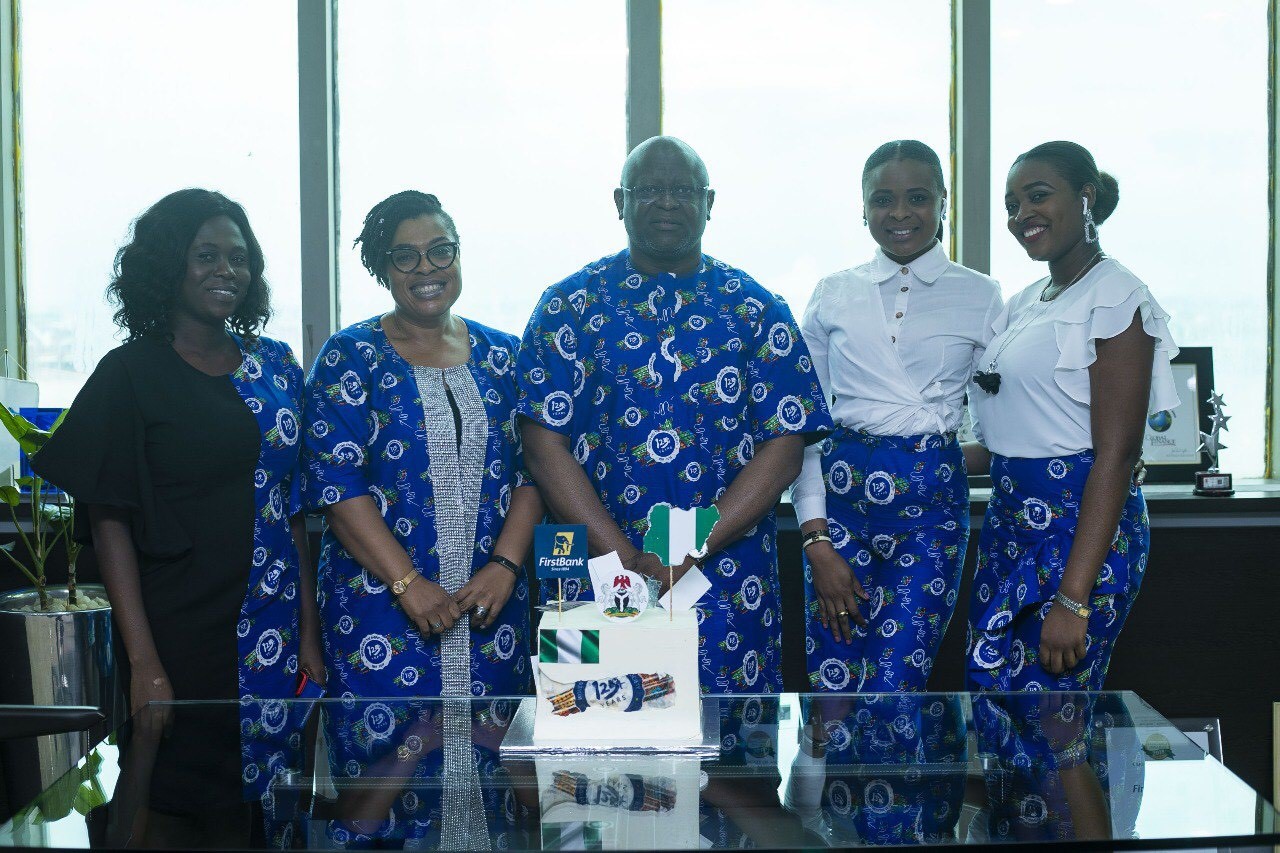
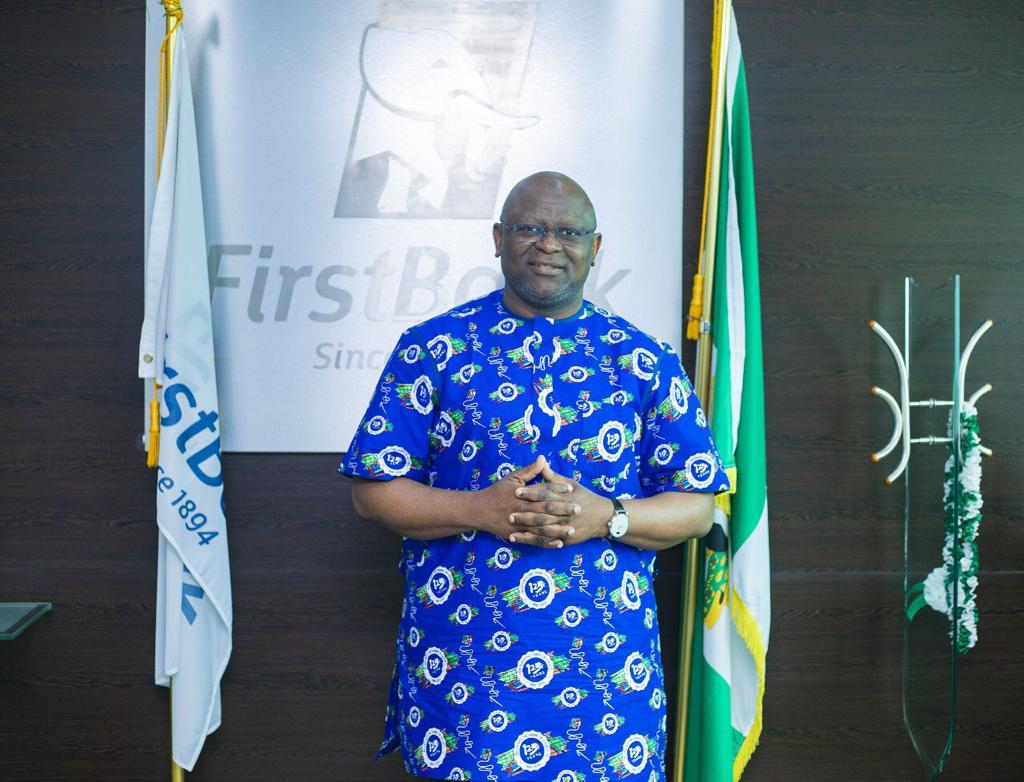
It is against this background that First Bank of Nigeria Ltd, in line with its celebratory 125th anniversary , themed, “Woven into the Fabric of Society”, on Oct. 2 commemorated the country’s independence with a locally made textile attire.

Specifically, the bank set aside Oct. 2 to have all staff wear a locally made textile attire adorned in its 125 anniversary logo and over 18,000 staff across the bank and FBN Holdings participated.

The bank in a statement attributed the initiative to moves to celebrate the country’s 59th Independence anniversary and at the same time support the textile industry.

“The native attire fashion statement by FirstBank and the FBN Holdings Group is rooted in our trust in the diverse opportunities the textile industry provides.

“And indeed its contribution to national growth and development, vis-à-vis the job opportunities, youth and women empowerment, as well as the entrepreneurship driven influence its creates cannot be overemphasised.

“The bank is indeed honored to have been woven into the Fabric of Society in the last 125 years and is committed to keep promoting activities and opportunities that contribute to the growth of the textile industry.” it added.

Apart from the above intitative, FirstBank also provide access to market and provide opportunities for entrepreneurs in the Small Medium Scale Enterprise (SMEs) of the fashion industry with an initiative tagged Fashion Souk.

The bank partners with Eventful Nigeria Ltd with Fashion Souk, a platform that creates an opportunity for players in the fashion industry to exhibit and sell their wares to the thousands of event participants.

The bank also in a bid to ensure sustainability of the industry recently introduced fashion design loan specifically designed to offer financial support to the participants in the textile industry.

The bank’s fashion design loan with a single obligor limit of up to two million naira is targeted at tailors, dressmakers and traders in clothing accessories with no tangible collateral required.

To be eligible for the loan, applicants must have been in line of business for a minimum of three years.

Commenting on the development, Mr Moses Igbrude,  Publicity Secretary,  Independent Shareholders Association of Nigeria (ISAN), described the initiative as a wonderful concept.

“I hope those in the local textiles value chain will key into it and take advantage of this initiative.

“FirstBank should also ensure that the concept is properly communicated to the larger audience to ensure more patronage of locally made textile,” Igbrude said.

He noted that the Federal Government on its part should encourage institutions that are supporting our local industries by way tax incentives.

Also speaking, Mr Shehu Mikail, National President, Constance Shareholders Association of Nigeria, commended the bank’s support for local fabric and the textile industry.

Mikail said that the initiative would boost the morale of interested bodies who would like to venture into local fabric in promoting our culture to the world.

He said that the bank should focus on the fashion designers who would be ready to promote Nigerian mode of dressing to meet the world class in fashion design.

“This will help in promoting Made in Nigeria fabric and it will also encourage an interested investor to venture into textile industry business and this will tranform our economy,” Mikail stated. (NAN)

Sanwo-Olu, Okonkwo Parley ASPAMDA, Trade Fair Market Leaders on Infrastructure Development

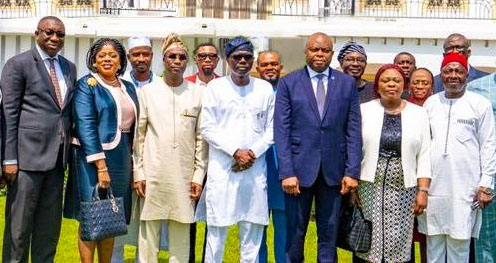
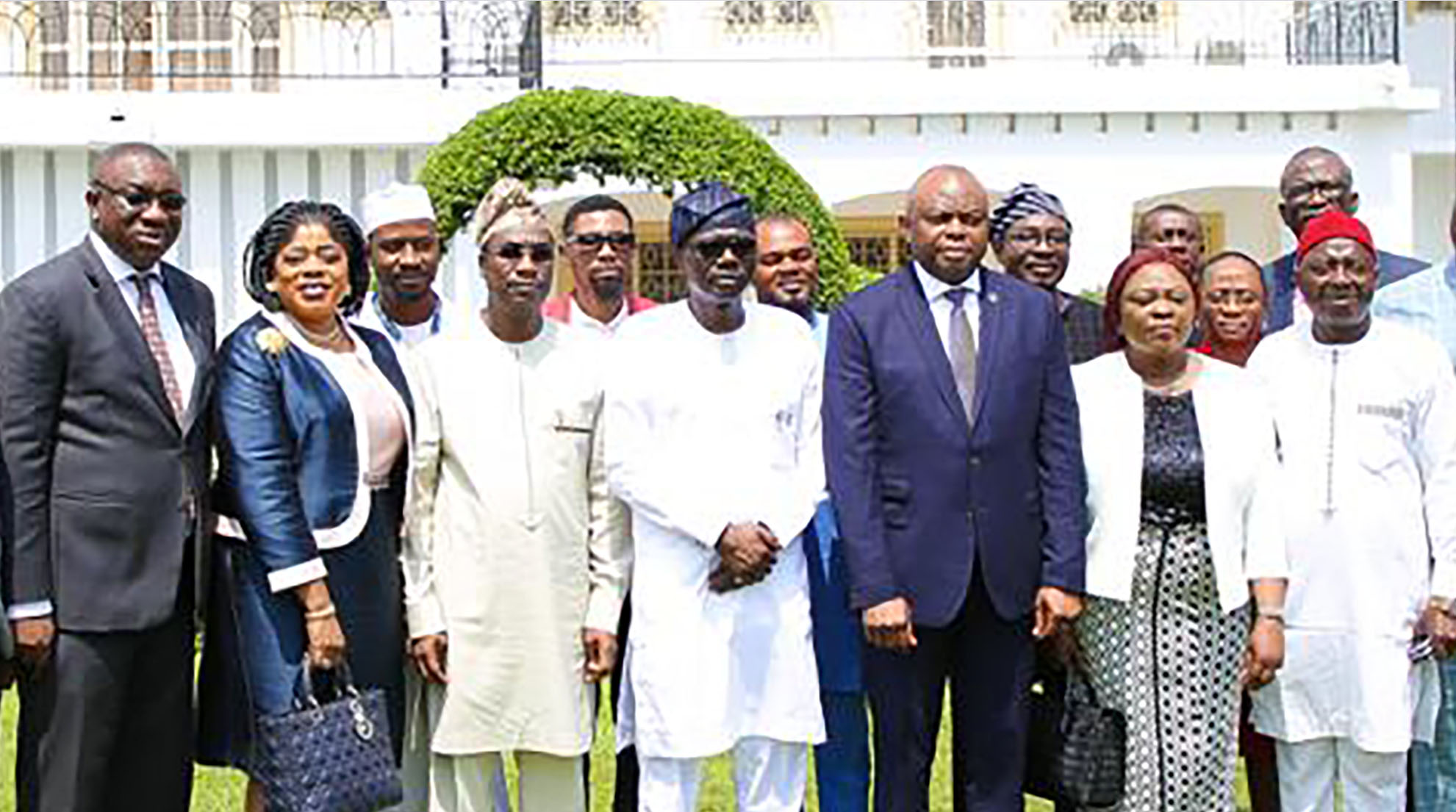
Lagos State Governor, Mr. Babajide Sanwo-Olu on Thursday, met with market leaders from Alaba, Trade Fair axis in Lagos West senatorial district. The consultative meeting, which was at the instance of the Governor and coordinated by the Managing Director Fidelity Bank, Mr. Nnamdi Okonkwo, lasted for about 90 minutes and it was centered around the State Government’s plans to improve security and upgrade infrastructure around the markets.

Speaking to newsmen after the meeting, Gov. Sanwo-Olu said the discussion was aimed at fostering collaboration with the traders and to carry them along in the plans of the Government. The Governor said he was pu satisfied with the conditions under which businesses were conducted in the markets, expressing disappointment over the state of roads and absence of relevant public facilities around markets. In fulfilling his campaign promises to the traders, Sanwo-Olu said his administration was prepared to change the condition by investing in infrastructure that would improve the quality of lives and commercial activities in the area.

He said: “We have just finished an interactive meeting with the leaders of various markets around Alaba, ASPAMDA, Trade Fair areas in Lagos West Senatorial District and the discussion was coordinated by our friend in the banking sector, Fidelity Bank. We all agreed that we all have roles to play to address infrastructure and other challenges around the markets. As a government, we are taking up the responsibility to design an all-inclusive model that will improve the economic wellbeing of people around the markets. Once we put infrastructure in place, not only would businesses flourish, employment will also be created.” Aside constructing network of roads surrounding the markets, the Governor said part of the Government’s long-term plans was also to complement the efforts with provision of amenities, including fire stations, clinics, general hospitals and security protections that would aid commercial activities in the markets.

Sanwo-Olu said the market leaders agreed to work with the Government on documenting all businesses in their respective jurisdictions, which would facilitate easy payment and collection of tax for developmental purposes.

The Governor said: “we had conversations around being socially responsible. So, we will see the traders living up to the expectations in terms of doing what they are meant to be doing to support government in the areas of their taxes, wages and levies. We also want to eliminate multiple taxations; any agency that is not meant to be around the market will be stopped.

“We also discussed security issues, and I assured that government would help to improve on the security of lives and properties in the area and the state in general. We will address the menace of Okada riders all around those markets. We will also ensure that the work that is going on around Lagos-Badagry Expressway is well coordinated, so that they can have some relief at various periods of the day, even when construction is going on.”

The Governor said the meeting would not be the last in his engagement with the market leaders, pointing out that Chairmen of local councils in which the traders operate would be invited to subsequent discussions before the start of regeneration work across the markets within the senatorial district.

Fidelity Bank’s Managing Director, Mr. Nnamdi Okonkwo, hailed Sanwo-Olu for partnering with the market leaders to drive the regeneration programme, saying the Governor understood the importance of engagement in leadership. According to him “Fidelity Bank was one of the first banks to open in the area and we understand their challenges from the extensive engagements we do have with them. We bank most of them and when there are issues we come together to interact and find solutions. This is exactly the approach that Gov. Sanwo-Olu is using today. The Governor has outlined a course of action and we also use our knowledge of their needs and working in collaboration with the government, to come up with a model that will work for all stakeholders. The traders are ready to take this collaboration to the end and make sure they have better market conditions so when they want to pay their taxes, they will pay them happily.”

President General of Alaba Amalgamated, Chief Fabian Ezeojika, said the discussion with the Governor and his Deputy was fruitful, promising to mobilise traders to respect the agreement made with the State Government.

Markets and dealers represented at the meeting included Alaba International Market, Auto Spare Parts and Machinery Dealers Association (ASPAMDA), BBA Trade Fair, Alaba Fancy and Furniture Dealers, and Electrical Dealers Association of Nigeria (EDAN), among others

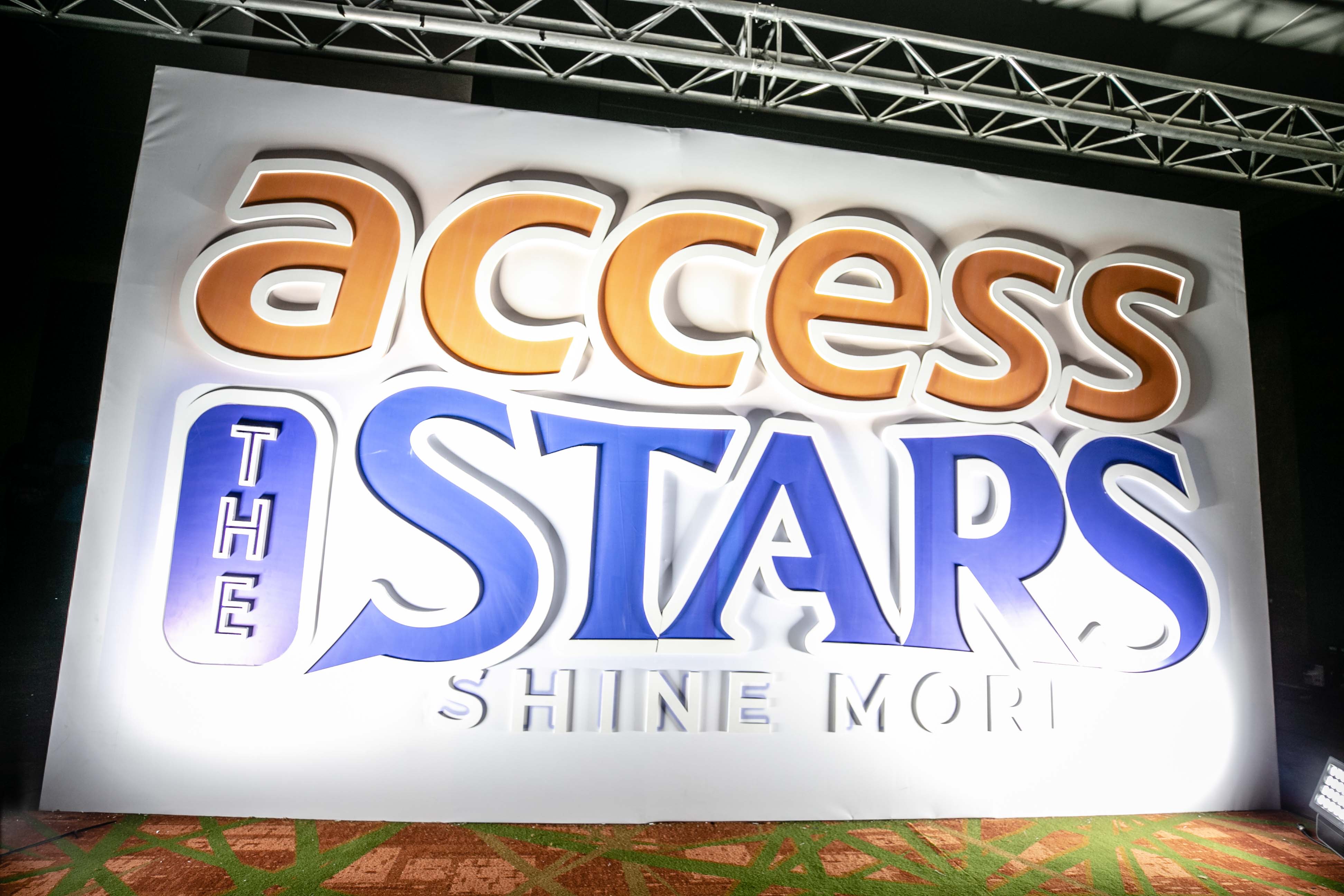
Nigerian Breweries and Access Bank Announce New Music Show ‘Access The Stars’

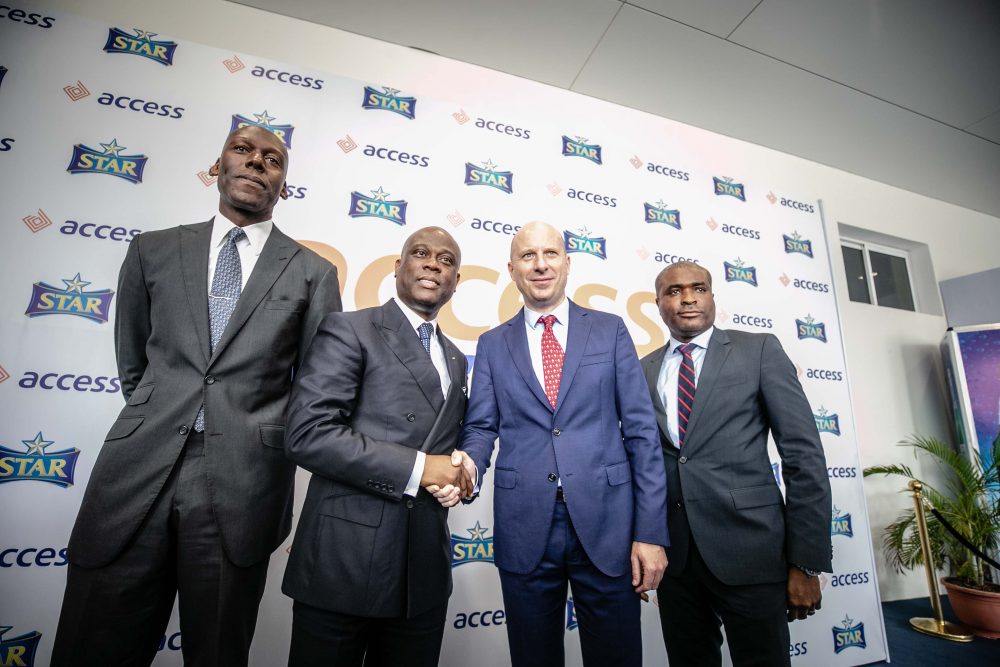
In a move that signals the biggest partnership in Nigerian music, Nigerian Breweries (through Star Lager Beer) and Access Bank have announced ‘Access The Stars’, a groundbreaking collaborative music platform to discover, groom and amplify the next generation of Nigerian talents.

Access The Stars is a new platform created for exceptional and aspirational Nigerians in the music industry to be discovered, refined, and empowered to reach higher heights by accessing their star potential. Successful artists will get to tour with the best of Nigerian artists on ‘The Trek’ across the country, giving the grassroots access to the stars to learn one-on-one.

This move explores the intersection between business and a shared love for the rich entertainment culture of Nigeria. Over the years, Access Bank and Nigerian Breweries have built consumer-focused music assets like Star Mega Jam, Star Music – The Trek, Star Quest and BAFest. With Access The Stars, Nigerian Breweries and Access Bank are together, consolidating the trajectory of “Discovering, Refining and Showcasing” the best of Nigeria’s musical talents.

Commenting on the new initiative, Herbert Wigwe, Access Bank MD/CEO stated that Access The Stars is borne out of the desire of both brands to continue to connect with people through the one platform they both have in common which is music. “Both our brands share a long history of creating excellent musical experiences for not just our customers, but the wider Nigerian audience, and this is us expanding on that,” he said.

Discovered talents will tour on ‘The Trek’, alongside a roster of stars that include; Tiwa Savage, Burna Boy, Flavour, Phyno, Olamide, Kcee, among others.

Hosting Access The Stars will be music superstar Dare Art Alade, with television host and radio personality, Olive Emodi as co-host. Choreographer and CEO Imagneto Dance Company, Kaffy, Nigerian Music Producer, Tee-Y Mix and Nigerian Music Star, Seyi Shay will judge the talents to be found across Nigeria.

Speaking on the new partnership, Managing Director of Nigerian Breweries Plc., Jordi Burrut Bel says:

“Access Bank and Nigerian Breweries have the shared interest of serving Nigerian customers, and through this partnership, we are harnessing our collective strengths to shape an exciting future. Via this collaboration, we will give hidden gems access to shine by discovering, polishing and showcasing them to Nigerians, Africans and the world.”

Access Bank today is the largest bank in Nigeria and Africa’s leading bank by customer base. It is a full-service commercial bank operating through a network of more than 600 branches and 29 million customers.

Nigerian Breweries Plc, is the pioneer and largest brewing company in Nigeria. It serves the Nigerian market spanning 800,000 retail outlets with a consumer base of over 45 million Nigerians.

Exit mobile version