Wema Bank Plc, the creators of Nigeria’s first fully digital bank – ALAT– and one of Nigeria’s leading commercial banks, is hosting a creative essay competition for children.
The 2021 Royal Kiddies Essay Competition tagged “Write & Win”, will test the creative writing abilities of young school children in Nigeria aged 5 – 12. It aims to develop writing skills, promote creativity, imagination capabilities, reward creativity, and drive them towards excellence in their learning process.
Ten kids will emerge from a transparent, credible, and thorough screening process. The top three Essays will each get Huawei tablets and Royal Kiddies branded T-shirts. The seven other finalists will each get a N20,000 prepaid gift card for school supplies in addition to a branded T-shirt.
The essay competition is open to children of parents/guardians who have opened and funded a Royal Kiddies Account for their children/wards. Eligible kids will develop a creative and imaginative essay reminiscent of the eventful year 2020.
To get your kids to join the fun and get them rewarded for their creativity in the Wema Bank Royal Kiddies Essay Contest, follow the steps below:
Send an essay written by your ward(s) with the topic “2020 A year to Remember” along with their royal kiddies account details to retail.products@wemabank.com.
Essay submission entries close by May 24, 2021. Besides other terms and Conditions that apply, only Royal Kiddies Account holders with up to N20,000 in their account qualify to apply.
A Wema Bank Royal Kiddies Account gives your kids an early start to financial freedom. It is for kids between ages 1 to 12. Other benefits of opening a Wema Bank Royal Kiddies account for your children are access to school fees advance, scholarships, life assurance to fund their education and many others.
If you wish to enter your kids but do not have a Royal Kiddies account, visit the nearest Wema Bank branch to open an account.
S&P Global Ratings said changes to the boards of First Bank of Nigeria Limited and FBN Holdings (FBNH) Plc, recently directed by Central Bank of Nigeria (CBN), addressed the banking group’s corporate governance challenges and ensures the Nigerian banking sector’s financial stability.
In a statement, it stated that its ratings on FBN and other Nigerian banks remain constrained by shortcomings in corporate governance and transparency, among other factors.
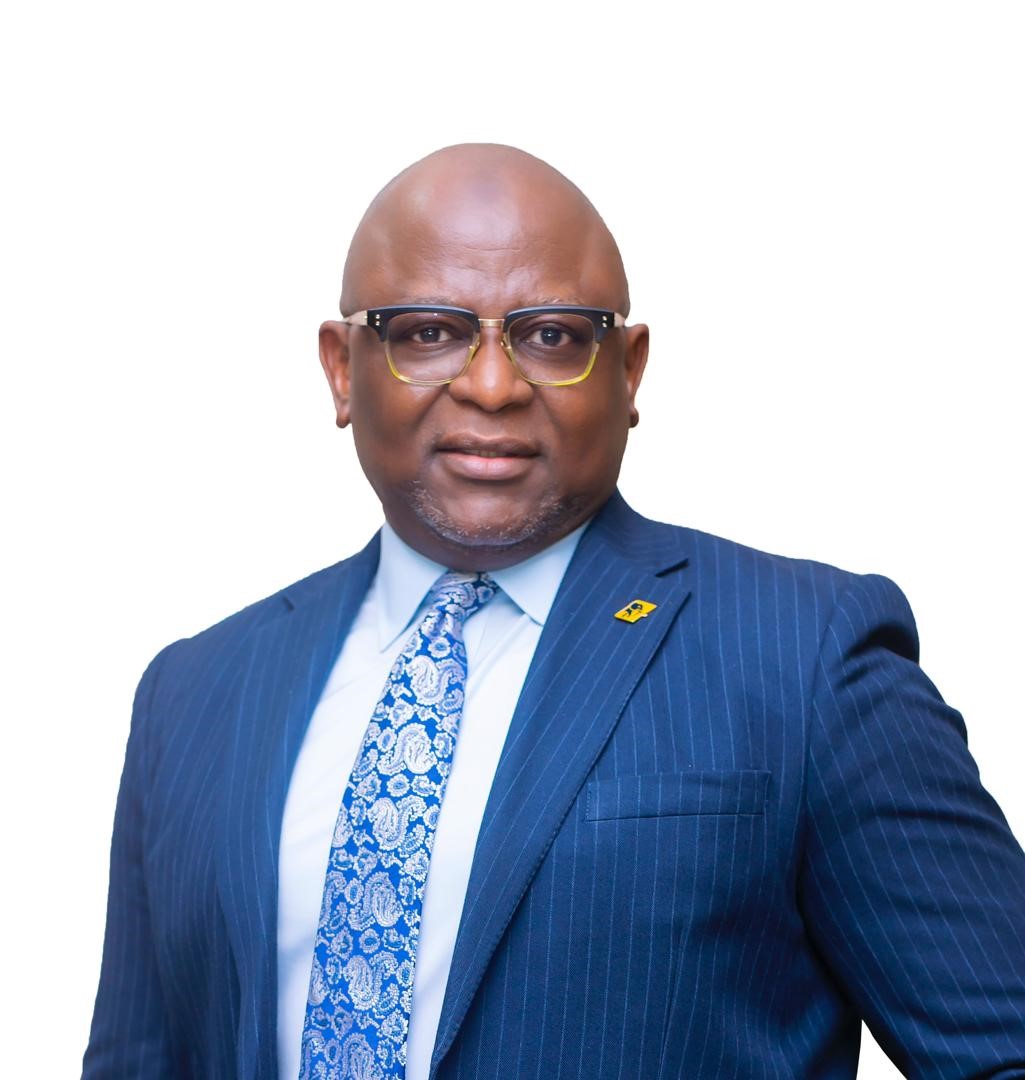
The CBN recently replaced the entire boards of FBN and FBNH, and reinstated the former executive directors and CEO, Dr. Adesola Adeduntan.
The CBN had also requested FBN unwind certain exposures and divest from its participation in a non-permissible company, also pointing to potential corporate governance lapses at the bank.
“However, Dr. Adeduntan’s reinstatement and the re-appointment of the other executive directors underscores the CBN’s confidence in the existing management team to continue the turnaround of the third-largest banking group in Nigeria, which has total assets of Nigerian N7.7 trillion.
“We are of the view that the CBN’s historical approach has been more reactive than proactive, as illustrated by the Skye Bank episode. That said, recent actions, while disruptive in the near-term, may signal a more direct and possibly decisive supervisory approach to alleged failings in the management and governance of regulated institutions,” it stated.
It, noted that FBN’s overall credit profile has gradually stabilised since 2016, with a capital adequacy ratio of 17 percent in 2020, as against a 15 percent minimum requirement.
Similarly, the bank’s asset quality indicators improved significantly, with Non-Performing Loans (NPLs) reducing to 7.7 percent in 2020, from 20-25 percent since 2016.
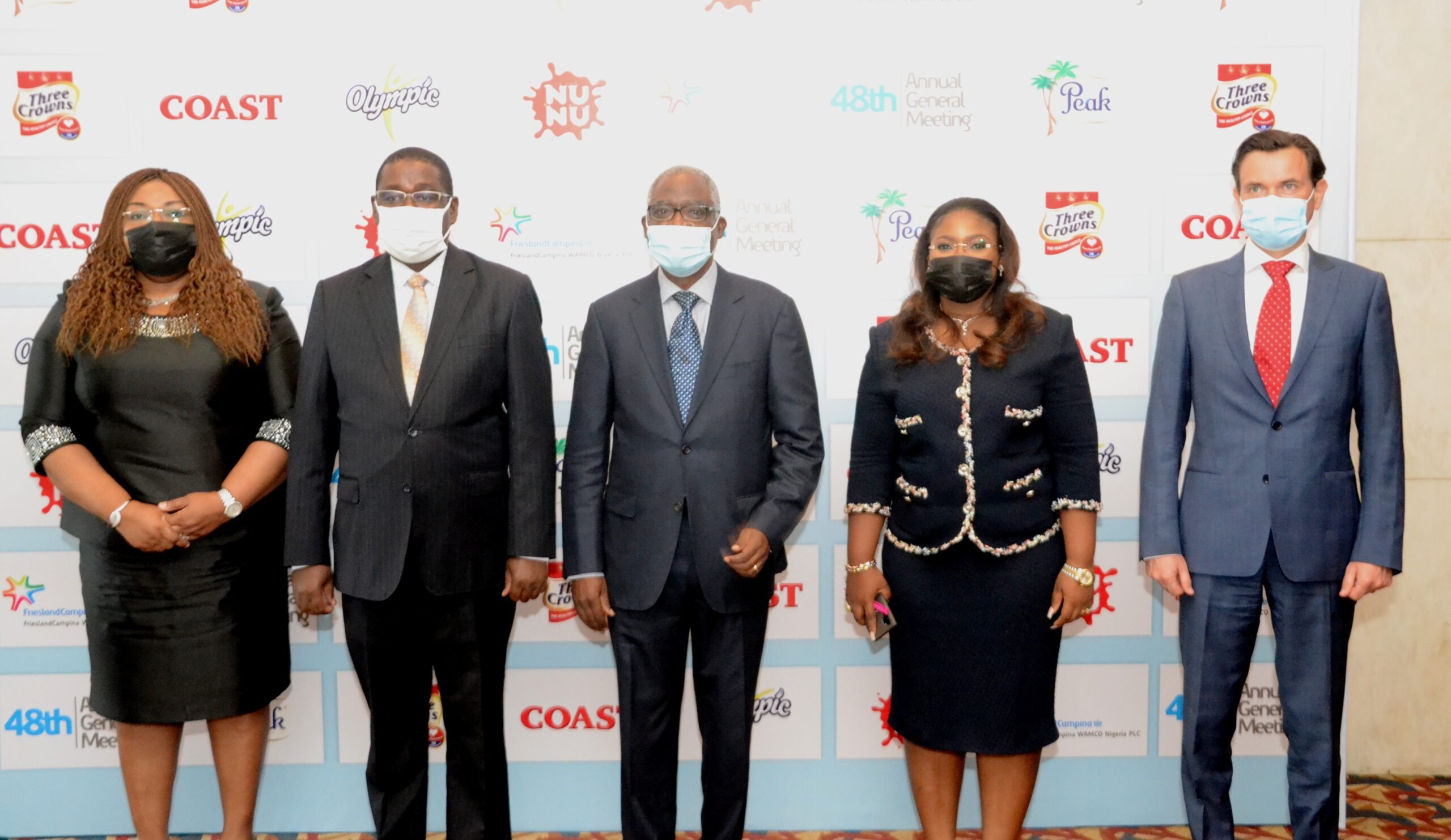
From left, Executive Director, Corporate Affairs, Mrs. Ore Famurewa; Managing Director, Mr. Ben Langat; Chairman Board of Directors, Mr. Moyo Ajekigbe, OFR; Company Secretary/Legal Adviser, Mrs. Olubukunola Olateru and Executive Director Finance, Mr. Marc Galjaard, at the 48th Annual General Meeting of FrieslandCampina WAMCO Nigeria PLC held in Lagos recently
Top dairy company, FrieslandCampina WAMCO Nigeria PLC, makers of premium milk brands – Peak, Three Crowns, Coast, Nunu and Olympic has reported a turnover of N199.5 billion. This was announced at its 48th Annual General Meeting held Thursday, 6 May 2021, in Lagos.
Speaking at the AGM, the Chairman, Mr. Moyo Ajekigbe, OFR said, “the challenging operating environment in 2020 notwithstanding, the Company’s commercial and financial performance for the year showed considerable improvement compared to the previous year. Turnover increased by 23% in 2020 to N199.5billion from N161.8billion in 2019. This was due to a combined effect of organic and inorganic growth following the acquisition of Nutricima’s dairy business. Profit Before Tax however decreased by 20.3% from N18.8 billion in 2019 to N14.9 billion in 2020 as a result of high input costs and naira devaluation impact.”
The meeting was held in compliance with COVID-19 pandemic protocols, ensuring the health and safety of all stakeholders involved. The meeting was broadcast live for shareholders and other relevant stakeholders to participate in the proceedings in line with the “Guidelines on Holding of Annual General Meetings (AGM) of Public Companies Using Proxies” as established by the Corporate Affairs Commission.
All the resolutions submitted for shareholder approval were adopted, including the approval of a total dividend payout of N6.74 per N0.50 share.
As underlined by the Managing Director, Mr. Ben Langat, during his presentation on the financial results, “2020 was shaped by the Company’s continued focus on sustainable business processes. We leveraged our brands and superior commercial expertise to deliver impressive volumes during the year. FrieslandCampina WAMCO continues to be committed to nourishing Nigerians with quality dairy nutrition. Our Board and Management will continue to take necessary steps to ensure that the growth momentum is sustained.”
Explaining the Company’s response to COVID, Mr. Langat said, “From the very first signs of the Covid-19 pandemic, our Company defined three absolute priorities; protecting the health and safety of our employees; doing all that is necessary to ensure business continuity; and supporting Nigeria to manage through the crisis, therefore, a donation of N500 million was made to the COVID Relief Fund while over N100 million worth of products were donated to low income communities during the lockdown.”
Following its expansion drive, FrieslandCampina WAMCO acquired Nutricima factory in Ikorodu during the year under review. The acquisition underlines FrieslandCampina WAMCO’s continued commitment to contribute to the development of the Nigerian dairy sector and satisfies the need for additional production capacity for FrieslandCampina WAMCO to meet the growing consumer demand for locally produced dairy.
Under its backward integration strategy, the business aggressively expanded its activities to
strengthen the dairy value chain in Nigeria. Significant to this was the establishment of the Center for Nigerian Dutch Dairy Development, Nigeria’s first national expertise Center for dairy, committed to unlocking and developing homegrown dairy expertise across the value chain. The business also established the Value4Dairy Consortium, a formidable partnership of FrieslandCampina WAMCO, URUS, Barenbrug and Agrifirm, committed to accelerate self-sufficiency in Nigeria’s dairy sector.
A look at Q1 2021 activities indicates continued economic headwinds in a volatile and uncertain business environment. However, FrieslandCampina WAMCO remains positive about the future of its business in Nigeria. The business is confident that our brands, which are well known, will continue to grow on the back of our strong business fundamentals and unique route-to-market strategy to achieve our business ambition.
Financial inclusion and provision of sustainable energy is at a turning point in Africa’s largest economy, Nigeria. With a population of over 200 million, about 50 per cent of the total population live in rural areas, and only 39 per cent of those living in rural communities have access to electricity. This is in addition to over 40 per cent of the entire population who are financially excluded or underserved.
However, the proliferation of digital financial services in Nigeria – powered largely by growth in fin-tech companies – has catalysed an unparalleled increase in the current number of people with access to formal financial services, while further opening up opportunities to address power supply challenges across rural communities; a major feat instrumental towards achieving the broad Sustainable Development Goal 7. With over 200 fin-tech companies in operation within its borders, Africa’s largest economy has found a way to target and capture over 40 per cent of its financially excluded or underserved population.
In a conversation with Adebola Sanni, co-founder, Infibranches Technologies and the Group Head, Business Development & Partnerships at Swifta Systems and Services, she highlighted the growing awareness of the transformative power of fin-tech and how if properly harnessed can help address both problems of financial inclusion and the more pressing sustainability challenges in the area of affordable and reliable power supply needed to drive the growth of local economies.
“Fintech has increasingly provided innovative ways to address existing gaps in the availability, accessibility and use of finance particularly among the unbanked population. By leveraging the proliferation of technology, agent banking and mobile money solutions now offer affordable, instant, and reliable transactions, savings, credit across rural communities where no bank had ever established a branch. Similarly, about 75 million Nigerians who mostly fall within the financially underserved or excluded demography live without reliable electricity access as the existing electrical grid serves largely the country’s urban population.”
“We understand how pivotal the provision of sustainable power is to driving growth of local economies in rural communities and by extension the need to boost financial services penetration across these communities. These are both enablers for catalysing positive transformation and driving sustainable economic progress across the country.”
Adebola, a leading business strategist and technology consultant also said, “To address these challenges, we believe distributed energy solutions that leverage digital payments will open up opportunities to reach the underserved market at low cost.”
We partnered NGOs, including Shell Foundation, USAID, to extend agent networks together with off grid energy providers in 2019 where we set up about 200 agent locations across Nigeria, identifying communities across the rural and peri-urban regions with needs for both power and financial services. We also partnered renewable energy companies such as Green Light Planet (Sun King), D.Light Solar, Sosai, PAS BBoxx, Konexa to set up payment points necessary to expand access to highly subsidized power for such communities.
“This solution provides affordable home solar systems to rural communities with an affordable and convenient payment structure where beneficiaries pay as low as N500 (less than $2 dollar a month) which allows for people to pay off the cost in a year to fully own the solar equipment.”
Till date, over 400,000 people have been impacted across 22 States and 108 local government areas in Nigeria through various initiatives supporting energy access especially in rural areas. The addition of the ‘Solar Power Naija project’ by the Federal government initiative under the Economic Sustainability Plan (ESP) and managed by REA, for off-grid communities, will further expand energy access to 25 million individuals through the provision of Solar Home Systems (SHS) or connection to a mini grid. This is a good initiative to help expand energy access faster.
One of the success stories underpinning how providing innovative energy solutions can transform communities is the Havenhills mini-grid project in Kigbe community located in Kwali Local Government Area Council, Abuja. Before executing the project, the Kigbe community with geographical limitations had no electricity as they were completely off-grid. The project upon completion delivered a 20KW solar enabled mini-grid through 3km 3-phases and 1-phase grid lines to 145 homes, enabling them to power basic electrical appliances such as light bulbs, fans and TVs. The project also supports 5 local businesses including a barbing salon, grocery store and viewing center.
As part of creating sustainable economic empowerment, Adebola Sanni, who has strong passion for financial inclusion and energy access, has facilitated the implementation of a pioneer digital infrastructure that supports micro insurance, pension and savings providers and the first API infrastructure that aggregates renewable energy products and services making them accessible to any payment service providers, banks and other financial and non-financial institutions.
She is vastly experienced in driving growth, creating market focused products and providing innovative solutions to businesses in Financial Technology, eCommerce, Telco and Private/Publics sectors as well creating partnership opportunities for growth.
One of the key metrics that well defines a truly 21st century brand beyond profit making is its ability to connect with customers and stakeholders as a complete enabler, touching on vital aspects of their lives, creating exciting memories and enabling them to access more enjoyable and convenient lifestyle, in shopping, studying, working, traveling, family living, entertainment and aspirations.
Its ability to also give back to the community through tangible corporate social investment programs that significantly translate to improved living and not just mere formality and publicity stunts is also pertinent.
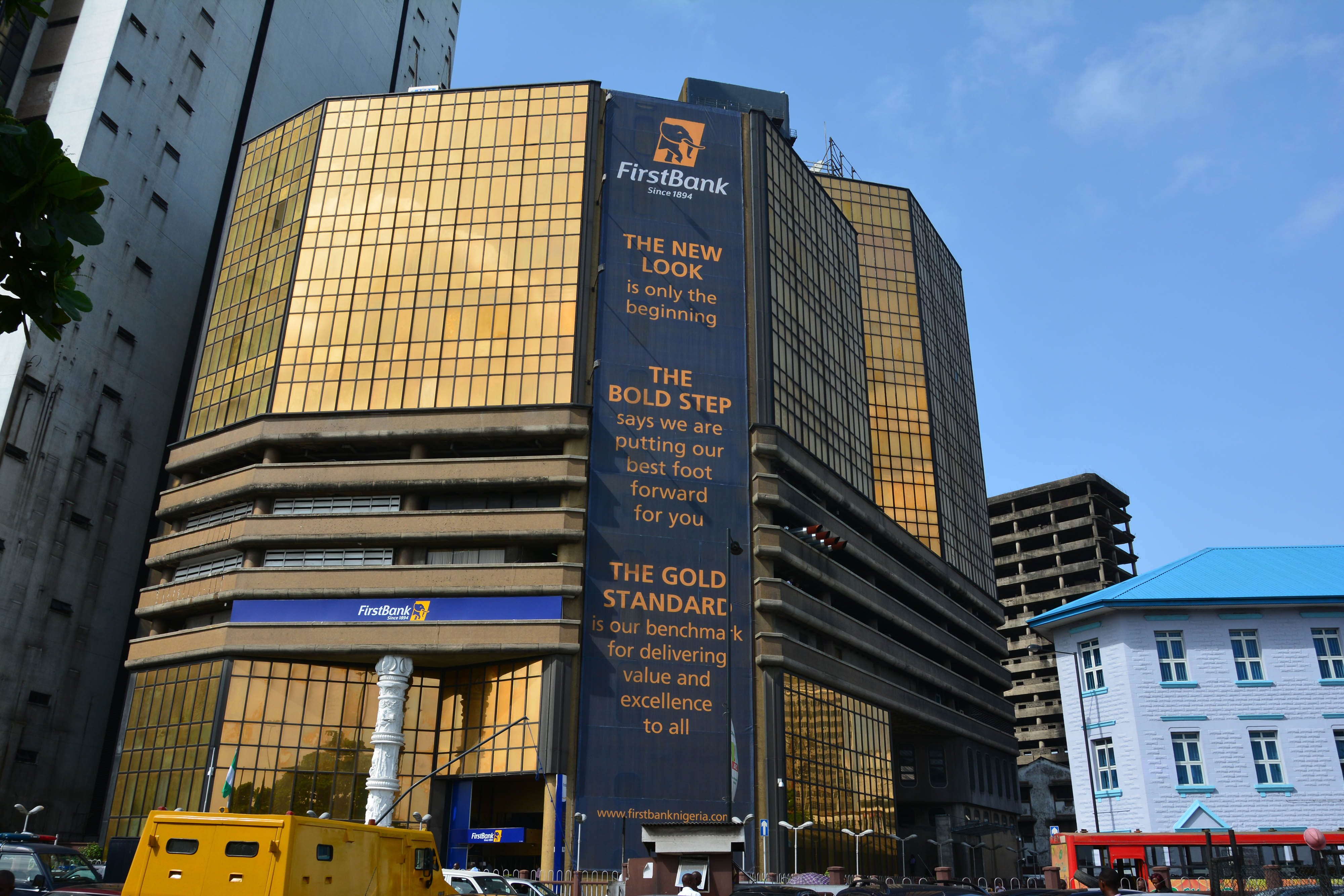
First Bank of Nigeria Limited (FirstBank) is giving a good account of itself in this regard not only as a truly financial powerhouse but also as a life enabler, helping Nigerians live better and achieve their dreams.
In retrospect, banking, decades ago, was essentially about providing financial services and products to merely aid customers’ financial transactions. However, the smart ones are indeed changing the game. Not only is the envelope being pushed to ensure that the unbanked are banked through financial inclusion offers even to the remotest villages, FirstBank has taken banking to another level. Backed by superior technology firepower and capacity, it is assisting not only adults but also Nigerian youths to live better and fulfil their dreams.
The Nigerian nation and the most populous black nation of the world indeed has a youths bulge as observed by many experts with a growing army of young and vibrant people below 25 years of age constituting over 60% of its 200million population! While an unrelenting rate of unemployment, weak economy, soaring inflation and despair appear to dominate the national mentality, many youths are finding solace in entertainment, breaking the ceiling with their creative ingenuity, shunning out award winning hits and in fact making global headlines in music and other entertainment offshoots like movies, comedy skits and contemporary dance.
Nigeria’s 29 year old singer, Damini Ogulu popularly called Burna Boy in March shocked the world winning the world’s most coveted Grammy Award in the Best World Music category during the 63rd annual edition in Los Angeles Atlanta while another 30 year old Nigerian artiste, Ayo Balogun aka Wizkid was also a co-winner in the Best Music Video category for Beyonce’s Brown Skin Girl. These young Nigerian global music icons were raised and honed their skills in the suburbs of Nigeria through home grown competitions and platforms.
Music reality shows have also unveiled and nurtured music and entertainment talents like Timi Dakolo, Iyanya, Praise, Omawumi and other A-list musicians in Nigeria. This is why FirstBank’s intervention and sponsorship of a music and youths talents harnessing platform like The Voice Nigeria is strategic and instructive, and quite capable of helping to harness and nurture music and entertainment talents into celebrated musicians, make global stars of Nigerian youths, and truly help them achieve their dreams. Obviously, Firstbank has been a prominent force visibly empowering talents and the nation, and without the much-needed lifeline, many young talents would be taking to crime or other vices.
For over 127 years, the premier bank has been at the forefront of nation building; supporting through resourceful partnerships to build the Nigerian creative industry value chain which contributed 2.3 per cent (N239 billion) to Nigeria’s GDP in 2016 (NBS).
The bank’s support for the Voice Nigeria is also a demonstration of its commitment to contributing to the projected revenue of US$86m by 2021 from the Nigeria’s music industry aimed at promoting a diversified economy in line with the Federal Government’s diversification policy.
The bank assured that it has given voice to Nigerians for the past 127 years, and will continue to give voice to Nigerians by creating employment, economic empowerment in the country through its products, services and initiatives and it remains committed to strengthening the creative industry which is fast growing into a multibillion-dollar business, with potential to be a leading contributor to Nigeria’s GDP in the near future.
In fact, FirstBank has the network; reach and digital capability to enable the Voice. With its agent banking network across the nooks and crannies in country, it is helping in the search for the talent that will become a true inspiration to all.
True to the name, the Voice Nigeria has lived up to its promise, as it offers exciting and relaxing entertainment to families, music lovers, and other entertainment loving Nigerians who look forward to fresh seasons and episode of the well-crafted music program.
Now in its season 3, the Reality TV show has been a masterpiece in the last six episodes of the current season as viewers are serenaded by several awesome performances and display of raw talents on the show’s blind auditions which ended on Saturday, May 1. The episode ended with raging emotions, exhilarating sensations and blistering anticipation as the four judges – Falz The Bad Guy, Waje, Yemi Alade and Dare Art Alade had one final opportunity to forge their winning team.
So far, the coaches, hosts, producers and amazing talents have been a great delight to watch. They have been awesome with their good-natured banters, hilarious drama, top-notch fashion, electrifying opening performances, talent courting speeches, and chair turning and bell thumping spectacle. The optics is exciting! The expectation on the show has been so intense; you could cut with a butter knife. The coaches’ approach at winning talents over to their team has been fun and a fine blend.
There were no holds barred, as the judges were very warm, animated, upbeat, inspiring and full of energy. They were definitely not a team of avuncular examiners waiting to pass judgments. They brought much gusto and effect to the big stage! While Falz threw up his magical comic card severally, Dare maintained the cool dude posture while Yemi and Waje both brought on the alluring feminine appeal with Waje sometimes speaking in Igbo to convince a talent. In all, they fared well, each getting a fair share of talents to mentor and their combination depicted a perfect combo.
The talents on their part have not disappointed viewers. They came in different shades across both genders, with varying voice textures, mix and pitches – smooth, silky, velvet, shrill, husky, coarse or simply rough. And to the best of their abilities, they did justice to many songs, including some classic tunes and old hits. The creative fusion of multiple genres of music by some smart talents who beautifully delivered unique blend of music made good impressions which won the judges hearts. The awful looks on the faces of those who the judges would simply not behold, having failed to captivate their attention with the voice. The uncontrollable joy of those who got the bell ring and standing ovation and the incredible looks on their loved ones who came to show support. Not forgetting the jazzy presence and reassurances from the co-hosts including Toke Makinwa and Nancy Ikime which also complimented the soothing potpourri.
Interestingly, FirstBank made some smart moves on the show, with the bold inscription of “This is the moment you have been waiting for, Time to put You First”, clearly displayed at the entry of the contestant for the stage performance. This reinforces the bank’s thrust as an inspiration to motivate the talents and youths at large to excellence. It has also promised viewers mouth-watering prizes just by watching the show regularly and following updates on FirstBank verified social media handles.
Now that the Blind auditions stage has come to an end, it is game on! The next phase of the show is the highly anticipated Knockout Stage which starts on May 8. In this stage, the coaches will select the most outstanding talents to proceed to the battles. In this stage, there is so much to come and fans will certainly not be ready for all that is in store.
More than ever, the show’s fans are hopeful that the knockout stage will even be more entertaining but that will certainly not be a challenge with the dexterity of the handlers so far.
With all that has been seen so far, it is difficult to believe that this is only the beginning; it is certain that there is so much more to come.
L-R: Olawale Akoni (SAN), Managing Partner, Babalakin & Co; Olusegun Akanji, Divisional Head, Strategy & Business Solutions, Heritage Bank Plc; Ife Fashola, Group Chief Executive of KADARI Capital; Tunde Fagbemi, Chairman, Dukia Gold; Akin Akeredolu-Ale, MD of Lagos Commodities and Futures Exchange (LCFE) and Olusoji Elias, Council General, Dukia Gold, during the LCFE-Dukia Gold media parley held yesterday at the LCFE Trading Floor in Lagos.
Heritage Bank for being part of valuable private sector collaboration with Dukia Gold & Precious Metals Refining Co. Limited is set to unlock the over N344trillion market worth of gold investible instruments in the solid minerals sector with the concluded plans of being listed on the Lagos Commodities and Futures Exchange (LCFE).
This move that will entrench expand revenue in the non-oil sector through diversification, by stimulating growth in solid minerals in line with the objectives of Economic Recovery and Growth Plan (ERGP) will also put Nigeria on the global map with regards to standardized gold tracing, sourcing procurement and trading it.
In summary, this was disclosed at the LCFE-Dukia Gold media parley held yesterday at the LCFE Trading Floor in Lagos.
Speaking at the parley, the Chairman of Dukia Gold, Tunde Fagbemi who commended Heritage Bank as the project financier and for its other pertinent supports, said Heritage had so far been the banker’s bank for playing key role in backing to promote the first solid mineral listing on Exchange in West Africa.
Specifically, he explained that the instruments which would be in the form of Exchange Traded Notes (ETN), Commercial Papers (CP), and other gold-backed securities would enable the company to deepen the commodities market in Nigeria. He added that it would increase capacity, generate foreign exchange for the government to diversify external reserves and create massive employment across the metal production value chain.
“We are proud to be the first gold company whose products would be listed on the Lagos Futures and Commodities Exchange. The listing shall enable us facilitate our infrastructure development, expand capacity and create fungible products.
“This has potential to shore up Nigeria’s foreign reserve and create an alternative window for preservation of pension funds.
“As a global player, we comply with the practices and procedures of London Bullion Market Association and many other international bodies. “Our refinery will also have multiplier effects on the development of rural areas anywhere it is located. “There must be constant power supply, good road network and other social amenities, apart from employment opportunities for the rural dwellers,” Fagbemi explained.
He also noted that with its current 25 production capacity pound and further room for expansion, Dukia Gold has the ability to meet both local and international demand through its gold refinery services to smelt melts.
Commenting on the collaboration, the MD/CEO of Heritage Bank Plc, Ifie Sekibo said that the partnership was one of the many initiatives of the bank’s foundational objectives of wealth creation, preservation and transfer across generations.
He further disclosed that the bank offer the gold commodity market three focal contact point in partnership, knowledge and perspective sharing, which ensure that every transaction was auditable to protect investors.
Sekibo who was represented by the Divisional Head, Strategy and Business Solutions, of the Bank, Olusegun Akanji, said the bank had created a buying centre for verification of quality and quantity of gold and reference price to ensure price discovery in line with the global standard.
Speaking, the MD, LCFE, Akin Akeredolu-Ale, who also commended Heritage Bank for its critical role in aiding the fundraising and the financier institution for the Dukia Gold’s diversified financial instruments, affirmed that this would enhance the company credibility rating and put Nigeria on the global map.
He noted that the LCFE was ready to support all the stakeholders in the gold sector in the areas of market creation, price discovery, and dissemination of market information, among others.
Gbenga Awe, Divisional Head, Agribusiness, Natural Resources & Project Devt., of Heritage Bank noted that one of the benefits of this initiative was that the local miners could now trade their gold at the bank’s designated experience centers, as solid foundation had been created for market, price and asset discovery.
Akintola noted that the firm had the capability, technicalities and the necessary accreditation to operate in the gold value chain.
He stated that the listing on the Lagos Commodities would raise awareness of performance of Dukia Gold to the investing world and position it as foremost number one Precious Metals Refining Company in Nigeria
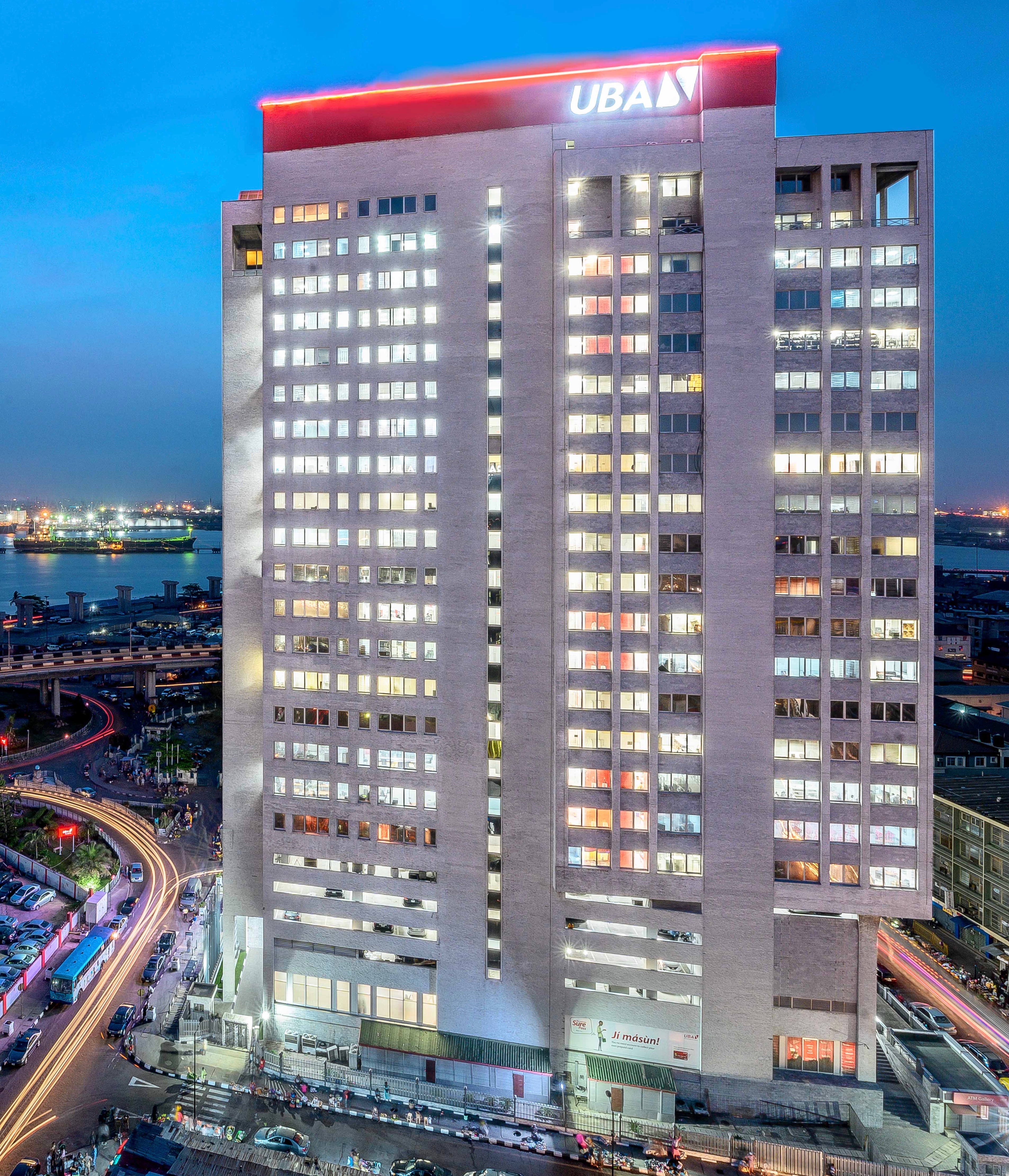
Pan African financial institution, United Bank for Africa (UBA) Plc, has rewarded 10 of its loyal customers with a total sum of N10m in the quarterly draws of the ongoing UBA Savings Promo.
This promo, which is held every quarter, is intended to appreciate loyal customers of the bank, who have stayed with the bank over the years, and offers fresh opportunities for potential and intending customers to join the growing number of UBA millionaires who have in the past benefitted from several Promo.
The virtual and transparent electronic draw which was held on Friday was transmitted live via zoom and the Facebook platform in strict compliance with social distancing rules as directed by the Federal and Lagos State Government.
UBA’s Head Personal Banking, Osita Ede, who addressed participants just before the draws, said there is no better time to give back and delight customers than this challenging economic period where people need all the support, they can get to make life more meaningful.
He said, “As a bank, UBA has been rewarding customers, we have been doing this for several years now; from the Wise Savers Promo, Bumper Draws, and now this. We have been doing this to touch lives and to show appreciation to our customers to tell them we are grateful for their business. This is also an opportunity to reward them for their loyalty to the bank.
Ede added that the promo is also a way of encouraging savings in a bid towards promoting financial inclusion, as statistics show that a lot of Nigerians are still largely underbanked.
“Our key objective is to encourage our customers to save regularly. We are here to support them and encourage them to save and ultimately grow as well, because we are aware that they are invaluable to all that we do;” Ede explained.
A representative of the National Regulatory Commission, Peace Ibadie, who witnessed the draws, congratulated the 10 winners and commended the bank for its efforts at rewarding loyal customers especially in the tough economic and business environment.
“Congratulations to all the winners, I am glad to be a part of this; UBA is always transparent in their promos and we can fully attest to this. It is important that the bank is also actively encouraging the savings culture. Again, I say congratulations,” she said.
The winners who cut across all the zones of the country are Emeka Onyemauche; Ezeigbokwe Oluebube Purity; Omoniyi A Jaiyeola; Olawale Omotayo Idowu; Zaharadeen Yandaki Umar; Aliyu Yaro Bakari; Samuel Enan Esua; Joseph Eze; Deborah Folusho Adebayo and Lucia Chinyere Adim.
When contacted via their mobile phone, the winners expressed their gratitude to the bank as they said the winnings will go a long way in meeting their pressing needs especially in these trying times.
One of the winners, Samuel Enan Esan, who was delighted at the news that he just won N1m, was full of praises. “Thank you UBA,” he stated.
Aliyu Yaro Bakari. who was extremely excited at the news, said, “Oh I am very happy, UBA is the best, you are the best, thank you very much,” he remarked when he learnt he was also one of the beneficiaries of N1m.
To qualify for the promo, new and existing customers of the bank are expected to make a one-time deposit of at least N30,000; before each draw date. Savings account holders eligible for this draw include Target, Bumper, Next Gen, Savings, Teens & Kiddies.
Apart from the savings promo which is held every three months, the bank also has the UBA Bumper Promo which is held monthly, where the first three winning customers are rewarded with N2m, Rent for a year at N1.2m and N500,000 respectively; with 20 others winning N100,000 each as consolation prices.
United Bank for Africa Plc is a leading Pan-African financial institution, offering banking services to more than twenty million customers, across 1,000 business offices and customer touch points, in 20 African countries. With presence in New York, London and Paris, UBA is connecting people and businesses across Africa through retail, commercial and corporate banking, innovative cross-border payments and remittances, trade finance and ancillary banking services.
Heritage Bank in partnership with the Road Transport Employee’s Association of Nigeria (RTEAN) has launched the Travelers’ Accident Insurance Scheme (TAIS) to assist road accident victims across the country.
The scheme which was launched on Friday, aims to address deaths associated with inability of travelers involved in accident to offset hospital bills.
The Regional Executive, Abuja and North, Heritage Bank Plc, George Okoh-Oboh, speaking at the launch of the scheme in Abuja, commended the thoughtfulness of the Association in coming up with such program to save the lives of accident victims.
He stated that the partnership would help address the road safety crisis due to the tragic loss from a road crash death or severe injury which was compounded by the harm to families, social networks, and national economies.
According to him, the majority of victims are part of the working-age population (between 15 and 64 years old). In fact, road crashes have become the #1 killer of the young worldwide.
He pledged the continued support of the bank in ensuring the success of the scheme.
Okoh-Oboh said, “At Heritage Bank, we believe in this project and we are ready to support it as it seeks to address accidents on the road.
“This project will save lives of many Nigerians, so we are not just here to see what comes in but we are here to add value and ensure that it succeeds.”
The National President of RTEAN, Musa Muhammed in his remarks said that the scheme aims at promoting the welfare of passengers, while ensuring security for passengers’ property.
He explained that the scheme would provide support to passengers who may be involved in accident at the course of their journeys.
“This scheme covers all Nigerians involved in accidents that require medical attention while on a road trip.
“This is part of effort to assist and improve the Nigerians transport system,” he added.
According to him, the scheme will cover only parks owned and operated by members of the Road Transport Workers Association.
He further stressed on the need for the government to deepen investments in road infrastructure, while ensuring security along the major road.
Nicholas Tofowomo, Senator representing Ondo South Senatorial District of Ondo State at the 9th National Assembly, urged transporters to ensure that workers are properly licensed and vehicles insured.
This, he noted, would ensure the effective implementation of the scheme.
Pan African Financial Institution, United Bank for Africa (UBA) Plc has announced that 10 of its loyal customers will get a chance to win N1,000,000 each, in the ongoing UBA Savings Promo which is scheduled to hold on to May 7, 2021 at the bank’s corporate head office, in Lagos.
This unique promo intends to appreciate loyal customers of the bank, who have stayed with the bank over the years, and will also offer fresh opportunities for potential and intending customers to join the growing number of UBA millionaires who have in the past benefitted from the ongoing Promo.
To qualify for the draws, new and existing customers of the bank are expected to save N10,000 monthly or N30,000 at once for 3 months; before each draw date. Savings account holders eligible for this draw include Target, Bumper, Next Gen, Savings, Teens & Kiddies).
Some past winners who cut across all regions of the country and have previously benefitted from the promo include; Nnadumije, Ebube Dawn; Onwochei Christiana Okwukwe; Eze Mathias Nnaji; Christian N Orie; Uka, Okwudiri; Okata Stephen Uche; Okafor Onyinye Esther; Nwanekezi Chimezie Jude; Ayomide V Yahaya and Olanegan, Oyetunde Keji.
Others are Emmanuel Onu Chidozie; Mohammed Fatima; Aminu, Mustapha; James Nanre; Pahinti Albert; Emmanuel O Adeniji; Jaki Movihinze Mercy; Saminu Muritala Mohammed; Ezeh Raphael Uballa; Uchenna Iheji. Already the winners have claimed their cash prizes and are currently spreading the news so others can take advantage of this once in a life time opportunity.
Speaking ahead of the forthcoming draw, UBA’s Head, Personal Banking, Ogechi Altraide, said that without a doubt, UBA’s passion for the growth and overall success of its customers cannot be overemphasized, adding that this has consistently been proven in numerous ways. She explained that the bank has consistently invested in cutting edge technology to improve its service delivery and its overall aim of delighting customers.
She said, “With customer-centric promos like the UBA Savings Promo, we have created an ever increasing list of millionaires who continue to join the UBA customer millionaire club. For this edition of the promo, we decided to pick the month of May, which is the month that workers are celebrated across the world for their efforts at contributing to the growth of the economy. We know that this promo will put lasting smiles on the faces of our customers and will also assure them that UBA truly values them’” Altraide said.
UBA’s Head, SME Banking, Sampson Aneke, spoke of UBA’s continuous commitment to give back to its customers especially during these challenging economic periods, where people need all the support they can get to make life more meaningful.
“With this in mind we decided to prioritise them in as we always do at UBA, by giving them plenty to cheer about and that is the reason for the Promo. I have been privileged to visit some of the customers who won in January, and we were more than fulfilled to see happiness and gratitude on the faces of the lucky ones when their cash prizes were presented to them. That feeling is special. So I enjoin those who are yet to join the winning team, to do so. You never can tell, the next big millionaire could be you,” Aneke said.
United Bank for Africa Plc is a leading Pan-African financial institution, offering banking services to more than twenty-one million customers, across over 1,000 business offices and customer touch points, in 20 African countries. With presence in the United States of America, the United Kingdom and France, UBA is connecting people and businesses across Africa through retail; commercial and corporate banking; innovative cross-border payments and remittances; trade finance and ancillary banking services.
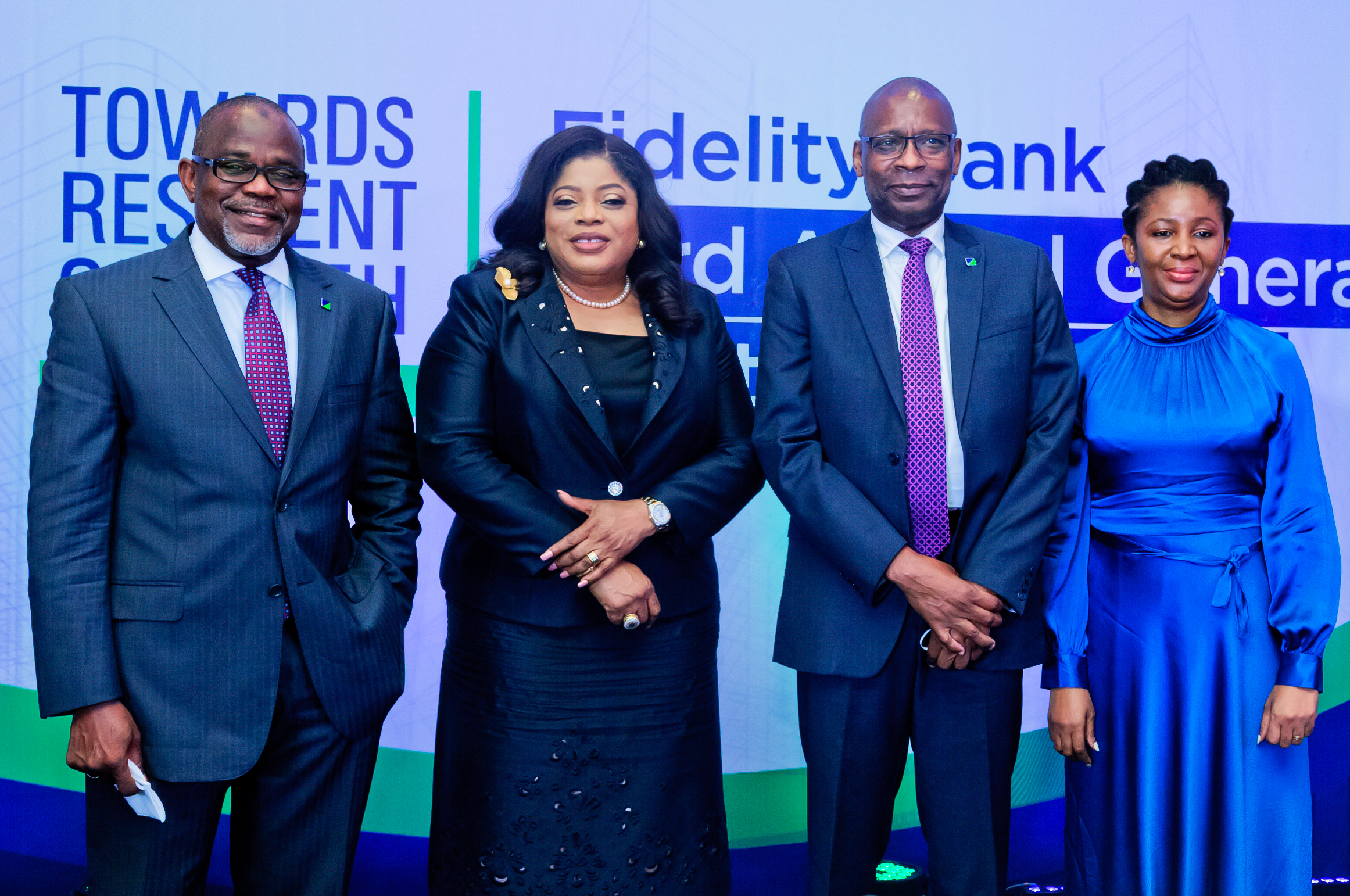
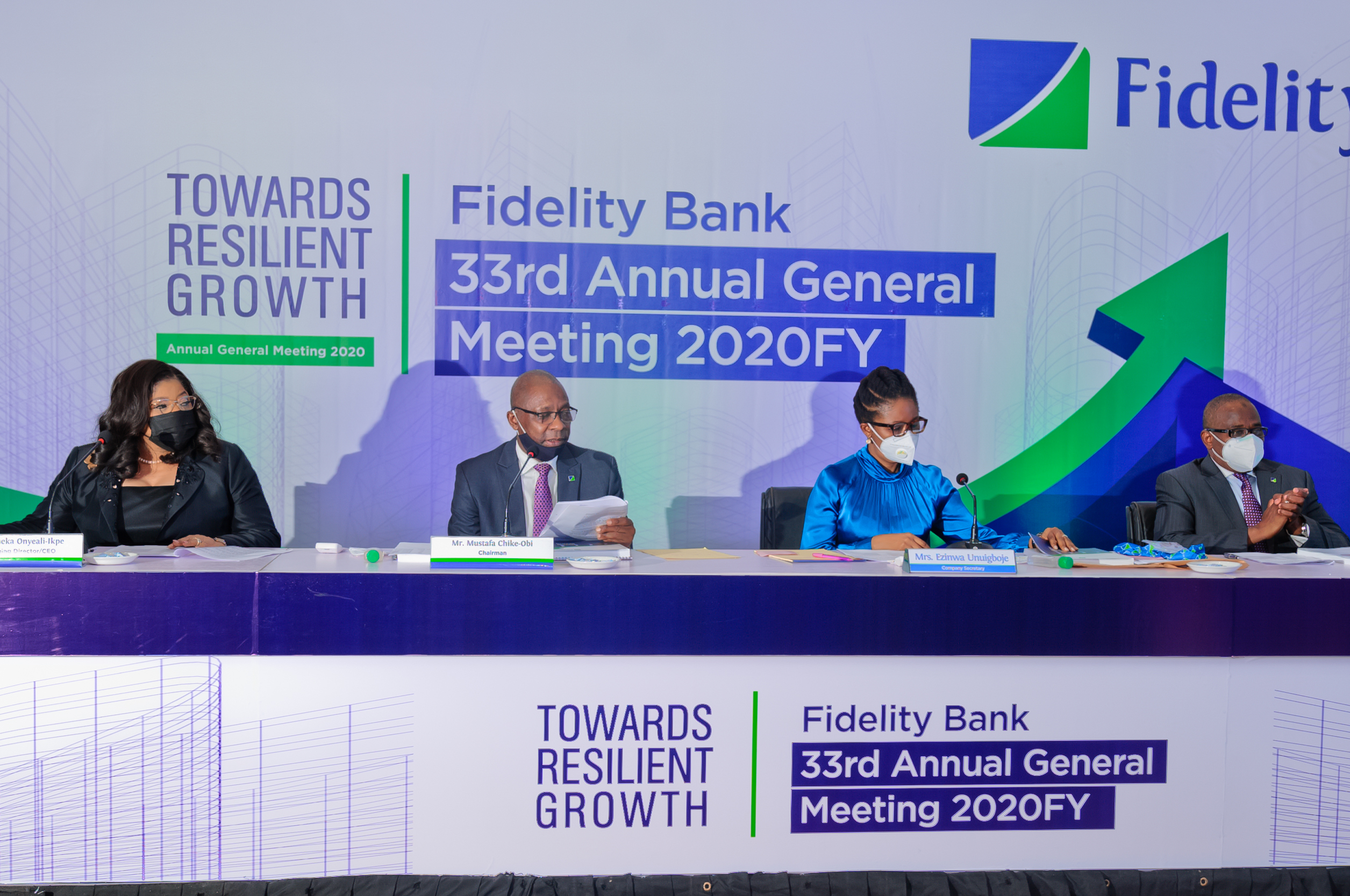
The shareholders of Fidelity Bank Plc have unanimously endorsed the payment of a cash dividend of 22 kobo per share to all Shareholders whose names appear in the Register of Members at the close of business on April 16, 2021. This translates to a dividend yield of 9.2%, making it the 4th most rewarding Bank to investors in the Nigerian Capital Market. This announcement was made at the 33rd Annual General Meeting (AGM) held in Lagos on April 30, 2021.
Shareholders who spoke at the event praised the Board of Directors and the management team for the 38.7 percent increase in total customer deposits, which rose from N1,225.2 billion in 2019FY to N1.699.0billion and was driven by strong double-digit growth in both local and foreign currency deposits.
Mustapha Chike-Obi, Chairman of the Board of Directors of Fidelity Bank, reassured shareholders at the AGM that the board and management of the bank would maintain the high corporate governance standard synonymous with Fidelity Bank and also ensure the bank continued in its growth trajectory in the years ahead.
“We will continue to strengthen our enterprise risk management capabilities to ensure the sustainability of our business, while modeling our governance practices to align with international best practice”, said Chike-Obi.
Mrs. Nneka Onyeali-Ikpe, Fidelity Bank CEO echoed the Chairman’s sentiments, stating that the bank’s financial performance for the period reflected the resilience of its business model in a challenging operating environment.
Mrs. Ikpe revealed that local currency deposits grew by 49.6 percent to N1,400.8 billion and constitutes 82.5 percent of total customer deposits while foreign currency deposits grew by 3.3 percent to N298.2 billion and now accounts for 17.5 percent of total deposits.
She further highlighted that the bank’s retail banking push continued to deliver impressive results as total savings deposits increased by 54.2 percent to N424.4 billion, making it the 8th consecutive year of recording double-digit growth in savings deposits. Total savings deposits now account for about 25.0 percent of total deposits, an attestation of the Bank’s increasing market share in the retail market segment.
Speaking on the strategy for the current financial year, Mrs. Onyeali-Ikpe, said, “We will continue to focus on redesigning our systems and processes to enhance service delivery, deepen our cost optimization initiatives to reduce operating expenses, and enhance our overall risk monitoring capabilities to ensure both internal and external risks are identified and mitigated. Our growth aspirations will be sustained while we continue to identify new opportunities in the new normal.
“On the back of the evolving dynamics in the economy, we will continue to increase the adoption and migration of customers to our digital platforms and increase our retail banking market share through innovative products and services”, she concluded.
The shareholders expressed their continued confidence in the Bank for its 2020 performance which saw a 50.9 percent increase in core operating profit to N44.9 billion. The share price also rallied 22.9 per cent, outperforming the Nigerian Stock Exchange (NSE) Index, which only gained 10.1 percent. According to Mrs. Onyeali-Ikpe, the Bank showed “strong resilience to the adversities the global economy witnessed in 2020”.
Speaking at the meeting, Dr Farouk Umar, President, Association for the Advancement of the Rights of Nigeria Shareholders, commended the bank for posting encouraging performance in 2020 despite the challenges of the COVID-19 pandemic.
Umar appreciated the bank for paying dividend the same day of the Annual General Meeting unlike their peers in the industry that pay dividends a day after the AGM. Also speaking, Mrs Bisi Bakare, National Coordinator, Pragmatic Shareholders Association of Nigeria, commended the bank for declaring dividend in spite of unfriendly economic environment and the COVID-19 pandemic challenges. Bakare who welcomed Mrs. Onyeali-Ikpe and Mr. Chike- Obi, urged them to sustain the growth and ensure higher dividend in the years ahead.
In compliance with the guidelines of the Corporate Affairs Commission’s (CAC), the meeting was held by proxy and had in attendance very few shareholders because of the COVID-19 precautionary measures.
Onyeali-Ikpe thanked the shareholders and the members of the Board for their continued confidence in the management team and specially appreciated Fidelity Bank customers for their patronage and loyalty.
Fidelity Bank began the year on a positive note having recorded a strong financial performance in the first quarter of 2021, posting appreciable growth in profit for the period ended March 31, 2021.
Details of the unaudited results showed that its profit before tax (PBT) grew by 53.9 per cent from N6.6 billion in the corresponding period in 2020 to N10.1 billion in the period under review. Similarly, net revenue in the period increased by 13.4 per cent from N30.3 billion in the first quarter (Q1) 2020, to N34.4 billion at the end of March 2021. The bank also recorded growth in other performance indices.