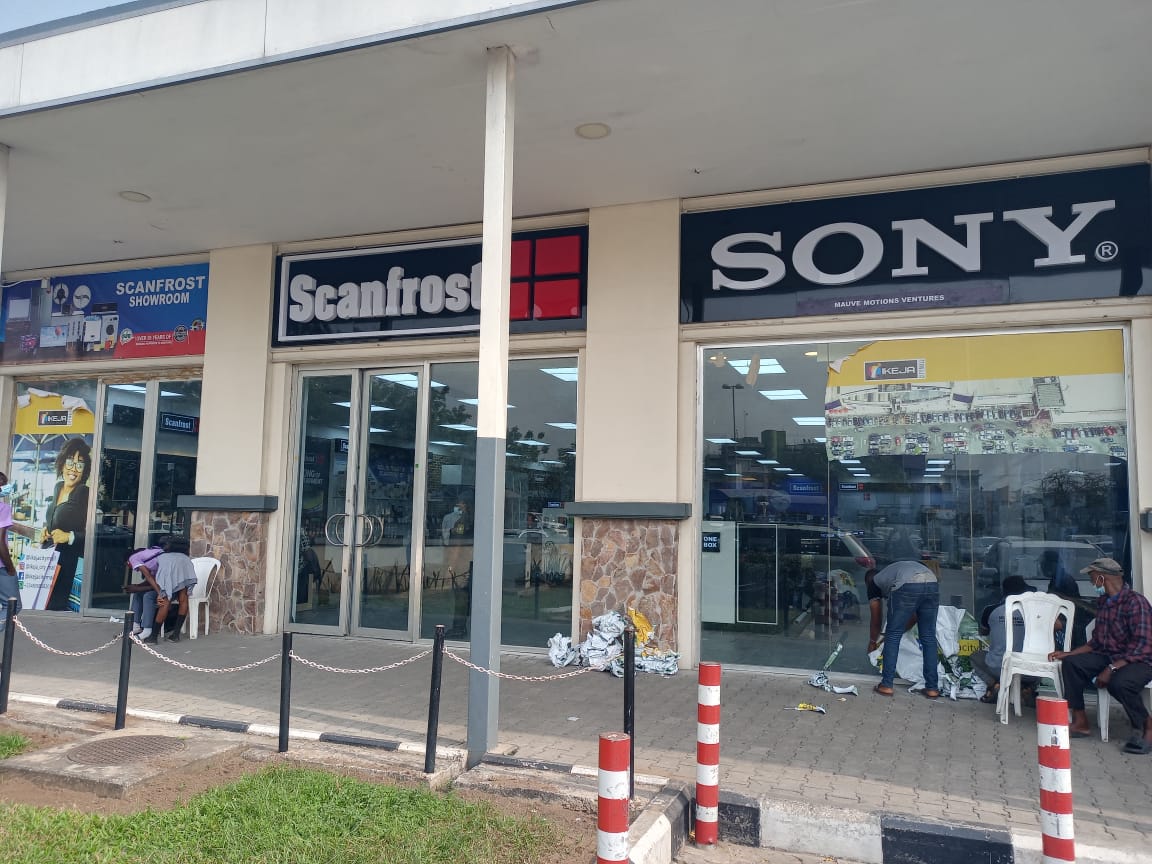
Quality and availability just berthed to the advantage of people with taste for quality living in Ikeja and its environ following the opening of a new home appliances store where various Scanfrost and Sony products are readily available, shoppers are sure guarantied of good times.
The new stores which is powered Mauve Motions Ventures is at Shop L-5, Ikeja City Mall, Alausa, Ikeja, Lagos. Tel- 2349027057557.
In furtherance of the need to promote the business activities of its foremost agent banking platform – Firstmonie Agents – Nigeria’s leading financial inclusion services provider, First Bank of Nigeria Limited, has announced the provision of loan facilities – up to one million naira – to its banking agents. The Bank currently has over 86,300 Firstmonie Agents, spread across the country’s 772 Local Government Areas.
With its location in every neighbourhood, Firstmonie Agents have been integral to filling the financial exclusion gap, providing convenient banking services that are easily accessible, thereby saving time and travel costs for individuals in the suburbs and remote environments that have no access to financial services.
The Bank’s financial inclusion activities is in line with the mandate of the Central Bank of Nigeria (CBN) to ensure the availability of affordable financial products and services to all individuals and groups of people in the country; irrespective of location, literacy levels, familiarity with technology and accessibility to modern infrastructural facilities. The Firstmonie Agent channel is amongst the Bank’s many initiatives to expand financial access in the country.
Appreciating the Firstmonie Agents, Mr. Chuma Ezirim, Group Executive, e-Business & Retail Products, First Bank of Nigeria Limited said “the roles played by our Firstmonie Agents in promoting businesses across the nooks and crannies of the country cannot be overemphasized as they have continued to set the pace in extending financial inclusion to communities with little or no access to financial services.
“With our Firstmonie Agents in every neighbourhood, several communities have witnessed a surge in business and financial activities, which is contributory to national growth and development. We commend our Agents and are delighted to support them with credit facilities, which they can access 24hours a day in less than 2minutes.”
FBN Holdings PLC (“FBNHoldings), Nigeria’s leading financial holdings company, has announced the appointments of Mr. Seni Adetu and Mrs. Juliet Anammah as Independent Non-Executive directors, while Mr. Otu Hughes has been appointed as a Non-Executive director. These appointments are subject to the approval of the Central Bank of Nigeria (“CBN”).
Speaking on the appointments, the Group Chairman of FBN Holdings Plc, Dr. Oba Otudeko, CFR, said, “On behalf of the board, management and staff of FBNHoldings, I am delighted to welcome the trio of Seni Adetu, Mrs. Juliet Anammah and Otu Hughes to the FBNHoldings board as they bring on board their combined professional experience and expertise of over 97 years, cutting across various industries and institutions of global repute.”
“I am certain that these rich experiences will have immediate and long-term impact on the group and its subsidiaries across Africa and beyond,” he added further.
SENI ADETU
Seni Adetu, a former Managing Director/CEO Guinness Nigeria Plc, has 35 years of private sector experience garnered at the highest levels primarily with John Holt Plc, Coca-Cola International and Diageo (Guinness) Plc in various countries within and outside Africa. He holds a first degree in Chemical Engineering and Masters in Business Administration (with specialization in Marketing), both from the University of Lagos. Adetu was at various times Marketing Director, Coca-Cola Nigeria Ltd, Managing Director of Coca-Cola, and the first African Managing Director/CEO and Executive Vice Chairman of Guinness Ghana Plc.
In 2009, Adetu was appointed Group Managing Director/CEO East African Breweries (EABL), the biggest company in East Africa, based in Kenya, during which time he was named Runner-up Forbes/CNBC CEO of the Year 2012 in East Africa. He was subsequently appointed MD/CEO of Guinness Nigeria Plc and Executive Chairman Diageo Brands Nigeria thus, again becoming the first Nigerian in nearly 20 years to lead that company. Adetu has had working stints in Hungary and the UK and has been exposed to various high-profile leadership courses globally including at the prestigious Harvard Business School.
He has served on the boards of various multinational companies in both Executive and Non-Executive capacity in Nigeria and abroad and was until recently an Independent Non-Executive Director on the Board of Fidelity Bank Plc and Non-Executive Director at APT Pensions Ltd among others.
Adetu is the Founder/Group CEO of Algorithm Media Limited and Ogilvy Nigeria Limited, two leading Marketing Communications agencies in Nigeria, in partnership with WPP, the world’s largest advertising and media agency network. He is a member of many reputable social clubs including the Metropolitan Club Lagos. He is also the immediate past National Vice President of the University of Lagos Alumni Association.
JULIET ANAMMAH
Juliet Anammah is Chairwoman Jumia Nigeria & Head of Institutional Affairs Jumia Group. Jumia is the largest eCommerce platform in Africa and the first African Tech start-up to be listed on the NYSE
She is an experienced executive with 28+ years of professional experience including 7 + years at Partner / Chief Executive level.
Before her current role, she was the CEO of Jumia Nigeria. Prior to joining Jumia, Juliet spent 16 years at Accenture and was the Partner managing Accenture’s Consumer Goods Practice in West Africa.
A Pharmacist by training, she started her career in Sales & Marketing with May and Baker (Sanofi-Aventis) in 1991 before joining Accenture as a Senior Strategy Consultant in 1999.
Juliet also serves on Corporate and non-profit Boards in a non-executive capacity. She is currently on the Boards of Flour Mills of Nigeria and APT Pensions as Independent non-executive member. She is also an EXCO member of Consultative Action Group for the Poor (CGAP) a not for profit agency funded by the World Bank, Bill and Melinda Gates Foundation and several Bilaterial/ Multilateral agencies.
She holds a Bachelor of Pharmacy degree, an MBA (Finance track) and is an alumnus of both Wharton College University of Pennsylvania (AMP) and Yale University.
OTU HUGHES
Otu Hughes has over 25 years’ experience in operations and strategy, principal investment, mergers and acquisition as well as capital raising in both the US and Sub-Saharan Africa. He started his career in 1993 with Lehman Brothers, providing strategic and financial advisory services to government entities and companies in privatisation and empowerment issues, notably Brazil (power and mining), Ghana (mining), South Africa (empowerment programmes), amongst others.
Otu joined Deutsche Bank in 1998 as Associate– Mergers, Acquisitions and Corporate Advisory Group with the oversight responsibilities of providing mergers, acquisitions, corporate and strategic financial advisory services to companies and government agencies across industries and countries, rising to Vice President. He is the Co-founder and Principal of Rofgam/Hughes Consulting and also worked at KeyBanc Capital Markets, amongst many others.
Otu is the Co-Founder & Managing Director of Candesco Limited, set up with the primary responsibility of developing and managing off-grid and independent power projects for Sub-Sahara Africa market, providing affordable, clean and stable power to clusters of communities.
Vertigo Africa is fast becoming a moving train for the social mind. A platform for both young and old around the world enjoy the best in entertainment, yet unlike other platform members can socialize directly with friends as well as their favorite Artist.
Vertigo Africa is the only platform that offers legal music sharing from the world biggest music platforms such as Apple Music and Spotify. Because the music members streams are credited directly to the artist Vertigo Africa members are generating revenues and increased international ranking for their favorite artist. Additionally, Vertigo Africa members can chat directly with artist, producers, DJ’s and music engineers.
The platform offers opportunity to stream, socialize and enjoy playlist from a vast array of global celebrities.
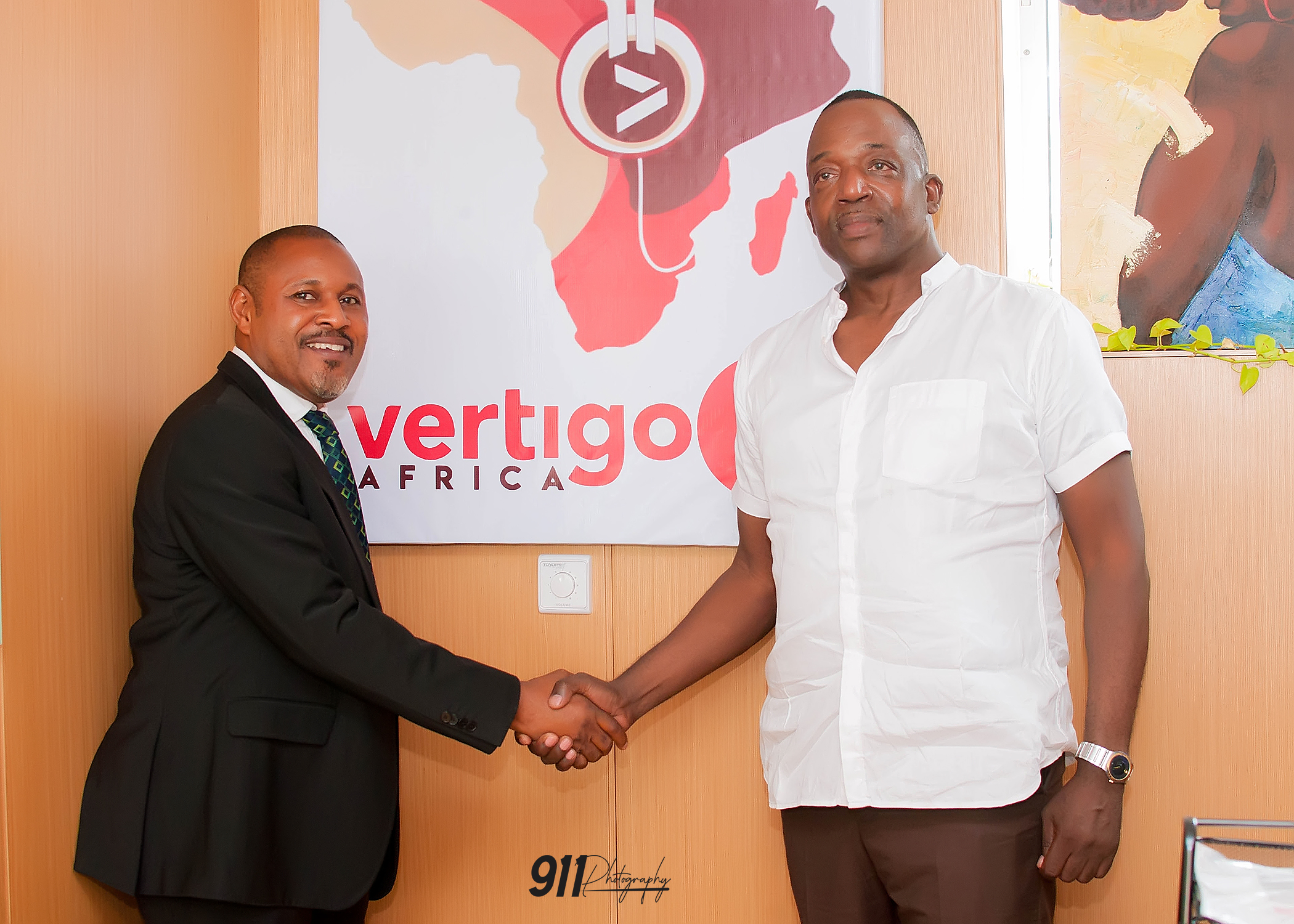
Recently Vertigo Africa welcome one of Nollywood finest Amb. Saidi Balogun to the Lekki phase 1 office to sign a memorandum of understanding (M O U)
Recall the Saidi who is from oja ‘ba in the ancient brown roof city of Ibadan, had a musical album. The album featured the likes of Pasuma, Malaika, Adex Alabule and the late Father U turn on the album titled Fuji Gyration.
After a meeting with the Vertigo Africa team Balogun declared the platform as the best he has ever seen, thus urging his co entertainers to take advantage of the platform with all its innovative features .
In the same vein, the Vertigo Africa’s team urges all entertainer both establish and upcoming to join this evolutionary platform now for it is truly the best platform monetization and worldwide exposer.
https://www.vertigoafrica.com/
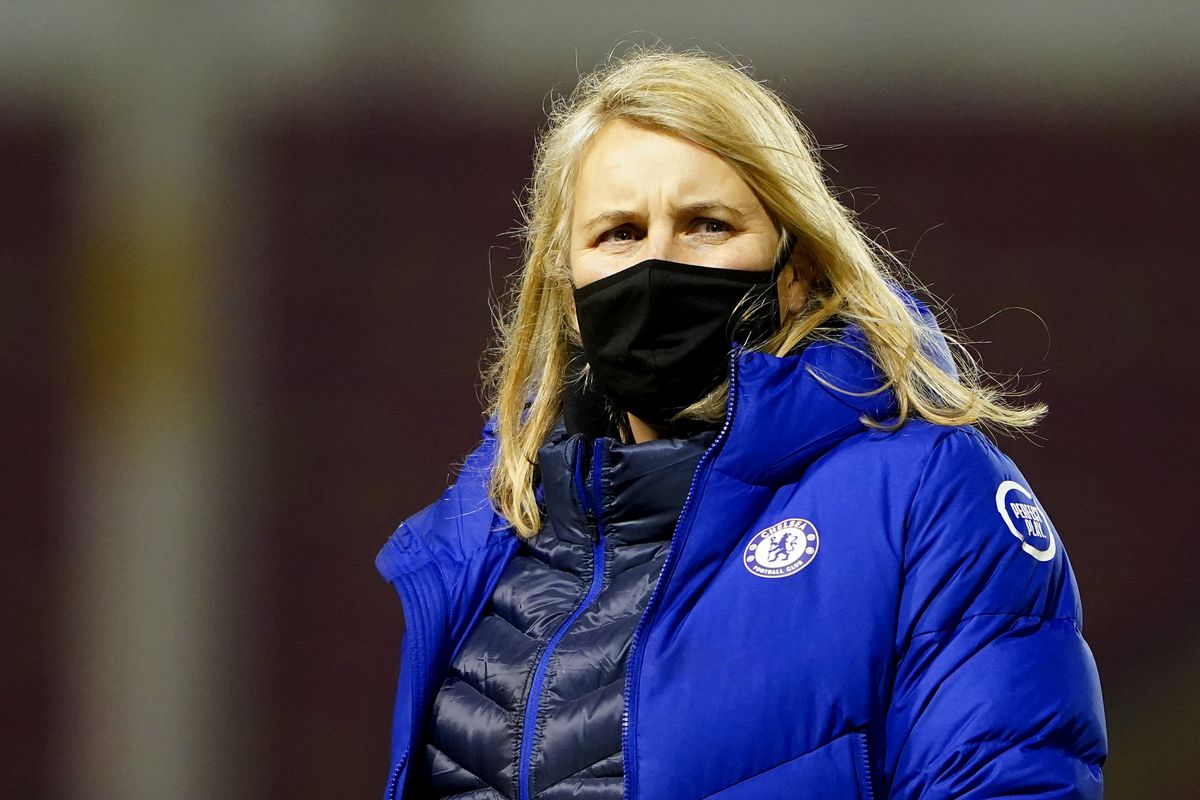
League One side AFC Wimbledon are reportedly considering a move to appoint Emma Hayes as their new first-team manager.
Hayes, who is currently in charge of FA Women’s Super League side Chelsea, would become the first woman in history to take charge of a men’s football league side if she were to get the job.
The 44-year-old has been put on a shortlist that includes former Blackpool manager Ian Holloway, ex-England defender Sol Campbell and recently sacked Fleetwood boss Joey Barton, according to The Express.
AFC Wimbledon decided to sack manager Glyn Hodges following their 2-0 defeat to MK Dons on Saturday.
A historic transition to the men’s game could be on the cards if the struggling League One side decide to make a move for the talented Camden-born manager.
Hayes has managed a number of clubs in Women’s football over the years, including spells at Long Island Lady Riders, Arsenal Ladies, Chicago Red Stars and Chelsea Women.
The Blues are currently on a remarkable 33-game unbeaten run in the Women’s Super League after a win against Tottenham at the weekend.
Hayes has previously declared her desire to work in men’s football.
“All coaches aspire to be at the best level they can get to, and I’m no different,” she admitted. “If it happened for me that the next opportunity was in the men’s game, then I’d welcome that.
“But I also think there needs to be more female coaches at the top end of the women’s game before more are entering into the men’s game.”
I’d love to see this. Would be a massive breakthrough for equality in English football. I know Emma Hayes is a top manager who has been very highly regarded for a number of years at Chelsea and I‘m sure she’d have the full respect of the players straight away. #AFCWhttps://t.co/uyAAdgTAWy
China Civil Engineering Construction Corporation (CCECC) has announced that the Lagos-Ibadan Rail has been officially connected to the Apapa port complex.
The construction company disclosed this in a tweet on Monday.
“On the morning of Jan. 25, 2021, with the successful pouring of the last 25-meter monolithic track bed superstructure of Apapa Port Break Bulk Line, the Lagos-Ibadan Railway was officially connected to the Apapa Port in Lagos.
“The Apapa Port Spur Line of Lagos-Ibadan Railway starts from the Mobolaji Johnson Station, Ebute Metta and extends southward to Apapa Port, with a total length of 8.72km,” CCECC disclosed.
It added that the linking of the rail to the port is crucial and will enhance the import and export of goods.
“As a crucial channel linking the mainline of the Lagos-Ibadan Railway to the port, it has become an important transportation passage for the import and export of goods and now serves as a significant guarantee with regards to the comprehensive operational efficiency of the Railway,” it added.
It explained further the construction process noting that it was “an extremely tough nut to crack because of its dense underground pipelines, high underground water level, complex geological conditions, and numerous ground constructions.”
The project according to the company took nearly three years of unremitting efforts and working around the clock.
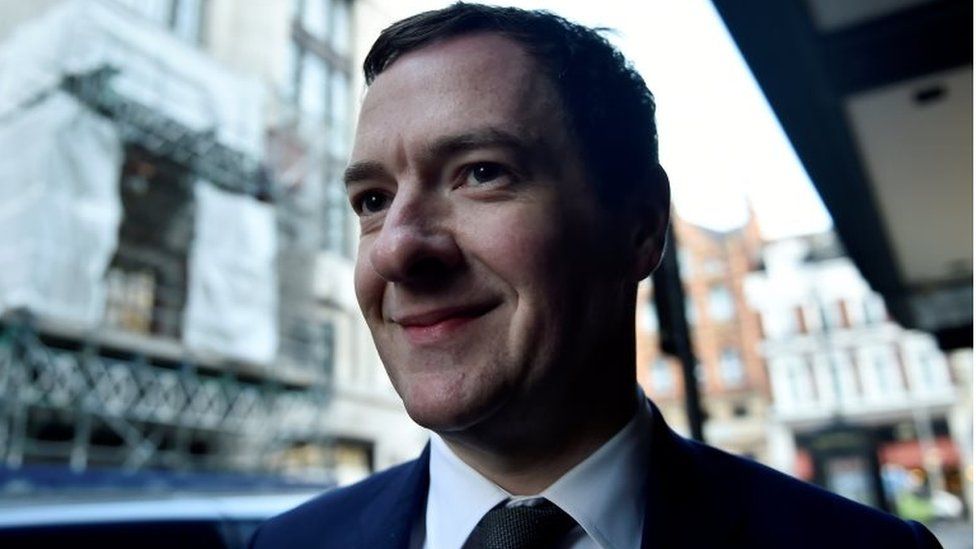
Former British chancellor George Osborne is to become a partner at one of London’s most exclusive boutique advisory firms.
Osborne is joining M&A advisory firm Robey Warshaw as the business’ first outside partner.
“Robey Warshaw is the best of the best, advising great businesses on how to grow, and I’m proud to be joining this first-rate team,” Osborne said in statement provided by Robey Warshaw.
Osborne, who left politics in 2017, has become well-known for the portfolio of jobs he has taken on since leaving politics, including editing the London Evening Standard newspaper and advising money manager BlackRock. The former chancellor will give up his other roles to focus solely on Robey Warshaw, which he will join in April.
“We believe that George will significantly enhance the advice we give to clients,” a spokesperson for Robey Warshaw said. “He brings differentiated experience and expertise to our team from his leading roles in global finance over the past decade.”
Robey Warshaw was founded by ex-Morgan Stanley (MS) bankers Sir Simon Robey and Philip Apostolides and former UBS (UBSG.SW) dealmaker Simon Warshaw in 2013. The firm has quickly established a reputation as one of the preeminent firms in the bulge-bracket deal space.
In recent years Robey Warshaw has worked on deals including Comcast’s (CMCSA) $39bn takeover of Sky, BP’s (BP.L) $10.5bn (£7.7bn) acquisition of shale assets from BHP Group (BHP.L), and the London Stock Exchange’s (LSE.L) $27bn takeover of data provider Refinitiv.
Advising on such blockbuster deals has helped the firm make profits of over £200m since its founding. Profits are shared between the company’s three partners. The highest paid partner took home £10m last year and £27.7m the year before that.
Details of Osborne’s pay arrangements were not shared and a spokesperson declined to comment. Osborne, who was chancellor from 2010 until 2016, will be entitled to a profit share as a new partner.
“We remain hugely ambitious about our company’s future and believe that George will help expand our reach, and what we can offer our clients without changing the philosophy or ethos of our firm,” the Robey Warshaw spokesperson said.
Despite its work on major deals, Mayfair-based Robey Warshaw remains small. The firm employs just 12 professionals who advises on deals, supported by 15 administrative staff.
Stipulates 15 years for anyone who allows his premises as meeting place for cultists
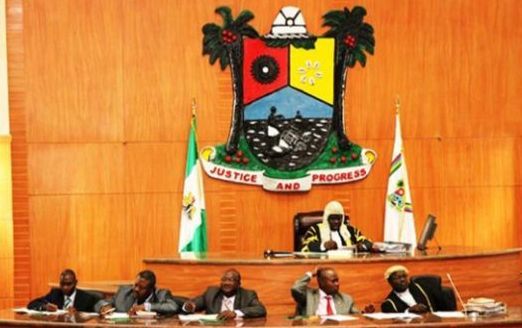
The Lagos House of Assembly late Monday passed a bill banning the activities of cultists and related illegal societies across the state into a law.
The new law stipulates a 21-year imprisonment for anyone found guilty of engaging in cult activities. It also stipulates a 15-year jail term for anyone convicted of abetting cultists or who allows his premises to be used by cultists as a meeting place.
After its passage, the Speaker of the state Assembly, Rt. Hon. Mudashiru Obasa, directed the clerk of the House, Mr. Olalekan Onafeko, to transmit the law to Governor Babajide Sanwo-Olu for assent.
Titled: ‘A law to provide for the prohibition of unlawful societies and cultism in Lagos state and for other connected purposes’, it says a society shall be regarded as unlawful if its members carry out illegal, destructive activities contrary to public policy, safety and peace of members of the public.
Section 3 of the law states: “Any person who is a member of an unlawful society or cult, identifies as a member or solicits for members of an unlawful society or cult, attends a meeting of an unlawful society or cult whether as a member or an intending member of the unlawful society or cult commits an offence and is liable on conviction to a term of 21 years imprisonment.”
The jail term also concerns anyone who attends such meetings or does any illegal act which may probably cause a breach of peace, disturb public peace or conducts activities in such a manner a to pose a threat to life and property.
The law further states: “Anyone who forms, organises or combines and agrees with anyone to form or organise an unlawful society or cult, manages and assists in the management of an unlawful society or cult or knowingly allows a meeting of members of an unlawful society or cult to be held in any property under his control commits an offence and is liable on conviction to a term of 15 years imprisonment.”
The 15-year jail term further applies to anyone who intimidates or compels people to join a cult group.
“Any person who injures or uses violence on a person to compel the person to join an unlawful society or cult, commits an offence and liable on conviction to a term of 21 years imprisonment.
“Any person who administers or is present at and consents to the administering of any unlawful oath that appears to bind the person who takes it to become a member of an unlawful society or cult under this law, commits an offence and is liable on conviction to seven years,” the law says.
It also stipulates 21 years for any member of a cult group who sets fire on anything or uses firearm or deadly objects including acid and other chemicals in any manner as to cause harm to anyone.
For students in the state, the law, which prohibits campus cultism, says anyone of them who is convicted would face a jail term not exceeding two years.
The Lagos House of Assembly on Monday called on the governor of the state, Mr. Babajide Sanwo-Olu, to commence very tough enforcement of the COVID-19 protocols among residents of the state. The House said its decision follows the outright disregard for the protocols against the pandemic by some residents and visitors to the state.
The members of the House also asked the governor to call on the state’s commissioner for information, Mr. Gbenga Omotoso, to embark on enlightenment campaigns and education of the people concerning the dangerous effects of the pandemic on the society.
Prior to the decision of the lawmakers, Speaker of the House, Rt. Hon. Mudashiru Obasa, noted that the state, just like the country, cannot afford another lockdown because of the adverse effect such would have on the economy.
Speaker Obasa said there was need for more enlightenment because COVID-19 in the state and country was taking a dreadful dimension.
He noted that the life of every single individual in Lagos remains precious and as such, there must be conscious efforts to protect the residents.
Kicking off the debate, the acting chairman of the House committee on health, Hon. Hakeem Sokunle (Oshodi/Isolo 1), had raised concerns over the new wave of COVID-19 in the state.
Sokunle told his colleagues that before now, only few patients needed oxygen. The situation, he said, has changed as over 80 percent of patients now needing oxygen.
He proposed that apart from enlightenment, there should strict compliance to the COVID-19 protocols as well as the cancelling social engagements.
He also urged that wearing of face masks should be enforced.
Sokunle’s position was supported by Olowo and other lawmakers.
On Saturday, January 30, came a resounding verdict of pass mark for the security dinner discourse organized by the National Association of Online Security Reporters, NAOSRE, from Babajide Kolade-Otitoju, Group Director of News, Television Continental, TVC.
The NAOSRE dinner which attracted security operatives across military circle, first class traditional rulers, corporate players and top notch civil society, held at Oriental Hotel in Lagos on December 11, 2020.
Making the remarks during a cooperation conversation between NAOSRE President, Femi Oyewale and Otitoju, the former Editor of The News Magazine stated that “What you guys have done so far is encouraging and nationalistic especially your dinner conference. The dinner was a huge success. It was a success not because of the high profile venue but because you were able to bring the military together to talk about Nigeria’s security situation.”
Continuing, Otitoju emphasized the importance of such dialogue in Nigeria’s match towards safer country saying “I am also a strong believer in Nigeria. We are all playing our respective roles to promote unity and ensure the country is safe. Therefore, I share in your association’s vision,” he said, adding that he is willing and available to support anything that will engineer peaceful Nigeria.
Earlier, Oyewale hinted Otitoju the desire of NAOSRE to have access and tap into his reservoir of knowledge in pursuing the noble objectives of the online media association which he described “As national in contents and scope.”
The on-going conversation however, is expected to birth a strengthened curve in the pursuit of NAOSRE’s national security goals in the days ahead