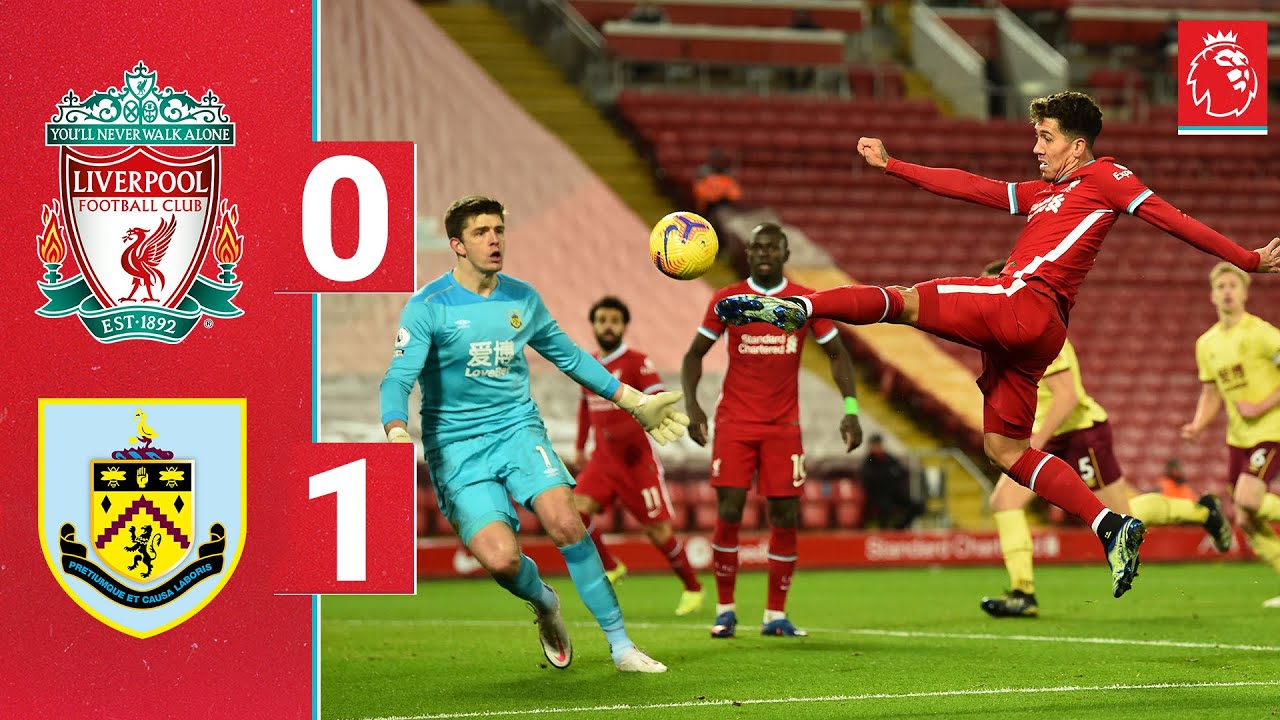
Liverpool’s 68-game unbeaten home run in the Premier League came to an end as Ashley Barnes fired in a late winner from the penalty spot to secure a famous victory for Burnley.
Barnes was tripped in the box by goalkeeper Alisson with seven minutes remaining and converted the spot-kick as Burnley won at Anfield for the first time since 1974.
Liverpool’s last league loss on their own ground came nearly four years ago, against Crystal Palace in April 2017, and they are now six points behind leaders Manchester United at the midway point in the campaign.
Divock Origi was given his first start of the season and should have scored when he ran free on goal after pouncing on Ben Mee’s error but struck the crossbar.
The hosts pushed to find the net in the second half but ran out of ideas, Nick Pope making a stunning save to deny Mohamed Salah and fellow substitute Roberto Firmino flicking an effort wide.
Burnley’s shock win lifts them up to 16th in the table, seven points clear of the relegation zone.
Jurgen Klopp said before the game he was “not worried” by his side’s poor run, but the latest setback means this has now turned into a real problem for the Liverpool manager.
After 19 games, Liverpool are out of form and out of confidence, failing to find the net in their last 440 minutes of top-flight action and awaiting their first league victory of 2021.
They looked to be hitting their stride on 19 December when they took apart Crystal Palace 7-0, but have not won in the league since and scored just a solitary league goal in that time, against relegation strugglers West Brom.
Their drop-off from the same stage last season is extraordinary – after 19 games last term the Reds were 13 points clear at the top with 55 points, but they have 21 fewer points now.
Aside from Pope’s save to thwart Salah and stops from Origi and Trent Alexander-Arnold, Liverpool did not look a side who were threatening to find the net.
They had 72% possession but much of it was slow and ponderous, and although they had spaces out wide and put 30 crosses into the box, the resolute Burnley defenders headed and hacked clear every ball that came in.
Davido and Wizkid are at the moment Nigeria’s richest musicians, several sources has been quoting their wealth at several billions of Naira, a source put their wealth at $40million and $30million respectively, while some others put it at $19million and $20million and there are some more using different instruments to determine how wealthy the two of Nigeria’s greatest musical exports are.
It is however surprising that with their hard earned wealth there are some animals that are richer that the two Nigerian superstars combine. This write-up will be looking at 3 pets that are on record richer than this extremely hardworking Nigerian superstars, we will be looking at their source of wealth, their location and the name of their owners.
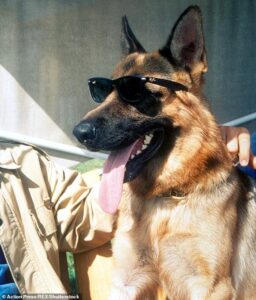
A Dog named Gunther IV (V, VI) worth $375 million
The world’s richest animal is a German Shepherd from Germany — who is living anything but a ruff life.
Gunther was the pet of Karlotta Leibenstein, a German countess who had a multi-million dollar fortune. She never had any children but cherished her pet dogs throughout her lifetime. Karlotta passed away in 1992. At the time, she had no close family to share her fortune with except for her dog—Gunther III—and she made sure he would be well taken care of for the rest of his life. She willed her entire fortune of 80 million dollars to him. When Gunther III passed away, the inheritance was passed along to his son, Gunther IV.
Over the years, Gunther’s caretakers have accumulated even more wealth for the dog through strategic investments and surprising ventures, and today the dog has a net worth of $373 million. By the way, Gunther IV is supposedly 28 years old today, but the average lifespan of a German Shepherd is 10 to 13 years, so it’s likely that it’s actually Gunther 5 or 6 by now, but the dog is still referred to as Gunther IV.
Gunther’s wealth is in a trust that is managed by the Gunther Corporation, which Gunther is the CEO of. It doesn’t appear that they are very limited in how they spend or invest Gunther’s money. Although the purpose of the corporation is to ensure that Gunther is taken care of, they have used his money in a number of unusual ways.
For example, they put together a theatre show called the Burgundians, which toured in South Florida in 1999. They spent millions producing a television musical special called Global Revolution, which aired once on Italian television. In 2006, they purchased the Pontedera Football Club, an Italian association football club in Tuscany. Officially, Gunther is the owner of the football club and all other assets of the Gunther Corporation. This includes a number of properties that have been purchased in his name.
Gunther owns a number of properties, including several villas in Italy, properties in the Bahamas, and a German estate. His highest profile purchase came in 2000 when he purchased a 7.5 million dollar mansion from Madonna in Miami. The Gunther Corporation also looked into buying Sylvester Stallone’s 27 million dollar Miami villa before deciding on Madonna’s mansion.
The 7,000 square foot Mediterranean-style home has nine bedrooms and eight and a half bathrooms. It was purchased by a group that called themselves the Burgandians, who revealed Gunther as their mystery investor in a press conference after the sale had been finalized.
When in Miami, Gunther mainly stays in the master bedroom while the rest of the house is rented out for movie and television shoots. This is just one way that Gunther’s net worth steadily increases.
Gunther is waited on paw and foot constantly. He has a personal maid who cleans up after him in addition to a butler who attends to his every need along with his many other caretakers. A typical day might see him taking a swim in his customized pool, taking a drive in his luxurious limousine, eating the finest steaks, caviar, and truffles, relaxing in one of his many enviable estates, drinking the finest bottled waters, and perhaps going to the spa or a high-end groomer.
He even goes to the occasional auction. In 2001, Gunther along with two of his staff showed up at a high-dollar auction in northern Italy. He even successfully bid on something—a 1.1 million dollar truffle. Gunther also has around the clock security. You can definitely say that Gunther is living the good life as the world’s richest dog.
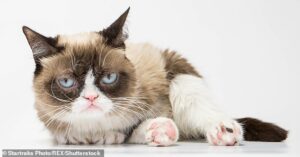
Grumpy Cat worth $99.5 million
As opposed to Gunther IV, who got his money via trust fund, Grumpy Cat is a self-made millionaire.
Grumpy Cat who died in 2019 due to complications with her urinary tract infection at age 7 was self-made rich pet, she was owned Tabitha Bundesen from Arizona and her real name is Tardar Sauce but she became Grumpy Cat because of a few posts on Reddit showing off the cat’’s disdainful-looking mug by owner Tabatha’s brother, Bryan. The Reddit audience quickly posted their own takes on this grumpy cat, photoshopping sardonic text and backgrounds, spreading the cat’s popularity. According to Know Your Meme, within 24 hours, the Grumpy Cat Reddit page received over 25,000 upvotes and, within 48 hours, its Imgur page received over a million views. Grumpy Cat was causing an internet stir, and this internet stir would soon break into the mainstream.
Funny cats were by no means novel on the internet or the mainstream (YouTube was practically built on cat videos). However, Grumpy’s popularity was not only stable but growing. Soon, Grumpy was meeting famous celebrities, guest starring in television shows, writing (well… inspiring) her own books, and starring in her own Lifetime Christmas movie. She was given her own wax statue at Madame Tussaud’s, and at SXSW Interactive, she outdid the likes of Steve Carell and Elon Musk in drawing in crowds.
At the core of her popularity was her loyal following on social media and the thousands of creators that produced new Grumpy Cat memes daily. Grumpy Cat was one of the first internet sensations to straddle the real and online worlds, known by both your tech-addicted 9-year old brother and your cat-loving aunt. The meme was so widely known that even President Obama made an allusion to the meme at the 2015 White House Correspondent Dinner. Grumpy really did, as her owners stated, help “millions of people smile around the world.”
Grumpy Cat also made money and lots of it, putting millions in the hands of her owners. According to the Washington Post, Bundesen’s company, Grumpy Cat Limited, monetized the cat, bringing in between $1 million and $100 million through merchandising, Grumpy’s books, and her various appearances. With this new money and business opportunity, Bundesen was able to quit her job waitressing at Red Lobster.
The monetization of Grumpy Cat led to one of the first spats over the intellectual property of memes. In 2018, Grumpy Cat Limited sued Grenade Beverage for using Grumpy’s image to market Grenade’s new Grumpy Cat Grumppuccino without permission and won $710,001 from the case. The underlying issues with intellectual property we see today with Jerry Media and Fortnite were present the moment that Grumpy Cat Limited began to make money.
Taylor Swift’s Cat Olivia Benson worth $97 million
In June of 2014, Taylor got a new cat she named Olivia Benson after the character portrayed by Mariska Hargitay on Law & Order: SVU, one of Taylor’s favorite television shows.
She is the younger “sister” to Meredith Grey, and older “sister” to Benjamin Button.
Like Meredith, Olivia Benson is a Scottish fold cat that lives in luxury, this notwithstanding the cat still makes her own money.
Olivia was featured in one of Taylor’s Diet Coke, Keds, and AT&T commercials, and has also appeared in many of her Instagram videos/photos. She and Meredith even appeared in an Instagram photo taken by Taylor’s then-boyfriend, Calvin Harris, which he captioned “Moment”.
Olivia is also seen at the beginning of the music video for Taylor’s 2019 single, “ME!”
Olivia has been nominated for 3 awards
2015 Australian Nickelodeon Kids’ Choice Awards with Meredith Grey as Aussie/Kiwi’s Favourite Animal
2016 Nickelodeon UK Kids’ Choice Awards as UK Favourite Famous Cat
2018 iHeartRadio Music Awards as the Cutest Musician’s Pet
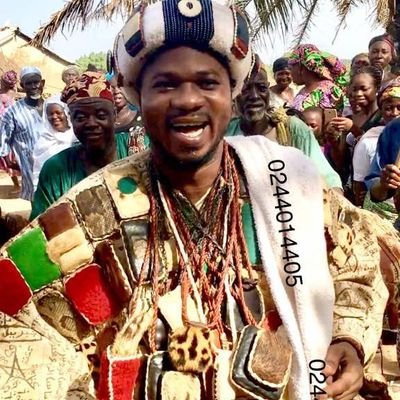
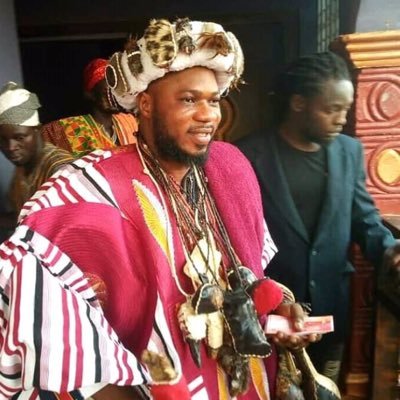
A popular Ghanaian witch doctor who is revered as the most powerful Witch Doctor in Ghana has drop a bombshell that has got people talking.
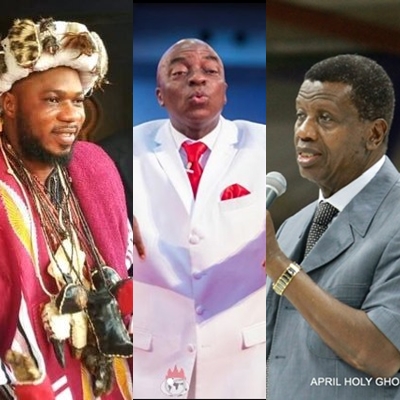
The witch doctor during an interview with their local television station mentioned the names of the four Nigerian top pastor who according to him he is afraid of them both in the physical and spiritual realm and also mention other three that come to him for spiritual powers to do miracles and make more money.
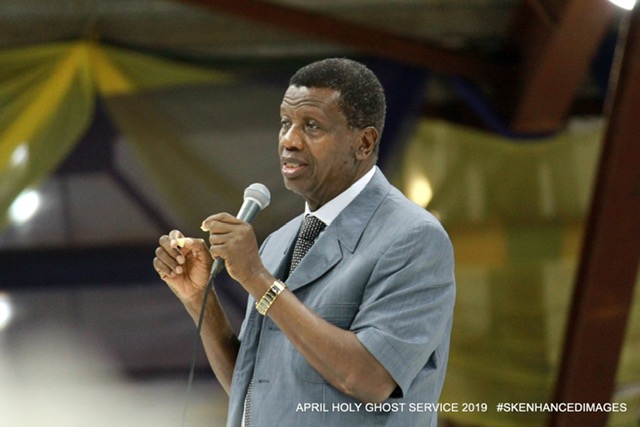
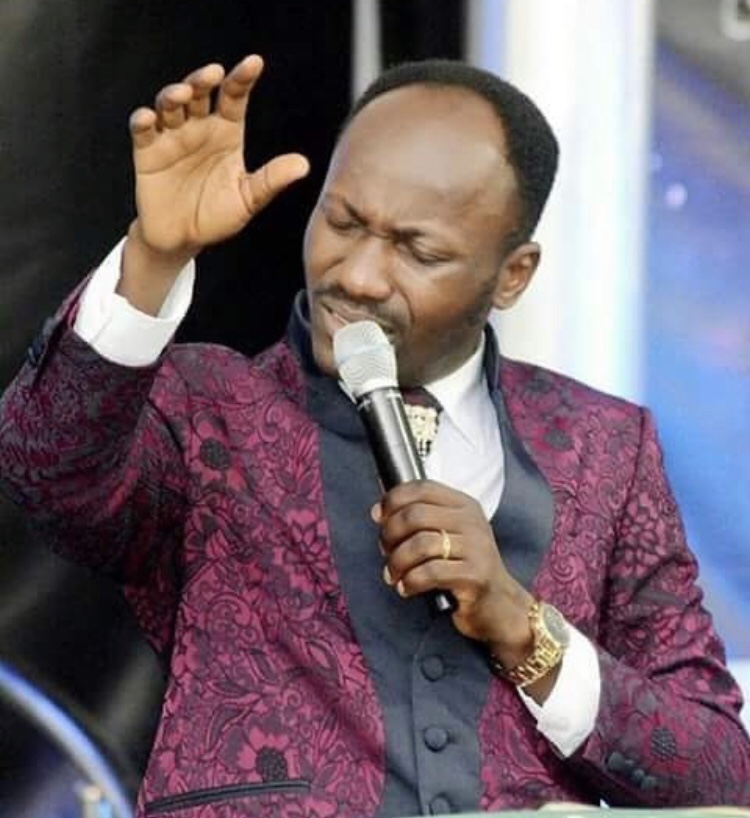
The witch doctor, Chief Naatia Salifu mentioned Bishop David Oyedepo, Pastor Enoch Adeboye among other two pastors he fears.
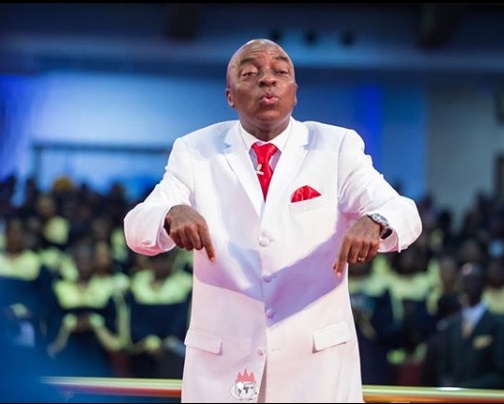
Bishop David oyedepo of the living faith Church, according to chief naatia is a gifted man of God that is sent by God and has been tested both physical and spiritual, I’ m very very afraid of him because he is the most powerful and fearless man of God Nigeria has.
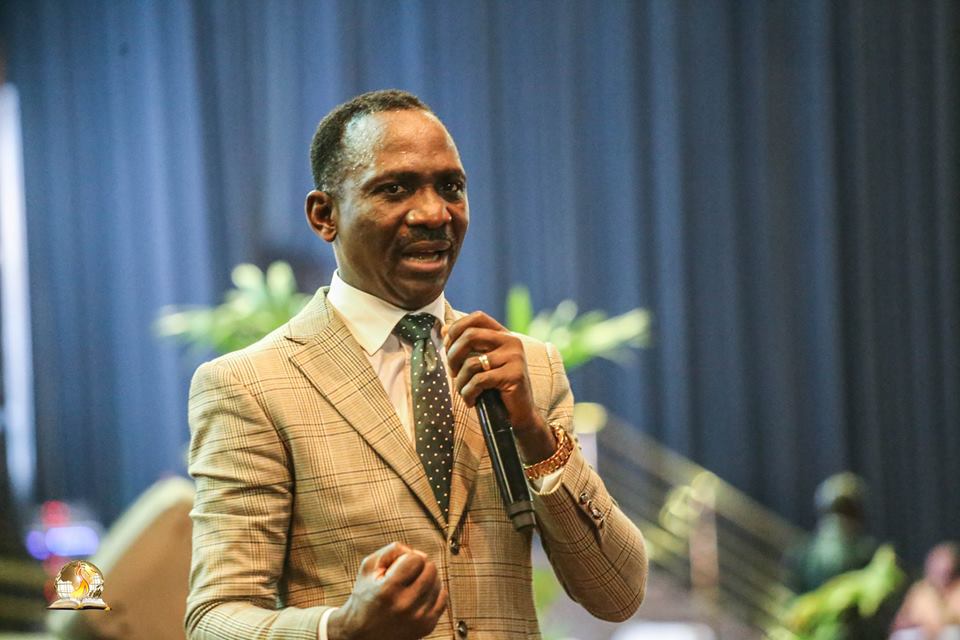
Another man of God was pastor Paul eneche of the Dunamis Church, according to him he recognized pastor Paul as a young but very powerful man of God which no forces of the enemy can temper with him he possesses very strong power of God that cannot be compared to any.
Chief Naatia also in his statement made mention of apostle Sulaiman saying he is also a very respected man of God that cannot be tampered with in the spirit realm, he went further to say that they have tried to bring him down in all means but could not.
And finally he made mention of pastor Adeboye saying that this particular man of God is a grandfather of Nigeria that he solicits for Nigeria a lot in the spirit realm, he said he respects pastor Adeboye so very much.
The witch doctor also said that there are many of the Nigerian pastors he has helped with charms to succeed in their various ministries saying, some of them have been caught and exposed because they didn’t follow the instructions of the spirit he gave to them.
Bishop David OyedepoPastor E.A. AdeboyeApostle Johnson SuleimanPastor Paul EnecheChief Naatia SalifuChief Naatia Salifu
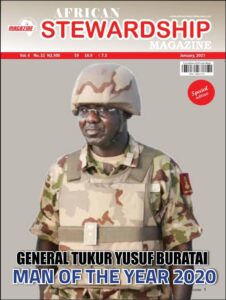
Femi Oyewale, President, National Association of Online Security Reporters, NAOSRE and Thomas Uzah, Head of Department, Mass Communication, Kwararafa University Wukari, take an overview of Nigerian 2020 security outlook vis-a vis the role of Lieutenant General Buratai, Chief of Army Staff in relationship with the well deserved African Steward Man Of The Year honour
A major plank of the collective resolution by stakeholders and industry players at the December 11 National Association of Online Security Reporters, NAOSRE, Security Discourse Dinner at Oriental Hotel, Lagos was the urgent need for more citizens’ supports for military operatives.
Tagged 2021 Nigerian Security Issues, Funding and Prospects,” discussants were of the view that apart from increase funding for military operatives, citizens’ understanding of the patriotic efforts of the military would create a balanced movement towards a safer Nigeria.
In his submission at the NAOSRE Dinner, Major Osoba Olaniyi, who represented Brigadier General Sagir Musa, Director, Army Public Relations, disclosed that “Nigerian Army is conducting internal security operations in 34 states.”
Major Olaniyi, Acting Deputy Director, 81 Division Army Public Relations, stated: “We accept criticism because we are a professional institution. However, what we don’t want is casting aspersion on us, because it has the tendency to weaken the resolve of those still fighting and dishonour the memories of our fallen heroes; it also has the tendency to undermine national unity.”
Olaniyi, responding to concerns raised about members of Police and Army impunity when dealing with civilians affirmed: “Irrespective of whatever uniform we wear, we still share the same humanity with members of society. And we shall try to remain humane with you.”
Tony Akposheri, veteran Nollywood actor, who represented Prince Honourable Ned Nwoko, Grand Patron, NAOSRE, pointed out that the public has roles to play in the security of our society.
“We cannot leave everything to government,” he noted and further submitted: “Nigerian security discourse is timely at this time of our nation, not the issue of sacking service chiefs; if they are sacked and the right things are not in place the situation will not improve.”
Dr Akposheri noted further that: “Our security personnel are not adequately well taken care of and the number of security operatives in this country is not adequate,” he said, pointing out other deficits including working with obsolete tools and technology.
A reflection of these submissions at the NASORE Dinner calls for increase encouragement for military personnel as demonstrated by Africa Steward honour on Lieutenant Tukur Buratai, given their affront against insurgent in 2020 and previous years.
Indeed, the Year 2020 grudgingly dragged to an end. It was a difficult and tough year for all Africans. From economic meltdown to wars, conflicts and the blight of the global Covid-19 pandemic. In the continent, Nigeria also had her fair share of these troubles. These predicaments were varied and complex.
As already known, the position of Nigeria in the continent is very strategic and sensitive. It is a country with a large landmass and huge population. And it is not disputable that the African continent is troubled and threatened anytime a misfortune adversely affects Nigeria.
What troubled Nigeria deeply and almost brought the country to her knees last year was the nagging spate of resurgent insecurities. Nigeria was confronted with the menace of resurgent Boko Haram insurgency and the Islamic State West Africa Province (ISWAP) terrorists. The armed gangs regrouped and came back like a bad penny in what appeared in every countenance like a revenge mission over their defeat by soldiers.
And also, emerging from a general election year, Nigeria grappled with the challenge of the infiltration and proliferation of weapons; intrusion of hired armed mercenaries, ethnic militias, armed bandits, the scourge of kidnappers, oil pipeline vandals, buccaneers, ethno-religious eruptions, vicious secession agitations, communal skirmishes and the bloody #EndSARS protests.
Certainly, the peace, security and stability of the country was extremely tested by these organized armed criminal gangs. They registered presence in most parts of the nation and in overwhelming numbers, perpetually overpowering civil security. And in all instances of internal security breaches, the magnitude consistently attracted the deployment of soldiers on special assignments on Internal Security (IS).
These forces of darkness pushed Nigeria to the cusp of total destabilization and disintegration. There were glaring signs of the absolute compromise of national security, like the #EndSARS protests, had Government failed to take proactive steps to extinguish the smokes of these insecurities and disable the brigands. But at the end of the year, Nigerians gracefully crossed into 2021 with less of such troubles or precisely, their absolute obliteration based on the interventions of the Army.
Nigeria’s Chief of Army Staff (COAS) and leader of the counter-insurgency operations, Lt. Gen. Tukur Buratai dispensed himself in these troubled times as Nigeria’s loyal and trustworthy Salvationist. He deserves the most endearing and profound eulogies for imposing security sanity in Nigeria today.
The Army Chief led soldiers to accomplish these difficult security tasks professionally, and distinctively. Gen. Buratai doggedly ensured the berth of peace and security in Nigerian and by implication, the African continent. He rescued Nigeria from the hands of armed captors, sanitized the country and opened fresh vistas of security regeneration or rebirth.
As Punchman of the counter-insurgency operations in the country, Gen. Buratai discharged his stewardship to fatherland with dexterity, distinction and splendor. He salvaged Nigeria and restored lost hopes. His works erased the feeling of hopelessness harboured by most Nigerians over insecurity. And surely, with him still on the saddle, Nigerians have settled with the reality that it is possible to live in the previously tormented country, free of security threats or molestations from armed gangs.
The last quarter of 2020 was particularly challenging for the country. Political desperadoes ignited a carnival of fires in the guise of #EndSARS protests. Almost the entire Southern part of the country was engulfed by the heat of the violent #EndSARS protests. The quantum of destructions and bloodbath orchestrated by the sponsors and promoters of #EndSARS was appalling.
Nigeria was on the verge of complete anarchy, and the total breakdown of law and order. But Gen. Buratai staged out and effectively quenched the destructive fires triggered by the pig -heads of the #EndSARS campaigners. The Army marketed itself as Nigeria’s redeemers.
In the wake of resurgent insecurities in April 2020, Boko Haram insurgents’ and ISWAP terrorists bounced back with venom. Gen. Buratai relocated to the Northeast region. He spent two months in the trenches, directing and personally leading troops of the “Operation Lafiya Dole” in the battle against terrorists in the frontlines. And the positive results within a week were incredible. He was able to neutralize over 2,000 terrorists, destroyed their re-established camps and confiscated numerous weapons from insurgents.
Armed bandits and allied criminals terrorizing the Northwest region groaned and numerously met their waterloo, when Gen. Buratai launched “Operation Sahel Sanity.” Within weeks, troops dislodged them from their hideouts in the various forests; neutralized hundreds of the bandits in fierce battle encounters with troops. The Army impounded the weapons abandoned by fleeing bandits. Scores of the criminals, logistics suppliers and connivers were also arrested in the course of these operations. Gen. Buratai saved Nigeria from this nightmare.
The kidnap of the Kankara schoolboys and later, the Mahuta school children by bandits, sparked national uproar and outrage. Tongues sharpened even in the international community to discredit President Muhammadu Buhari, if the abductees do not regain their freedom. But Gen. Buratai saved the day. He immediately marshalled out troops which moved fiercely after the abductors.
And in a skillfully executed unarmed operation, soldiers rescued all the kidnapped school children within six days. Also, none of them was either injured or wounded in the course of the operations. They were reunited with their families in a presidential ceremony. State Governors whose states were tormented by armed bandits and cattle rustlers have attested to the restoration of peace and security by soldiers.
Similarly, the ethnic warlords and militias tormenting communities of the North central region were also repressed by Gen. Buratai. Hordes of the gang leaders and the foot soldiers of these criminal sects were apprehended; while many of them kissed death in battle encounters with troops.
Southern Kaduna has known peace from ethno-religious conflagrations now because Gen. Buratai refused to shirk. He doused the restiveness, imposed peace and security in the warring areas. At this instance too, Gen. Buratai discharged his stewardship to Nigeria with enviable patriotism and dedication.
Furthermore, violent campaigners for secession also attempted several times to disrupt the public peace by breaching security. They were essentially an assembled band of criminals, who operated as armed robbers, kidnappers, and indulged into other repulsive acts of criminalities. The COAS again sauntered unto the stage and never allowed the armed criminals perpetrate any form of evil against Nigeria. He rescued an entrapped people of the Southeast.
Therefore, Gen. Buratai deserves the medal of African Steward Man of the Year 2020. He has proved faithful military service to his country. He has always intervened in the darkest hours in the history of Nigeria with the candle of illumination.
Nigerians who never believed that it is possible to exist in Nigeria and insulated from lethal insecurities are loudly testifying to Gen. Buratai’s exceptional prowess and unique military competence in tackling Internal Insecurity (IS) threats. Whether these security threats manifested the character of resurgence or freshly created, the Army boss descended on the criminals. The ombudsman of the counter-insurgency operations is incontestably the winner of the African Steward Man of the Year 2020. Congratulations, sir and may you soar higher in bringing peace and security to Nigeria and Africa
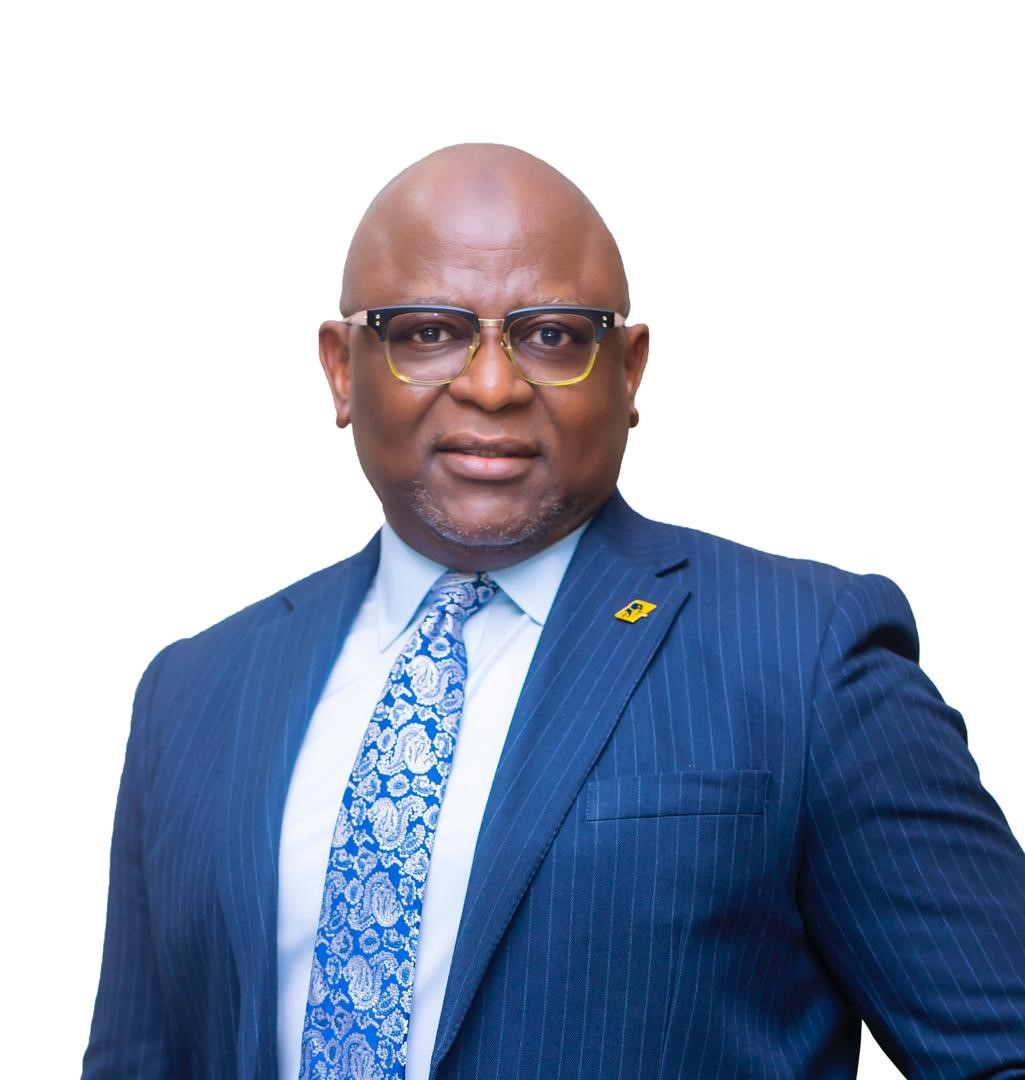
At present, there are over 86,000 banking agents across 772 out of the 774 local government areas in Nigeria, a demonstration of FirstBank’s commitment to deepening financial inclusion and ensuring the unbanked are adequately catered for. In an interview with BusinessDay, Adesola Adeduntan, FirstBank’s CEO, noted that over N9.6 trillion had been processed through the bank’s agent network.
As he explained, FirstMonie agents have supported several government and NGOs’ cash transfers to the poorest of the poor in the rural areas. Additionally, selected FirstMonie agents in the rural communities are equipped with BVN enrolment devices; as such they are able to enrol and open accounts for rural dwellers that hitherto may not have had the opportunity to be included in the formal financial services system.
The bank’s commitment to providing access to finance for Small and Medium Enterprises (SMEs) was also highlighted by the CEO, who hinged this on “their potential to impact the economy”.
He discussed the bank’s value adding solutions that have created a functional ecosystem for SMEs to thrive. The ecosystem includes propositions such as connection of the SMEs to talents and resources/cutting edge tools, access to business finance and market, capacity building opportunities and policy advocacy.
These are all aggregated on its SMEConnect platform as value adding products and services for easy access and at rates (prices) that are competitive and mostly discounted. The SMEConnect is a digital platform that allows the SMEs connect to FirstBank’s offerings from the comfort of their locations anywhere in the world.
This, according to Adeduntan, has been well received by the SME community as we engage across the country.
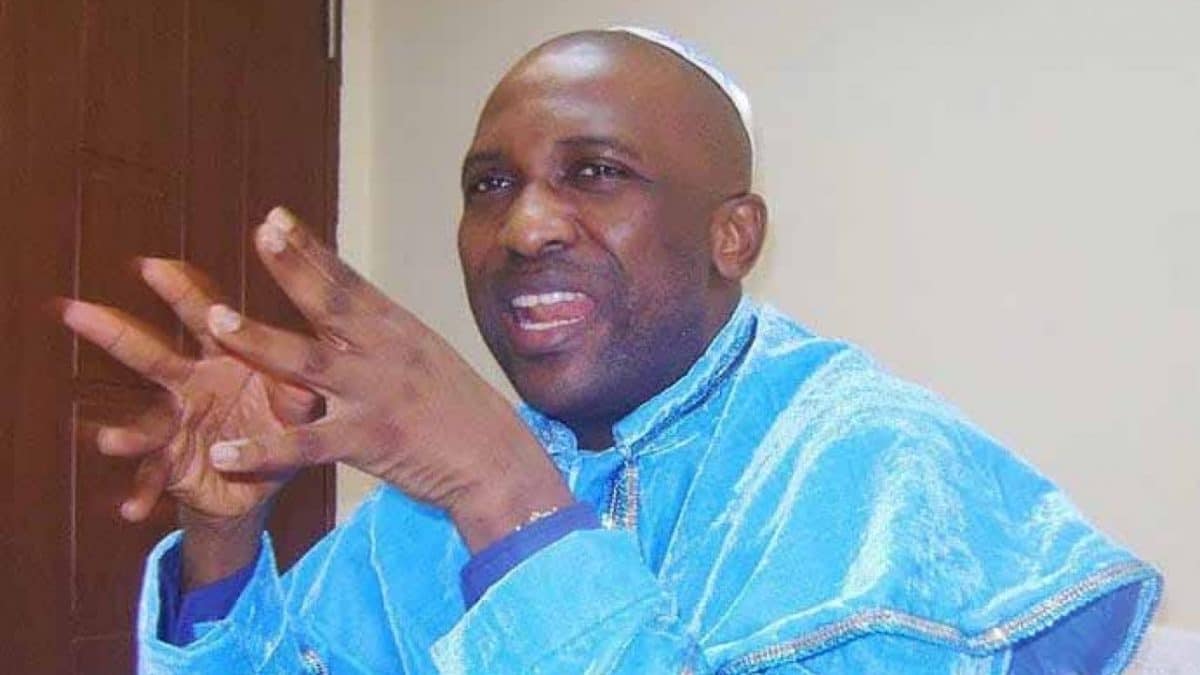
It will be a rain of empowerment on all sides as the leader of INRI Evangelical spiritual church, Primate Elijah Ayodele will be hosting the international association of world peace advocates, an association affiliated with the United Nations Global Compact in Lagos.
As it is the culture of the man of God to put smile on the faces of the people, He will once again walk that path as hundreds of widows, students, needy will be remembered and lifted from their current state to celebrate the life of the man of God, and the record breaking hosting of the United nations global compact.
According to exclusive information made available, Primate Ayodele will be making provisions for those who have not been able to afford their house rents, those who can’t afford to pay school fees, vulnerable who don’t have bed in their homes, to mention a few. Also, hundreds of GCE and JAMB forms will be given out for free to students who want to further their education in higher institutions.
Apart from these, people that have health challenges will be taken care of, those who have issues with their sight will be given eye glasses, among some other things. Generally speaking, it will be a time of massive giving to the people.
The event will also have the attendance of top officials of the international association of world peace advocates that includes the President, Amb Per Stefsen, Country director of Denmark, Amb Mrs Blessing Palmberg, Country director of India, Amb Prof Nabit Kapur, Country Director of South Africa, Amb. Anthony Chinedu, World peace spokesman, Amb. Dr Emmanuel Nweke and other world Peace dignitaries.
When Mark Zuckerberg recognised UBA’s Leo at Facebook F8
Technology has been a veritable gift to mankind, and over the years, it has been responsible for creating amazingly useful resources which put all the information individuals need at their fingertips. The development of technology has also led to so many mind-blowing discoveries, better facilities, and better luxuries, which has in-turn helped to improve lifestyle and standard of living.
For instance, through relevant technological development, the average individual has been empowered to shop online and carry out seamless transaction any time of the day or night from the comfort of his own home or business place.
To this end, forward thinking companies and financial institutions with eyes in the future who have been conversant with the new trend in customer behaviour, have painstakingly designed new products and services tailor-made to meet the growing needs of customers anytime anywhere.
It is bearing this in mind that Pan-African financial Institution, United Bank for Africa (UBA) Plc, changed the face of e-banking in the African continent for the first time with the introduction of Leo – UBA’s Chat Banker. The idea of Leo, which was birthed in 2018, was to enable customers make use of their social media accounts to carry out key banking transactions with ease.
This is the first time ever that a financial institution in Africa evolved a one-stop solution to simplify the way customers transact, a key essential in today’s fast-paced world with demands for quick-time transactions and response.
With Leo’s help, customers have been able to open new accounts with ease, receive instant transaction notifications, check their balances on the go, transfer funds and airtime top up. Cheque confirmation, bill payments, loan application, account freezing, request for mini statements, flight bookings, airtime and data purchases, are some other services that the chat banking BOT has been helping customers to carry out since 2018.
And Leo, the Artificial Intelligent Bot which carries out seamless conversations with his customers – who he calls his friends by the way- has achieved this and more in its three-year existence; allowing users to carry out quick, fast and recurring transaction with ease from their popular social media accounts such as Facebook and Whatsapp.
No wonder the bank has earned a lot of laurels and accolades in the last three years confirming Leo’s global acceptance and recognitions, as pointed out by UBA’s Group Manging Director, Mr. Kennedy Uzoka, some of which are:
‘Africa’s Best Digital Bank of the year’ by Euromoney; The Most; Innovative Bank of the year’ by International Finance; ‘Best Customer Engagement Tool’ by Africa Fintech; Pulse magazine rated Leo on WhatsApp as ‘The best WhatsApp Banking App’; ‘The Best Social Banking platform’ in Uganda; ‘Excellence in Automated Chatbot Initiative’ by Finnovex Awards; ‘Next Generation Class of 2019’ by CIBN; ‘Best Automated Chatbot Initiative, Application or Programme’ by The Asian Banker. The list is endless.
“The formulation of this product, is consistent with UBA’s Customer 1st philosophy, where we have been doing things not the way we like, but focusing on what the customers want, where they want it, and in the exact platform they want it; Uzoka explained. “At UBA, we have been continuously working with technology giants that have the global capacity to ensure not only seamless but also effortless banking for the millions of our customers across Africa; as all the bank’s subsidiaries in Africa have activated Leo to perform financial services for customers.
Continuing, he said, “Since 2018, Leo has been helping with most transactions and to deliver any form of banking services. And this has been highlighted more especially during the lockdown occasioned by the COvid-19 virus, as Leo assisted all its users on all major social media platforms to carry out all their banking activities without having to physically visit a branch. This, to us, remains an admirable feat because with Leo, the banking needs of our customers have become easy and simple – as simple as chatting”; Uzoka pointed out.
Within three years of operations, UBA’s Leo has recorded a number of milestones including opened a total of 390,756 accounts; achieving 2,169,384 subscribers; conducting a total of 9,605,703 transaction count worth a value of N81,530,918,868.Leo which has over 2.1m unique users has also generated over 20 million conversations and over 85 million engagements; with such impressive feedback and usage and remains the only AI BoT showcased at the F8 in Mark’s Zuckerberg’s opening remarks.
UBA’s Group Head, Digital Banking, Sampson Aneke, reiterated that Leo is not just a chat machine, but an artificial intelligence personality meant to address any type of banking concerns raised by customers.
“Leo has been operating a secure lifestyle banking platform on Facebook messenger, WhatsApp and IOS and Andriod to assist customers with their transactions while chatting with your friends and business partners. The security with this platform has been that for every transaction, a One Time Password (OTP) is generated to the phone number that is registered on your account,” he explained, and added that the bank is working tirelessly to improve LEO’s services to the customers in the coming weeks.
United Bank for Africa Plc is a leading Pan-African financial institution, offering banking services to more than twenty-one million customers, across over 1,000 business offices and customer touch points, in 20 African countries. With presence in the United States of America, the United Kingdom and France, UBA is connecting people and businesses across Africa through retail; commercial and corporate banking; innovative cross-border payments and remittances; trade finance and ancillary banking services.
The Group Chief Executive Officer, Ecobank Transnational Incorporated (ETI), Ade Ayeyemi, has affirmed that the pan-African banking group is facilitating smooth and instant payments across Africa as countries start the implementation of the African Continental Free Trade Area Agreement (AfCFTA). Ayeyemi who made this assertion during an interview with the media recently pointed out that Ecobank has been able to effect international payment across the 33 countries where it operates on the continent through its Rapid Transfer platform. He reiterated that the bank’s platform can be scaled to accommodate other African countries under the AfCFTA based on their respective regulations.
According to the Ecobank Group Chief, the banking group is one of the key supporters of the AfCFTA which he believes will be of great benefit to both the continent and customers of the bank. “With this Pan-African exposure, the governments and our customers will re-evaluate their businesses to efficiently take charge of bigger opportunities. So, if you manufacture goods in Aba for the Nigerian market, you can now start thinking of how to expand your manufacturing capacity to be able to export across West Africa and also other African countries, not just looking at Nigeria as a market alone. And as you change your demand forecast, you need to now improve your capacity to produce and that will mean importing new machinery to expand your manufacturing base, develop bigger market and hire more people.”
He is optimistic that the introduction of the AfCFTA would curb the regulations and government policies limiting the flow of foreign exchange. “Banks will work with other banks like Afrexim Bank to provide a swift payment platform as Africa will be the first market for most African products. For instance, there is no need for Nigeria to import rubber from Malaysia when rubber is being exported by Côte d’Ivoire. It is better within the African space. So, there is a whole range of businesses that we are having conversations with our customers, the governments and the African Union, because of our pan-African presence.”
The AfCFTA which came into effect this January, aims at creating a single African wide market for goods and services. It will pave the way for rapid dismantling of impediments to cross-border trade leading to free movement of business, persons and investments across the continent, thus leading to the establishment of the Customs Union. It will bring together all 55 AU member states, covering a market of more than 1.2 billion people. It is set to be the world’s largest free trade area since the formation of the World Trade Organization In terms of numbers of participating countries.
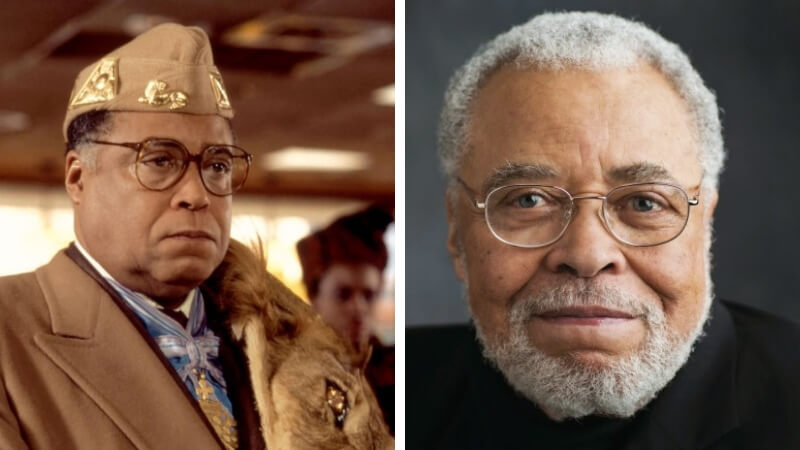
Happy birthday to a Hollywood legend! James Earl Jones celebrated his milestone 90th birthday on Sunday, and got a lot of love from some of his famous friends and fans.
Jones’ booming voice, powerful gravitas and daunting screen presence have made him a true screen icon, and his impressive performances have left an indelible mark on pop culture throughout his nearly 70-year career.
As the voice of both Darth Vader in Star Wars and Mufasa in The Lion King, Jones has been an unforgettable and integral part of so many generations of movie fans. His body of work also includes award-winning performances in a slew of comedies and dramas — including Coming to America, The Sandlot, Field of Dreams and countless others.
It’s no surprise then that the celebrated figure was showered with love and effusive praise as he celebrated his big 9-0 on Sunday. Celebs including Regina King, Josh Gad, Wendell Pierce and many others took to social media to share the love.
The Oscar-winning actor recently spoke with USA Today about his plans for commemorating the milestone birthday.
“I will keep having to remind myself that it’s my birthday,” Jones shared. “I’ll make an exception and enjoy a slice of strawberry shortcake, my favorite!”
The actor told the publication that he is “feeling fantastic and grateful” and looking back at his career makes him “so proud of my work and accomplishments.”
“I love growing older and wiser with time,” Jones shared, adding that he plans to continue acting “for as long as I can.”
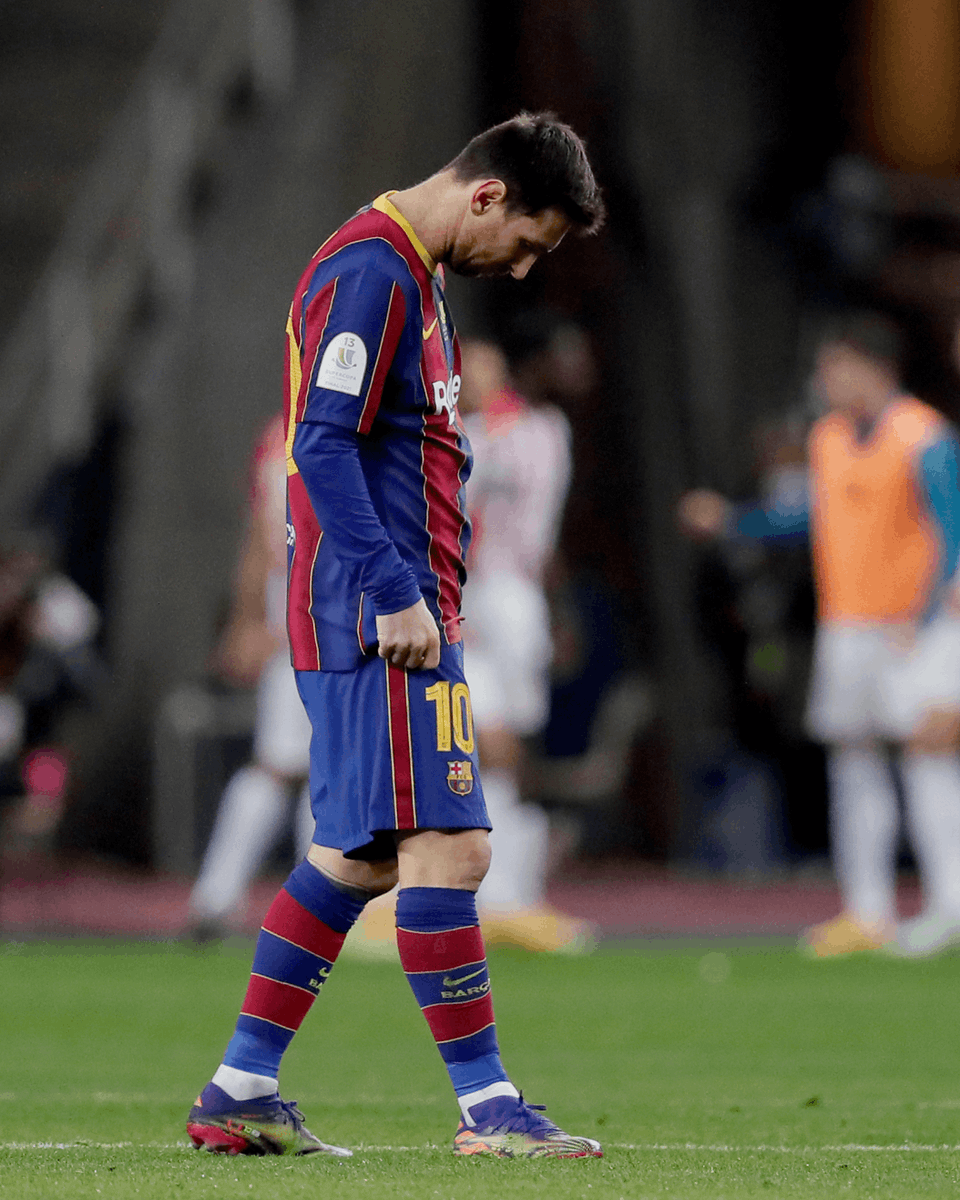
Lionel Messi was shown the first red card of his Barcelona career as they lost to Athletic Bilbao in the Spanish Super Cup final.
Messi, in his 753rd appearance for Barca, swung at Asier Villalibre in the final seconds of extra time – an incident spotted by the VAR.
Barca led twice through Antoine Griezmann but Oscar de Marcos and Villalibre, in the final minute, scored as Athletic replied each time.
Inaki Williams scored a fine winner.
The game in Seville was set to be remembered as an entertaining encounter and for Athletic’s second trophy since 1985, until the late drama.
Messi lashed out at goalscorer Villalibre off the ball in the 120th minute. The referee missed the clash at the time before viewing it on the VAR screen and dismissing Messi.
The 33-year-old had only been sent off twice before, both for Argentina – on his international debut against Hungary in 2005 and in the 2019 Copa America third-place play-off against Chile.
He could now be banned for at least four domestic games, with Super Cup suspensions carrying over to league and cup matches.
Barcelona were seconds away from winning the Super Cup for a 14th time – in what would have been a first trophy under Ronald Koeman’s reign. It would also have been an eighth Super Cup for Messi, in what could be his final season at Barca with his contract coming to an end this summer.
Griezmann put them ahead after Messi’s shot was blocked before De Marcos scored from Williams’ cross moments later.
Athletic’s Raul Garcia had a header disallowed by the VAR and then Griezmann converted from Jordi Alba’s cross.
But in the final minute substitute Villalibre volleyed home to force extra time. Williams’ excellent winner soon after the restart came as he got the ball on the edge of the box and curled into the top corner.
Athletic, who beat Real Madrid 2-1 in the semi-finals, have beaten Real and Barca in consecutive games for the first time since 1960.
The defeat comes just as Barca – who needed penalties to beat Real Sociedad in the semis – and their captain were finding form. It was a first defeat in 10 games for the Catalan side, while it ends Messi’s run of four goals in two games and six in five.