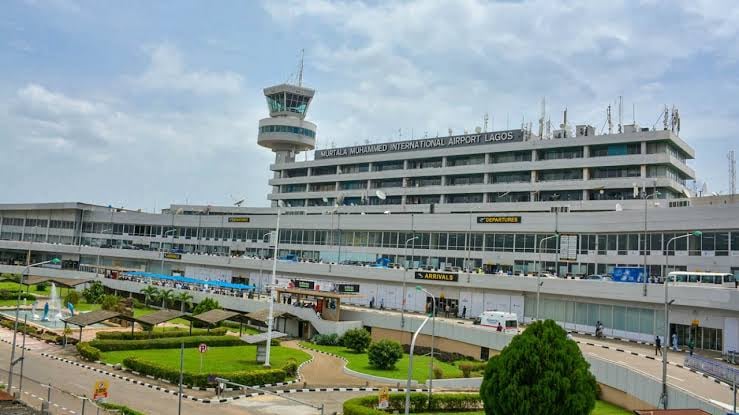
Security operatives attempting to board a flight with over $6.1 million in cash were intercepted and arrested on Saturday at the domestic wing of Murtala Muhammed Airport Terminal 2 in Lagos.
The suspects, whose exact number was not disclosed, were reportedly caught during routine checks while trying to board an Aero Contractors flight.
Sources who pleaded anonymity to prevent official sanctions at the airport because they were not empowered to speak on the matter, confirm that the passengers were found with multiple boxes loaded with undeclared U.S dollars.
PUNCH Online gathered that the personnel had initially passed through airport security units before they were apprehended at the foot of the aircraft after Aero Contractors security noticed the heavy luggage.
The matter was then escalated and was reported to Aviation Security, who later handed it over to the Department of State Services.
A senior FAAN official who spoke under the condition of anonymity said the DSS later transferred the suspects to the Economic and Financial Crimes Commission, where they are currently being held for further investigation.
Another airport source told The PUNCH that the suspects had claimed to be security agents escorting a suspect and exhibits, but failed to declare the cash or follow due procedures for transporting suspects on commercial flights.
Meanwhile, the source said this claim may have helped the suspects bypass the initial security screening. However, their activities raised suspicion at the boarding gate when AVSEC officers noticed the oversized boxes.
Speaking with our correspondent over the phone, the Managing Director of Aero Contractors, Ado Sanusi, confirmed the incident, saying his airline’s security team grew suspicious after the individuals refused to check in their heavy bags.
Sanusi explained that the bags contained money, and when asked if it had been declared, the suspects said no.
He explained, “What happened was that our security noticed some passengers trying to board our aircraft with bags that were quite heavy. Our security team advised them to check the bags in, as they could not be carried into the cabin.
They refused to check the bags, and later they said it was money. When asked if the money had been declared, they said no. At that point, our security personnel discovered that the individuals were either police officers or some form of security agents, who claimed they were escorting a suspect along with exhibits. That was why they resisted checking in the bags.
“We then informed them that if they were transporting a suspect, they were required to notify us in advance. There are standard procedures for moving suspects; we don’t mix them with regular passengers. There are boarding, deboarding, and in-flight protocols that must be followed in such cases. Since they failed to follow these procedures, they were not allowed to board, and they eventually left.”
Repeated calls and messages to the spokesperson of the Federal Airport Authority of Nigeria, Henry Agbebire, and the Director of Aviation Security, Igbafe Afegbai, were unsuccessful, as they neither replied to the messages nor picked up their calls.
The same for the Head of Corporate Communications, Ajoke Yinka-Olawuyi, of Bi-Courtney Aviation Services Limited, operators of the MM2.
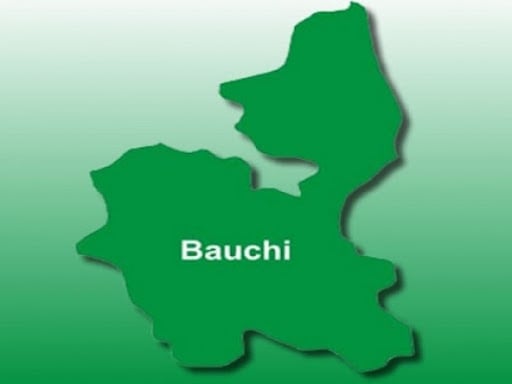
A tragic clash between soldiers and operatives of the Nigeria Police Force in Bauchi State has led to the death of a police operative, Constable Ukasha Muhammed.
The Bauchi State Police Command confirmed the incident in a statement issued on Saturday by its spokesperson, SP Ahmed Wakil.
According to the statement, the confrontation occurred on October 10, 2025, in the Bayan Gari area of Bauchi metropolis.
Wakil explained that the command received a distress report concerning a serious altercation involving a patrol team led by Inspector Hussaini Samaila during a routine operation.
“The patrol team encountered an assault on one of its members, Constable Ukasha Muhammed (F/No 533164), by two individuals in front of Padimo Hotel. The remaining members of the team responded swiftly, resulting in the apprehension of one suspect while the other escaped,” the statement read.
The apprehended suspect was later identified as Private Usman Mubarak (23NA/84/5346), a soldier attached to the Joint Task Force, Operation Safe Haven, in Jos, Plateau State.
Wakil further revealed that the situation escalated when two other soldiers — Private Yakubu Yahuza (23NA/85/10185) and Private Godspower Gabriel (23NA/84/5654) — arrived at the scene armed and partially dressed in military uniforms.
“They approached the team and fatally shot Constable Ukasha Muhammed in the left chest before fleeing the vicinity,” Wakil said.
The injured officer was immediately rushed to the Abubakar Tafawa Balewa University Teaching Hospital, where he was pronounced dead by medical personnel. His remains have since been deposited at the hospital’s mortuary.
The police spokesperson added that the command has taken the detained soldiers into custody and launched a full-scale homicide investigation.
“The Commissioner of Police, CP Sani-Omolori Aliyu, has constituted a team of seasoned homicide detectives to conduct a professional, diligent, and timely investigation aimed at ensuring that justice is served,” Wakil stated.
He also called for calm among officers and men of the command while urging restraint pending the outcome of the investigation.
The Commissioner of Police extended his condolences to the family of the deceased officer, praying for the repose of his soul.
“May his soul rest in peace, and may Aljannatul Firdausi be his final abode. May Almighty Allah grant his family the fortitude to bear this irreparable loss,” the statement concluded.
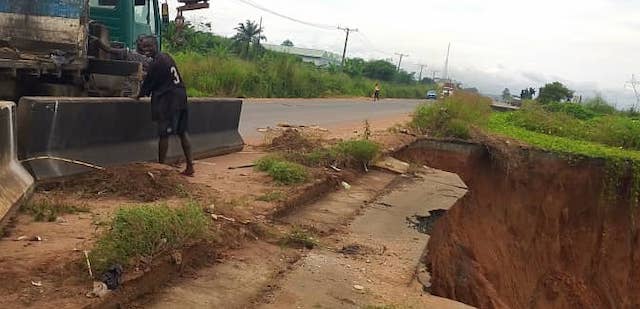
The Federal Road Safety Corps has alerted motorists plying the Onitsha-Owerri Road to be wary of a gully erosion that has eaten up the entire lane of the Ozubulu end, Ekwusigo LGA of Anambra State, axis of the ever-busy road.
It was gathered that the erosion, which started near the Sea Horse section of the road some months ago, has totally collapsed one lane of the road following the heavy rainfall recorded in the area on Tuesday, thereby posing danger to motorists.
A video circulating on social media showed the road totally taken over by the gully erosion, with the voice-over in the video calling the attention of motorists to be careful while driving on the road, especially at night.
However, reacting to the development in a press statement released on Saturday, the Sector Public Education Officer, FRSC Anambra State Command, Margaret Onabe, urged the motoring public to drive cautiously on the road.
Onabe said the road alert became necessary to ensure the safety of road users and prevent crashes while emphasising FRSC’s commitment to safety on the road.
According to her, the FRSC team, including the federal controller, the chairman of Ekwusigo LGA and a construction company, had visited the site to ensure safety and smooth flow of traffic.
She urged motorists to cooperate with safety officers and drive cautiously by following the laid-down guidelines, especially at the erosion site, adding that the construction company is helping to adjust barricades to prevent accidents.
The statement read in part, “The Federal Road Safety Corps RS5.36 Oraifite Unit Command has responded quickly to a distress call regarding the worsening condition of the erosion site in Ozubulu.
“Following directives from the Sector Commander, the Unit Commander and her team took immediate action to alert road users and key stakeholders.
“As of the time of this report, the FRSC team, in collaboration with Tamaic Construction Company Ozubulu, the Chairman, Ekwusigo LGA, and his team, are on-site to ensure safety and facilitate the smooth flow of traffic.
“The construction company is helping to adjust barricades to prevent further accidents.
“The Federal Comptroller of Works, Dr Emeka Okpara, is also present with his field office team to conduct an on-the-spot assessment of the situation.
“The state Sector Commander, Bridget Asekhaauno, emphasised the Command’s commitment to ensuring the safety of road users and preventing crashes.
“We appreciate the collaborative efforts of Tamaic Construction Company Ozubulu, the Ekwusigo Mayor and his team, as well as the Federal Comptroller of Works, for their prompt response to this emergency. We will continue to monitor the situation and work towards finding a lasting solution to this erosion issue.
“The motoring public is urged to pay attention to the ongoing road development. They should cooperate with safety officers and drive cautiously, especially at the erosion site. Following these guidelines is essential for everyone’s safety.”
Governor Chukwuma Soludo of Anambra State, on October 9 2025, reaffirmed his administration’s commitment to addressing erosion and flooding challenges affecting vulnerable communities across the state.
He pledged to intensify intervention efforts, particularly in flood-prone areas such as Ogidi in Idemili North Local Government Area, where residents continue to face severe environmental risks.
Soludo underscored the importance of comprehensive drainage and erosion control systems to safeguard lives, farmlands, and infrastructure from further damage. He noted that his administration remains focused on implementing practical, long-term solutions while collaborating with the Federal Government and development partners to scale up erosion mitigation projects across Anambra.
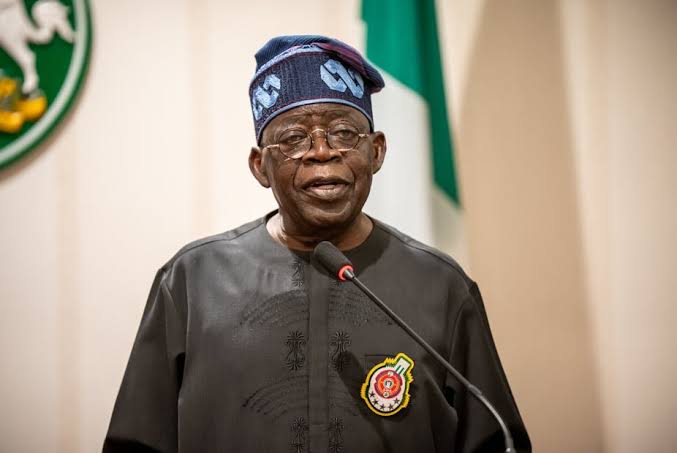
The Presidency on Saturday said President Bola Tinubu’s decision to grant presidential pardon and clemency to 175 Nigerians and foreigners, including late environmental activist Ken Saro-Wiwa, Major General Mamman Vatsa, and other members of the “Ogoni Nine”, was part of efforts to promote fairness, justice, and national unity.
The Presidency also revealed that the President corrected a historical injustice committed by British colonial authorities against Sir Herbert Macaulay, one of Nigeria’s foremost nationalists, who was banned from public office in 1913 after being convicted of misappropriation of funds.
PUNCH Online reports that Tinubu had signed off on pardons for Sir Herbert Macaulay and 174 others.
This marked one of the most expansive uses of the presidential prerogative of mercy, touching on high-profile historical cases.
In a statement signed by Bayo Onanuga, Special Adviser to the President on Information and Strategy, the Presidency explained that the exercise was guided by the recommendations of the Presidential Advisory Committee on the Prerogative of Mercy, chaired by the Attorney-General of the Federation and Minister of Justice, Prince Lateef Fagbemi (SAN).
According to Onanuga, Tinubu’s gesture was extended to individuals who had either demonstrated remorse, exhibited good conduct, acquired vocational skills, or shown evidence of reformation during incarceration. Others, he said, benefited due to old age, ill health, or historical injustice.
“Illegal miners, white-collar convicts, remorseful drug offenders, foreigners, Major General Mamman Vatsa, Major Akubo, Professor Magaji Garba, capital offenders such as Maryam Sanda, Ken Saro Wiwa, and the other Ogoni Eight were among the 175 convicts and former convicts who received President Bola Ahmed Tinubu’s mercy on Thursday.
“President Tinubu granted clemency to most of them based on the reports that the convicts had shown remorse and good conduct. He forgave some due to old age, the acquisition of new vocational skills, or enrolment in the National Open University of Nigeria (NOUN). President Tinubu also corrected the historic injustice committed by British colonialists against Sir Herbert Macaulay, one of Nigeria’s foremost nationalists,” the statement read.
Among the beneficiaries of the presidential pardon were Major General Mamman Vatsa, executed in 1986 for alleged coup plotting, and Ken Saro-Wiwa alongside eight other Ogoni activists who were executed in 1995 under the Abacha regime. Their posthumous pardon, Onanuga said, was part of Tinubu’s effort to “heal old wounds and promote national unity.”
A total of 175 convicts and former convicts benefited from the President’s mercy. These included two inmates and 15 former convicts (11 of whom are deceased) granted full pardon, 82 inmates granted clemency, 65 who had their sentences commuted, and seven inmates whose death sentences were reduced to life imprisonment.
Prominent among the living beneficiaries are Farouk Lawan, former lawmaker convicted for corruption; Professor Magaji Garba, former Vice-Chancellor of the Federal University, Gusau; and Maryam Sanda, who was sentenced to death in 2014 for killing her husband.
Sanda’s clemency, according to the Presidency, followed appeals citing her remorse, good behaviour, and the need to care for her two children.
Others pardoned or granted sentence reduction include convicted drug traffickers, illegal miners, and persons convicted of white-collar crimes, several of whom demonstrated good conduct or enrolled in rehabilitation and educational programmes while serving their terms.
The committee’s report, presented during Thursday’s Council of State meeting chaired by President Tinubu, also recommended that the sentences of some death row inmates be commuted to life imprisonment due to their remorse and long periods in confinement.
Onanuga said the exercise was consistent with Section 175 of the 1999 Constitution (as amended), which empowers the President to grant pardons and reprieves after consultation with the Council of State.
The Presidency emphasised that the decision was not taken lightly but was a product of extensive review and recommendations.
Previous reports had indicated that the move was part of a broader effort by the Tinubu administration to decongest custodial centres across the country and promote humane justice reforms.
The full list of beneficiaries, released by the Presidency, includes inmates convicted of drug trafficking, illegal mining, fraud, manslaughter, and other offences. Senator Ikra Aliyu Bilbis has also undertaken to oversee the rehabilitation and empowerment of all pardoned illegal miners.
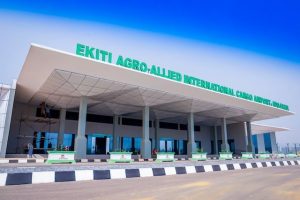
Chartered engineer and founder of Tite Knox Pty Limited, Olaoluwa Dawodu, has said that the commencement of commercial operations at the Ekiti Agro-Allied International Cargo Airport will enhance commerce, tourism, and job creation across the state.
Dawodu, reacting to the Nigerian Civil Aviation Authority’s approval for the start of commercial flights, said the development had “set the state’s economic landscape for transformation.”
The Australia-based engineer, in a statement made available in Ado Ekiti on Saturday, described the approval as “a laudable development that will open up the state to various economic growth elements.”
He said, “Inter-state and eventual international access to the numerous economic potentials of a state can only be optimally explored via safe air access. The approval will not only boost commerce and tourism but also stimulate job creation, enhance connectivity, and position Ekiti among Nigerian states with viable air transport infrastructure.”
Dawodu noted that, like other airports in developed nations, the Ekiti facility would contribute significantly to the state’s gross domestic product, create employment opportunities, and attract trade and tourism.
“The Ekiti Agro-Allied International Cargo Airport has the potential to become a critical economic gateway for the state, serving as a catalyst for agricultural exports, investment inflows, and industrial development,” he added.
He commended Governor Biodun Oyebanji and his administration for their vision and commitment to sustainable infrastructure development and urged Ekiti indigenes both at home and abroad “to heed the call, return home, add value, and support the governor on everything that will help Ekiti to progress as the state ushers in a new era of air connectivity and economic expansion.”
The NCAA, in a letter to Governor Oyebanji dated October 3, 2025, approved the airport to commence commercial operations from October 4, 2025, for an initial period of six months.
The letter stated that a validation inspection conducted between June 16 and 19, 2025, revealed that the airport had “significantly complied with the basic operational requirements for scheduled flight operations,” while the Nigeria Airspace Management Agency’s flight check validation report showed “satisfactory compliance with regulatory requirements.”
The Kano State Fire Service has confirmed the death of two children who drowned on Thursday while swimming in a stream at Hayin Yawa Gada in the Tudun Wada Local Government Area of the state.
Similarly, the agency also confirmed the death of a man whose body was discovered in a well at Jaba Masaka Shago Tara.
The Public Relations Officer of the agency, Saminu Abdullahi, disclosed the incidents in a statement made available to our correspondent on Saturday.
“On Thursday, 09th October 2025, the Emergency Response Unit of the Tudun Wada Fire Service received a call for emergency assistance from CG Hisba reporting an incident at Hayin Yawa Gada in Tudun Wada LGA at about 14:00 hrs.
“Our men from Tudun Wada attended the scene of incident and on arrival they found two children, by names Habu Sani and Haruna Isah, all about 15 years old, who had entered into a stream passing through a major road that crossed the main road bridge,” it read.
According to Abdullahi, the children drowned “in the water way with the intention of local swimming.
“Our men successfully rescued them unconscious and later confirmed dead and men handed over the victims to Inspector Usaini Iliya of Tudun Wada police division.”
He further explained that another tragedy occurred the following morning.
He said, “The second incident occurred on Thursday, 10th October 2025, at about 08:15 am, when the central control room received an emergency call from P & G Kwalli police division reporting the discovery of a human body in a well at Jaba Masaka Shago Tara.
“Our men from the state headquarters were mobilised to the scene of the incident, on arrival they successfully removed the victim from the well. The victim was handed over to the Ward Head of the area, Ado Idris.”
Abdullahi appealed to parents and communities to be vigilant.
He, therefore, appealed to parents and the community to prevent children from going near puddles and any place where water collects.
In a similar tragedy, a 17-year-old boy, Lurwanu Suleiman, in July, drowned in open water in Dandalama village, located in Dawakin Tofa Local Government Area of Kano State.
Nigeria’s education system is crippled by a crisis of value, where teachers are underpaid, underappreciated, and overworked, says human resources and change management expert Yomi Fawehinmi.
Speaking in an interview with ARISE News on Saturday, Fawehinmi said that while Nigeria has begun to observe World Teachers’ Day, the deeper issues affecting teachers and the education sector remain unresolved.
“We went from a country that wasn’t celebrating World Teachers’ Day to this. Some states have used the opportunity to make a difference. Some give gifts, some give grants, which is good and very helpful, but as a profession all over the world, the teaching profession is one of the things that suffers the most.”
According to him, poor remuneration and entrenched social and gender biases have weakened the profession and diminished its appeal.
“Somebody in education earns about 25% less than his colleagues with the same degree elsewhere, even in America,” he said.
“Professions where there are more females tend to be paid less and tend to be overlooked. Compare it anywhere, nurses versus doctors, air hostesses versus pilots, the gender reflects the pay,” he added.
Fawehinmi argued that societies that value progress prioritise the quality of their teachers.
“In South Korea or Finland, the most brilliant students go into teaching. When you don’t get into the teacher’s college, then you go and become a doctor or lawyer. The most brilliant are teaching their children,” he said.
He contrasted this with Nigeria’s approach, where teaching often attracts the least performing students, a practice that undermines education from its foundation.
“We had a minister that said the lowest cut-off mark for university admission was for teacher training. It’s a strange system where the weakest students train your children,” he observed.
Fawehinmi said the impact of this misplaced priority is visible in the poor comprehension and reasoning skills of many young Nigerians.
“Go to social media and read people’s comments. You will know that English language wasn’t well taught. One of the biggest problems we have today is the problem of comprehension,” he said.
He also criticised the growing obsession with expensive private schools, noting that high tuition fees do not translate to better learning outcomes.
“If I pay ₦15 million for my child’s education and you pay ₦1 million, do you see ₦15 million reasoning in my child?” he asked. “These schools are just expensive; it’s not an efficient system.”
Fawehinmi further questioned the logic behind costly sports levies in private schools that yield no meaningful results.
“Why is it that you have schools where they tell you to pay hundreds of thousands for sports levy, and none of those schools has produced anyone that has represented Nigeria in any major sport in the last 15 years?” he asked.
He stressed that true education should be measured by learning outcomes, not infrastructure or prestige, urging parents to align schooling with their children’s individual talents and goals.
“The point is for us as parents to understand the choices we are making about schooling for our children and know the implications. There is no school that can do everything because every child has unique talents and needs,” he said.
Fawehinmi urged policymakers to redefine education beyond classroom learning and recognise that cultural values shape national development.
“We must redefine that word education. One of the biggest problems with our commissioners and ministers for education is they feel education is schooling. Education happens in school and outside of school,” he said.
He concluded with a call for a cultural reawakening in how Nigerians value learning and teachers.
“Education is not just about schooling; it’s about the total shaping of human thought and value. Until we treat teachers and education with dignity, Nigeria will continue to produce citizens who can read but cannot reason,” Fawehinmi said.
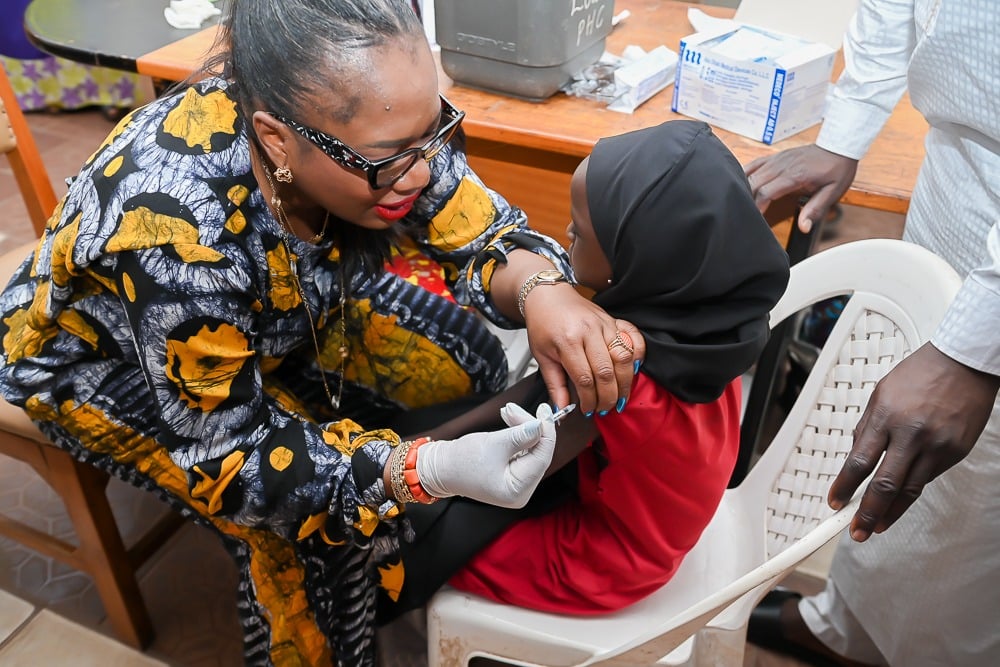
The National Primary Health Care Development Agency, in collaboration with state governments and development partners, has intensified efforts to vaccinate 106 million Nigerian children against vaccine-preventable diseases.
The nationwide initiative aims to raise awareness for the ongoing Integrated Measles-Rubella, Polio, and Human Papillomavirus vaccination campaign, which will run from October 2025 to February 2026.
This large-scale vaccination exercise reflects the agency’s commitment to ensuring that no child is left unprotected while strengthening partnerships between national and state health authorities to achieve improved health outcomes for children across the country.
On October 6, the First Lady, Senator Oluremi Tinubu, who flagged off the Measles–Rubella campaign, described the exercise as a bold step toward protecting the lives and future of children.
Speaking during a road walk and health show in Abuja, the Director of Disease Control and Immunisation at NPHCDA, Dr Garuba Rufai, described the exercise as part of a broad awareness campaign currently taking place across 11 states and the Federal Capital Territory.
“This is part of our awareness campaign for the measles-rubella integrated campaign that is currently ongoing in 11 states and the FCT.
“As we speak, in those 11 states and the FCT, children aged zero to 14 years are being vaccinated with the measles-rubella vaccine and the polio vaccine. The HPV vaccine is for girls aged nine to 14 years, alongside the routine immunisation vaccines,” Dr Rufai explained.
He added that the campaign is being implemented in collaboration with other health programmes, including malaria and Neglected Tropical Diseases (NTDs).
“We are also collaborating with the malaria programme, and we are providing what we call seasonal malaria prophylaxis in a couple of the states. We’re also working with the NTDs programme to manage some of the diseases in states where they are prevalent,” he noted.
According to Dr Rufai, several strategies have been deployed nationwide to ensure that the campaign reaches every eligible child.
“We have all of our social mobilisation efforts, including the use of public announcement vans. We have engaged with communities and different groups — teachers, parents, physicians, ministries such as education, religious bodies, and traditional leaders,” he said.
He disclosed that similar road walks are being replicated across participating states, supported by state governments, the wives of governors, and local government chairpersons.
Rufai revealed that while the first phase of the campaign covers 11 states and the FCT, the next phase will commence soon.
“We intend to vaccinate 106 million Nigerians by the end of February. We’re starting with 11 states and the FCT now. By October 18, we’ll move to the next stream of states, which will complete the first phase for this year. By January next year, we’ll continue with phase two, and also in February,” he explained.
He urged parents and caregivers to take advantage of the ongoing exercise.
“Nigerians should come out en masse and get their children vaccinated — not just for this campaign, but also by taking their children to health facilities for routine vaccines. The diseases are not waiting; they do not know any political party, religion, or tribe.
“When a child catches one of these diseases and develops complications, something as seemingly simple as measles can make a child go blind. Why would anyone wait for that to happen? Why would any woman allow herself to give birth to a child only to lose them before they reach their full potential?” he added.
The World Health Organisation (WHO) FCT Coordinator, Dr Kumshida Balami, emphasised that vaccines are both safe and effective, stressing the need to eliminate diseases that should no longer claim lives in the 21st century.
“We cannot be in this century and still have children coming down with measles or polio. We cannot still have women dying from cervical cancer simply caused by the human papillomavirus — a disease that can be prevented through vaccination,” she said.
She further urged parents and caregivers to ensure that all eligible children receive the necessary vaccines, noting that the goal is to safeguard lives and build trust in the nation’s health system.
Similarly, the Executive Director of the NPHCDA, Dr Muyi Aina, together with the Mandate Secretary of the Health Services and Environment Secretariat of the Federal Capital Territory Administration, Dr Adedolapo Fasawe, on Friday led a joint monitoring team to assess the progress of the ongoing vaccination campaign.
The monitoring team visited Primary Health Care Centres within and outside the FCT, including the Chikora North PHC in Kogi Local Government Area, Kogi State, and the New Township PHC in Abaji Area Council, Abuja.
A press statement released on Saturday and signed by Mrs Bola Ajao, Special Adviser to Dr Fasawe, noted that the team also visited surrounding communities, sensitising mothers and caregivers on the importance of immunisation and advising them to ensure their children are vaccinated and properly finger-marked as evidence of vaccination.
Dr Aina commended the dedication of frontline health workers and encouraged them to maintain accuracy and honesty in data reporting, stressing that verified data — whether targets are achieved or not — are crucial for effective planning and sustainable health sector improvement.
He explained that the monitoring visits were designed to evaluate coverage levels and workforce commitment, particularly in hard-to-reach areas, and to ensure credible, on-the-spot assessments of field operations.
Aina further assured health providers that the Federal Government is aware of their challenges and is taking steps to address them under the Renewed Hope Health Reform Agenda of the present administration, aimed at delivering equitable and efficient healthcare services across the nation.
“At the New Township PHC, Abaji, Dr Fasawe personally administered vaccines to infants and sensitised mothers on the importance of routine immunisation to prevent child-killer diseases and avoidable deaths. She urged parents to spread the message within their communities, noting that unvaccinated children remain at high risk of contracting measles (rubeola) and rubella (German measles) — viral infections that can lead to blindness, brain damage, hearing loss, congenital defects, and even death.
“Both health leaders commended the turnout and coverage recorded by the vaccination teams so far, urging them to remain proactive and adhere strictly to safety standards. During the visit, the delegation also attended to a 13-year-old patient at the Kogi PHC and recommended follow-up care to ensure effective service delivery,” the statement highlighted.
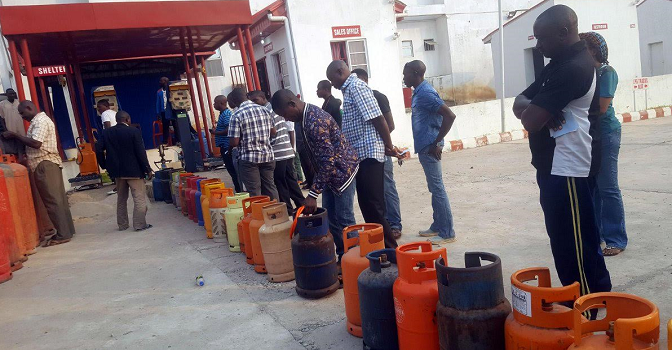
The Liquefied Petroleum Gas Retailers Association of Nigeria has said retailers should not be blamed for the current hike and scarcity of Liquefied Petroleum Gas, also known as cooking gas.
Mr Ayobami Olarinoye, Chairman of LPGAR under the Nigeria Union of Petroleum and Natural Gas Workers, said this in a statement released on Saturday in Lagos.
He said the rising cost and limited availability of LPG stem from supply challenges, not price manipulation by retailers.
“The recent scarcity and spike in LPG prices have brought untold hardship to millions of Nigerian households and businesses. We understand this pain and feel compelled to clarify the role of retailers in this crisis,” Olarinoye said.
The chairman was reacting to comments by the President of the Nigerian Association of Liquefied Petroleum Gas Marketers, who reportedly blamed retailers for the price surge.
Describing the allegation as “unfair and misleading,” Olarinoye explained that retailers neither operate at the depot level nor act as importers or primary off-takers.
“Our operations are limited to buying gas from plant owners and selling to end-users. Many of us travel to neighbouring states to purchase LPG at high costs due to supply shortages, which naturally affects retail prices,” he said.
According to him, although Dangote Refinery has not increased its gas price, supply irregularities have created a demand-supply imbalance that continues to drive up prices.
“Some retailers have had to shut their outlets for days or weeks because they couldn’t access supply, resulting in huge business losses and operational strain,” he said.
Olarinoye stressed that the price hike is driven purely by market forces.
“If plant owners increase prices, we have no choice but to adjust ours. We cannot be expected to sell at a loss,” he said.
He noted that while Dangote Refinery is a major market player, it currently lacks the capacity to meet Nigeria’s total LPG demand, which has risen from less than one million metric tonnes to over 2.3 million metric tonnes annually.
He said off-takers, who should complement Dangote’s supply by importing or sourcing from the Nigeria Liquefied Natural Gas (NLNG), have slowed operations due to uncompetitive pricing.
“Dangote sells a 20-metric-tonne truckload of LPG at about N15.8 to N16 million, while off-takers offer the same quantity at N18.5 to N18.6 million.
Naturally, buyers opt for the cheaper option, reducing importation and worsening scarcity,” he said.
He added that the recent PENGASSAN strike only aggravated an already fragile supply chain.
“Even after the strike was called off, supply has not stabilised. Some plant owners have paid for gas from Dangote but are yet to load due to long queues and limited availability,” he explained.
Olarinoye urged the government to bridge the price gap between Dangote and off-takers to ensure consistent supply and market stability.
“We don’t know the exact landing costs from NLNG, but if off-takers were making enough profit, they would price competitively. As it stands, they’re reluctant to restock,” he said.
He stressed that the ongoing crisis is rooted in systemic supply issues, not retailer manipulation, and called for collaboration among stakeholders.
“Blaming retailers will not solve anything. We urge the government and industry players to work together to boost domestic production, encourage competitive pricing, and stabilise supply nationwide,” he said.
Olarinoye assured customers that the union remains committed to restoring normalcy.
“We share the public’s frustration and are working toward solutions. Until then, supply and demand will continue to drive market prices,” he noted.
The recent spike in the price of cooking gas across Nigeria has been traced to temporary supply disruptions and rising distribution costs, according to the Nigerian Association of Liquefied Petroleum Gas Marketers.
PUNCH Online reports that the marketers said the scarcity and price hike were not due to hoarding or deliberate manipulation by retailers but stemmed from logistical challenges affecting product supply to depots nationwide. https://punchng.com/why-cooking-gas-prices-are-rising-marketers/
In several parts of the country, a kilogram of cooking gas now sells for between ₦1,800 and ₦2,000, compared to about ₦1,200 earlier in the year. The situation has deepened economic hardship for many households, forcing some Nigerians to revert to alternative cooking methods such as charcoal and firewood. https://punchng.com/when-cooking-becomes-luxury-gas-scarcity-deepens-hardship-as-citizens-return-to-charcoal-firewood
As the world marks the International Day of the Girl Child, a non-governmental organisation, the Gender Educators Initiative (GEI), has called on the Federal Government to prioritise the creation of safe spaces for girls living in conflict-affected and crisis-prone communities across Nigeria.
The Executive Director of GEI, Shafa’atu Suleiman, made the call on Friday during a sensitisation programme on menstrual hygiene for female students in private schools across Sokoto State, held in commemoration of the International Day of the Girl Child on October 11, 2025
Suleiman expressed concern that insecurity, displacement, and poverty have continued to expose young girls — particularly in northern Nigeria — to violence, abuse, and early marriage.
“Thousands of girls across northern Nigeria are growing up amid crises — from insurgency to banditry and forced displacement. “Many have lost access to education, healthcare, and the basic sense of safety every child deserves. It is therefore imperative that government, development partners, and community leaders act urgently to protect and empower them,” she said.
She explained that establishing safe spaces within internally displaced persons (IDP) camps and vulnerable communities would provide psychosocial support, ensure continuity of education, and offer mentorship for affected girls.
“When girls are safe, educated, and empowered, entire communities benefit. Investing in girls is investing in peace and progress,” Suleiman added.
The GEI boss also urged the Ministries of Women Affairs, Education, and Humanitarian Affairs to collaborate with civil society organisations to design gender-sensitive interventions tailored to the needs of girls in crisis zones.
As part of activities marking the day, GEI organised a menstrual hygiene awareness campaign to educate young girls on how to manage their health during their menstrual periods.
Speaking at Sahaba Academy in Sokoto, the school’s Principal, Mrs Ana, commended GEI for its efforts, while the Proprietor, Ahmed S. Fada, called on the government to give more attention to girls’ education and provide adequate facilities for their comfort and health in schools.
Also speaking, GEI’s Programme Officer, Linda Idoko, encouraged girls to take pride in their womanhood and prioritise their health.
“Being a woman is an amazing thing. Our organisation uses this opportunity to educate the girl child on the importance of menstrual hygiene and how to choose safe products to stay healthy and protected,” she said.
This year’s International Day of the Girl Child, themed “The Girl That I Am, The Change I Lead,” underscores the importance of empowering girls to lead change within their communities.
Reaffirming GEI’s commitment to advancing gender equality, Suleiman stressed that no girl should be left behind due to where she was born or the crises surrounding her.