Following the recent announcement of its financial results for the half-year ended June 30 2020, the Group Managing Director of Access Bank PLC, Herbert Wigwe has assured all stakeholders of the Bank’s commitment to offering greater share value.
“Leveraging investments in digital banking post-merger, we have seen a growth in our retail banking business, as evidenced by the growth in customer sign-on, transaction volume and value, and increased adoption of our digital channels. While the other half of 2020 will remain challenging, digital banking has become more essential than ever in the pursuit of sustainable earnings.
“We are confident that our purposeful strategy, diversified model, and investment in digital solutions will ensure that we remain resilient and continue to support our stakeholders to recover and thrive. I want to thank our employees for their commitment and exceptional work in these uncertain times,” Wigwe said.
The Group recorded gross earnings of ₦396.8bn (+22% y/y), on the back of a 191% y/y growth in non-interest income to ₦150bn, buttressing the efficacy of its strategy and capacity to generate sustainable revenue.
Access Bank also continued to grow its trading and transaction banking income through the optimisation of its channels and electronic banking business, notwithstanding the reduction in transaction charges. Despite the high cost of operation and an increase in its net impairment charge, Profit Before Tax stood at ₦74.3bn.
Despite the shortfalls due to the COVID-19 pandemic, Access Bank maintained a robust capital position, underpinned by resilient and well-diversified business operations. The Bank’s capital and liquidity positions were well above regulatory levels with a Capital Adequacy Ratio of 20.0% and a liquidity ratio of 44.7%.
In the first half of 2020, Access Bank took several actions to proactively identify and resolve loan performance concerns. This was done in line with its long-term approach to risk management and maintaining resilience and sustainability in its balance sheet. The resultant effect of this approach was its NPL ratio of 4.4%, backed with write-offs.
The lender has gone further to announce that investors will get 25 kobo per share as an interim dividend to be paid on Monday, September 28, 2020. According to the Bank, payments will only be made to those whose names appear on the register of members at the close of business on Thursday, September 17, 2020, and have completed the e-dividend registration per directives given to United Securities Limited.
First Bank of Nigeria Limited, Nigeria’s leading financial inclusion services provider, has graduated 12 successful candidates in the third edition of its Senior Management Development Programme (SMDP). The graduation ceremony held virtually, via the Zoom video conferencing platform on Wednesday, 2 September, 2020.
The Senior Management Development Programme (SMDP) is FirstBank’s intensive modular programme for a select group of senior managers to principal managers who are proven leaders in their respective functions and have been identified as central to the Bank’s succession plan.
Prior to the 2020 programme, 40 exemplary staff had successfully participated in the SMDP. 23 staff graduated in the inaugural edition that held in 2017 and the 2018 programme had 17 graduands.
According to Dr. Adesola Adeduntan, CEO, First Bank of Nigeria Limited; “I am delighted with the performance of the third set of the Senior Management Development Program (SMDP) graduands. The set’s performance and response to the various trainings and initiatives have been very impressive and exemplary. The set has demonstrated the gold standard of value and excellence in banking services which FirstBank stands for. The SMDP has been an insightful and impactful journey for the Bank and the participants.”
“I encourage each graduand to maximise the experience and knowledge garnered from the program as they build on their individual and collective contribution to the Bank’s continued growth as well as its efforts in enabling and impacting Nigeria, and the Africa continent at large,” he concluded.
One of Africa’s leading financial institution, Access Bank Plc has announced the appointment of Mr. Hassan M.T Usman as its Independent Non-Executive Director, following the approval of Central Bank of Nigeria.
For those who don’t know, before Usman’s new appointment, he was the Managing Director/Chief Executive Officer of Aso Savings and Loans Plc and an Executive Director at Abuja Investment and Property Development Company Limited.
However, Mr. Usman is the Founder/Chief Executive Officer of New Frontier Development Limited, an investment company focused on financial advisory, hospitality, real estate and proprietary investments in startups and challenged companies in the SME space.
He is also the Founder/Chairman of the Board of Trustees of the Al-Qalam (Pen) Foundation, a Non-for-Profit Organization that provides educational opportunities to disadvantaged children.
He was at various times the Deputy Director and Head of Petrochemicals and Gas Unit, Transport Sector Reform Team as well as the Deputy Director Telecoms Reform Lead and Head NITEL Privatization at the Bureau of Public Enterprises. He had also worked with the Central Bank of Nigeria, Arthur Andersen and CitiBank Nigeria.
Usman holds a Bachelor of Arts Degree in Economics from the University of Sussex and a Master of Philosophy in Development Economics from the University of Cambridge.
He is a Fellow of the Institute of Chartered Accountants in England and Wales. He is also an Eisenhower Fellow and Archbishop Desmond Tutu Fellow of the African Leadership Institute.
Over the years, Usman had served as a member of the Board of Directors of the Nigeria Sovereign Investment Authority, Nigeria Mortgage Refinance Company and Council of the Nigerian Stock Exchange.
Commenting on the appointment of Mr. Hassan M.T Usman, Access Bank Chairman, Ajoritsedere Awosika, said; “We are delighted to be joined by Mr Hassan M.T. Usman, a leader with a rich blend of academic, entrepreneurial and public sector experience which are all relevant to the needs of our Board.”
“As we embark on the next phase of our enterprise transformation, we continue to strengthen the diversity of our board, we are strongly convinced that he will no doubt add significant value to our quest to become Africa’s Gateway to the World.”
Stakeholders in the Nigerian Education sector have advocated more private sector investment, tax concession, import duty waivers for educational equipment and special intervention funds to revamp the sector in the face of the negative impact of the COVID-19 pandemic. The stakeholders comprising public and private sector participants who spoke during the Ecobank Digital Series titled “Education in Nigeria – The role of private investment” noted that education is a critical sector that contributes to human capital development and sustainable future for the country and must therefore not be overlooked. They called on the private sector to invest more in education in the form of corporate social responsibility (CSR), scholarships, provision of palliatives, support to reconstruction and rehabilitations of schools across the country.
Key participants at the event included the Honourable Minister of Education, Mallam Adamu Adamu, represented by the Assistant Director & Head, PPP/NGOs, Elizabeth Afape; The Honourable commissioner of Education, Lagos State, Mrs. Folasade Adefisayo; The Honourable commissioner of Education, Katsina State, Prof. Badamasi Lawal Charanchi; The Deputy Executive Secretary, National Universities Commission (NUC), Dr. Suleiman Ramon-Yusuf; Director General, Lagos Chamber of Commerce and Industry (LCCI), Dr. Muda Yusuf and Keynote speaker and Pro-Chancellor Achievers University, Dr. Olabode Ayorinde, and also the National President, Association for Formidable Educational Development (AFED), Mr. Orji Kanu Emmanuel amongst others.
In his presentation, Professor Olabode Ayorinde, stressed the need for government at all levels to place high priority on the education sector when providing intervention funds, urging commercial banks to also lend more to this sector at low interest rate. According to him, “The private sector has played a significant role in education development. However, funding has been a major issue. A critical analysis shows inadequate infrastructure, lack of equipment and teaching aids, high teacher to student ratio, all of which requires a loan facility to solve. Regrettably, we see the government and its agencies providing intervention funds to the aviation sector, agriculture, creative sector without considering the education sector.”
On his part, Dr. Suleiman Ramon-Yusuf, of the NUC, attributed the poor state of the nation’s economy to the inability of the private sector in making the right impact on the education sector, noting that endowments, scholarships and bursaries would create access for schools to admit more students. He disclosed that the NUC will continue to provide an enabling environment for education and learning to thrive in the country, urging the private sector to invest more in human capital development, while limiting undue interference from the investors.
Also on the Ecobank Digital series platform, Dr. Muda Yusuf of the LCCI, called for government’s intervention in the education sector, especially at the foundation level, maintaining that it was not easy to sustain the education sector with loans from the commercial banks because of high interest rates. He canvassed for tax concession for private investments in education, adding that “Licensing for private universities should be made easy to enable inclusiveness and a model that will include scholarships and bursary should be enacted.”
In her contribution, Mrs. Folashade Adefisayo, Commissioner for Education, Lagos State, said there are more private schools in the state than public schools and most of them may not survive the grueling effects of the Covid-19 pandemic. According to her, “Land and access is the main hinderance to building of more schools in Lagos State. Currently, the government is working on synergy between the public and private sectors, reviewing and optimizing the school curriculum, improving the quality of primary education, investing in teaching aids for schools and much more.” Towing the same line Prof. Badamasi Lawal, Commissioner for Education, Katsina State, posited that “Initiatives for teachers development, public and private sector partnership, better and favorable legislation, corporate social responsibility like scholarship, bursary and tax concession would go a long way in providing the enabling environment for education sector to thrive in the country.
Segment Head, Public Sector, Ecobank Nigeria, Mrs. Annabel Ikuenobe, stated the readiness of the bank to keep supporting the growth of the education sector in the country. She enumerated the bank’s several products and initiatives available for Ecobank customers. According to her, one of our products to serve the education sector is the “Ecobank School Bundle. The bundle comprises of a current account, which runs at a zero maintenance fee. We also have in place digital banking services, which include PoS, corporate card and Omnilite for easy disbursement of funds; E-billspay, to support collections and administration of the school portal, which promotes remote learning for students, receipt generation and the school’s communication management. Loans are also available for Ecobank customers.”
Welcoming guests earlier to the Ecobank Digital Series, Carol Oyedeji, Executive Director, Commercial Bank noted that private sector participation in the education sector cannot be overemphasized. She stated that education ensures a brighter future for our generation. She enjoined all stakeholders to proffer ways forward for the sector. She noted that the Ecobank Digital Series is a virtual programme organized by Ecobank to educate and enlighten the public on crucial issues of public interest, especially as it relates to their financial freedom.
Covid-19 brought a huge challenge to education and literacy, First Bank of Nigeria Limited responded with a Rosetta stone of innovative e-learning initiatives that have far-reaching effects
Since 1967 that the United Nations Educational, Scientific and Cultural Organization (UNESCO) have been celebrating International Literacy Day to promote the importance of literacy and education, every September 8 had witnessed book gifting, book reading and related activities are undertaken by the UN body and its coalition of partners.
But this year is a departure as such enshrined activities are suspended and replaced with virtual meetings, a gesture that reflects the sign of the precarious situation of the world is as it is grappling with the devastating coronavirus pandemic.
Education has been in a state of limbo since schools––primary, secondary and tertiary institutions––and research institutes across the world were abruptly shut down as countries enforced lockdown to contain the ravages of the novel Covid-19. The disruption, a setback for education globally, inevitably fostered a lull in the effort to enhance literacy. And in the meantime, the world shifted to an alternative learning method which, by and large, is narrowed down to digital learning.
These challenges provided the backdrop for the theme of this year’s International Literacy Day: “Literacy Teaching and Learning in the COVID-19 Crisis and Beyond,” which threw open discourse on how innovative and effective education and teaching methodologies are to be adopted or adapted in youth and adult literacy programmes during the period of the pandemic and beyond. In line with this thematic direction, countries are reviewing how they have fared in the new normal, and evaluation of various initiatives by individuals, corporate bodies and governments are being undertaken to ascertain how they align with the reality and what gaps needed to be filled.
For Nigeria, the stake is higher. Burdened with a high rate of illiteracy, inadequate digital infrastructure and an economy in dire straits, Nigeria has on its hand a challenging learning situation in the of the new order. The possibility of the country being further left behind in the race to literacy was writ large, an uncomfortable fact that raised several legitimate concerns bordering on how to ensure that students have access to learning resources, how they can be fully engaged to make them competitive internationally with their peers and how such engagement can help close the gap created by the closure of all educational institutions nationwide. While a cocktail of initiatives surfaced in the past few months to address these concerns and challenges, there was none as suitable, comprehensive and far-reaching as the e-learning initiatives of the First Bank of Nigeria Limited.
The initiative which could as well be nicknamed “Operation Moving One Million Nigerian Students To e-Learning” is a tripartite effort between the bank, Lagos State government and Roducate, an innovative technology firm that is providing educational solutions that enable primary, secondary and university students to continue to study the government-accredited curriculum of various subjects and disciplines in the convenience of their home.
Out of the mushroom of e-learning platforms in the aftermath of the lockdown, the First Bank initiative came with a big difference: the Roducate e-learning platform is available for free at www.firstbanknigeria.com/e-learning.
Secondly, the content is boosted with value-added features such as tutorial videos, assignments, mock exam, note-taking, podcast and online games that further promote interactive learning and deepen digital skills of the learner.
Thirdly, the initiative is further reinforced with the provision of free 20, 000 units of e-learning devices for pupils, which FirstBank presented to the Lagos State government on June 11. This helped to break the barriers of data cost and device affordability as the low-end smartphones are preloaded with offline content for children who may not have access to devices or data. By all means, this initiative has been an outstanding effort and a boon to digital learning in the country.
The inevitability of the adoption of e-learning technology goes hand-in-hand with the imperative of imparting skills in emerging digital technologies. In this regard, FirstBank went an extra mile with the rollout of complementary initiatives that justifiably empowered youths with the required capability.
The Bank’s partnership with IBM, for instance, brought the benefit of the global tech company’s Digital-Nation Africa programme to youths in tertiary institutions. The online youth-focused learning programme enables innovation and skills development on emerging technologies in key areas such as Artificial Intelligence, coding, cloud, internet of things, blockchain, Data Science and analytics, and cybersecurity. A second partnership with Curious Learning, a non-profit organisation renown for providing learning apps for kids, afforded pupils in the age range of three to eight years old the use of fun, self-guided learning apps to help them with their cognitive skills at a fundamental level.
The significance of the FirstBank e-learning initiatives cannot be overemphasized. As schools are gearing up to resume soon, there are over 10,000 sign-ups on the Roducate e-learning platform. It is expected that the students have had a grasp of the nitty-gritty of e-learning which, going forward, is expected to be integrated into the country’s educational system.
For FirstBank, a member of UNESCO’s Global Education Coalition, the initiatives are an attestation to its longstanding tradition of supporting education in various ways, a commitment succinctly echoed by its Chief Executive Officer, Dr Adesola Adeduntan: “The e-learning initiative aligns with our Corporate Responsibility and sustainability initiatives and falls under one of our key strategic pillars, thus Education through Support to our Communities.” Indeed, the Bank has a portfolio of projects in support of education, including infrastructure projects in 10 universities and three secondary schools, support for professorial chairs in 10 universities and teaching of financial literacy and entrepreneurial and career counselling to over 80,000 students in over 80 secondary schools in the country via its FutureFirst programme.
The e-learning initiatives further reinforced FirstBank’s status as an important stakeholder, leader and innovator in the country’s education space, a fact amplified by the Lagos State governor, Babajide Sanwo-Olu, who, having noted that the “intervention by FirstBank could not have come at a better time,” went on to declared his delight that the state government “have found a real development partner in FirstBank.”
· Profits up by 22% as Gross Earnings hit N105.8bn.
Despite the economic challenges occasioned by the COVID-19 pandemic, Fidelity Bank has sustained the financial performance trajectory of recent years, with another set of impressive financial results. Details of the Audited Half Year results ending June 30, 2020 for the top Nigerian lender, released on the Nigerian Stock Exchange (NSE) on Thursday September 3, 2020, show strong growth in profits and other indices.
The bank recorded a surge in Profit Before Tax of N12.0bn from N9.8bn in 2019, which translated to a 22% growth. Net profits for Fidelity Bank grew by 33% from N8.5bn to N11.3bn in the reporting period. In other indices Total Assets rose by 13.7% from N2.1trillion in 2019 to N2.4trillion this year whilst Total Deposits rose by 14.8% from N1.2trillion to N1.4trillion during the same period.
Commenting on the results, Fidelity Bank CEO, Nnamdi Okonkwo said the performance for the period, reflects the resilience of the bank’s business model. “Due to the global and domestic headwinds witnessed in H1 2020, we proactively increased our cost of risk as the impact of the pandemic slowed down economic activities whilst adapting our business model to the new risks and opportunities of the new normal” he stated.
According to him, Fidelity Bank, re-stated its H1 2019 figures from N15.1bn to N9.8bn to reflect the impact of IFRIC 21- Levies, which was adopted for the first time on the H1 2020 financials. “The key impact of IFRIC 21 was that our 2020FY AMCON Cost was recognized 100% in our H1 2020 Accounts rather than been amortized over 12 months as was done previously on our financials” said the Fidelity CEO”. He further revealed that, without implementing IFRIC 21, profit for the period would have been N17.9bn compared to the N15.1bn reported in H1 2019.
Fidelity Bank has been implementing a digital-led retail strategy and digital banking gained further traction during the period with 87.3% of the bank’s customers now transacting on digital platforms. The figures are up from 82.0% in 2019FY while 51.2% of the bank’s customers are now enrolled on the bank’s mobile/internet banking products.
“Though digital banking income dropped by 29.1% due to the downward fee revisions for electronic transactions in line with the new bankers’ tariff, we have continued to receive positive reviews on our digital channels. IVY, the bank’s chat box is rated as the clear leader, among virtual assistants in the industry, just as our flagship instant banking product (*770#) was also rated in the top tier category in the recently released 2020 KPMG Digital Channels Scorecard” he explained.
Retail Banking in Fidelity Bank has continued to also deliver impressive results. Savings Deposits in H1 2020 increased by 32.2% to N363.9bn with the bank on course to achieving the 7th consecutive year of double-digit growth in savings. Savings Deposits accounted for 49.1% of the total growth in customer deposits and now represents 25.9% of total deposits compared to 22.5% in 2019FY.
In reflection of the bank’s early conservative assessment of the sectors that were affected by the COVID-19 pandemic, the bank’s Non-Performing Loans (NPL) ratio increased to 4.8% from 3.3% in 2019FY. Regulatory Ratios however remained above the required thresholds with Capital Adequacy Ratio increasing to 18.8% from 18.3% due to the capitalization of H1 2020 Audited Profits while Liquidity Ratio stood at 32.1%.
Buoyed by the H1 performance, the bank is optimistic about the remaining part of the year. “We believe the new phase of normalcy will unveil some growth opportunities. We will continue to monitor and pro-actively manage any evolving risks as the Nigerian economy gradually reopens and economic activities pick-up in key sectors” Okonkwo stated.
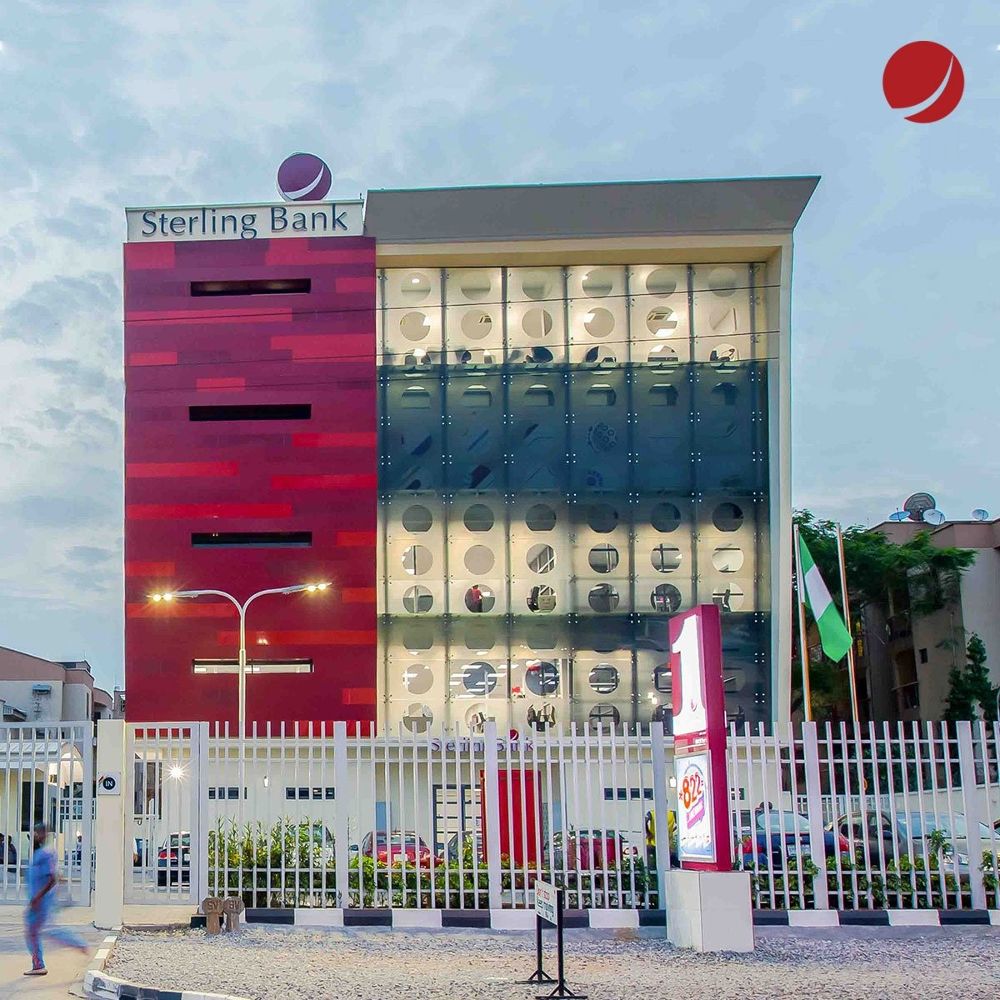
Two farmers, Umar Abubakar and Muhammad Sani-Abdul, have revealed how staff of Sterling Bank in Bauchi State fraudulently opened unauthorised accounts using their names and Bank Verification Numbers to apply for loans.
The farmers, in a petition seen by SaharaReporters, told the Consumer Protection Council that they started receiving messages in December 2017 suggesting opening of accounts with the bank without taking such step.
They said they were shocked to learn that the accounts opened on their behalf owed the Nigeria Incentive-based Risk Sharing System for Agricultural Lending N1,291,888.00 per person.
“That we opened accounts with Stanbic IBTC Bank as part of a plan to engage in wheat farming. We are pleased to attach our Bank Verification Number. That, doing so was an attempt to partially meet the conditions for getting access to loan facility to achieve the said goal under the platform of Evergreen Cooperative Society, which was said to have partnered with a certain Madaki Agro Firm.
“That, contrary to (a) above, we started receiving alarms in December 2017, suggesting opening account with Sterling bank, a deal we were unaware of. That going by frequent cyber shady deal, we dismissed the matter (stated C above) as trivial. Because to the best of our knowledge and belief, we neither opened account nor did we authorise anybody or any organisation to do so on our behalf.
“That, in the preceding months, there were transactions in the said accounts amounting to millions of naira concerning loan facility we did not apply for. Moreover, the account was said to have been controlled by a third party. We neither know nor delegated to do so on our behalf.
“That we were extremely shocked to learn that the accounts that were purported to have been opened for us owed NIRSAL worth N1,291,888.00 per person. We have thus been exposed to danger, we strongly suspect shady deal between the two banks and possibly other parties.
“We understand this is a gross violation of our fundamental and inalienable rights as provided in 1948 universal declaration of human rights, International Convention on Economic, Social and Cultural Rights (1966), Nigerian constitution (1999), Bank and other Institution Act (BOFIA), Central Bank of Nigeria Act 2007, Human and People’s Right and other enabling laws,” the petition reads.
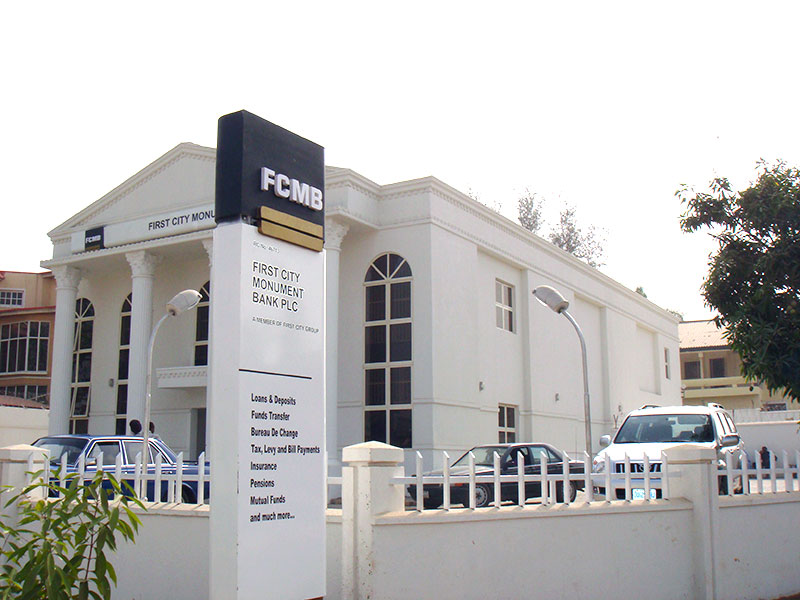
The General Overseer, Divine Hand of God Prophetic Ministry, Prophet Emmanuel Omale, has sued First City Monument Bank Plc for N5bn.
Omale, who claims to be the spiritual guide of the suspended acting Chairman of the Economic and Financial Crimes Commission, Ibrahim Magu, said FCMB falsely reported to the Nigerian Financial Intelligence Unit that N570m was paid into his church account, thereby, leading to accusations that the money was used in purchasing a house in Dubai for Magu.
The suit marked FCT/HC/CV/2020, was instituted by Omale; his wife, Deborah Omale; and the church, the Incorporated Trustees of the Divine Hand of God Prophetic Ministry.
The claimant stated that in 2016, the FCMB falsely reported to the NFIU that N570m was paid into the church’s bank account marked 1486743019 which caused security agents to put the account under surveillance for four years.
The statement of claim read in part, “Sometime on or about the 6th day of July 2020 the former acting Chairman of the EFCC, Mr. Ibrahim Magu, was arrested and summoned to the Presidential Villa, Abuja, to appear before the Presidential Investigation Committee on the Alleged Mismanagement of the EFCC, Federal Government Recovered Assets and Finances From May 2015 to May 2020.
“That one of the key allegations levelled at the Presidential Investigation Committee against Mr. Ibrahim Magu, was that the 2nd Claimant (Prophet Omale) fraudulently and corruptly purchased a real estate property for Mr. Ibrahim Magu in Dubai, the United Arab Emirates with the said sum of N573, 228, 04 allegedly credited as an inflow into the 1st Claimant’s (church’s) Corporate Current Account No: 1486743019 in the year 2016.”
The claimant stated that due to the investigation and negative media reports, they were exposed to public hatred and contempt and injured in their religious calling.
The cleric said he and his wife were summoned to appear on August 10, 2020, before a Presidential Investigation Committee at the Presidential Villa, Abuja.
Omale and his wife, accompanied by their lead Senior Counsel, Gordy Uche (SAN), and a team of four senior lawyers appeared before the panel on August 10, 11, and 12 and were grilled for hours on their alleged roles in respect of the sum of N573m used in fraudulently and corruptly purchasing a real estate property for Magu in Dubai.
The cleric said they paid Uche (SAN) & Co., the sum of N15m to appear and represent them for three days before the said Presidential Investigation Committee and attached a copy of the receipt to the statement of claim.
He said they all denied the allegations of fraud, adding that he never bought any property for Magu when grilled by the panel.
Omale said the Salami panel in the course of its hearing also invited the Managing Director/Chief Executive Officer of FCMB, Adam Nuru, who appeared before the committee and testified.
“That Mr. Adam Nuru in his testimony informed the Presidential Investigation Committee that the said N573M was credited to the bank account of the 1st claimant (church) in error and that the error was not discovered by the defendant for over four years,” the cleric said.
Omale said they paid the law firm of Gordy Uche (SAN) & Co., the sum of N75m to institute the suit against FCMB and attached a copy of the receipt for the said professional fees to the statement of claim. He said in all, he had lost N180.5m due to payment of legal fees and personal losses.
Omale, therefore, sought a declaration of the court that the FCMB negligently breached the fiduciary duty of care it owes the claimants by its false automated report to the NFIU of a suspicious credit inflow of N573m into the church account.
The statement of claim further read, “The sum of N5,000,000, 000.00 (Five Billion Naira) being exemplary, aggravated, special and general damages against the defendant for the negligent breach of its fiduciary duty of care to the claimants by its false automated report to the NFIU of a suspicious credit inflow of N573, 228, 040. 41 into the 1st claimant’s corporate current account number1486743019 with the defendant, which has occasioned grave damages to the claimants.” (The PUNCH)
Ecobank Nigeria, a member of the pan African banking Group has concluded plans to host its first Regional Trade Conference. The virtual forum with the theme “Facilitating Regional Trade in the emerging AFCFTA era” is slated for the 22nd of September. The conference, which will feature presentations and panel discussions by highly experienced subject matter experts and thought leaders in relevant industries, will provide an opportunity for exporters and importers within Africa to engage, creating a marketplace experience.
The Ecobank Nigeria ‘Africa Trade Conference 2020’ earlier slated for March was postponed due to the lockdown restrictions following the outbreak of the COVID-19 pandemic. Announcing the new date and movement of the conference to an online platform in line with current realities, Sunday Abah, Head, Trade Finance, Ecobank Nigeria stated that due to its unrivalled footprint across Africa, Ecobank is uniquely positioned to facilitate cross border trade within the region leveraging its comprehensive trade solutions and various payment methods available across its network within Africa. According to him, “Ecobank’s unique intra-Africa trade solutions enable settlements of international transactions and mitigation of payment risk while providing regional solutions such as issuance of payment guarantees to exporters without the need for a letter of credit and its related costs to the importer. Ecobank works closely with clients in structuring transactions, settlements, financing and risk mitigation” he noted.
Further, he said “Our trade products and solutions are designed around two broad areas; trade finance and trade services. Trade Finance enables our customers benefit from adequate and well mitigated credit facilitation in the area of Import finance, export finance, bill discounting, trade loans, distributor finance, payables and receivables finance, structured trade and commodity finance amongst others while our trade services, offer our customers the advantage of speedy turn around and error free processing of their import letter of credits, import collections, avalised bills, Customs bonds, export collections as well as their local purchase orders and payment invoices, via our electronic trade platforms OMNI e-Trade and OMNI eFSC (electronic financial supply chain).
The Ecobank Regional Trade Conference, which will be moderated by Mr. Tedd George, the Founder and Chief Narrative Officer of Kleos Advisory, UK is privileged to have as its Special Guest of Honour, Mr. Segun Awolowo, Executive Director/ Chief Executive, Nigeria Export Promotion Council. Notable speakers and facilitators across the globe are also expected at the event.
Managing Director, Ecobank Nigeria, Patrick Akinwuntan has pledged the bank’s support for small businesses operating in the country, stressing that the micro, small and medium enterprises (MSMEs) sub sector remains the most affected by the COVID-19 pandemic and needs support in the revamping of the nation’s economy. Akinwuntan who was speaking at the virtual launch of the first Pan-African MSME Academy in Lagos on Thursday, maintained that MSMEs are the drivers of post COVID-19 economic recovery for Nigeria, noting that the sub sector should take advantage of technology, financial services, and support from the government to drive the survival and growth of their businesses.
Further, Mr Akinwuntan said the MSME Academy is an initiative of the African Union Development Agency – AUDA-NEPAD in partnership with the Ecobank Group. The Academy provides easy access to practical training and resources on financing opportunities in various countries, how to build a digital presence for businesses and how to adapt business operations in the era of the COVID-19 pandemic. In his words, “ as an MSME friendly bank, we have been helping them with capacity building; providing simple and easy access to loans in various sectors including agriculture, creative industry, healthcare and commerce amongst others; access to markets via our e-commerce solutions and simple but robust digital platforms for collections and payments. We have also provided a channel to enable MSMEs open various accounts via self-service on our webpage. I encourage all MSMEs in the country to avail themselves of this opportunity to grow their business. ”
Also speaking Amine Idriss Adoum, Director, Programme Delivery & Coordination, AUDA-NEPAD explained that the MSME Academy aims to build the capacities of MSMEs across Africa through a combination of relevant content library, a network of institutions specialized in MSME support such as incubators and accelerators, and a community of peers, mentors, and advisors. He noted that the key objectives of the academy is to radically expand access to finance by aggregating smaller financial institutions such as micro-credit institutions and credit unions that have access to micro-enterprises, standardising their processes, and building trust in their capabilities. “The MSME Digital Platform is a one-stop-shop for all MSMEs across Africa to access all these three programmes which jointly address MSMEs’ challenges with access to capacity building, markets, and capital”. He explained.
In his presentation titled: “How MSMEs can access funding – opportunities from financial Institutions/banking sector”, Managing Director, Development Bank of Nigeria (DBN), Tony Okpanachi, said to be bankable, the MSMEs should have accurate financial statement, collaterals, good credit history, viable business model and sound corporate governance, listing the sources of funding to include equity, grants and credit. He emphasized that, “the AUDA- NEPAD and Ecobank partnership must be lauded as the entrepreneurial potential and critical role of MSMEs in economic growth and development in Nigeria is clear. We will continue to collaborate with other financial institutions to assist them with all necessary support to play their role to the economy.”
For the Director, Development Finance, Central Bank of Nigeria (CBN), Yusuf Philip Yila, he said the apex bank had put in place several funding support initiatives to enable the sub-sector survive the COVID-19 pandemic and beyond. According to him, “For this important sub sector to survive the current COVID-19 pandemic and beyond, CBN and the bankers committee have put in place various stimulus packages to support MSMEs in the country. He noted that the CBN’s N50 billion Target Credit Facility (TCF) has been increased to N100 billion with the interest rate slashed to 5% from 9% to keep them in business”. He encouraged MSMEs in the country to take advantage of the CBN’s various funding windows to meet the demands of their businesses as government is striving to revamp the economy as soon as possible through their efforts.
The first Panafrican MSME Academy is open to Medium, Small and Micro Enterprises in Nigeria and across Africa . The programme provides support to African MSMEs and is structured in three pillars, namely: the MSME Academy, MSME Marketplace, and MSME Financing Support Programme to be delivered through an MSME Digital Platform. The Academy provides easy access to practical training and resources on financing opportunities in various countries in Africa, how to build a digital presence for businesses and how to adapt business operations in the era of the COVID-19 pandemic. It also offers free access to market intelligence, mentors with a diverse experience and assisting with access to funding opportunities.