September 11, 2020 will mark an auspicious day for Dr. Adesola Adeduntan, as he will be honored alongside prominent African business leaders such as: CEO of Ocean Marine Security Ltd, Idahosa Wells Okunbo; and founder and executive chairman of Online Integrated Solutions Ltd, Mahmood Ahmadu, for the Forbes Best of Africa awards.
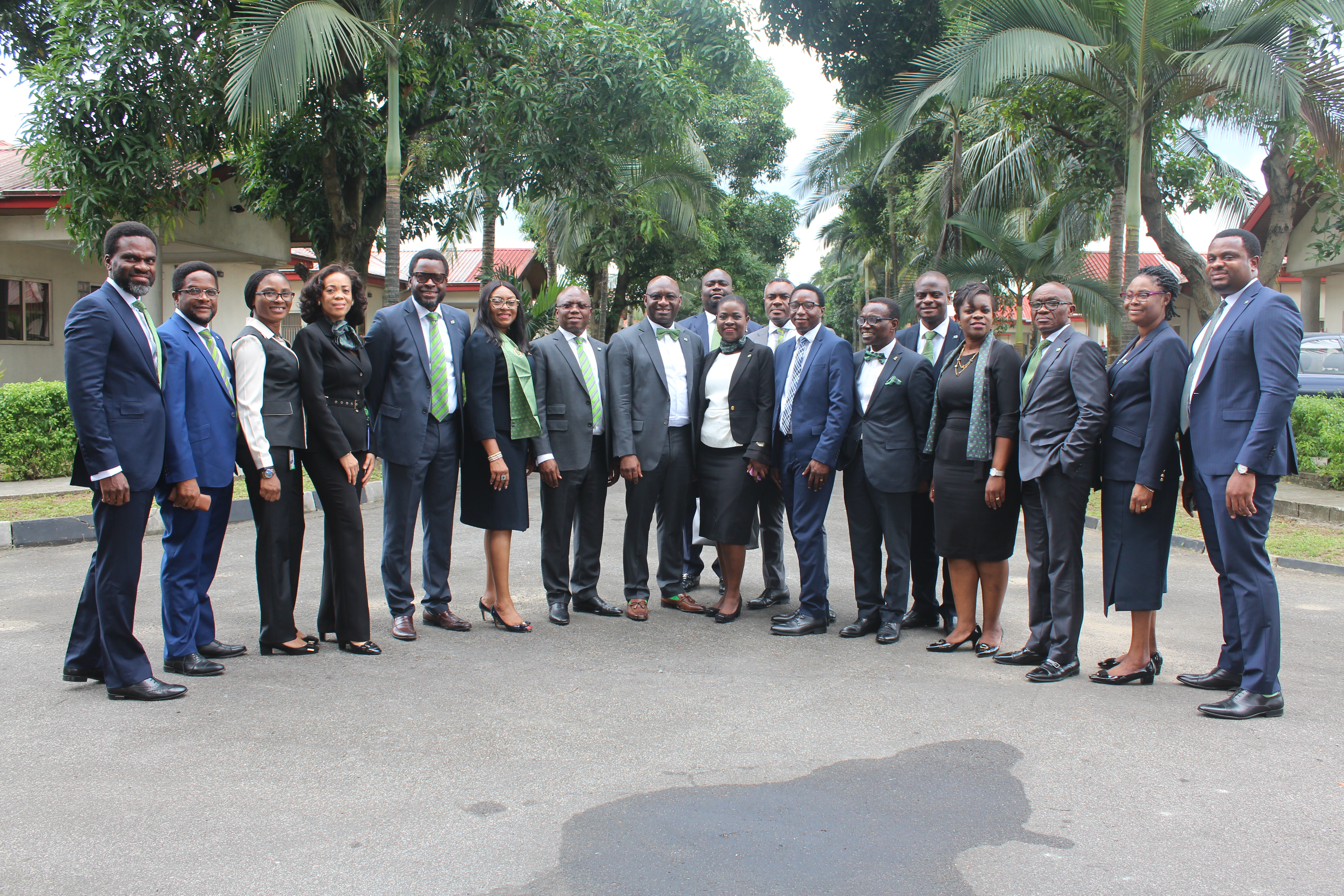
Dr. Adesola Kazeem Adeduntan is the managing director/chief executive officer of First Bank of Nigeria Limited, a visionary leader and an achiever to be reckoned with in the financial services sector, who earlier in the year bagged the much-coveted and celebrated Cranfield University School of Management Distinguished Alumnus of the year Award.
A veteran in the banking world and a veterinary doctor by training, Adeduntan believes strongly in the importance of doing well by doing good. In March 2020, he spoke at the Edinburgh School of Business about financial institutions’ role as drivers of financial inclusion. In his leadership role at First Bank of Nigeria Limited (FirstBank), Adeduntan is part of a 126-year legacy of sustained development-oriented services.
Also, in a recent media intelligence report presented by P+ Measurement Services, Adesola Adeduntan topped the list of most prominent and reputable Nigerian banking CEOs in Q2 2020.
The virtual event which will be held in conjunction with Foreign Investment Network (FIN) will be an online roundtable discussion to be supported by the World Philanthropy Network will feature former Nigerian President, Olusegun Obasanjo, presenting a keynote address.
L-R: Head of Operation, Slum2School Innovation Hub, Dr. Ruth Ebe; MD/CEO, Prudential Zenith Life Insurance, Mr. Chuks Igumbor; Executive Director/Founder, Slum2School Innovation Hub, Mr. Otto Orondaam and Chief Commercial Officer, Prudential Zenith Life Insurance, Mrs. Isioma Olowu during the cheque presentation of $100,000USD donation to support Slum2School efforts at bridging the education gap amongst the less privileged students during this COVID-19 pandemic.
Prudential Zenith Life Insurance has donated the sum of One Hundred Thousand United States Dollars (US$100,000) to Slum2School Africa to help combat the impact of the COVID-19 pandemic on education in disadvantaged communities in Nigeria. The donation was made through a Corporate Social Responsibility (CSR) Fund from the Prudence Foundation, the community investment arm of Prudential Plc in Asia and Africa.
Slum2School Africa is a leading volunteer-driven developmental organisation, transforming society by empowering underprivileged children in slums and remote communities with quality education, entrepreneurial skills and psychosocial support to enable them to realise their full potential and become social reformers.
Speaking during the presentation of the cheque, the Managing Director/CEO, Prudential Zenith Life Insurance Limited, Mr. Chuks Igumbor said that: “Our contribution to Slum2School’s activities demonstrates our corporate social responsibility action plan which is targeted towards communities most in need of the support we provide.” He noted further that “the Coronavirus pandemic has impacted all aspects of our lives including the education sector, with a steep widening of education inequality as children and youths from underprivileged communities are unable to access the learning materials that students from affluent backgrounds are able to access. The strategic partnership between Prudential Zenith Life and Slum2School, therefore, aims to bridge this gap and engage learners from Nursery to Senior Secondary School across twenty slums and communities in Lagos State.”
The $100,000 donation will be used to procure 300 tablets with internet connections, 34 laptops for Slum2School facilitators, 34 whiteboards, markers and board eraser sets, state-of-the-art learning studio for 50-90 pupils per session, stationery for students, as well as learning programs and software. In addition to the cash donation, relief foodstuff was also provided to less privileged families within the identified communities to assist in these trying times.
Prudential Zenith Life Insurance Limited is part of Prudential Plc, one of the oldest and most strongly capitalised life insurance companies in the world. It provides a range of insurance and investment-linked savings products designed to suit corporate and individual customers’ budgets. Prudential Zenith Life seeks to remove uncertainty from life’s big events, providing customers with the freedom to confront the future with greater confidence. It is equally committed to meeting the long-term savings and protection needs of families and businesses in Nigeria. Whether someone is starting a family, saving for a child’s education or planning for old age, Prudential Zenith Life provides customers with financial peace of mind.
World Business Angels Investment Forum (WBAF), recently revealed key-findings of a global survey that included business owners from more than 81 countries and across multiple industries, stating the fact that the after effect of COVID-19 pandemic has put world is on the verge of a great disruption.
WBAF is an affiliated partner of the G20 Global Partnership for Financial Inclusion (GPFI), in a latest release by Chairman, Altuntas Baybar led WBAF and explained by WBAF International Partner in Nigeria, David Lanre Messan (DLM). The release state that for the first time since the Great Depression of 1929, every country, every society and every economy in the world is witnessing the impact on health, employment, finance, trade and business; noting that reports from the World Bank, International Monetary Fund (IMF), Organisation for Economic Co-operation and Development (OECD), World Economic Forum (WEF), and NASDAQ forecasts wide-ranging effects of this great disruption which has adversely affected the current state of the global entrepreneurship ecosystem.
Revealing this recently, David Lanre Messan (DLM) disclosed that WBAF has submitted comprehensive policy recommendations to the G20 leadership in order to alert policymakers about the urgent needs of start-ups. He noted that the organisation elicited opinions on issues in a variety of domains, ranging from financing, the workforce, business model realignment, and types of support that are needed during this turbulent economic period.
David Lanre Messan, an alumnus of Harvard Business School Online, Nexford University and Pan Atlantic University is an award winning idea strategist, entrepreneur and investor with key interest in entrepreneurship and technology (Tech-Startups, Fintech and Sharing economy). He is highly skilled in idea development, brand strategy, disruptive strategy, fund raising and startup development and has worked as a global advisory board member (West Africa) for Innovate Africa and Scalabl international advisor (Africa), his works has also been recognized by the World Economic Forum, Global Shapers Community, World Bank, Taking IT Global, African Business Leadership Forum, and European Research Council.
According to Messan, WBAF survey from the latest IMF Global Financial Stability Report indicates that a projection of high market volatility, a collapse in risk asset prices, a reversal of portfolios, and a deterioration of market liquidity is imminent. The survey also quoted that the World Bank prediction that the global GDP will shrink by 5.2% in 2020, the worst scenario since World War II, that will nearly triple the contraction experienced during the 2009 recession and also, includes a recent OECD report that predicts massive global unemployment rates which also expects that, starting in fourth quarter of 2020, recovery will be slow, and in many regions, returning to pre-COVID-19 levels will take 2 years.
He noted that the survey also quoted other institutions like the WEF identified a number of key risks, such as, 500 million people falling into poverty, a 3% drop in world output, an anticipated fall in global trade of up to 32%, and an estimated 40% drop in Foreign direct investment (FDI). “The report forecasts that bankruptcies will skyrocket, that many industries will fail, and that structural unemployment levels will be elevated for years to come,” explained Lanre Messan.
Continuing, he said that NASDAQ survey indicated that start-up investors expect there will be a significant impact on investing activities and that this pandemic-induced environment will last between 1 and 2 years.
According to him, WBAF survey and key findings done in the month of May, 2020 projects that these global financial conditions will clearly have a greater effect on the entrepreneurship ecosystem than they would in non-pandemic times.
“The comprehensive survey and key findings show that 52.22% expected their funds would last 3-6 months without any additional funding while 29.6% of respondents reported that their current funds would last more than 3 months. Secondly, 41.1% of respondents reported a 50% drop in market demand for their services or products and 63.1% of startups surveyed; plan to change their business model in the post-pandemic business cycle while 36.1% of respondents have definite plans to pivot their business during this business cycle.
Thirdly, 46.5% of respondents believe that the impacts of the pandemic will last6 months to a year while 11.3% believe it will persist beyond 2 years. Fourthly, 39.90% of respondents reported a drop in the valuation of their business, but 21.67% reported an increase. Lastly, funding, demand, and workforce represent 37.93% of the challenges start-ups face, with funding ranking highest,” Lanre Messan added.
Meanwhile, there is an additional insight from WBAF survey showing comparative analysis of the global impact from professionals and corporate bodies that include Prof. Inderjit Singh, former Singaporean Parliament Member and Chair, WBAF’s Global Startup Committee; Baybars Altuntas, a former Senior Advisor to the London Stock Exchange Group, now chairs the World Business Angels Investment Forum and Hauwa Yabani, WBAF High Commissioner for Nigeria.
This insight survey however, highlighted impacts across all industries with Consulting and professional services being the most heavily affected at 29.02% and electronics, the least at 1.96%. The survey also indicates that there was a high level of agreement at 74.88% among respondents, about the need for and the benefits of liaising between business owners and policymakers, while pointing an equal downturn in short- and long-term investments at 39.41% and widespread, complex contingency plans. But these accordingly, included reducing costs, laying off staff at 27.9% and seeking additional capital to sustain their business placed at 41.38%.
Prof. Singh says, ‘At this point, we would like to provide a summary of insights from other global surveys conducted by international organizations over the past few months that offer complementary views. Some focused only on one segment within the entrepreneurial ecosystem, while others attempted to get a more comprehensive picture. Overall, you will see that the WBAF findings are consistent with these other major surveys.”
Prof. Singh’s observations follow with Ernst and Young Global, a consulting firm. Two of the key findings were related to the status of existing projects, specifically that 65% of existing foreign investments were proceeding as planned, 25% were delayed, and 10% were cancelled.
Also, Deloitte conducted and published the results of a survey on global human capital trends related to the future of work. The report addressed the purpose, potential, perspective and possibilities for the workforce during the COVID-19 economic environment.
PricewaterhouseCoopers has recently completed a CFO Pulse Survey, which gathered opinions from 150 international finance executives. More than 82% of multi-territory respondents reported that COVID-19 had a significant impact on their business, while 32% expected to engage in layoffs, and 52% of respondents expected productivity losses.
“As the world is faced with these widespread economic challenges, it is essential that leading organizations and their representatives take charge by raising awareness and proposing solutions. There is a general consensus among experts about several strategic areas that are recommended for recovery: focus on rebuilding operations and recuperating revenue, rethink the organizational infrastructure, and accelerate the adoption of technology. Only by designing novel business models can we rebuild the global economy and reshape the business ecosystem for future generations,” Prof. Singh said.
Baybars Altuntas explains a hyper connected digital world comment; “WBAF has taken an active role in this global pandemic. As an affiliated partner of the G20 Global Partnership for Financial Inclusion (GPFI), the World Business Angels Investment Forum has submitted a comprehensive policy recommendations report to the G20 leadership in order to alert policymakers about the urgent needs of start-ups.
“We are convinced that we will be able to present a better road map of post-pandemic times for startups, scaleups, entrepreneurs, SMEs and investors if a greater emphasis is placed on knowledge, which is central to the transition debate to a ‘new normal’. We believe that simply keeping physical distance, washing hands, and staying at home is not enough to solve the challenging problems that entrepreneurs and the young generation will face after COVID-19 itself ceases to be a problem. We need better policies that are developed in the light of knowledge that can only come from the entrepreneurship and investment ecosystem,” says Altuntas.
He however, stated, “Entrepreneurs who are quicker to read the changing customer behaviour will take a more active and profitable role in the post-pandemic business environment,” Altuntas said.
Among other things he listed are business transformation, Digital transformation and traditional money, making its way to becoming smart money in the post covid-19 era.
In his recommendations, he enumerated expectations from government as a response to Covid-19 which include developing the digital infrastructure of their communities such as provision of computers to ease online education, acceleration of internet speed, fintech, healthcare, and creating smart cities as a response to COVID-19.These according to him will all lead to a better digital transformation of communities, better healthcare systems, more financial inclusion and more equal opportunities in education. “
“We believe that freedom of speech, human rights and gender equality are three important components of creating a healthy environment for citizens, which in turn opens the way for creative thinking. We believe the world of post-pandemic times will need more support from citizens with creative ideas if we are to turn the COVID-19 pandemic into long-term social good,” Altuntas said.
“As Executive Chairman of the World Business Angels Investment Forum, I encourage G20 leaders, policymakers, academics, global thinkers, entrepreneurs and investors to consider developing a new way of thinking.”
Hauwa Yabani is the WBAF High Commissioner for Nigeria. In her assessment of the challenges and impacts caused by the Covid-19 pandemic in Nigeria, she, unequivocally stressed need to utilise the various emerging transaction channels available.
“With an economy that is highly dependent on global crude oil demand for foreign exchange and government revenue, the crash in crude oil prices has devastated public finances, further exacerbating the situation. The resort to state-wide lockdowns to control the spread of the virus has led to a major slowdown of economic activities. The fragility of the health system has been exposed and employers are actively pursuing cost-cutting measures, including reducing remuneration and relieving staff of their jobs. While the public isolation centres for COVID-19 positive patients are yet to be overwhelmed with a relatively low level of fatalities recorded thus far relative to the population, the same cannot be said on the situation of the economy.
“While times remain tough for start-ups, the crises have created opportunities for evaluation and optimisation for the post-COVID-19 reality. Start-ups that are resilient, repositioning technology as a major enabler, and participating in various capacity building programs are increasing their chances not only of survival but also of attaining sustainable growth. Start-ups in some sectors such as the health sector, logistics and other essential services have seen spikes in the demand for their products or services, but have struggled to meet this demand due to the corresponding funding requirements which are not readily accessible. It is not surprising that some start-ups have had to fold up while others are grappling with appreciating the importance of digital literacy, establishing online presence to retain or gain new customers, and utilising the various emerging transaction channels.
“The general expectation in Nigeria is that the COVID-19 pandemic will eventually wither, as the Ebola, Zika, and Severe Acute Respiratory Syndrome (SARS) viruses have in recent years. However, the socio-economic impact on the economy, especially on the start-up ecosystem, will remain for long after especially for those that fail to adapt to the new normal. It is a time for optimistic pragmatism,” concludes Yabani.
They always keep their words. Reasons people can’t stop banking with them.
Fidelity Bank, African most trusted bank is offering another financial management and freedom to its ever increasing customers in other to save them from the risk of frauds and scammers.
Having a small business is no mean feat and we applaud you for it. It has many challenges which you wake up to face every day.
To help you in facing some of these challenges, we would like to introduce you to Paylink.Fidelitybank.ng
There’s no longer any need to give out your account number and expose yourself to the risk of fraud or scam, Fidelity PayLink masks your account number, and is a secure way to receive payments.
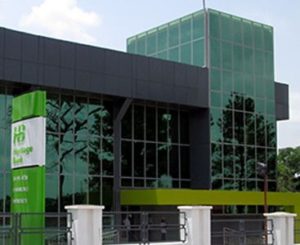
Heritage bank Plc in collaboration with the Central Bank of Nigeria (CBN), under the Nigerian Incentive-Based Risk Sharing in Agricultural Lending (NIRSAL) has continued to drive improved investment outcomes and job creation.
Through this partnership, Heritage Bank is not relenting in its efforts at boosting the agriculture base of the nation to make farming profitable to stakeholders and attractive to the youth.
Recently, the apex bank approved the disbursement of about N75billion as loan to farmers in the 36 states and the Federal Capital Territory (FCT) under the Nigerian Incentive-Based Risk Sharing in Agricultural Lending (NIRSAL).
The loan guarantee scheme is a public-private sector initiative set up to transform the country’s agricultural sector. It was initiated by the CBN, the Bankers’ Committee and the Federal Ministry of Agriculture and Rural Development, to guarantee 75 per cent loans provided by Deposit Money Banks (DPB) to farmers as part of efforts to transform the country’s agricultural sector.
Speaking on the several CBN intervention scheme and private sectors’ partnerships, which have accumulated to thousands of job creations, the MD/CEO, Heritage Bank, Ifie Sekibo, noted, “under the Central Bank of Nigeria’s Anchor Borrowers Programme (ABP) and the Nigeria Incentive-Based Risk Sharing System for Agricultural Lending (NIRSAL), Heritage Bank is positioned to provide on-lending funding to aggregated farmers in the 2020 farming season to grow various products that will serve as raw materials to the processors, thereby ensuring market linkages and access to the market as well as reduce importation and conserve Nigeria’s external reserves.”
According to him, Heritage Bank is also supporting the drive for cash crop commodities that would boost Nigeria’s foreign exchange earnings, which President Mohammad Buhari’s administration has always been cautious given the dangers the continuous reliance on imported food items pose to its efforts to create jobs as well as develop and diversify the economy.
No doubt Heritage Bank’s unswerving lending to agriculture sector has earned it deluge of accolades to its portfolio.
Heritage Bank Plc earned the Nigeria’s Most Innovative Banking Service Provider in 2017 and 2018 that were bestowed with the inaugural Nigeria Sustainable Banking Award convened by the CBN “For Sustainable Transaction of The Year in Agriculture.”
The Nigeria Agriculture Awards (NAA), at its annual event convened by AgroNigeria (The Voice of Nigeria’s Agriculture), to appreciate immense efforts of those who have contributed to the success of the agriculture sector in the country, announced Heritage Bank as the Agric. Bank of the Year.
According to NAA, Heritage Bank was selected in recognition of its footprints in the Agric. space, especially the Triton Aquaculture Project.
Also, Heritage Bank Plc which has been adjudged the lead settlement bank for Gezawa Commodity Market (GCMX), has collaborated with key stakeholders to revolutionise the agricultural value-chain.
The collaboration was aimed at providing fully integrated ecosystem for commodity Exchange.
Heritage Bank was appointed the Lead Settlement Bank and Transaction Adviser to GCMX and a memorandum of understanding (MoU) was signed between the two firms, whilst over 10, 000 farmers in 3000 cooperatives in the 44 local governments of Kano States were hosted.
The partnership between Heritage Bank and the Exchange has continued to facilitate the ease of agro commodity trading in a more structured way, especially with the closeness to the Dawanu, the largest grain market in Africa.
As the ravaging pandemic of coronavirus continue to rage the world, and the new normal steadily grips the global stage. Businesses, enterprises, governments and almost every facet of life has encountered disruption. But one of the sectors that have enjoyed geometric rise in the midst of this pandemic is the foreign exchange market, particularly in Nigeria.
Popularly called FOREX, stakeholders in the global financial market have continued to display unusual trading skills, as these period require unusual skills to triumph. One training, trading and mentoring firm in Nigeria that has continue to soar higher against the tide of the pandemic is FLOTRADE Investments Ltd; the country’s representatives of Tifia ECN Forex Broker.
Flotrade Investments with her exquisite corporate office sited in the heart of Lagos’s capital city, Ikeja is jointly run by the trio of Ogunrinde Folarin, Aballo Michael and Soneye Abolaji. These young entrepreneurs are thoroughbred Forex trainers, coach, trader and investors with at least 10 years experience each.
With a clients base of not less than 4000, including traders, students, mentees and investors, Flotrade Investments has successfully emerged the new face of profitable forex trading in this part of the country. The firm is a conglomerate of Forex market analysts, with the vision to bridge the gap between the general populace and the financial markets by empowering traders with the right skills to make a living in the forex market.
Speaking about their rise in the market, Ogunrinde; Lead-Partner, Flotrade Investment described the company’s strengths and core values as integrity, zeal, team play, diligence and love for humanity.
“We are a team of young and agile entrepreneurs, we strive for the best every morning. We play and carryout our roles as team players. And we are a company with integrity, we don’t promise too much, we prefer to promise less and deliver more with result. Our love for humanity is also another value that propel us to give the best to our students, so we can create wealth and help the country’s cash in circulation. Diligence and zeal are also another part of us that we don’t joke with”, Ogunrinde enthused.
At their weekly free seminar at the Ikeja office on Wednesday, Bisi Balogun; a trainee, who has been trading with the aid of Flotrade team for 4 years spoke glowingly of the Flotrade team saying, ‘they are a team of competent trainers, and there trading tips are topnotch. I have known them for years, and they have remained my coach and mentor in forex trading’.
…Acts as Facility Agent Bank for Nigerian Commercial Banks in the $1.5 Billion Facility to Boost Nigerian Oil Production and Government Revenue
The United Bank for Africa Plc (UBA), the leading pan-African financial services group, has acted as Facility Agent Bank for the Nigerian Commercial Banks in a consortium with other international banks in a $1.5 Billion Pre-Export Finance Facility for the Nigerian National Petroleum Corporation (NNPC) and its upstream subsidiary, the Nigerian Petroleum Development Company (NPDC).
UBA is providing $200 million (Naira equivalent) to support investment growth and liquidity requirements. The facility will provide much needed capital for investment in NNPC’s production capacity, which is of strategic importance to the Nigerian economy and the country’s leading source of foreign exchange earnings. UBA’s position as Facility Agent Bank recognises the Group’s strength in structuring and deploying financing to the oil and gas sector, and the depth and liquidity of the Group’s balance sheet.
The $1.5 billion facility is structured in two tranches. The first tranche of $1 billion, to be repaid over a period of five years, will be provided in dollars. The second tranche of $500 million, will be provided in local currency, over seven years, with UBA acting as Facility Agent Bank, providing $200 million in Naira equivalent. Both facilities will be repaid from an allocation of 30,000 barrels per day of NPDC’s crude oil.

UBA has a strong track record in the resources sector across Africa, having facilitated oil prepayment deals with the NNPC, including its 2013 $100 million participation in the PXF Funding Limited transaction, and a further $60 million in the 2015 Phoenix Export Funding Limited transaction. In Senegal, UBA was responsible for the EUR 240m Revolving Crude Oil Financing Facility for the Société Africaine de Raffinage and in Congo Brazzaville co-funded the $250m crude oil prepayment facility for Orion Oil Limited.
Other participants in the NNPC deal include Standard Chartered Bank, Afrexim Bank, Union Bank and two oil trading companies, Vitol and Matrix.
Speaking on this most recent support for the Nigeria’s petroleum industry, UBA Group Chairman, Tony O. Elumelu stated ‘This has been one of the most economically challenging years that Nigeria has witnessed. With the sharp drop in the price of oil and the ensuing hardship that followed the onset of the Covid-19 pandemic, the private sector must come together and contribute meaningfully to the economy. This facility is clear evidence of this – UBA is providing investment that will significantly improve Nigeria’s production capacity and in doing so also demonstrating the strength, depth, and sophistication of our commercial banking capability. I believe that together, working with governments, we can create more jobs and more wealth for people, not only in Nigeria, but across Africa’.
The United Bank for Africa is one of the largest employers in the financial sector on the African continent, with over 20,000 employees and serving over 20 million customers. UBA operates in 20 African countries and globally in the United Kingdom, the United States of America and France, providing retail, commercial and institutional banking services, leading financial inclusion and implementing cutting edge technology.
The Senate has cleared Ocean Marine Solution Limited (OMSL) of allegations of illegal security activities at the Secure Anchorage Area (SAA) of the Lagos Ports.
The Senate resolution to that effect was passed on Wednesday, December 18, 2019 consequent upon the consideration of the report on the investigation into the allegation by the Joint Committee on Navy, Marine Transport and Finance.
The Senate said that OMS should be commended for its genuine national interest in investing over $400 million into the security at the SAA in particular and the Nigerian waterways in general.
This, according to the Upper legislative chamber of the National Assembly, the OMS did “by providing the needed platforms and logistics for the Nigerian Navy to effectively perform 24/7/365 patrol operations as well as to provide the required protection for vessels waiting to berth at the Lagos Ports.”
It stated that since “no fraud is found in the operations of the OMSL and is operating at no cost to Government, OMSL should be allowed to continue its operations at the SAA until such a time when a better and more cost-effective system is put in place by the Government.”
Read below the full details of the resolution as issued by the Office of the Clerk to the National Assembly and the full report of the Joint Committee on Navy, Marine Transport and Finance:
First Bank of Nigeria Limited, Nigeria’s leading financial inclusion services provider, has announced that the 2020 edition of its annual FinTech Summit is scheduled to hold on Thursday, 6 August 2020 by 12.00 noon. The event will be virtually held via Zoom Meetings.
The 2020 edition of the summit, which is the fourth in its series is themed; “How Blockchain and Artificial Intelligence will Disrupt FinTech in Nigeria” and will be discussed by experts, key and leading players, policy influencers and regulatory officials in the Nigerian financial, banking and technological climate. To participate in the event, click the link https://www.firstbanknigeria.com/business-banking/smeconnect/fintech-summit/registration/ to register.
Chinedu Echeruo, founder of HopStop which was sold to Apple for $1bn will be leading the discussion as the Keynote speaker alongside other panelists; Musa Itopa Jimoh, Director, Payments System Management Department and Aminu Maida, Executive Director, Technology & Operations, Nigeria Inter-Bank Settlement System Plc (NIBSS).
Representing FirstBank in the panel of discussants are Callistus Obetta, Group Executive, Technology & Services and Chuma Ezirim, Group Executive, e-Business & Retail Products
Speaking on the event, Mr. Gbenga Shobo, Deputy Managing Director, First Bank of Nigeria Limited said; “at FirstBank, we have been at the forefront of employing technology in the delivery of financial services in the country exemplified by our various products and services such as FirstMobile, USSD Banking services, FirstMonie Wallet, FirstMonie Agent Banking, FirstAdvance loans provisions
The 2020 edition of our FINTECH summit will build on the successes achieved in the last three editions. We welcome the panelists as we look forward to the shared knowledge which will be integral to deepening the continued growth of banking technology, especially its impact on the Gross Domestic Product of Nigeria and the continent at large.
Technology continues to play a fundamental role in driving financial inclusion and strengthening the growth of SMEs that contribute significantly to the development of the country.
We encourage members of the public, players in the fintech and financial climate to register, as there is knowledge for everyone,” he concluded.
Zenith Bank Plc, Nigeria’s leading financial institution, has commenced its “Zenith Beta Life” Promo to reward customers of the Bank with gifts every week starting from 31st July 2020 to 30th July 2021.
During this period, fifty (50) customers will be selected via raffle draw each week and rewarded with gifts worth NGN30,000.
The Promo is open to existing and new Zenith Bank customers with the following raffle qualifying criteria:
– maintain a minimum deposit of NGN5,000 for the period;
– request and collect a Zenith Bank Card; and
– download and register on the Zenith Mobile App or register for *966# EazyBanking.
Zenith Bank Plc is recognised as one of the most customer-focused financial institutions in the country and was voted the most customer-focused bank in Nigeria for the retail and SME segments in the 2018 KPMG Annual Banking Industry Customer Satisfaction Survey (BICSS).
A clear leader in the digital space with several firsts in the deployment of innovative products, solutions and an assortment of alternative channels that ensure convenience, speed and safety of transactions, Zenith Bank has clearly distinguished itself in the Nigerian financial services industry through superior service quality, unique customer experience and sound financial indices.
In recognition of its track record of excellent performance, Zenith Bank was voted as the Best Commercial Bank in Nigeria 2019 by the World Finance and the Best Digital Bank in Nigeria 2019 by Agusto and Co. The Bank was also recognised as Bank of the Year and Best in Retail Banking at the 2019 BusinessDay Banks and Other Financial Institutions (BOFI) Awards.
More recently, the Bank emerged as the Most Valuable Banking Brand in Nigeria, for the third consecutive year, in the Banker Magazine “Top 500 Banking Brands 2020”, number one Bank in Nigeria by Tier-1 Capital in the “2020 Top 1000 World Banks” Ranking published by The Banker Magazine, Best Bank in Nigeria 2020 in the Global Finance World’s Best Banks Awards 2020, and Bank of the Decade (People’s Choice) at the ThisDay Awards 2020.