The Amalgamated Union of App-Based Transporters of Nigeria has decried the non-fulfilment of commitments by LagRide and Choice International Group Motors Ltd.
The Public Relations Officer, AUATON, Lagos Chapter, Steven Iwindoye, said this in a statement on Tuesday in Lagos.
Iwindoye said that after undergoing a mandatory four-day training programme, most commitments made during the period had not been honoured.
He said app-based transporters could not make consistent progress as the LagRide app had failed to function optimally.
Iwindoye said the drivers were faced with persistent frustrations and operational challenges across various parts of Lagos State.
“Captains in areas such as Ikorodu, Badagry; Igando; Abule Egba; Alagbado; Epe; and other outskirts are often unable to receive trip requests, especially in the mornings or even during the day, unless they relocate to the Island, Ikeja, or central parts of Lagos.
“Many commuters in these areas have already turned to alternative modes of transportation, due to the inefficiencies that have existed since the service’s inception.
“It is deeply concerning that a project of this scale was launched without comprehensive market research, advertisement, or visibility studies.
The ongoing struggles suggest a lack of understanding of the gig economy and the realities of the e-hailing industry.
“Instead of addressing these systemic issues, undue blame continues to be placed on hardworking captains, who are striving to meet asset repayment obligations and support their families.
“Expecting captains to remain exclusively on the LagRide app without receiving trip requests for hours, while providing no incentives or meaningful improvements, is unsustainable,” he said.
Iwindoye noted that Promised features such as daily remittance visibility and in-app asset repayment tracking remained unfulfilled.
He said the app’s limited visibility across Lagos had compounded issues, hence, urging the team to initiate a comprehensive, state-wide public awareness and advertising campaign.
According to him, without this, low user engagement will persist, not due to lack of interest, but due to inadequate reach and public awareness.
He said the captains had borne the costs of vehicle repairs, maintenance, and insurance for over two years, in spite having paid these fees to Ibile Holdings.
Iwindoye said in the event of accidents, there had been no access to the insurance they consistently paid for.
“We are also concerned about the app’s current data and user policy framework, which seems to reflect principles of China’s Cybersecurity Law.
“This approach mandates extensive identity collection and surveillance practices that do not align with Nigeria’s labour and data protection standards.
“As a sovereign nation, Nigeria is governed by the NIMC Act and the Nigeria Data Protection Regulation, which provide distinct legal protections.
“Enforcing foreign data frameworks on Nigerian workers constitutes a breach of our sovereignty and undermines our national legal structures.
“We respectfully call on the CIG and LagRide management to review and revise the app’s data and user policy to reflect Nigerian Labour laws and data protection regulations, not foreign cybersecurity policies incompatible with our national framework.
“The management should ensure that the LagRide app operates efficiently across all regions of Lagos, and launch a sustained and robust advertising campaign to improve service visibility and adoption,” he said.
He enjoined LagRide management to implement previously promised incentives to the drivers, to encourage continued participation and improve service delivery.
He urged that there should be full transparency and access to insurance, vehicle maintenance, and asset repayment tracking through the app.
“We respectfully call on LagRide management to immediately switch to daily payments as originally agreed, instead of the current twice-weekly disbursements, which violate the agreement made with the NLC/AUATON.
“Given the gravity of these issues, we strongly recommend a collaborative return to the drawing board.
“Let us redesign this initiative together, to truly serve the needs of both captains and the broader public, ensuring the long-term sustainability and success of the LagRide scheme,” Iwindoye said.
Travel News: 7 Holiday Destinations that Offers Nigerians Visa on Arrival
Nigerians are generally fun loving and recently research shows that and average hardworking young Nigerian has started creating chances for vacation and would rather want a situation where there will be less hassles with regards to the planning and securing the necessary document to facilitate an hitch-free vacation.
Findings shows that many country have started making traveling routine and laws that are holiday seekers friendly, the introduction of visa on arrival is a plan to open doors by many countries for those who are looking for bureaucracy free vacation. We will be listing some countries that are tourist destination that offers Nigerians easy to process visa on arrival policy.
Cambodia
Stay Duration: 30 days
Entry Requirements
Nigerians looking to visit Cambodia for not more than 30 days can obtain a visa on arrival.
A valid passport is required for entry.
Passports are expected to be valid for six months, at least.
Passports should carry blank pages for stamps and ease of entry.
Visitors are expected to have enough funds for the intended duration of their visit.
Entry is possible with a one-way ticket.
Visitors are also expected to have onward/return tickets and other documents necessary for visitor’s next destination.
A visitor’s luggage should be cleared at the Phnom Penh, Pochentong International Airport.
Because there are currently no direct flights from Lagos to Phnom Penh, Cambodia, visitors are advised to make arrangements for a transit visa.
Comoros
Stay Duration: 45 days
Entry Requirements
Nigeria nationals visiting Comoros can stay for a duration of 45 days without a visa.
Visitors from Nigeria can obtain a visa on arrival at any airport and land borders upon entry into Comoros.
The visa on arrival cost about $33.
Tourists must hold a passport valid for at least 6 months beyond the date of entry into Comoros. The passport should have at least one blank page for visa stamping.
Visitors below 18 years hoping to travel to Comoros must possess travel authorization from their parents or guardians.
Citizens of Nigeria travelling with pets must have a health certificate and proof of rabies vaccination.
Visitors are required to have a return or onward ticket as well as proof of enough funds to spend during their stay in Comoros.
Confirmation of accommodation during their stay in Comoros is needed which can be a hotel reservation or a letter from the host in the country.
Although a proof yellow fever vaccination is not required, tourists are advised to be vaccinated against common illnesses.
There are no direct flights options available from Nigeria to Comoros, therefore there will be a couple of stopovers.
Intending visitors can get to Moroni, Comoros from any international airport in Nigeria. There are international airports in Lagos and Abuja.
Kenya Airways, Air Madagascar and EgyptAir are some of the carriers that fly from Nigeria to Comoros.
The estimated flight duration from Lagos to Moroni, Comoros is 9 hours, 45 minutes and 17 hours, 5 minutes from Abuja.
Comoros is home to diverse religious demography, however, Islam is currently the most practised religion in Comoros with about 99% of the entire population.
Comoros makes use of East Africa Time ( GMT+3), which puts Comoros 3 hours ahead of Nigeria.
Getting around in Comoros is possible with the various public means of transportation available, this includes shared taxis, car rentals, buses, boats and domestic flights.
Type C and E are the power and socket plug types used in Comoros. The standard voltage is 220 V and the standard frequency is 50 Hz.
Comoros has a tropical climate, with a hot and rainy season running from December to April, and a relatively cool and dry season from May to November.
The best time to visit Comoros is during the dry season months of May to September when the weather is cooler and pleasant enough to relax in the beaches.
Langouste a la Vanille (lobster boiled in a rich vanilla sauce), Mkatra foutra (fried unleavened bread made with coconut water) and Pilaou (highly-spiced meat and rice dish) are some of the delicacies tourist can try out while in Comoros.
Comorian, French and Arabic are the official languages in Comoros. Comorian is by far the most spoken language in the country. There are other minor languages spoken by small groups of people throughout the country.
Comorian Franc is the currency used in Comoros. Tourists can exchange their foreign currencies at banks and other exchange outlets in the country.
Visitors are to avoid demonstrations, large gatherings and any political rallies while in the country. Even demonstrations intended to be peaceful can turn confrontational and escalate into violence.
Lesotho
Stay Duration: 14 days
Entry Requirements
Nigerians looking to visit Lesotho for no longer than 14 days can do so on an e-visa.
Intending visitors must carry a valid passport.
Passports are expected to be valid for at least six months beyond the intended period of stay.
Passports must carry blank pages for entry and exit stamps.
Visitors must have enough money to cover their expenses during their visit.
Visitors must also have an onward/return ticket or any other documents necessary for their next destination.
There are no restrictions on the import of local currency and foreign currencies.
Visitors must have proof of yellow fever vaccination.
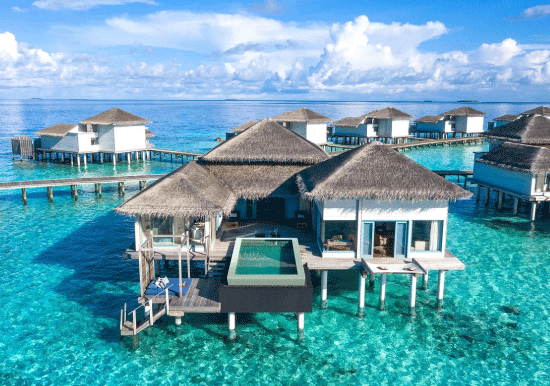
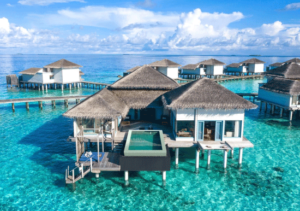
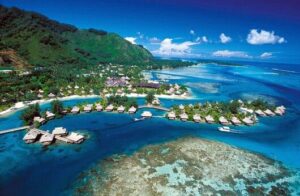
Maldives
Stay Duration: 30 days
Entry Requirements
Nigerians looking to visit the Maldives for no more than 30 days can do so by applying for a visa on arrival.
Nigerians visiting Maldives must have valid passport for entry into the country.
Passports which must be valid for six months at least should also carry blank pages for stamps.
Visitors must have their onward/return tickets and other documents necessary for their next destination outside of the Maldives, ready and valid.
Nigerians visiting Maldives must have sufficient funds to cover for the expenses during their intended period of visit.
Visitors can also carry evidence of accommodation arrangements in the Maldives i.e hotel reservations, etc.
Nigerians visiting Maldives must check for yellow fever vaccination.
There are currently no direct flights options available from Abidjan to the Maldives and visitors would have to make arrangements for a transit visa.
Flights from Lagos to Maldives with one stopover typically lasts for about 15 hours and 35 minutes.
Nigerians visiting Maldives with pets must have a valid health certificate issued by a licensed veterinarian and a proof of rabies vaccination.
While Maldives is home to a diverse religious demography, Islam is currently the religion practiced by a vast majority of Maldives’ population.
The exchange rate between the Nigerian Naira and the Maldivian Rufiyaa is currently at 1 NGN = 0.043 MVR.
Because the time zone currently in use in Maldives is the Maldives Time ( GMT+5 ), Maldives is 4 hours ahead of Nigeria.
Getting around in Maldives is possible with the various public means of transportation available, this includes taxis, ( A trip usually costs around 20 rufiyaas (about $1.30) with a 10 rufiyaa (about 65 cents) fee for bags), speedboats, seaplanes, and ferries.
Maldives uses a type D and G adapter for visitors travelling with chargeable devices.
Maldives has a year-round hot tropical climate, with the wet season which runs from May to October and the dry season from November to April.
The best time to visit the Maldives is from November to April,visitors can enjoy the warm, tropical 80s, and rainfall is infrequent during these months too.
While Dhivehi and English is Maldives’ official language, visitors should have very little difficulty with communication when relating with the people.
Visitors might want to pick up some basic Dhivehi phrases to help them navigate communications in rural spaces.
Palau
Stay Duration: 30 days
Entry Requirements
The visa policy in Palau permits Nigeria citizens can get a visa upon their arrival at any international airport in Palau.
This visa on arrival allows Nigerians to visit Palau for a duration of 30 days.
Tourists who wish to stay beyond the 30-day validity are to apply for an extension at the immigration department in Palau.
Prospective visitors are required to have a passport valid for a minimum of 6 months from the date of arrival in Palau. The passport should have at least one blank page for stamping.
Tourists below the age of 18 must show travel authorization from their parents or guardians.
Nationals of Nigeria travelling to Palau must provide proof of a confirmed means of accommodation for their entire stay in Palau. This could be in the form of a hotel reservation or a sponsor letter from a host living in Palau.
Visitors are required to pay a $20 departure tax and a $30 green fee ($50 total) per person when leaving Palau.
Tourists are required to provide proof of enough funds to spend during their stay in the country.
On entry and exit, Visitors with amounts of over 10,000 USD must declare it.
Intending visitors can get to Palau from any international airport in Nigeria. There are international airports in Lagos and Abuja.
Philippine Airlines, Finnair, Asiana, and Ethiopian Airways are some of the carriers that fly from Nigeria to Palau.
The estimated flight time from Lagos to Ngerulmud, Palau is 1 day, 3 hours and from Abuja, it is 1 day, 4 hours.
Christianity is the most prominent religion in Palau, particularly Roman Catholicism, with about 46% of the entire population. Christian denominations like Seventh-day Adventist and Jehovah’s witness are also present in Palau. Other religions like Buddhism, Baha’i faith and Hinduism make up the minority religion.
The United States Dollar is the official currency in Palau. Visitors are advised to exchange their foreign currencies at banks and other exchange outlets.
Palauan and English are the official languages in Palau. Majority of the population speaks both languages fluently. Tagalog and Japanese are also well-spoken languages in the country.
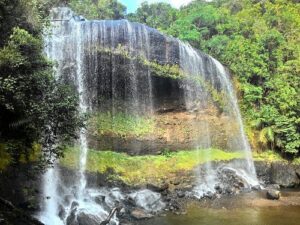
Palau has a tropical rainforest climate with heavy rainfall throughout the year. The dry season is from December to April, and the rainy season is from April to December. The best time to visit Palau is from February to April since it has the least rainfall and sunny period of the year.
Some special delicacies tourists can try in Palau are broiled fish (Palauan style), tinola and ulkoy.
Visitors can move around in Palau with minibuses, taxis, tour buses and car rentals.
Palau uses the Palau time (GMT+9), which puts Palau is 8 hours ahead of Nigeria.
Some tourist destination tourists can visit while in Palau include Rock island, Koror and Peleliu.
The power and socket plug used in Palau are of Type A and B. The standard voltage is 120 V and the standard frequency is 60 Hz.
Visitors are advised to be careful as they go about their tourist-related activities.
Rwanda
Stay Duration: 30 days
Entry Requirements
The visa policy in Rwanda permits Nigerians to visit the country for a period of 30 days by applying for an e-visa.
Tourists can also obtain a visa on arrival at any airport or land border in Rwanda.
Prospective visitors are required to have a passport valid for a minimum of 6 months from the date of arrival into Rwanda. The passport should have at least a blank page for visa stamping.
Citizens of Nigeria travelling to Rwanda must provide proof of a confirmed means of accommodation for their entire stay in Rwanda. This could be in the form of a hotel reservation or a sponsor letter from a host living in the country.
The import and export of local currency are limited to RWF5000. Although the import and export of foreign currency are unlimited, it must be declared upon arrival and exchanged within 8 days.
Tourists are required to provide proof of enough funds to cater for their needs during their stay in Rwanda.
Travellers under the age of 18 must show travel authorization from their parents or guardians.
Intending visitors can get to Rwanda from any international airport in Nigeria. There are international airports in Lagos and Abuja.
Ethiopian Airways and Kenya Airways are some of the carriers that fly from Nigeria to Rwanda.
The estimated flight time from Lagos to Kigali, Rwanda is 4 hours, 30 minutes and from Abuja, it is 7 hours, 35 minutes.
The Rwandan Franc is the official currency used in Rwanda. However, the US Dollar can also be used for transaction purposes. Visitors can exchange their foreign currency at various bank and exchange outlets in the country.
Christianity is the dominant religion in Rwanda, with Roman Catholics, Protestants and Seventh-day Adventist being the leading denominations. About 5% of the population are Sunni Muslims and 2% practice indigenous religions.
Tourists can transport themselves in Rwanda through buses, taxis and car rentals.
Kinyarwanda is the national and the spoken language in Rwanda. It is also one of the country’s official language alongside French, English, and Swahili.
Rwanda has a temperate tropical highland climate. From June to mid-September is the long dry season, which is generally the best time to visit, from October to November is the rainy season and the short dry season from December to February.
Brochettes, Mandazi and Ugali are some foods tourists can try during their stay in Rwanda.
Tourists in Rwanda can budget about $43 to spend on daily expenses.
The power and socket plug used in Rwanda are of Type C and J. The standard voltage is 230 V and the standard frequency is 50 Hz.
Rwanda uses Central Africa Time (GMT +2), which puts Nigeria one hour ahead in time.
Visitors are expected to be courteous and conscious of existing rules and customs as they go about their tourism-related activities.
Tuvalu
Stay Duration: 30 days
Entry Requirements
Nationals of Nigeria can get a visa upon their arrival at any international airport in Tuvalu and at all land border crossings in the country.
This visa allows citizens of Nigeria to stay in Tuvalu for a duration of 30 days.
Tourists who wish to stay beyond the 30-day validity should apply for an extension at the Chief Immigration Officer in Tuvalu.
Prospective visitors are required to have a passport valid for a minimum of 6 months from the date of arrival in Tuvalu. The passport should have at least one blank page for visa stamping.
Travellers under the age of 18 must show travel authorization from their parents or guardians.
Tourists travelling to Tuvalu must provide proof of a confirmed means of accommodation for their entire stay in Tuvalu. This could be in the form of a hotel reservation or a sponsor letter from a host living in Tuvalu.
An airport tax of AUD 30 must be paid on departure from Tuvalu.
Tourists travelling with pets (cats or dogs) must be accompanied by a veterinarian good health certificate and rabies inoculation certificate issued from Nigeria.
Tourists with amounts above AUD $3000 will be required to declare it on arrival and departure.
Tourists are required to provide proof of enough funds to spend during their stay in the country.
Prospective visitors can get to Tuvalu from any international airport in Nigeria. There are international airports in Lagos and Abuja.
British Airways, Fiji Airways, Air France and Air New Zealand are some of the carriers that fly from Nigeria to Tuvalu.
The estimated flight time from Lagos to Funafuti, Tuvalu is 1 day, 13 hours and from Abuja, it is 1 day, 17 hours.
English and Tuvaluan are the official languages in Tuvalu, however, Tuvaluan is the most common language spoken in the country.
The Tuvaluan Dollar is an official national currency and used only in Tuvalu. However, the Australian Dollar is widely accepted all through the country. Visitors are advised to exchange their foreign currencies at banks and other exchange outlets.
Tuvalu has a hot and humid tropical climate. The dry season from March to October tends to be a bit cooler and more pleasant than the wet season (rainy season) running from November to February.
Almost all the citizens of Tuvalu are Christians, of different denominations. Traditional belief constitutes minority religion.
Pulaka and coconut crab are some of the dishes tourists can try in Tuvalu.
Visitors can move around in Tuvalu with minibuses, car rentals and taxis.
Tuvalu uses Tuvalu Time (GMT+12), which puts Nigeria 11 hours behind in time.
Marine Conservation Park, Funafuti, Nanumanga and WWII Plane Wreckage Sites are some of the tourist sites in Tuvalu.
The power and socket plug used in Tuvalu are of Type I. The standard voltage is 220 V and the standard frequency is 50 Hz.
Tourists are advised to exercise caution when in congested areas and pay particular attention to personal belongings while in crowded areas and while travelling on public transportation in Tuvalu.
How to Enter Saint Kitts and Nevis, Dominica, Fiji and More without Visa
It is important that after working through the year, one should take a break and rest, findings however showed that the time to rest in most cases for Nigerians are usually used in working, it was based on this that many would rather travel outside their state of residents or even the country.
The issue with travelling out of the country is the time it takes to process the traveling document and availability of countries to visit, in this write-up we will be exposing our readers to some countries Nigeria can enter without visa, how long they can stay, the airlines plying those countries and many more.
Below are some countries Nigerian passport holder did not require visa or any other travelling document to visit…
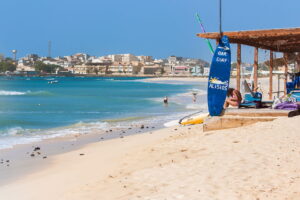
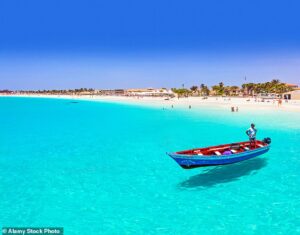
Cape Verde
Stay Duration: 30 days
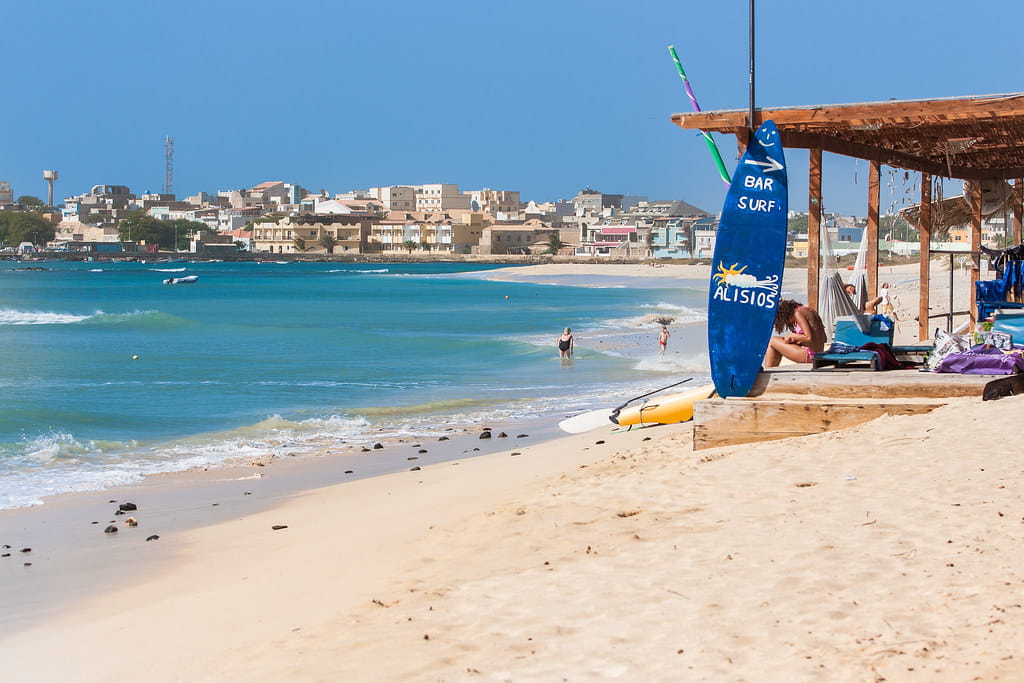
Cape Verde or Cabo Verde, officially the Republic of Cabo Verde, is an archipelago and island country in the central Atlantic Ocean, consisting of ten volcanic islands with a combined land area of about 4,033 square kilometres.
Entry Requirements
Nigeria passport holders can get Cape Verde for a period of 30 days without the need for a visa.
Nigeria citizens hoping to travel to Cape Verde must register online, preferably five days prior to their arrival to Cape Verde.
An airport Security Tax of CVE 3400 is levied on tourists arriving in Cape Verde.
Intending visitors are required to have a passport valid for a minimum of 6 months from the date of arrival in Cape Verde. The passport should have two blank pages for visa stamping.
Travellers under the age of 18 must show travel authorization from their parents or guardians.
Tourists travelling to Cape Verde must provide proof of a confirmed means of accommodation for their entire stay in Cape Verde. This could be in the form of a sponsor letter from a host living in the country or a hotel reservation.
Visitors are required to show proof of enough funds to spend during their in Cape Verde.
Prospective visitors can get to Cape Verde from any international airport in Nigeria. There are international airports in Lagos and Abuja.
British Airways, Ethiopia Airways, Air Europa, and Royal Air Maroc are some of the carriers that fly from Kenya to Cape Verde.
The estimated flight time from Lagos to Praia, Cape Verde is 18 hours, 20 minutes and from Abuja, it is 17 hours, 5 minutes.
The Cape Verdean Escudo is the official currency used in Cape Verde. Visitors can exchange their foreign currency at various banks and exchange outlets in the country.
The official language of Cape Verde is Portuguese. But the unofficial one, which is spoken by most ( if not all) is the Cape Verdean Creole, which is also known as kabuverdianu or simply called Creole or Kriolu.
Cape Verde’s subtropical climate makes year-round travel pleasant and enjoyable. August is the hottest month in Cape Verde, and the coldest is January.
Fogo, Sal, Palmeira and Santa Maria are facinating places in Cape Verde Tourists can visit.
While Cape Verde is home to diverse religious demography, Christianity is currently the religion practised by a vast majority of Cape Verde’s population.
Visitors can move around in Cape Verde with minibuses, taxis, boats and planes.
Canja, catchupa, morreia and percebes are some of the dishes tourists can enjoy while in Cape Verde.
The Time zone in Cape Verde is (GMT-1), which puts Nigeria two hours ahead in time.
The power and socket plug used in Cape Verde are of Type C and F. The standard voltage is 230 V and the standard frequency is 50 Hz.
Cape Verde is a small country and very difficult to spot on a world map, but the country has a lot to offer. Each island serves a different set of attraction and reasons to visit the region.
COOK ISLANDS
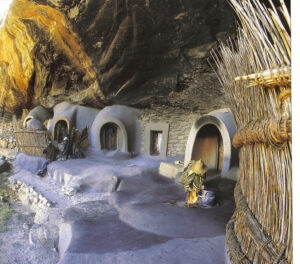
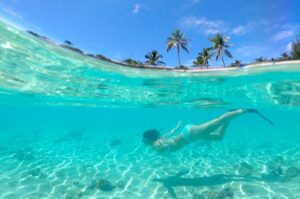
The Cook Islands is a nation in the South Pacific, with political links to New Zealand. Its 15 islands are scattered over a vast area. The largest island, Rarotonga, is home to rugged mountains and Avarua, the national capital. To the north, Aitutaki Island has a vast lagoon encircled by coral reefs and small, sandy islets. The country is renowned for its many snorkeling and scuba-diving sites.
DO I NEED A PERMIT TO TRAVEL TO THE COOK ISLANDS?
No. All visitors wishing to visit the Cook Islands will be issued a visitors permit on arrival into the Cook Islands, provided they meet the following entry requirements:
All international passport holders must have a passport valid for a period of at least 6 months beyond their intended period of stay in the Cook Islands.
All New Zealand passport holders are allowed stay of up to 90 days in the Cook Islands. All other international passport holders are eligible for a stay of up to 31 days.
You must have evidence of a valid outbound ticket or return ticket to your port of origin.
Languages
WHAT ARE THE OFFICIAL LANGUAGES OF THE COOK ISLANDS?
The official languages of the Cook Islands are Cook Islands Maori and English. English is widely spoken on the island of Rarotonga. While Cook Islands Maori is predominantly used in the outer islands (Pa Enua) of the Cook Islands.
AIRLINES
Hawaiian AirlinesHawaiian Airlines
Air New ZealandAir New Zealand
Singapore AirlinesSingapore Airlines
JetstarJetstar
Air TahitiAir Tahiti
Fiji
Stay Duration: 120 days
Fiji, a country in the South Pacific, is an archipelago of more than 300 islands. It’s famed for rugged landscapes, palm-lined beaches and coral reefs with clear lagoons. Its major islands, Viti Levu and Vanua Levu, contain most of the population. Viti Levu is home to the capital, Suva, a port city with British colonial architecture. The Fiji Museum, in the Victorian-era Thurston Gardens, has ethnographic exhibits.
Entry Requirements
The visa policy in Fiji permits Nigerians to visit without the need for a visa for up to 120 days.
Tourists who want to stay beyond the 120-day validity period can apply for a visa extension at the immigration department for a fee.
Intending visitors must have a passport valid for six months from the date of arrival in Fiji. It is recommended that this passport has at least two blank pages for entry and exit stamp.
Tourists are required to have a return or onward ticket and proof of enough funds to spend during their stay in the country.
Requisite fee ($F98) will also be requested for during immigration clearance. This fee is not required if visitors are visiting for medical treatments or are yacht owners, because yacht owners or members of a crew of a carrier will have paid for the permit before arrival.
Tourists travelling to Fiji must provide proof of a confirmed means of accommodation for their entire stay in Fiji. This could be in the form of a sponsor letter from a host living in the country or a hotel reservation.
Fiji has listed a number of countries that cannot bring in pet and Nigeria is one of them.
Persons under the age of 18 and travelling without a parent or guardian must present a copy of their birth certificate and a parental consent form. This form must be duly completed and signed by the parent or guardian.
Prospective visitors hoping to travel to Fiji can do so from any international airport in Nigeria. There are international airports in Lagos and Abuja.
Emirates Airline, Fiji Airways and Qatar Airways are some of the carriers that fly from Nigeria to Fiji.
The estimated flight duration from Lagos to Suva, Fiji is 1 day, 8 hours and from Abuja, it is 1 day, 12 hours.
Though others (Islam and Hinduism) exist, Christianity is the dominant religion in Fiji.
Fiji has a warm and tropical climate all year round. The best time to visit fiji is from mid-October to mid-November when prices are fair, and the beaches and tourists sites are packed with fewer crowds. This is also when the weather conditions are dry, calm and enjoyably warm.
Fiji’s numerous natural beauties and endowments put it out as a great place for tourists and visitors looking to experience the richness of nature and to discover new cultures.
There are three official languages in Fiji, which are English, Fijian and Hindi.
The Fijian dollar is the official currency of Fiji. ATMs can easily be found in major parts of Fiji and credit/debit cards are accepted by many business outlets in Fiji. Visitors can change their foreign currency at banks and various exchange outlets.
Popular Fiji dishes tourists can try while in the country are kokoda, rourou, lovo, etc.
Fiji uses the Fiji Standard Time (GMT+12), which puts Fiji eleven hours ahead of Nigeria.
Power sockets and plugs used in Fiji are of type I. The standard supply voltage is 240 V, with a standard frequency of 50 Hz.
A tourist in Fiji spends an average of FJD$360 per day.
Visitors are expected to be courteous and conscious of existing rules and customs as they go about their tourism-related activities.
Dominica
Stay Duration: 180 days
Dominica is a mountainous Caribbean island nation with natural hot springs and tropical rainforests. Morne Trois Pitons National Park is home to the volcanically heated, steam-covered Boiling Lake. The park also encompasses sulphur vents, the 65m-tall Trafalgar Falls and narrow Titou Gorge. To the west is Dominica’s capital, Roseau, with colorful timber houses and botanic gardens.
Entry Requirements
For a duration of 180 days, Nigerians can visit Dominica without a visa.
A passport valid for at least six (6) months from the expected date of entry into Dominica, is also a basic requirement. The passport should have at least two blank pages for visa stamping.
Tourists are required to have a return or onward ticket and proof of enough funds to spend during their stay in Dominica.
A detailed printed itinerary of your time in Dominica and a confirmation of accommodation during the stay are needed.
An airport tax of USD 21 is levied on Nigerians when exiting Dominica.
Intending visitors can get to Dominica from any international airport in Nigeria. These international airports can be found in Lagos and Abuja.
Lufthansa, Air France, British Airways and Air Cote D’Ivoire are some of the carriers that fly from Nigeria to Dominica.
The estimated flight time from Lagos to Roseau, Dominica is 23 hours, 55 minutes and 1 day from Mombasa.
The official and most spoken language in Dominica is English. Some regions in Dominica speak a dialect called Kokoy.
Christianity is the prominent religion in Dominica. They consist majorly of Roman Catholics and Protestants. Islam, Buddhism, Baha’i, Hinduism make up the minority.
The Eastern Caribbean dollar is the official currency in Dominica. Tourists can exchange their foreign currencies at banks and other exchange outlets in the country.
As you travel to Dominica, be ready to spend on average between $60-$200 per day as a tourist.
Dominica has a tropical climate. It is usually hot and humid all year round, with a relatively cool and dry season from January to mid-April and a hot, humid and rainy season from mid-June to mid-November.
Some of the special delicacies tourists can try while in Dominica include manicou, sorrel, codfish sandwich and rum.
Transportation in Dominica can be facilitated by taxis, car rentals and buses.
Dominica uses the Atlantic Standard Time (GMT-4) which puts Nigeria 5 hours ahead of Dominica.
The best time to visit Dominica is from March to May when the peak season rush trickles out of the city.
Type D and G are the power and socket plug types used in Dominica. The standard voltage is 230 V and the standard frequency is 50 Hz.
Tourists are advised to follow the instructions of local authorities and also monitor local news broadcasts while in the country.
Haiti
Stay Duration: 90 days
Haiti is a Caribbean country that shares the island of Hispaniola with the Dominican Republic to its east. Though it’s still recovering from a 2010 earthquake, many of Haiti’s landmarks dating to the early 19th century remain intact. These include Citadelle la Ferrière, a mountaintop fortress, and the nearby ruins of Sans-Souci Palace, the baroque former royal home of King Henry I.
Entry Requirements
Nigerians citizens can visit Haiti for a period of 90 days without a visa.
Visitors who desire to stay longer than the 90-day period are to apply and pay for an extension at the immigration department in Haiti
Intending visitors are required to have a passport valid for a minimum of 6 months beyond the date of their arrival in Haiti.
All Nigerians travelling to Haiti must pay a tourist fee set at $10.00 on arrival at the airport.
Visitors are required to provide proof they have sufficient funds to cover their entire stay in Haiti. An onward or return ticket is also necessary, as well as proof of a confirmed means of accommodation for the stay in Haiti.
Nigerians visiting Haiti with pets must have a veterinary health certificate and proof of rabies vaccination.
On entry into Haiti, tourists with amounts exceeding $10,000 will have to declare it on arrival.
Although there are no direct flights from Nigeria to Haiti, intending visitors can get to Haiti from international airports in Nigeria. There are international airports in Lagos and Abuja.
Virgin Atlantic, Delta, Air France, British Airways and RwandAir are some of the carriers that fly from Nigeria to Haiti.
Christianity, precisely Roman Catholicism, is the official religion of Haiti, with about 80% of the entire population practising it. However, a large majority of Haitians believe in and practice at least one aspect of voodoo.
The estimated flight duration from Lagos to Port-au-Prince, Haiti is 21 hours, 4 minutes and from Abuja, it is 1 day, 4 hours.
The official currency of Haiti is the Haitian Gourde, although the USD is also widely accepted. Visitors can exchange their foreign currency at various banks and exchange outlets in the country.
Tourists are advised to budget between $60-$75 to spend per day while in Haiti.
The Haitian Creole (Kreyòl) and French are the official languages of Haiti.
Haiti has a hot and humid tropical climate. The north wind brings fog and drizzle, which interrupt Haiti’s dry season from November to January. But from February to May, the weather is very wet. Northeast trade winds bring rains during the wet season.
November to March is the best time to visit Haiti because the temperatures are much cooler and perfect for relaxing in the beaches.
Some of the delicacies tourists can enjoy in Haiti include poulet aux noix (chicken and cashew nuts), mayi moulen ak sòs pwa, poul an sòs (cornmeal with beans and stewed chicken), griyo (fried pork), lanbi an sòs lanbi kreyol (conch in creole sauce), lanbi boukannen and woma boukannen (grilled conch and lobster).
The hurricane season in Haiti lasts from June to the end of November; tourists are advised to plan their trip cautiously.
Haiti uses the Eastern Daylight Time (GMT- 4), which means Nigeria is five hours ahead in time.
The power and socket plug used in Haiti are of Type A and B. The standard voltage is 110 V and the standard frequency is 60 Hz.
Movement in Haiti is possible with buses, taxis and car rentals.
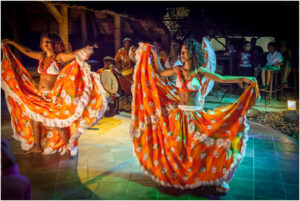
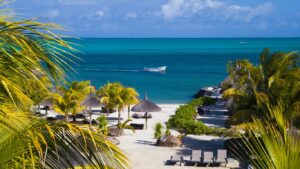
Mauritius
Stay Duration: 14 days
Mauritius, an Indian Ocean island nation, is known for its beaches, lagoons and reefs. The mountainous interior includes Black River Gorges National Park, with rainforests, waterfalls, hiking trails and wildlife like the flying fox. Capital Port Louis has sites such as the Champs de Mars horse track, Eureka plantation house and 18th-century Sir Seewoosagur Ramgoolam Botanical Gardens
Entry Requirements
Nigerians hoping to travel to Mauritius can get a visa on arrival into the country.
This visa on arrival permits Nigerians to stay for a duration of 14 days.
Prospective visitors must have a passport valid for at least 6 months at the time of entry into Mauritius. The passport should have at least one blank page for visa stamping.
Tourists are required to have a return or onward ticket and proof of enough funds to spend during their stay in Mauritius.
Confirmation of accommodation during their stay in Mauritius is also required.
Nigerians importing and exporting the local currency (Mauritian Rupee) and foreign currencies which amounts exceed MUR 500,000 or equivalent in foreign currencies must be declared before entry into the country.
Intending visitors can get to Mauritius from any international airport in Nigeria. There are international airports in Lagos and Abuja.
Kenya Airways, British Airways, EgyptAir and Air Mauritius are some of the carriers that fly from Nigeria to Mauritius.
The estimated flight duration from Lagos to Port Louis, Mauritius is 11 hours, 30 minutes and from Abuja, it is 19 hours, 40 minutes.
Mauritius has a mild tropical maritime climate throughout the year. The country has two seasons, which are a warm humid summer from November to April and a relatively cool dry winter from June to September, which is the best time to travel.
Mauritius is a multilingual country with no official language. Citizens speak various languages ranging from English, French, Mauritian Creole, French-based Creole, and ethnic languages such as Hindi, Telugu, Tamil, Malayalam, Marathi, Urdu and Tamil or Mandarin.
The Mauritian Rupee is the official and only currency used in Mauritius. Visitors can exchange their foreign currencies at various bank and exchange outlets in the country.
In Mauritius, Hinduism is the major religion with about half of the entire population practising the religion. Christianity, Islam Buddhism are other religions present in the country.
Popular delicacies in Mauritius are dholl pori, dim sum, daube de poulet and bol renverse.
Tourists are advised to budget about $68 for daily expenses for their stay in Mauritius.
In Mauritius, the power plugs and sockets are of type C and G. The standard voltage is 230 V and the standard frequency is 50 Hz.
Mauritius uses Mauritius Standard Time (GMT+4). which puts Nigeria 3 hours behind in time.
Transportation in Mauritius can be done through buses, car rentals, taxis, trains etc.
Tourists are advised to follow the instructions of local authorities and also monitor local news broadcasts while in the country.
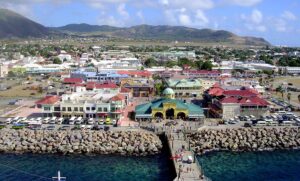
Saint Kitts and Nevis
Stay Duration: 90 days
Saint Kitts and Nevis is a dual-island nation situated between the Atlantic Ocean and Caribbean Sea. It’s known for cloud-shrouded mountains and beaches. Many of its former sugar plantations are now inns or atmospheric ruins. The larger of the 2 islands, Saint Kitts, is dominated by the dormant Mount Liamuiga volcano, home to a crater lake, green vervet monkeys and rainforest crisscrossed with hiking trails.
Entry Requirements
Nigerians visiting Saint Kitts and Nevis can stay for a period of 90 days visa free.
Nigerians visiting Saint Kitts and Nevis require a passport valid for six months and must carry blank spaces for stamps.
Nigerians visiting Saint Kitts and Nevis should have sufficient money to cover for the length of their visit.
Visitors are also required to have their return tickets and all document relevant to their onward reservations.
Visitors interested in extending their stay are expected to contact the Ministry Of Finance.
Travelling to Basseterre, Saint Kitts and Nevis from Lagos will require a stopover in Atlanta, USA.
Nigerians visiting Saint Kitts and Nevis with pets must have an import permit, veterinary certificate and proof of rabies vaccination.
Nigerians visiting Saint Kitts and Nevis must check for hepatitis A, hepatitis B, typhoid, yellow fever, rabies, meningitis, polio, measles, mumps and rubella (MMR), Tdap ), chickenpox, shingles, pneumonia and influenza vaccination.
Connecting flights between Lagos and Saint Kitts and Nevis typically lasts for about 10 hours.
While Saint Kitts and Nevis is home to a diverse religious demography, Christianity is currently the religion practiced by a vast majority of Saint Kitts and Nevis population.
The exchange rate between the Nigerian Naira and the East Caribbean Dollar is currently at 1 NGN = 0.0075 XCD.
Because the time zone currently in use in Saint Kitts and Nevis is the Atlantic Standard Time ( GMT-4 ), Saint Kitts and Nevis is 5 hours ahead of Nigeria.
Getting around in Saint Kitts and Nevis is possible with the various public means of transportation available, this includes buses, (fares usually cost between cost EC$2.50 to EC$5), taxis, ferries and car rentals.
Saint Kitts and Nevis uses a type D and G adapter for visitors travelling with chargeable devices.
The climate in St.Kitts and Nevis is tropical, hot and humid all year round, with a relatively cool, dry season from January to mid-April and a hot, humid and rainy season from mid-June to mid-November.
The best time to visit St.Kitts and Nevis is in May and June, when hotels lower their rates to lure in travelers and the winter crowds thin out.
English is the official language spoken in Saint Kitts and Nevis.
Vanuatu
Stay Duration: 30 days
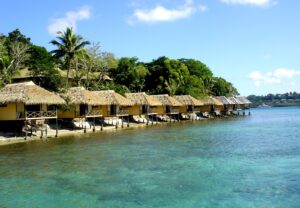
Vanuatu is a South Pacific Ocean nation made up of roughly 80 islands that stretch 1,300 kilometers. The islands offer scuba diving at coral reefs, underwater caverns and wrecks such as the WWII-era troopship SS President Coolidge. Harborside Port Vila, the nation’s capital and economic center, is on the island of Efate. The city is home to the Vanuatu National Museum, which explores the nation’s Melanesian culture.
Entry Requirements
The Government of Vanuatu allows nationals of Nigeria to visit their country for a duration of 30 days without a visa.
Citizens of Nigeria who wish to stay longer than the 30-day validity period are to apply and pay for an extension at the Offices of Immigration in Vanuatu.
Intending visitors are required to have a passport valid for a minimum of 6 months beyond their date of arrival into Vanuatu. The passport should have at least two blank pages for visa stamping.
Nigerians travelling to Vanuatu must provide proof of a confirmed means of accommodation for their entire stay in Vanuatu. This could be in the form of a sponsor letter from a host living in the country or a hotel reservation.
Nigerians visiting Vanuatu with pets must have an import Permit from the Vanuatu Quarantine & Inspections Service and a health certificate.
A return ticket to Nigeria or onward destination is needed as well.
On entry and exit into Vanuatu, tourists with amounts above VUV 1,000,000 will be required to declare it.
Travellers can get to Vanuatu from international airports in Nigeria. There are international airports in Lagos and Abuja.
Qatar Airways, EgyptAir and Fiji Airways are some of the airlines that fly from Nigeria to Vanuatu.
The estimated flight time from Lagos to Port Vila, Vanuatu is 1 day, 10 hours and from Abuja, it is 1 day, 13 hours.
The constitution of Vanuatu guarantees freedom of religion. Christianity is the dominating religion in Vanuatu. However, other religions like Baha’i faith, Buddhism, Hinduism and Islam are present in the country.
Vanuatu Vatu is the official currency used in Vanuatu. Visitors can various banks and exchange outlets in the country to exchange their foreign currencies.
Mt. Yasur Volcano, Port Villa, Luganville and Mt. Benbow and Mt. Marum are some of the tourist sites in Vanuatu that tourists can visit.
English, French, and Bislama are the three official languages of Vanuatu. However, Bislama, which is an English Creole is the most spoken language in the country.
Vanuatu has a tropical and sub-tropical climate. Summer can be hot, wet and humid, and it is from November to March, while winter is from April to October.
Tourists are advised to budget about $60 to spend on daily expenses while in Vanuatu.
Special delicacies tourists can try while in Vanuatu are Flying fox, Wild pigeon, Santo beef and Poulet fish.
Vanuatu uses Vanuatu Standard Time (GMT+11), which puts Nigeria 10 hours behind in time.
The power and socket plug used in Vanuatu are of Type I. The standard voltage is 220 V and the standard frequency is 50 Hz.
Movement in Vanuatu is possible with a pickup truck, bicycle and small boats.
Visitors travelling to Vanuatu are expected to be courteous and conscious of existing rules and customs as they go about their tourism-related activities.
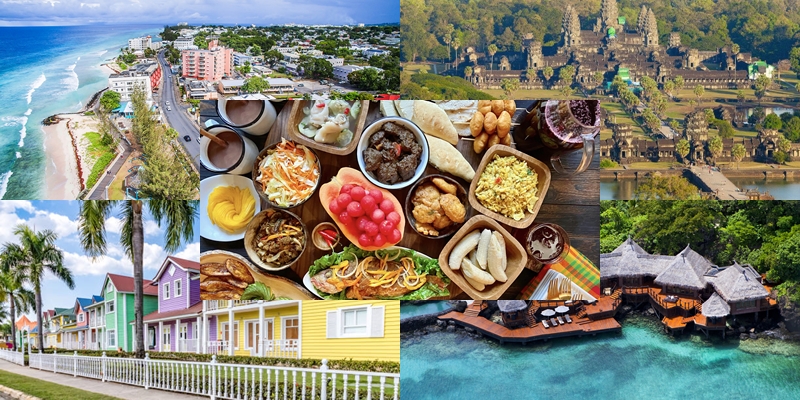
Travel: Places You Can go Visa free with Nigerian Passport Part I
There is a general believe that Nigerians who carries the country green passport are only restricted to countries in Africa that we have relationship with, but findings shows that vacation seeking Nigerians can actually visit many exciting locations around the world without the need of visa or any other permit except enough funds to finance your traveling and all.
Below are some countries Nigerian passport holder did not require visa or any other travelling document to visit…
Barbados
Stay Duration: 180 days
Barbados is an eastern Caribbean island and an independent British Commonwealth nation. Bridgetown, the capital, is a cruise-ship port with colonial buildings and Nidhe Israel, a synagogue founded in 1654. Around the island are beaches, botanical gardens, the Harrison’s Cave formation, and 17th-century plantation houses like St. Nicholas Abbey. Local traditions include afternoon tea and cricket, the national sport
Entry Requirements
Citizens of Nigeria visiting Barbados can stay for a duration of 6 months in the country without a visa.
Tourists who wish to extend their stay in Barbados, should apply and pay for an extension via the Barbados Immigration Department.
Prospective visitors are to provide a passport valid for a minimum period of 6 months from the date of arrival in Barbados.
Visitors are to provide proof of accommodation for their stay in Barbados, which could be a hotel reservation or a letter from the host who is already living in Barbados.
A copy of the tourist’s financial statement to show that they have enough money to take care of themselves for their entire stay in Barbados will be required.
Tourists below the age of eighteen (18) travelling without a parent or guardian must have a letter of authorization from a parent or guardian.
Prospective visitors hoping to travel to Barbados can do so from any international airport in Nigeria. These airports can be found in Lagos and Abuja.
Airlines that travellers can board from Nigeria to Barbados include Kenya Airways, Air France, Virgin Atlantic, British Airways and Caribbean Airlines.
The estimated flight time from Lagos to Bridgetown, Barbados is 21 hours and from Abuja, it is 1 day, 1 hour.
Barbados make use of the Atlantic Standard Time (GMT -4), which put Nigeria five hours ahead in time.
Christianity is the dominating religion in Barbados with about 95% of the population of the country. Other religions are Islam, Hinduism, Judaism, Wicca, and Baha’i.
The official language in Barbados is English, however, Bajan is spoken majorly in an informal setting throughout the country.
The official currency used in Barbados is the Barbadian Dollar (B$). The US Dollar is also acceptable in the country. Visitors can exchange their foreign currency at various banks and exchange outlets in the country.
Barbados has a tropical climate and the weather is usually hot and sunny all year round, with over 3000 hours of sunshine each year. The rain comes in quick showers. The dry season lasts from January to June.
Tourists are advised to budget about $350 BBD a day for expenses while in Barbados.
The power and socket plug used in Barbados is of Type A and B. The standard voltage is 115 V and the standard frequency is 50 Hz.
Bathsheba, Crane Beach, Barbados Wildlife Reserve and Farley Hill National Park are fascinating places in Barbados that tourists can visit while in the country.
Visitors can move around in Barbados with buses, taxis and car rental. Also, driving is on the left side.
Some delicacies tourists can try in Barbados include, cou cou, flying fish, rice and peas, cutters, etc.
Visitors in Barbados are expected to be courteous and conscious of existing rules and customs as they go about their tourism-related activities.
Cambodia
Stay Duration: 30 days
Cambodia is a Southeast Asian nation whose landscape spans low-lying plains, the Mekong Delta, mountains and Gulf of Thailand coastline. Phnom Penh, its capital, is home to the art deco Central Market, glittering Royal Palace and the National Museum’s historical and archaeological exhibits. In the country’s northwest are the ruins of Angkor Wat, a massive stone temple complex built during the Khmer Empire.
Entry Requirements
Nigerians visiting Cambodia can stay for a duration of 30 days without a visa.
Intending visitors can gain entry into Cambodia by applying for an e-visa for $30. This e-visa takes about 5 days to process.
Visitors can gain entry into Cambodia through Phnom Penh and Siem Reap International Airports, Thailand land borders, and also from Vietnam land border.
Nationals of Nigeria can also pay for a visa on arrival at any of these international airports or land borders mentioned above.
Tourists can extend their stay once by a month, by applying at the Immigration Department. Overstaying the visa duration will attract a fine.
Prospective visitors must possess a passport valid for 6 months beyond their stay in Cambodia. The passport must have one blank page for visa stamping.
In Cambodia, the import of local currency is prohibited. Visitors carrying foreign currency above $10,000 will be asked to declare it.
The export of local currency is also prohibited. The amount declared at Customs on arrival will be taken out in foreign currency, not local currency.
Tourists are required to have a return or onward ticket and proof of enough funds to last them their entire stay in the country.
Confirmation of accommodation during their stay in Cambodia is needed which can be a hotel reservation or a letter from the host in the country.
Prospective visitors hoping to travel to Cambodia can do so from any international airport in Nigeria. There are international airports in Lagos and Abuja.
Some of the airlines that intending visitors can board from Nigeria to Cambodia include British Airways, Ethiopia Airways, Qatar Airways, Bangkok Airways and Singapore Airlines.
The estimated flight time from Lagos to Phnom Penh, Cambodia is 19 hours and 19 hours, 30 minutes from Abuja.
The official language of Cambodia is Khmer, which is spoken by majorly all the citizens of Cambodia.
Cambodian Riel is the official currency of Cambodia. Although the US Dollar can be used at big stores in major cities. Visitors can exchange their foreign currency at various bank and exchange outlets in the country.
Buddhism is the official religion of Cambodia. Approximately 97% of Cambodia’s population practices it. Islam, Christianity, and tribal animism make up the bulk of the small remainder.
Cambodia has a tropical climate with warm weather all through the year. There are two seasons, The northeast monsoon season which runs from December through April, bringing sunny, dry weather, especially in January and February.
Visitors can move around in Cambodia with buses, taxis and car rental.
Kroeung, kampot, hu tiue and prahok are some of the dishes enjoyed in Cambodia.
Tourists can budget between $20-$30 to cater for daily expenses in Cambodia.
Cambodia makes use of the Indochina Time (GMT+7), which puts it six hours ahead of Nigeria.
The power and socket plug used in Cambodia is of Type A, C and G. The standard voltage is 230 V and the standard frequency is 50 Hz.
Visitors are to be careful and avoid asking the locals controversial questions like topics about war, politics, the problem in the mines, or any other questions that might trigger bad memories.
Seychelles
The Seychelles is an archipelago of 115 islands in the Indian Ocean, off East Africa. Its home to numerous beaches, coral reefs and nature reserves, as well as rare animals such as giant Aldabra tortoises. Mahé, a hub for visiting the other islands, is home to capital Victoria. It also has the mountain rainforests of Morne Seychellois National Park and beaches, including Beau Vallon and Anse Takamaka. Renowned for its beautiful beaches, the archipelago is a destination for thousands of tourists and people who want to conduct business in the country.
Citizens of Nigeria with a valid Nigerian passport are not required to have a visa before travelling down to Seychelles, the country has a standing agreement with Nigeria where citizens of both countries can travel to the other country and stay for a total of 30 days without needing a visa. The only thing that you will need within the stated period of 30 days is your Seychelles visitors permit and even that is normally issued when you arrive the country.
Where to apply for the Seychelles Visitor’s Permit
All Seychelles visitor’s permits are usually issued on arrival at any of the country’s ports of arrival. You can fly directly to the country’s ports as a Nigerian and ask for a visitor’s permit. Again, like we already established; you will need to tender these documents and evidences to qualify for a visitor’s permit and to be allowed into Seychelles:
Your international passport with at least two blank pages.
An onward ticket or return flights ticket your home country.
Evidence of confirmed accommodation.
Proof of enough funds to cover expenses while in Seychelles.
An invitation letter if you are staying with friends and relatives.
Airlines That Currently Ply the Seychelles Route
Here are some of the airlines that currently fly to Mahe Island, Seychelles from Lagos, Nigeria:
South African airline
Ethiopian airline
Kenya airline
Qatar airline
Turkish airline
Air France
Etihad airline
British Airways
Cape Verde
Stay Duration: 30 days
Cape Verde or Cabo Verde, officially the Republic of Cabo Verde, is an archipelago and island country in the central Atlantic Ocean, consisting of ten volcanic islands with a combined land area of about 4,033 square kilometers.
Entry Requirements
Nigeria passport holders can get Cape Verde for a period of 30 days without the need for a visa.
Nigeria citizens hoping to travel to Cape Verde must register online, preferably five days prior to their arrival to Cape Verde.
An airport Security Tax of CVE 3400 is levied on tourists arriving in Cape Verde.
Intending visitors are required to have a passport valid for a minimum of 6 months from the date of arrival in Cape Verde. The passport should have two blank pages for visa stamping.
Travellers under the age of 18 must show travel authorization from their parents or guardians.
Tourists travelling to Cape Verde must provide proof of a confirmed means of accommodation for their entire stay in Cape Verde. This could be in the form of a sponsor letter from a host living in the country or a hotel reservation.
Visitors are required to show proof of enough funds to spend during their in Cape Verde.
Prospective visitors can get to Cape Verde from any international airport in Nigeria. There are international airports in Lagos and Abuja.
British Airways, Ethiopia Airways, Air Europa, and Royal Air Maroc are some of the carriers that fly from Kenya to Cape Verde.
The estimated flight time from Lagos to Praia, Cape Verde is 18 hours, 20 minutes and from Abuja, it is 17 hours, 5 minutes.
The Cape Verdean Escudo is the official currency used in Cape Verde. Visitors can exchange their foreign currency at various banks and exchange outlets in the country.
The official language of Cape Verde is Portuguese. But the unofficial one, which is spoken by most (if not all) is the Cape Verdean Creole, which is also known as kabuverdianu or simply called Creole or Kriolu.
Cape Verde’s subtropical climate makes year-round travel pleasant and enjoyable. August is the hottest month in Cape Verde, and the coldest is January.
Fogo, Sal, Palmeira and Santa Maria are facinating places in Cape Verde Tourists can visit.
While Cape Verde is home to diverse religious demography, Christianity is currently the religion practiced by a vast majority of Cape Verde’s population.
Visitors can move around in Cape Verde with minibuses, taxis, boats and planes.
Canja, catchupa, morreia and percebes are some of the dishes tourists can enjoy while in Cape Verde.
The Time zone in Cape Verde is (GMT-1), which puts Nigeria two hours ahead in time.
The power and socket plug used in Cape Verde are of Type C and F. The standard voltage is 230 V and the standard frequency is 50 Hz.
Cape Verde is a small country and very difficult to spot on a world map, but the country has a lot to offer. Each island serves a different set of attraction and reasons to visit the region.
COOK ISLANDS
The Cook Islands is a nation in the South Pacific, with political links to New Zealand. Its 15 islands are scattered over a vast area. The largest island, Rarotonga, is home to rugged mountains and Avarua, the national capital. To the north, Aitutaki Island has a vast lagoon encircled by coral reefs and small, sandy islets. The country is renowned for its many snorkeling and scuba-diving sites.
DO I NEED A PERMIT TO TRAVEL TO THE COOK ISLANDS?
No. All visitors wishing to visit the Cook Islands will be issued a visitors permit on arrival into the Cook Islands, provided they meet the following entry requirements:
All international passport holders must have a passport valid for a period of at least 6 months beyond their intended period of stay in the Cook Islands.
All New Zealand passport holders are allowed stay of up to 90 days in the Cook Islands. All other international passport holders are eligible for a stay of up to 31 days.
You must have evidence of a valid outbound ticket or return ticket to your port of origin.
Languages
WHAT ARE THE OFFICIAL LANGUAGES OF THE COOK ISLANDS?
The official languages of the Cook Islands are Cook Islands Maori and English. English is widely spoken on the island of Rarotonga. While Cook Islands Maori is predominantly used in the outer islands (Pa Enua) of the Cook Islands.
AIRLINES
Hawaiian AirlinesHawaiian Airlines
Air New ZealandAir New Zealand
Singapore AirlinesSingapore Airlines
JetstarJetstar
Air TahitiAir Tahiti
Fiji
Stay Duration: 120 days
Fiji, a country in the South Pacific, is an archipelago of more than 300 islands. It’s famed for rugged landscapes, palm-lined beaches and coral reefs with clear lagoons. Its major islands, Viti Levu and Vanua Levu, contain most of the population. Viti Levu is home to the capital, Suva, a port city with British colonial architecture. The Fiji Museum, in the Victorian-era Thurston Gardens, has ethnographic exhibits.
Entry Requirements
The visa policy in Fiji permits Nigerians to visit without the need for a visa for up to 120 days.
Intending visitors must have a passport valid for six months from the date of arrival in Fiji. It is recommended that this passport has at least two blank pages for entry and exit stamp.
Tourists are required to have a return or onward ticket and proof of enough funds to spend during their stay in the country.
Requisite fee ($F98) will also be requested for during immigration clearance. This fee is not required if visitors are visiting for medical treatments or are yacht owners, because yacht owners or members of a crew of a carrier will have paid for the permit before arrival.
Tourists travelling to Fiji must provide proof of a confirmed means of accommodation for their entire stay in Fiji. This could be in the form of a sponsor letter from a host living in the country or a hotel reservation.
Fiji has listed a number of countries that cannot bring in pet and Nigeria is one of them.
Persons under the age of 18 and travelling without a parent or guardian must present a copy of their birth certificate and a parental consent form. This form must be duly completed and signed by the parent or guardian.
Prospective visitors hoping to travel to Fiji can do so from any international airport in Nigeria. There are international airports in Lagos and Abuja.
Emirates Airline, Fiji Airways and Qatar Airways are some of the carriers that fly from Nigeria to Fiji.
The estimated flight duration from Lagos to Suva, Fiji is 1 day, 8 hours and from Abuja, it is 1 day, 12 hours.
Though others (Islam and Hinduism) exist, Christianity is the dominant religion in Fiji.
Fiji has a warm and tropical climate all year round. The best time to visit fiji is from mid-October to mid-November when prices are fair, and the beaches and tourists sites are packed with fewer crowds. This is also when the weather conditions are dry, calm and enjoyably warm.
Fiji’s numerous natural beauties and endowments put it out as a great place for tourists and visitors looking to experience the richness of nature and to discover new cultures.
There are three official languages in Fiji, which are English, Fijian and Hindi.
The Fijian dollar is the official currency of Fiji. ATMs can easily be found in major parts of Fiji and credit/debit cards are accepted by many business outlets in Fiji. Visitors can change their foreign currency at banks and various exchange outlets.
Popular Fiji dishes tourists can try while in the country are kokoda, rourou, lovo, etc.
Fiji uses the Fiji Standard Time (GMT+12), which puts Fiji eleven hours ahead of Nigeria.
Power sockets and plugs used in Fiji are of type I. The standard supply voltage is 240 V, with a standard frequency of 50 Hz.
A tourist in Fiji spends an average of FJD$360 per day.
Visitors are expected to be courteous and conscious of existing rules and customs as they go about their tourism-related activities.
Dominica
Stay Duration: 180 days
Dominica is a mountainous Caribbean island nation with natural hot springs and tropical rainforests. Morne Trois Pitons National Park is home to the volcanically heated, steam-covered Boiling Lake. The park also encompasses sulphur vents, the 65m-tall Trafalgar Falls and narrow Titou Gorge. To the west is Dominica’s capital, Roseau, with colorful timber houses and botanic gardens.
Entry Requirements
For a duration of 180 days, Nigerians can visit Dominica without a visa.
A passport valid for at least six (6) months from the expected date of entry into Dominica, is also a basic requirement. The passport should have at least two blank pages for visa stamping.
Tourists are required to have a return or onward ticket and proof of enough funds to spend during their stay in Dominica.
A detailed printed itinerary of your time in Dominica and a confirmation of accommodation during the stay are needed.
An airport tax of USD 21 is levied on Nigerians when exiting Dominica.
Intending visitors can get to Dominica from any international airport in Nigeria. These international airports can be found in Lagos and Abuja.
Lufthansa, Air France, British Airways and Air Cote D’Ivoire are some of the carriers that fly from Nigeria to Dominica.
The estimated flight time from Lagos to Roseau, Dominica is 23 hours, 55 minutes and 1 day from Mombasa.
The official and most spoken language in Dominica is English. Some regions in Dominica speak a dialect called Kokoy.
Christianity is the prominent religion in Dominica. They consist majorly of Roman Catholics and Protestants. Islam, Buddhism, Baha’i, Hinduism make up the minority.
The Eastern Caribbean dollar is the official currency in Dominica. Tourists can exchange their foreign currencies at banks and other exchange outlets in the country.
As you travel to Dominica, be ready to spend on average between $60-$200 per day as a tourist.
Dominica has a tropical climate. It is usually hot and humid all year round, with a relatively cool and dry season from January to mid-April and a hot, humid and rainy season from mid-June to mid-November.
Some of the special delicacies tourists can try while in Dominica include manicou, sorrel, codfish sandwich and rum.
Transportation in Dominica can be facilitated by taxis, car rentals and buses.
Dominica uses the Atlantic Standard Time (GMT-4) which puts Nigeria 5 hours ahead of Dominica.
The best time to visit Dominica is from March to May when the peak season rush trickles out of the city.
Type D and G are the power and socket plug types used in Dominica. The standard voltage is 230 V and the standard frequency is 50 Hz.
Tourists are advised to follow the instructions of local authorities and also monitor local news broadcasts while in the country.
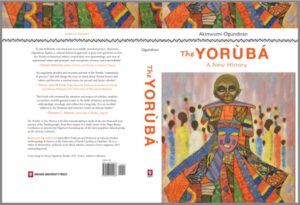
The book, is the first transdisciplinary study of the two-thousand-year journey of the Yoruba people, from their origins in a small corner of the Niger-Benue Confluence in present-day Nigeria to becoming one of the most populous cultural groups on the African continent.
The author, Akinwumi Ogundiran is Chancellor’s Professor and Professor of Africana Studies,
Anthropology & History at the University of North Carolina at Charlotte.
He is co-editor of Materialities of Rituals in the Black Atlantic, named a Choice magazine 2015
outstanding book.
Weaving together archaeology with linguistics, environmental science with oral traditions, and material culture with mythology, Ogundiran in his new book examines the local, regional, and even global dimensions of Yoruba history.
The Yoruba: A New History offers an intriguing cultural, political, economic, intellectual, and social history from ca. 300 BC to 1840. It accounts for the events, peoples, and practices, as well as the theories of knowledge, ways of being, and social valuations that shaped the Yoruba experience at different junctures of time. The result is a new framework for understanding the Yoruba past and present.
The following personalities have these to say about the new work:
“In this brilliantly conceived and successfully executed project, Akinwumi
Ogundiran deploys a cultural-historical approach to pose new questions on how
the Yoruba as historical subject created their own epistemology, new eras of
aspirational values and principle, and conceptions of honor and respectability.”
— Saheed Aderinto, author of Guns and Society in Colonial Nigeria
On his part, “An exquisitely detailed and evocative portrait of the Yorùbá
“community of practice” that will change the ways we think about Yorùbá history and culture and become a seminal source for present and future scholars.”
—Henry John Drewal, Evjue-Bascom Professor Emeritus of African
and African Diaspora Arts, University of Wisconsin-Madison
“This book will command the attention and respect of scholars, students,
researchers, and the general reader in the fields of history, archaeology, anthropology, sociology, and culture for a long time. It is an excellent addition to the literature and reference works on African Studies.”
—Olutayo C. Adesina, University of Ibadan, Nigeria
The Yorùbá: A New History is the first transdisciplinary study of the two-thousand-year journey of the Yorùbá people, from their origins in a small corner of the Niger-Benue Confluence in present-day Nigeria to becoming one of the most populous cultural groups
on the African continent.
ORDER VIA https://iupress.org/9780253051493/the-yoruba/
It is definitely a week for sporting events as philanthropic billionaire businessman Prince Ned Nwoko Foundation will be hosting golf enthusiasts to a great time on the green with One Day Par-3 Golf Tournament on Saturday 23rd November at Royal Golf Course, Idumuje Ugboko Aniocha North Local Government, Delta State.
This is the second sporting event in one week that has something to do with the foundation of this billionaire with milk of kindness, he had earlier in the week brought in foreign coaches, football agents and football scouts into Abuja the country capital under the Prince Ned Nwoko’s Foundation Soccer Star Project. The project which is a football talent hunt where grassroots players are given opportunity to be coached by foreign tacticians after which their talents will be exposed to the football agents and scouts who will be picking 40 best for a footballing tour of Europe.
The golf tournament is the third edition of the yearly sporting event that is promoting tourism and sport development in the country. According to close source, this year’s event will even be greater as it will attract known international golfers with lots of prices to be won.
Prince Ned Nwoko’s Foundation is a non-governmental, non-partisan ethnic neutral organization that is dedicated to improving sport, tourism and environment while working tirelessly to better the lives of an average Nigerian.
For Participation and inquiries contact @megastar_magazine on Instagram or call 07053111111