


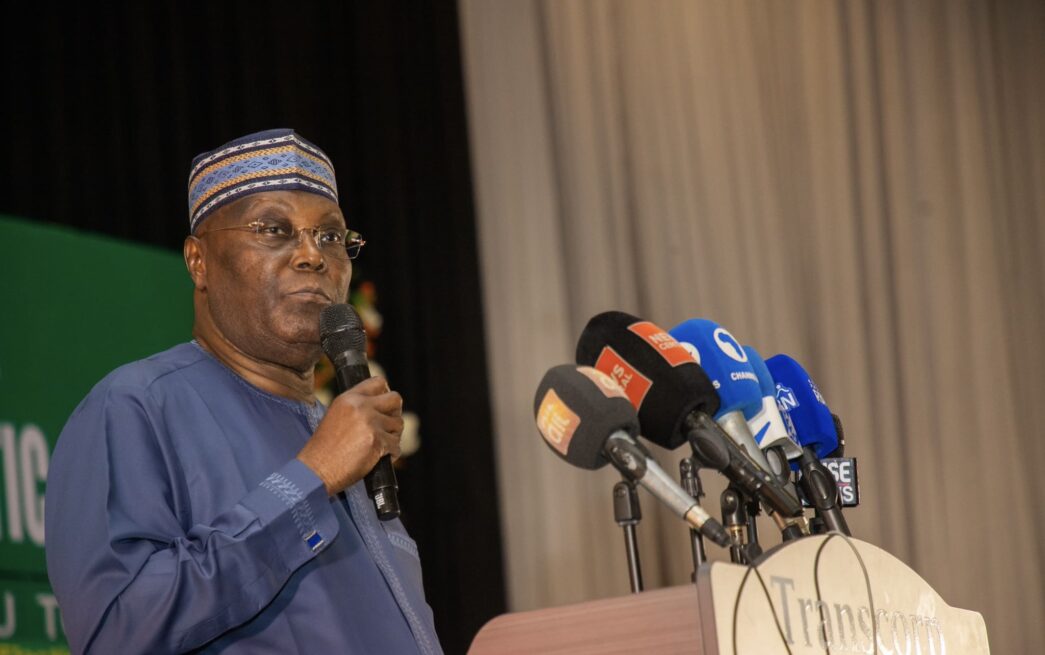
Presidency, Organised Private Sector Kick Against Atiku’s Petrol Subsidy Proposal

Atiku, the African Democratic Congress candidate, said on Thursday that his plan would be different from the old subsidy system. Under his Atiku Economic Recovery Plan 2027, he proposed giving qualifying local refineries crude oil at cheaper rates, with strict conditions to ensure the benefit gets to consumers.
He said the support would be limited and included in the annual budget, while refineries would have to meet clear production and supply targets.
“My proposal is not to resurrect the old subsidy regime. We will move subsidy from importation to production, from middlemen to Nigerian refineries,” Atiku said.
He also questioned about N12tn in energy security expenses recorded by the Nigerian National Petroleum Company Limited in 2023 and 2024, asking the government to explain what the money was spent on.
Atiku argued that Nigerians were already paying higher petrol prices following the removal of subsidy in 2023 and should not also bear the burden of what he described as unexplained petroleum-related costs.
But President Bola Tinubu strongly rejected the proposal, describing it as a sign of “serious ignorance on governance and economy.”
The Presidency, through the Special Adviser to the President on Information and Strategy, Bayo Onanuga, also accused Atiku of changing his position for political reasons. It pointed out that Atiku had supported subsidy removal during the 2023 election campaign and had promised to scrap it within 100 days if elected.
The Presidency argued that bringing back subsidy would place another heavy burden on government finances and could hurt investment in local refining. It also maintained that the subsidy had already been removed under the Petroleum Industry Act.
The Federal Government has continued to defend the policy, with Finance Minister Taiwo Oyedele saying the removal of subsidy, alongside the liberalisation of the naira, saved the federation N15.8tn between June 2023 and December 2025.
But for Atiku, the hardship caused by higher fuel prices makes a rethink necessary. He said his proposed model would provide temporary support for local refineries while gradually phasing out government intervention as domestic refining becomes stronger.
The debate is now shaping up as one of the key economic issues ahead of the 2027 election, with the Nigeria Labour Congress also divided over whether subsidy should return.